-
 ⚡️ Reduced Price ⚡️ Take advantage ⚡️ Reduced Price ⚡️ Take advantage

GHK-Cu (Copper Tripeptide) 150mg ► Sublingual Complex
GHK-Cu (Copper Tripeptide) 150mg ► Sublingual Complex
Couldn't load pickup availability
Share
GHK-Cu is a copper tripeptide composed of glycine, histidine, and lysine bound to a copper ion. It is naturally found in human blood plasma, although its levels decline with age. Formulated as a sublingual complex to optimize its bioavailability, GHK-Cu has been investigated for its role in modulating tissue remodeling by regulating matrix metalloproteinases and stimulating collagen and elastin synthesis in fibroblasts. It also supports angiogenesis, which promotes the formation of new blood vessels, and modulates inflammatory processes through its effects on cytokines. This peptide may support skin health by promoting the integrity of the dermal extracellular matrix, contributing to tissue repair by promoting cell proliferation, and supporting antioxidant function by providing bioavailable copper as a cofactor for enzymes such as superoxide dismutase.
Support for the renewal of the dermal extracellular matrix and optimization of skin health
The sublingual GHK-Cu complex can be used to support the renewal of the skin's structural components, promoting the synthesis of collagen, elastin, and other extracellular matrix elements that provide firmness, elasticity, and a healthy appearance to the skin. This protocol is designed for individuals seeking to support their skin health by optimizing tissue renewal processes at a deep dermal level.
• Dosage: Begin with a 5-day adaptation phase using 2.5 mg of GHK-Cu, which is equivalent to approximately 10 drops (0.5 ml) of the sublingual complex once daily. With a concentration of 5 mg per ml and 20 drops per ml, each drop contains approximately 0.25 mg of GHK-Cu. Therefore, 10 drops provide 2.5 mg. This conservative adaptation phase allows for the assessment of individual tolerance to the sublingual peptide, observation of any initial skin or general well-being reactions, and familiarization with the sublingual administration technique. Place the drops directly under the tongue and hold for 90–120 seconds to optimize absorption through the highly vascularized mucous membranes before swallowing. After completing the adaptation phase and confirming good tolerance, increase to the maintenance dose of 5–7.5 mg daily, equivalent to approximately 20–30 drops (1–1.5 ml), administered once daily or divided into two doses. The most common dosage for skin health goals is 5 mg (20 drops or 1 ml) daily. For users seeking more robust effects on extracellular matrix renewal and who have tolerated maintenance doses well for at least two weeks, an advanced dose of 10 mg daily, equivalent to approximately 40 drops (2 ml), may be considered. This should be administered in two divided doses of 5 mg (20 drops each), one in the morning and one in the evening, to maintain more consistent levels of the peptide throughout the day.
• Frequency of administration: The GHK-Cu sublingual complex can be administered at any time of day, although many users prefer morning administration to provide the peptide during waking hours when cellular metabolism is most active. Sublingual administration on an empty stomach, at least 30 minutes before breakfast, has been observed to promote more complete and predictable absorption of the peptide through the oral mucous membranes without interference from food. For proper sublingual technique, place the drops directly under the tongue using the dropper, hold the drops in this position for 90–120 seconds to allow maximum absorption through the rich network of sublingual capillaries, and then swallow any remaining liquid. After swallowing, avoid eating or drinking for at least 20–30 minutes to maximize the absorption of any peptide remaining in the oral cavity. If using a split dose of 10 mg daily (40 drops total), 5 mg (20 drops) can be administered in the morning on an empty stomach and 5 mg at night before bed or at least 2–3 hours after the last meal, providing more consistent stimulation of extracellular matrix synthesis throughout the circadian cycle. Combining the use of GHK-Cu with skincare practices that include daily sun protection with appropriate SPF, topical hydration, and minimizing exposure to collagen-degrading factors such as excessive UV radiation and smoking can create synergy for comprehensive skin health optimization.
• Cycle Duration: For dermal extracellular matrix renewal objectives, sublingual GHK-Cu can be used for 8-12 week cycles of continuous daily use. This is an appropriate period to observe cumulative effects on the synthesis of collagen and other matrix components that develop over weeks of consistent stimulation. After completing an 8-12 week cycle, implement a 3-4 week break to allow endogenous tissue renewal processes to operate without continuous exogenous modulation and to assess whether the benefits to skin appearance and health are maintained. During the break, observe skin texture, firmness, elasticity, and overall appearance to determine if the effects of the cycle persist. If continued support for extracellular matrix renewal is desired after the break, another cycle can be initiated starting at the maintenance dose without repeating the full adaptation phase unless several months have passed since the last use. Two to three cycles per year can be implemented depending on individual need and specific skin health optimization goals. During GHK-Cu use, maintain proper hydration by drinking at least 2-3 liters of water daily and ensure adequate intake of nutrients that support collagen synthesis, including vitamin C, which is an essential cofactor for collagen-modifying hydroxylases; high-quality protein that provides necessary amino acids; and antioxidants that protect newly synthesized collagen from oxidative damage.
Support for tissue repair and promotion of angiogenesis
GHK-Cu can be used to support repair processes in connective tissues by stimulating the proliferation and migration of cells involved in regeneration, and by promoting angiogenesis, which is crucial for providing the vascular supply necessary for effective tissue repair. This protocol is designed for individuals seeking to support tissue recovery after physical overload, mechanical stress, or simply to optimize the body's overall regenerative capacity.
• Dosage: After a 5-day adaptation phase with 2.5 mg of GHK-Cu daily, equivalent to approximately 10 drops (0.5 ml) of the sublingual complex, proceed to the maintenance dose of 5–10 mg daily for tissue repair purposes. For users seeking more robust support for repair and angiogenesis processes, doses in the range of 7.5–10 mg daily, equivalent to approximately 30–40 drops (1.5–2 ml), administered in two divided doses, are common. 5 mg (20 drops) may be administered in the morning and 5 mg in the evening, or the split may be adjusted according to personal preference. Split dosing may provide more consistent stimulation of tissue repair processes throughout the day. For athletes or highly active individuals who experience continuous demands on connective tissues, the upper end of the dosage range (10 mg daily) may be considered during periods of intensive training or recovery from tissue overload.
• Administration Frequency: For tissue repair and angiogenesis, administration can be strategically timed in relation to physical activity if GHK-Cu is being used specifically for recovery support. One effective strategy is to administer one dose in the morning on an empty stomach to provide the peptide during waking hours when metabolism and cellular activity are high, and a second dose in the evening, ideally 1–2 hours after completing any intense physical activity and before bedtime, to support repair processes that occur during nighttime sleep. If training in the afternoon, a post-workout dose can be taken within 1–2 hours after exercise when repair processes are most active, followed by another dose before bed. Sublingual administration should be performed on a relatively empty stomach: on an empty stomach in the morning, and at least 2–3 hours after meals for evening doses. Hold the drops under the tongue for 90–120 seconds and avoid eating or drinking for 20–30 minutes afterward. On days without intense physical activity, maintain the protocol of two daily doses (morning and evening) to provide consistent stimulation of repair and angiogenesis processes.
• Cycle Duration: For tissue repair support, GHK-Cu can be used in 8-12 week cycles, typically aligned with intensive training blocks or tissue overload recovery periods. After completing an 8-12 week cycle, implement a 3-4 week rest period, which can coincide with deload or active recovery phases in training programs. During the rest period, assess tissue recovery, comfort during movement and activity, and the ability to tolerate physical loads without the peptide. If continued support for another training block or period of intense physical activity is desired after the rest period, another cycle can be initiated. Two to three cycles per year can be implemented, depending on training periodization and individual physical demands. GHK-Cu for tissue repair can be integrated with other recovery optimization strategies including appropriate post-exercise nutrition with emphasis on high-quality protein and carbohydrates for glycogen replenishment, adequate sleep which is critical for all repair processes, recovery techniques such as hot/cold contrast therapy, and complementary supplementation with compounds that support connective tissue health such as vitamin C, hydrolyzed collagen, and antioxidants.
Modulation of inflammatory processes and support of tissue immune balance
GHK-Cu can be used to support the modulation of inflammatory responses in tissues, promoting a cytokine profile that supports the resolution of inflammation and the transition to tissue repair rather than sustained chronic inflammation. This protocol is designed for individuals seeking to support a balance between appropriate immune responses and the prevention of excessive inflammation that can compromise tissue function.
• Dosage: Begin with a 5-day adaptation phase using 2.5 mg of GHK-Cu, equivalent to approximately 10 drops (0.5 ml), administered once daily. During this phase, observe any effects on aspects related to inflammatory balance, such as comfort in tissues that may be experiencing low-grade inflammation, recovery from physical stress, or a general sense of well-being. After adaptation, increase to the maintenance dose of 5–7.5 mg daily, equivalent to approximately 20–30 drops (1–1.5 ml), administered in one or two doses. For inflammatory modulation goals, doses in the 5–7.5 mg range are typically appropriate. If using 7.5 mg daily (30 drops), this can be divided into two administrations of approximately 15 drops each, one in the morning and one in the evening.
• Administration Frequency: For inflammatory modulation purposes, administration can be once daily in the morning on an empty stomach, or divided into two doses (morning and evening) if using a higher dosage range. Morning administration on an empty stomach has been observed to potentially modulate inflammatory responses during the day when the body is more exposed to stressors that can trigger inflammation. Place the drops under the tongue, hold for 90-120 seconds, swallow, and avoid eating or drinking for 20-30 minutes. Combining the use of GHK-Cu with lifestyle practices that support inflammatory balance, including a diet rich in antioxidants and omega-3 fatty acids, which have anti-inflammatory properties; regular exercise, which is an important modulator of inflammatory balance; adequate sleep, which allows for the proper resolution of inflammation; stress management through techniques such as meditation or yoga; and minimizing exposure to pro-inflammatory factors such as environmental pollutants and smoking, can create a comprehensive approach to optimizing inflammatory balance.
• Cycle Duration: For inflammatory modulation goals, GHK-Cu can be used for 8-10 week cycles of continuous daily use, followed by 3-4 week rest periods. During the active cycle, observe effects on physical stress recovery, tissue comfort, and overall well-being, which may reflect improved modulation of inflammatory responses. After the rest period, assess whether the improved inflammatory balance is maintained without the peptide. Two to three cycles per year can be implemented, particularly during or after periods of high physical stress, exposure to environmental factors that promote inflammation, or when seeking support for optimized tissue immune balance. When using GHK-Cu for inflammatory modulation, it is important to maintain all the anti-inflammatory lifestyle practices mentioned to create synergistic effects.
Supports antioxidant function and protects against oxidative stress
GHK-Cu can be used to support the body's antioxidant defense systems by chelating free copper ions that can generate harmful reactive oxygen species, and by increasing the expression of endogenous antioxidant enzymes that neutralize multiple types of free radicals. This protocol is designed for individuals seeking to optimize protection against oxidative stress, particularly those exposed to factors that increase the generation of reactive species, such as UV radiation, environmental pollutants, or intense physical activity.
• Dosage: After completing a 5-day adaptation phase with 2.5 mg of GHK-Cu daily, equivalent to approximately 10 drops (0.5 ml), proceed to the maintenance dose of 5 mg daily, equivalent to approximately 20 drops (1 ml), administered once daily. For antioxidant support purposes, the standard maintenance dose of 5 mg is typically sufficient to observe effects on protection against oxidative stress. Some users who are exposed to particularly high levels of oxidative stressors may consider 7.5 mg daily, equivalent to approximately 30 drops (1.5 ml), which can be administered as a single dose or divided into two doses of approximately 15 drops each.
• Administration Frequency: For antioxidant support, morning administration on an empty stomach is a common strategy, providing the peptide during waking hours when exposure to oxidative stressors such as UV radiation and environmental pollutants is typically highest. Place 20 drops (1 ml) under the tongue, hold for 90–120 seconds, swallow, and avoid eating or drinking for 20–30 minutes. If significant exposure to oxidative stressors, such as prolonged outdoor physical activity with sun exposure, is planned, it may be strategic to take GHK-Cu 30–60 minutes prior to exposure so that protective mechanisms are active during the period of highest reactive species generation. Combining GHK-Cu with other complementary antioxidants such as vitamin C, vitamin E, and polyphenols from dietary sources can create a synergistic antioxidant network where different compounds protect different cellular compartments and regenerate each other.
• Cycle Duration: For antioxidant support purposes, GHK-Cu can be used in 8-12 week cycles, followed by 3-4 week rest periods. During the active cycle, the peptide may upregulate the body's endogenous antioxidant defense systems, and these effects may persist for some time after discontinuing use. During the rest period, assess for changes in the ability to tolerate oxidative stress, recovery from exposure to environmental factors, or skin appearance that may reflect cumulative levels of oxidative stress. Two to three cycles per year can be implemented, potentially timed to coincide with periods of increased exposure to oxidative stressors, such as the summer months with greater sun exposure, periods of particularly intensive physical training, or times of year with higher levels of environmental pollution in the region where one lives.
Comprehensive optimization of skin well-being through multifaceted effects
GHK-Cu can be used as part of a comprehensive approach to optimizing skin health, leveraging its multiple mechanisms of action on extracellular matrix synthesis, angiogenesis, inflammatory modulation, antioxidant protection, and cell renewal. This protocol is designed for individuals seeking a holistic approach to supporting skin health that goes beyond superficial effects to influence multiple aspects of dermal and epidermal function.
• Dosage: Begin with a 5-day adaptation phase using 2.5 mg of GHK-Cu, equivalent to approximately 10 drops (0.5 ml), administered once daily. After adaptation, increase to the maintenance dose of 5–10 mg daily, depending on specific goals and individual response. For comprehensive skin health optimization, a common dose is 7.5 mg daily, equivalent to approximately 30 drops (1.5 ml), divided into two doses of 15 drops each (approximately 3.75 mg per dose). This divided dosage provides consistent stimulation of multiple processes throughout the circadian cycle. Users seeking more robust effects may consider 10 mg daily, equivalent to 40 drops (2 ml), divided into two doses of 20 drops (5 mg) each, one in the morning and one in the evening.
• Administration Frequency: For comprehensive skin health optimization, administration divided into two daily doses is preferred: approximately 15-20 drops in the morning on an empty stomach at least 30 minutes before breakfast, and 15-20 drops in the evening at least 2-3 hours after the last meal and preferably 1-2 hours before bedtime. The morning dose provides support during waking hours when cellular metabolism is active, while the evening dose supports the repair and renewal processes that occur during sleep. The sublingual technique should be consistent: place the drops under the tongue, hold for 90-120 seconds, swallow, and avoid eating or drinking for 20-30 minutes. Integrating GHK-Cu with a complete skincare routine that includes proper cleansing, daily broad-spectrum SPF sun protection, topical hydration with skin barrier-supporting ingredients, and the use of topical antioxidants such as vitamin C in the morning can create synergy where internal support through sublingual GHK-Cu complements external topical care.
• Cycle Duration: For comprehensive skin health optimization, implement 10-12 week cycles of continuous daily use, followed by 3-4 week rest periods. Longer 10-12 week cycles allow the cumulative effects on collagen synthesis, extracellular matrix renewal, and skin function optimization to fully develop and manifest as observable improvements in skin appearance and health. After completing the cycle, during the 3-4 week rest period, assess multiple aspects of skin health, including texture, firmness, elasticity, tone, hydration, and the overall appearance of fine lines and pores. Observe whether the benefits developed during the cycle are maintained during the rest period. Two to three cycles per year can be implemented as part of a proactive skin health optimization program. Some users prefer to time the cycles to coincide with seasonal changes, for example, doing one cycle at the end of winter/beginning of spring to help the skin recover from exposure to the cold, dry winter weather, and another cycle at the end of summer/beginning of autumn to help the skin recover from the cumulative UV radiation exposure of the summer. Throughout the year, maintain healthy skincare practices, including sun protection, proper nutrition rich in antioxidants and high-quality protein, adequate hydration, sufficient sleep, and minimizing factors that degrade collagen, such as smoking and excessive alcohol consumption.
Step 1: Choose the right time
Choose a time when you don't have to eat, drink, or talk for at least 5 minutes. Ideally, apply it in the morning or before an activity that requires concentration, always with a clean mouth and no food debris.
Step 2: Make sure your mouth is well hydrated
A dry mouth reduces absorption. If you have a dry mouth, rinse with a little water, spit it out, and wait about 2 minutes before applying. This keeps the mucous membrane hydrated without diluting the compound.
Step 3: Place the exact dose under the tongue
Place the desired number of drops of the solution directly into the sublingual area (under the tongue), without touching the tongue with the dropper to avoid contamination.
Step 4: Keep the liquid under your tongue without swallowing
Remain silent, without speaking or moving your tongue. Let the liquid sit for at least 2 to 3 minutes . During this time, the compound passes through the mucous membrane and enters directly into the bloodstream. Do not swallow your saliva during this time, as it can draw the compound into the stomach and reduce its effectiveness.
Step 5: Swallow or spit out the excess (optional )
After 3 minutes, you can swallow the remaining liquid or spit it out if you prefer to avoid any secondary gastrointestinal absorption. Most of the compound will have already been absorbed sublingually.
Step 6: Do not eat or drink for the next few minutes
Avoid eating, drinking, or rinsing your mouth for the next 10 to 15 minutes , so as not to interfere with residual absorption or alter the sublingual environment.
Did you know that GHK-Cu can reverse the gene expression pattern in aged fibroblasts towards a more youthful profile?
The tripeptide GHK-Cu has the remarkable ability to modulate the expression of thousands of genes in skin cells, particularly in fibroblasts, the cells responsible for producing collagen, elastin, and other components of the extracellular matrix. As fibroblasts age, their gene expression pattern changes dramatically: they decrease the expression of genes encoding important structural proteins while increasing the expression of pro-inflammatory genes and genes encoding enzymes that degrade the extracellular matrix. GHK-Cu can modulate this gene expression profile, suppressing genes associated with inflammation and tissue degradation while activating genes associated with collagen synthesis, angiogenesis, and antioxidant function. This ability to influence gene expression at a fundamental level means that GHK-Cu not only provides superficial effects but can also influence how skin cells function at the molecular level, potentially supporting a cellular activity profile that more closely resembles that of younger, more functional cells.
Did you know that GHK-Cu acts as a bidirectional modulator of matrix metalloproteinases, both activating and inhibiting them depending on the context?
Matrix metalloproteinases are enzymes that break down components of the extracellular matrix, such as collagen, and their proper regulation is crucial for healthy tissue remodeling. GHK-Cu has the unique ability to modulate these enzymes bidirectionally depending on the tissue context: in situations where there is an accumulation of damaged, fragmented, or misfolded collagen that needs to be removed, GHK-Cu can increase the activity of certain metalloproteinases to facilitate the clearance of this damaged material, creating space for new, healthy collagen. On the other hand, in situations where excessive extracellular matrix degradation is occurring inappropriately, GHK-Cu can inhibit overactive metalloproteinases, protecting healthy collagen from premature degradation. This ability to modulate metalloproteinases in both directions according to the tissue's needs represents an intelligent tissue remodeling mechanism that promotes a balance between the degradation of damaged components and the preservation of healthy structures, supporting an appropriate tissue renewal process.
Did you know that GHK-Cu can stimulate the synthesis of proteoglycans and glycosaminoglycans that retain water in the skin?
In addition to its well-known role in collagen and elastin synthesis, GHK-Cu can also stimulate the production of proteoglycans and glycosaminoglycans—large molecules composed of proteins linked to carbohydrate chains that have an extraordinary capacity to retain water. Hyaluronic acid, a glycosaminoglycan abundant in the skin, can retain up to a thousand times its weight in water, creating a hydrated, gel-like matrix in the dermis that provides volume, firmness, and resilience to the skin. When fibroblasts are stimulated by GHK-Cu, they not only increase the synthesis of fibrillar structural proteins like collagen but also the synthesis of these water-retaining matrix components, contributing to tissue hydration from within rather than simply providing surface hydration. This ability to support the extracellular matrix in multiple dimensions—both in its fibrous structural components and its hydrating gelling components—represents a comprehensive approach to supporting dermal integrity.
Did you know that GHK-Cu can promote angiogenesis by stimulating vascular endothelial growth factor?
Angiogenesis, the process of forming new blood vessels from existing vasculature, is fundamental to the health of all tissues because blood vessels provide the oxygen and nutrients necessary for cellular function and tissue repair. GHK-Cu can promote angiogenesis by stimulating the production of vascular endothelial growth factor, a signaling protein that acts on endothelial cells that form blood vessels, stimulating their proliferation, migration, and organization into new vascular structures. In the skin, a healthy and robust vascular network is crucial for maintaining proper oxygenation of keratinocytes in the epidermis and fibroblasts in the dermis, for the efficient delivery of nutrients that support the synthesis of extracellular matrix components, and for the removal of metabolic waste. GHK-Cu's ability to support angiogenesis means it can contribute to improving tissue health at a fundamental level by optimizing its vascular supply, which has implications not only for the skin's appearance but also for its metabolic function and renewal capacity.
Did you know that GHK-Cu can modulate the activity of mesenchymal stem cells that have the ability to differentiate into multiple cell types?
Mesenchymal stem cells are multipotent cells that reside in multiple tissues, including the skin, and have the capacity to differentiate into various cell types, including fibroblasts, adipocytes, and other connective tissue cells. GHK-Cu has been investigated for its ability to influence the behavior of these stem cells, potentially affecting their proliferation, migration to tissue repair sites, and differentiation into specific cell phenotypes necessary for tissue regeneration. By modulating mesenchymal stem cell activity, GHK-Cu could have effects on tissue regenerative capacity at a very fundamental level, not only supporting the function of existing differentiated cells but also influencing the pool of stem cells that represents the tissue's regenerative potential. This ability to interact with stem cells adds another dimension to how GHK-Cu can support tissue renewal and repair.
Did you know that GHK-Cu can chelate free copper ions that might otherwise participate in free radical-generating Fenton reactions?
Copper is an essential trace element that acts as a cofactor for many important enzymes, but free copper not bound to proteins can be problematic because it can participate in redox reactions that generate harmful reactive oxygen species. In the Fenton reaction, free copper can react with hydrogen peroxide to generate the hydroxyl radical, one of the most damaging reactive oxygen species, which can attack virtually any biological molecule, including lipids, proteins, and DNA. GHK-Cu acts as a copper chelator, sequestering copper ions and holding them in a coordinated form that prevents them from freely participating in these damaging reactions. At the same time, the copper in the GHK-Cu complex can be released in a controlled manner to act as a cofactor for enzymes that require it, such as superoxide dismutase, a key antioxidant enzyme. This dual function of protecting against the deleterious effects of free copper while providing copper in a bioavailable form to enzymes that need it represents an elegant mechanism for modulating redox balance.
Did you know that GHK-Cu can modulate the activity of transforming growth factor beta, which regulates collagen synthesis?
Transforming growth factor beta (TGF-β) is a multifunctional cytokine that plays central roles in regulating extracellular matrix synthesis, cell differentiation, and modulating immune responses. In the context of skin, TGF-β is a major regulator of collagen synthesis by fibroblasts, stimulating collagen gene expression and promoting extracellular matrix deposition. GHK-Cu can modulate TGF-β signaling, potentially influencing how much collagen is synthesized and how it is organized within the extracellular matrix. This modulation of TGF-β by GHK-Cu represents another mechanism by which the peptide can influence extracellular matrix remodeling, in addition to its direct effects on fibroblasts and its effects on matrix metalloproteinases. The ability to modulate multiple signaling pathways that converge on extracellular matrix regulation makes GHK-Cu a particularly comprehensive modulator of tissue remodeling.
Did you know that GHK-Cu can influence cell adhesion by affecting integrins that connect cells to the extracellular matrix?
Integrins are transmembrane proteins that act as adhesion receptors, connecting the intracellular cytoskeleton to components of the extracellular matrix such as collagen and fibronectin. This physical connection between cells and matrix is crucial not only for keeping cells anchored in their proper position but also for transmitting bidirectional signals: the extracellular matrix can signal to the cell about the mechanical properties of its environment, and the cell can exert forces on the matrix that influence its organization. GHK-Cu can modulate integrin expression and activity, influencing how cells adhere to the extracellular matrix and how they respond to mechanical signals from their environment. This modulation of cell adhesion has implications for multiple processes, including cell migration, which is important for wound repair; the organization of cells into structured tissues; and mechanotransduction, by which cells perceive and respond to mechanical forces. By influencing these fundamental cell-matrix interactions, GHK-Cu can affect tissue architecture at a fundamental level.
Did you know that GHK-Cu can modulate the production of nitric oxide, which acts as a vasodilator signaling molecule?
Nitric oxide is a gaseous signaling molecule produced by multiple cell types, including endothelial cells that form blood vessels. In the vascular context, nitric oxide acts as a potent vasodilator, relaxing vascular smooth muscle and increasing blood vessel diameter, thereby improving blood flow. GHK-Cu can modulate nitric oxide production, potentially by affecting the expression or activity of endothelial nitric oxide synthase, the enzyme that catalyzes nitric oxide production in endothelial cells. By influencing nitric oxide production, GHK-Cu can affect blood flow in tissues where it is present, which has implications for tissue oxygenation, nutrient delivery, and the removal of metabolic waste. In the skin, improved blood flow can contribute to a healthier tone and enhanced repair capacity. Nitric oxide also has roles in cell signaling beyond vasodilation, influencing processes such as angiogenesis and immune modulation.
Did you know that GHK-Cu can stimulate the proliferation of keratinocytes that form the epidermal barrier of the skin?
While much of the attention surrounding GHK-Cu focuses on its effects on dermal fibroblasts and the extracellular matrix, the peptide can also influence keratinocytes, the main cells of the epidermis that form the skin's outer protective barrier. GHK-Cu can stimulate keratinocyte proliferation, supporting the epidermal renewal process by which new keratinocytes are generated in the basal layer of the epidermis and gradually migrate upward as they differentiate, eventually forming the outer keratinized layers that provide barrier function. Proper epidermal renewal is crucial for maintaining the integrity of the skin barrier, which protects against water loss, pathogen entry, and physical damage. By supporting both the dermis through effects on fibroblasts and the extracellular matrix and the epidermis through effects on keratinocytes, GHK-Cu can have comprehensive effects on multiple skin layers, supporting their structure and function holistically.
Did you know that GHK-Cu can modulate the expression of genes involved in the oxidative stress response, including antioxidant enzymes?
Oxidative stress, which results from an imbalance between the production of reactive oxygen species and the antioxidant system's ability to neutralize them, is a major factor in multiple processes that affect tissue health. GHK-Cu can modulate the expression of genes encoding endogenous antioxidant enzymes, including superoxide dismutase, catalase, and enzymes of the glutathione system, thereby increasing the tissue's capacity to neutralize reactive oxygen species. This ability to upregulate endogenous antioxidant systems is particularly valuable because it provides sustained protection that goes beyond the effects of exogenous antioxidants, which simply donate electrons to neutralize free radicals. By increasing the expression of antioxidant enzymes, GHK-Cu can enhance the tissue's fundamental defensive capacity against oxidative damage, which has implications for preserving the integrity of cellular components, including lipid membranes, functional proteins, and DNA itself.
Did you know that GHK-Cu can influence the distribution and function of mitochondria, which are the powerhouses of cells?
Mitochondria are the organelles responsible for ATP production through oxidative phosphorylation, and their proper function is crucial for all cellular processes that require energy. GHK-Cu has been investigated for potential effects on mitochondrial function, including modulation of mitochondrial biogenesis (the process of new mitochondria formation), influence on mitochondrial dynamics (including fusion and fission processes that determine mitochondrial morphology and distribution within the cell), and potentially effects on the efficiency of the electron transport chain, where ATP is produced. Copper is an essential component of cytochrome c oxidase, complex IV of the mitochondrial electron transport chain, so GHK-Cu could influence mitochondrial function, in part, by providing copper in a bioavailable form to this crucial enzyme. By supporting mitochondrial function, GHK-Cu can influence the energy capacity of cells, which has implications for all active cellular processes including protein synthesis, DNA repair, and the ability to respond to signals.
Did you know that GHK-Cu can modulate the production of cytokines that coordinate inflammatory and immune responses?
Cytokines are signaling proteins that mediate communication between cells of the immune system and coordinate inflammatory and immune responses. GHK-Cu can modulate the production of multiple cytokines, typically suppressing pro-inflammatory cytokines such as TNF-alpha, IL-1, and IL-6 that promote inflammation, while it can differently modulate anti-inflammatory cytokines or cytokines involved in tissue repair. This ability to modulate the cytokine profile means that GHK-Cu can influence the nature of inflammatory responses, potentially favoring signaling profiles that support the resolution of inflammation and progression toward tissue repair rather than sustained chronic inflammation. In the skin, where chronic low-grade inflammation can compromise fibroblast function and accelerate extracellular matrix degradation, cytokine modulation by GHK-Cu may contribute to creating a tissue environment more conducive to repair and the maintenance of structural integrity.
Did you know that GHK-Cu can influence the activity of the p63 protein that regulates the proliferation and differentiation of keratinocytes?
The p63 protein is a transcription factor belonging to the p53 family that plays crucial roles in the epidermis, regulating keratinocyte proliferation in the basal layer, keratinocyte differentiation as they migrate to upper layers, and the maintenance of epidermal stem cells. GHK-Cu can modulate p63 activity, influencing how keratinocytes behave during epidermal renewal. By influencing p63, GHK-Cu can affect the balance between proliferation, which generates new keratinocytes, and differentiation, which creates the specialized epidermal layers with their appropriate barrier functions. This ability to modulate transcription factors that are master regulators of entire cellular programs represents another level at which GHK-Cu can influence tissue function, not only by affecting individual genes but potentially by influencing entire gene expression networks that are under the control of these key transcription factors.
Did you know that GHK-Cu can modulate the expression of decorin, which regulates collagen fibrillogenesis?
Decorin is a small, leucine-rich proteoglycan that binds to collagen fibers and plays a crucial role in regulating fibrillogenesis, the process by which individual collagen molecules assemble into organized fibrils that provide tensile strength to tissues. Decorin can influence the diameter of collagen fibrils, their spacing, and their organization into higher-order structures. GHK-Cu can modulate decorin expression in fibroblasts, potentially influencing how newly synthesized collagen is organized in the extracellular matrix. It is not enough to simply produce more collagen; that collagen must be appropriately organized into fibrillar structures with the correct architecture to provide the appropriate mechanical properties to the tissue. By influencing the expression of decorin and potentially other proteoglycans that regulate collagen organization, GHK-Cu can contribute not only to the quantity but also to the quality of the extracellular matrix, supporting a functionally optimal collagen architecture.
Did you know that GHK-Cu can modulate the activity of the Wnt signaling pathway that regulates multiple processes of tissue development and renewal?
The Wnt signaling pathway is an evolutionarily conserved signaling cascade that regulates multiple cellular processes, including proliferation, differentiation, cell polarity, and cell migration. In the skin, Wnt signaling is important for the maintenance of epidermal stem cells, hair follicle renewal, and the regulation of dermal homeostasis. GHK-Cu can modulate components of the Wnt pathway, potentially influencing its activation or inhibition. Because the Wnt pathway is a master regulator of multiple processes, GHK-Cu's ability to modulate it means the peptide can have far-reaching effects on cell and tissue behavior. Modulation of Wnt by GHK-Cu represents another mechanism by which the peptide can influence complex cellular programs that determine how cells proliferate, differentiate, and organize into functional tissues.
Did you know that GHK-Cu can influence the expression of genes involved in lipid metabolism in the skin?
Lipids are crucial components of the skin, forming the cell membranes of keratinocytes and fibroblasts, and comprising the intercellular lipids in the stratum corneum that are essential for epidermal barrier function. GHK-Cu can modulate the expression of genes involved in lipid synthesis and metabolism, potentially influencing the lipid composition of cell membranes and the production of barrier lipids. The appropriate lipids in the stratum corneum, including ceramides, cholesterol, and free fatty acids in specific proportions, are essential for creating a barrier that prevents transepidermal water loss and protects against the entry of external substances. By influencing lipid metabolism, GHK-Cu can contribute to the skin's barrier function in addition to its effects on protein components of the extracellular matrix, supporting skin health in a multifaceted way.
Did you know that GHK-Cu can modulate the expression of genes involved in DNA repair that protect genomic integrity?
DNA in cells is constantly subjected to damage from multiple sources, including UV radiation, reactive oxygen species, and errors during DNA replication. Cells have multiple DNA repair systems that detect and correct this damage, preserving the integrity of genetic information. GHK-Cu can modulate the expression of genes involved in DNA repair pathways, potentially increasing the ability of cells to detect and repair DNA damage. This ability to influence DNA repair has important implications because cumulative DNA damage can compromise cellular function and is a factor in cellular aging. By supporting DNA repair systems, GHK-Cu can contribute to maintaining the genomic integrity of cells, which is critical for their proper long-term function. This modulation of DNA repair systems represents another level at which GHK-Cu can influence fundamental cellular health.
Did you know that GHK-Cu can modulate the activity of sirtuins, which are enzymes that regulate metabolism and cellular longevity?
Sirtuins are a family of proteins with deacetylase activity that require NAD+ as a cofactor and regulate multiple cellular processes, including energy metabolism, stress response, DNA repair, and potentially aspects of cellular longevity. Sirtuins can deacetylate multiple target proteins, including histones that affect gene expression, transcription factors that regulate cellular programs, and metabolic enzymes that control biochemical pathways. GHK-Cu has been investigated for its potential effects on sirtuin activity, particularly SIRT1, which is one of the most studied sirtuins. By modulating sirtuin activity, GHK-Cu could influence multiple aspects of cellular metabolism and the cellular stress response. Sirtuins are considered sensors of cellular energy status and regulators of cellular adaptations to stress conditions; therefore, their modulation by GHK-Cu could have far-reaching effects on cellular resilience and the ability to adapt to challenges.
Supporting skin health and appearance through extracellular matrix renewal
GHK-Cu has been extensively researched for its ability to support skin health through multiple mechanisms that converge on the renewal of the dermal extracellular matrix. The extracellular matrix is the skin's structural framework, composed primarily of collagen, elastin, and other components that provide firmness, elasticity, and support to the skin's layers. Over time, the extracellular matrix can degrade due to factors such as exposure to ultraviolet radiation, oxidative stress, and natural aging processes. GHK-Cu can stimulate dermal fibroblasts, the cells responsible for producing extracellular matrix components, to increase the synthesis of type I and type III collagen, the main forms of collagen in the skin that provide structure and tensile strength. Furthermore, the peptide can stimulate the production of elastin, the protein that provides elasticity and allows the skin to return to its original shape after being stretched. At the same time, GHK-Cu can modulate the activity of matrix metalloproteinases, the enzymes that break down collagen and other matrix components, helping to eliminate damaged and fragmented collagen while protecting healthy collagen from excessive degradation. This ability to increase the synthesis of new matrix components while regulating the degradation of damaged components creates a tissue renewal process that can contribute to skin with improved texture, firmness, and elasticity. The effects of GHK-Cu on the extracellular matrix are not superficial but occur at a deep dermal level, supporting the skin's fundamental structure from within.
Promotes tissue repair and cell renewal
GHK-Cu can support tissue repair processes by promoting the proliferation and migration of cells involved in tissue regeneration. When the skin is damaged due to environmental factors, mechanical stress, or simply everyday wear and tear, the body initiates repair processes involving multiple cell types working in coordination. GHK-Cu can stimulate the proliferation of keratinocytes, the main cells of the epidermis, supporting the renewal of the outer layer of skin and contributing to the integrity of the epidermal barrier, which protects against water loss and the entry of external substances. The peptide can also promote the migration of fibroblasts to areas where repair is needed, a crucial process for dermal regeneration. Furthermore, GHK-Cu can influence mesenchymal stem cells, which have the capacity to differentiate into various cell types necessary for tissue repair. By modulating the activity of growth factors such as transforming growth factor beta, which regulates extracellular matrix synthesis, and by influencing the expression of genes involved in cell proliferation and differentiation, GHK-Cu can create a tissue environment that promotes effective repair. This ability to support multiple aspects of the repair process, from cell proliferation to the synthesis of new extracellular matrix, makes GHK-Cu a comprehensive support for the body's natural tissue renewal.
Promotion of angiogenesis to optimize vascular supply to tissues
GHK-Cu has been investigated for its ability to promote angiogenesis, the process of forming new blood vessels from existing vasculature. A healthy and robust vascular network is fundamental to the health of all tissues because blood vessels are the pathways through which oxygen and nutrients necessary for cellular metabolism are delivered, and through which metabolic waste products and carbon dioxide are removed. GHK-Cu can stimulate the production of vascular endothelial growth factor, a signaling protein that acts on endothelial cells that form the inner lining of blood vessels, promoting their proliferation, migration, and organization into new vascular structures. In the skin, proper vascularization is crucial for maintaining oxygenation of epidermal and dermal cells, for providing the amino acids, vitamins, and minerals necessary for the synthesis of extracellular matrix components, and for thermoregulation and cutaneous immune function. The promotion of angiogenesis by GHK-Cu may contribute to improved skin tone and vitality by optimizing its vascular supply, and may support tissue repair capacity by ensuring that regenerating areas receive the necessary supply of nutrients and oxygen. This ability to support vascular health represents a mechanism by which GHK-Cu can influence tissue health at a fundamental level.
Modulation of inflammatory processes to support tissue immune balance
GHK-Cu can modulate inflammatory responses in tissues by affecting the production of cytokines, the signaling proteins that coordinate immune and inflammatory responses. Inflammation is a natural and necessary response of the body to tissue damage or the presence of pathogens, but when inflammation becomes excessive or chronically prolonged, it can compromise tissue function and contribute to the degradation of structural components. GHK-Cu can suppress the production of pro-inflammatory cytokines such as tumor necrosis factor-alpha, interleukin-1, and interleukin-6, which promote and amplify inflammatory responses. At the same time, the peptide can modulate the cytokine profile toward a balance that favors the resolution of inflammation and the progression toward tissue repair. This ability to modulate the nature of inflammatory responses without completely suppressing them is valuable because it allows the body to respond appropriately to challenges while avoiding excessive inflammation that can be counterproductive. In the skin, where low-grade inflammation can be exacerbated by environmental factors such as ultraviolet radiation or pollutants, inflammatory modulation by GHK-Cu can contribute to maintaining a more balanced tissue environment that is more conducive to healthy fibroblast and keratinocyte function and the preservation of extracellular matrix integrity.
Support for antioxidant function through multiple protective mechanisms
GHK-Cu may contribute to protection against oxidative stress, which results from an imbalance between the production of reactive oxygen species and the ability of antioxidant systems to neutralize them. Reactive oxygen species are continuously generated as byproducts of normal cellular metabolism, and their production can increase dramatically in response to factors such as exposure to ultraviolet radiation, environmental pollutants, or the metabolism of certain compounds. When reactive oxygen species are not properly neutralized, they can cause oxidative damage to lipids in cell membranes, functional proteins, and DNA, compromising cellular function. GHK-Cu may support antioxidant function through several mechanisms: it can chelate free copper ions that might otherwise participate in Fenton reactions that generate highly reactive hydroxyl radicals, effectively preventing the formation of these damaging species. Furthermore, GHK-Cu can increase the expression of endogenous antioxidant enzymes such as superoxide dismutase, which converts superoxide radicals into less reactive hydrogen peroxide; catalase, which breaks down hydrogen peroxide into water and oxygen; and enzymes of the glutathione system, which neutralize multiple types of reactive species. By providing copper in a bioavailable form, GHK-Cu can support the function of superoxide dismutase, which requires copper as a cofactor. This multifaceted ability to support antioxidant protection represents an important mechanism by which GHK-Cu can contribute to protecting cells and tissues from damage that can compromise their function and appearance.
Optimization of the epidermal barrier and the protective function of the skin
GHK-Cu can support the integrity and function of the epidermal barrier, the outermost layer of the skin that provides crucial protection against water loss from the body to the external environment and against the entry of external substances, microorganisms, and potential allergens. The epidermal barrier is formed by highly specialized keratinocytes in the stratum corneum, which are embedded in an intercellular lipid matrix composed of ceramides, cholesterol, and free fatty acids in specific proportions. GHK-Cu can stimulate keratinocyte proliferation in the basal layer of the epidermis, supporting the epidermal renewal process by which new keratinocytes are continuously generated and migrate to the surface while differentiating into increasingly specialized cells. The peptide can also modulate the expression of genes involved in lipid metabolism, potentially influencing the production of barrier lipids that are essential for the proper function of the stratum corneum. A healthy, well-maintained epidermal barrier is essential not only for the skin's appearance but also for its protective function, preventing dehydration that can make skin feel tight and compromised, and providing the first line of defense against environmental challenges. By supporting both keratinocyte renewal and the production of barrier components, GHK-Cu can contribute to maintaining a robust and functional epidermal barrier.
Modulation of gene expression to support more youthful cell profiles
GHK-Cu has the remarkable ability to modulate the expression of thousands of genes in cells, influencing which proteins are produced and in what quantities. This ability to influence gene expression at a fundamental level means that GHK-Cu can affect not only individual processes but entire cellular programs that determine how cells function. In dermal fibroblasts that have undergone age-related changes, the gene expression pattern typically changes in ways that compromise function: decreased expression of genes encoding structural proteins such as collagen and elastin, increased expression of genes encoding matrix metalloproteinases that degrade the extracellular matrix, and increased expression of genes involved in inflammation. GHK-Cu can modulate this gene expression profile, suppressing genes that are inappropriately upregulated and activating genes whose expression has decreased, potentially helping to revert the gene expression profile to one that more closely resembles that of younger, functional cells. This modulation includes the activation of genes involved in the synthesis of extracellular matrix components, the suppression of pro-inflammatory genes, the activation of genes involved in antioxidant responses, and the modulation of genes involved in DNA repair and the maintenance of genomic integrity. By influencing gene expression at this fundamental level, GHK-Cu can have far-reaching effects on cellular function that go beyond simply providing building blocks or neutralizing free radicals; it can influence how cells are programmed to behave.
Support for mitochondrial health and cellular energy metabolism
GHK-Cu can contribute to mitochondrial function by supporting the cell's powerhouses, which are responsible for producing ATP through oxidative phosphorylation. Mitochondria are essential organelles for all energy-requiring cellular processes, from the synthesis of proteins like collagen to the active transport of substances across membranes, DNA repair, and the ability to respond to signals. Copper is an essential component of cytochrome c oxidase, complex IV of the mitochondrial electron transport chain where most ATP is produced. Therefore, GHK-Cu can support mitochondrial function by providing copper in a bioavailable form for this crucial enzyme. Furthermore, the peptide can influence mitochondrial biogenesis, the process by which new mitochondria are formed, and can modulate mitochondrial dynamics, including fusion and fission processes that determine the morphology and distribution of mitochondria within cells. Optimal mitochondrial function is essential for cells to have the energy capacity necessary to perform all their functions, from maintaining membrane integrity to synthesizing the large amounts of collagen needed to renew the extracellular matrix. By supporting mitochondrial function, GHK-Cu can contribute to improving the overall metabolic capacity of cells, which can manifest as increased vitality and improved tissue function.
Promoting tissue hydration through the synthesis of water-retaining components
GHK-Cu can support skin hydration not only superficially but also from within by stimulating the synthesis of proteoglycans and glycosaminoglycans, which have an extraordinary capacity to retain water. These large molecules, composed of proteins linked to carbohydrate chains, form a hydrated, gel-like matrix in the dermis that provides volume and turgor to the skin. Hyaluronic acid, a glycosaminoglycan particularly abundant in the skin, can retain up to a thousand times its weight in water, creating a hydrated tissue environment that not only contributes to the skin's appearance but is also important for the function of dermal cells, as biochemical reactions require an appropriate aqueous environment. In addition to proteoglycans and glycosaminoglycans, GHK-Cu can influence other aspects of tissue metabolism that affect hydration, including the function of the epidermal barrier, which prevents transepidermal water loss. By supporting both the ability of dermal tissue to retain water through the synthesis of hydrating components of the extracellular matrix and the integrity of the epidermal barrier that prevents water loss, GHK-Cu can contribute to more robust and sustained tissue hydration that goes beyond the temporary effects of topical moisturizers.
Modulation of cell signaling pathways to support coordinated communication between cells
GHK-Cu can influence multiple cell signaling pathways that mediate how cells perceive their environment, communicate with each other, and coordinate their activities to create functional tissues. These signaling pathways include the transforming growth factor beta pathway, which regulates extracellular matrix synthesis; the Wnt pathway, which regulates cell proliferation and differentiation; integrin-mediated signaling pathways that connect cells to the extracellular matrix and transmit information about the mechanical properties of the environment; and pathways that respond to growth factors such as vascular endothelial growth factor, which promotes angiogenesis. By modulating these signaling pathways, GHK-Cu can influence how cells coordinate complex processes such as tissue remodeling, damage repair, and the maintenance of homeostasis. The ability to influence cell signaling at multiple levels means that GHK-Cu does not act in isolation on a single aspect of cell function but can have integrative effects that affect how cells behave as part of an organized tissue. This modulation of signaling pathways represents one of the most fundamental mechanisms by which GHK-Cu can support tissue health, influencing cellular decision-making processes that determine whether cells proliferate, migrate, synthesize extracellular matrix, or respond to stress.
Support for DNA repair and maintenance of genomic integrity
GHK-Cu can contribute to protecting the integrity of genetic material in cells by modulating the expression of genes involved in DNA repair systems. DNA in cells is constantly subjected to damage from multiple sources, including ultraviolet radiation, reactive oxygen species generated during metabolism, and spontaneous errors in DNA replication. Cells have multiple highly specialized DNA repair systems that detect different types of damage and correct them through specific mechanisms: nucleotide excision repair, which removes bulky lesions such as UV-induced thymine dimers; base excision repair, which corrects oxidized or altered bases; mismatch repair, which corrects replication errors; and double-strand break repair systems, which are the most dangerous forms of DNA damage. GHK-Cu can increase the expression of genes encoding components of these repair systems, potentially improving the ability of cells to detect and repair DNA damage before it can accumulate and compromise cellular function. By supporting DNA repair systems, GHK-Cu can help maintain the integrity of genetic information, which is essential for cells to function properly and maintain their ability to respond appropriately to signals and synthesize the proteins needed for their specialized functions.
Contribution to skin health through effects on cell-matrix adhesion
GHK-Cu can modulate cell-extracellular matrix interactions by affecting integrins, transmembrane proteins that act as adhesion receptors, connecting the intracellular cytoskeleton to matrix components such as collagen and fibronectin. These physical connections are not simply mechanical anchors but also sites of bidirectional signaling: the extracellular matrix can signal cells about the mechanical properties of their environment, influencing processes such as cell differentiation, proliferation, and cell survival, while cells can exert forces on the matrix that influence its organization and remodeling. GHK-Cu can modulate integrin expression and activity, influencing the quality of these cell-matrix interactions. Proper adhesion is important for multiple aspects of tissue function: it allows cells to maintain their proper position and shape, mediates cell migration necessary during repair processes when cells must move to damaged areas, and transmits mechanical signals that are important for cells to perceive and respond to the physical properties of their environment. By influencing cell-matrix adhesion, GHK-Cu can affect tissue architecture at a fundamental level, supporting the appropriate organization of cells into tissue structures that have the correct architecture and mechanical properties for their function.
The sublingual complex based on HP-β-CD (hydroxypropyl-beta-cyclodextrin) , SNAC (sodium salcaprozate) , and USP glycerin is designed to enhance the absorption, stability, and bioavailability of peptides through the sublingual mucosa. This formulation allows the active compound to bypass the digestive and hepatic systems (first-pass effect), resulting in faster and more efficient systemic and cerebral action.
The specific and detailed role of each component of the complex is explained below:
HP-β-CD (Hydroxypropyl-beta-cyclodextrin)
Cyclodextrins are ring-shaped molecules derived from starch that can form inclusion complexes with hydrophobic or sensitive substances such as peptides. HP-β-CD is a modified, more soluble version of beta-cyclodextrin, which:
• It partially encapsulates the peptide, protecting it from chemical or enzymatic degradation in the oral environment.
• Its solubility in water increases, allowing it to remain stable in solution without precipitating.
• It facilitates its passage through the sublingual mucosa by improving the interaction of the compound with the epithelial surface
• It extends the shelf life of the solution, as it acts as a physicochemical stabilizer of the active compound.
Thanks to its ability to form a protective microenvironment around the peptide, HP-β-CD significantly improves the bioavailability and absorption rate of the sublingual compound.
SNAC (Sodium salcaprozate)
SNAC is a permeability and absorption enhancer , originally developed to facilitate the oral administration of peptides and other difficult-to-absorb molecules. In a sublingual formulation, it performs key functions:
• It increases the permeability of the sublingual mucosa, temporarily modifying the fluidity of cell membranes, which allows the peptide to enter the bloodstream more easily.
• It acts as a transport vector, helping the peptide to quickly cross biological barriers without degrading
• It facilitates direct entry into the venous system, maximizing brain concentration without relying on the digestive tract.
• It also has a mild buffering effect, helping to maintain a pH suitable for peptide stability
SNAC has been used in advanced pharmaceutical technologies for its unique ability to transport intact peptides across physiological barriers without the need for injections.
Glycerin USP (pharmaceutical grade)
Glycerin is a natural carrier and humectant , widely used in sublingual solutions. Its role is crucial in this formula:
• It improves the viscosity of the solution, allowing the liquid to remain under the tongue for longer, which prolongs contact with the mucosa and improves absorption
• It prevents rapid evaporation of the compound, helping to maintain sustained release in the oral cavity
• It has a moisturizing and softening effect on the sublingual mucosa, reducing the risk of irritation even with prolonged use.
• It is chemically stable and compatible with peptides and bioactive excipients, ensuring the integrity of the entire system
Furthermore, its slightly sweet taste and pleasant texture make sublingual use more comfortable and tolerable , especially in repeated-use formulas.
Functional summary of the complex
This sublingual complex acts as a synergistic system:
• HP-β-CD encapsulates and stabilizes the peptide
• The SNAC facilitates the passage of the compound through the mucosa
• Glycerin keeps the solution in contact with the mucosa for the time necessary for efficient absorption.
The result is a fast, efficient and safe delivery of the peptide directly to the circulatory system, optimizing its neuroactive effects without compromising its structure or efficacy.
The molecular messenger that carries renewal instructions to your skin cells
Imagine your skin as an ancient and majestic building that needs constant maintenance to stay beautiful and functional. The walls of this building are made of a special material called collagen, which is like the concrete and steel beams that give structure and strength to buildings. Over time, this structural material can deteriorate: the beams rust, the concrete cracks, and the building begins to show signs of wear and tear. Inside this building live hardworking cells called fibroblasts, which are like the builders and architects responsible for maintaining and renewing the building. These fibroblasts have the ability to produce new collagen to repair damaged structures and keep the building in good condition. However, as time passes, these cellular builders can become less active, producing less new material and being less efficient at removing old and damaged material. This is where GHK-Cu comes in, a copper tripeptide that acts as a molecular construction supervisor, arriving on site and giving specific instructions to the fibroblasts. GHK-Cu is a very small molecule composed of just three amino acids (glycine, histidine, and lysine) bonded to a copper atom, but despite its tiny size, it has the ability to communicate with cells in very sophisticated ways. When GHK-Cu reaches fibroblasts, it doesn't simply tell them to do one thing; instead, it activates complex programs within the cells that coordinate multiple aspects of tissue renewal. It's as if the construction supervisor didn't just say "build more beams," but presented a complete architectural plan specifying what to build, how much to build, what old material to remove, how to arrange the new material, and how to coordinate the entire renewal process.
The genetic conductor who rewrites the cellular score
To understand how GHK-Cu can have such broad and coordinated effects, we need to look inside the cell nucleus where DNA resides—the master instruction book containing the genes. Think of each gene as a specific recipe for making a particular protein: there are recipes for making collagen, recipes for making elastin, recipes for making enzymes that build things, and recipes for making enzymes that break things down. At any given time, cells aren't using all the recipes in the book; they're only reading and following certain recipes while ignoring others. As cells age, they change which recipes they're actively reading: they start reading fewer of the recipes for building good things like collagen and elastin, and they start reading more of the recipes for making enzymes that break down these structures and for making molecules that promote inflammation. GHK-Cu acts like a conductor who can decide which musicians play louder and which play softer, modifying the volume of different sections of the genetic orchestra. When GHK-Cu enters cells, it can travel to the nucleus and influence which genes are "turned on" (actively expressed) and which are "turned off" (silenced). Specifically, GHK-Cu tends to turn on genes that encode building proteins such as type I and type III collagen, which are the main types of collagen in the skin, and elastin, which provides elasticity. At the same time, it can turn off or reduce the expression of genes that encode matrix metalloproteinases, which are molecular-scissor-like enzymes that cut and break down collagen. It can also turn off genes that encode pro-inflammatory cytokines, signaling molecules that promote inflammation. This ability to modulate the expression of thousands of genes simultaneously is remarkable because it means that GHK-Cu is not just providing building blocks or neutralizing harmful substances; it is literally changing the program that cells are following, helping to reverse the gene expression profile toward one that more closely resembles that of younger, more active cells.
Intelligent molecular scissors that know when to cut and when to protect
One of the most fascinating aspects of GHK-Cu is how it manages matrix metalloproteinases—those scissor-like enzymes that break down collagen and other components of the extracellular matrix. You might think it would be best to simply block these scissors completely to protect all the collagen, but in reality, the process is more sophisticated. The skin needs these scissors because not all collagen is good: over time, collagen can be damaged by the sun's ultraviolet radiation, it can fragment, it can join together incorrectly, or it can become rigid and dysfunctional. This damaged collagen needs to be removed to make room for new, healthy collagen, much like you need to demolish structurally compromised parts of a building before you can rebuild. GHK-Cu acts like a smart construction foreman that understands when the scissors need to be more active and when they need to be less active, depending on the situation in the tissue. In areas where there is an accumulation of damaged and fragmented collagen that needs to be cleared away, GHK-Cu can increase the activity of certain metalloproteinases to facilitate the removal of this damaged material. But in situations where healthy collagen is being excessively degraded, GHK-Cu can inhibit these same enzymes to protect the good collagen. This bidirectional modulation is like having a traffic control system that can make cars go faster when the roads are clear but slows them down when there is congestion. The result of this intelligent regulation is that GHK-Cu promotes a balanced remodeling process where old and damaged material is efficiently removed while new and healthy material is preserved and protected, creating a renewal process that optimizes the quality of the extracellular matrix rather than simply increasing its quantity indiscriminately.
The architect of blood vessels who builds the highways of nutrients
For skin to renew itself properly, it needs more than just building materials and active workers; it needs an efficient transport system that delivers oxygen and nutrients to all cells and removes waste products. This transport system is the network of blood vessels that runs through the skin like a network of highways and streets connecting all parts of a city. GHK-Cu can act as a transport engineer, promoting the construction of new blood vessels where they are needed—a process called angiogenesis. When GHK-Cu reaches cells, it can stimulate the production of a signaling molecule called vascular endothelial growth factor, or VEGF. VEGF is like a job advertisement that recruits endothelial cells—the cells that form the inner lining of blood vessels—telling them to proliferate, migrate to specific areas, and organize themselves into new blood vessel structures. Imagine you're watching a time-lapse of a growing city where new roads are being built: first, you see tiny buds of endothelial cells beginning to spread from existing vessels; then these cells organize into tubes; these tubes connect with other vessels to form a network; and eventually, the mature vessel can carry blood. This process of angiogenesis is crucial for skin health because it ensures that even the deepest parts of the dermis have access to the oxygen and nutrients they need. When fibroblasts are working hard to produce new collagen, they need a steady supply of amino acids, vitamin C as a cofactor for the enzymes that assemble collagen, and ATP for energy—all of which arrive via the blood. An enhanced vascular network not only supports extracellular matrix synthesis but also improves skin tone because the blood flowing through the dermal capillaries contributes to the skin's healthy pink hue, and it enhances the skin's ability to regulate its temperature and respond to infections by delivering immune cells.
The antioxidant firefighter that prevents molecular fires before they start
Inside every cell of your skin, there are thousands of tiny power plants called mitochondria that burn nutrients with oxygen to produce energy in the form of ATP. This burning process is incredibly efficient, but like any fire, it generates sparks and smoke in the form of reactive oxygen species, which are highly unstable molecules with unpaired electrons that make them desperate to steal electrons from other molecules. These molecular sparks can be extremely damaging if left unchecked: they can attack the lipids in cell membranes, causing the membranes to become porous and lose their integrity; they can attack proteins, causing them to lose their shape and function; and they can even attack the DNA in the nucleus, causing mutations. Normally, cells have firefighting systems in the form of antioxidant molecules and enzymes that neutralize these reactive species before they can cause harm. GHK-Cu acts like a very smart fire chief that not only puts out fires but also prevents them from starting. First, GHK-Cu can chelate (capture and retain) free copper ions floating in the cellular environment. This is important because free copper can act as a catalyst in chemical reactions that convert relatively harmless reactive species like hydrogen peroxide into extremely destructive hydroxyl radicals. By sequestering free copper and holding it in a coordinated form where it cannot participate in these dangerous reactions, GHK-Cu prevents the formation of the most destructive oxidative "fires." Second, GHK-Cu can increase the expression of genes that encode antioxidant enzymes such as superoxide dismutase, which converts superoxide radicals into less reactive hydrogen peroxide; catalase, which breaks down hydrogen peroxide into harmless water and oxygen; and various enzymes of the glutathione system that neutralize multiple types of reactive species. It's as if the fire chief not only had fire extinguishers but also trained more firefighters and gave them better equipment to handle any fire that might break out. Third, and this is especially clever, GHK-Cu provides copper in a bioavailable form that can be used by superoxide dismutase, which requires copper as a cofactor to function. So GHK-Cu is simultaneously preventing copper from causing problems while ensuring that it is available where it is needed for protective functions.
The cellular diplomat that calms inflammatory tensions
Imagine your skin as a neighborhood where all the residents (cells) normally live peacefully together, but occasionally there are disturbances that require the police (immune cells) to come and handle the situation. These disturbances are like inflammation: a necessary and appropriate response to damage or the presence of invaders like bacteria. When there is damage, cells release signaling molecules called cytokines, which are like alarms that summon immune cells to the area and coordinate the inflammatory response. Some cytokines are pro-inflammatory, such as tumor necrosis factor-alpha and interleukins 1 and 6, which amplify the immune response, recruit more immune cells, and promote processes that clear the damage. This is good when there is a real threat, but the problem arises when these alarms keep going off even after the threat has been eliminated, or when they sound in response to minor irritations. This chronic, low-grade inflammation is like having the police constantly patrolling your neighborhood with sirens blaring even when there is no real emergency: it's stressful for everyone and compromises normal function. GHK-Cu acts as a skilled diplomat, able to soothe these inflammatory tensions. It can reduce the production of pro-inflammatory cytokines, effectively lowering the alarm bells, while modulating the cytokine profile toward one that favors the resolution of inflammation and the transition to tissue repair. Importantly, GHK-Cu is not completely suppressing the immune system or eliminating its ability to respond to real threats; rather, it is modulating the nature of the response so that it is appropriate and proportionate, and so that it resolves appropriately rather than persisting chronically. In the skin, where exposure to ultraviolet radiation, pollutants, and other factors can generate ongoing low-grade inflammation, this ability of GHK-Cu to modulate inflammatory responses can create a more balanced tissue environment where fibroblasts can function optimally and where inflammatory degradation of the extracellular matrix is minimized.
The person in charge of the genetics library who organizes which books are available
Within the nucleus of each cell is a vast library containing approximately 20,000 books (genes), each with instructions for making a specific protein. At any given time, most of these books are on shelves with their covers closed, unavailable for reading. Only certain books are open on reading tables where transcription machines can read them and copy their instructions. Which books are open and which are closed completely determines what type of cell you are and what you are doing at that moment: a skin cell has a different set of open books compared to a liver or brain cell. As cells age, which books are open changes: some books that should be open become closed, and some books that should be closed become open. GHK-Cu acts as a highly organized molecular librarian that can rearrange which books are available. This works by modulating epigenetic modifications, which are chemical changes to DNA and the histone proteins around which DNA is wrapped. These modifications determine whether a gene is accessible for transcription or tightly packaged so that it cannot be read. GHK-Cu can influence these epigenetic modifications, potentially by affecting enzymes that add or remove these chemical marks. By doing so, GHK-Cu can open the genetic code for constructive proteins like collagen, elastin, and antioxidant enzymes, making these recipes available for transcription machinery to read and produce these proteins. At the same time, it can close the genetic code for destructive proteins like excessive metalloproteinases or pro-inflammatory cytokines, making these recipes unavailable. This ability to modulate gene accessibility at the epigenetic level is extremely powerful because it can change entire cellular programs, effectively reprogramming how cells behave without altering the underlying DNA sequence itself.
Summary: The comprehensive tissue regenerator that coordinates the symphony of regeneration
If we had to summarize everything GHK-Cu does in a single comprehensive metaphor, we could imagine it as the director of an extremely complex and well-coordinated urban renewal project. Your skin is the city in need of renewal, with old buildings (degraded extracellular matrix) that need to be repaired or replaced, congested streets (poor vascularization) that need to be widened, occasional fires (oxidative stress) that need to be managed, civil unrest (inflammation) that needs to be quelled, and workers (fibroblasts and other cells) that need clear direction and appropriate resources. GHK-Cu arrives in this city as a multi-skilled master project manager: it is the construction supervisor who activates fibroblasts to produce more collagen, elastin, and other building materials, ensuring an abundance of materials to renew buildings; it is the structural engineer who regulates the metalloproteinase scissors, ensuring that old and damaged buildings are appropriately demolished to make room for new construction while still-good buildings are protected; It is the transportation engineer who promotes the construction of new blood vessels, ensuring that all parts of the city have access to the nutrient and oxygen highways they need; it is the fire chief who prevents and extinguishes oxidative fires, protecting structures from damage; it is the diplomat who calms inflammatory tensions, ensuring that immune responses are appropriate and proportionate; it is the genetic urban planner who decides which construction projects (genes) should be prioritized and funded and which should be postponed; and it is the resource manager who ensures that copper is available where it is needed as a cofactor for important enzymes while preventing it from causing problems when it is free. All these roles are performed simultaneously and in a coordinated manner, not as isolated actions but as parts of a comprehensive urban renewal plan. The result is a city (your skin) that is being actively renewed, maintained, and optimized on multiple levels at the same time: structural, vascular, metabolic, and regulatory. This renewal is not a superficial or temporary change but a fundamental transformation of how the tissue functions, supporting not only its appearance but also its long-term health and regenerative capacity.
Modulation of gene expression through interaction with transcriptional regulatory elements
GHK-Cu exerts profound effects on gene expression in dermal fibroblasts and other cell types through mechanisms involving the modulation of transcription factors and interaction with regulatory elements in DNA. The tripeptide can influence the activity of specific transcription factors that bind to promoter sequences of target genes, altering the transcription rate of these genes. One proposed mechanism involves the modulation of the transcription factor AP-1, a dimer typically composed of proteins from the Fos and Jun families that regulates the expression of multiple genes involved in cell proliferation, differentiation, and stress response. GHK-Cu can influence the composition and activity of AP-1, potentially affecting the expression of genes under its control, including matrix metalloproteinases and collagen genes. Furthermore, the peptide can modulate the transforming growth factor beta (TGF-β) signaling pathway by affecting the phosphorylation and nuclear translocation of Smad proteins, the intracellular signal transducers of the TGF-β pathway. When TGF-beta binds to its receptors on the cell surface, it activates the phosphorylation of Smad2 and Smad3, which then form complexes with Smad4 and translocate to the nucleus where they act as transcription factors for genes encoding extracellular matrix components. GHK-Cu can modulate this signaling cascade, influencing how much collagen and other matrix proteins are synthesized. At a more fundamental level, the peptide can influence epigenetic modifications—chemical changes to DNA and histones that affect chromatin accessibility without altering the DNA sequence. DNA methylation at cytosine residues in CpG contexts typically silences gene expression, while histone acetylation generally opens chromatin, making genes more accessible. GHK-Cu can modulate the enzymes that catalyze these modifications, including DNA methyltransferases, histone acetyltransferases, and histone deacetylases, potentially altering the epigenetic landscape of cells and reversing some of the epigenetic changes associated with cellular aging that result in decreased expression of extracellular matrix genes and increased expression of pro-inflammatory genes.
Bidirectional regulation of matrix metalloproteinases through modulation of their expression and activity
GHK-Cu exerts sophisticated control over matrix metalloproteinases, a family of zinc-dependent endopeptidases that catalyze the degradation of extracellular matrix components. GHK-Cu regulation of MMPs operates at multiple levels: transcriptional, post-transcriptional, and post-translational. At the transcriptional level, the peptide can modulate the expression of MMP genes, particularly MMP-1, which degrades fibrillar collagen; MMP-2 and MMP-9, which are gelatinases that degrade denatured collagen and gelatin; and MMP-3, which has stromelysin activity with broad substrate specificity. Transcriptional regulation involves the modulation of transcription factors such as AP-1 and NF-κB, which bind to regulatory elements in the promoters of MMP genes. GHK-Cu can suppress the activation of NF-κB, a master transcription factor that regulates multiple genes involved in inflammation and matrix degradation, by inhibiting the degradation of the inhibitory protein IκB, which sequesters NF-κB in the cytoplasm. By preventing the nuclear translocation of NF-κB, GHK-Cu reduces the transcription of MMP genes. However, GHK-Cu's relationship with MMPs is not simply inhibitory; the peptide can exhibit bidirectional effects depending on the tissue context. In situations where there is an accumulation of damaged, fragmented, or aberrantly cross-linked collagen that needs to be removed to allow the deposition of new, healthy collagen, GHK-Cu can selectively increase the activity of certain MMPs to facilitate this clearing. This bidirectional effect may be mediated by the differential modulation of specific MMPs and their endogenous inhibitors, tissue inhibitors of metalloproteinases. GHK-Cu can increase the expression of TIMPs, particularly TIMP-1 and TIMP-2, which form stoichiometric complexes with active MMPs, inhibiting their catalytic activity. The balance between MMPs and TIMPs determines the net rate of matrix degradation, and GHK-Cu can modulate this balance to favor appropriate remodeling rather than net degradation or excessive accumulation. Furthermore, the peptide can influence the proteolytic activation of pro-MMPs, which are secreted as inactive zymogens requiring proteolytic cleavage of their prodomain to become activated, potentially modulating the proteases that catalyze this activation.
Stimulation of angiogenesis by modulating vascular endothelial growth factor signaling
GHK-Cu promotes the formation of new blood vessels by modulating multiple components of the angiogenic cascade. The primary mechanism involves increasing the expression and secretion of vascular endothelial growth factor (VEGF), the master regulator of angiogenesis. VEGF is a family of signaling glycoproteins that bind to VEGFR tyrosine kinase receptors on the surface of endothelial cells, initiating signaling cascades that promote endothelial proliferation, migration, survival, and vascular permeability. GHK-Cu can increase VEGF gene transcription by activating transcription factors such as HIF-1α, which binds to hypoxia response elements in the VEGF promoter. Although HIF-1α is typically stabilized under hypoxic conditions, certain stimuli can activate its expression or stabilization even under normoxic conditions, and GHK-Cu may be one such stimuli. The increase in VEGF secreted by fibroblasts and other cells acts in a paracrine manner on nearby endothelial cells, activating their receptors VEGFR2, the primary receptor that mediates angiogenic effects. VEGFR2 activation initiates the phosphorylation of intracellular tyrosine residues that serve as docking sites for adaptor and effector proteins. These proteins activate multiple signaling pathways, including the Ras-Raf-MEK-ERK pathway, which promotes cell proliferation; the PI3K-Akt pathway, which promotes cell survival and migration; and the PLCgamma-PKC pathway, which modulates vascular permeability. The integrated result of these signals is that endothelial cells begin to proliferate, degrade their basement membrane by secreting MMPs, migrate toward the angiogenic stimulus, and organize into tubular structures that eventually connect with existing vasculature to form new, functional vessels. In addition to increasing VEGF, GHK-Cu can modulate other components of the angiogenic process, including the expression of integrins that mediate the adhesion of endothelial cells to the extracellular matrix during migration, the production of nitric oxide by endothelial nitric oxide synthase that causes vasodilation and increases vascular permeability, facilitating the angiogenic burst, and the expression of cell adhesion molecules that mediate interactions between endothelial cells during vessel assembly.
Chelation of free copper ions and provision of bioavailable copper for metalloproteins
GHK-Cu exerts complex effects on copper homeostasis that have both protective and functional implications. Copper is an essential trace element that acts as a cofactor for multiple enzymes, including copper-zinc superoxide dismutase, which catalyzes the dismutation of superoxide radicals; cytochrome c oxidase, the terminal complex of the mitochondrial electron transport chain; lysyl oxidase, which catalyzes the cross-linking of collagen and elastin; and tyrosinase, which catalyzes melanin synthesis. However, free copper not bound to proteins can be problematic because it can participate in redox chemistry that generates harmful reactive oxygen species. In the Fenton reaction, copper in the Cu+ state can reduce hydrogen peroxide, generating hydroxyl radicals that are extremely reactive and can damage virtually any biological molecule. GHK acts as a high-affinity copper chelator, forming a stable complex where copper is coordinated by the amino-terminal nitrogen of glycine, the nitrogens of peptide bonds, and the imidazole nitrogen of histidine, creating a coordination geometry that sequesters copper and prevents it from participating in uncontrolled redox reactions. This chelation reduces the pool of free copper that can catalyze the generation of hydroxyl radicals, providing antioxidant protection. Simultaneously, GHK-Cu can act as a bioavailable copper donor for metalloproteins that require it. The copper in the GHK-Cu complex can be transferred to copper chaperones such as Atox1, which deliver copper to specific enzymes, or it can be released through mechanisms involving peptide oxidation or ligand exchange. This controlled release ensures that copper is available where needed for essential enzymatic functions while minimizing the risk of free copper toxicity. The balance between protective chelation and functional copper provision represents an elegant mechanism by which GHK-Cu can modulate copper homeostasis to optimize both protection against oxidative stress and support for copper-dependent metalloproteins.
Modulation of inflammatory signaling pathways through inhibition of NF-kappaB and modulation of cytokines
GHK-Cu exerts anti-inflammatory effects by modulating multiple components of inflammatory signaling cascades. The central mechanism involves the inhibition of nuclear factor kappa B activation, a transcription factor that acts as a master regulator of inflammatory gene expression. Under basal conditions, NF-kappaB is sequestered in the cytoplasm by inhibitory IkappaB proteins. When cells receive inflammatory signals such as TNF-alpha, IL-1, or bacterial lipopolysaccharide, the IKK kinase complex is activated, which phosphorylates IkappaB at specific serine residues, marking it for ubiquitination and proteasomal degradation. This releases NF-κB, which translocates to the nucleus where it binds to kappa-B sequences in the promoters of target genes, activating the transcription of multiple genes involved in inflammation, including pro-inflammatory cytokines such as TNF-α, IL-1β, IL-6, and IL-8; chemokines that recruit leukocytes; adhesion molecules that facilitate leukocyte extravasation; cyclooxygenase-2, which catalyzes the synthesis of pro-inflammatory prostaglandins; and inducible nitric oxide synthase, which produces nitric oxide in potentially cytotoxic quantities. GHK-Cu can inhibit this cascade through mechanisms that may include inhibiting IKK activation, preventing IκB degradation, or interfering with the nuclear translocation or DNA-binding activity of NF-κB. By inhibiting NF-κB, GHK-Cu reduces the expression of the entire network of inflammatory genes under its control. In addition to its effects on NF-κB, the peptide can directly modulate the production of specific cytokines by affecting their synthesis and processing pathways. For example, it can influence the NLRP3 inflammasome, a multiprotein complex that activates caspase-1, which processes inactive pro-IL-1β into active IL-1β. It can also modulate cytokine receptor signaling by affecting downstream pathways such as the MAPK pathways, including ERK, JNK, and p38, which are signaling kinases that control multiple cellular processes, including inflammatory responses. Modulation of these pathways by GHK-Cu can alter how cells respond to inflammatory signals, reducing the amplification of inflammatory cascades.
Induction of antioxidant enzymes by activation of the Nrf2-ARE pathway
GHK-Cu can increase the expression of endogenous antioxidant enzymes by activating the transcription factor Nrf2, the master regulator of the cellular response to oxidative stress. Under basal conditions, Nrf2 is sequestered in the cytoplasm by the repressor protein Keap1, which acts as an oxidative stress sensor through cysteine residues that are susceptible to oxidative modification. Keap1 also acts as an adaptor for the ubiquitin ligase Cul3, which ubiquitinates Nrf2, marking it for proteasomal degradation and thus maintaining low Nrf2 levels. When cells experience oxidative or electrophilic stress, the cysteine residues in Keap1 are modified, causing a conformational change that disrupts the Keap1-Nrf2 interaction. This allows newly synthesized Nrf2 to escape degradation, accumulate in the cytoplasm, and translocate to the nucleus where it forms heterodimers with small Maf proteins and binds to antioxidant response elements in the promoters of target genes. Genes regulated by Nrf2-ARE include superoxide dismutase, which catalyzes the dismutation of superoxide radicals into hydrogen peroxide; catalase and glutathione peroxidase, which reduce hydrogen peroxide to water; glutathione reductase, which regenerates reduced glutathione from oxidized glutathione; gamma-glutamylcysteine ligase, which catalyzes the rate-limiting step in glutathione synthesis; NAD(P)H:quinone oxidoreductase, which reduces quinones to hydroquinones, preventing the generation of radicals; and heme oxygenase-1, which catalyzes the degradation of heme, generating bilirubin, an antioxidant. GHK-Cu can activate the Nrf2 pathway through mechanisms that may include the generation of low levels of reactive oxygen species that act as signals to activate Nrf2, the direct modulation of cysteine residues in Keap1, or effects on kinases that phosphorylate and stabilize Nrf2. By activating Nrf2, GHK-Cu induces a coordinated antioxidant response that enhances the cells' defense capacity against oxidative stress more effectively and lastingly than simply providing exogenous antioxidants.
Stimulation of the synthesis of extracellular matrix components through modulation of TGF-beta and other anabolic pathways
GHK-Cu can increase the synthesis of collagen, elastin, proteoglycans, and glycosaminoglycans by modulating multiple signaling pathways that regulate the expression of genes encoding these components. The transforming growth factor beta (TGF-β) pathway is central to this regulation. TGF-β exists in a latent form complexed with binding proteins and is activated by proteolytic cleavage or conformational changes. Active TGF-β binds to type II serine/threonine kinase receptors on the cell surface, which recruit and phosphorylate type I receptors. Activated type I receptors phosphorylate Smad2 and Smad3 proteins, which form complexes with a common Smad4 and translocate to the nucleus where they act as transcription factors for target genes, including COL1A1 and COL1A2, which encode the alpha chains of type I collagen, the most abundant collagen in the skin. GHK-Cu can modulate this pathway by increasing the production or activation of TGF-beta, modulating the expression of TGF-beta receptors, or affecting the phosphorylation and translocation of Smads. In addition to TGF-beta, the peptide can modulate other pathways that regulate matrix synthesis, including the platelet-derived growth factor pathway, which also signals through tyrosine kinase receptors to activate pathways that promote matrix synthesis, and the insulin-like growth factor pathway, which can stimulate protein synthesis by activating the PI3K-Akt-mTOR pathway. The mTOR pathway is a master regulator of protein synthesis, and its activation increases mRNA translation by phosphorylating ribosomal proteins and translation initiation factors. GHK-Cu can also influence the stability of collagen mRNAs by affecting RNA-binding proteins that regulate the half-life of these mRNAs, increasing the amount of mRNA available for translation. At the post-translational level, the peptide can influence collagen modifications necessary for its proper function, including the hydroxylation of proline and lysine residues by prolyl hydroxylase and lysyl hydroxylase, which require vitamin C as a cofactor, and the glycosylation of certain hydroxylysine residues. The appropriately modified collagen can then be secreted and assembled into fibrils in the extracellular matrix, where it is cross-linked by lysyl oxidase to form stable structures.
Modulation of keratinocyte proliferation and differentiation through effects on the Wnt and p63 pathways
GHK-Cu can influence the behavior of epidermal keratinocytes by modulating signaling pathways that regulate their proliferation, differentiation, and stem cell maintenance. The Wnt signaling pathway is crucial for epidermal homeostasis, regulating the balance between stem cell self-renewal and terminal differentiation. In the absence of Wnt signals, beta-catenin in the cytoplasm is phosphorylated by a destruction complex that includes GSK3beta, APC, and axin, marking it for proteasomal degradation and maintaining low levels. When Wnt ligands bind to Frizzled receptors and LRP5/6 co-receptors on the cell surface, the destruction complex is inactivated, allowing beta-catenin to accumulate in the cytoplasm and translocate to the nucleus, where it forms complexes with TCF/LEF transcription factors to activate target genes that promote proliferation and regulate differentiation. GHK-Cu can modulate components of the Wnt pathway, potentially increasing beta-catenin stability or modulating the expression of Wnt ligands or receptors. In addition to Wnt, the peptide can influence the transcription factor p63, a member of the p53 family that is essential for the maintenance of epidermal stem cells and for proper epidermal stratification. p63 regulates the expression of multiple genes involved in cell adhesion, proliferation, and differentiation, and its appropriate expression is necessary for the formation of a functional stratified epidermis. GHK-Cu can modulate p63 activity or expression, influencing how keratinocytes in the basal layer proliferate and how suprabasal keratinocytes differentiate into the specialized layers of the stratum spinosum, stratum granulosum, and stratum corneum. The peptide can also influence the expression of keratins, the intermediate filament proteins that provide structural integrity to keratinocytes, by modulating which keratins are expressed at different stages of differentiation. In the basal layer, keratins 5 and 14 are expressed, while in suprabasal layers, keratins 1 and 10 are expressed, and the appropriate change in the keratin expression pattern is a marker of proper terminal differentiation.
Modulation of cell-matrix adhesion through regulation of integrins and matrix proteins
GHK-Cu can influence cell-extracellular matrix interactions by modulating integrins, the transmembrane receptors that mediate cell adhesion to extracellular matrix components. Integrins are heterodimers composed of alpha and beta subunits, and different combinations of subunits determine the binding specificity to various extracellular matrix ligands such as collagen, fibronectin, laminin, and vitronectin. Integrins are not simply mechanical anchors but also bidirectional signal transducers: the binding of integrins to matrix ligands from the outside initiates outside-in signaling that affects the cytoskeleton, cell survival, proliferation, and gene expression, while signals from within the cell can modulate the affinity of integrins for their ligands in a process called inside-out signaling. GHK-Cu can modulate the expression of different integrins, altering which integrins are present on the cell surface and thus how cells interact with different matrix components. For example, it can modulate the expression of integrin α2β1, the main receptor for collagen, or integrin α5β1, which binds to fibronectin. In addition to modulating integrin expression, the peptide can influence their activation state by affecting intracellular signaling pathways that regulate integrin conformation. Integrins can exist in low-affinity or high-affinity states determined by conformational changes, and this transition is regulated by intracellular signals, including talin and kindlin, which bind to the cytoplasmic tails of integrins. GHK-Cu can also modulate the expression of extracellular matrix proteins that serve as ligands for integrins, including fibronectin, a matrix glycoprotein containing multiple binding domains for integrins, collagen, heparin, and other molecules, thus acting as an organizer of the extracellular matrix. By modulating both integrins and their ligands, GHK-Cu can influence cell-matrix adhesion architecture, affecting processes such as cell migration during wound repair, the organization of cells into structured tissues, and mechanotransduction by which cells sense and respond to the mechanical properties of their environment.
Influence on mitochondrial function and cellular bioenergetics
GHK-Cu can modulate mitochondrial function through multiple mechanisms that affect ATP production, mitochondrial dynamics, and mitochondrial biogenesis. Copper is an essential component of cytochrome c oxidase, complex IV of the mitochondrial electron transport chain, which catalyzes the reduction of oxygen to water while pumping protons into the intermembrane space, generating the electrochemical gradient that drives ATP synthesis by ATP synthase. Cytochrome c oxidase contains two copper centers: CuA, which accepts electrons from cytochrome c, and CuB, which participates in oxygen reduction at the binuclear heme a3-CuB site. GHK-Cu can support cytochrome c oxidase function by providing copper in a bioavailable form that can be incorporated into the enzyme during its assembly. Copper deficiency can compromise cytochrome c oxidase activity by reducing ATP production, and GHK-Cu supplementation can correct this functional deficiency. In addition to providing copper, the peptide can influence mitochondrial biogenesis, the process by which new mitochondria are formed. Mitochondrial biogenesis is regulated by the transcriptional co-activator PGC-1α, which coordinates the expression of nuclear and mitochondrial genes necessary for building new mitochondria. GHK-Cu can modulate the expression or activity of PGC-1α, increasing mitochondrial mass and ATP production capacity. The peptide can also influence mitochondrial dynamics, which include fusion processes where individual mitochondria fuse into interconnected networks, and fission where mitochondria fragment into individual organelles. Fusion is mediated by mitofusins and OPA1, while fission is mediated by Drp1. The balance between fusion and fission determines mitochondrial morphology and is connected to mitochondrial function and quality control through mitophagy. GHK-Cu can modulate the expression of proteins involved in mitochondrial dynamics, potentially influencing the morphology and function of the mitochondrial network.
Synthesis and remodeling of the dermal extracellular matrix
• Vitamin C Complex with Camu Camu: Vitamin C is an absolutely essential cofactor for the enzymes prolyl hydroxylase and lysyl hydroxylase, which catalyze the hydroxylation of proline and lysine residues in procollagen chains during collagen biosynthesis. Without proper hydroxylation, collagen molecules cannot form the stable triple helix characteristic of mature collagen and are degraded intracellularly. Since GHK-Cu stimulates the gene expression of type I and type III collagen in fibroblasts, adequate vitamin C availability is crucial to ensure that newly synthesized collagen is appropriately modified and can be secreted and assembled into functional fibrils in the extracellular matrix. Vitamin C is also a cofactor for lysyl oxidase, which catalyzes the cross-linking of collagen and elastin molecules, a process essential for stabilizing collagen and elastin fibers into mechanically robust structures. The Camu Camu complex provides not only ascorbic acid but also bioflavonoids that have complementary antioxidant effects, protecting newly synthesized collagen from oxidative damage before it is fully cross-linked and stabilized.
• L-Proline and L-Lysine: These amino acids are fundamental structural components of collagen, with approximately 10–15% of the collagen sequence consisting of proline and 5–10% of lysine. During GHK-Cu-stimulated collagen synthesis, the demand for these amino acids increases significantly. Proline and lysine in the procollagen chain are subsequently hydroxylated by prolyl and lysyl hydroxylases (which require vitamin C) to form hydroxyproline and hydroxylysine, which are crucial for the stability of the collagen triple helix. Providing L-proline and L-lysine as supplements ensures that there is no substrate limitation during periods of increased collagen synthesis induced by GHK-Cu. Glycine, which constitutes approximately one-third of all residues in collagen, is also important but is typically not limiting because it can be synthesized endogenously in sufficient quantities, whereas the availability of proline and lysine can be more limiting, particularly during highly active collagen synthesis.
• Bamboo Extract: Bamboo extract is a natural source of bioavailable silicon in the form of orthosilicic acid. Silicon is a trace element that has been investigated for its role in the synthesis of collagen and glycosaminoglycans, and in the cross-linking and stabilization of the extracellular matrix. The exact mechanism by which silicon supports collagen formation is not fully characterized, but it has been proposed that it may be involved in the activation of prolyl hydroxylase enzymes, in the stabilization of collagen fibers through interactions with matrix glycoproteins, and in the promotion of the synthesis of glycosaminoglycans that form the gelatinous ground substance of the dermis. Since GHK-Cu stimulates the synthesis of extracellular matrix components, providing bioavailable silicon may support the proper organization and stabilization of these newly synthesized components into a functional and structurally robust extracellular matrix.
• Hydrolyzed Collagen: Hydrolyzed collagen, also known as collagen peptides, consists of short collagen fragments (dipeptides and tripeptides) resulting from the enzymatic hydrolysis of native collagen. These peptides can be absorbed intact from the gastrointestinal tract and have been investigated for their ability to stimulate collagen synthesis in fibroblasts when they reach the dermis via the bloodstream. The proposed mechanism is that these collagen peptides act as signals detected by fibroblasts, indicating the presence of collagen degradation in the environment and stimulating the synthesis of new collagen as a compensatory response. When combined with GHK-Cu, which also stimulates collagen synthesis by modulating gene expression, hydrolyzed collagen can provide both additional stimulatory signals and building blocks (amino acids) that can be reused for the synthesis of new collagen, creating a synergy where multiple pathways converge to maximize extracellular matrix renewal.
Antioxidant protection and modulation of redox balance
• Vitamin C Complex with Camu Camu: In addition to its essential role as a cofactor for collagen synthesis enzymes, vitamin C is the primary water-soluble antioxidant that can neutralize reactive oxygen species in the aqueous compartments of the cell and the extracellular space. Vitamin C can donate electrons to free radicals, converting them into less reactive species, and the resulting ascorbyl radical is relatively stable and can be reduced back to vitamin C by endogenous enzyme systems. Since GHK-Cu exerts some of its protective effects by chelating free copper that could otherwise catalyze the generation of hydroxyl radicals, the combination of GHK-Cu with vitamin C creates multiple layers of antioxidant protection: GHK-Cu prevents the generation of certain reactive species, while vitamin C neutralizes reactive species generated from other sources. Vitamin C can also regenerate oxidized vitamin E in lipid membranes, creating an integrated antioxidant network where different antioxidants work synergistically and regenerate each other.
• Reduced glutathione or N-acetylcysteine: Glutathione is the main intracellular antioxidant thiol, composed of the amino acids glutamate, cysteine, and glycine, with cysteine providing the reactive sulfhydryl group that neutralizes reactive oxygen species and electrophiles. Reduced glutathione can donate electrons to reactive species, becoming oxidized glutathione (GSSG), which can then be reduced back to glutathione by the enzyme glutathione reductase, which requires NADPH. N-acetylcysteine is a precursor of glutathione that provides cysteine, the limiting amino acid in glutathione synthesis. Since GHK-Cu can increase the expression of antioxidant enzymes by activating the Nrf2-ARE pathway, including glutathione system enzymes such as glutathione peroxidase, glutathione reductase, and gamma-glutamylcysteine ligase, ensuring sufficient glutathione availability through NAC supplementation allows this upregulated antioxidant system to function at peak capacity. The combination of GHK-Cu, which enhances the glutathione system, with NAC, which provides the substrate for glutathione synthesis, creates a synergy where both the enzymatic machinery and the substrate are optimized.
• CoQ10 + PQQ: Coenzyme Q10 is a component of the mitochondrial electron transport chain that also functions as a lipophilic antioxidant in cell membranes. CoQ10 can exist in both oxidized (ubiquinone) and reduced (ubiquinol) forms, and in its reduced form, it can donate electrons to lipid radicals, protecting membrane lipids from oxidative damage. Since GHK-Cu can support mitochondrial function by providing copper for cytochrome c oxidase and potentially through effects on mitochondrial biogenesis, combining GHK-Cu with CoQ10 optimizes both electron transport chain function and the protection of mitochondria against the oxidative stress that inevitably arises during ATP production. PQQ (pyrroloquinoline quinone) is a cofactor that has been investigated for its ability to stimulate mitochondrial biogenesis and for its neuroprotective and antioxidant effects. The combination of CoQ10 and PQQ with GHK-Cu creates a comprehensive protocol to support mitochondrial function and provide antioxidant protection, which can result in greater cellular energy capacity and better protection against cumulative oxidative stress.
• Essential Minerals (Selenium, Zinc, Manganese): Selenium is an essential component of selenoproteins, including glutathione peroxidases, which catalyze the reduction of peroxides using glutathione, and thioredoxin reductases, which maintain the thioredoxin system in a reduced state. Zinc is a component of copper-zinc superoxide dismutase, which catalyzes the dismutation of superoxide radicals, and is also involved in multiple aspects of immune function and membrane integrity. Manganese is a cofactor of manganese superoxide dismutase, which operates specifically in the mitochondrial matrix, protecting mitochondria from superoxide generated during oxidative phosphorylation. Since GHK-Cu increases the expression of antioxidant enzymes via Nrf2, ensuring that these mineral cofactors are available in sufficient quantities to be incorporated into newly synthesized enzymes optimizes the capacity of the upregulated antioxidant defense system.
Angiogenesis and vascular health
• Vitamin C Complex with Camu Camu: Vitamin C is crucial for the structural integrity of blood vessels because it is an essential cofactor for the synthesis of type IV collagen, which forms the basement membrane of capillaries, providing structural support to endothelial cells. During angiogenesis stimulated by GHK-Cu through increased VEGF, endothelial cells proliferate, migrate, and organize into new tubular structures that require the assembly of an appropriate basement membrane to stabilize the new vessels. Without sufficient vitamin C, type IV collagen synthesis would be compromised, limiting the ability to form stable and functional vessels. Furthermore, vitamin C supports endothelial function by affecting the bioavailability of nitric oxide, an important vasodilator that is also involved in angiogenesis, protecting nitric oxide from inactivation by reactive oxygen species.
• L-Arginine: L-arginine is the substrate for the enzyme nitric oxide synthase, which catalyzes the production of nitric oxide from arginine. Nitric oxide produced by endothelial cells has multiple roles in vascular function, including vasodilation through relaxation of vascular smooth muscle, inhibition of platelet aggregation, and modulation of angiogenesis. Since GHK-Cu can modulate nitric oxide production, possibly through effects on the expression or activity of endothelial nitric oxide synthase, providing L-arginine ensures that there is no substrate limitation for nitric oxide synthesis. Adequate arginine availability is particularly important during active angiogenesis when proliferating and migrating endothelial cells require nitric oxide signaling to coordinate the vessel formation process. The combination of GHK-Cu, which stimulates VEGF and modulates nitric oxide synthase, with L-arginine, which provides the substrate, creates optimal conditions for effective angiogenesis.
• C15 – Pentadecanoic Acid: Pentadecanoic acid is an odd-chain saturated fatty acid that has been investigated for its effects on metabolic and cardiovascular health. Although the exact mechanisms are still being investigated, it has been proposed that C15 may activate nuclear receptors such as PPAR-alpha and PPAR-gamma, which regulate lipid and glucose metabolism, and may have effects on endothelial function and vascular inflammation. Since GHK-Cu promotes angiogenesis and can modulate inflammation that can affect vascular function, combining GHK-Cu with C15 may provide complementary support for vascular health from different angles: GHK-Cu by stimulating the formation of new vessels and modulating inflammatory cytokines, while C15 supports the metabolic function of endothelial cells and may have additional vascular anti-inflammatory effects.
Bioavailability and absorption enhancement
• Piperine: Piperine, the active alkaloid in black pepper, may increase the bioavailability of the GHK-Cu complex and multiple nutritional cofactors by modulating intestinal absorption pathways and hepatic first-pass metabolism. Proposed mechanisms include the inhibition of phase II conjugation enzymes such as UDP-glucuronosyltransferases, which conjugate peptides and other compounds, facilitating their excretion; the modulation of efflux transporters such as P-glycoprotein, which pump absorbed compounds back into the intestinal lumen, reducing their bioavailability; and effects on cytochrome P450 enzymes that metabolize multiple compounds, including peptides. For GHK-Cu specifically, which is administered sublingually to optimize absorption by bypassing the gastrointestinal tract, piperine may have additional effects on any portion of the peptide that is eventually swallowed and absorbed orally, or on the hepatic metabolism of the peptide after it reaches the systemic circulation. Piperine can also increase the bioavailability of complementary cofactors such as vitamin C, amino acids, and other orally taken nutrients, creating a cross-enhancing effect that optimizes the effectiveness of the entire GHK-Cu supplementation protocol and its synergistic cofactors to maximize support for extracellular matrix renewal, angiogenesis, antioxidant protection, and overall skin health.
How long does it take to notice any effects of sublingual GHK-Cu?
The time it takes to observe the effects of sublingual GHK-Cu varies significantly depending on the intended use, the dosage, and individual factors such as age, skin health, and lifestyle. Some users report subtle changes in aspects such as sleep quality, recovery from physical activity, or a general sense of well-being within the first or second week of use, although these early effects are relatively subtle and may not be experienced by everyone. For effects on skin appearance and health, which are the primary targets of GHK-Cu, the timeframe is typically longer because these effects depend on cumulative processes such as the synthesis of new collagen, the renewal of the extracellular matrix, and the optimization of dermal vascularization. Observable changes in skin texture, firmness, or the appearance of fine lines typically require at least 4–6 weeks of consistent use, and more pronounced effects may develop over 8–12 weeks of continuous supplementation. It's important to have realistic expectations: GHK-Cu doesn't produce dramatic overnight transformations but rather supports gradual tissue renewal processes that accumulate over weeks and months of consistent use combined with good skincare practices. Some users find it helpful to take photos of their skin before starting and then at 4-week intervals to document changes that may be difficult to notice on a daily basis.
Is it better to take GHK-Cu in the morning or at night?
The optimal time to take sublingual GHK-Cu depends on your specific goals and how timing affects your individual response. For goals related to skin health and extracellular matrix renewal, the two timings have different rationales: morning administration provides the peptide during waking hours when overall cellular metabolism is most active and when exposure to environmental factors affecting the skin is typically greatest, while nighttime administration supports the repair and renewal processes that occur prominently during sleep when growth hormone is secreted and fibroblasts may be most active in extracellular matrix synthesis. Some users find that nighttime administration subtly improves sleep quality, possibly related to effects on neuroendocrine modulation, while others notice no difference in sleep but prefer the convenience of taking it in the morning on an empty stomach as part of their morning routine. For protocols using split doses, taking one portion in the morning and another at night provides more consistent stimulation throughout the circadian rhythm, which can be optimal for tissue renewal goals that are continuous processes. Administration should be on an empty stomach to optimize sublingual absorption: in the morning at least 30 minutes before breakfast, or in the evening at least 2–3 hours after the last meal. Most importantly, consistency is key: choose a sustainable schedule and stick to it daily.
Can I take GHK-Cu with coffee or tea in the morning?
It is recommended to avoid consuming coffee, tea, or any other beverage or food immediately before or after sublingual administration of GHK-Cu to optimize peptide absorption. The appropriate protocol is to place the drops under the tongue, hold them for 90-120 seconds to allow absorption through the mucous membranes, swallow, and then wait at least 20-30 minutes before consuming coffee, tea, or food. This time window allows the peptide to be fully absorbed without interference from other substances. If GHK-Cu is administered in the morning, the ideal sequence is: upon waking, take the GHK-Cu sublingually immediately, holding the drops under the tongue for 90-120 seconds, swallow, wait 20-30 minutes during which other morning activities such as personal hygiene can be performed, and then consume coffee or tea followed by breakfast. For individuals whose morning routine includes coffee or tea immediately upon waking and who find it difficult to modify this pattern, an alternative is to take GHK-Cu after coffee/tea, ensuring that at least 30-45 minutes have passed since consuming these beverages and that the mouth is relatively clean before sublingual administration. However, the first option of taking GHK-Cu before any food or beverage is preferable to optimize absorption.
What should I do if I forget to take a dose of GHK-Cu?
If you miss a dose of sublingual GHK-Cu, simply take your next scheduled dose at your usual time without doubling the amount to "make up" for the missed dose. Doubling the dose is neither necessary nor recommended because the effects of GHK-Cu are cumulative over weeks of consistent use, and an occasional missed dose will not significantly compromise long-term results. If you are using a once-daily protocol and miss your morning dose, you can take it later in the day as long as you can keep your stomach relatively empty (at least 2-3 hours after eating and at least 20-30 minutes before your next meal). If you are using a twice-daily protocol and miss your morning dose, simply proceed with your evening dose at your usual time. If you miss your evening dose, you can take it before bed if you haven't eaten for 2-3 hours, or simply skip it and resume your normal protocol the next day. The most important thing is to maintain overall consistency over weeks and months. Occasional missed doses are not cause for concern, but if you find yourself frequently forgetting doses, it may be helpful to set reminders or link taking GHK-Cu with another daily routine activity that you perform consistently.
How long should I keep the drops under my tongue?
GHK-Cu sublingual complex drops should be held under the tongue for 90–120 seconds (approximately 1.5 to 2 minutes) before swallowing to optimize absorption through the sublingual mucous membranes. This time frame allows the peptide to be absorbed directly into the rich network of blood capillaries under the tongue, facilitating direct access to the systemic circulation while bypassing the gastrointestinal tract where the peptide could be partially degraded by digestive enzymes. Holding the drops under the tongue for a shorter time, for example, only 30–60 seconds, results in suboptimal sublingual absorption, with more of the peptide being swallowed and absorbed via the less efficient oral route. Holding the drops under the tongue for longer than 120 seconds does not necessarily increase absorption significantly because most sublingual absorption occurs during the first 90–120 seconds. During the sublingual retention period, it is best to remain relatively still and avoid talking or excessive tongue movement to maintain contact between the liquid and the sublingual surface. Some people find that tilting their head slightly forward helps retain the liquid under the tongue. After 90-120 seconds, swallow normally and then wait at least 20-30 minutes before eating or drinking to allow any residual peptide in the oral cavity to be fully absorbed.
Can I mix GHK-Cu drops with water or another beverage?
Mixing GHK-Cu drops with water or other beverages is not recommended because this compromises the sublingual route of administration, which is crucial for optimizing the peptide's bioavailability. GHK-Cu is formulated as a sublingual complex precisely to facilitate direct absorption through the mucous membranes under the tongue, bypassing the gastrointestinal tract where digestive enzymes can degrade peptides. If the drops are mixed with water and drunk, the peptide will be swallowed immediately and pass through the stomach and intestines, where it will be subjected to acidic conditions and proteolytic enzymes that can fragment the tripeptide, significantly reducing its bioavailability. The correct protocol is to administer the drops directly under the tongue from the dropper, hold them in contact with the sublingual membranes for 90-120 seconds, and only then swallow. If the taste of the sublingual complex is problematic for any user, after swallowing the liquid held sublingually and waiting the recommended 20-30 minutes, they may rinse their mouth or drink water, but not before this waiting period. Proper sublingual administration is essential to obtain the full benefits of GHK-Cu, and compromising this route of administration by mixing the drops with liquids substantially reduces the supplement's effectiveness.
Is it necessary to cycle GHK-Cu or can I take it continuously?
The recommended protocol for sublingual GHK-Cu involves cycles of continuous use followed by rest periods, rather than indefinite continuous use without breaks. Typical cycles consist of 8–12 weeks of continuous daily use followed by 3–4 week rest periods. This cycling structure is based on several considerations: First, the effects of GHK-Cu on processes such as collagen synthesis, gene expression, and extracellular matrix renewal are cumulative and can persist for some time after discontinuing use, so constant, continuous stimulation is not necessary to maintain benefits. Second, rest periods allow the body to operate using its own endogenous signals without continuous exogenous modulation, which can be important for maintaining appropriate responsiveness. Third, rest periods provide an opportunity to assess which effects of the cycle persist without the peptide, allowing for a clearer evaluation of the protocol's effectiveness. If, after a 3-4 week break, the benefits developed during the cycle are well maintained, this suggests that the protocol has been effective in inducing lasting changes. If the benefits decrease significantly during the break, this indicates that it may be appropriate to start another cycle. Some users experiment with longer cycles of up to 16 weeks or with shorter break periods of 2-3 weeks, but the structure of 8-12 weeks of use followed by 3-4 weeks of break represents a reasonable balance that has been widely used.
Can I combine GHK-Cu with other skin supplements like collagen or biotin?
Yes, sublingual GHK-Cu can be combined with other supplements that support skin health, and in fact, certain combinations can create synergy where the combined effects are potentially greater than the sum of the individual effects. Hydrolyzed collagen provides collagen peptides that can act as signals to stimulate collagen synthesis in fibroblasts, in addition to providing amino acids that can be used as building blocks, complementing the effects of GHK-Cu, which stimulates the expression of collagen genes. Biotin is a B-complex vitamin that supports macronutrient metabolism and the health of skin, hair, and nails through mechanisms that are complementary to those of GHK-Cu. Other supplements that combine well with GHK-Cu include vitamin C, which is an essential cofactor for collagen synthesis enzymes; amino acids such as L-proline and L-lysine, which are structural components of collagen; and antioxidants, which protect newly synthesized collagen from oxidative damage. When combining multiple supplements, it is important to consider the timing of administration: GHK-Cu should be taken sublingually on an empty stomach and held under the tongue for 90-120 seconds without mixing it with other supplements. Other oral supplements such as hydrolyzed collagen, biotin, or vitamins can be taken with food 30 minutes after administering the sublingual GHK-Cu. It is recommended to introduce new supplements one at a time with an interval of at least one week between each addition to allow for individual tolerance and response to each component.
Does GHK-Cu cause any side effects or digestive discomfort?
Sublingual GHK-Cu is generally well-tolerated by most users, with minimal or no side effects when used at recommended dosages. Because it is administered sublingually, the peptide largely bypasses the gastrointestinal tract, significantly reducing the potential for digestive discomfort compared to peptides taken orally that pass through the stomach. Most users report no noticeable side effects while using sublingual GHK-Cu. Occasionally, some users may experience subtle responses during the first few days of use, such as mild changes in sleep quality (either deeper sleep or more vivid dreams) or subtle sensations of changes in physical recovery. However, these early responses typically normalize after several days of consistent use. Gastrointestinal effects such as nausea or stomach upset are rare with the sublingual form, but if they do occur, they could be related to the portion of the peptide that is eventually swallowed and reaches the stomach. If you experience any discomfort, temporarily reducing the dose by half and then gradually increasing it after several days may allow for a smoother adaptation. Allergic or hypersensitivity reactions to GHK-Cu are extremely rare but theoretically possible; anyone with a history of allergic reactions to peptides or supplements should start with very conservative doses and carefully monitor their response. The sublingual formulation may have a taste that some users find slightly metallic due to the copper component, but this taste is generally mild and well-tolerated.
Can I use GHK-Cu if I am taking medication?
For individuals taking prescription medications, it is important to consider potential interactions, even though GHK-Cu is a naturally occurring tripeptide in the body and clinically significant drug interactions are generally considered unlikely. However, because GHK-Cu can modulate multiple physiological processes, including gene expression, inflammatory modulation, and copper metabolism, it is prudent to consider certain drug categories where theoretical interactions might occur. For individuals taking anticoagulants or antiplatelet drugs, although there is no evidence that GHK-Cu affects coagulation, its potential effect on angiogenesis and endothelial function suggests that it would be appropriate to discuss its use with the prescribing healthcare professional. For individuals taking medications that affect the immune system, because GHK-Cu can modulate inflammatory responses and cytokines, theoretical, though undocumented, interactions might occur. For individuals taking additional copper supplements, total copper intake should be considered because GHK-Cu provides bioavailable copper, and excessive total copper intake could be problematic. As a general rule of thumb, anyone taking prescription medications for specific health conditions should inform their doctor about all supplements they are taking or plan to take, including GHK-Cu, so that the doctor can assess whether there are any specific contraindications based on the individual's medical profile and the specific medications prescribed.
How should I store sublingual GHK-Cu?
The GHK-Cu sublingual complex must be stored properly to maintain the peptide's stability and potency throughout the product's shelf life. The general recommendation is to store the bottle in a cool, dry place, protected from direct sunlight and excessive heat. The ideal storage temperature is room temperature (approximately 20-25°C), although refrigerated storage (4-8°C) is acceptable and may extend the product's shelf life in warm climates. It is important to avoid extreme temperatures: do not store in places where the temperature may exceed 30°C, such as near stoves, in cars during the summer, or in windows with direct sunlight, as excessive heat can degrade the peptide. Freezing is not recommended because freeze-thaw cycles can affect the formulation. After each use, ensure the bottle cap is tightly closed to minimize exposure to air and moisture. The dropper should be kept clean; avoid touching the dropper tip with your hands or tongue during administration. If the dropper touches the mouth during administration, rinse the tip with clean water before replacing the cap. The bottle should be kept upright when not in use. Once opened, the product typically maintains its potency for several months when stored properly, but it is recommended to check the expiration date on the label and use the product within the recommended period after opening. If any change in the color, odor, or consistency of the liquid is noticed, do not use the product.
Can I take GHK-Cu if I follow a vegetarian or vegan diet?
GHK-Cu is a tripeptide composed of three amino acids (glycine, histidine, and lysine) bonded to a copper ion. Peptides in supplements can be derived from animal sources or synthesized using laboratory peptide synthesis methods. To determine if a specific GHK-Cu formulation is appropriate for vegetarian or vegan diets, it is necessary to verify the peptide's source with the manufacturer. Laboratory-synthesized GHK-Cu, obtained through solid-phase peptide synthesis or other synthetic chemistry methods, would be suitable for vegetarians and vegans because it is not derived from animal tissues. In addition to the peptide itself, it is important to consider the excipients and other ingredients in the sublingual complex formulation; some products may contain glycerin derived from animal or plant sources, or other components whose source should be verified. Regarding the efficacy of GHK-Cu in individuals following vegetarian or vegan diets, there is no reason to expect significant differences in response to the peptide based solely on dietary pattern. However, it is important for anyone following a restrictive diet to ensure adequate intake of nutrients that support collagen synthesis, such as vitamin C, high-quality protein with all essential amino acids, and other cofactors. These may require special attention in vegetarian or vegan diets to ensure that there are no deficiencies that could limit the body's ability to respond appropriately to the stimulation of collagen synthesis by GHK-Cu.
At what age can GHK-Cu be used?
Sublingual GHK-Cu is designed for adult use, typically young adults from approximately 25-30 years of age and older who are looking to support their skin health by optimizing extracellular matrix renewal processes, although there is no specific minimum age established for adult use. The rationale for starting use in this age range is that endogenous GHK-Cu levels in blood plasma progressively decline with age, and collagen synthesis and extracellular matrix renewal processes begin to gradually decline from approximately 25-30 years of age, although these changes are initially subtle and accelerate more noticeably after 40-50 years of age. Younger adults in their 20s seeking a proactive approach to maintaining skin health may consider using GHK-Cu, while adults 30 years of age and older may use it to support skin renewal capacity that may be beginning to decline. Adults in their 40s, 50s, 60s, and older can use GHK-Cu as part of a comprehensive skin health optimization program for aging. There is no upper age limit for use; older adults can use GHK-Cu following the same protocols as middle-aged adults, although it is especially important for older adults to ensure they are following a holistic approach that includes proper nutrition, hydration, sun protection, and other skin health practices. GHK-Cu is not recommended for individuals under 18 years of age because it is designed to support skin aging processes that are not relevant in younger individuals with naturally robust tissue renewal processes.
What happens if I take more than the recommended dose?
Taking more than the recommended dose of sublingual GHK-Cu is not recommended and does not necessarily produce proportionally greater benefits. The recommended dosage protocols of 5-10 mg daily are based on common usage practices and consideration of doses that have been investigated in scientific studies. Substantially higher doses have not been adequately investigated in terms of safety and effectiveness, and there is no clear evidence that they produce additional improvements in the desired results. The principle of "more is not necessarily better" is important in peptide supplementation: there are saturation points where receptors or signaling pathways can be maximally activated, and providing more peptide does not further increase the response. If a higher-than-intended dose is accidentally taken on one occasion, this is unlikely to cause significant problems since GHK-Cu is generally well-tolerated, but it should not be done intentionally or repeatedly. If doses consistently higher than recommended are taken, the potential effects are difficult to predict but could include imbalances in the modulation of physiological processes or excessive copper accumulation if used for prolonged periods. Theoretical symptoms of excessive intake could include gastrointestinal discomfort if the excess peptide reaches the stomach, or effects related to excess copper in extreme cases. If a significantly higher dose than intended is mistakenly taken, monitor for any unusual responses and, if there are any concerns, reduce or discontinue use temporarily. Most importantly, adhere to the recommended dosages and understand that the effectiveness of GHK-Cu depends on consistent use at appropriate doses over cycles of several weeks, not on occasional megadoses.
Does GHK-Cu work the same for men and women?
Sublingual GHK-Cu can be used by both men and women for the same goals of supporting skin health, extracellular matrix renewal, and other related processes. The mechanisms of action of GHK-Cu on fibroblasts, collagen synthesis, modulation of matrix metalloproteinases, angiogenesis, and other processes are fundamentally the same in men and women because these are basic cellular and molecular processes that do not differ significantly between the sexes. However, there are some practical considerations related to differences between men and women that may influence the response to or how GHK-Cu is integrated into a skincare protocol. Male skin tends to be thicker with higher collagen density and sebum content compared to female skin, while female skin may experience more pronounced changes related to hormonal fluctuations, particularly around menopause, when declining estrogen levels can accelerate collagen loss. These differences mean that specific skin concerns may differ between men and women, but GHK-Cu supports the same fundamental extracellular matrix renewal processes in both sexes. In terms of dosage, there are no sex-differentiated protocols; the same recommended dosages of 5–10 mg daily apply to both men and women. Individual response to GHK-Cu depends more on factors such as age, initial skin health, lifestyle, and nutrition than on biological sex.
Can I use GHK-Cu during pregnancy or breastfeeding?
For pregnant or breastfeeding women, the use of sublingual GHK-Cu or any supplement should be approached with extreme caution. Although GHK-Cu is a tripeptide that occurs naturally in the human body and there is no evidence that it is harmful during pregnancy or breastfeeding, there are also no specific studies that have evaluated the safety of supplemental use of the peptide in pregnant or breastfeeding women. During pregnancy, particularly during the first trimester when the fetus' organs are forming, it is generally recommended to avoid any supplement that is not absolutely necessary and that has not been specifically evaluated as safe during pregnancy. GHK-Cu can modulate gene expression, angiogenesis, and other processes that are crucial for fetal development, and although there is no evidence of adverse effects, the precautionary principle suggests avoiding its use during pregnancy unless there is a specific and compelling reason to use it. During breastfeeding, although less critical than during pregnancy, there is a theoretical possibility that components of the supplement could pass into breast milk. For any woman who is pregnant, planning a pregnancy, or breastfeeding, decisions about the use of any supplement, including GHK-Cu, should be made in consultation with an obstetrician or primary care physician who can assess the individual situation and provide personalized guidance based on the specific health profile.
How many drops are in a full bottle and how long does it last?
A full bottle of sublingual GHK-Cu contains 30 ml of solution with a concentration of 5 mg of GHK-Cu per ml, for a total of 150 mg of peptide in the full bottle. With a conversion of approximately 20 drops per ml, the bottle contains approximately 600 total drops. The duration of the bottle depends on the dosage used. For a standard maintenance dose of 5 mg daily, which is equivalent to approximately 20 drops (1 ml), the 30 ml bottle would last approximately 30 days (one month). For a dose of 7.5 mg daily, which is equivalent to approximately 30 drops (1.5 ml), the bottle would last approximately 20 days. For an advanced dose of 10 mg daily, which is equivalent to approximately 40 drops (2 ml), the bottle would last approximately 15 days. These durations assume continuous daily use; if a cycling protocol with rest periods is being followed, the effective duration of the bottle is considerably extended. For example, if using an 8-week cycle of continuous use followed by a 4-week break, approximately 2 bottles would be needed for the 8-week cycle at a dose of 5 mg daily. These 2 bottles would cover a total period of 12 weeks when the break period is included. For more frequent use protocols over multiple cycles per year, plan to purchase enough bottles to cover the planned cycles. It is helpful to calculate how many bottles will be needed to complete a full cycle before starting to ensure continuity of the supplement during the active use period.
What should I do if I don't see results after several weeks?
If, after 6–8 weeks of consistent use of sublingual GHK-Cu at the recommended doses, no noticeable effects on skin appearance or health are observed, several factors should be considered, and potential adjustments can be made. First, verify that the sublingual administration technique is correct: the drops should be held under the tongue for a full 90–120 seconds before swallowing, and eating or drinking should be avoided for 20–30 minutes afterward. If the drops have been swallowed immediately without proper sublingual retention, bioavailability may be compromised. Second, assess whether the dosage being used is appropriate; if the lower end of the dosage range (5 mg daily) has been used, it may be beneficial to increase to 7.5–10 mg daily to provide more robust stimulation. Third, consider lifestyle factors that may be limiting the body's ability to respond to GHK-Cu: inadequate nutrition, particularly a deficiency in high-quality protein or vitamin C, which are essential for collagen synthesis; chronic dehydration; insufficient sleep, which compromises repair processes; continuous exposure to collagen-degrading factors such as smoking or UV radiation without sun protection; or chronic high stress can all limit the effectiveness of any intervention to support skin health. Fourth, manage expectations: GHK-Cu supports gradual tissue renewal processes, and changes may be subtle, particularly in the first few weeks. Taking photographs of the skin under consistent lighting conditions before starting and at regular intervals can help document changes that are difficult to appreciate on a daily basis. Fifth, ensure that essential nutritional cofactors are present by supplementing with vitamin C, amino acids, and other nutrients that support collagen synthesis. If after making these adjustments and continuing for a full 10-12 week cycle no noticeable benefits are observed, it may be that the individual response to GHK-Cu is limited, and it might be appropriate to discontinue use and explore other approaches to supporting skin health.
Does GHK-Cu have interactions with alcohol or tobacco?
Alcohol consumption and smoking can affect the effectiveness of GHK-Cu and the body's ability to properly renew the skin's extracellular matrix, although there are no direct "interactions" in the pharmacological sense where alcohol or tobacco would alter the pharmacokinetics or activity of the peptide itself. Excessive alcohol consumption can have multiple adverse effects on skin health, including dehydration, which affects skin turgor; interference with quality sleep, during which repair processes occur; potential impairment of liver function, which is important for the metabolism of nutrients necessary for collagen synthesis; and the generation of oxidative stress, which can damage components of the extracellular matrix. If GHK-Cu is being used to support skin renewal, regular excessive alcohol consumption can work against these goals by compromising the processes that GHK-Cu is trying to support. Occasional moderate alcohol consumption is unlikely to significantly compromise the results. Smoking is significantly more problematic: smoking is well established as one of the most damaging factors for skin health because exposure to toxins in tobacco smoke generates massive oxidative stress, compromises cutaneous microcirculation by reducing the supply of oxygen and nutrients to tissues, and activates matrix metalloproteinases that degrade collagen. For smokers, using GHK-Cu to try to support skin renewal is essentially trying to fill a bucket with a large hole in the bottom: smoking is actively degrading the extracellular matrix while GHK-Cu is trying to support its renewal. To obtain optimal benefits from GHK-Cu, it is strongly recommended not to smoke, or if you currently smoke, to seriously consider smoking cessation as the single most impactful intervention for improving skin health, which would be synergistic with the use of GHK-Cu.
Can I apply topical skin products while using sublingual GHK-Cu?
Yes, sublingual GHK-Cu can and should be combined with an appropriate topical skincare routine to create a comprehensive approach to optimizing skin health from multiple angles. Sublingual GHK-Cu works "from within" by stimulating dermal fibroblasts to increase the synthesis of collagen and other extracellular matrix components, while topical products work "from without" by providing hydration, protection, and active ingredients that can penetrate the skin's surface layers. Topical products that pair well with sublingual GHK-Cu include broad-spectrum sunscreen, which is absolutely essential during the day to protect the skin from UV radiation that degrades collagen and generates oxidative stress; moisturizers that support the skin's barrier function and prevent transepidermal water loss; topical vitamin C serums that provide antioxidant protection and support collagen synthesis directly in the skin; retinoids that also stimulate collagen synthesis and epidermal renewal through mechanisms complementary to those of GHK-Cu; topical peptides that may have synergistic effects on fibroblasts; and gentle exfoliating acids such as alpha-hydroxy acids that promote epidermal renewal. There are no known contraindications to using sublingual GHK-Cu with these or other common topical skincare ingredients. In fact, combining systemic support with GHK-Cu with appropriate topical care represents a more comprehensive and holistic approach than using either of these approaches in isolation. It is important to introduce new topical products gradually to assess skin tolerance, and to maintain consistency with skin care routines that include proper cleansing, daily sun protection without exception, and consistent application of active products.
Is the effect of GHK-Cu permanent or does it disappear when you stop using it?
The effects of sublingual GHK-Cu on the skin and extracellular matrix are not entirely permanent in the sense that they will last indefinitely without any maintenance, but neither do they disappear immediately upon discontinuation of use. The nature of the effects is that they are relatively long-lasting because GHK-Cu induces changes in the physical structure of the dermal extracellular matrix by increasing the synthesis of collagen, elastin, and other components that, once deposited and cross-linked in the matrix, have a half-life of months to years. Collagen in the skin has a relatively slow turnover rate, with a half-life of approximately 15 years for type I collagen, although this turnover rate can be faster in the presence of factors that stimulate degradation, such as UV radiation or inflammation. When an 8-12 week course of GHK-Cu is completed, during which increased extracellular matrix synthesis has been stimulated, the newly deposited components do not disappear immediately upon discontinuation of the peptide. During the 3-4 week downtime following a cycle, most users find that the skin's appearance benefits are well maintained, and some benefits may persist for months after a cycle. However, the skin's natural aging processes continue, and eventually, without continued or repeated use of GHK-Cu or other interventions, the gradual degradation of the extracellular matrix associated with aging and environmental factors would progressively resume. Therefore, the typical protocol includes periodically repeated cycles (2-3 cycles per year) to provide recurring stimulation of renewal processes. Between cycles, maintaining all healthy skincare practices, including sun protection, proper nutrition, hydration, and adequate sleep, helps preserve and extend the benefits developed during the active GHK-Cu cycles.
Should I take any breaks between bottles of GHK-Cu?
The decision to take breaks between bottles of GHK-Cu depends on where you are in your planned usage cycle. If you are in the middle of an active cycle of continuous use (for example, planning to use it for 10 weeks) and you finish one bottle but haven't yet completed the 10 weeks, you should continue without a break by opening the next bottle and maintaining a consistent daily dosage. Continuity during the active cycle is important to maintain consistent stimulation of collagen synthesis and extracellular matrix renewal processes. Frequent interruptions during an active cycle compromise the accumulation of effects. However, when you complete a full planned cycle of 8-12 weeks of continuous daily use, then a 3-4 week break should be implemented before considering starting another cycle, regardless of whether there is any product left in the current bottle. During this break, GHK-Cu is not used, and the body is allowed to operate using its own endogenous signals without exogenous modulation. After the 3-4 week break, if you decide to start another cycle, resume daily use of GHK-Cu (using the remaining product from the previous bottle or opening a new bottle if necessary). The key concept is that "breaks" are related to cycles of use lasting several weeks followed by break periods lasting several weeks, not arbitrary breaks each time you finish an individual bottle. Planning your cycling structure before starting helps determine how many bottles will be needed to complete a full cycle and when to implement the break periods.
Recommendations
- Administer the drops directly under the tongue and hold them in that position for a full 90-120 seconds before swallowing to optimize absorption through the sublingual mucous membranes.
- Take the sublingual complex on an empty stomach, at least 30 minutes before eating in the morning, or at least 2-3 hours after the last meal if administered in the afternoon or evening.
- Avoid eating, drinking, or rinsing your mouth for at least 20-30 minutes after swallowing the sublingual complex to allow complete absorption of any residual peptide in the oral cavity.
- Begin with the 5-day adaptation phase using 2.5 mg (approximately 10 drops or 0.5 ml) once daily to assess individual tolerance before increasing to higher maintenance doses.
- Follow cycling protocols with periods of continuous use of 8-12 weeks followed by rest periods of 3-4 weeks, instead of indefinite continuous use without breaks.
- Store the bottle in a cool, dry place away from direct sunlight and excessive heat, keeping the storage temperature between 20-25°C or in a refrigerator if preferred.
- Ensure the bottle cap is tightly closed after each use to minimize exposure to air and moisture, and keep the dropper clean by avoiding contact with your hands or mouth.
- Combine the use of sublingual GHK-Cu with a complete skin care routine that includes daily broad-spectrum SPF sun protection, proper hydration, and minimizing exposure to collagen-degrading factors.
- Ensure adequate nutritional intake, particularly of high-quality protein, vitamin C, amino acids such as L-proline and L-lysine, and antioxidants that support collagen synthesis and the protection of the extracellular matrix.
- Maintain proper hydration by drinking at least 2-3 liters of water daily, get enough sleep of 7-9 hours per night, and practice stress management to optimize tissue renewal processes.
- Introduce any new complementary supplement one at a time with an interval of at least one week between each introduction to assess individual tolerance and response to each component.
- Take photographs of the skin under consistent lighting conditions before starting use and at 4-week intervals to document changes that may be difficult to notice on daily observation.
- If you miss a dose, take the next scheduled dose at your usual time without doubling the amount to make up for the missed dose.
Warnings
- Do not exceed the recommended dose of 10 mg daily; higher doses have not been adequately investigated and do not necessarily produce proportionately greater benefits.
- Do not mix the drops with water or other beverages as this compromises the sublingual route of administration which is crucial to optimize the bioavailability of the peptide.
- Do not use if the bottle's safety seal is broken or if any change in color, odor, or consistency of the liquid is observed that suggests product tampering.
- Do not freeze the product; avoid freeze-thaw cycles that may affect the stability of the formulation.
- People with known peptide allergies or a history of hypersensitivity reactions to supplements should start with very conservative doses and carefully monitor their response.
- People who are taking prescribed medications, particularly anticoagulants, antiplatelet drugs, immunosuppressants, or any medication for specific health conditions, should inform their doctor about the use of this supplement.
- People taking additional copper supplements should consider their total copper intake to avoid cumulative excessive intake.
- Not recommended for use during pregnancy or breastfeeding due to a lack of specific studies that have evaluated the safety of supplemental use in these populations.
- Discontinue use and observe any response if you experience any unusual adverse reactions while using the product.
- Do not use as a substitute for a varied and balanced diet or as a replacement for appropriate skin care practices, including sun protection.
- Keep out of reach and sight; store in the original packaging in a safe place.
- Check the expiration date on the label and use the product within the recommended period after opening the bottle.
- Smoking actively degrades the extracellular matrix and significantly compromises the effectiveness of any intervention to support skin renewal; it is strongly recommended to avoid smoking while using this product.
- Regular excessive alcohol consumption can compromise the tissue renewal processes that this product supports through dehydration, interference with sleep, and generation of oxidative stress.
- This product complements but does not replace fundamental skin health interventions including daily sun protection, proper nutrition, adequate hydration, and sufficient sleep.
- The effects perceived may vary between individuals; this product complements the diet within a balanced lifestyle.
- Use during pregnancy is discouraged due to the absence of specific studies that have evaluated the safety of supplemental GHK-Cu in pregnant women, particularly during the first trimester when fetal organogenesis occurs and when modulation of processes such as angiogenesis and gene expression could have uncharacterized implications for embryonic development.
- Use during breastfeeding is not recommended due to a lack of data on the possible transfer of the peptide or chelated copper to breast milk and on the potential effects on infants.
- Avoid use in people with known copper metabolism disorders, including those with pathological accumulation of copper in tissues, since GHK-Cu provides bioavailable copper that could exacerbate the imbalance of this mineral.
- Concomitant use with high-dose copper supplementation or therapeutic copper chelators is not recommended, as it may interfere with copper balance or alter the effectiveness of the chelators.
- Avoid use in people with known hypersensitivity to synthetic peptides or formulations containing metal complexes, due to the risk of hypersensitivity reactions.
- Use is discouraged in people receiving high-potency immunosuppressive therapies, since GHK-Cu modulates cytokine production and could theoretically interfere with the immunosuppression sought by the therapy.
- Avoid concomitant use with oral anticoagulants or antiplatelet agents without appropriate supervision, due to the theoretical effects of GHK-Cu on angiogenesis and endothelial function that could interact with these drugs, although no specifically documented interactions exist.
- Use is discouraged in individuals scheduled for surgical procedures within the next two weeks, due to potential effects on angiogenesis, inflammatory modulation, and theoretical interactions with perioperative anticoagulation.
- Avoid use in people with a history of adverse reactions to supplements containing peptides or amino acids chelated with minerals.
Let customers speak for us
from 145 reviewsYa voy por mi segunda compra de Azul de Metileno al 1%, excelente producto. En mi caso puedo asegurar que el efecto es idéntico a la descripción que brindan del mismo aquí en la página web. Gracias!

El precio es muy bueno si la tubiera que comparar con otras marcas, la calidad del producto tam bién eh visto mejoras en mi organismo.

Se siente el resultado en poco tiempo. Mi ciclo del sueño se ha reprogramafo y logro dormirme en poco tiempo y profundamente lo que me permite amanecer con más energía y ánimo.

una buena experiencia los productos son de muy buena calidad, deberian hacer promociones para clientes
muy bueno

excelente producto ayuda a conciliar el sueño

buenisimo


excelente producto


muy bueno y sludable

Todo perfecto, a tiempo y con calidez para la atención
Tengo 5 semanas usando RATRITUTRIDA y es simplemente MARAVILLOSO, me quito la ansiedad, el hambre está MUY CONTROLADO, tengo energía ya que estoy siguiendo TODO el protocolo para pérdida de grasa. Lo estoy probando en mi porque mi producto NUTRIHIPNOSIS llevará el protocolo y si en mi funciona también lo hará en mis pacientes. MARAVILLADA

Desde hace algunos años atrás empecé a perder cabello, inicié una serie de tratamientos tanto tópicos como sistémicos, pero no me hicieron efecto, pero, desde que tomé el tripéptido de cobre noté una diferencia, llamémosla, milagrosa, ya no pierdo cabello y siento que las raíces están fuertes. Definitivamente recomiendo este producto.
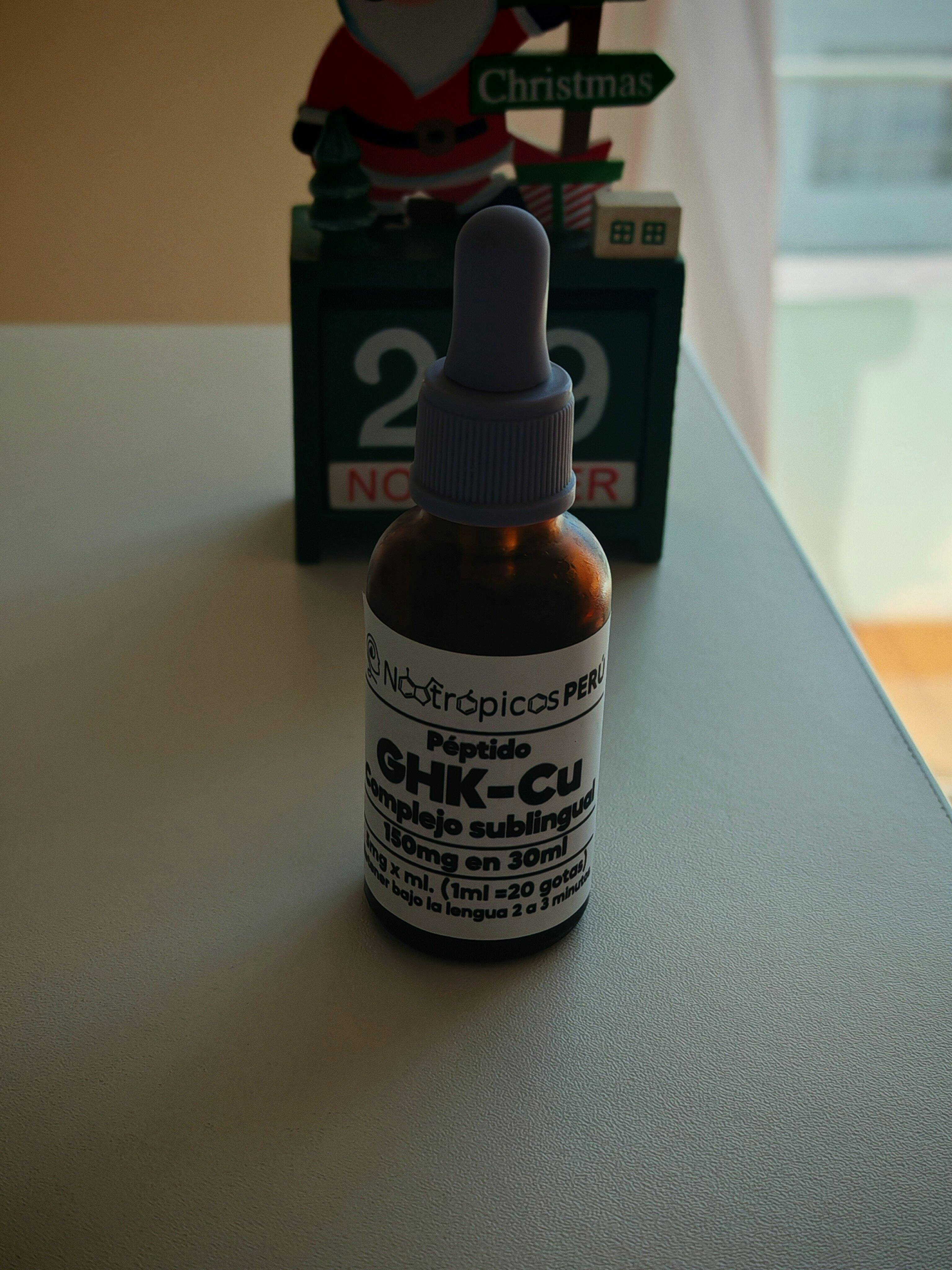
⚖️ DISCLAIMER
The information presented on this page is for educational, informational and general guidance purposes only regarding nutrition, wellness and biooptimization.
The products mentioned are not intended to diagnose, treat, cure or prevent any disease, and should not be considered as a substitute for professional medical evaluation or advice from a qualified health professional.
The protocols, combinations, and recommendations described are based on published scientific research, international nutritional literature, and the experiences of users and wellness professionals, but they do not constitute medical advice. Every body is different, so the response to supplements may vary depending on individual factors such as age, lifestyle, diet, metabolism, and overall physiological state.
Nootropics Peru acts solely as a supplier of nutritional supplements and research compounds that are freely available in the country and meet international standards of purity and quality. These products are marketed for complementary use as part of a healthy lifestyle and are the responsibility of the consumer.
Before starting any protocol or incorporating new supplements, it is recommended to consult a health or nutrition professional to determine the appropriateness and dosage in each case.
The use of the information contained on this site is the sole responsibility of the user.
In accordance with current regulations from the Ministry of Health and DIGESA, all products are offered as over-the-counter food supplements or nutritional compounds, with no pharmacological or medicinal properties. The descriptions provided refer to their composition, origin, and possible physiological functions, without attributing any therapeutic, preventative, or curative properties.