LPS and Human Health: The Hidden Impact on Your Gut
What are Lipopolysaccharides (LPS)?
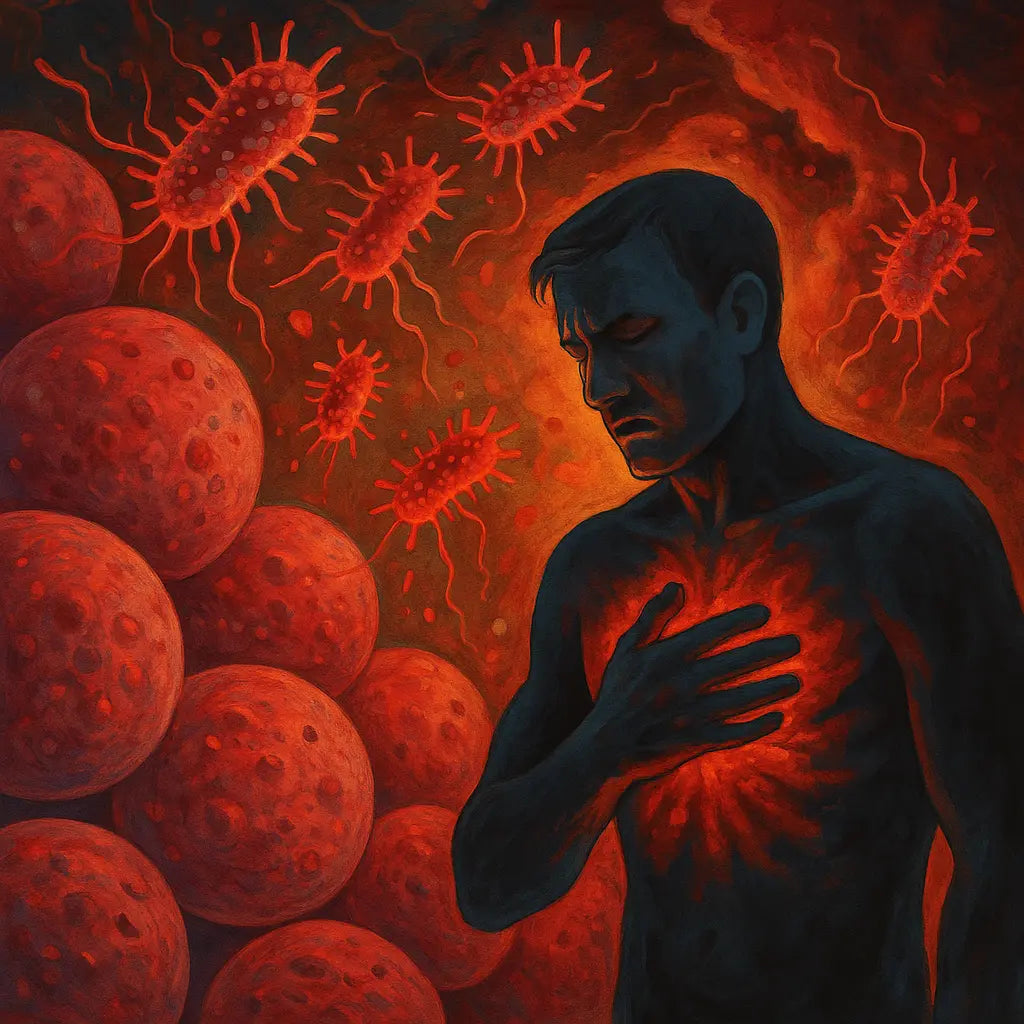
Lipopolysaccharides, known as LPS or endotoxins , are molecules that form an essential part of the cell wall of Gram-negative bacteria. These bacteria naturally reside in abundance in our gastrointestinal tract, forming part of our complex gut microbiota . Although they are normal components of our internal ecosystem, an excess of LPS that manages to cross the intestinal barrier and enter our bloodstream can be problematic.
Think of LPS as "identifiers" on the surface of certain bacteria. Our immune system is designed to recognize them. In small amounts and confined to the gut, they don't usually cause problems, but their presence in the blood triggers an alert response.
The Problem: LPS, Inflammation, and Human Health
A healthy intestinal barrier acts as a selective filter, allowing the absorption of nutrients while preventing the passage of unwanted substances such as LPS. However, various factors can damage this barrier, making it more permeable (a condition known as " Leaky Gut"). This allows LPS to escape from the intestine into the bloodstream.
When LPS enters the bloodstream, even at low but constant levels, it triggers a low-grade systemic inflammatory response . This phenomenon, known as "metabolic endotoxemia," does not cause the acute symptoms of a severe infection (sepsis), but it has been linked to a multitude of chronic health problems.
- Metabolic Diseases: Insulin resistance, obesity, type 2 diabetes, metabolic syndrome, and non-alcoholic fatty liver disease.
- Cardiovascular diseases: Contribute to atherosclerosis (hardening of the arteries).
- Mental Health: Systemic inflammation can affect the brain (gut-brain axis), linking to depression, anxiety, and cognitive impairment.
- Autoimmune Diseases: Chronic inflammation can contribute to the development or worsening of autoimmune conditions.
- Chronic Fatigue and General Malaise: Persistent inflammation consumes resources and energy.
The key lies in chronicity: Persistently elevated levels of circulating LPS keep the immune system in a constant state of alert, generating silent but long-term damaging inflammation.
Factors that Increase Circulating LPS Levels
The amount of LPS that passes into the bloodstream depends on two main factors: the number of Gram-negative bacteria in the gut and the permeability of the intestinal barrier. Factors that negatively influence this include:
- Typical Western Diet: High in saturated fats, refined sugars, and low in fiber. This type of diet can promote the growth of Gram-negative bacteria and damage the intestinal barrier.
- Intestinal Dysbiosis: An imbalance in the microbiota (due to antibiotics, poor diet, infections) can increase populations of LPS-producing bacteria.
- Chronic Stress: Psychological stress negatively affects the function of the intestinal barrier and the composition of the microbiota.
- Excessive alcohol consumption: Directly damages intestinal cells and alters the microbiota.
- Sedentary lifestyle and lack of sleep: These can contribute to inflammation and affect gut health.
- Certain Medications: Chronic use of non-steroidal anti-inflammatory drugs (NSAIDs) can damage the intestinal mucosa.
Strategies to Reduce the Impact of LPS: The Power of Lifestyle and Supplements
The good news is that we can significantly influence circulating LPS levels through lifestyle changes and, in some cases, targeted supplementation. The goal is twofold: to reduce the LPS load in the gut and strengthen the intestinal barrier .
1. Fundamental Dietary Modifications:
- Increase fiber intake: Especially prebiotic fiber (garlic, onion, leek, asparagus, plantain, legumes, oats). It feeds the beneficial bacteria that protect the gut.
- Consume Fermented Foods: Natural yogurt, kefir, sauerkraut, kimchi provide natural probiotics.
- Prioritize Healthy Fats: Omega-3 (oily fish, chia seeds, flax seeds) have anti-inflammatory effects. Limit saturated and trans fats.
- Polyphenol-Rich Diet: Colorful fruits, vegetables, green tea, and pure cocoa have antioxidant and anti-inflammatory properties that benefit the intestinal barrier.
- Reduce sugars and ultra-processed foods: They are pro-inflammatory and negatively alter the microbiota.
2. Healthy Lifestyle:
- Stress Management: Techniques such as meditation, yoga, mindfulness, spending time in nature.
- Regular Exercise: It has anti-inflammatory effects and improves intestinal health.
- Restful Sleep: Getting enough sleep is crucial for cell repair and immune regulation.
- Limit alcohol: Reducing or avoiding its consumption protects the gut.
3. Support Supplements (Consult a Professional):
Under the guidance of a doctor or nutritionist, some supplements may be helpful:
- Probiotics: Specific strains (Lactobacillus, Bifidobacterium) have been shown to improve barrier function and reduce inflammation.
- Prebiotics: Fiber supplements such as inulin, FOS or GOS.
- Omega-3 (EPA/DHA): To enhance the anti-inflammatory effect.
- L-Glutamine: It is a key amino acid for energy and repair of intestinal cells.
- Zinc Carnosine: Has been shown to help repair the intestinal lining.
- Curcumin: The active compound in turmeric, with potent anti-inflammatory properties.
Conclusion: Your gut, the guardian of your health
LPS are a natural component of our intestinal ecosystem, but their excessive passage into the bloodstream represents an important factor in the chronic low-grade inflammation that underlies many modern diseases.
Taking care of our gut health through a diet rich in fiber and nutrients, an active and balanced lifestyle, and good stress management is essential to maintain a strong intestinal barrier and minimize the negative impact of LPS.
By investing in your digestive health, you are investing directly in your overall well-being and in the prevention of long-term chronic diseases.