
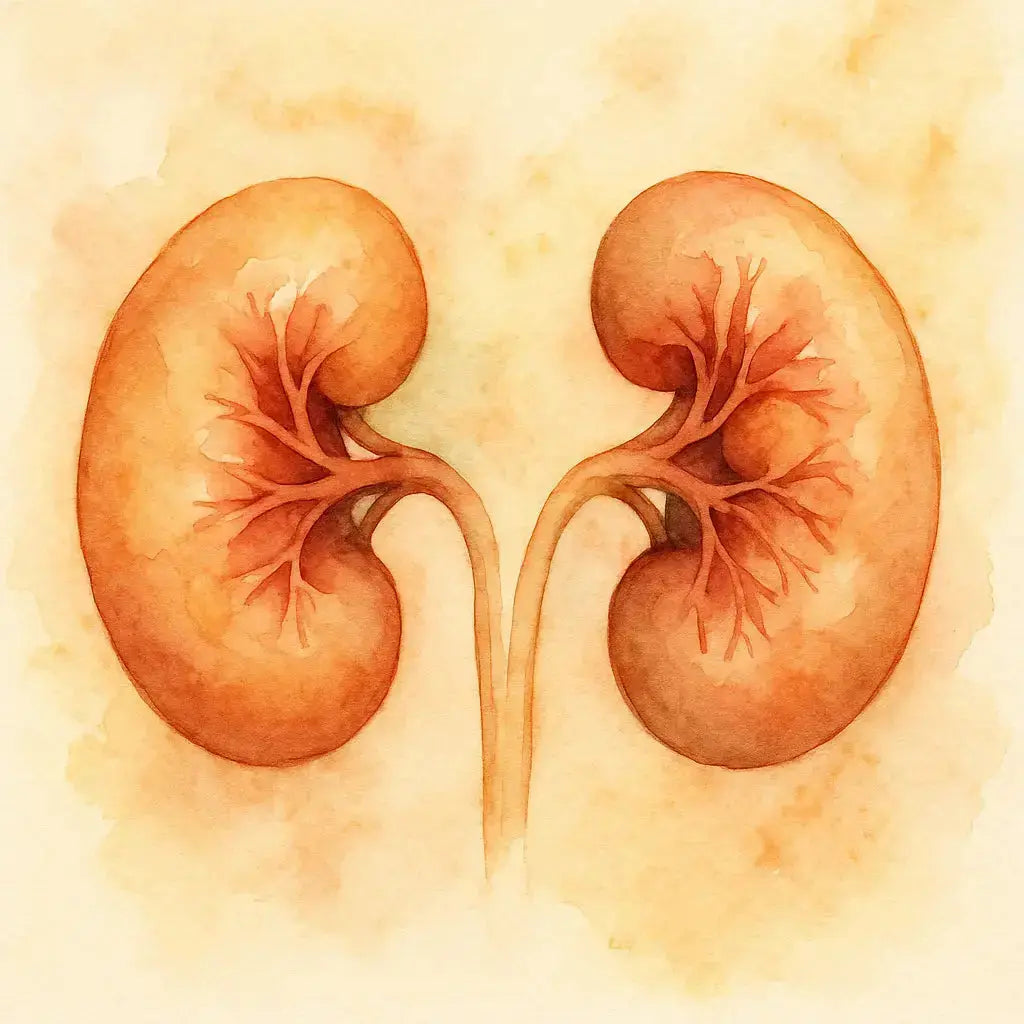
Reversal of Chronic Kidney Disease: A Biological Regeneration Protocol
Chronic kidney disease is often presented as a point of no return, where the only options seem to be symptom management or, ultimately, dialysis. However, this perspective ignores the body's inherent capacity to regenerate. This article challenges the conventional narrative and presents a comprehensive protocol based on advanced physiology, designed to restore kidney tissue, reverse fibrosis, optimize filtration, and rebalance internal biochemistry. Far from being a pharmaceutical "band-aid" solution, this molecular approach uses signals the body already understands to rebuild and repair, offering a pathway to regain kidney function and quality of life.
1. Introduction: The Myth of Renal Irreversibility
Chronic kidney disease is a condition often presented as irreversible, an inevitable progression toward dialysis and transplantation. However, this perception is based on an incomplete understanding of the human body's astonishing regenerative capacity. Contrary to what is commonly taught, kidney tissue has the ability to regenerate completely. This is not about slowing the decline or simply managing symptoms with medications that often have more side effects than benefits; it is about total regeneration, restoring the function of the filtration units, reversing fibrosis, and resolving filtration problems. This article presents a protocol that uses molecular tools to activate the body's intrinsic healing mechanisms, offering a pathway to complete and lasting recovery of kidney function.
2. Anatomy of Renal Failure: Beyond the Filter
The kidneys are vital organs that filter approximately 50 gallons of blood a day through millions of nephrons, tiny microscopic structures containing glomeruli—highly specialized "coffee filters" made up of capillaries. When the kidneys fail, it is not an isolated organ problem, but a multifactorial, systemic biological failure. Common causes include diabetes, chronic high blood pressure, autoimmune damage, and, very significantly, pharmaceutical toxicity.
At the cellular level, what is observed is:
- Vascular Structural Degeneration: Endothelial cells, the inner lining of the blood vessels that supply the kidney and glomeruli, begin to degrade.
- Fibrosis: Scar tissue forms, replacing healthy tissue and compromising kidney function and elasticity.
- Massive Inflammation: Pro-inflammatory cytokines such as TNF-alpha, IL-6 and IL-1 beta, act as "molecular terrorists", setting kidney tissue ablaze and causing extensive damage.
- Immune Confusion: The immune system becomes dysregulated and begins to attack the nephron tissue itself, contributing to its destruction.
- Hormonal Axis Collapse: The growth hormone (GH) and IGF-1 axis collapses, disrupting the circadian rhythm and raising cortisol, further aggravating kidney damage.
This biological complexity contrasts sharply with the simplicity of conventional treatments, which are often limited to a blood pressure drug and a "hope" from the doctor, which is like trying to rebuild a house with tape while praying.
3. The Failure of the Conventional Approach: Managing vs. Healing
The standard treatment for chronic kidney disease is often a series of medications that, while they may control some symptoms, do not address the root cause and, in many cases, can exacerbate kidney damage in the long term. This is the fundamental difference between "managing a problem" and "creating a solution."
Examples of drugs and their negative effects include:
- ACE inhibitors: Although useful for blood pressure, they can be nephrotoxic over time.
- NSAIDs (Non-Steroidal Anti-Inflammatory Drugs): They are like "filling the kidney with pomegranates" in the long term, causing progressive damage.
- Cortical Steroids: Suppress the immune system and cause long-term, irreparable disruption of cortisol.
- Diuretics (e.g., Furosemide/Lasix): Although common, they disrupt electrolyte balance, dehydrate the nephrons, and excrete up to 50% of the kidney's filtered load, depleting potassium and water vital to the body.
Modern medicine excels at emergency care, but its approach to chronic disease is often one of perpetual management, meaning the patient remains a lifelong "subscriber" to their problems. Instead, what's needed is capillary repair, promoting stem cell migration, halting profibrotic signals, recalibrating the immune system, and restoring endogenous hormone production and the circadian rhythm.
4. The Pillars of Renal Regeneration: A Molecular Strategy
This protocol is designed to be a strategic and precise intervention, using molecules that "speak the language" of the body to activate its own repair and regeneration mechanisms. They are not medications, but bioidentical signals that tell the system to do "what it already knows how to do, but better."
4.1 Pillar 1: BPC-157 - The Architect of Vascular and Cellular Repair
BPC-157 is an exceptional tissue repair peptide, considered the "Michael Jordan" of healing. It is crucial for kidney disease because:
- Repairs the Endothelium: Heals the inner lining of blood vessels, including the arteries that supply blood to the glomeruli within the kidney.
- Promotes Angiogenesis: Stimulates the formation of new blood vessels in ischemic tissues (with a lack of oxygen), ensuring an adequate blood supply to the damaged kidney.
- Protects Podocytes: Prevents the degradation of podocytes, specialized cells that form the scaffolding of filtration units, maintaining their structure and vital function to avoid dialysis.
- Calms Inflammation: Reduces the "chemical storm" in the kidney by stopping the overproduction of excess nitric oxide.
4.2 Pillar 2: TB-500 - The Activator of Cell Migration and Tissue Flexibility
TB-500 is another epic peptide in tissue repair. Its function is crucial because:
- Activates Actin: Actin is the most essential protein for cell migration. TB-500 directs stem cells to damaged sites like "construction workers on Lamborghinis," ensuring that repair occurs where it's needed most.
- Demolishes Scar Tissue: Helps break down and remodel fibrotic scar tissue, replacing it with healthy tissue and restoring vascular flexibility and kidney function.
- Improves Circulation: By restoring the regulation of actin in the vascular wall, it improves blood circulation and the functionality of the vessels.
Combined with BPC-157, TB-500 not only heals, but rebuilds structures, telling the body to do what it did when it was young.
4.3 Pillar 3: Epitalove - The Genetic Reset and Hormonal Regulator
Epitalon is known as the "anti-aging peptide," but its role in kidney health goes far beyond that:
- Activates Telomerase: This enzyme preserves the length of telomeres (the "tips" of chromosomes) and delays cellular senescence, meaning that kidney cells can divide and function for longer.
- Regulates the Pineal-Cortical-Adrenal Axis: Normalizes cortisol levels, especially out-of-rhythm spikes, preventing stress hormones from damaging the kidneys.
- Improves Melatonin: Increases the production of melatonin, which has nephroprotective effects through antioxidant pathways.
- Reduces Oxidative Stress and Mitochondrial Damage: Protects kidney cells from free radical damage and cell death, promoting greater regeneration.
Epitalon acts as a "genetic switch" that tells the aging vascular system to function in a younger, healthier way, repairing more tissue than it degrades.
4.4 Pillar 4: DSIP (Delta Sleep-Inducing Peptide) - The Key to Restful and Anti-inflammatory Sleep
DSIP is a "secret weapon" for kidney health, not only because of its impact on sleep, but also because of its powerful anti-inflammatory effect.
- Reduces Pro-inflammatory Cytokines: Radically decreases levels of IL-6 and TNF-alpha, two of the biggest "killers" in kidney disease.
- Restructures Sleep Architecture: It is not a sedative like Ambien; it restores the REM phase of sleep, where most hormonal and cellular repair occurs.
- Calms the HPA Axis: Smooths out cortisol spikes throughout the day, allowing the adrenal-kidney system to recover and function properly.
Quality sleep is not just rest; it's the time when the body heals. DSIP optimizes this vital process for kidney recovery.
4.5 Pillar 5: Tesamorelin and MK-677 - Endogenous Growth Hormone Amplifiers
These two compounds are potent secretagogues of growth hormone (GH) and IGF-1. They are crucial for kidney regeneration because:
- They Rebuild Lean Mass: They help rebuild lean muscle, essential for overall metabolic health, especially in patients with chronic kidney disease.
- They regenerate glomerular tissue: They promote the direct regeneration of kidney tissue, including glomeruli and tubules.
- They improve protein synthesis: They increase the body's ability to build and repair tissues at the cellular level.
- No Insulin Spikes: Unlike exogenous GH, these compounds do not cause insulin spikes, further protecting kidney function.
They activate the GH/IGF-1 axis naturally and pulsatively, which is key for cell repair and maintenance.
4.6 Pillar 6: S23 (Microdosing) - Muscle Preservation and Nitrogen Balance
S23 is a Selective Androgen Receptor Modulator (SARM) that, in microdoses, is used for a very specific purpose in the context of chronic kidney disease:
- Preserves Muscle Mass: In patients with chronic kidney disease, there is a significant tendency toward muscle loss (sarcopenia). S23, at low doses, helps preserve lean muscle and nitrogen balance, preventing the cycle of muscle decline that often accompanies kidney disease.
- Without Aggressive Androgenic Load: Unlike DHT androgens which can be nephrotoxic, S23 is used to protect muscle without the side effects that would damage the kidneys.
Its use in this protocol is strategic to maintain muscle integrity, which is vital for the patient's overall strength and resilience.
4.7 Pillar 7: LL-37 and KPV - Guardians of the Gut-Kidney Axis and Anti-inflammatories
These peptides are essential for addressing the gut-kidney connection and controlling systemic inflammation:
- LL-37: Destroys bacterial biofilms in the gut. These biofilms can "spill over" into the systemic circulation and severely inflame the kidneys. By cleansing the gut, a major source of chronic inflammation is reduced.
- KPV: Acts as a "bodyguard", blocking pro-inflammatory cytokines such as NF-kB, TNF-alpha and IL-1 beta, preventing these harmful molecules from reaching the kidney.
By calming the immune system and turning off the inflammatory cascade, these peptides protect the kidneys, two of the most underrated and mistreated organs in the body.
4.8 Pillar 8: TUDCA and NAC - Essential Liver Protection and Detoxification
Although they are not peptides, TUDCA (Tauroursodeoxycholic Acid) and NAC (N-Acetylcysteine) are essential supplements to support the liver, a crucial organ whose function is closely linked to kidney health.
- Bile Flow Support: TUDCA improves bile flow, essential for detoxification.
- ER Stress Reduction: Both reduce stress on the endoplasmic reticulum of liver cells.
- Increased Glutathione: NAC is a key precursor to glutathione, the body's master antioxidant, essential for detoxification and protection against oxidative stress.
These compounds protect the liver and blood from oxidative stress and an overactive immune system, a vital step for systemic recovery.
5. Endocrine Myths and the Role of Cortisol and Melatonin
There is a widespread disconnect in understanding how hormones and the endocrine system affect kidney function. It's not all about BUN and creatinine levels as "video game stats."
- Cortisol: When cortisol levels are out of balance, it destroys kidney function more than almost any other factor. Inappropriate cortisol spikes damage the kidneys.
- Melatonin: Melatonin has nephroprotective effects through antioxidant pathways, but most people do not understand how antioxidants actually work.
- GH and IGF-1: Growth hormone and IGF-1 restore glomerular cell renewal, but they only work when released endogenously (by the body itself) and in the appropriate pulses that the body is designed to follow.
The body functions in daily cycles, and fighting these cycles only causes systemic inflammation. Telomerase activation, sleep cycle repair, antifibrotic peptides, and immune modulation are all components that can rescue a kidney on the verge of collapse—something not found on a digital prescription or in a dialysis lab.
Dosage Protocol: Reversal of Chronic Kidney Disease - Comprehensive Biological Regeneration
IMPORTANT: General Usage Considerations
Chronic kidney disease (CKD) is often presented as a point of no return where the only options seem to be symptom management or dialysis, but this perspective IGNORES the body's inherent capacity to regenerate— kidney tissue DOES have the capacity to regenerate completely, contrary to what is commonly taught. The kidneys filter approximately 50 gallons of blood daily through millions of nephrons (microscopic structures with glomeruli—specialized "coffee filters" composed of capillaries). When the kidneys fail, it is NOT an isolated organ problem but a multifactorial systemic biological failure caused by: diabetes, chronic hypertension, autoimmune damage, and VERY significantly, pharmaceutical toxicity (NSAIDs are like "filling the kidneys with pomegranates," diuretics like Furosemide/Lasix "destroy electrolyte balance by dehydrating nephrons and excreting up to 50% of the filtered load, depleting vital potassium/water"). At the cellular level, kidney failure manifests as: 1) Structural vascular degeneration (endothelial cells lining vessels/glomeruli degrade), 2) Fibrosis (scar tissue replaces healthy tissue, compromising function/elasticity), 3) Massive inflammation (pro-inflammatory cytokines TNF-alpha, IL-6, IL-1 beta act as "molecular terrorists," setting kidney tissue ablaze), 4) Immune confusion (dysregulated immune system attacks its own nephron tissue), and 5) Collapse of the hormonal axis (GH/IGF-1 axis collapses, circadian rhythm is disrupted, and elevated cortisol exacerbates damage). Conventional treatment FAILS because it manages problems instead of creating solutions: ACE inhibitors (useful for blood pressure but nephrotoxic in the long term), NSAIDs (progressive damage), cortical steroids (suppress immunity and cause irreparable disruption of cortisol), diuretics (destroy electrolytes/dehydrate nephrons) - modern medicine is exceptional in emergencies but its approach to chronic disease is perpetual management where the patient remains a lifelong "subscriber" to their problems. This comprehensive 8-pillar kidney regeneration protocol is designed NOT as management but as deep biological reconstruction using molecules that "speak the body's language" to activate intrinsic repair/regeneration mechanisms: 1) BPC-157 ("the Michael Jordan of healing" - repairs vascular endothelium/glomeruli, promotes angiogenesis in ischemic tissues, protects podocytes that form the filtration scaffold preventing dialysis, calms inflammation), 2) TB-500 (activates actin directing stem cells to damaged sites like "workers on Lamborghinis", demolishes fibrotic scar tissue restoring vascular flexibility), 3) Epitalon (activates telomerase preserving telomeres and delaying renal cell senescence, regulates the pineal-cortical-adrenal axis normalizing cortisol, improves melatonin with nephroprotective antioxidant effects), 4) DSIP ("secret weapon" - radically reduces IL-6/TNF-alpha cytokines, restructures sleep architecture where sleep occurs Hormonal/cellular repair, calms HPA axis by smoothing cortisol spikes), 5) Tesamorelin/MK-677 (GH/IGF-1 secretagogues that rebuild lean mass, regenerate glomerular tissue directly, improve protein synthesis WITHOUT insulin spikes), 6) S23 microdoses (SARM preserving muscle mass and nitrogen balance without nephrotoxic androgenic burden), 7) LL-37/KPV (guardians of the gut-kidney axis - LL-37 destroys intestinal biofilms that "spill" into circulation inflaming kidneys, KPV blocks NF-kB/TNF-alpha/IL-1 beta), and 8) TUDCA/NAC (support bile flow, reduce endoplasmic reticulum stress, increase master antioxidant glutathione). CRITICAL ENDOCRINOLOGY: Cortisol out of rhythm destroys kidney function more than almost any other factor; melatonin has potent antioxidant and nephroprotective effects; GH/IGF-1 restore glomerular cell renewal but ONLY work when released endogenously and in appropriate pulses—the body functions in daily cycles, and fighting these cycles causes systemic inflammation. This protocol is implemented in phases: Phase 1 Vascular/Cellular Repair (first 8-12 weeks, full stack of intensive repair), Phase 2 Regenerative Consolidation (weeks 12-24, maintaining key pillars), Phase 3 Preventative Maintenance (long-term use to prevent relapse). The fundamentals of an optimized renal diet (low high-quality protein, potassium/phosphorus/sodium control, hydration calculated according to residual renal function), elimination of nephrotoxins (NSAIDs, IV contrast, certain antibiotics), strict glycemic control (if diabetic), and blood pressure control are absolutely non-negotiable and represent 40% of results.
PILLAR 1: Architect of Vascular Repair and Glomerular Protection
BPC-157
• Dosage : As an exceptional tissue repair peptide considered the "Michael Jordan of healing," it is critical for kidney disease because it repairs the endothelium (heals the inner lining of blood vessels, including the arteries that supply the glomeruli within the kidney), promotes angiogenesis (stimulates the formation of new blood vessels in oxygen-deprived ischemic tissues, ensuring adequate blood supply to the damaged kidney), protects podocytes (prevents the degradation of specialized cells that form the scaffolding of filtration units, maintaining vital structure and function to avoid dialysis), and calms inflammation (reduces the "chemical storm" in the kidney by stopping the overproduction of excess nitric oxide). In the context of chronic kidney disease where aggressive repair of the glomerular endothelium and preservation of filtration function are required, a dose of 500-1000 mcg per administration is recommended. For stage 1-2 CKD (renal function >60% GFR), 500 mcg twice daily may be appropriate. For stage 3-4 CKD (renal function 15-59% GFR) where urgent repair is critical, 1000 mcg twice daily or 500 mcg three times daily provides maximum saturation of reparative signaling. CRITICAL : In stage 5 CKD (<15% GFR or on dialysis), this protocol may be attempted, but expectations should be realistic—extensive damage may limit potential regeneration, although anecdotal cases report significant improvements even in advanced stages.
• Frequency of administration : BPC-157 is administered by subcutaneous injection, typically two or three times daily (morning, afternoon, evening) for stable plasma levels and continuous 24/7 reparative signaling. For renal disease, injection may be performed in the abdominal area (relative proximity to the kidneys, although effects are systemic) or any standard subcutaneous site. Morning administration on an empty stomach, mid-afternoon, and evening administration before sleep are common patterns. Rotate injection sites appropriately.
• Cycle duration : BPC-157 should be used during the active renal repair phase, which typically lasts at least 12–16 weeks, given that renal tissue regeneration is a slower process than the repair of more vascularized tissues. During this period, progressive improvements are observed in: markers of renal function (serum creatinine may DECREASE, estimated GFR may INCREASE, BUN may normalize), reduction of proteinuria (less protein in urine indicates better glomerular filtration barrier integrity), improvement of blood pressure (improved vasodilation), reduction of edema (better renal function = better fluid regulation), and a subjective feeling of increased energy/mental clarity (fewer accumulated uremic toxins). After the initial 12–16 week intensive repair cycle, treatment can be transitioned to a reduced maintenance dose (250–500 mcg daily) to preserve achieved renal function, or to intermittent cycles of 8 weeks on, 4 weeks off. CRITICAL MONITORING : Complete metabolic panel (creatinine, BUN, electrolytes, calcium, phosphorus) every 4 weeks during active phase, estimated GFR, complete urinalysis with urine protein/creatinine ratio, daily blood pressure.
PILLAR 2: Cell Migration Activator and Fibrosis Destroyer
TB-500 (Thymosin Beta-4)
• Dosage : As an epic tissue repair peptide whose function is crucial because it activates actin (the most essential protein for cell migration – TB-500 directs stem cells to damaged sites like "construction workers in Lamborghinis," ensuring that repair occurs where it is most needed in nephrons), demolishes scar tissue (breaks down and remodels fibrotic tissue, replacing it with healthy renal tissue and restoring flexibility and function), and improves circulation (restores actin regulation in the vascular wall, improving blood flow to the kidneys). In the context of chronic kidney disease, where renal fibrosis is a cardinal feature of progression (scar tissue replaces functioning nephrons) and fibrosis reversal with stem cell recruitment is required, an aggressive biphasic protocol is recommended: Loading phase (first 4-6 weeks): 5 mg twice a week (Monday and Thursday, for example). Maintenance phase (weeks 7+): 5 mg once a week.
• Administration frequency : TB-500 is administered by subcutaneous or intramuscular injection following the described biphasic protocol. During the loading phase, injections are given twice weekly, separated by 3-4 days. During the maintenance phase, injections are given once weekly on any fixed day, preferably the night before bed. Injections can be SC (abdomen, thighs) or deep IM (buttocks, lateral thigh). TB-500 has predominantly systemic effects.
• Cycle duration : TB-500 should be used in 12-16 week cycles (weeks 1-6 loading phase: 5 mg twice weekly; weeks 7-16 maintenance phase: 5 mg weekly) for complete reversal of renal fibrosis and optimal recruitment of stem cells to damaged renal tissue. During the cycle, the following are observed: reduction of renal fibrosis (measurable by biomarkers such as TGF-beta if assessed, or inferred by improved function), improvement of renal vascular elasticity, increased migration of stem cells to glomeruli/tubules (facilitating regeneration), and improvement of renal functional parameters. After the cycle, a 6-8 week break is recommended. For long-term renal regeneration, cycles may be repeated 2-3 times per year. SYNERGY WITH BPC-157 : The combination of BPC-157 (glomerular endothelial repair + angiogenesis + podocyte protection) + TB-500 (fibrosis reversal + stem cell migration + restoration of vascular elasticity) is a POWERFUL SYNERGY for complete kidney regeneration - BPC repairs "filters" while TB-500 demolishes "scars" and recruits "repair workers" (stem cells).
PILLAR 3: Genetic Reset and Renal Hormonal Regulation
Epitalon
• Dosage : As an "anti-aging" tetrapeptide, its role in kidney health extends far beyond this by: activating telomerase (preserving telomere length – the "ends of chromosomes" – delaying cellular senescence, which means kidney cells can divide and function for longer), regulating the pineal-cortical-adrenal axis (normalizing cortisol levels, especially disrupting peaks, preventing stress hormones from damaging the kidneys – disrupted cortisol destroys kidney function more than almost any other factor ), enhancing melatonin (increasing production with nephroprotective effects through antioxidant pathways), and reducing oxidative stress/mitochondrial damage (protecting kidney cells from free radicals and cell death by promoting greater regeneration). Epitalon acts as a "genetic switch" that tells the aging renal vascular system to function in a younger/healthier way by repairing more tissue than it degrades. In the context of chronic kidney disease where hormonal/circadian "reset" and telomeric protection are required, the characteristic Epitalon protocol is recommended: 10 mg daily for 10-20 consecutive days as a deep "reprogramming" cycle.
• Administration frequency : Epitalon is administered by subcutaneous injection once daily, preferably at night (1-2 hours before sleep), during the concentrated 10-20 day period of the active cycle. Nighttime administration synergistically takes advantage of the natural circadian rhythm and may potentiate melatonin-restoring effects. Absolute consistency at night optimizes effects. Rotate injection sites appropriately.
• Cycle Duration : The Epitalon protocol consists of an intensive 10-20 consecutive days of daily administration at 10 mg per dose, followed by an EXTREMELY prolonged 4-6 MONTH break before repeating. This unique structure is based on the fact that Epitalon induces LASTING changes in: telomerase activity (telomere elongation that protects against renal cell senescence for MONTHS post-discontinuation), normalization of circadian rhythm and cortisol levels (preventing hormonal damage to the kidneys that persists for months), improved melatonin production (sustained antioxidant nephroprotective effects), and reduction of renal cellular oxidative stress. For long-term renal regeneration, a prudent pattern is 10-20 day cycles performed twice a year (every 6 months), providing regular "pulses" of telomere protection and hormonal normalization. CRITICAL FOR KIDNEY DISEASE : Epitalon's cortisol regulation component is FUNDAMENTAL since chronically elevated or out-of-rhythm cortisol is one of the most destructive factors to kidney function - normalizing this axis removes a major source of ongoing damage.
PILLAR 4: Restful Sleep and Kidney Anti-inflammatory
DSIP (Delta Sleep-Inducing Peptide)
• Dosage : As a "secret weapon" for kidney health, DSIP works not only for its impact on sleep but also for its potent anti-inflammatory effect through: reduction of pro-inflammatory cytokines (radically decreasing IL-6 and TNF-alpha—two of the biggest "killers" in kidney disease), restructuring of sleep architecture (it is not a sedative like Ambien but restores REM/delta sleep, where most hormonal and cellular repair occurs), and calming of the HPA axis (smoothing cortisol spikes throughout the day, allowing the adrenal-kidney system to recover and function properly). Quality sleep is not just rest—it is the time when the body heals, and DSIP optimizes this vital process for kidney recovery. In the context of chronic kidney disease, where systemic inflammation and dysregulated cortisol are major drivers of progression, a dose of 100–300 mcg is recommended at night. For patients with stage 1–3 CKD and moderately compromised sleep, 150–200 mcg may be appropriate. For more advanced CKD (stage 3-4) with severe insomnia or significant inflammation, 250-300 mcg provides more robust anti-inflammatory and sleep effects.
• Administration frequency : DSIP is administered by subcutaneous injection once daily, strictly approximately 30-60 minutes before the planned bedtime. Subcutaneous administration in the abdominal area or thigh is common and provides reliable bioavailability. Timing is CRITICAL to maximize effectiveness—administering 30-60 minutes before bedtime allows sufficient time for effects to develop and facilitate the transition to sleep. DSIP should be part of a comprehensive sleep hygiene routine (total darkness, cool temperature 16-19°C, avoidance of screens 1-2 hours before sleep, last meal 3 hours before bedtime).
• Cycle duration : DSIP can be used for 8-12 week cycles as a phase to restore sleep architecture and reduce systemic inflammation compromised by chronic kidney disease. During this period, the following are observed: dramatic improvement in sleep quality (reduced sleep latency, fewer awakenings, more time in delta/REM sleep), measurable reduction in inflammatory markers (IL-6, TNF-alpha, and hsCRP should decrease), normalization of cortisol patterns (appropriate morning peak, low nighttime levels), and, as a result of better sleep and less inflammation, improvement in renal function parameters. After the initial cycle, a 4-6 week break is taken to assess whether sleep regulation has stabilized. For chronic kidney disease where sleep and inflammation are ongoing problems, a more sustained usage pattern can be implemented, where DSIP is used 5 nights per week with 2 nights off, or 8-week on/4-week off cycles.
PILLAR 5: Endogenous Growth Hormone Amplifiers for Kidney Regeneration
Tesamorelina
• Dosage : As a potent secretagogue of growth hormone (GH) and IGF-1, crucial for kidney regeneration because it rebuilds lean mass (helping to rebuild lean muscle essential for overall metabolic health, especially in patients with CKD where sarcopenia is common), regenerates glomerular tissue (promoting direct regeneration of renal glomeruli and tubules), improves protein synthesis (increasing the ability to build/repair tissues at the cellular level), and does not cause insulin spikes (unlike exogenous GH, these compounds do not cause insulin spikes, further protecting kidney function), tesamorelin naturally and pulsatively activates the GH/IGF-1 axis, which is key for cellular repair/maintenance. In the context of chronic kidney disease where kidney tissue regeneration and preservation of lean mass are required, a dose of 1-2 mg daily is recommended. For patients with stage 1-3 CKD without severe sarcopenia, 1 mg daily may be appropriate. For stage 3-4 CKD with significant muscle loss and need for aggressive renal regeneration, 2 mg daily provides a more robust elevation of GH/IGF-1.
• Frequency of administration : Tesamorelin is administered by subcutaneous injection once daily, preferably at night, approximately 30–60 minutes before bedtime (nighttime timing is critical because it takes advantage of the natural GH surge during deep sleep, which is when most renal tissue repair occurs). It can be administered at any standard subcutaneous site; rotate appropriately.
• Cycle duration : Tesamorelin can be used for 12-16 week cycles as an acceleration phase for renal regeneration and lean mass rebuilding. During use, the following are observed: a dramatic increase in serum IGF-1 (typically a 40-60% increase), regeneration of renal glomerular/tubular tissue, improvement in lean muscle mass (reduction of sarcopenia), improved sleep quality (elevated GH optimizes sleep architecture), and potential improvement in renal function parameters. After the cycle, a 4-6 week break is recommended. For long-term renal regeneration, cycles can be repeated. CAUTION IN ADVANCED CKD : Strict monitoring of fasting glucose and insulin resistance is important, although Tesamorelin has a more favorable profile than exogenous GH.
MK-677 (Ibutamoren)
• Dosage : As an oral GH/IGF-1 secretagogue that complements Tesamorelin by providing sustained 24/7 elevation (not just pulsatile), MK-677 offers the same kidney regeneration benefits but with convenient oral administration. CRITICAL CAUTION IN CKD : MK-677 may cause fluid retention and mild insulin resistance, which can be problematic in kidney disease. A conservative dose of 12.5 mg daily (NOT the typical 25 mg) is recommended to minimize fluid retention while maintaining regenerative benefits. Patients with stage 4-5 CKD or significant edema should avoid MK-677 or use it under close medical supervision with daily weight/edema monitoring.
• Frequency of administration : MK-677 is administered orally, once a day, preferably at night 30-60 minutes before bedtime (takes advantage of the GH peak during sleep + may cause beneficial drowsiness). It can be taken with or without food.
• Cycle duration : MK-677 can be used for 12-16 week cycles or longer continuous use if well tolerated without problematic fluid retention. CRITICAL MONITORING IN CKD : Daily body weight (an increase >2 kg per week suggests excessive fluid retention), peripheral edema (swelling in ankles/legs), blood pressure, fasting glucose. If fluid retention develops, reduce the dose to 6.25 mg or discontinue. After cycle, take a 4-6 week break.
PILLAR 6: Muscle Preservation and Renal Nitrogen Balance
S23 (Microdosing)
• Dosage : As a SARM (Selective Androgen Receptor Modulator) used in microdoses for a VERY specific purpose in chronic kidney disease: it preserves muscle mass (in CKD there is a significant tendency towards muscle loss/sarcopenia - S23 at low doses helps preserve lean muscle and nitrogen balance, preventing the muscle decline cycle that accompanies CKD), WITHOUT an aggressive androgenic load (unlike DHT androgens, which can be nephrotoxic, S23 is used to protect muscle without effects that would damage the kidneys). Its use is strategic for maintaining muscle integrity, vital for the patient's overall strength and resilience. In the context of chronic kidney disease where muscle preservation is required without nephrotoxic androgenic overload, strict microdosing of 2.5-5 mg daily is recommended. For CKD stages 1-3 with mild-to-moderate sarcopenia, 2.5 mg daily may be appropriate. For stage 3-4 CKD with severe muscle loss, 5 mg daily (NEVER exceed this dose in the context of CKD).
• Frequency of administration : S23 is administered orally, once a day. Morning timing is common (half-life ~12 hours). It can be taken with or without food.
• Cycle Duration : S23 is used in 8-12 week cycles as a muscle preservation/rebuilding phase, followed by a 4-6 week break to allow for recovery of the natural hormonal axis. During the cycle, the following are observed: preservation or slight increase in lean muscle mass (measurable by DEXA or bioimpedance), improved nitrogen balance (less muscle catabolism than is common in CKD), improved strength, and potential improvement in nutritional parameters. CRITICAL MONITORING : Liver function (ALT, AST - S23 may elevate enzymes in rare cases), lipid profile (may be negatively affected), and renal function markers (ensure no worsening). POST-CYCLE : Although suppression of endogenous testosterone is mild with microdoses of S23, users >40 years of age or with compromised gonadal function may benefit from mild post-cycle support (Enclomiphene 12.5 mg every other day for 2-4 weeks). For long-term muscle preservation in CKD, cycles can be repeated 2-3 times a year.
PILLAR 7: Guardians of the Gut-Kidney Axis and Immune Modulators
LL-37
• Dosage : As an essential antimicrobial peptide for addressing the gut-kidney connection because it destroys bacterial biofilms in the intestine (these biofilms can "spill over" into the systemic circulation and severely inflame the kidneys—cleansing the intestine reduces a major source of chronic inflammation that perpetuates kidney damage), LL-37 is critical for patients with CKD where increased intestinal permeability ("leaky gut") and dysbiosis are common. In the context of chronic kidney disease where intestinal biofilm clearance and endotoxemia reduction are required, a dose of 200–500 mcg per administration is recommended. For stage CKD stages 1–3 with mild GI symptoms, 200 mcg daily may be appropriate. For more advanced CKD with severe dysbiosis or significant GI symptoms, 500 mcg daily provides more robust antimicrobial activity.
• Frequency of administration : LL-37 is administered by subcutaneous injection, once daily. Morning administration on an empty stomach is common. It can be administered at any standard subcutaneous site; rotate appropriately.
• Cycle duration : LL-37 can be used in 6-8 week cycles as a biofilm cleanse and intestinal endotoxemia reduction phase. During use, the following are observed: improvement in GI symptoms (bloating, bowel irregularity), reduction in systemic inflammatory markers (hsCRP, cytokines), improvement in intestinal permeability (less bacterial translocation), and as a result: reduction of the inflammatory burden on the kidneys. After the cycle, a 4-6 week break is recommended. For maintenance of gut-kidney health, cycles can be repeated every 3-4 months. SYNERGY WITH KPV : The combination of LL-37 (antimicrobial cleanse) + KPV (inflammatory signaling blockade) is SYNERGISTIC for calming the gut-kidney axis.
KPV
• Dosage : As an anti-inflammatory peptide that acts as a "bodyguard" by blocking pro-inflammatory cytokines (NF-κB, TNF-α, IL-1β—preventing these harmful molecules from reaching the kidneys), KPV is essential for reducing systemic inflammation that perpetuates kidney damage. In the context of chronic kidney disease, where chronic inflammation is a major driver of progression, a dose of 500–1000 mcg per administration is recommended. For stage CKD stages 1–3 with moderate inflammation, 500 mcg once or twice daily may be appropriate. For stage 3–4 CKD with severe inflammation (hsCRP >5 mg/L), 1000 mcg twice daily provides more aggressive inflammatory blockade.
• Frequency of administration : KPV is administered by subcutaneous injection, typically once or twice daily (morning and/or evening). It can be administered at any standard subcutaneous site; rotate appropriately.
• Cycle duration : KPV can be used in 8-12 week cycles as an immune modulation and systemic inflammation reduction phase. During use, the following are observed: a dramatic reduction in inflammatory markers (hsCRP, IL-6, TNF-alpha), improvement in systemic symptoms (fatigue, malaise), protection of the kidneys against ongoing inflammatory damage, and potential improvement in renal function parameters. After the cycle, a 4-6 week break is recommended. For chronic kidney disease where inflammation is a persistent problem, it can be used more continuously with 8-week on, 4-week off cycles.
PILLAR 8: Liver Protection and Essential Detoxification
TUDCA (Tauroursodeoxycholic Acid)
• Dosage : As a vital conjugated bile acid for supporting the liver (whose function is closely linked to kidney health in the liver-kidney axis) by supporting bile flow (essential for detoxification), reducing ER stress (endoplasmic reticulum stress in liver cells), and improving hepatocyte function, TUDCA protects the liver and thus indirectly supports the kidneys by reducing circulating toxic load. In the context of chronic kidney disease, where optimal liver function is critical for reducing toxins that the kidneys must filter, a dose of 500-1500 mg daily is recommended. For CKD stages 1-3, 500-1000 mg daily may be appropriate. For CKD stages 3-4 or with compromised liver function, 1000-1500 mg daily (divided into two doses of 500-750 mg each) provides more robust support.
• Frequency of administration : TUDCA is administered orally, typically once or twice daily with meals (taking it with a fatty meal improves absorption of this bile acid). Common protocol: 500 mg with breakfast + 500 mg with dinner if using a daily dose of 1000 mg.
• Cycle duration : TUDCA can be used continuously throughout the entire renal regeneration protocol (12-16+ weeks) and beyond, given its excellent safety profile. During use, the following are observed: improvement in liver enzymes if they were elevated, improvement in bile flow, hepatocyte protection, and reduction of the toxic load that the kidneys must process. For long-term liver protection in CKD, TUDCA can be used indefinitely or in 12-week on, 4-week off cycles.
NAC (N-Acetylcysteine)
• Dosage : As a precursor to glutathione (the body's main antioxidant) that increases glutathione production, protecting kidney cells from the massive oxidative stress characteristic of chronic kidney disease, NAC is ESSENTIAL for cellular detoxification and direct nephroprotection during recovery. In the context of chronic kidney disease, where oxidative stress and free radical production are elevated, a dose of 1200-2400 mg daily is recommended. For CKD stages 1-3, 1200-1800 mg daily (600 mg two or three times a day) may be appropriate. For CKD stages 3-4 with severe oxidative stress, 2400 mg daily (600 mg four times a day or 1200 mg twice a day) provides maximum glutathione elevation and antioxidant protection.
• Frequency of administration : NAC is administered orally, typically TWO to FOUR times daily with meals (may cause GI upset if taken on an empty stomach). Common protocol: 600 mg with each main meal (breakfast, lunch, dinner) ± 600 mg additional if using a 2400 mg dose.
• Cycle duration : NAC can be used continuously throughout the entire protocol (12-16+ weeks) and indefinitely long-term given its excellent safety profile and sustained benefits. During use, the following are observed: increased intracellular glutathione, protection of renal cells against toxicity/oxidative stress, improved detoxification function, reduction of oxidative damage markers, and potential improvement in renal function parameters. NAC is one of the few compounds that can be used permanently without the need for cycling. ADDITIONAL BENEFIT IN CKD : NAC may help protect kidneys against IV contrast nephrotoxicity if contrast procedures are required.
COMPLETE INTEGRATED PROTOCOL: Strategic Phased Implementation
PHASE 1: VASCULAR REPAIR AND INTENSIVE REGENERATION (Weeks 1-12)
Objective : To repair glomerular endothelium, reverse fibrosis, reduce inflammation, and initiate renal tissue regeneration.
Complete Daily Protocol :
TOMORROW (7-8 AM) :
- BPC-157 : 500-1000 mcg subcutaneous
- LL-37 : 200-500 mcg subcutaneous
- KPV : 500-1000 mcg subcutaneously (if used 2x/day)
WITH BREAKFAST :
- TUDCA : 500-750 mg
- NAC : 600-1200 mg
- S23 : 2.5-5 mg (if included in protocol)
MID-AFTERNOON (3-4 PM) :
- BPC-157 : 500-1000 mcg subcutaneous (second dose)
- KPV : 500-1000 mcg subcutaneously (if used 2x/day)
WITH LUNCH :
- NAC : 600-1200 mg
WITH DINNER :
- TUDCA : 500-750 mg
- NAC : 600 mg (if high dose used)
NIGHT (30-60 min pre-sleep) :
- BPC-157 : 500 mcg subcutaneous (third dose optional if used 3x/day)
- DSIP : 150-300 mcg subcutaneous
- Tesamorelin : 1-2 mg subcutaneously
- MK-677 : 12.5 mg orally (ONLY if there is no significant fluid retention)
MONDAYS AND THURSDAYS (TWICE a week - First 6 weeks) :
- TB-500 : 5 mg subcutaneous or IM (loading phase)
SUNDAY (Once a week - After week 6) :
- TB-500 : 5 mg subcutaneously or IM (maintenance phase)
DAYS 1-20 OF THE FIRST MONTH :
- Epitalon : 10 mg subcutaneously at night (only for the first 10-20 days, then DO NOT repeat until 6 months later)
Non-Negotiable Fundamentals During Phase 1 :
Optimized Renal Diet :
- Protein: 0.6-0.8 g/kg body weight (low but high quality - prefer egg white, white fish, chicken)
- Potassium: <2000 mg/day if GFR <30 mL/min (avoid bananas, tomatoes, potatoes, avocado)
- Phosphorus: <800-1000 mg/day (avoid dairy, nuts, beans, dark sodas)
- Sodium: <2000 mg/day (without added salt, processed foods)
- Fluids: Calculated according to residual renal function and diuresis (typically 1-1.5 L/day in advanced CKD)
Glycemic Control (if diabetic):
- HbA1c <7% target
- Fasting glucose 80-130 mg/dL
- Avoid hypoglycemia
Blood Pressure Control :
- Target <130/80 mmHg (stricter in significant proteinuria)
- Daily home monitoring
Nephrotoxin Elimination :
- AVOID: NSAIDs (ibuprofen, naproxen), IV contrast without precautions, certain antibiotics (aminoglycosides), excess protein
- Review ALL medications with a nephrologist to rule out nephrotoxicity
Calculated Hydration :
- Do not overhydrate (it worsens edema)
- Do not dehydrate (it reduces kidney function)
- Calculate based on diuresis + 500 mL insensible losses
Critical Monitoring Weeks 2, 4, 8, 12 :
- Complete Metabolic Panel : Creatinine, BUN, sodium, potassium, chloride, bicarbonate, calcium, phosphorus, albumin
- Estimated TFG : Using CKD-EPI equation (goal: progressive INCREASE)
- Complete urinalysis : Protein, blood, leukocytes, casts
- Urine protein/creatinine ratio : Target progressive reduction
- Complete blood count : Hemoglobin (anemia is common in CKD), platelets
- Anemia panel (if Hb is low): Iron, ferritin, transferrin saturation, vitamin B12, folate
- Inflammatory markers : hsCRP, IL-6 (if available)
- Hormonal panel : IGF-1 (should INCREASE with Tesamorelin/MK-677), morning cortisol
- Detailed electrolytes : Magnesium, serum phosphate
- Intact PTH : (secondary hyperparathyroidism common in CKD - target normalization)
- Blood pressure : Daily home measurement
- Body weight : Daily (to detect early water retention)
Expected Results Week 12 :
- Serum creatinine REDUCED 10-30% (depending on initial stage)
- Estimated TFG INCREASED 10-25%
- REDUCED proteinuria 30-60%
- normalized or improved BUN
- Inflammatory markers reduced >50%
- Better controlled blood pressure
- Edema reduced or eliminated
- Subjective sensation of increased energy, mental clarity, improved appetite
PHASE 2: CONSOLIDATION AND CONTINUOUS REGENERATION (Weeks 13-24)
Objective : To consolidate improvements in renal function, complete endothelial repair, and maintain regeneration.
Protocol Adjustments :
Gradual Reduction of Intensive Repair Compounds :
- BPC-157 : Reduce to 500 mcg twice daily or 250 mcg twice daily if excellent improvement is seen.
- TB-500 : Continue maintenance phase 5 mg once a week
- LL-37 : Cycle off after 8 weeks, rest for 4 weeks, then repeat if necessary
- KPV : Reduce to 500 mcg once a day if inflammation is controlled
Maintain Pillars of Regeneration/Protection :
- DSIP : Continue 150-300 mcg nightly (sleep and anti-inflammation are continuous)
- Tesamorelin : Continue 1-2 mg nightly or cycle (12 weeks on, 4 off)
- MK-677 : Evaluate if water retention is a problem - if not, continue; if so, discontinue
- S23 : If a 12-week cycle was used, rest for 4-6 weeks during phase 2
- TUDCA : Continue 500-1000 mg daily
- NAC : Continue 1200-1800 mg daily
Second Epitalon Cycle (Month 7 - Only if 6 months have passed since the first cycle):
- Epitalon 10 mg nighttime x 10-20 days
Monitoring Weeks 16, 20, 24 :
- Full panel, same as Phase 1
- If GFR stabilizes within improved range and proteinuria is minimal, transition to maintenance therapy may be possible.
PHASE 3: LONG-TERM MAINTENANCE AND PREVENTION (Month 7+)
Objective : To prevent regression, maintain achieved renal function, and provide continuous protection.
Simplified Maintenance Protocol :
Diary :
- NAC : 600 mg twice daily with meals (permanent baseline antioxidant support)
- TUDCA : 500 mg daily (continuous liver protection)
- DSIP : 150 mcg nightly, 5 nights/week (maintain sleep/anti-inflammatory)
Intermittent (Boost cycles every 3-4 months) :
- BPC-157 : 250-500 mcg daily x 4-6 weeks (maintenance of endothelial integrity)
- TB-500 : 8-week cycle (4-week loading phase + 4-week maintenance phase)
- KPV : 500 mcg daily x 6 weeks if inflammatory markers increase
- LL-37 : 200 mcg daily x 6 weeks every 4-6 months (periodic bowel cleansing)
Every 6 Months :
- Epitalon : 10-20 day cycle (continuous hormonal/telomeric reprogramming)
- Tesamorelin : 12-week cycle (periodic kidney regeneration)
Permanent Foundations :
- Renal-optimized diet (adjust according to current renal function)
- Strict glycemic control/blood pressure control
- Avoid nephrotoxins permanently
- Proper hydration
- Regular moderate exercise (walking 30 minutes daily)
Long-Term Monitoring :
- Complete metabolic panel every 3 months
- Urinalysis every 3 months
- Full panel (including PTH, anemia, inflammation) every 6 months
ADJUSTMENTS FOR STAGE OF CHRONIC KIDNEY DISEASE
CKD Stage 1-2 (GFR >60 mL/min - Kidney Damage with Preserved Function)
Objective : To prevent progression, to repair damage early.
The complete protocol as described can be used without major restrictions.
Emphasis : BPC-157, TB-500, risk factor control.
Stage 3 CKD (GFR 30-59 mL/min - Moderate)
Objective : REVERSE damage, improve TFG towards stage 1-2.
Complete protocol as described.
Precautions :
- MK-677: Strict monitoring of water retention
- S23: Liver function monitoring
- Stricter dietary control
Stage 4 CKD (GFR 15-29 mL/min - Severe)
Objective : STABILIZE function, prevent progression to stage 5, attempt partial improvement.
Modified Protocol :
- AVOID MK-677 (very problematic water retention)
- BPC-157 maximum doses (1000 mcg 3x/day)
- TB-500 maximum doses
- DSIP crucial (typically very high inflammation/cortisol)
- KPV high doses
- Very strict dietary control
Realistic Expectations : Complete reversal unlikely in stage 4 but stabilization and partial improvement (e.g., TFG 20→28) is possible and clinically significant.
Stage 5 CKD (GFR <15 mL/min - Renal Failure / Dialysis)
Objective : Support during dialysis, possible marginal improvement of residual renal function.
Carefully Modified Protocol :
- Mandatory nephrology consultation before starting
- AVOID MK-677, S23
- Consider only: BPC-157, DSIP, NAC, TUDCA as basic support
- If on dialysis: peptide timing should be coordinated with dialysis sessions (some may be removed)
Realistic Expectations : Stage 5 reversal is extremely rare; the protocol focuses on quality of life, reducing inflammation, and preserving minimal residual function.
CRITICAL WARNINGS
Absolute Contraindications :
- Known allergy to any component
- Pregnancy/breastfeeding (safety not established)
- Active cancer (regenerative peptides can theoretically stimulate cancer cells)
Critical Drug Interactions :
- Diuretics + Protocol: Diuretic dose adjustment may be necessary if renal function improves
- Diabetes medication + Tesamorelin/MK-677: Risk of hypoglycemia if renal function improves (decreased insulin clearance), adjust dose
- Blood pressure medication + Protocol: Dose reduction may be required if blood pressure improves dramatically.
- Immunosuppressants (kidney transplant) + LL-37/KPV: Theoretically, it may interfere; consult with a nephrologist.
Warning Signs (Contact Nephrologist Immediately) :
- Sudden reduction in diuresis (urine <400 mL/day)
- Progressive severe edema (facial and pulmonary swelling)
- Severe mental confusion (uremic encephalopathy)
- Intractable nausea/vomiting
- Severe generalized itching
- Blood in urine (macroscopic hematuria)
- Severe bilateral lower back pain
Special Population :
- Elderly patients >75 years : Start with 50% of the dose, titrate conservatively
- CKD + Diabetes : Glycemic control is CRITICAL, more frequent monitoring is required
- CKD + Hypertension : Blood pressure control is CRITICAL, daily monitoring required
- Post-transplant CKD : Protocol NOT recommended without nephrologist approval (risk of rejection)
CONCLUSION: REGAINING CONTROL OF RENAL BIOLOGY
Chronic kidney disease is NOT an irreversible sentence.
Kidney tissue CAN regenerate completely.
It's NOT about slowing the decline or managing symptoms - it's about TOTAL REGENERATION.
This 8-pillar protocol tackles the problem from ALL angles:
Repair : BPC-157 + TB-500 repair endothelium, reverse fibrosis, and direct stem cells. Reset : Epitalon normalizes cortisol, improves melatonin, and protects telomeres. Sleep/Anti-inflammation : DSIP reduces IL-6/TNF-alpha and optimizes nighttime repair. Regeneration : Tesamorelin/MK-677 directly regenerates glomerular tissue. Preservation : S23 preserves vital muscle mass. Gut-Kidney Axis : LL-37/KPV cleanse the intestine and block inflammation. Protection : TUDCA/NAC protect the liver, elevate glutathione, and reduce oxidative stress.
Result: Kidneys that filter efficiently, do not scar, and regenerate.
Recovery of function.
Recovery of quality of life.
Recovery of hope.
Don't resign yourself to dialysis.
Do not accept "irreversible".
Your biology CAN regenerate.
Give him the right signals.
Rebuild your kidneys.
Claim your health.