Lactoferrin: Multifunctional Protein with Exceptional Bioactive Properties
1. Introduction and Fundamental Aspects
Lactoferrin (LF) is a multifunctional glycoprotein belonging to the transferrin family, recognized for its remarkable iron-binding capacity and diverse bioactive properties. This protein, naturally present in breast milk and other bodily secretions, has garnered significant interest in the scientific community due to its broad spectrum of biological activities and therapeutic applications.
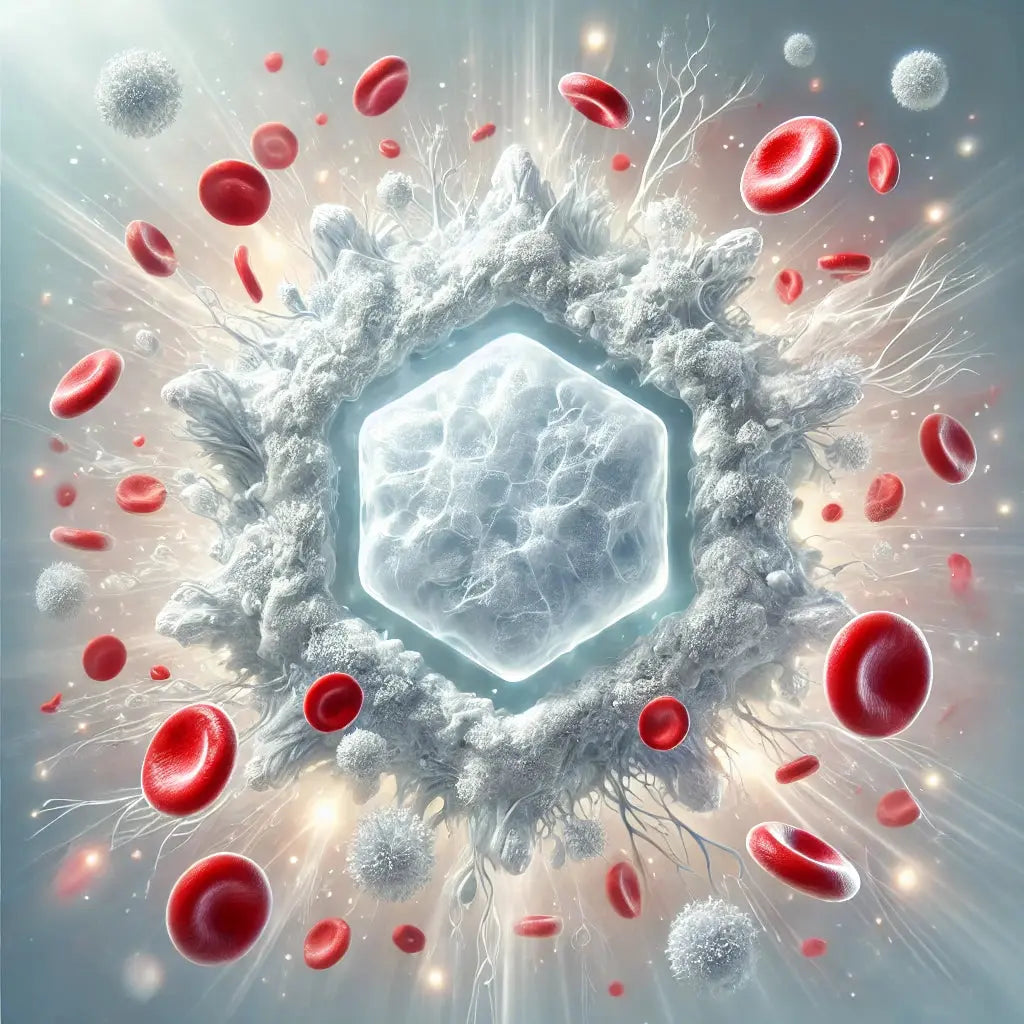
Molecular Structure of Lactoferrin
Molecular weight: ~80 kDa | Residues: 689 amino acids
Natural Distribution
| Biological Source | Concentration (mg/mL) | Observations |
|---|---|---|
| Human colostrum | 5.0 - 7.0 | Maximum concentration in the first few days postpartum |
| Mature breast milk | 1.0 - 2.0 | Stable levels during breastfeeding |
| Tears | 2.0 - 2.4 | Eye protection function |
| Saliva | 0.007 - 0.01 | Protection of the oral cavity |
| Mucous secretions | 0.1 - 1.0 | Mucosal immune barrier |
2. Biological Functions and Mechanisms of Action
Lactoferrin exhibits remarkable functional versatility, acting as a multifaceted molecule in various biological processes. Its mechanisms of action are complex and interrelated, which explains its broad spectrum of beneficial health effects.
Main Mechanisms of Action
Iron Chelation
Iron Fe³⁺ Collection and Transport
Antimicrobial
Inhibition of microbial growth
Immunomodulator
Regulation of the immune system
Antimicrobial Activity
Bacteriostatic Mechanism
Lactoferrin exerts its bacteriostatic action primarily through:
- Iron kidnapping of the middle
- Alteration of bacterial metabolism
- Inhibition of microbial growth
Bactericidal Mechanism
Direct bactericidal activity includes:
- Alteration of the bacterial membrane
- Lipopolysaccharide release
- Induction of bacterial autolysis
Spectrum of Action
Effective against various pathogens:
- Gram-positive bacteria
- Gram-negative bacteria
- Fungi and yeasts
- Some viruses
Antiviral Activity
| Mechanism | Process | Effect |
|---|---|---|
| Direct union | Interaction with viral proteins | Prevention of viral entry |
| Receptor blockade | Competition for cell attachment sites | Inhibition of infection |
| Immune modulation | Stimulation of antiviral response | Enhancement of host defense |
Immunomodulatory Activity
Effects on Innate Immunity
- Activation of NK cells
- Stimulation of phagocytosis
- Cytokine modulation
- Regulation of inflammation
Effects on Adaptive Immunity
- Regulation of T lymphocytes
- B cell modulation
- Antibody production
- Immunological memory
Antioxidant and Anti-inflammatory Activity
| Activity | Mechanism | Benefits |
|---|---|---|
| Antioxidant |
|
|
| Anti-inflammatory |
|
|
Regulation of Iron Metabolism
Intestinal Absorption
- Facilitation of iron absorption
- Regulation of homeostasis
- Overload protection
Transportation and Storage
- Reversible bond of Fe³⁺
- Tissue distribution
- Toxicity prevention
Systemic Regulation
- Interaction with hepcidin
- Ferroportin modulation
- Systemic iron balance
3. Therapeutic Applications and Future Perspectives
A deep understanding of the multifunctional properties of lactoferrin has led to its implementation in various therapeutic fields. Current research continues to uncover new applications and optimize its use in existing treatments.
Main Therapeutic Applications
Gastrointestinal Health
- Irritable Bowel Syndrome
- Inflammatory Bowel Disease
- Gastrointestinal infections
- Microbiota modulation
Proven efficacy in clinical studies
Immune System
- Immune booster
- Infection prevention
- Modulation of immune response
- Protection in immunodeficiencies
Promising results in immunotherapy
Oral and Dental Health
- Cavity prevention
- Periodontitis control
- Antimicrobial protection
- Tissue regeneration
Applications under constant development
Clinical Studies and Scientific Evidence
| Area of Application | Studio Design | Key Results | Level of Evidence |
|---|---|---|---|
| Gastroenterology | Randomized, double-blind clinical trial |
|
High (Level 1) |
| Immunology | Prospective multicenter study |
|
Moderate-High (Level 2) |
| Pediatrics | Longitudinal observational study |
|
Moderate (Level 3) |
Formulations and Presentations
Oral Supplements
- Capsules: 250-500mg
- Chewable tablets
- Soluble powders
- Liquid formulations
Optimized bioavailability
Topical Applications
- Creams and ointments
- Dental gels
- Nasal sprays
- Eye drops
Specific localized use
Functional Foods
- Infant formulas
- Fortified beverages
- Milk products
- Nutritional supplements
Nutritional integration
Current Research and Future Perspectives
Current Research Areas
- Development of new formulations
- Enhanced bioavailability studies
- Applications in oncology
- Combined therapies
- Neuroprotective effects
Challenges to Solve
- Optimization of large-scale production
- Improved stability
- Cost reduction
- Standardization of protocols
- Validation of new applications
Trends and Projections
| Period | Expected Developments | Potential Impact |
|---|---|---|
| Short Term (1-2 years) |
|
Optimization of existing treatments |
| Medium Term (3-5 years) |
|
Significant expansion of clinical use |
| Long Term (>5 years) |
|
Revolutionizing the treatment of complex diseases |