-
Zinc carnosine (Polaprezinc) 75mg - 2 presentations
Regular price From S/. 60.00Sale price From S/. 60.00 Regular priceUnit price per -
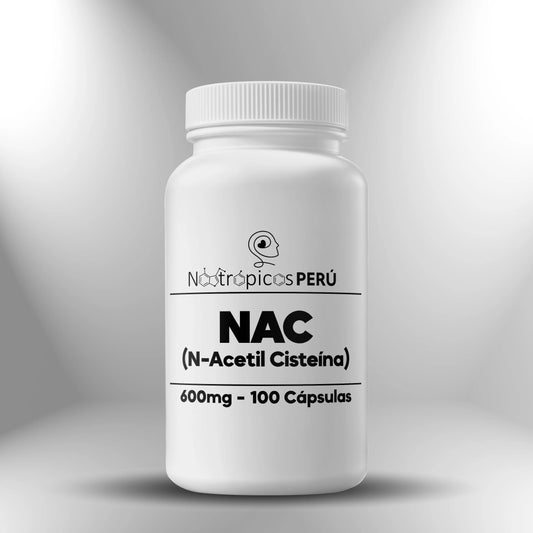
N-Acetyl Cysteine (NAC) 600mg - 100 capsules
Regular price S/. 120.00Sale price S/. 120.00 Regular priceUnit price per -
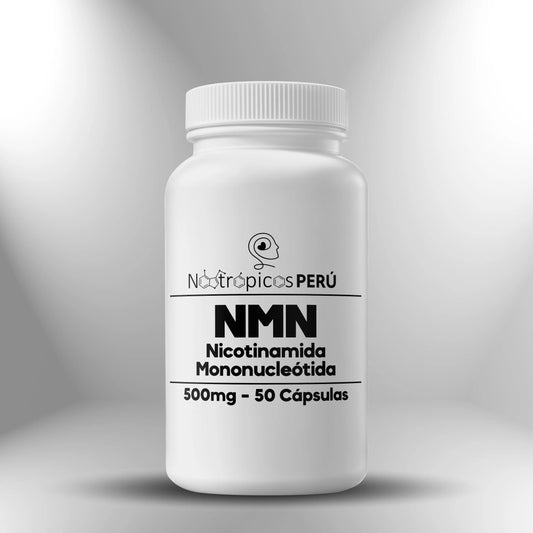
NMN (NAD+ Precursor) 500mg - 50 and 100 capsules
Regular price From S/. 140.00Sale price From S/. 140.00 Regular priceUnit price per -
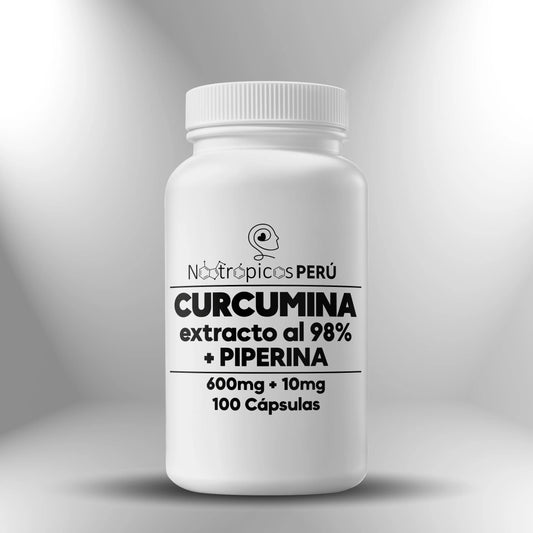
Curcumin 98% + Piperine 600mg - 100 capsules
Regular price S/. 190.00Sale price S/. 190.00 Regular priceUnit price per -
Eight Magnesiums - 100 capsules
Regular price S/. 140.00Sale price S/. 140.00 Regular priceUnit price per -
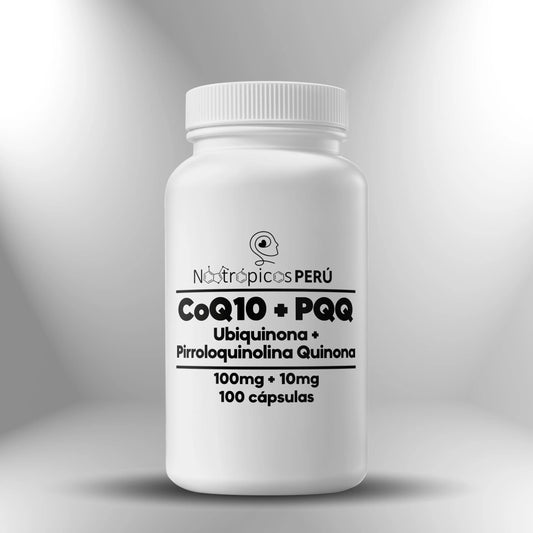
CoQ10 + PQQ (100mg + 10mg) - 100 capsules
Regular price S/. 170.00Sale price S/. 170.00 Regular priceUnit price per -
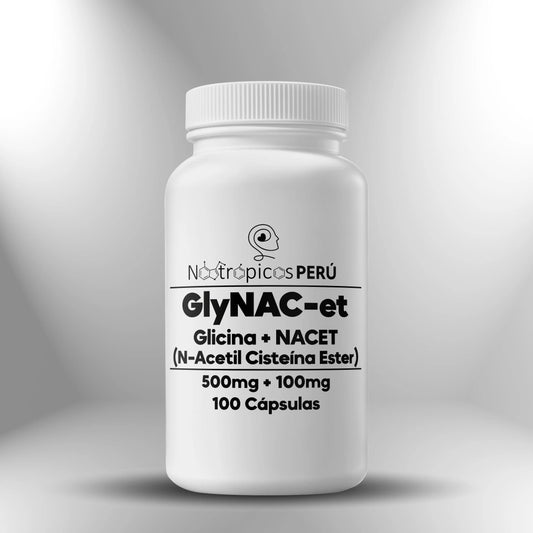
GlyNAC-et (Glycine + NACET) 500mg + 100mg - 100 capsules
Regular price S/. 160.00Sale price S/. 160.00 Regular priceUnit price per -
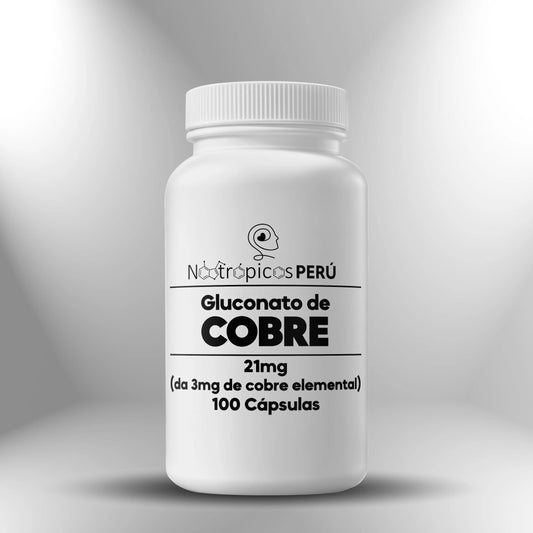
Copper gluconate 3mg - 100 capsules
Regular price S/. 80.00Sale price S/. 80.00 Regular priceUnit price per -
Seven Zincs + Copper (50mg Elemental Zinc) - 100 capsules
Regular price S/. 140.00Sale price S/. 140.00 Regular priceUnit price per -
Alpha Lipoic Acid (RS-ALA) 250mg and 500mg - 100 capsules
Regular price From S/. 90.00Sale price From S/. 90.00 Regular priceUnit price per -
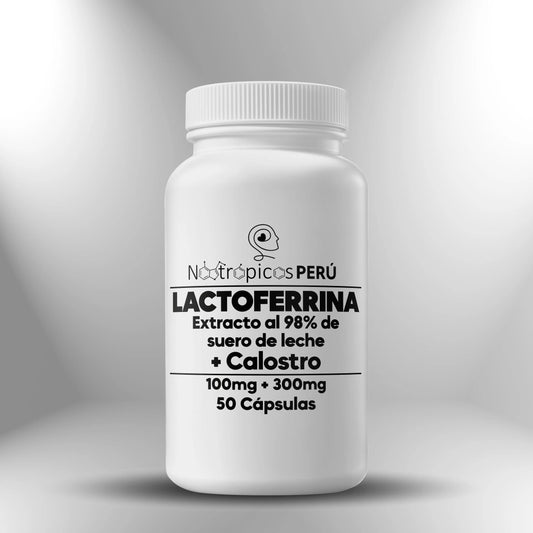
Lactoferrin 98% + Colostrum 100mg + 300mg - 50 capsules
Regular price S/. 150.00Sale price S/. 150.00 Regular priceUnit price per -
Trans resveratrol 98% 250mg - 50 capsules
Regular price From S/. 130.00Sale price From S/. 130.00 Regular priceUnit price per -
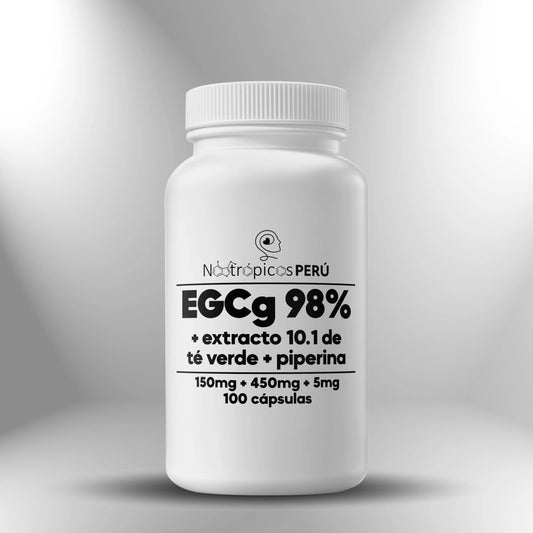
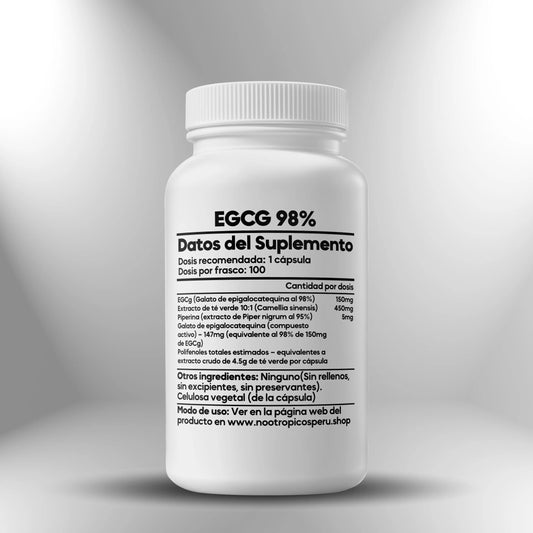
EGCg 98% + green tea extract 10.1 + piperine (150mg + 450mg + 5mg) - 100 capsules
Regular price S/. 180.00Sale price S/. 180.00 Regular priceUnit price per -
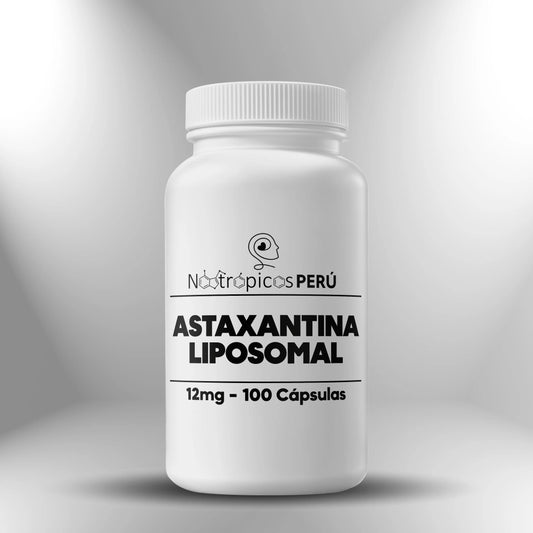
Liposomal Astaxanthin 12mg - 100 capsules
Regular price S/. 220.00Sale price S/. 220.00 Regular priceUnit price per -
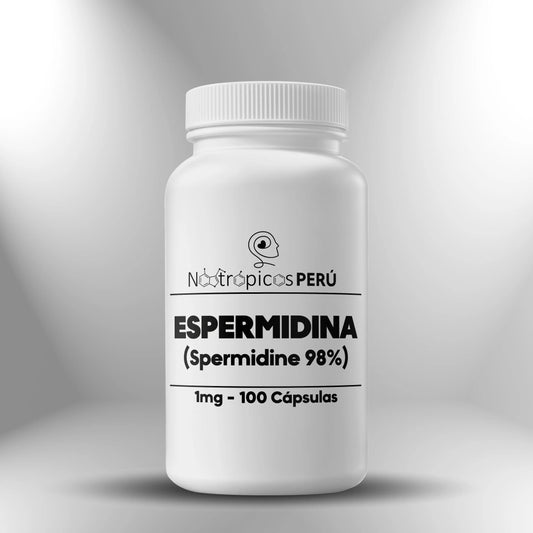
Spermidine (Spermidine 98%) 1mg, 5mg and 10mg ► 100 capsules
Regular price From S/. 70.00Sale price From S/. 70.00 Regular priceUnit price per -
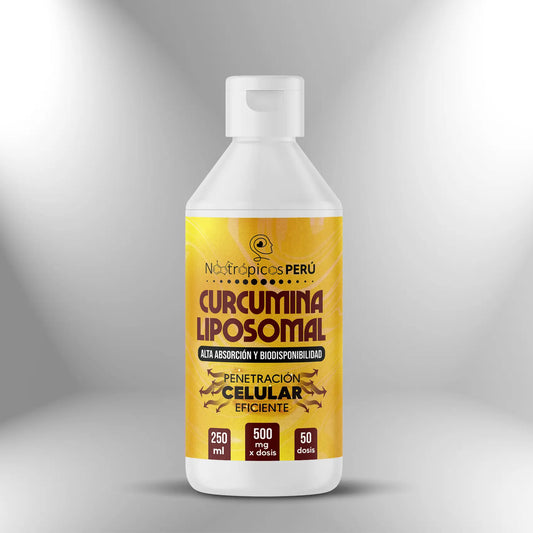
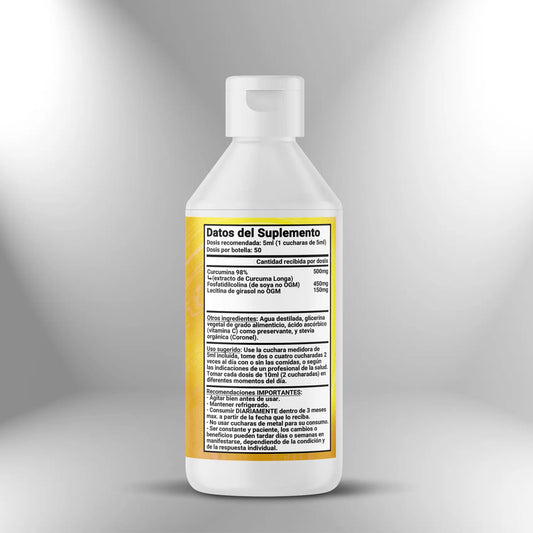
Liposomal Curcumin (500mg x 5ml) - 250ml
Regular price S/. 210.00Sale price S/. 210.00 Regular priceUnit price per -
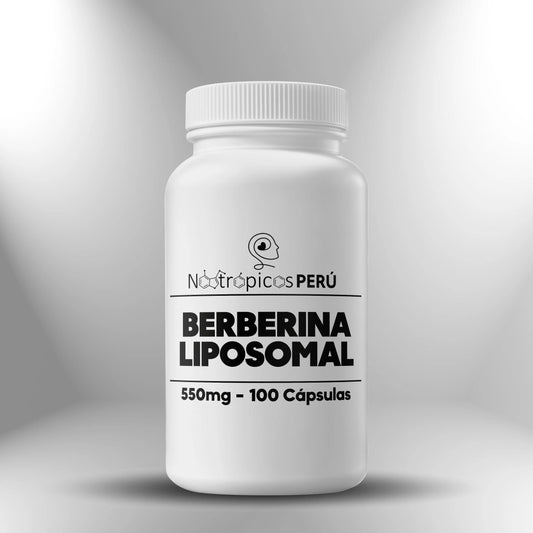
Liposomal Berberine 550mg - 100 capsules
Regular price S/. 210.00Sale price S/. 210.00 Regular priceUnit price per -
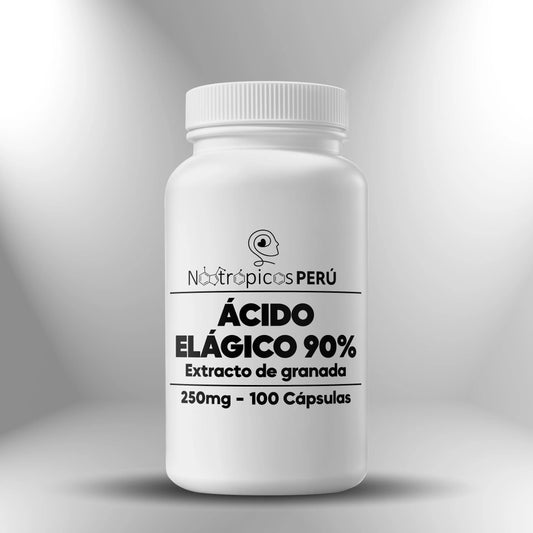
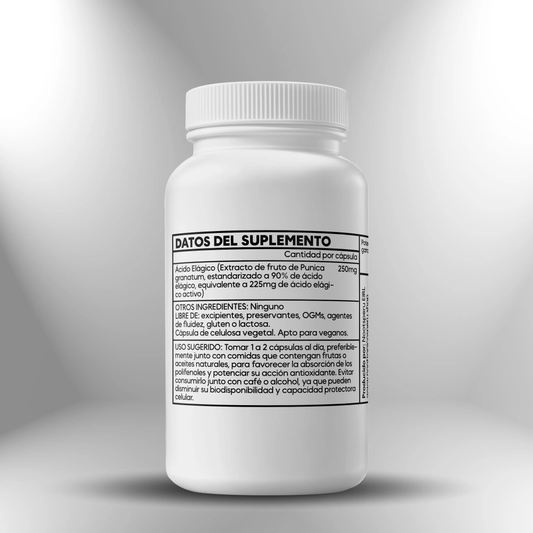
Ellagic Acid 90% (Pomegranate Extract) 250mg - 100 Capsules
Regular price S/. 140.00Sale price S/. 140.00 Regular priceUnit price per -
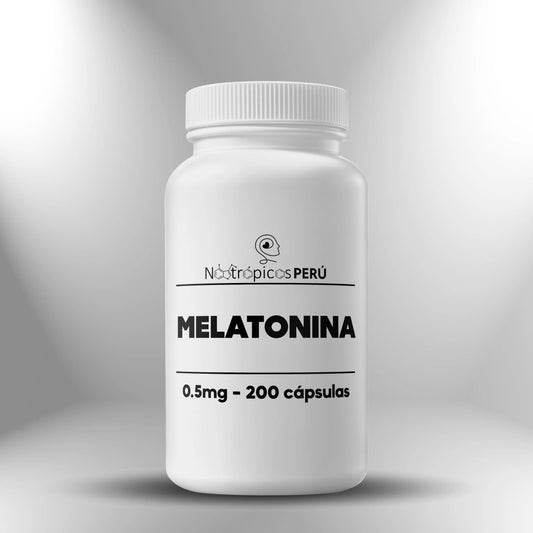
Melatonin - 2 presentations 0.5mg and 3mg ► 200 capsules
Regular price From S/. 80.00Sale price From S/. 80.00 Regular priceUnit price per -
Epitalon Peptide (Epithalon) ► 10 mg
Regular price S/. 100.00Sale price S/. 100.00 Regular priceUnit price per -
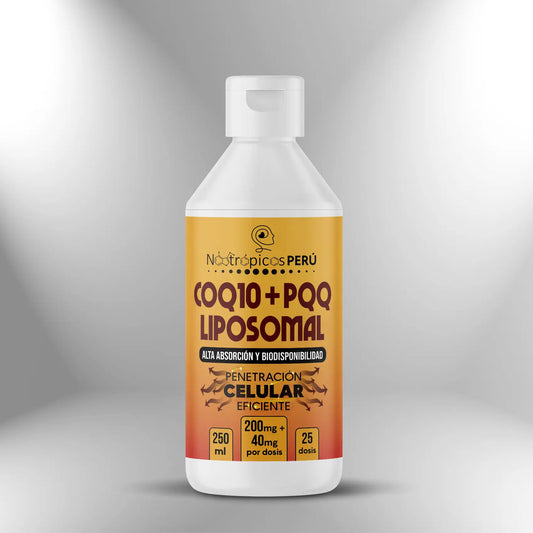
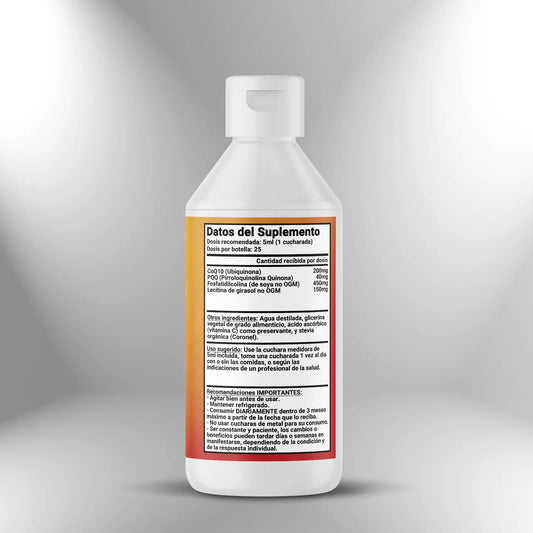
CoQ10 + PQQ Liposomal (200mg + 40mg x 5ml) - 250ml (50 doses)
Regular price S/. 220.00Sale price S/. 220.00 Regular priceUnit price per -
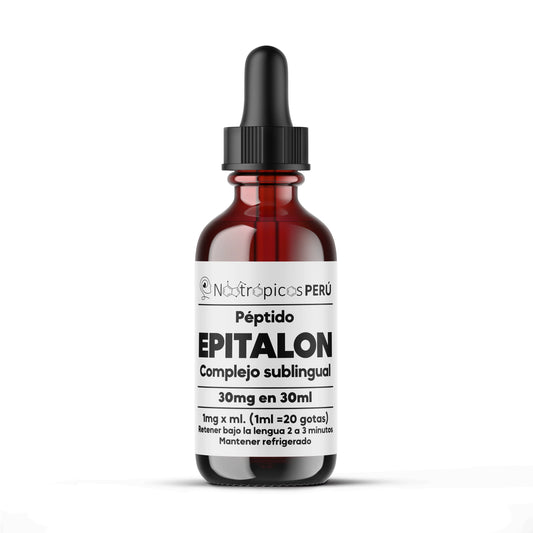
Epitalon Peptide (Epithalon) 30mg ► Sublingual Complex
Regular price S/. 180.00Sale price S/. 180.00 Regular priceUnit price per -
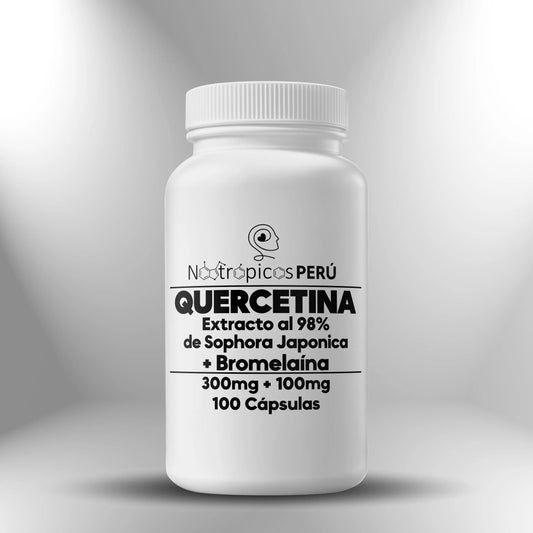
Quercetin dihydrate 98% + Bromelain (300mg + 100mg) - 100 capsules
Regular price S/. 190.00Sale price S/. 190.00 Regular priceUnit price per -
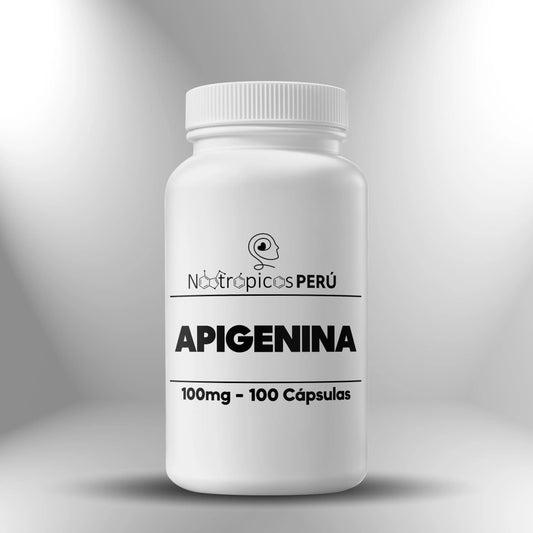
Apigenin 100mg - 100 capsules
Regular price S/. 130.00Sale price S/. 130.00 Regular priceUnit price per