
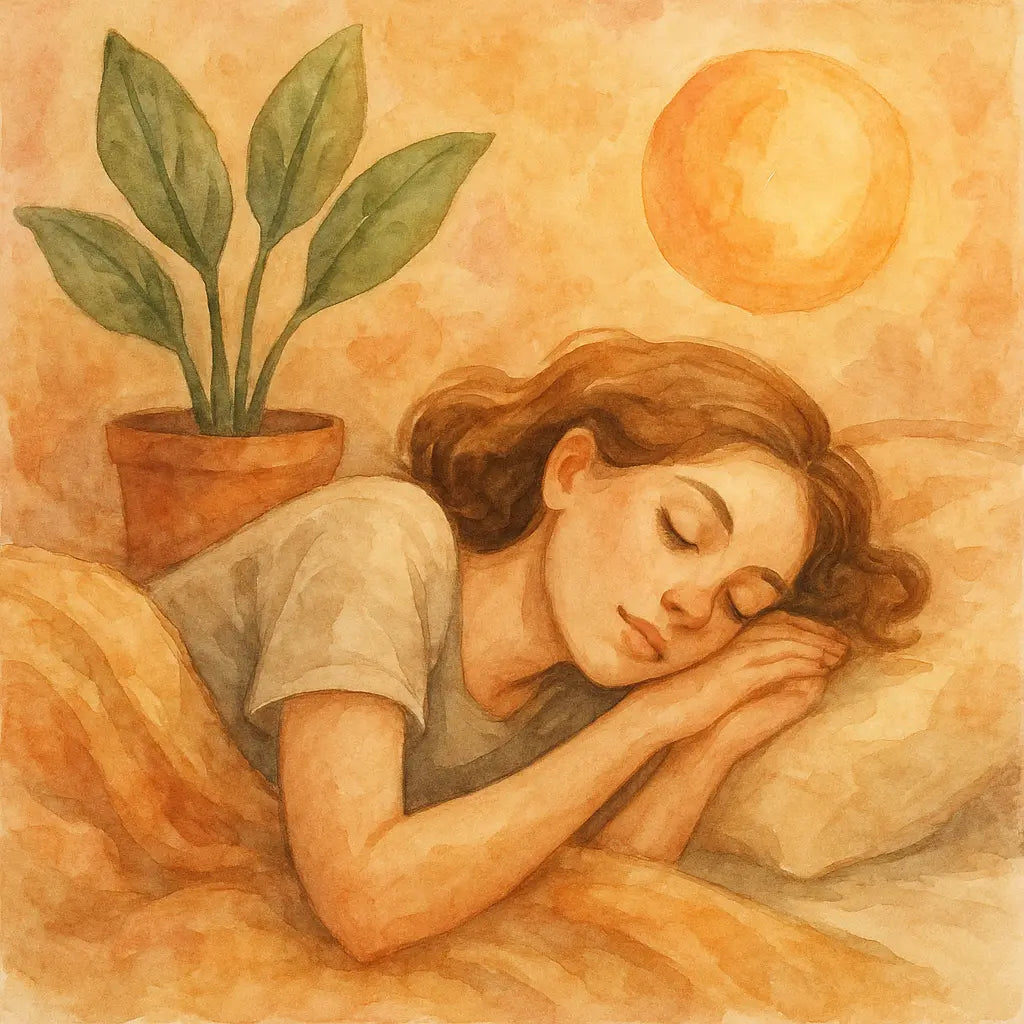
Introduction: The Hidden Treasure of Modern Healthcare
In an era where productivity is measured in waking hours and success seems to require sacrificing sleep, there is a scientific truth that challenges this cultural narrative: quality sleep is not a luxury, but the cornerstone of a full and healthy life . While a third of adults in the developed world suffer from chronic insomnia and more than 70% report regular sleep problems, modern science reveals that every lost night not only affects our next day, but literally shapes our biological future.
Consider this eye-opening fact: During a single night of restful sleep, our brain eliminates up to 60% more toxins than during wakefulness, including beta-amyloid proteins associated with Alzheimer's disease [1] . Our immune system produces memory T cells that will protect us for decades, and our heart reduces its workload by 20%, giving it the vital rest it needs to keep us alive for the next 16 years of steady beating [2] . Yet, most of us treat sleep as a necessary inconvenience, a mandatory pause in our "really important" lives.
What is truly restorative rest?
Restorative rest transcends the mere duration of sleep. It's not simply about sleeping eight hours, but about experiencing a complex and orchestrated biological process that restores, repairs, and optimizes every system in our body. True restorative rest is characterized by a natural progression through multiple sleep cycles, each composed of specific phases that fulfill unique and irreplaceable functions.
During deep NREM sleep, our body releases growth hormone, consolidates declarative memory, and strengthens our immune system. In REM sleep, we process emotions, consolidate complex learning, and literally "cleanse" our brain of the metabolic waste accumulated during the day [3] . This distinction is crucial: you can sleep for eight hours and wake up exhausted if your sleep lacks depth and continuity, or you can sleep six hours of truly restorative sleep and wake up refreshed.
The quality of sleep is measured by factors such as sleep latency (time to fall asleep), sleep efficiency (percentage of time in bed actually slept), the amount of deep and REM sleep obtained, and the absence of fragmentation due to frequent awakenings. Truly restorative sleep allows us to wake up without an alarm, feeling refreshed and naturally energized to face the day.
Your Map to Night Transformation
This guide represents the most comprehensive synthesis available on the science of restorative sleep, designed to radically transform your relationship with rest. Across eight meticulously structured chapters, we'll explore every aspect of sleep from multiple perspectives: the neurobiology that governs your nighttime cycles, the environmental architecture that optimizes your sleep sanctuary, the rituals and habits that prepare your body and mind for renewal, and the nutritional and lifestyle strategies that maximize every hour of sleep.
We'll begin by unraveling the mysteries of your nighttime biology, exploring how your brain orchestrates the symphony of sleep through neurotransmitters, hormones, and circadian rhythms. You'll discover your personal chronotype and learn to work with your internal biological clock instead of against it. Then, we'll guide you in creating a physical environment that invites deep rest, from optimizing light and sound to precisely controlling the temperature.
The central chapters focus on practical, everyday aspects: how to develop disconnection rituals that signal to your body that it's time to rest, which foods and nutrients support restful sleep and which sabotage it, and how to integrate physical exercise in a way that enhances rather than interferes with your nighttime rest.
We'll also explore the psychological dimension of sleep, providing you with concrete tools to calm an anxious mind and manage the stress that keeps millions of people awake every night. We'll critically examine modern aids, from technology to supplements, separating solid scientific evidence from marketing promises.
Finally, we'll equip you with the knowledge to recognize when sleep problems require professional intervention, and how to navigate the healthcare system to get the help you need.
Every recommendation in this guide is backed by rigorous scientific research and explained in terms of the underlying physiological and psychological mechanisms. You won't find generic advice, but rather specific, customizable, and evidence-based strategies that you can gradually implement to create your own restorative sleep system.
Restful sleep isn't a destination, but a journey of continuous optimization. This guide will be your companion on that journey, providing you not only with the theoretical knowledge, but also the practical tools to transform your nights and, consequently, revolutionize your days. Because when you master the art and science of restorative rest, you don't just improve your sleep: you elevate every aspect of your human existence.
References:
[1] Xie, L., et al. (2013). Sleep drives metabolite clearance from the adult brain. Science, 342(6156), 373-377.
[2] Mander, B.A., et al. (2017). Sleep and human aging. Neuron, 94(1), 19-36.
[3] Walker, M. (2017). Why We Sleep: Unlocking the Power of Sleep and Dreams. Scribner.
Chapter 1: The Biology of Your Night - Understanding the Science of Sleep
The Architecture of Sleep: Your Personal Night Symphony
Every night, without your conscious awareness, your brain performs one of the most complex and beautiful symphonies in human biology. This nocturnal composition, scientifically known as the architecture of sleep, unfolds in carefully orchestrated movements that repeat in cycles of approximately 90 to 120 minutes throughout the night [4] . Understanding this architecture is not merely academic; it is fundamental to optimizing every minute of your rest and waking up truly refreshed each morning.
Sleep architecture is divided into two main categories that alternate throughout the night: NREM (Non-REM) sleep and REM (Rapid Eye Movement) sleep. These phases are not simply different levels of sleep depth; they represent entirely distinct neurobiological states, each with specific and irreplaceable functions for your physical, mental, and cognitive health.
The Stages of NREM Sleep: Your Deep Restoration Process
Stage N1 - The Threshold of Rest
The first stage of NREM sleep, known as N1 or drowsiness, represents the delicate transition between wakefulness and true sleep. During these precious minutes, which typically last between 5 and 10 minutes in a healthy adult, your brain begins its nightly transformation. Brain waves shift from the alpha pattern characteristic of waking relaxation (8-12 Hz) to the slower theta waves (4-8 Hz) [5] .
In this phase, your muscle tone remains stable but begins to gradually decrease. Eye movements become slow and undulating, quite different from the rapid, saccadic movements of wakefulness. It is during N1 that many people experience the well-known "hypnagogic jerks"—those sudden jolts that can wake you just as you're drifting off to sleep. These phenomena, while potentially annoying, are completely normal and reflect the neurological transition taking place.
Stage N2 - Consolidated Light Sleep
Stage N2 accounts for approximately 45-55% of your total sleep on a typical night, making it the most abundant phase of your night architecture [6] . During this stage, which can last from 10 to 25 minutes in the first few cycles and extend to 45 minutes in later cycles, your brain produces two distinct electroencephalographic phenomena that are true marvels of neurobiology.
"Sleep spindles" are bursts of brain activity at 12-14 Hz that last 0.5 to 2 seconds and originate in the reticular nucleus of the thalamus. These spindles are not merely markers of sleep; they are active protective mechanisms that help maintain the sleep state by blocking the transmission of sensory information to the cerebral cortex [7] .
Stage N3 - Deep Sleep: Your Source of Renewal
Stage N3, also known as slow-wave sleep or delta sleep, is arguably the most crucial phase of your entire nighttime architecture. During this stage, which accounts for approximately 15-20% of total sleep in young adults, your brain generates very low-frequency (0.5-4 Hz) and high-amplitude delta waves [9] .
N3 sleep is when the magic of physical restoration happens. Your pituitary gland releases massive pulses of growth hormone, up to 10 times more than during wakefulness, promoting tissue repair and regeneration [10] . Your immune system is dramatically strengthened, and the glymphatic system is activated to remove metabolic waste from the brain [11] .
REM Sleep: Your Theater of Emotional Processing
After approximately 90 minutes of NREM sleep, your brain enters a completely different phase: REM sleep. This phase, which accounts for approximately 20-25% of total sleep in adults, is such a unique neurobiological state that some scientists consider it a third state of consciousness [13] .
During REM sleep, your brain becomes almost as active as during wakefulness, consuming oxygen and glucose at similar levels. However, this intense activity occurs in a body that is effectively paralyzed. Muscle atonia prevents you from physically acting out your dreams [14] .
The Master Clock: Circadian Rhythms and Your Personal Chronobiology
Deep within your brain, specifically in a rice-grain-sized region of the hypothalamus called the suprachiasmatic nucleus (SCN), resides your master biological clock. This set of approximately 20,000 specialized neurons orchestrates not only when you sleep and wake up, but virtually all of your body's physiological processes on a roughly 24-hour rhythm [17] .
The Suprachiasmatic Nucleus: Your Biological Conductor
The SCN is truly the conductor of your circadian symphony. These specialized neurons possess the extraordinary ability to maintain an endogenous rhythm even in the total absence of external signals. When blue light strikes specialized ganglion cells in the retina, they send direct signals to the SCN via the retinohypothalamic tract [19] .
Circadian Chemistry: Melatonin and Cortisol in Dance
Your circadian clock orchestrates the release of numerous hormones, but two are particularly crucial for sleep: melatonin and cortisol. These hormones work in complementary opposition, creating a biochemical rhythm that defines your sleep-wake cycle.
Melatonin: Your Darkness Hormone
Melatonin, synthesized primarily in the pineal gland from the neurotransmitter serotonin, is much more than a simple natural "sleeping pill." It is a chronobiotic hormone that communicates information about time to all the tissues in your body [22] .
Your Personal Chronotype: Are you a Lark, Owl, or Hummingbird?
One of the most important revelations of modern chronobiology is that not all humans are designed to follow the same sleep schedule. Your chronotype, determined by a combination of genetic and environmental factors, defines when your body naturally prefers to sleep and wake up [27] .
The Fundamental Chronotypes
Morning Chronotypes (Larks)
Approximately 25% of the population belongs to the morning chronotype, characterized by a natural preference for going to bed early and waking up early. Larks typically experience their peak energy and cognitive performance in the early morning hours [28] .
Evening Chronotypes (Owls)
At the opposite extreme are the owls, approximately 20% of the population, which experience their peak energy and performance in the late afternoon and evening hours [30] .
Intermediate Chronotypes (Hummingbirds)
The majority of the population, approximately 55%, belongs to the intermediate or hummingbird chronotype. These individuals have greater flexibility in their sleep schedules [33] .
Chapter 1 References:
[4] Carskadon, M.A., & Dement, W.C. (2017). Normal human sleep: an overview. Principles and Practice of Sleep Medicine, 15-24.
[5] Iber, C., et al. (2007). The AASM manual for the scoring of sleep and associated events. American Academy of Sleep Medicine.
[6] Ohayon, M.M., et al. (2004). Meta-analysis of quantitative sleep parameters from childhood to old age. Sleep, 27(7), 1255-1273.
[7] Steriade, M. (2003). The corticothalamic system in sleep. Frontiers in Bioscience, 8, d878-899.
[9] Achermann, P., & Borbély, AA (2017). Sleep homeostasis and models of sleep regulation. Principles and Practice of Sleep Medicine, 377-387.
[10] Van Cauter, E., et al. (2008). Impact of sleep and sleep loss on neuroendocrine and metabolic function. Hormone Research, 67(1), 2-9.
[11] Xie, L., et al. (2013). Sleep drives metabolite clearance from the adult brain. Science, 342(6156), 373-377.
[13] Hobson, J. A. (2009). REM sleep and dreaming: towards a theory of protoconsciousness. Nature Reviews Neuroscience, 10(11), 803-813.
[14] Luppi, PH, et al. (2017). Brainstem mechanisms of paradoxical (REM) sleep generation. Pflügers Archiv, 463(1), 43-52.
[17] Mohawk, J. A., et al. (2012). Central and peripheral circadian clocks in mammals. Annual Review of Neuroscience, 35, 445-462.
[19] Berson, D.M., et al. (2002). Phototransduction by retinal ganglion cells that set the circadian clock. Science, 295(5557), 1070-1073.
[22] Claustrat, B., et al. (2005). The basic physiology and pathophysiology of melatonin. Sleep Medicine Reviews, 9(1), 11-24.
[27] Roenneberg, T., et al. (2007). The human circadian clock enters sun time. Current Biology, 17(2), R44-R45.
[28] Horne, J. A., & Östberg, O. (1976). A self-assessment questionnaire to determine morningness-eveningness in human circadian rhythms. International Journal of Chronobiology, 4(2), 97-110.
[30] Adan, A., et al. (2012). Circadian typology: a comprehensive review. Chronobiology International, 29(9), 1153-1175.
[33] Zavada, A., et al. (2005). Comparison of the Munich Chronotype Questionnaire with the Horne-Östberg's Morningness-Eveningness Score. Chronobiology International, 22(2), 267-278.
Chapter 2: The Sanctuary of Rest - Designing the Perfect Environment for Sleep
Your bedroom isn't just a place to put a bed; it's a biological laboratory where the deepest restoration of your body and mind takes place. Every element of this space, from the intensity of the light to the texture of your sheets, sends specific signals to your nervous system that can either facilitate or sabotage your restful sleep.
Absolute Darkness: The Melatonin Foundation
The relationship between light and sleep isn't merely a personal preference; it's a fundamental biological need encoded in millions of years of evolution. Your brain is programmed to interpret even the smallest amounts of light as a signal that it's time to be awake and alert.
The Science of Melatonin Suppression
Research has shown that exposure to light as low as 8 lux can begin to suppress melatonin production [40] . To put this into perspective, a typical smartphone screen emits between 40 and 50 lux, while a standard reading lamp can emit 200–500 lux.
Blue light, with a wavelength of approximately 480 nanometers, is particularly problematic. This specific frequency directly activates retinal ganglion cells that communicate information about ambient light to the suprachiasmatic nucleus [41] .
Creating Perfect Darkness
Blackout Curtains: Your First Line of Defense
Quality blackout curtains are a crucial investment in your sleep health. The most effective ones block 99% of outside light and are designed with multiple layers of opaque material.
The Sound of Silence: Optimizing Your Acoustic Landscape
The human ear never completely "switches off," even during the deepest sleep. Your brain continues to process auditory information throughout the night, and sounds can fragment your sleep in ways you don't even consciously remember.
How Noise Fragments Your Sleep
Sounds can disrupt your sleep in two main ways: full awakenings that you consciously remember, and "micro-awakenings" that last only a few seconds but fragment the architecture of your sleep [44] .
White Noise: Your Acoustic Shield
White noise is a sound that contains all audible frequencies at equal intensity, creating an acoustic "blanket" that masks other sounds. It works according to the principle of auditory masking [45] .
The Ideal Temperature: Thermoregulation for Optimal Sleep
The temperature of your bedroom is one of the most critical and frequently overlooked environmental factors for restful sleep. Your body has sophisticated thermoregulation mechanisms that are intimately connected to your circadian clock.
The Biology of Nocturnal Thermoregulation
Your core body temperature is not constant throughout the day; it follows a robust circadian rhythm that is closely synchronized with your sleep-wake cycle [47] .
The Optimal Temperature Range
Scientific research has consistently established that the optimal temperature range for sleep is between 15.5°C and 19.5°C (60-67°F), with an ideal point around 18°C (64°F) for most people [49] .
The Bed: Your Throne of Rest
Your bed is the epicenter of your sleep sanctuary, and every component, from the mattress to the pillows, can significantly influence the quality of your rest.
The Mattress: Foundation of Support and Comfort
The ideal mattress firmness is a delicate balance between support and comfort, and varies according to your preferred sleeping position, body weight, and any existing musculoskeletal problems [51] .
Chapter 2 References:
[40] Zeitzer, J.M., et al. (2000). Sensitivity of the human circadian pacemaker to nocturnal light. Journal of Clinical Endocrinology & Metabolism, 85(11), 4267-4274.
[41] Chang, A.M., et al. (2015). Evening use of light-emitting eReaders negatively affects sleep. Proceedings of the National Academy of Sciences, 112(4), 1232-1237.
[44] Bonnet, M. H. (1985). Effect of sleep disruption on sleep, performance, and mood. Sleep, 8(1), 11-19.
[45] Namba, S., et al. (1991). Psychological study on road traffic noise. Journal of Sound and Vibration, 151(3), 361-369.
[47] Kräuchi, K. (2007). The human sleep–wake cycle reconsidered from a thermoregulatory point of view. Physiology & Behavior, 90(2-3), 236-245.
[49] Haskell, E.H., et al. (1981). The effects of high and low ambient temperatures on human sleep stages. Electroencephalography and Clinical Neurophysiology, 51(5), 494-501.
[51] Jacobson, B.H., et al. (2010). Effect of prescribed sleep surfaces on back pain and sleep quality. Applied Ergonomics, 42(1), 91-97.
Chapter 3: Habits and Rituals - The Pillars of Sleep Hygiene
Sleep hygiene is not simply a list of rules to follow; it is an integrated system of behaviors that work synergistically to optimize your biological clock and prepare your body and mind for restorative rest.
The Power of Consistency: Your Circadian Anchor
Consistency in sleep schedules is arguably the most important factor in maintaining a healthy circadian rhythm. Your suprachiasmatic nucleus functions as an internal clock that synchronizes best when it receives regular and predictable time cues [54] .
The Disconnection Ritual: Preparing Your Nervous System
The wind-down ritual is a sequence of relaxing activities you perform in the 60-90 minutes before going to bed. This ritual acts as a bridge between the activation of the day and the relaxation of the night [57] .
Components of an Effective Ritual
4-7-8 Breathing Technique
This technique directly activates the parasympathetic nervous system:
1. Exhale completely through your mouth
2. Inhale through your nose while counting to 4
3. Hold your breath while counting to 7
4. Exhale through your mouth counting to 8
5. Repeat the cycle 4-8 times [60]
Exposure to Morning Light: Activating Your Internal Clock
Exposure to bright light in the first few hours after waking up is one of the most powerful interventions to maintain a healthy circadian rhythm [61] .
The Smart Nap: Maximizing Benefits, Minimizing Interference
Naps can be a powerful tool to improve performance and well-being, but they should be strategically planned to avoid interfering with nighttime sleep [62] .
Golden Rules for Effective Naps
Optimal Duration: 10-30 Minutes - Naps of 10-20 minutes provide alertness benefits without entering deep sleep [63] .
Strategic Timing - The ideal window for naps is between 1:00-3:00 PM, aligning with your natural circadian dip.
Chapter 3 References:
[54] Wittmann, M., et al. (2006). Social jetlag: misalignment of biological and social time. Chronobiology International, 23(1-2), 497-509.
[57] Thayer, J.F., & Lane, R.D. (2009). Claude Bernard and the heart–brain connection. American Psychologist, 64(2), 75-84.
[60] Zaccaro, A., et al. (2018). How breath-control can change your life. Frontiers in Human Neuroscience, 12, 353.
[61] Lewy, A.J., et al. (2006). The circadian basis of winter depression. Proceedings of the National Academy of Sciences, 103(19), 7414-7419.
[62] Lavie, P. (1985). Ultradian rhythms: gates of sleep and wakefulness. Sleep, 8(1), 1-10.
[63] Brooks, A., & Lack, L. (2006). A brief afternoon nap following nocturnal sleep restriction. Sleep, 29(6), 831-840.
Chapter 4: Nutrition for Sleep - Fuel Your Nights
The relationship between what you eat and how you sleep is profound and bidirectional. The food you consume not only provides energy for your daily activities, but also supplies the biochemical precursors necessary for the synthesis of neurotransmitters and sleep hormones.
Meal Timing: Synchronizing Your Metabolic Clock
Your digestive system has its own circadian rhythm that is closely coordinated with your central sleep clock. Ideally, you should complete your last substantial meal 3-4 hours before going to bed [67] .
Foods that Promote Sleep: Nutrients for Repair
Tryptophan: The Precursor of Serenity
Tryptophan is an essential amino acid that serves as a precursor to both serotonin and melatonin. To maximize the delivery of tryptophan to the brain, combine it with complex carbohydrates [70] .
Rich Sources of Tryptophan:
• Turkey (especially delicious)
• Fatty fish such as salmon and tuna
• Eggs, especially the whites
• Pumpkin and sunflower seeds
• Dairy products
• Bananas
Magnesium: The Mineral of Relaxation
Magnesium acts as a natural relaxant of the nervous system, activating the parasympathetic nervous system and helping to regulate melatonin production [71] .
Sleep Saboteurs: Substances that Fragment Sleep
Caffeine: The Persistent Stimulant
Caffeine is the most widely consumed psychoactive substance in the world, and its impact on sleep is more lasting than many people realize. The half-life of caffeine is 5–7 hours [73] .
Key Strategy: Establish a caffeine "cut-off time": no later than 2:00 PM for most people.
Alcohol: The False Friend of Sleep
Although alcohol may initially induce drowsiness, it is one of the most potent disruptors of sleep quality. Alcohol interferes with sleep by fragmenting cycles and suppressing REM sleep [74] .
Sleep-Promoting Meals and Snacks
Winning Combinations
Sour cherries: They are one of the few natural food sources of melatonin [76] .
Banana with Almond Butter: Provides tryptophan, magnesium, and complex carbohydrates in an ideal combination.
Chamomile tea: Contains apigenin, a compound that binds to benzodiazepine receptors in the brain, promoting relaxation [77] .
Chapter 4 References:
[67] Crispim, CA, et al. (2011). The influence of sleep and sleep loss upon food intake and metabolism. Nutrition Research Reviews, 24(1), 72-92.
[70] Wurtman, RJ, et al. (2003). Effects of normal meals rich in carbohydrates or proteins on plasma tryptophan and tyrosine ratios. The American Journal of Clinical Nutrition, 77(1), 128-132.
[71] Abbasi, B., et al. (2012). The effect of magnesium supplementation on primary insomnia in elderly. Journal of Research in Medical Sciences, 17(12), 1161-1169.
[73] Fredholm, B.B., et al. (1999). Actions of caffeine in the brain with special reference to factors that contribute to its widespread use. Pharmacological Reviews, 51(1), 83-133.
[74] Ebrahim, IO, et al. (2013). Alcohol and sleep I: effects on normal sleep. Alcoholism: Clinical and Experimental Research, 37(4), 539-549.
[76] Howatson, G., et al. (2012). Effect of tart cherry juice on melatonin levels and enhanced sleep quality. European Journal of Nutrition, 51(8), 909-916.
[77] Srivastava, J.K., et al. (2010). Chamomile: an herbal medicine of the past with bright future. Molecular Medicine Reports, 3(6), 895-901.
Chapter 5: Physical Exercise - The Dynamic Relationship with Rest
Physical exercise and sleep maintain a complex bidirectional relationship: regular exercise significantly improves sleep quality, while adequate sleep optimizes physical performance and recovery.
How Movement Improves Sleep
Regular exercise produces multiple benefits for sleep:
Stress and Anxiety Reduction: Exercise reduces cortisol levels and increases endorphin production [80] .
Increased Slow Wave Sleep: Physical activity increases the amount of deep sleep (N3) [81] .
Circadian Synchronization: Regular exercise acts as a zeitgeber that helps maintain stable circadian rhythms [82] .
The Key Moment: Exercise Timing
Morning Exercise (6:00-10:00 AM)
• Exposure to natural light that reinforces circadian rhythms
• Elevated cortisol levels that complement the natural waking pattern
• Longer window of time for body temperature to normalize
Nighttime Exercise: Necessary Precautions - Vigorous exercise within 3-4 hours before bedtime can interfere with sleep by keeping body temperature elevated and increasing activation of the sympathetic nervous system.
Chapter 5 References:
[80] Kredlow, M.A., et al. (2015). The effects of physical activity on sleep: a meta-analytic review. Journal of Behavioral Medicine, 38(3), 427-449.
[81] Driver, HS, & Taylor, SR (2000). Exercise and sleep. Sleep Medicine Reviews, 4(4), 387-402.
[82] Youngstedt, S.D., et al. (2019). Human circadian phase–response curves for exercise. The Journal of Physiology, 597(8), 2253-2268.
Chapter 6: The Mind-Body Connection - Pacifying Your Inner World
Stress and anxiety are the most common enemies of restful sleep. When your mind is agitated, your body remains in a state of activation that is fundamentally incompatible with deep sleep.
Practical Relaxation Techniques
Mindfulness Meditation
Mindfulness meditation has been scientifically shown to improve sleep quality by reducing mental and physical arousal [85] .
Basic Mindfulness Technique for Sleep:
1. Lie down comfortably and close your eyes
2. Focus on your natural breathing without trying to change it
3. When your mind wanders, gently bring your attention back to your breathing
4. Practice non-judgmental observation of thoughts and sensations
5. Continue for 10-20 minutes
Progressive Muscle Relaxation
This technique involves systematically tensing and then relaxing each muscle group, starting with the feet and progressing upwards to the head.
"Brain Dumping"
This technique helps release worries that keep the mind active:
1. Keep a notebook by your bed
2. Before going to sleep, write down all your worries and pending tasks.
3. For each concern, write down one specific action for tomorrow.
4. Close the notebook as a symbol of "closing" these thoughts
Chapter 6 References:
[85] Goyal, M., et al. (2014). Meditation programs for psychological stress and well-being: a systematic review and meta-analysis. JAMA Internal Medicine, 174(3), 357-368.
Chapter 7: Modern Aids - Technology and Supplements
Technology as a Double-Edged Sword
The Blue Light Problem
Electronic devices emit blue light that suppresses melatonin. Mitigation strategies include:
• Use blue light filters on devices
• Activate "night mode" automatically at sunset
• Implement a "digital sunset" 1-2 hours before bedtime
Guide to Supplements
REGULATORS OF THE CIRCADIAN CYCLE
MELATONIN
• Function: Natural sleep hormone produced by the pineal gland that regulates the circadian rhythm • Mechanism: Signals to the brain that it is time to sleep, synchronizes the internal biological clock • Benefits: Reduces sleep onset time, improves sleep quality, effective for jet lag • Recommended dosage: 0.5-3 mg, taken 30-60 minutes before bedtime • Considerations: Avoid high doses that can cause morning drowsiness and dependence • Ideal for: Jet lag, night shift workers, circadian rhythm disorders
MAGNESIUM
• Function: An essential mineral that acts as a cofactor in over 300 enzymatic reactions in the body. • Mechanism: Activates the parasympathetic nervous system, regulates melatonin, and blocks excitatory NMDA receptors. • Benefits: Muscle relaxation, reduced anxiety, and improved deep sleep. • Recommended dosage: 200-400 mg before bed. • Considerations: The most bioavailable forms are magnesium glycinate and citrate. • Ideal for: People with muscle tension, nighttime anxiety, and magnesium deficiency.
GABA ENHANCERS
L-Theanine
• Function: Amino acid naturally found in green tea that promotes relaxation without sedation • Mechanism: Increases GABA, serotonin, and dopamine levels; promotes alpha brain waves • Benefits: Reduces anxiety, calms a racing mind, improves REM sleep quality • Recommended dosage: 100-200mg; can be taken with other supplements • Considerations: Does not cause daytime drowsiness; safe for long-term use • Ideal for: Nighttime anxiety, overactive mind, and individuals sensitive to sedatives
GABA
• Function: Main inhibitory neurotransmitter of the central nervous system • Mechanism: Reduces excessive neuronal activity, although its brain absorption is debated • Benefits: Calming effect, anxiety reduction, muscle relaxation • Recommended dosage: 500-750mg before bedtime • Considerations: Its effectiveness varies between individuals due to absorption limitations • Ideal for: Generalized anxiety, nervous tension, mental stress
Valerian Root
• Function: Traditional herb with natural sedative properties used for centuries • Mechanism: Increases GABA levels by inhibiting its breakdown; contains sedative valeric acid • Benefits: Reduces sleep onset time, improves deep sleep, decreases nighttime awakenings • Recommended Dosage: 300-600mg of standardized extract • Considerations: May take 2-4 weeks to show full effects; strong, characteristic odor • Ideal for: Chronic insomnia, nighttime anxiety, people who prefer herbal remedies
OLEAMIDA
• Function: Endogenous fatty acid amide that accumulates in the brain during sleep deprivation • Mechanism: Enhances GABAergic signaling, modulates serotonin receptors, induces natural sleepiness • Benefits: Promotes deep sleep, reduces sleep latency, improves memory consolidation • Recommended dosage: 50-200mg before bed • Considerations: Relatively new supplement, limited human research • Ideal for: Severe insomnia, people with high tolerance to other supplements
NEUROTRANSMITTER PRECURSORS
5-HTP (5-HYDROXYTRYPTOPHAN)
• Function: Direct precursor of serotonin, which is subsequently converted into melatonin • Mechanism: Crosses the blood-brain barrier more easily than tryptophan, increasing brain serotonin levels • Benefits: Improves sleep quality and duration, regulates mood, reduces anxiety • Recommended dosage: 50-200 mg, 30-60 minutes before bedtime • Considerations: Take on an empty stomach; do not combine with antidepressants without medical supervision • Ideal for: Serotonin deficiency, mild depression, mood disorders
GLYCINE
• Function: Amino acid that acts as an inhibitory neurotransmitter in the central nervous system • Mechanism: Reduces core body temperature, a natural signal to initiate sleep, improves neurotransmission • Benefits: Improves REM sleep quality, reduces daytime fatigue, speeds up falling asleep • Recommended dosage: 3 grams before bedtime • Considerations: Naturally sweet flavor, dissolves easily in water, very safe • Ideal for: People who sleep poorly in warm environments, those with unrefreshing sleep
ADAPTOGENS AND CORTISOL REDUCERS
ASHWAGANDHA
• Function: Ayurvedic adaptogen that modulates the stress response and reduces cortisol • Mechanism: Regulates the hypothalamic-pituitary-adrenal axis, reducing cortisol by up to 30% in studies • Benefits: Improves stress resilience, sleep quality, reduces anxiety and fatigue • Recommended dosage: 300-600mg of standardized extract with withanolides • Considerations: Cumulative effects, best taken with food, may interact with thyroid medications • Ideal for: Chronic stress, anxiety, people with elevated cortisol
PHOSPHATIDYLSERINE
• Function: Essential phospholipid for brain cell membranes and stress regulation • Mechanism: Modulates the HPA axis, reduces nighttime cortisol, improves neuronal communication • Benefits: Prevents stress-related nighttime awakenings, improves cognitive function, reduces cortisol • Recommended dosage: 100-200mg before bed • Considerations: Derived from soy or sunflower, better absorption with fats • Ideal for: Awakenings between 2-4 AM, chronic stress, cognitive decline
MAGNOLIA EXTRACT
• Function: Traditional Chinese bark extract with the bioactive compounds honokiol and magnolol • Mechanism: Modulates GABA receptors, reduces cortisol, and has anxiolytic and sedative properties • Benefits: Reduces anxiety, improves sleep quality, and has neuroprotective properties • Recommended Dosage: 200-400 mg of 90% standardized honokiol and magnolol extract • Considerations: May interact with sedatives; do not use with alcohol • Ideal for: Severe anxiety, chronic stress, and insomnia due to worry
TRADITIONAL SEDATIVE HERBS
Passionflower (Passion Flower)
• Function: Traditional herb with mild anxiolytic and sedative properties • Mechanism: Flavonoids such as chrysin bind to benzodiazepine receptors, increasing GABA • Benefits: Reduces nighttime anxiety, improves sleep quality, calming effect without dependence • Recommended dosage: 250-500mg of standardized extract • Considerations: Combines well with other herbs, mild but consistent effects • Ideal for: Mild to moderate anxiety, nighttime nervousness, medication transition
CHAMOMILE
• Function: Traditional herb with well-documented sedative and anti-inflammatory properties • Mechanism: Apigenin binds to benzodiazepine receptors, producing a natural calming effect • Benefits: Mild sedation, anxiety reduction, improved nighttime digestion • Recommended dosage: 400-1600mg of the extract or 2-3 cups of tea • Considerations: Very safe for long-term use, may cause allergies in those sensitive to aster family plants • Ideal for: People sensitive to strong sedatives, digestive anxiety, long-term use
LEMON BALM (MELISSA)
• Function: Herb from the mint family with calming and neuroprotective properties • Mechanism: Rosmarinic acid increases GABA, reduces sympathetic nervous system activity • Benefits: Mental calming, reduction of mild anxiety, improved daytime concentration • Recommended dosage: 300-500mg of standardized extract • Considerations: Combines synergistically with valerian; cumulative effects • Ideal for: Mild anxiety, insomnia due to worry, stressed students
HOP
• Function: Hops flower, traditionally used as a natural sedative • Mechanism: Contains humulones and lupulones that activate GABA-A receptors, producing a sedative effect • Benefits: Induces drowsiness, reduces nighttime restlessness, improves deep sleep • Recommended dosage: 300-500mg of standardized extract • Considerations: Combines well with valerian; may cause residual drowsiness • Ideal for: Difficulty falling asleep, nighttime physical restlessness, and a hyperactive mind
MOOD MODULATORS
SAFFRON EXTRACT
• Function: Spice with the bioactive compounds crocin and safranal that modulate neurotransmitters • Mechanism: Inhibits the reuptake of serotonin, dopamine, and norepinephrine, providing a natural antidepressant effect • Benefits: Improves mood, reduces anxiety, and indirectly improves sleep quality • Recommended dosage: 30 mg of standardized extract at 0.3% safranal • Considerations: Effects are seen after 2-4 weeks; may interact with antidepressants • Ideal for: Mild to moderate depression and insomnia related to low mood
MYO-INOSITOL
• Function: B-complex vitamin-like carbohydrate that modulates neuronal signaling • Mechanism: Improves serotonin sensitivity, modulates GABA receptors, regulates neurotransmitters • Benefits: Reduces anxiety, improves sleep quality, regulates hormonal cycles • Recommended dosage: 2-4 grams before bedtime • Considerations: Especially effective for women with PCOS, naturally sweet flavor • Ideal for: Anxiety, PCOS, mood disorders, insulin resistance
ADVANCED NEUROTRANSMITTER MODULATORS
OLEAMIDA
• Function: Endogenous fatty acid amide that accumulates during sleep deprivation • Mechanism: Enhances GABAergic signaling, modulates 5-HT2C serotonin receptors, induces drowsiness • Benefits: Promotes deep, restorative sleep, reduces sleep latency, improves memory consolidation • Recommended dosage: 50-200 mg before bedtime • Considerations: Novel supplement with limited research, potent effects • Ideal for: Severe insomnia, individuals with high tolerance to other supplements
MAGNOLIA EXTRACT
• Function: Traditional Chinese bark extract with the bioactive compounds honokiol and magnolol • Mechanism: Modulates multiple GABA receptors, reduces cortisol, and has anxiolytic and sedative properties • Benefits: Reduces severe anxiety, improves sleep quality, and has neuroprotective properties • Recommended Dosage: 200-400 mg of 90% standardized honokiol and magnolol extract • Considerations: May potentiate sedative effects; do not use with alcohol • Ideal for: Severe anxiety, chronic stress, and insomnia due to excessive worry
Apigenin
• Function: Natural flavonoid found in chamomile, parsley, and celery with sedative properties • Mechanism: Selectively binds to benzodiazepine receptors, modulates calcium channels • Benefits: Non-dependence anxiolytic effect, improves sleep quality, antioxidant properties • Recommended dosage: 50-100mg of pure apigenin before bed • Considerations: Concentrated form of chamomile's active compounds • Ideal for: People seeking more potent chamomile effects, mild anxiety
TRADITIONAL SEDATIVE HERBS
CHAMOMILE
• Function: Traditional herb with well-documented sedative and anti-inflammatory properties • Mechanism: Apigenin binds to benzodiazepine receptors, providing a natural calming effect • Benefits: Mild sedation, anxiety reduction, improved nighttime digestion • Recommended dosage: 400-1600mg of the extract or 2-3 cups of tea • Considerations: Very safe for long-term use, may cause allergies in those sensitive to aster family plants • Ideal for: People sensitive to strong sedatives, digestive anxiety, long-term use
LEMON BALM (MELISSA)
• Function: Herb from the mint family with calming and neuroprotective properties • Mechanism: Rosmarinic acid increases GABA, reduces sympathetic nervous system activity • Benefits: Mental calming, reduction of mild anxiety, improved daytime concentration • Recommended dosage: 300-500mg of standardized extract • Considerations: Combines synergistically with valerian; cumulative effects • Ideal for: Mild anxiety, insomnia due to worry, stressed students
HOP
• Function: Hops flower, traditionally used as a natural sedative • Mechanism: Contains humulones and lupulones that activate GABA-A receptors, producing a sedative effect • Benefits: Induces drowsiness, reduces nighttime restlessness, improves deep sleep • Recommended dosage: 300-500mg of standardized extract • Considerations: Combines well with valerian; may cause residual drowsiness • Ideal for: Difficulty falling asleep, nighttime physical restlessness, and a hyperactive mind
KAVA KAVA
• Function: South Pacific root with potent anxiolytic and sedative properties • Mechanism: Kavalactones modulate GABA receptors, blocking sodium and calcium channels • Benefits: Powerful anxiety reduction, deep muscle relaxation, improved sleep • Recommended dosage: 200-400mg of extract with 30% kavalactones • Considerations: Possible liver effects with prolonged use, do not combine with alcohol • Ideal for: Severe anxiety, extreme muscle tension, occasional use
COFACTORS AND NUTRITIONAL SUPPORT
ZINC
• Function: Essential mineral for neurotransmitter synthesis and nervous system function • Mechanism: Cofactor in melatonin synthesis, modulates GABA receptors, supports neurotransmission • Benefits: Improves sleep quality, reduces sleep onset time, supports muscle recovery • Recommended dosage: 15-30 mg before bedtime • Considerations: Take with food to avoid stomach upset; do not exceed 40 mg daily • Ideal for: Zinc deficiency, athletes, people with poor sleep
BULLFIGHTING
• Function: Conditionally essential amino acid with neuromodulatory properties • Mechanism: Modulates GABA and glycine receptors, regulates intracellular calcium, has a calming effect • Benefits: Reduces anxiety, improves muscle recovery, protects the nervous system • Recommended dosage: 500-2000mg before bedtime • Considerations: Very safe even at high doses, hydrophilic • Ideal for: Athletes, people with high levels of physical activity, mild anxiety
L-TRYPTOPHAN
• Function: Essential amino acid precursor to serotonin and melatonin • Mechanism: Conversion to 5-HTP and then serotonin, finally to melatonin overnight • Benefits: Improves daytime mood and nighttime sleep quality • Recommended dosage: 500-1500mg on an empty stomach before bed • Considerations: Competes with other amino acids for absorption; best taken without protein • Ideal for: Serotonin deficiency, seasonal affective disorder, vegetarians/vegans
NOOTROPICS FOR SLEEP
BACOPA MONNIERI
• Function: Ayurvedic adaptogenic herb with neuroprotective and calming properties • Mechanism: Modulates neurotransmitters, reduces cortisol, improves synaptic plasticity • Benefits: Reduces anxiety, improves cognitive function, promotes restful sleep • Recommended dosage: 300-600mg of bacoside-standardized extract • Considerations: Noticeable effects after 4-6 weeks of consistent use • Ideal for: Students, mental workers, performance anxiety
Rhodiola rosea
• Function: Adaptogen that improves stress resistance and regulates circadian rhythms • Mechanism: Modulates serotonin, dopamine, and norepinephrine; regulates the HPA axis • Benefits: Improves stress recovery, regulates sleep-wake cycle, reduces fatigue • Recommended dosage: 200-400 mg of extract with 3% rosavins and 1% salidroside • Considerations: Take in the morning; it may be stimulating if taken in the afternoon • Ideal for: Chronic fatigue, work-related stress, circadian rhythm disorders
GENERAL RECOMMENDATIONS FOR USE
• Start with a single supplement to assess your individual response. • Magnesium is an excellent starting point for beginners. • Combine a maximum of 4-5 supplements to avoid interactions and excessive effects. • Take supplements 30-60 minutes before your desired bedtime. • Maintain consistent schedules for best results. • Evaluate sleep quality for 2-4 weeks before making changes.
Chapter 8: When to Seek Professional Help?
Warning Signs
Seek medical evaluation if you experience:
Chronic Insomnia
Difficulty sleeping 3+ nights per week for more than 3 months, despite implementing good sleep hygiene.
Symptoms of Sleep Apnea
• Loud and frequent snoring
• Breathing pauses observed by others
• Waking up with a feeling of suffocation
• Excessive daytime sleepiness despite getting enough sleep
Restless Legs Syndrome
Uncomfortable sensations in the legs that create an irresistible urge to move them, especially at night.
Parasomnias
Sleepwalking, night terrors, or abnormal behaviors during sleep in adults.
The Importance of Professional Diagnosis
Sleep disorders can be symptoms of underlying medical conditions such as:
• Thyroid disorders
• Depression or anxiety
• Cardiovascular diseases
• Neurological disorders
• Side effects of medications
Types of Sleep Professionals
Sleep Medicine Specialists: Diagnose and treat medical sleep disorders
Sleep Specialist Psychologists: Providing CBT-i and other behavioral therapies
Sleep Study Technicians: They perform polysomnographies and other diagnostic studies
Conclusion: Your Journey to Restful Rest
Restful sleep isn't a luxury; it's a fundamental biological need that affects every aspect of your physical, mental, and emotional health. Through this journey into the science of sleep, you've discovered that truly restorative rest emerges from the harmony of multiple factors: your circadian biology, your physical environment, your daily habits, your nutrition, your physical activity, and your mental well-being.
The Pillars of Restful Rest
Summary of Key Strategies:
Circadian Consistency: Maintain regular sleep-wake schedules
Environmental Sanctuary: Create a dark, cool, quiet bedroom
Transition Rituals: Develop 60-90 minute disconnection routines
Strategic Nutrition: Fuel your sleep with the right nutrients
Smart Movement: Incorporate regular exercise with appropriate timing
Calm Mind: Develop tools to manage stress
Mindful Aids: Use technology and supplements wisely
Professional Intervention: Recognize when to seek medical help
The Way Forward
Implementing these principles doesn't require immediate perfection. Restful sleep is a journey of continuous optimization, not a destination you reach all at once. Start with the changes that resonate most with you and gradually build a personalized system of restorative sleep.
Remember that every night of restful sleep is an investment in your future. Every hour of deep sleep strengthens your immune system, consolidates your memories, repairs your tissues, and renews your ability to face the challenges of the next day with energy, mental clarity, and emotional well-being.
The art and science of restorative sleep offer you the tools to transform not only your nights, but your entire life experience. When you master your sleep, you master the foundation upon which everything else is built: your health, your performance, your relationships, and your ability to live life to the fullest.
Your journey to restorative rest begins tonight. Every small step you take toward better sleep is a step toward a healthier, more energized, and more fulfilled version of yourself. Restful sleep isn't just about sleeping better; it's about living better.
May your nights be deep, your dreams restorative, and your days filled with the vibrant energy that only comes from true, rejuvenating rest.