
Unraveling Leaky Gut: The Hidden Root of Systemic Dysfunction
In today's health landscape, a large number of people experience a constellation of chronic symptoms that are often misdiagnosed or mistakenly attributed to stress and aging. From persistent fatigue and brain fog to recurring digestive issues, mood swings, and autoimmune diseases, one common root cause often goes unnoticed: leaky gut. This article delves into the physiology of leaky gut, demystifying its devastating impact on systemic health and exposing the underlying causes of its development. Beyond offering a clear understanding of this condition, we will present a science-based biological approach to repairing this "broken barrier," enabling the reader to understand how proper gut function is the cornerstone of restoring vitality and balance throughout the body.
The Reality of Leaky Gut: A Compromised Barrier
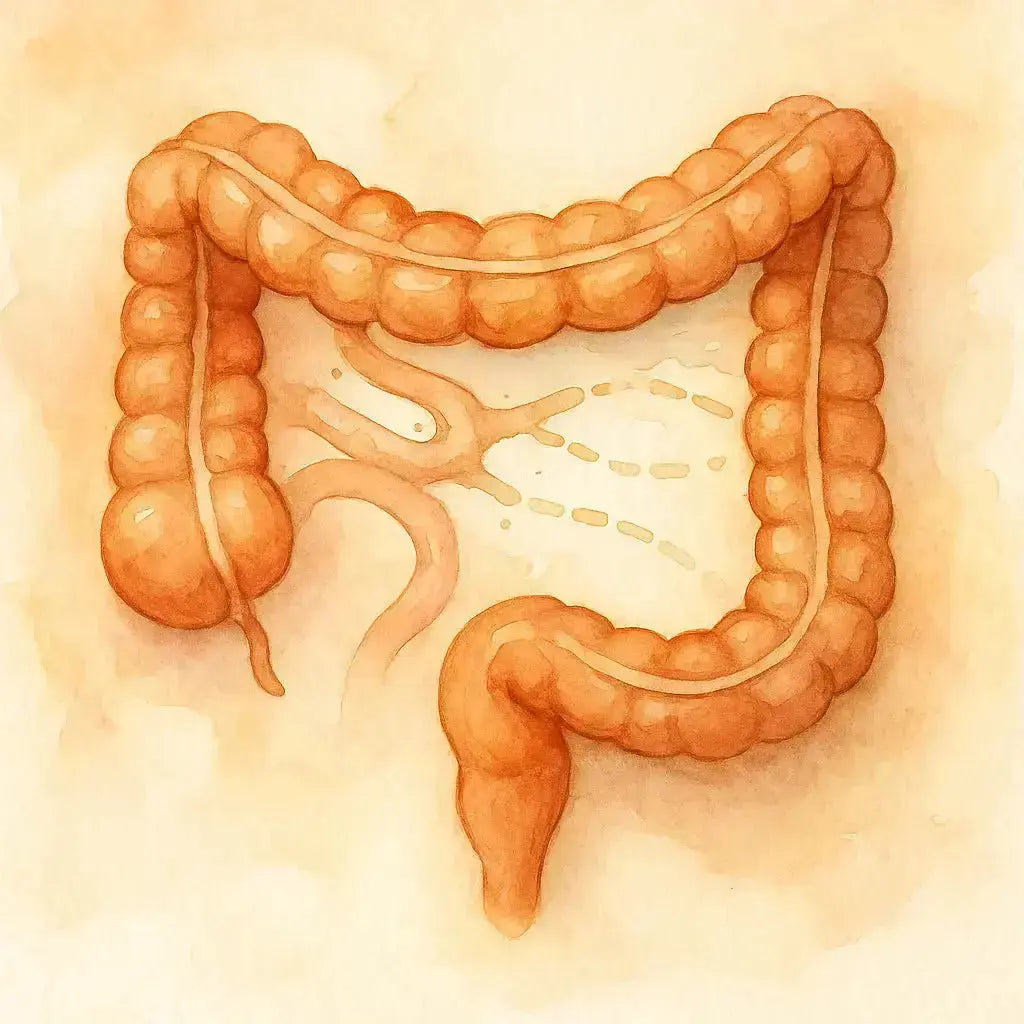
Imagine your body is a sophisticated machine, and your gut is the fuel tank. If you pour motor oil into the gas tank, you know the engine will seize. Similarly, if your gut barrier isn't functioning properly, the consequences are catastrophic. The intestinal wall isn't just a tube; it's a microscopic sheet of cells, only one layer thick, that separates the "outside world" (the contents of the gut) from the "sanctuary" of your bloodstream. This thin barrier is composed of epithelial cells held together by tight junctions, proteins like occludins, claudins, and ZO-1, which act like your body's TSA, deciding who gets in and who stays out.
In most people, this wall isn't intact; it appears to have been "pierced" like a shotgun, a sieve, or Swiss cheese. This is known as leaky gut: when these tight junctions loosen, creating "holes" through which substances that shouldn't enter the bloodstream seep out. This phenomenon isn't just a bowel problem; it's a silent amplifier behind half of the chronic ailments experienced by the modern population.
The Systemic Impact: Why Leaky Gut Affects the Entire Body
When the tight junctions of the gut loosen, toxins and fragments of gram-negative bacteria (lipopolysaccharides, or LPS) leak into the bloodstream. Once in the blood, the body's immune system goes into "nuclear alert," triggering a massive inflammatory response. This chronic inflammation is the soundtrack to modern diseases, directly linking leaky gut to an alarming list of systemic problems:
- Autoimmune Problems: Fragments of gluten, by slipping through the permeable barrier, can confuse immune cells, leading them to attack their own tissues, such as the thyroid (in conditions like Hashimoto's thyroiditis).
- Insulin Resistance and Diabetes: The LPS that leaks interfere with insulin receptor signaling, contributing to the development of insulin resistance and type 2 diabetes.
- Neurological Dysfunction: Inflammatory cytokines can cross the blood-brain barrier, causing brain fog, depression, anxiety, and difficulty concentrating. Inflammation literally disrupts the function of neurotransmitters.
- Nutritional Collapse: Damaged epithelial cells in the intestine cannot effectively absorb vital nutrients such as iron, magnesium, vitamin D, and B vitamins, leading to chronic fatigue and ineffectiveness of supplementation.
Leaky gut doesn't stay in the gut; it's like putting a hole in the oil pan of a luxury car: it's not just an oil leak, it's an impending catastrophic engine failure.
Factors Causing Leaky Gut: A Constant Assault
It's no mystery what damages the intestinal barrier. The main causes are well known:
- Alcohol: Ethanol directly dissolves the proteins in tight junctions. Even moderate consumption can compromise intestinal integrity.
- NSAIDs (Non-Steroidal Anti-Inflammatory Drugs): Drugs such as ibuprofen or aspirin block prostaglandins that protect the mucous lining of the intestine, perforating holes in the intestinal wall.
- Chronic Stress: Cortisol, the stress hormone, dysregulates the vagus nerve and affects the tight junctions, causing the gut to "leak like an old pipe."
- Processed Foods and Sugar: Diets high in sugars, industrial seed oils, and ultra-processed foods promote the growth of pathogenic bacteria that release endotoxins (LPS), initiating the cycle of inflammation.
- Obesity: Visceral fat constantly secretes lipopolysaccharides, turning the obese person into a "walking septic tank" that fuels systemic inflammation 24 hours a day.
Debunking Myths: What DOES NOT Cause Leaky Gut
There is a lot of misinformation about the causes of leaky gut, often spread by "gurus" seeking to sell quick fixes. It is crucial to clarify what does not damage this barrier:
- Testosterone (or TRT): Claiming that testosterone causes leaky gut is physiologically absurd. Testosterone reduces inflammation (by suppressing NF-kappaB, the inflammation activator) and promotes protein synthesis and cell regeneration. Since the intestinal lining renews itself every 3 to 5 days, testosterone actually helps seal and repair the barrier, not damage it. Low testosterone levels are what are associated with visceral fat and inflammation, factors that do contribute to leaky gut.
- Peptides: Peptides are the body's native language. They don't "drill holes" in the gut. They act as precise signals for repair, immune modulation, and support of tissue integrity. Their function is to restore balance, not disrupt it.
- Coffee: Contrary to popular belief, coffee does not cause leaky gut in healthy people.
Real Solutions: The Science Behind Intestinal Repair
Repairing leaky gut isn't a mystical process, nor does it require "unicorn dust." It requires an understanding of physiology and tools that work with the body's biology. The strategy is clear: 1) Close the holes, 2) Turn off the inflammation, and 3) Rebuild the gut wall.
Many popular solutions, such as oral probiotics (99% of which die in the stomach), collagen powder (which breaks down into amino acids indistinguishable from any other protein), or "gut health powders" (containing glutamine and aloe, but lacking key components), don't address the root of the problem. They're like "SpongeBob patches" on a sinking ship. The solution isn't a patch; it's a complete overhaul.
The Repair Blueprint: Key Peptides for the Gut
To achieve effective repair of leaky gut, tools are needed that speak the body's language and act with precision. Peptides are the ideal tools for this task.
- BPC-157 (Body Protective Compound-157): This is the "ultimate gut rebuilder." This peptide, derived from gastric juices, is intrinsically part of the digestive system. It works by increasing the expression of key proteins (such as claudins and ZO-1) that seal tight junctions. It stimulates VEGF and angiogenesis, which means better blood flow and faster tissue repair. It has been shown to heal NSAID-induced intestinal lesions in animal studies. Its action is to "reseal the zipper" of the intestinal barrier.
- KPV: It's the body's "fire department." This alpha-MSH peptide fragment is a potent anti-inflammatory that works by blocking the nuclear factor NF-kappaB, the "nuclear alarm switch" that triggers systemic inflammation. KPV deactivates pro-inflammatory cytokines such as TNF-alpha, IL-6, and IL-1 beta at the source—the gut. It protects against colitis and inflammatory bowel disease by putting out the "fire" before it spreads to other parts of the body.
- TB-500 (Thymose Beta 4): This is the "healing accelerator." This peptide stimulates actin polymerization, allowing cells to migrate and "patch" damaged areas more quickly. It promotes angiogenesis (the formation of new blood vessels) and reduces fibrosis (the formation of scar tissue), accelerating tissue healing throughout the body, including the heart and intestines. Its action is systemic, but its impact on the speed of repair is critical for restoring the integrity of the intestinal lining.
These peptides are not a "workaround" or a magic bullet; they are the direct, physiology-based route to rebuilding intestinal strength. They are not taken orally; they are administered by subcutaneous injection to bypass digestive breakdown and reach the bloodstream intact, where they can exert their precise effect.
The Philosophy of Repair: Not Patches, But Reconstruction
Leaky gut is fixed by cutting out alcohol, managing stress, eliminating junk food (sugar, industrial seed oils, processed carbohydrates), and, when necessary, deploying the biological tools that actually work. It's not about "patching" the symptoms; it's about repairing the root of the problem.
Your body isn't a random collection of parts; it's a masterpiece of biological engineering. Leaky gut is the amplifier behind your fatigue, brain fog, digestive issues, autoimmune conditions, and metabolic decline. If the intestinal wall is compromised, nothing in your health will function properly because the door to your bloodstream is open, and the "enemy" is inside, wreaking havoc. The solution isn't kombucha or conventional probiotics; it's real science and physiology that rebuilds the wall, extinguishes the fire, and accelerates healing.