
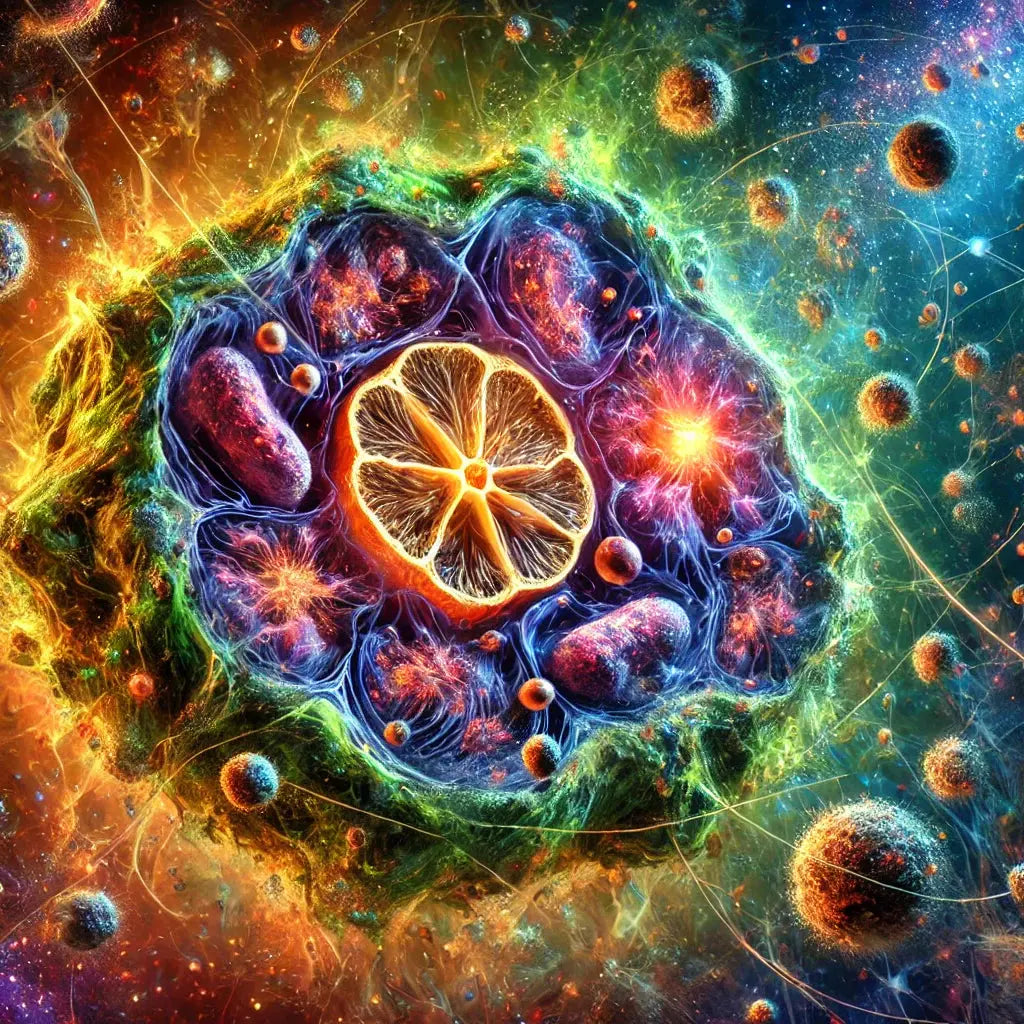
Lipofuscin: The 'Cellular Waste' That Ages Your Cells and How to Fight It
Our cells are incredibly efficient, but like any complex system, they generate waste. One of the most persistent and problematic byproducts of cellular metabolism and oxidative stress is lipofuscin . Often described as "cellular junk" or the "pigment of aging," this substance accumulates over time, especially in non-dividing cells, hindering their optimal function and contributing to the aging process and various diseases.
This article delves into the world of lipofuscin: we will explore what it is, how this cellular waste product forms, what its harmful effects are on our body, and what practical strategies and nutritional supplements we can consider to help our cells better manage this buildup.
What is Lipofuscin? The Pigment of Aging
Lipofuscin is a complex, yellowish-brown aggregate composed primarily of oxidized and cross-linked proteins and lipids that resist degradation. It accumulates within lysosomes , the cellular organelles responsible for recycling and eliminating waste.
It is known as the "aging pigment" because its quantity increases progressively with age in long-lived, non-replicating (post-mitotic) cells, such as:
- The neurons of the brain.
- The cells of the heart muscle (cardiomyocytes).
- The cells of the retinal pigment epithelium (RPE) in the eye.
- Skin cells.
Its presence is, in essence, a visible sign of cellular wear and tear accumulated over time.
How is Lipofuscin Formed? An Accumulation Process Due to Recycling Failure
Lipofuscin formation results from an imbalance between the generation of molecular damage and the cell's ability to repair or eliminate it. The overall process involves:
- Oxidative Damage: Normal metabolism and external factors (toxins, UV radiation) generate free radicals (reactive oxygen species - ROS). These ROS damage cellular components, especially membrane lipids and proteins. Damaged mitochondria are also a major source of ROS.
- Attempted Recycling (Autophagy): The cell identifies these damaged components and marks them for elimination through a process called autophagy . The waste is enclosed in vesicles (autophagosomes) that fuse with lysosomes.
- Lysosomal Failure: Within the lysosome, enzymes should degrade damaged material. However, if the components are highly oxidized, cross-linked, or if the lysosome is overloaded or malfunctioning (e.g., inappropriate pH), degradation is incomplete.
- Accumulation: Undigested waste, rich in lipids and oxidized proteins and often containing metals such as iron, compacts and forms lipofuscin granules within the lysosome.
Key Concept: Lipofuscin is essentially molecular "junk" (damaged proteins and lipids) that the cell fails to completely eliminate through its recycling systems (autophagy and lysosomes), accumulating over time.
The Negative Consequences of Lipofuscin Accumulation
Far from being an inert deposit, the accumulation of lipofuscin has direct detrimental effects on the cell:
- Lysosomal Obstruction and Dysfunction: Lipofuscin granules occupy physical space within lysosomes, reducing their capacity to receive and degrade other waste products. It can also disrupt the acidic pH necessary for lysosomal enzyme activity.
- Inhibition of Autophagy: If lysosomes are "stuck" with lipofuscin, the entire autophagy process slows down, leading to a greater accumulation of damaged components (including dysfunctional mitochondria) in the cytoplasm.
- Increased Oxidative Stress: Lipofuscin contains redox-active metals (such as labile iron) that can catalyze the formation of more free radicals, creating a vicious cycle of oxidative damage.
- Mitochondrial Dysfunction: The accumulation of lipofuscin and the inhibition of autophagy contribute to the deterioration of mitochondria, affecting cellular energy production.
- Cell Function Compromise and Cell Death: The combination of inefficient cleaning systems, increased oxidative stress, and energy deficit compromises overall cell function and may eventually trigger apoptosis (programmed cell death).
This lipofuscin-associated cellular dysfunction is related to:
- The general aging process and the decline in tissue function.
- Age-related macular degeneration (AMD) , where lipofuscin accumulates massively in the RPE cells, contributing to vision loss.
- Neurodegenerative diseases such as Alzheimer's and Parkinson's, where accumulation is observed in the affected neurons.
- Aging of the heart muscle and its possible contribution to age-related heart failure.
Strategies to Combat Lipofuscin Accumulation
While completely eliminating lipofuscin once it has formed is very difficult, we can implement strategies to reduce its formation rate and enhance our cells' natural cleaning mechanisms .
Enhance the Cellular Cleansing Natural Mechanisms (Autophagy and Lysosomal Function)
Stimulating autophagy is key for cells to eliminate damaged components before they become lipofuscin.
- Caloric restriction and intermittent fasting: These are the most potent known inducers of autophagy. Periods of fasting give the cell the signal and the opportunity to "clean house."
- Regular Physical Exercise: It has also been shown to stimulate autophagy in various tissues, in addition to improving mitochondrial health.
- Maintain Restful Sleep: Important cellular repair and cleaning processes occur during sleep.
Reduce the Oxidative Damage Load
Minimizing the source of the problem (molecular damage) is fundamental.
- Antioxidant-Rich Diet: Consume plenty of colorful fruits and vegetables (berries, leafy green vegetables, peppers), green tea, dark cocoa, herbs, and spices.
- Avoid Pro-oxidants: Reduce exposure to tobacco smoke, environmental pollution, excessive UV radiation (use sun protection), and limit consumption of ultra-processed and fried foods.
- Stress Management: Chronic stress increases oxidative stress. Implement relaxation techniques.
Nutritional Support and Specific Supplementation (with caution)
Some nutrients and supplements may help reduce oxidative damage, support mitochondrial function, or aid cellular cleanup processes. Scientific evidence for the direct reduction of lipofuscin is variable and often indirect.
Use the store's search engine to locate products.
-
Powerful Antioxidants:
- Astaxanthin: A marine carotenoid with strong antioxidant activity, especially protective of cell membranes and mitochondria.
- Liposomal Vitamin C: Classic antioxidant that works synergistically.
- N-Acetylcysteine (NAC): Precursor of glutathione, the body's master antioxidant.
- Coenzyme Q10 (CoQ10): Essential for mitochondrial energy production and a powerful fat-soluble antioxidant.
-
Cellular Health Support and Autophagy (Potential/Indirect):
- Resveratrol: Polyphenol that can activate pathways associated with longevity and autophagy (Sirtuins, AMPK).
- Spermidine: A polyamine (present in wheat germ, soy, mushrooms) that has been shown to induce autophagy in studies.
- Curcumin: Anti-inflammatory and antioxidant properties, may influence autophagy.
- Carnosine: May help prevent glycation and carbonylation of proteins (types of damage that contribute to lipofuscin).
-
Mitochondrial and Membrane Support:
- Acetyl-L-Carnitine (ALCAR): Helps transport fatty acids to the mitochondria for energy and has antioxidant effects.
- CDP-Choline or Alpha-GPC: Important sources of choline for the integrity of cell membranes, whose peroxidation contributes to lipofuscin.
A holistic approach is key.
It is vital to emphasize that combating lipofuscin accumulation requires a multifaceted approach. Lifestyle interventions, such as diet, exercise, and practices that induce autophagy (intermittent fasting), are fundamental. Supplements can offer valuable additional support, but they cannot compensate for a poor lifestyle and should be used judiciously under professional guidance.
Conclusion: Taking Care of Our Cells from Within
Lipofuscin, that "cellular waste" that accumulates over the years, is both a marker and a contributor to the aging process and related diseases. While its complete elimination is a challenge, understanding how it forms and what factors accelerate its accumulation allows us to take proactive measures.
By focusing on enhancing natural cellular cleansing mechanisms like autophagy, reducing the burden of oxidative damage through a healthy diet and lifestyle, and considering targeted nutritional support under supervision, we can help our cells stay cleaner and more functional for longer, thus contributing to healthier and more active aging.