Complete Protocol for SIBO Methane
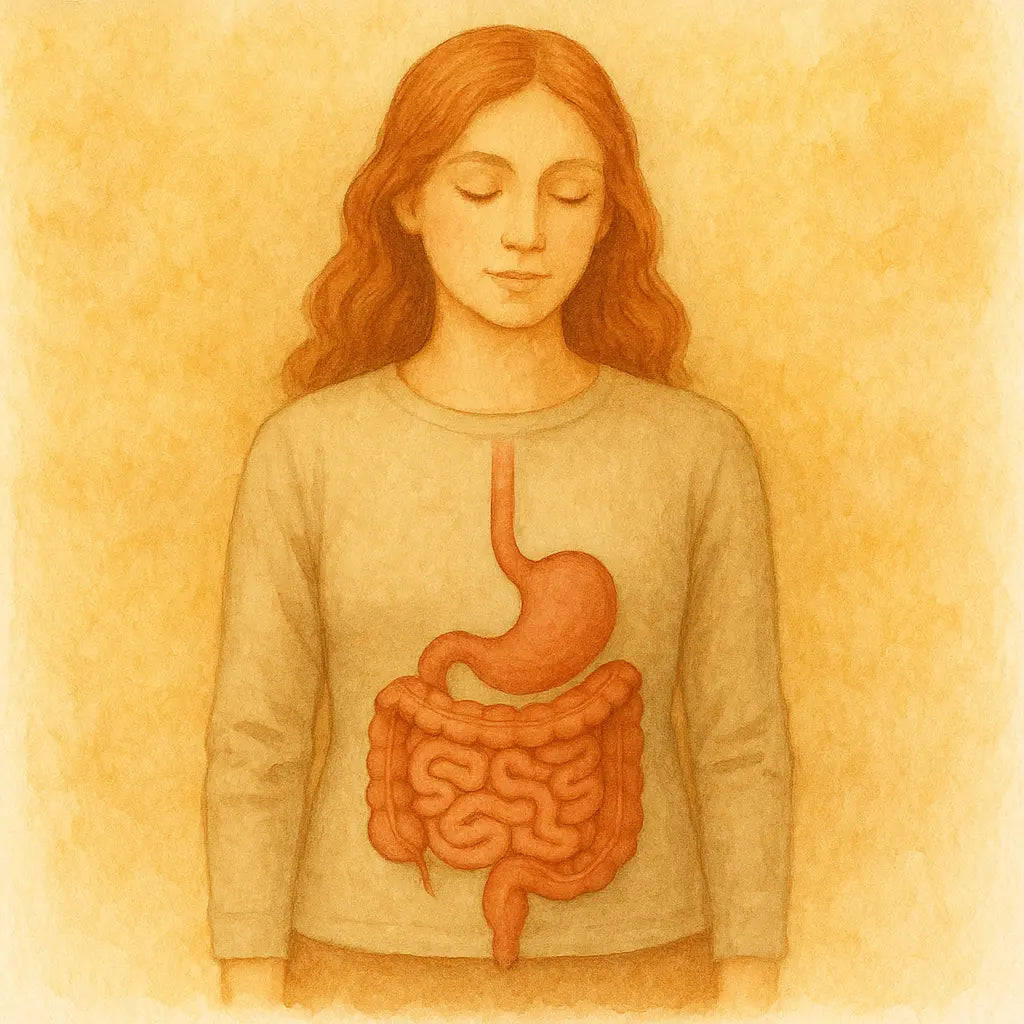
This protocol is designed to address Intestinal Methanogenic Archaea Overgrowth (IMO) , formerly known as SIBO methane. This condition is characterized by an excess of archaea in the small and/or large intestine that produce methane gas, frequently associated with constipation and bloating. The goal is to reduce the burden of these archaea, support gastrointestinal motility, and restore the health of the gut ecosystem, using a synergistic approach with key supplements and lifestyle recommendations.
Main Supplements and Their Scientific Basis
The following supplements have been selected for their specific and proven action in managing SIBO methane. Their inclusion is based on each compound's ability to modulate the gut microbiota, reduce inflammation, improve motility, and support detoxification—crucial factors for the protocol's success.
Natural AntiBac Formula (Berberine HCl 98%, Allicin 7%, Oleuropein 40%)
- Berberine HCl 98%: This is a plant-derived alkaloid with potent, broad-spectrum antimicrobial properties. In the context of SIBO (small intestinal bacterial overgrowth), berberine is crucial not only for its action against various bacteria that can coexist with archaea, but also for its ability to modulate intestinal motility. Slow motility is a key factor in SIBO. Berberine helps stimulate the migrating motor complex (MMC), essential for clearing microorganisms from the small intestine. Furthermore, its anti-inflammatory properties are vital for reducing low-grade inflammation in the mucosa, which often accompanies SIBO and can perpetuate the dysfunction.
- Allicin 7% (garlic extract): Allicin is the main active compound in garlic, recognized for its potent antimicrobial activity, including action against methanogenic archaea. In the treatment of SIBO methane, allicin has shown direct efficacy in reducing methane production by interfering with key enzymes in the archaeal metabolic pathway, such as methyl-CoM reductase. Furthermore, its ability to disrupt microbial biofilms, which protect archaea and bacteria, makes it an essential component for improving the penetration and efficacy of other agents in the protocol.
- Oleuropein 40% (olive leaf extract): This polyphenol is valued for its antimicrobial and anti-inflammatory properties. In SIBO methane, oleuropein contributes to the protocol by exerting a **complementary antimicrobial action** against the bacterial overgrowth that often accompanies IMO. Its potent **anti-inflammatory effect** is fundamental for reducing chronic intestinal inflammation, which is crucial for restoring normal gastrointestinal function and improving the overall response to treatment.
ParasiClean Formula (Ivermectin 12mg, Fenbendazole 222mg)
- Ivermectin: Although a broad-spectrum antiparasitic, ivermectin has shown antimicrobial properties against certain bacteria, particularly archaea, through mechanisms that include the disruption of ion signaling and transport pathways. In the context of SIBO methane, its inclusion is strategic for addressing complex or resistant microbial overgrowth, and in cases where the presence of parasites or protozoa that may act as perpetuating or contributing factors to SIBO is suspected. Its action on ion channels in certain microorganisms could indirectly affect the viability of methanogens or hydrogen-producing bacteria.
- Fenbendazole: This antiparasitic benzimidazole is valued for its ability to interfere with the energy metabolism of various microorganisms, including certain parasites and some bacteria. Its action as a microtubule destabilizer can have a disruptive effect on the structure and function of microbial cells. In a SIBO methane protocol, fenbendazole complements other antimicrobials by providing a distinct mechanism of action that can be effective against specific microbial populations that contribute to overgrowth or are resistant to other treatments.
Methylene Blue 1%
- Methylene Blue: This is a key and highly specific component for SIBO methane (IMO). Its primary mechanism of action is the direct inhibition of methyl-CoM reductase (MCR), the final and rate-limiting enzyme in the methane production pathway by archaea (Methanobrevibacter smithii). By blocking MCR, methylene blue drastically reduces the archaea's ability to generate methane, which is essential for relieving the constipation and bloating associated with IMO. Furthermore, it possesses antioxidant properties and can improve mitochondrial function in intestinal cells, supporting tissue and functional recovery.
L-Rhamnosus
- L-Rhamnosus: This probiotic strain is fundamental in the repair and repopulation phase of the SIBO methane protocol. It survives gastrointestinal passage well and has a strong ability to adhere to the mucosa. Its role is to restore the balance of the gut microbiota by competing with bacteria (and indirectly with archaea) for niches and nutrients. It produces lactic acid and other metabolites that can create a less favorable environment for pathogen overgrowth. Crucially, it has been shown to strengthen the intestinal barrier, reduce permeability, and modulate the local immune response, which is vital for reducing inflammation and preventing the translocation of undesirable microorganisms.
Reuteri
- Reuteri: Lactobacillus reuteri is another essential probiotic strain for SIBO methane. It produces reuterin, a potent, broad-spectrum antimicrobial compound that can inhibit the growth of bacteria and yeast, and, importantly, modulates the growth of certain archaea. In addition to its antimicrobial action, L. reuteri has been associated with improved intestinal motility and reduced abdominal pain and bloating in patients with functional bowel disorders, predominant symptoms in SIBO. It also contributes to immune modulation and strengthening of the intestinal barrier, key elements for sustained recovery.
Detox Support Formula (Activated Carbon, Zeolite, Diatomaceous Earth)
- Activated charcoal: It is a highly porous adsorbent capable of **effectively binding to gases (including methane), toxins, and microbial metabolic byproducts** in the gut. In SIBO methane, activated charcoal is crucial for **relieving symptoms of bloating and distension** by adsorbing the methane. It is also essential for managing the **Herxheimer reaction** (die-off), which can occur when antimicrobials eliminate archaea and bacteria, releasing endotoxins.
- Zeolite: A natural mineral with a microporous structure that allows it to act as a "molecular sieve," adsorbing toxins (including those released by microorganisms), heavy metals, and other harmful compounds. In the context of SIBO methane, zeolite complements activated charcoal in **eliminating the toxic load** and can help improve the intestinal environment by adsorbing irritants.
- Diatomaceous Earth: Composed of the fossilized skeletons of diatoms, which are microscopic algae. Its porous and slightly abrasive structure at a microscopic level can help **cleanse the intestinal wall** and adsorb toxins and gases. It contributes to detoxification and may help alleviate the symptoms of SIBO methane by reducing the irritant load in the gastrointestinal tract.
Synergy of Compounds: A Holistic Approach
The key to this protocol lies in the orchestration and teamwork of each supplement. To address SIBO methane, we need a coordinated plan of attack that not only eliminates the "invaders" but also restores the home and strengthens its defenses.
- The Targeted Attack Team (Natural AntiBac Formula + ParasiClean Formula + Methylene Blue): Imagine that methane-producing microbes are the core problem. The Natural AntiBac Formula is the "general cleaner" that reduces the broad-spectrum bacterial population, including those that can feed the archaea. Methylene Blue is the ultra-specific "sniper": it goes straight to the key enzyme that archaea use to make methane, stopping gas production. And the ParasiClean Formula (Ivermectin and Fenbendazole) is the "special security agent" that takes care of more resistant populations or potential parasites contributing to the problem, ensuring a complete sweep of the overgrowth. Together, they not only decrease the number of microbes but also neutralize their ability to produce methane.
- The Builders and Protectors (L-Rhamnosus + Reuteri): Once the attack team has done its job, we need to repopulate the gut with "healthy residents." The probiotics L-Rhamnosus and Reuteri are the beneficial "new neighbors." They colonize the gut, compete with any unwanted residual microbes, and produce their own substances that inhibit the growth of harmful ones. More importantly, they work to rebuild and strengthen the intestinal barrier—that protective "wall" that prevents toxins and problematic microbes from seeping in. They also improve motility, helping the gut cleanse itself regularly, which is essential to prevent SIBO methane from returning.
- The Cleansing Team (Detox Support Formula): When microbes die, they release toxins and gases that can make us feel worse (the infamous "die-off" reaction). The **Detox Support Formula** (Activated Charcoal, Zeolite, Diatomaceous Earth) is the "cleansing team" that takes care of this. It acts like a sponge, adsorbing all those toxins and gases so they can be safely eliminated from the body. This not only relieves symptoms like bloating and discomfort but also protects the liver and kidneys from overload, allowing for a smoother and more effective recovery.
In short, this protocol functions as a comprehensive strategic plan: first, it neutralizes and reduces the population of problematic microbes (especially methane producers), then it restores and strengthens the gut ecosystem with probiotics, and simultaneously cleanses the system of released toxins. This multifaceted strategy aims not only to alleviate symptoms but also to rebuild lasting gut health.
Phases of the Protocol for SIBO Methane
This protocol is divided into three main phases, designed for a gradual and effective progression, minimizing possible reactions and optimizing the body's response.
Phase 1: Adaptation and Preparation (Duration: 1 week)
This phase aims to allow the body to adapt to the supplements and begin a gentle detoxification and initial response process. Doses will be increased gradually to assess tolerance.
Daily Program - Week 1
Day 1-3
Tomorrow (upon waking, on an empty stomach):
- L-Rhamnosus: 6 capsules
- Reuteri: 6 capsules
Midday (30 minutes before a meal):
- AntiBac Natural Formula: 2 capsules
- Methylene Blue 1%: 1-2 drops
Night (before going to sleep or 3 hours after the last meal):
- Detox Support Formula: 3 capsules
Day 4-7
Tomorrow (upon waking, on an empty stomach):
- L-Rhamnosus: 6 capsules
- Reuteri: 6 capsules
Midday (30 minutes before a meal):
- AntiBac Natural Formula: 2 capsules
- ParasiClean Formula: 1 capsule
- Methylene Blue 1%: 2-3 drops
Night (before going to sleep or 3 hours after the last meal):
- Detox Support Formula: 3 capsules
Phase 2: Attack and Deep Detoxification (Duration: 4-6 weeks)
In this phase, the doses of antimicrobial and supportive agents are increased for a more potent action against SIBO, while maintaining support for detoxification.
Daily Program - Weeks 2-7 (or until completing 6 weeks of this phase)
Tomorrow (upon waking, on an empty stomach):
- L-Rhamnosus: 6 capsules
- Reuteri: 6 capsules
Midday (30 minutes before a meal):
- AntiBac Natural Formula: 2 capsules
- ParasiClean Formula: 1 capsule
- Methylene Blue 1%: 3-4 drops
Late (30 minutes before dinner, if applicable, or 3 hours after lunch):
- AntiBac Natural Formula: 2 capsules
- ParasiClean Formula: 1 capsule
- Methylene Blue 1%: 3-4 drops
Night (before going to sleep or 3 hours after the last meal):
- Detox Support Formula: 6 capsules
Phase 3: Repair and Maintenance (Duration: 4-8 weeks or as needed)
This phase focuses on restoring intestinal health, repopulating beneficial microbiota, and preventing recurrence, adjusting doses according to symptom improvement.
Daily Program - Weeks 8 onwards
Tomorrow (upon waking, on an empty stomach):
- L-Rhamnosus: 6 capsules
- Reuteri: 6 capsules
Midday (30 minutes before a meal):
- Natural Antibacterial Formula: 2 capsules - Consider reducing to 1 capsule or taking on alternate days if symptoms have subsided.
- ParasiClean Formula: 1 capsule (optional, depending on need and symptom monitoring)
- Methylene Blue 1%: 2-3 drops (optional, depending on need and symptom monitoring)
Late (30 minutes before dinner, if applicable, or 2 hours after lunch):
- Natural Antibacterial Formula: 1 capsule (optional, as needed)
- ParasiClean Formula: 1 capsule (optional, depending on need and symptom monitoring)
- Methylene Blue 1%: 2-3 drops (optional, depending on need and symptom monitoring)
Night (before going to sleep or 2 hours after the last meal):
- Detox Support Formula: 3-6 capsules (adjust as needed for residual symptoms or detoxification)
The total duration of the protocol can vary from 9 to 15 weeks , depending on the individual response. It is crucial to monitor symptoms and adjust the dosages of antimicrobials and detoxifying agents in Phase 3 according to SIBO remission. Probiotics can be continued longer as ongoing support.
Compatibility between Supplements
The good news is that the supplements in this protocol are generally compatible with each other, and the way they are combined is designed to maximize their effectiveness and minimize interactions. However, there are key considerations regarding timing of administration to optimize absorption and action.
- AntiBac Natural Formula, ParasiClean Formula, and Methylene Blue: These antimicrobial agents can be taken together. It is ideal to take them 30 minutes before meals so that their components are present in the small intestine when food arrives and the bacteria are most active.
- Probiotics (L-Rhamnosus and Reuteri): It is best to take these probiotics on an empty stomach, away from meals and direct antimicrobials (AntiBac Natural Formula, ParasiClean Formula, Methylene Blue) . This ensures maximum viability and colonization. The morning, upon waking, is the optimal time.
- Detox Support Formula (Activated Charcoal, Zeolite, Diatomaceous Earth): It is crucial to take this complex separately from all other supplements and medications for at least 2 hours . Its components are powerful adsorbents and can bind to other compounds, reducing their absorption and effectiveness. The best time to take it is before bed or on an empty stomach, away from meals and, especially, away from probiotics and other supplements . This allows the charcoal, zeolite, and diatomaceous earth to act on toxins and gases without interfering with the absorption of nutrients or active ingredients from other supplements.
Optional or Advanced Supplements
These supplements may be considered to enhance results, especially in more complex cases of SIBO or when seeking additional support for digestive function and intestinal recovery.
- PHGG (Partially Hydrolyzed Guar Gum): A very mild fermentable prebiotic fiber that, at low doses, has been shown to be beneficial in the management of SIBO. It helps to selectively nourish beneficial bacteria without exacerbating bloating symptoms in many SIBO patients, and may improve the effectiveness of antimicrobial treatments.
- Zinc Carnosine: A chelated compound of zinc and L-carnosine known for its gastric and intestinal mucosa-repairing properties. It helps strengthen the intestinal barrier, reduce inflammation, and promote healing of damaged intestinal lining, which is crucial in SIBO.
- N-Acetylglucosamine (NAG): A monosaccharide that is a precursor to glycosaminoglycans, key components of the mucus that lines and protects the intestinal wall. NAG can help repair damaged mucosal lining, improving the integrity of the intestinal barrier and reducing permeability.
- Tributyrin: This is a form of butyrate, a short-chain fatty acid produced by the fermentation of dietary fiber in the colon. Butyrate is the primary energy source for colon cells (colonocytes) and is crucial for maintaining the integrity of the intestinal barrier, reducing inflammation, and supporting intestinal immune function. Direct supplementation with tributyrin ensures its bioavailability.
Lifestyle Recommendations
The success of the protocol depends not only on supplements but also on a holistic approach that encompasses lifestyle. These recommendations are essential to support recovery and maintain long-term gut health.
Nutrition: SIBO Diet
- Low-FODMAP Diet: Initially, adopting a low-FODMAP (Fermentable Oligosaccharides, Disaccharides, Monosaccharides, and Polyols) diet is crucial. These carbohydrates are highly fermentable by bacteria in the small intestine and exacerbate symptoms. This diet helps to "starve" the bacteria. However, it is not a long-term maintenance diet; the gradual reintroduction of foods is important once symptoms improve.
- Meal Spacing: Allow at least 4-5 hours between meals and a 12-14 hour overnight fast. This activates the Migrating Motor Complex (MMC), an intestinal cleansing mechanism that helps move bacteria and waste toward the colon.
- Avoid sugars and artificial sweeteners: They are food for bacteria and can worsen SIBO.
- Bone Broth: Rich in collagen, gelatin, and amino acids that can help repair the intestinal lining.
Rest and Quality Sleep
- Prioritize 7-9 Hours of Sleep: Adequate sleep is vital for the body's repair and regeneration. Lack of sleep can exacerbate stress, inflammation, and affect bowel motility.
- Sleep Hygiene: Establish a regular routine, avoid screens before bed, and create a dark and cool environment in the room.
Stress Management
- Stress Reduction: Stress directly impacts the gut-brain axis, affecting motility, acid and enzyme secretion, and intestinal permeability.
- Relaxation Techniques: Incorporate practices such as meditation, yoga, deep breathing, mindfulness, or spending time in nature.
Moderate Physical Activity
- Regular Exercise: Moderate physical activity (walking, yoga, stretching) can improve bowel motility and reduce stress. Avoid high-intensity exercise if your body is under significant stress or fatigue.
Other Useful Practices
- Proper Hydration: Drinking enough water is essential for digestive function and the elimination of toxins.
- Pay attention to chewing: Chew food slowly and completely to facilitate initial digestion and reduce the load on the small intestine.
Basic Warnings and Contraindications
Although this protocol is designed on a scientific basis, it is important to take into account the following warnings and contraindications:
- Pregnancy and Breastfeeding: The safety of these supplements during pregnancy and breastfeeding is not fully established. Ivermectin and fenbendazole are generally contraindicated during pregnancy and breastfeeding. Caution and medical consultation are recommended.
- Pre-existing Medical Conditions: People with chronic illnesses (e.g., autoimmune diseases, kidney or liver disorders, heart problems, neurological diseases) should exercise caution and be closely monitored.
-
Drug Interactions:
- Natural Antibacterial Formula (Berberine): May interact with diabetes medications (potentiating their effect), anticoagulants (increasing the risk of bleeding), and medications metabolized by the CYP450 enzyme system in the liver. May affect the absorption of certain medications.
- ParasiClean Formula (Ivermectin, Fenbendazole): Ivermectin may interact with anticoagulants (e.g., warfarin), benzodiazepines, and other CNS depressants. Fenbendazole may have limited interactions, but it should always be considered if the patient is taking other medications.
- Methylene Blue: **Contraindicated in patients with Glucose-6-Phosphate Dehydrogenase (G6PD) deficiency** due to the risk of hemolytic anemia. It may interact with SSRI antidepressants and other serotonergic medications, increasing the risk of serotonin syndrome. Avoid concomitant use with other blood-reducing agents.
- Detox Support Formula (Activated Charcoal, Zeolite, Diatomaceous Earth): May reduce the absorption of any medication or supplement if taken at the same time. It is ESSENTIAL to take it at least 2 hours apart from any other medication or supplement.
- Herxheimer Reaction (Die-Off): During the attack phase, the death of archaea and bacteria can release toxins and cause a temporary worsening of symptoms (fatigue, headache, bloating, nausea, brain fog). This is generally a sign that the protocol is working. The Detox Support Formula and adequate hydration are key to managing this reaction. If symptoms are severe, consider temporarily reducing the antimicrobial dosages.
- Digestive Discomfort: Some individuals may experience mild gastrointestinal discomfort (nausea, diarrhea, constipation) at the start of supplementation. Gradually adjusting the dosage helps to minimize this.
- Allergies/Sensitivities: If you are known to have an allergy to any of the components, you should avoid this supplement.
- Symptom Monitoring: It is crucial to monitor the body's response and adjust the protocol as needed. If symptoms worsen significantly or new symptoms appear, the protocol should be reassessed.