Comprehensive Protocol for Rheumatoid Arthritis
1. What is Rheumatoid Arthritis?
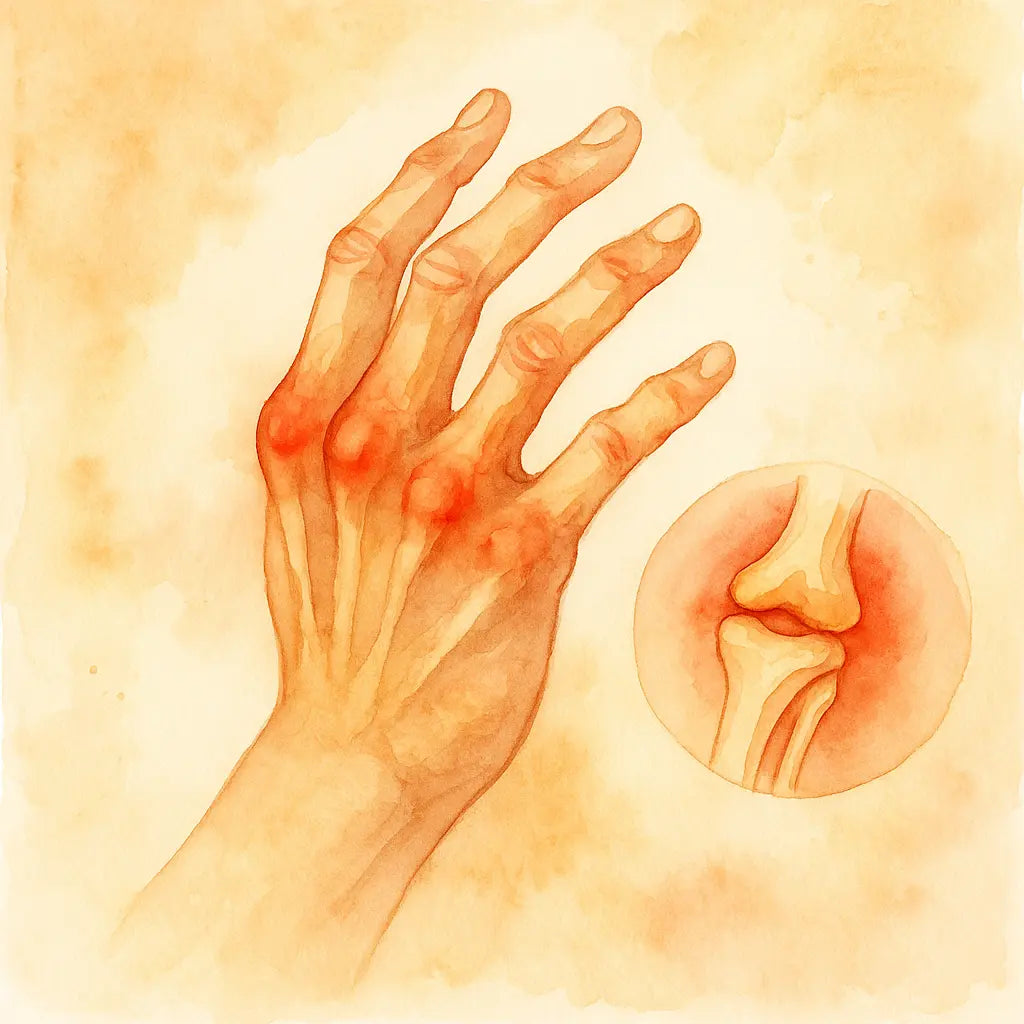
Rheumatoid arthritis (RA) is much more than just joint pain. It is a chronic, systemic autoimmune disease , meaning that the immune system, which normally protects the body from infections, mistakenly attacks the body's own tissues. In RA, the primary target of this attack is the synovium , the lining of the membranes surrounding the joints.
This immune attack causes persistent inflammation that thickens the synovium, which can eventually destroy the cartilage and bone within the joint. The tendons and ligaments that hold the joint together weaken and stretch, leading to a gradual loss of joint alignment and shape, resulting in deformities and loss of function. Although rheumatoid arthritis (RA) primarily affects the joints (wrists, hands, feet, knees), as a systemic disease, it can also damage a wide variety of body systems, including the skin, eyes, lungs, heart, and blood vessels.
2. Possible Causes of the Condition
The exact cause of RA remains unknown, but it is considered a multifactorial disease, where a combination of genetic and environmental factors triggers the autoimmune response.
- Genetic Predisposition: Certain genes, especially human leukocyte antigens (HLA) class II, can increase susceptibility to developing RA. However, having these genes does not guarantee the development of the disease.
- Environmental Triggers: It is believed that in genetically predisposed individuals, exposure to certain environmental factors can "activate" the disease. The main suspects include viral or bacterial infections (such as Epstein-Barr virus or Porphyromonas gingivalis, associated with gum disease).
- Hormonal Factors: RA is significantly more common in women than in men, suggesting that sex hormones, such as estrogen, may play a role in modulating the immune response.
- Lifestyle: Smoking is the most strongly established environmental risk factor. The role of diet, obesity, and chronic stress as contributors to the systemic inflammation underlying RA is also being investigated.
- Gut Dysbiosis: A growing body of evidence points to an imbalance in the gut microbiota (dysbiosis) as a key factor. A "leaky" gut can allow undigested food particles and bacterial toxins to enter the bloodstream, triggering a systemic immune response that can manifest in the joints.
3. Common Symptoms
The symptoms of rheumatoid arthritis (RA) can vary in intensity and may even come and go. Periods of increased disease activity are called flares, which alternate with periods of relative remission.
- Joint Pain and Tenderness: Typically affects the same joints on both sides of the body (symmetry).
- Morning Stiffness: Stiffness in the joints that lasts at least 30 minutes (often several hours) in the morning or after periods of inactivity.
- Swelling and Redness: The affected joints are usually warm, swollen, and red due to inflammation.
- Extreme Fatigue: Overwhelming tiredness, low-grade fever, and a general feeling of malaise (like the flu).
- Rheumatoid Nodules: Firm lumps of tissue that form under the skin, commonly at pressure points such as the elbows.
- Loss of Appetite and Weight: Chronic inflammation can suppress appetite and lead to unintentional weight loss.
- Systemic Symptoms: In more advanced cases, there may be inflammation of the blood vessels (vasculitis), of the membrane surrounding the heart (pericarditis), or of the lung tissue.
4. The Importance of a Comprehensive Protocol
Addressing rheumatoid arthritis with piecemeal solutions, such as taking a simple pain reliever or a single anti-inflammatory supplement, is like trying to put out a forest fire with a glass of water. You attack a visible symptom but completely ignore the complex ecosystem that fuels the blaze. RA isn't a problem localized to a single joint; it's a systemic immune disorder that manifests as chronic inflammation and tissue destruction.
A comprehensive and synergistic protocol, on the other hand, is like coordinating a highly specialized team of firefighters. It not only focuses on extinguishing the flames ( reducing inflammation and pain ), but also on cutting off the fuel line ( modulating the altered immune response ), evacuating civilians ( protecting healthy tissue from collateral damage ), and finally, rebuilding damaged structures ( providing essential nutrients for cartilage and connective tissue repair ).
Applying this protocol means that each component works as a team, enhancing the effects of the others. By simultaneously addressing inflammation, autoimmunity, nutritional deficiencies, and structural repair, we create a biological environment where the body can stop attacking itself and begin a true recovery process. It's the difference between applying a temporary patch and rebuilding the foundation for lasting health.
5. List of Recommended Supplements
This protocol is based on the strategic and synergistic use of the following compounds, listed in order of priority:
- Multimineral Formula "Essential Minerals"
- "Joint Support" Formula (Glucosamine Sulfate, MSM, Hyaluronic Acid, and more)
- "Pain Support" formula PEA (Palmitoylethanolamide)
- Liposomal Curcumin
- Boswellia Serrata Extract
6. Scientific Basis of the Protocol
1. Multimineral Formula "Essential Minerals"
In rheumatoid arthritis (RA), the body is in a constant state of war. This battle consumes resources at an accelerated rate, and minerals are the essential "ammunition" and "tools" for the troops (immune and repair cells). This compound is not a simple multivitamin; it's a strategic arsenal of biochemical cofactors. Minerals like selenium and zinc are crucial for the function of antioxidant enzymes (such as glutathione peroxidase) that neutralize the massive oxidative stress generated by inflammation in the joints. Magnesium is vital for regulating the inflammatory response and relaxing muscle tension around painful joints. Copper , in balance with zinc, is indispensable for the synthesis of collagen and elastin, the building blocks of connective tissue. We included these minerals because the chronic inflammation of RA not only increases the demand for these nutrients but can also impair their absorption, creating a vicious cycle of deficiency and inflammation that this supplement aims to break.
2. "Joint Support" Formula
This formula is the protocol's "engineers and builders" team. While other components control inflammation, "Joint Support" arrives on the scene to rebuild. It's not just about providing individual building blocks, but about delivering a complete and synergistic construction kit. Glucosamine sulfate and MSM (a source of bioavailable sulfur) are the fundamental building blocks for repairing damaged cartilage (glycosaminoglycans). Hyaluronic acid acts as the lubricant and shock absorber of synovial fluid, reducing painful friction. Vitamin K2 and boron are construction managers: they ensure that calcium is deposited in the bones and not in the soft tissues of the joint. Compounds like ergothioneine and ascorbyl palmitate are specialized antioxidants that protect cartilage cells (chondrocytes) from free radical damage, allowing the repair process to occur in a protected environment. Niacinamide has been shown to protect chondrocytes from cell death induced by inflammatory cytokines. This formula not only soothes but also actively nourishes and rebuilds the joint environment.
3. "Pain Support" formula with PEA (Palmitoylethanolamide)
PEA is the immune system's "diplomat and peace negotiator." It works at a deeper level than standard anti-inflammatories. Pain and inflammation in rheumatoid arthritis (RA) are caused not only by cytokines but also by the overactivation of local immune cells such as mast cells and glial cells in the nervous system. PEA interacts with the endocannabinoid system to calm these cells, telling them to "lay down." This reduces the release of inflammatory mediators and pain neurotransmitters directly at the source. Its inclusion is crucial because it addresses the neuroinflammatory component of chronic pain, an aspect that is often overlooked. While curcumin and boswellia act on the major inflammatory pathways (like turning off the general fire alarm), PEA goes door-to-door calming the panicked residents, resulting in a deeper and more sustainable reduction in pain.
4. Liposomal Curcumin
Curcumin is the "five-star general" in the fight against inflammation. Its primary mechanism is the inhibition of the transcription factor NF-κB , considered the master switch of inflammation in the body. By modulating NF-κB, curcumin reduces the production of a broad spectrum of pro-inflammatory cytokines (TNF-α, IL-1, IL-6) that are key players in the joint destruction of rheumatoid arthritis (RA). The liposomal form is key. Standard curcumin is notoriously difficult to absorb. Encapsulating it in liposomes is like putting the general in a stealth armored vehicle that transports it through the intestinal wall directly into the bloodstream and cells, multiplying its effectiveness. We include it to launch a powerful, broad-spectrum, frontal assault against the systemic inflammatory cascade that defines RA.
5. Boswellia Serrata Extract
If curcumin is the general attacking the NF-κB pathway, Boswellia is the "special forces" targeting a different but equally critical objective: the 5-lipoxygenase (5-LOX) pathway. This enzyme produces leukotrienes, inflammatory compounds that attract immune cells to the joints, perpetuating the cycle of damage. Many anti-inflammatory drugs focus on the COX pathway but ignore 5-LOX. By selectively inhibiting this pathway, Boswellia (thanks to its boswellic acids, especially AKBA) reduces inflammation and pain through a mechanism complementary to that of curcumin. Furthermore, boswellic acids have been shown to inhibit enzymes that degrade cartilage (such as the matrix metalloproteinase MMP-3). Boswellia is included in the protocol to ensure that no major inflammatory pathway is left unchecked, providing a more comprehensive and robust anti-inflammatory blockade.
7. Synergy: The Power of Teamwork
The true power of this protocol lies not in the individual action of each supplement, but in their orchestrated synergistic effect . Imagine your body as a city besieged by inflammation.
Curcumin and Boswellia act as the main army: they cut off the enemy's supply routes (the NF-κB and 5-LOX pathways), drastically reducing the inflammation's ability to attack and spread. They are the first line of defense containing the crisis.
Meanwhile, the PEA operates as an intelligence and special operations team. It doesn't engage in the main battle, but instead infiltrates the nervous system and tissues to calm overexcited immune cells (mast cells), deactivating pain alarms and reducing the "friendly fire" that causes so much damage.
Once the main battle is under control, the "Joint Support" formula kicks in as the engineering and reconstruction corps. With the city more secure, they can begin repairing the walls (the cartilage), filling the moats (the synovial fluid), and reinforcing the structures (bones and ligaments) using the materials the formula itself provides.
Finally, the "Essential Minerals" are the vital logistical support for the entire operation. They supply the energy, tools, and communications (enzymatic cofactors) that both the army (immune system) and the engineers (repair cells) need to function optimally. Without these minerals, the entire operation would grind to a halt due to a lack of resources.
Taken together, this protocol not only puts out the fire, but also calms panic, repairs damage, and ensures that all bodily machinery has what it needs to defend itself and repair itself in the long term.
8. Phases of the Protocol and Daily Program
This protocol is designed in phases to allow the body to adapt and maximize results progressively. The minimum recommended total duration is 3 to 6 months, with Phase 3 potentially extendable indefinitely for long-term management.
Phase 1: Adaptation and Loading (Duration: 5 days)
Objective: To introduce the compounds gradually to ensure tolerance and begin saturating the systems with initial nutritional support.
-
Tomorrow (with breakfast)
- 1 capsule of Essential Minerals
- 1 capsule of Joint Support
- 1 tablespoon of Liposomal Curcumin
-
Midday (with lunch)
- 1 capsule of Essential Minerals
- 1 capsule of Joint Support
- 1 capsule of Boswellia Serrata
-
Late (on an empty stomach, 3 hours after lunch)
- 1 PEA capsule
-
Late evening (with dinner)
- 1 capsule of Joint Support
- 1 tablespoon of Liposomal Curcumin
Phase 2: Attack and Modulation (Duration: 4 Weeks)
Objective: Full doses for maximum anti-inflammatory and analgesic impact, and to actively initiate repair processes.
-
Morning (on an empty stomach, 30 minutes before breakfast)
- 2 PEA capsules
-
Tomorrow (with breakfast)
- 3 capsules of Joint Support
- 2 tablespoons of Liposomal Curcumin
- 2 capsules of Boswellia Serrata
-
Midday (with lunch)
- 3 Essential Mineral capsules (taken together)
- 3 capsules of Joint Support
- 2 capsules of Boswellia Serrata
- 2 tablespoons of Liposomal Curcumin
-
Night (before going to sleep)
- 2 PEA capsules
Phase 3: Repair and Maintenance (Duration: Indefinite)
Objective: To maintain remission, continue tissue repair, and prevent future flare-ups.
-
Tomorrow (with breakfast)
- 2 capsules of Joint Support
- 2 tablespoons of Liposomal Curcumin
-
Midday (with lunch)
- 3 Essential Mineral capsules (taken together)
- 2 capsules of Joint Support
- 1 capsule of Boswellia Serrata
- 2 tablespoons of Liposomal Curcumin
-
Before going to sleep
- 2 PEA capsules
9. Advanced Supplements to Boost Results
Pentosan Sodium Polysulfate (PPS) Injection
For the most resistant cases or for those seeking a cutting-edge intervention, weekly application of Pentosan Polysulfate Sodium (PPS) represents a superior therapeutic strategy. While oral supplements work systemically, PPS acts as a joint disease-modifying agent (DMOAD) with a direct affinity for cartilage.
Supporting evidence: PPS is not just an anti-inflammatory. Its true power lies in its ability to:
- Stimulate Cartilage Synthesis: Activates chondrocytes (the cells that produce cartilage) to synthesize more proteoglycans and hyaluronic acid, the essential components for joint cushioning and elasticity.
- Inhibit Cartilage Degradation: Blocks the destructive enzymes (matrix metalloproteinases) that are released during inflammation and literally "eat" the cartilage.
- Improve Microcirculation: It has a mild fibrinolytic effect that improves blood flow in the small vessels that nourish the subchondral bone and synovium. This is crucial, as improved circulation means better nutrient delivery and more efficient removal of inflammatory waste.
In summary, PPS not only stops the destruction but also actively promotes an anabolic (building) environment within the joint. Its use in conjunction with the oral protocol is the perfect combination of systemic support and targeted local action.
Suggested Use: 3 mg/kg of body weight, administered subcutaneously or intramuscularly, once a week for a cycle of 4 to 6 weeks. Cycles may be repeated depending on clinical progress.
ParasiClean Formula (Ivermectin + Fenbendazole)
One of the most intriguing theories about the origin of autoimmune diseases is the molecular mimicry and pathogen load hypothesis. This theory posits that chronic low-grade infections, particularly from parasites or microparasites (nanobacteria), can keep the immune system in a constant state of alert. Over time, the immune system may mistake proteins from these pathogens for the body's own proteins (such as those in collagen in the joints), triggering an autoimmune attack.
Rationale: The ParasiClean formula is not used here for its direct effects on arthritis, but rather to perform an "immune reset." By eradicating a potential subclinical parasite load, a major source of chronic irritation to the immune system is eliminated. This can decrease overall immune hyperreactivity, allowing therapies targeting joint inflammation to be much more effective. The combination of ivermectin and fenbendazole offers a broad spectrum of action against a wide variety of parasites. Performing a cleanse cycle can be the critical step in calming the immune system at its root, addressing a potential cause rather than just treating its symptoms.
Suggested Use: Complete a 10-day cycle. Take the dose corresponding to your body weight at night, before going to sleep. Rest for 5 days and, if necessary, repeat a second 10-day cycle.
10. Strategies to Prevent Relapse
Achieving remission is a significant victory, but maintaining it is the long-term goal. Relapse prevention relies on consistency and proactive management of triggers.
- Adherence to Maintenance: Continuing with Phase 3 of the supplementation protocol is essential. This phase provides the consistent anti-inflammatory and nutritional support that keeps low-grade inflammation under control.
- Strict Diet: The reintroduction of pro-inflammatory foods (nightshades, grains, lectins) is the most common trigger for a flare-up. Adherence to the recommended diet is not temporary, but rather a lifestyle strategy.
- Stress Management: Chronic stress elevates cortisol and inflammatory cytokines. Implementing daily stress management practices (meditation, deep breathing) is as important as diet or supplementation.
- Listen to your body: Learning to recognize the early signs of a possible outbreak (increased stiffness, unusual fatigue) allows you to act quickly, perhaps temporarily increasing the dose of Curcumin or PEA for a few days to nip the outbreak in the bud.
- Preventing Infections: Since infections can trigger outbreaks, it is crucial to maintain good hygiene, robust gut health, and consider immune support during higher-risk seasons.
11. Specific Anti-inflammatory Diet
Diet is one of the most powerful tools for controlling inflammation in rheumatoid arthritis (RA). The recommended approach is a carnivore or carnivore-ketogenic (ketovore) diet , designed to completely eliminate plant compounds that are potentially immunogenic and inflammatory for susceptible individuals.
Why this approach?
Many plants, as a defense mechanism, produce chemical compounds (lectins, oxalates, glycoalkaloids) that can irritate the intestinal lining, increase intestinal permeability ("leaky gut"), and directly stimulate an immune response. In a person with rheumatoid arthritis (RA), whose immune system is already hyperreactive, these compounds can act like gasoline on a fire.
Foods to Eliminate COMPLETELY:
- All Grains: Wheat, rice, corn, oats, barley, rye, etc. (high in lectins such as gluten and pro-inflammatory).
- Legumes: Beans, lentils, soybeans, peanuts (very high in lectins).
- Nightshade Vegetables (Solanaceae): This is the most important category to eliminate. It includes tomatoes, potatoes (all varieties except sweet potatoes), peppers (bell peppers, chili peppers, paprika, cayenne), eggplant, goji berries, and tobacco . They contain glycoalkaloids that can promote inflammation and pain in sensitive individuals.
- Foods high in oxalates: Spinach, chard, beets, nuts (especially almonds), seeds, cocoa/chocolate. Oxalate crystals can be deposited in tissues and cause pain and inflammation.
- Sugars and Sweeteners: Table sugar, syrups, honey, artificial sweeteners.
- Vegetable and Seed Oils: Soybean, corn, canola, sunflower, safflower (highly pro-inflammatory due to their high Omega-6 content).
- Dairy products: Especially those containing A1 casein (most commercial milk). High-quality butter (ghee) is often well tolerated.
Recommended Foods (Basis of the Diet):
- Ruminant meat: Beef, lamb, bison, grass-fed whenever possible. They are rich in nutrients and have a better fatty acid profile.
- Organ meats: Liver, heart, kidneys. These are the most nutrient-dense foods on the planet, rich in fat-soluble vitamins and essential minerals.
- Poultry and Pigs: Preferably pasture-raised.
- Fatty fish: Wild salmon, sardines, mackerel, herring. Rich in anti-inflammatory Omega-3 fatty acids.
- Pasture-raised eggs: An excellent source of protein and choline.
- Healthy Animal Fats: Tallow, lard, ghee, duck fat.
- Bone Broth: Rich in collagen, glycine and minerals, essential for intestinal and joint health.
12. Lifestyle Recommendations
A successful protocol goes beyond nutrition and supplementation. It requires a comprehensive approach that addresses all aspects of lifestyle that influence inflammation and recovery.
Rest and Sleep Recovery
Sleep is not a luxury; it is a critical biological necessity for immune regulation and tissue repair. During deep sleep, the body releases human growth hormone, essential for repairing cartilage and other tissues. Lack of sleep, on the other hand, dramatically increases inflammatory cytokines.
- Sleep Hygiene: Maintain a regular sleep schedule, including weekends.
- Sleep Sanctuary: Ensure the bedroom is completely dark, cool, and quiet. Use blackout curtains, earplugs, or a white noise machine if needed.
- Digital Detox: Avoid all screens (phones, televisions, computers) at least 90 minutes before bedtime. Blue light suppresses the production of melatonin, the hormone that regulates sleep.
- Light Dinner: Avoid heavy and large meals at least 3 hours before going to sleep to avoid overloading the digestive system.
Stress Management
Psychological stress translates directly into physiological stress through the HPA (hypothalamic-pituitary-adrenal) axis. Chronic stress leads to elevated cortisol levels, which, although initially anti-inflammatory, can cause cortisol resistance and uncontrolled inflammation in the long term.
- Meditation/Mindfulness Practices: Spending 10 to 20 minutes daily on meditation can significantly reduce markers of inflammation and the perception of pain.
- Coherent Breathing: Practice box breathing (inhale for 4 seconds, hold for 4, exhale for 4, hold for 4) for 5 minutes several times a day to calm the sympathetic nervous system ("fight or flight").
- Contact with Nature: Spending time in nature (forest bathing) has been shown to reduce cortisol levels and inflammation.
Smart Physical Activity
Although pain can make exercise seem counterproductive, inactivity worsens stiffness and weakens the muscles that support the joints. The key is proper movement.
- Low-Impact Movement: Activities such as swimming, water aerobics, tai chi, gentle yoga, or stationary cycling are ideal. They move the joints through their range of motion without the harmful impact of running or jumping.
- Strength Training: Use resistance bands or light weights to strengthen the muscles around the affected joints. Stronger muscles act as a better "corset" for the joint, reducing stress and pain.
- Flexibility and Mobility: Perform gentle stretches daily to maintain flexibility and reduce stiffness.
- Listen to your body: The rule is to move without causing sharp pain. It's normal to feel some discomfort, but you should never force yourself to the point of stabbing pain.
13. Warnings and Contraindications
- Anticoagulants: Curcumin and Boswellia may have mild anticoagulant effects. If you are taking medications such as warfarin, heparin, or aspirin, it is important to monitor you closely and adjust your dosage under supervision.
- Gallstones: Curcumin may stimulate gallbladder contractions. People with gallstones or bile duct obstruction should use this product with caution.
- Pregnancy and Breastfeeding: There is insufficient evidence regarding the safety of high doses of these supplements during pregnancy or breastfeeding. It is recommended to avoid their use during these periods.
- Individual Reactions: Although rare, any supplement can cause gastrointestinal discomfort. Starting with lower doses (as directed in Phase 1) helps minimize this risk.
- Drug Interactions: The components of this protocol may interact with various medications. It is essential to review all possible interactions with any drugs being used.
The philosophy behind our protocols
In a world where health has become increasingly fragmented, delegated, and depersonalized, we developed these Protocols with a clear purpose: to empower you to take control of your well-being with knowledge, confidence, and autonomy.
Our protocols are not simply lists of supplements, but comprehensive tools designed to help you understand the purpose of each compound, how it works in your body, and what you can expect at each stage of the process. They combine up-to-date science, natural strategies, and a deep understanding of how the human body functions.
We believe everyone deserves access to clear, reliable, and powerful information. That's why we designed each protocol as a practical guide that allows you to move from confusion to action. It's not just about "treating symptoms," but about supporting you through a real process of transformation, recovery, and empowerment.
When you understand what you are doing and why you are doing it, health ceases to be a mystery and becomes a tool at the service of your life.
That is our goal: for you to feel again that your body belongs to you, that you have options and that you can positively influence your health, every day.
Copyright and Credits
Protocol developed by: Clinical Research Team of Nootropics Peru
© 2025 Nootropics Peru. All rights reserved.
It is permitted:
- Total reproduction without express written authorization
It is prohibited:
- Partial reproduction without express written authorization is prohibited.
- The modification, adaptation or creation of derivative works
- Any commercial use or mass distribution
Authorized use:
This protocol is intended for:
• Anyone who wants to take control of their health and well-being
• Healthcare professionals for clinical application
Contact for collaborations:
+51-915122380 (only via WhatsApp)
Important notice:
The information presented reflects the knowledge available up to the date of publication (2025) and is subject to periodic updates.
Updated: 09/09/2025