
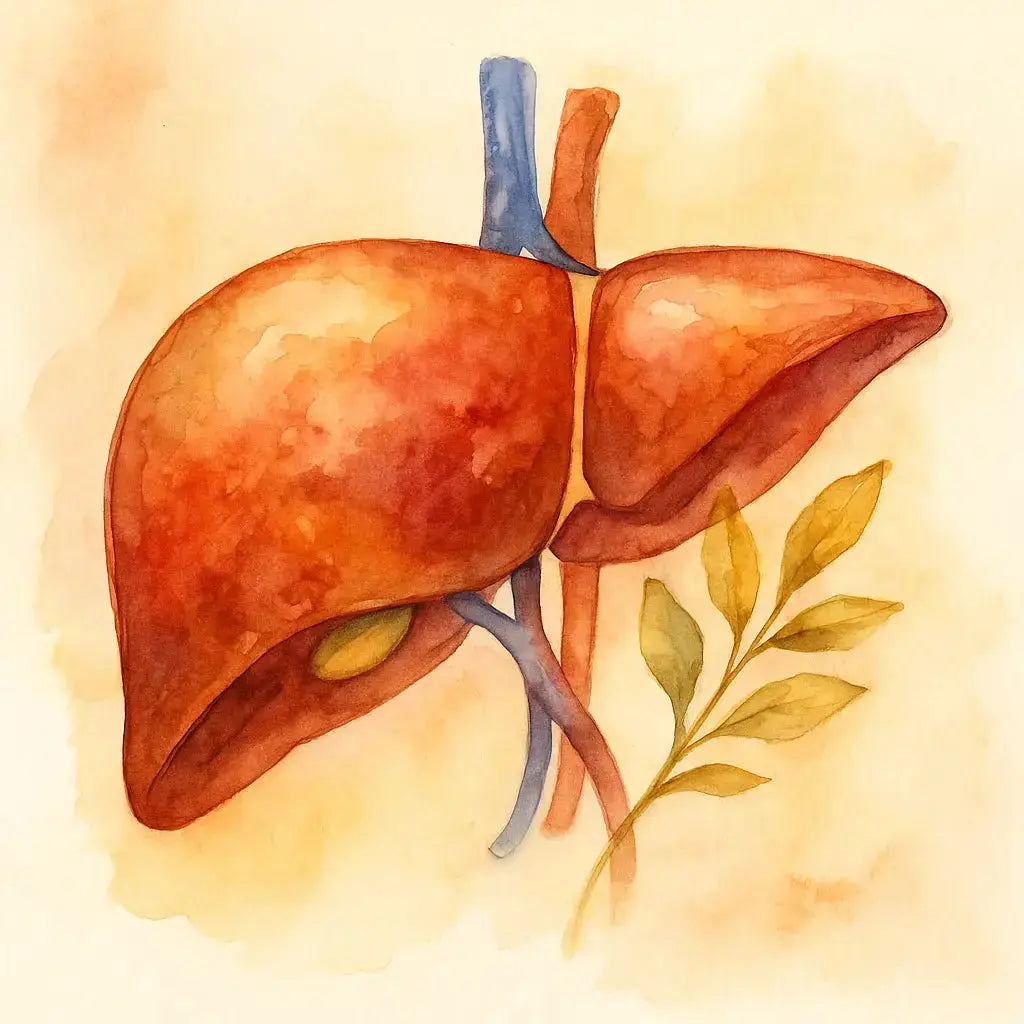
Liver Detoxification and Restoration: The Advanced Plan for a Healthy Liver
The often-underestimated liver is your body's metabolic command center—a chemical refinery, waste processing plant, and nutrient storage facility all rolled into one. Yet, in modern society, this vital organ is under constant assault, not only from alcohol but, surprisingly, from dietary habits and over-the-counter medications. Non-alcoholic fatty liver disease (NAFLD), which can progress to cirrhosis and liver failure, is a silent epidemic affecting millions. This article delves into the true nature of liver damage, demystifying its most common causes and presenting a comprehensive, biology-based protocol to detoxify, repair, and restore liver function. The reader will discover why the liver is your greatest health asset and how a multifaceted approach can reactivate this vital "processing plant" for optimal systemic health.
The Liver: The Master of Your Internal Biology
Your liver is the body's ultimate multitasker, a vital organ weighing approximately 1.5 kg that sits in your upper right quadrant. Its role is as vast as it is critical: it acts as the main chemical processing plant, filtering out every toxin you encounter, metabolizing food into energy, producing proteins vital for blood clotting, storing vitamins and minerals, and producing cholesterol, a fundamental building block for cell membranes and hormones. When the liver is healthy, the entire system thrives; when the liver fails, chaos ensues throughout the body.
The Silent Enemies of the Liver: Beyond Alcohol
While alcohol is a well-known enemy of the liver, a silent epidemic of liver damage comes from less obvious sources: the modern diet and over-the-counter drugs.
The Threat of the Modern Diet: Fructose and Insulin Resistance
The main cause of non-alcoholic fatty liver disease (NAFLD) is the modern diet, especially the massive consumption of fructose. Unlike glucose, which can be used by almost every cell in the body, fructose is metabolized almost exclusively by the liver. An excess of fructose, especially from sugary drinks and processed foods, floods the liver, which has no choice but to convert it into fat through a process called de novo lipogenesis (new fat formation). Add to this the insulin resistance from a diet high in processed carbohydrates, and the liver is unable to export this fat, leading to its accumulation within liver cells (hepatocytes). This is hepatic steatosis, which can progress to nonalcoholic steatohepatitis (NASH), a severe inflammation that leads to fibrosis, cirrhosis, and ultimately, liver failure.
The Hidden Dangers of NSAIDs (Non-Steroidal Anti-Inflammatory Drugs)
Surprisingly, NSAIDs (such as ibuprofen, naproxen, aspirin, and acetaminophen) are a more common cause of liver damage than alcohol. These drugs, marketed as safe and benign, are metabolized in the liver and can wreak havoc on the liver's biochemical systems. NSAID metabolism depletes levels of glutathione, the liver's master antioxidant, leaving it vulnerable to oxidative damage. Furthermore, they disrupt oxidative phosphorylation in the mitochondria of hepatocytes, rendering these energy centers inefficient and causing them to produce heat and free radicals. This oxidative stress and mitochondrial dysfunction can trigger programmed cell death (apoptosis) in hepatocytes, inducing inflammation within the liver itself.
The irony is cruel: an anti-inflammatory pain reliever induces inflammation in the organ responsible for detoxification. NSAID-induced liver damage often goes unnoticed because the symptoms are subtle (fatigue, brain fog, slightly elevated liver enzymes) and are mistakenly attributed to other causes. Millions of people are slowly damaging their livers with medications they consider safe.
Warning Signs: How Your Liver Is Talking to You
The liver is a "silent killer" in its early stages, without obvious symptoms like jaundice. However, your body is always sending signals. Learning to "listen" to your liver is crucial.
- Chronic Fatigue: Your liver, your energy refinery, is broken and cannot produce the necessary fuel.
- Brain Fog: The liver does not filter ammonia and other neurotoxins that cross the blood-brain barrier, slowing down brain function.
- Abdominal (Visceral) Fat: A "beer belly" or visceral fat is a sign that the internal organs are "marinating in fat," an indication of fatty liver.
- Discomfort in the Upper Right Quadrant: A dull ache under the ribs on the right side is your liver's way of "screaming" that it is inflamed and suffering.
- Acanthosis Nigricans and Skin Tags: Dark patches on the skin (acanthosis nigricans) and small skin growths (tags) are external markers of severe insulin resistance, a major driver of fatty liver.
- High Triglycerides: Your lipid profile is a direct reflection of your liver's metabolic health.
- Elevated Liver Enzymes (ALT/AST): These are direct indicators of liver damage.
Recognizing these early signs is key to intervention. The goal isn't to put a "patch" on your liver, but to rebuild it at a cellular level.
The Master Protocol: Resetting Liver Function
To reverse liver damage and restore function, a comprehensive protocol is required that addresses four key areas: the hormonal problem, cellular power plants, neurochemical dysfunction, and energy support.
Hormonal Action and Fat Burning
The first step is to "reset" the hormonal and metabolic system to stop fat storage and activate fat burning.
- Retatrutide: This peptide is a systemic "hormonal reset." It shuts down fat storage and activates lipolysis. It's the "commander-in-chief" that directs a whole-body metabolic reprogramming, forcing the liver to actively break down existing fat reserves.
- Cardarine (Caterine): Activates the PPAR delta receptor, increasing the number of mitochondria in muscles and reprogramming metabolism to use fat as the primary fuel. This takes a huge load off the liver, relieving it of the workload of processing fats.
- Tesofensine: Although known for weight loss, its neurological action is crucial. It is a monoamine reuptake inhibitor that reduces impulsive appetite and increases basal metabolic rate, facilitating dietary adherence and reducing the overall metabolic burden on the liver.
Cellular Infrastructure Repair
While fat is being burned, it is vital to repair damaged liver cells and rebuild the organ's infrastructure.
- CJC-1295 with DAC and Ipamorelin with DAC: This combination of growth hormone secretagogue peptides stimulates the pulsatile release of GH and IGF-1. GH and IGF-1 promote lipolysis, increase muscle mass (by improving insulin sensitivity), and stimulate the regeneration of healthy liver tissue. They are "powerful messengers" that tell the liver to repair itself.
- BPC-157 and TB-500: They are the "dynamic duo" of healing. BPC-157 reduces inflammation and increases blood flow to damaged areas, while TB-500 mobilizes repair cells and accelerates healing at a systemic level. Together, they extinguish the "fire" and rebuild the liver's "factory."
- GHK-Cu (Copper Peptide): This peptide modulates inflammation and normalizes tissue function. It calms the inflammatory "storm" in the liver, allowing cells to focus on repair and organized function.
Mitochondrial Energy Optimization
Hepatocytes in fatty liver have damaged and dysfunctional mitochondria. Restoring their ability to produce energy for repair and function is essential.
- MOTS-c: The "master regulator" of mitochondrial metabolic homeostasis. It sends a direct signal from the mitochondria to repair damage, improve insulin sensitivity, and increase mitochondrial biogenesis (the creation of new mitochondria). It's like installing new, efficient "power plants" in every cell.
- NMN and NAD+: NAD+ is the fundamental "currency" of cellular energy. NAD+ levels decline with liver damage and aging. NMN (nicotinamide mononucleotide) is a precursor that replenishes NAD+, providing the "raw power" needed for DNA repair, sirtuin function, and mitochondrial activity in the liver.
- Methylene Blue: Acts as "jet fuel" for the mitochondria. It improves the efficiency of the electron transport chain, bypassing "traffic jams" caused by damage. It is a powerful antioxidant that clears oxidative waste and ensures a constant supply of clean energy to the liver.
Insulin Sensitivity and Relapse Prevention
Once the liver is in the process of recovery, it is crucial to maintain insulin sensitivity and prevent fat accumulation.
- Berberine and Adamax: Berberine is a potent AMPK activator (the "master metabolic switch"). It improves insulin sensitivity, inhibits fat production in the liver, and reduces blood sugar. The combination with Adamax enhances this effect, preventing a relapse into insulin resistance, which is the root cause of fatty liver disease.
- SR9 (SR9009): A Rev-Erb receptor activity modulator that optimizes circadian metabolism. It increases metabolic rate, improves glucose management, and actively reduces fat storage in the liver, working 24 hours a day to maintain metabolic efficiency.
Neurocognitive and Anti-inflammatory Support
A damaged liver affects the brain (brain fog, fatigue). It is vital to optimize brain function and reduce neuroinflammation.
- Cerebrolysin: This neuropeptide repairs damaged neurons, improves cognitive function, and eliminates brain fog. It is essential for restoring mental clarity and the ability to execute the protocol.
Integral Synergy: The Orchestra of Liver Health
This protocol is not a collection of isolated supplements; it's a symphony orchestra where each compound is a section of instruments working in perfect harmony. Retatrutide and Tesofensine are the conductors orchestrating the hormonal and metabolic reset, shutting down fat storage and promoting lipolysis. Cardarine is the engine, ensuring that the released fat is burned efficiently. MOTS-c, NMN/NAD+, and Methylene Blue are the percussion section pumping energy into the mitochondria, building new powerhouses and extinguishing oxidative stress. CJC-1295/Ipamorelin act as the soloists, amplifying liver regeneration. BPC-157, TB-500, and GHK-Cu are the builders and repairers, reconstructing damaged liver tissue and calming local inflammation. Finally, Berberine/Adamax and SR9 are the "guardians" that maintain insulin sensitivity and prevent relapses, while Cerebrolysin ensures the system's "brain" functions clearly. This synergy attacks fatty liver from every possible angle, transforming a damaged organ into a revitalized metabolic engine.
Dosage Protocol: Comprehensive Liver Detoxification and Restoration
IMPORTANT: General Usage Considerations
The liver is the body's metabolic command center, responsible for over 500 vital functions, including detoxification, protein synthesis, bile production, nutrient storage, and the metabolism of carbohydrates, fats, and proteins. Non-alcoholic fatty liver disease (NAFLD), which can progress to non-alcoholic steatohepatitis (NASH), fibrosis, cirrhosis, and eventual liver failure, represents a silent epidemic caused primarily by the modern high-fructose diet, insulin resistance, and, paradoxically, the chronic use of NSAIDs (non-steroidal anti-inflammatory drugs) that deplete hepatic glutathione and disrupt mitochondrial oxidative phosphorylation. This comprehensive protocol is designed to target liver damage from four coordinated angles: 1) Hormonal and metabolic reset to halt fat storage and activate lipolysis, 2) Repair of cellular infrastructure and reduction of inflammation, 3) Restoration of mitochondrial function and cellular energy, and 4) Optimization of insulin sensitivity to prevent relapse. Implementation should be phased, starting with the fundamental phases of metabolic reset (Phase 1) and mitochondrial repair (Phase 3) before adding structural repair components. This is not a 30-day protocol but a 12-24 week commitment to observe measurable reversal of hepatic steatosis and restoration of function. The fundamentals of strict dietary elimination (zero fructose, zero seed oils, zero unnecessary NSAIDs) and structured exercise are absolutely non-negotiable. This protocol complements, but does not replace, professional medical evaluation, particularly in cases of established NASH, advanced fibrosis, or cirrhosis.
PHASE 1: Hormonal Reset and Lipolysis Activation
Retatrutida
• Dosage : As a revolutionary triple agonist of GIP/GLP-1/glucagon receptors that acts as a "systemic hormonal reset" by shutting down hepatic fat storage and activating aggressive lipolysis through multiple mechanisms, including suppression of de novo lipogenesis (the pathway by which excess fructose is converted into fat in the liver) and stimulation of fatty acid oxidation, it is recommended to start with an extremely conservative dose of 2-4 mg administered once weekly for the first 4 weeks to allow for complete gastrointestinal adaptation. In the specific context of fatty liver, titration should be meticulously gradual: after 4 weeks at 2-4 mg, increase to 4-6 mg weekly if tolerance is excellent. For cases of severe NAFLD with significant steatosis documented by imaging (>30% fat infiltration) or NASH with marked elevation of liver enzymes, more aggressive protocols use up to 8-12 mg weekly, but this dosage should be reserved exclusively for users with fully established tolerance and with close monitoring of liver enzymes (ALT, AST, GGT) and complete liver function every 4-6 weeks.
• Frequency of administration : Retatrutide is administered by subcutaneous injection once a week, preferably on the same day each week (e.g., every Monday evening). Because this compound has significant effects on gastrointestinal motility and can cause transient nausea, particularly during initial titration, many users prefer to administer it on Friday or Saturday night so that any adverse gastrointestinal effects occur over the weekend. Administration should be performed regardless of food intake, although taking it after a light meal may reduce nausea in sensitive users. It is crucial to rotate injection sites weekly between the abdomen, thighs, and upper gluteal region to minimize local irritation and optimize absorption. Consistency on the day of administration maintains stable plasma levels and predictable metabolic effects.
• Cycle duration : Retatrutide can be used continuously for extended cycles of 16–24 weeks in the context of fatty liver reversal. During this period, the most dramatic reductions in imaging-measurable liver fat content (ultrasound, elastography, or ideally MRI with quantification of liver fat fraction), normalization of liver enzymes, and significant improvements in markers of insulin sensitivity (HOMA-IR, fasting glucose, hemoglobin A1C) are observed. Studies in NASH have demonstrated that significant reduction in liver fat and histological improvement require a minimum of 12–16 weeks of sustained intervention. After the extended active cycle, a meticulously executed tapering transition period is recommended, where the dose is reduced in 50% steps every 2–3 weeks before complete discontinuation, to minimize metabolic rebound and rapid return of liver fat. During this tapering period and the subsequent 4-8 week break, it is absolutely critical to maintain strict adherence to hepatoprotective dietary patterns: no added fructose, net carbohydrates <50-100g daily, adequate protein (1.6-2g/kg), healthy fats, and consistent intermittent fasting. After the break, if liver health markers have stabilized within optimal ranges (normalized enzymes, liver fat fraction <5%), restarting may not be necessary; if regression occurs, a second cycle at a maintenance dose (4-6 mg weekly) can be implemented.
Cardarine (GW501516)
• Dosage : For activation of the PPAR-delta receptor, which reprograms muscle metabolism to use fat as the preferred fuel, dramatically reducing the lipid processing load on the liver and promoting fatty acid oxidation in both muscle and liver, a dose of 10-20 mg daily is recommended. In the context of fatty liver, where the goal is to maximize lipid oxidation and reduce the load on the liver, a dose of 15-20 mg daily is generally preferred. New users should start with 10 mg daily for the first 2 weeks to assess response and tolerance, with the option to increase to 15-20 mg. The 20 mg daily dose is considered the "sweet spot" where lipid metabolism benefits are maximized with a minimal side effect profile.
• Frequency of administration : Cardarine is administered orally in capsule or liquid solution form, with a half-life of approximately 16–24 hours, allowing for once-daily administration. For hepatic metabolic optimization, morning administration with breakfast is preferred, providing PPAR-delta activation during peak metabolic activity. Alternatively, it can be taken 45–60 minutes before cardiovascular exercise to maximize fat oxidation during training. Administration with fatty foods may enhance the absorption of this lipophilic compound.
• Cycle Duration : Cardarine can be used continuously for 12-16 week cycles as part of a comprehensive fatty liver reversal protocol, a period that coincides with the Retatrutide cycle duration to create metabolic synergy. During this cycle, improvements in lipid metabolism markers are observed (reduced triglycerides, increased HDL, improved fatty acid oxidation), and potentially a reduction in liver fat content through the dual pathway of decreased hepatic synthesis and increased muscle lipid oxidation. After the active cycle, a break of at least 4 weeks is recommended. For long-term use, a cycle pattern of 12 weeks active followed by 4 weeks off can be implemented. It is important to note that the safety of very long-term use (more than 12 cumulative months) has not been thoroughly characterized, so it should be implemented with regular monitoring of liver function (paradoxically, to ensure that the compound itself is not causing hepatotoxicity) and cardiovascular markers.
Tesofensine
• Dosage : As a triple inhibitor of serotonin, norepinephrine, and dopamine reuptake, which reduces impulsive appetite (particularly for carbohydrates and sugars that fuel hepatic lipogenesis) and increases basal metabolic rate, thus relieving the overall caloric load on the liver, a dose of 0.25–1 mg once daily is recommended. In the context of fatty liver, where appetite control and dietary adherence are critical for long-term success, the initial dose should be very conservative: start with 0.25 mg daily for the first week to assess tolerance to stimulant effects. After the first week, it can be increased to 0.5 mg daily, which is the standard dose for most users. For cases of severe obesity with fatty liver, where appetite control is particularly challenging, the dose can be increased to 1 mg daily, although this increases the likelihood of undesirable stimulant effects such as nervousness, insomnia, or elevated blood pressure.
• Frequency of administration : Tesofensine is administered orally in capsule form, once daily, strictly in the early morning with breakfast, due to its long half-life (approximately 8-10 days at steady state) and stimulant effects, which can significantly interfere with nighttime sleep if taken late in the day. It should never be taken after 10-11 AM. Taking it with food may reduce any gastrointestinal discomfort. Consistency with the morning schedule is important to maintain stable levels and minimize fluctuations in appetite and energy.
• Cycle duration : Tesofensine can be used continuously for 12-16 week cycles as part of a fatty liver reversal protocol, coinciding with cycles of Retatrutide and Cardarine. During this period, appetite suppression and increased metabolism facilitate adherence to the caloric restriction and low carbohydrate intake necessary for hepatic steatosis reversal. After the cycle, a 4-8 week break is recommended to prevent the development of tolerance to the appetite-suppressing effects and to assess whether the dietary changes have become established as sustainable habits. If a significant rebound in appetite or weight occurs during the break, a second cycle may be indicated. Due to the potential for developing psychological dependence with monoamine reuptake inhibitors, use should be temporary and focused on establishing sustainable dietary patterns, not as a permanent solution.
PHASE 2: Cellular Infrastructure Repair and Liver Regeneration
CJC-1295 with DAC
• Dosage : For sustained stimulation of growth hormone (GH) and IGF-1, which promote hepatic lipolysis, increased muscle mass (by improving systemic insulin sensitivity, thus reducing the metabolic load on the liver), and direct stimulation of healthy hepatocyte regeneration, a dose of 1–2 mg administered once weekly is recommended. In the context of fatty liver, where tissue regeneration is critical, a dose of 1.5–2 mg weekly is commonly used. New users should start with 1 mg weekly for the first 4 weeks to assess tolerance (monitoring fluid retention, insulin sensitivity, and thyroid function), with the option to increase to 1.5–2 mg if more robust effects on body composition and liver regeneration are desired.
• Frequency of administration : CJC-1295 DAC is administered by subcutaneous injection once a week, preferably on the same day each week to maintain stable levels. Because it establishes a plateau of elevated GH that persists throughout the week, the specific timing of the day is less critical. Many users prefer to administer it on a weekend evening. The injection should be given on a weekly rotation of sites between the abdomen, thighs, and upper gluteal region. If both Retatrutide and CJC-1295 DAC are being used, they can be coordinated for the same day but should be injected at different anatomical sites using separate syringes.
• Cycle Duration : CJC-1295 DAC can be used continuously for 12-16 week cycles as part of a liver regeneration protocol. During this period, the sustained elevation of GH and IGF-1 provides continuous anabolic signaling that promotes hepatocyte regeneration, improved body composition (increased lean mass, reduced visceral fat, which is closely linked to fatty liver), and optimized insulin sensitivity. After the active cycle, a 6-8 week break is recommended to allow the hypothalamic-pituitary axis to regain baseline sensitivity. For long-term use, a pattern of 12 weeks of active cycles followed by 6 weeks of rest can be implemented, with regular monitoring of serum IGF-1, fasting glucose, and thyroid function.
Ipamorelin
• Dosage : For stimulation of acute, rhythmic GH pulses that complement the basal elevation provided by CJC-1295 DAC, creating a more physiological and robust GH secretion pattern that supports liver regeneration and optimal lipid metabolism, it is recommended to start with a conservative dose of 200 mcg per administration. This dose may be gradually increased to 250-300 mcg per administration after 2-4 weeks of tolerance assessment if more pronounced effects on tissue regeneration and body composition are desired. Users experienced with secretagogue peptides may consider starting with 250-300 mcg.
• Administration frequency : Ipamorelin is administered by subcutaneous injection in a pattern that mimics natural GH pulses. The optimal protocol for liver regeneration includes two daily administrations: the first dose approximately 30–45 minutes before breakfast in a completely fasted state (maximizes GH release), and the second dose 30–45 minutes before bedtime, ideally at least 2–3 hours after the last meal. Administration in a fasted state is absolutely critical, as elevated glucose or insulin levels dramatically suppress secretagogue-induced GH release.
• Cycle duration : Ipamorelin can be used continuously for 12-16 week cycles, coinciding with the CJC-1295 DAC cycle to create a synergistic stack of GH secretagogues. After the cycle, a 4-6 week break is recommended to prevent ghrelin receptor desensitization. During the break, natural GH production can recover to enhanced levels. For long-term use, 12-week active cycles followed by 4-6 weeks of break can be repeated with IGF-1 monitoring.
BPC-157
• Dosage : As a peptide that reduces liver inflammation, increases hepatic blood flow through angiogenesis, and has demonstrated protection against toxin-induced liver damage, including alcohol and NSAIDs, in animal studies, a dose of 250–500 mcg per administration is recommended in the context of liver detoxification. For fatty liver with moderately elevated liver enzymes, 250 mcg twice daily may be sufficient. For NASH with severe liver inflammation or active toxin damage, 500 mcg twice daily provides more robust anti-inflammatory and regenerative effects.
• Frequency of administration : BPC-157 is administered by subcutaneous injection, typically twice daily (morning on an empty stomach and night before bed) for intensive liver repair purposes. Although BPC-157 has systemic effects that do not require local administration, some users prefer subcutaneous injection in the right upper quadrant of the abdomen (over the liver area) based on the theory that it may provide increased local concentrations, although this is not definitively established. Administration can be performed at any standard subcutaneous site with appropriate rotation.
• Cycle duration : BPC-157 can be used continuously for 8-12 week cycles as an intensive liver protection and repair phase. During this period, reductions in liver inflammation markers (ALT, AST, GGT), improvements in symptoms (reduced fatigue, right upper quadrant discomfort), and potentially improvements in liver function markers are observed. After the cycle, a 4-6 week break is recommended to assess the durability of these improvements. For cases of chronic or recurrent liver damage, repeated cycles following an 8-12 week active, 4 week rest pattern may be warranted.
TB-500 (Thymosin Beta-4)
• Dosage : To promote cell migration to damaged liver tissue, stimulate angiogenesis that improves liver nutrition, and reduce fibrosis (critical in advanced NASH where fibrosis can progress to cirrhosis), a dose of 2–2.5 mg per administration is recommended, following a biphasic loading and maintenance protocol. The standard dose of 2.5 mg provides an excellent balance between effectiveness and cost-effectiveness for most users with fatty liver.
• Administration frequency : TB-500 is administered by subcutaneous injection following a biphasic protocol: an initial loading phase for the first 4–6 weeks with 2–2.5 mg administered twice weekly (Mondays and Thursdays), followed by a maintenance phase with the same dose once weekly for an additional 6–8 weeks. The injection can be administered at any subcutaneous site since TB-500 has robust systemic effects. TB-500 can be administered at any time of day, regardless of meals.
• Cycle duration : The full TB-500 protocol for liver protection typically spans 10–14 weeks (4–6 weeks loading phase + 6–8 weeks maintenance phase). During this period, benefits are observed in reducing liver inflammation and, critically in cases of NASH, potentially reducing fibrotic progression. After the cycle, a 6–8 week break is recommended. The benefits on liver vascular architecture and fibrosis reduction tend to be long-lasting. For cases of significant liver fibrosis, a second cycle after the break may be warranted.
GHK-Cu (Copper Peptide)
• Dosage : As a peptide that modulates hepatic inflammation, normalizes tissue function by modulating gene expression, and has demonstrated hepatoprotective effects in models of liver damage, a dose of 1–3 mg per administration is recommended. In the context of fatty liver with inflammation, a dose of 2 mg daily is commonly used as the optimal balance. For NASH with severe inflammation, the dose may be increased to 3 mg daily.
• Frequency of administration : GHK-Cu is administered by subcutaneous injection, typically once daily during phases of intensive inflammatory modulation. Administration can be performed at any time, although many users prefer nighttime to take advantage of the nocturnal repair window. Subcutaneous injections should be performed on a rotating site schedule.
• Cycle duration : GHK-Cu can be used continuously for 8-12 week cycles as an inflammatory modulation phase and to "upgrade" hepatic gene expression toward healthier profiles. After the cycle, a 4-6 week break is recommended to assess sustained changes. For long-term maintenance, cycles of 8 weeks of active use followed by 4 weeks of rest can be implemented.
PHASE 3: Hepatic Mitochondrial Energy Optimization
MOTS-c
• Dosage : As a mitochondrial peptide that acts as a "master regulator" of metabolic homeostasis, sending direct signaling from the mitochondria to repair damage, improve insulin sensitivity, and increase mitochondrial biogenesis (creation of new mitochondria) in hepatocytes with compromised mitochondrial function due to steatosis, a dose of 5–15 mg per administration is recommended. In the context of fatty liver disease, where mitochondrial dysfunction is central to the pathology, a dose of 10 mg per administration is commonly used. For severe cases of NASH with extensive mitochondrial dysfunction, 15 mg may be considered.
• Administration Frequency : MOTS-c is administered via subcutaneous or intramuscular injection, typically 2-3 times per week. A common protocol is Monday, Wednesday, Friday at 10 mg per dose. Administration can be performed at any time of day, although many users prefer morning or pre-workout to take advantage of the metabolic boost. The injection can be subcutaneous (abdomen, thighs) or intramuscular (deltoids, glutes) according to preference; both routes are effective.
• Cycle duration : MOTS-c can be used continuously for 8-12 week cycles as an intensive hepatic mitochondrial restoration phase. During this period, improvements are observed in markers of mitochondrial function, insulin sensitivity, and potentially a reduction in hepatic fat content through enhanced oxidative metabolism. A 4-6 week break is recommended after the cycle. For cases of severe mitochondrial dysfunction, repeated cycles may be warranted.
NMN (Nicotinamide Mononucleotide)
• Dosage : As a direct precursor of NAD+, the essential coenzyme for mitochondrial function, sirtuin activation (particularly SIRT1, which is hepatoprotective and improves hepatic lipid metabolism), and DNA repair in damaged hepatocytes, a daily dose of 500–1000 mg is recommended. In the context of fatty liver, where NAD+ levels are typically depleted due to oxidative stress and mitochondrial dysfunction, a daily dose of 1000 mg maximizes NAD+ replenishment. New users may start with 500 mg daily for 1–2 weeks, increasing to 1000 mg as tolerated.
• Frequency of administration : NMN is administered orally in the form of capsules, tablets, or sublingual powder. Due to its short half-life (2–4 hours), the total daily dose should be divided into two administrations to maintain more stable NAD+ levels: the first dose in the morning on an empty stomach (30–60 minutes before breakfast), and the second dose at midday or early afternoon, also preferably on an empty stomach. Sublingual administration (if using powder) may provide faster absorption.
• Cycle duration : NMN can be used continuously for extended periods without the need for cycling, as it simply replenishes an essential cofactor that declines with liver damage and age. To fully assess its effects, use it consistently for a minimum of 8–12 weeks. The benefits are most evident when combined with other protocol components that require NAD+ for optimal function. NMN can be maintained indefinitely as part of a long-term hepatoprotective regimen.
Methylene Blue
• Dosage : As a "mitochondrial jet fuel" that improves the efficiency of the electron transport chain, bypasses compromised complexes (particularly Complexes I and III, which are damaged in fatty liver), and acts as a potent antioxidant that clears reactive oxygen species that cause hepatocellular damage, a dose of 0.5–2 mg per kilogram of body weight per day is recommended. For a 70 kg person, this translates to 35–140 mg daily. In the context of fatty liver, doses of 0.5–1 mg/kg (35–70 mg for a 70 kg person) are generally appropriate. Starting with a low dose (0.5 mg/kg or ~40 mg) allows for assessment of tolerance, as Methylene Blue can cause nausea or headache at excessive doses.
• Frequency of administration : Methylene blue is administered orally as a diluted liquid solution or capsules, typically once daily in the morning with breakfast. Morning administration is preferred because it has activating effects on metabolism that are beneficial throughout the day. It is critical to take it with food to minimize gastrointestinal discomfort, and to drink plenty of water throughout the day (urine will turn blue-green, which is benign). Avoid nighttime administration, as it could interfere with sleep.
• Cycle Duration : Methylene Blue can be used continuously for 8-12 week cycles as a hepatic mitochondrial optimization phase. During this period, the increased ATP production and reduced oxidative stress provide energy substrate for hepatocytes to efficiently perform repair and detoxification processes. A 2-4 week break is recommended after the cycle. For long-term use, cycles of 8 weeks of active use followed by 2-4 weeks of rest can be implemented. CRITICAL : Methylene Blue has dangerous interactions with SSRIs and other serotonergic drugs, where it can precipitate serotonin syndrome—users taking psychotropic medication should avoid it.
PHASE 4: Optimization of Insulin Sensitivity and Relapse Prevention
Berberine
• Dosage : As a potent AMPK activator (the "master metabolic switch") that improves insulin sensitivity, inhibits hepatic de novo lipogenesis (the pathway by which fructose is converted into fat), reduces hepatic gluconeogenesis (glucose production), and has demonstrated in studies a reduction in liver fat content comparable to metformin, a dose of 500 mg taken 2-3 times daily (total 1000-1500 mg daily) is recommended. The standard dose is 500 mg three times daily with main meals (breakfast, lunch, dinner) for a total of 1500 mg daily, which is the most studied dose for metabolic effects.
• Frequency of administration : Berberine is administered orally in capsule form, with main meals to optimize absorption and minimize gastrointestinal discomfort (berberine may cause diarrhea or digestive upset if taken on an empty stomach or in very high single doses). Dividing the daily dose into 2-3 administrations maintains more stable levels throughout the day. Typical protocol: 500 mg with breakfast, 500 mg with lunch, 500 mg with dinner.
• Cycle duration : Berberine can be used continuously throughout the entire duration of the fatty liver reversal protocol (16-24 weeks) without the need for cycling, as it is a plant alkaloid that acts through fundamental metabolic mechanisms. In fact, the benefits on insulin sensitivity and hepatic lipid metabolism tend to be more pronounced with sustained use. After the intensive reversal phase, Berberine can be continued indefinitely at maintenance doses (500 mg once or twice daily) as a relapse preventative, or discontinued if insulin sensitivity has fully normalized and the diet is strictly hepatoprotective.
SR9009 (SR9)
• Dosage : As a Rev-Erb receptor modulator that optimizes circadian metabolism, increases metabolic rate, improves glucose and lipid management, and actively reduces hepatic fat storage by functioning 24 hours a day, a dose of 10–30 mg daily, divided into multiple administrations, is recommended due to its very short half-life (approximately 4 hours). A total daily dose of 20–30 mg is commonly used for robust metabolic effects. This should be divided into 3–4 administrations throughout the day to maintain relatively stable levels.
• Frequency of administration : SR9009 is administered orally in capsule or liquid solution form, typically 3-4 times daily due to its short half-life. A common protocol for 30 mg daily is: 10 mg with breakfast, 10 mg with lunch, and 10 mg in the mid-afternoon (4-5 PM). Avoid very late nighttime doses, which could interfere with sleep due to activating effects on metabolism. It can be taken with or without food, although taking it with food may improve absorption.
• Cycle duration : SR9009 can be used continuously for 8-12 week cycles as part of a liver metabolic optimization protocol. During this period, the constant activation of Rev-Erb provides enhanced circadian signaling that promotes lipid oxidation and prevents liver fat storage. After the cycle, a 4-week break is recommended to allow circadian signaling systems to return to baseline homeostasis. For long-term use, cycles of 8-10 weeks of active use followed by 4 weeks of rest can be repeated.
Cerebrolysin
• Dosage : As a neuropeptide that repairs damaged neurons, improves cognitive function, and eliminates "brain fog" (a common symptom of liver dysfunction due to the accumulation of neurotoxins such as ammonia that the compromised liver cannot filter efficiently), a dose of 5–10 ml per administration is recommended. In the context of liver dysfunction with secondary cognitive impairment, the 10 ml dose is commonly used for robust neuroprotective and cognitive-enhancing effects. For mild cases of brain fog, 5 ml may be sufficient.
• Frequency of administration : Cerebrolysin is administered by intramuscular or intravenous injection (IV preferred in clinical settings for more immediate and pronounced effects), typically 5 days a week (Monday to Friday) during the intensive treatment period. Intramuscular administration can be performed in the gluteal or deltoid muscle. If administered IV, it should be by slow infusion over 15–30 minutes, not as a rapid bolus.
• Cycle duration : Cerebrolysin is typically used in 4-6 week cycles (20-30 total administrations) as a neurocognitive restoration phase. This period allows sufficient time for the neurotrophic factors in Cerebrolysin to exert their effects on neuronal repair and cognitive function improvement. After the cycle, a 3-6 month break is recommended before considering a second cycle. The benefits on mental clarity tend to persist for weeks to months after completing the cycle due to the structural neuronal repair that has occurred.
SIMPLIFIED ESSENTIAL PROTOCOL: High-Impact Liver Detoxification
For those seeking an effective yet manageable entry point that addresses the fundamental pillars of fatty liver reversal without the complexity of the full 10+ compound protocol, the Essential Liver Protocol includes five key components:
Essential 5-Component Stack for Fatty Liver
1. Retatrutide (4-8 mg, once a week)
- Systemic hormonal reset, turns off liver fat storage
- Activates aggressive lipolysis
- Administer subcutaneously, preferably on Friday/Saturday night.
2. Berberine (500 mg, 3 times a day)
- Activation of AMPK improves insulin sensitivity
- Inhibits hepatic de novo lipogenesis
- Administer orally with main meals
3. MOTS-c (10 mg, 3 times a week)
- Restoration of hepatic mitochondrial function
- Improves oxidative metabolism
- Administer subcutaneously/intramuscularly: Monday, Wednesday, Friday
4. NMN (1000 mg daily, divided)
- NAD+ replenishment for mitochondrial function and sirtuin activation
- Hepatocellular DNA repair support
- Administer orally: 500 mg in the morning, 500 mg at midday, both on an empty stomach.
5. BPC-157 (250-500 mcg, twice a day)
- Reduction of liver inflammation
- Protection against hepatotoxin damage
- Administer subcutaneously: morning on an empty stomach, night before bed
Phased Implementation of the Essential Stack
Weeks 1-2 (Establish Metabolic Baseline and Protection):
- Start Berberine (500 mg 3 times/day with meals)
- Start NMN (500 mg morning, increase to 1000 mg divided in week 2)
- Implement strict dietary elimination (see rationale)
- Start 16:8 intermittent fasting
Weeks 3-4 (Add Hormonal Reset and Repair):
- Add Retatrutide (start with 4 mg weekly)
- Add BPC-157 (250 mcg 2x/day)
- Continue Berberine and NMN
Weeks 5-6 (Complete with Mitochondrial Restoration):
- Add MOTS-c (10 mg 3x/week)
- Increase Retatrutide to 6-8 mg weekly if tolerance is excellent
- Consider increasing BPC-157 to 500 mcg twice daily if liver enzymes remain elevated.
- Full implemented stack
Weeks 7-16 (Consolidation and Reversal):
- Keep full stack
- Monitor liver enzymes monthly (target: ALT/AST <30 U/L)
- Evaluate liver fat content by ultrasound or elastography (target: >30% reduction from baseline)
- Maintain strict adherence to diet and fasting
Total Duration of the Essential Protocol: 12-16 weeks minimum. After this period, evaluate response.
If there is significant reversal (normalized enzymes, >50% reduction in liver fat, resolved symptoms):
- Discontinue Retatrutide gradually (reduce by 50% for 2 weeks, then discontinue)
- Reduce MOTS-c to 2x/week for 4 weeks, then discontinue or use intermittently
- Reduce BPC-157 to 1x/day for 2 weeks, then discontinue
- Continue Berberine at a reduced dose (500 mg 1-2x/day) indefinitely as a preventative measure
- Maintain NMN (500-1000 mg daily) indefinitely as a hepatoprotector
If the answer is partial:
- Extend the entire cycle by an additional 8 weeks.
- Consider adding Cardarine (15-20 mg daily) for increased lipid oxidation
- Consider adding CJC-1295/Ipamorelin for further liver regeneration
- Re-evaluate strict adherence to fructose and NSAID elimination
NON-NEGOTIABLE PRINCIPLES: Elimination of Hepatotoxins and Dietary Optimization
ABSOLUTE ELIMINATION OF HEPATOTOXINS
Added Fructose - Enemy #1:
- Eliminate 100% during the reversal phase (minimum 12-16 weeks): table sugar (50% fructose), high fructose corn syrup, agave (90% fructose), honey
- Eliminate sugary drinks completely: sodas, fruit juices (even "natural"), sugary energy drinks, sweetened coffee/tea
- Severely limit whole fruit: maximum 1 small portion of berries daily (the lowest in fructose), zero high-fructose tropical fruits (mango, pineapple, banana)
- Fructose is metabolized exclusively by the liver and is converted directly into fat through de novo lipogenesis - it is the primary dietary cause of NAFLD
NSAIDs (Non-Steroidal Anti-Inflammatory Drugs) - Underestimated Hepatotoxicity:
- Completely eliminate: ibuprofen, naproxen, aspirin (except for cardioprotective doses of 81 mg if medically indicated), diclofenac, ketoprofen, all NSAIDs
- These deplete hepatic glutathione (the liver's master antioxidant) and uncouple mitochondrial oxidative phosphorylation, causing severe oxidative stress and hepatocyte apoptosis
- For pain management, use non-hepatotoxic alternatives: acetaminophen/paracetamol in appropriate and temporary doses (maximum 2g/day, not chronic), highly bioavailable curcumin, PEA, boswellia, physical therapies
Alcohol - Obvious but Critical:
- Zero alcohol during the complete reversal phase (16-24 weeks minimum)
- Alcohol is metabolized by the liver into acetaldehyde (hepatotoxic) and generates massive oxidative stress, depletes NAD+ and promotes steatosis
- After complete reversal, reintroduce with extreme moderation if desired (maximum 1-2 drinks per week), strictly monitoring liver enzymes
Industrial Seed Oils - Pro-Inflammatory and Hepatotoxic:
- Completely eliminate: soybean, canola, sunflower, corn, safflower, cottonseed, and any commercial "vegetable oil".
- These oils are rich in oxidized omega-6 (particularly linoleic acid) which promotes liver inflammation, oxidative stress, and progression from NAFLD to NASH
- Use only: extra virgin olive oil (cold-pressed, high in polyphenols), coconut oil, avocado oil, traditional animal fats (grass-fed tallow, lard, ghee)
Other Xenobiotics and Toxins:
- Minimize exposure to: pesticides (buy organic whenever possible for the "dirty dozen"), plasticizers (BPA, phthalates - use glass/stainless steel for food), solvents, household chemicals, heavy metals (filter water, avoid large fish with high mercury)
- The liver processes all these toxins - reducing the load is critical during reversal
OPTIMAL DIETARY PROTOCOL - HEPATOPROTECTIVE
Low Carbohydrate/Ketogenic Diet (Most Effective Option for Rapid Reversal):
Macronutrients Target:
- Net carbohydrates: <50g daily (strict) to <100g daily (moderate)
- Protein: 1.6-2.0 g/kg of body weight (critical for preserving muscle mass and promoting satiety)
- Healthy fats: make up remaining calories (60-70% of total calories)
Allowed Foods (Unlimited or Abundant):
- Animal proteins: grass-fed beef, lamb, pasture-raised pork, organic chicken, fatty wild fish (salmon, sardines, anchovies, herring rich in omega-3)
- Pasture-raised eggs (excellent source of choline, critical for liver fat export)
- Healthy fats: avocado, olives, extra virgin olive oil, coconut oil, MCTs, nuts and seeds (macadamias, walnuts, almonds - in moderation)
- Low-carb vegetables: leafy greens (spinach, kale, chard), cruciferous vegetables (broccoli, cauliflower, Brussels sprouts - rich in hepatoprotective sulforaphane), zucchini, cucumber, asparagus, avocado
Foods with Specific Hepatoprotective Properties:
- Cruciferous vegetables (broccoli, Brussels sprouts): rich in sulforaphane which activates Nrf2 and increases the production of liver detoxifying enzymes
- Garlic and onion: rich in sulfur compounds that support hepatic phase II conjugation
- Turmeric (curcumin): potent liver anti-inflammatory - use with black pepper for bioavailability
- Green tea (matcha): rich in EGCG which reduces hepatic steatosis and improves mitochondrial function
- Coffee (black, without sugar): multiple studies show that coffee reduces the progression of NAFLD to NASH and cirrhosis (2-3 cups daily)
- Artichokes: contain cynarin which stimulates bile production and liver detoxification
Nutritional Timing - Intermittent Fasting (CRITICAL for Liver Reversal):
- Minimum 16:8 pattern (8-hour eating window, 16-hour fasting)
- Optimal window: 12 PM - 8 PM (allows for prolonged overnight fasting that maximizes hepatic autophagy, lipolysis, and improves insulin sensitivity)
- For severe cases: consider 18:6, 20:4 or even OMAD (one meal a day) under supervision
- Extended weekly fasting: 24-36 hours once a week can dramatically amplify hepatic autophagy (elimination of damaged hepatocytes) and regeneration
Additional Hepatoprotective Nutritional Supplementation:
Choline (CRITICAL - Deficiency Causes Fatty Liver):
- Dosage: 500-1000 mg daily (as phosphatidylcholine or CDP-choline)
- Choline is necessary for the packaging and export of fat from the liver as VLDL; deficiency causes liver fat accumulation
- Rich dietary sources: beef liver (most concentrated source), eggs (2-3 daily), beef
Vitamin E (Natural Form d-alpha-tocopherol, NOT synthetic dl-alpha):
- Dosage: 400-800 IU daily
- Studies in NASH show that Vitamin E reduces liver inflammation and improves histology
- Use the natural form (d-alpha-tocopherol), which is significantly more effective than the synthetic form.
N-Acetyl Cysteine (NAC):
- Dosage: 600-1200 mg twice a day
- Glutathione precursor (the liver's master antioxidant, which is depleted in fatty liver)
- Reduces hepatic oxidative stress, improves mitochondrial function
Silymarin (Milk Thistle Extract):
- Dosage: 200-400 mg of standardized extract (70-80% silymarin) three times a day
- Traditional hepatoprotective agent with evidence of reduced liver inflammation and protection against hepatotoxins
- Use a highly bioavailable formulation (silipide, complex with phospholipids)
Alpha-Lipoic Acid:
- Dosage: 300-600 mg twice a day
- A powerful antioxidant that is both water and fat soluble, it easily crosses cell membranes.
- Improves insulin sensitivity and reduces hepatic mitochondrial oxidative stress
STRUCTURED EXERCISE - CRITICAL FOR INSULIN SENSITIVITY
Resistance Training (Non-Negotiable):
- Frequency: 3-4 sessions per week
- Muscle is the main "sink" for glucose - increasing muscle mass dramatically improves systemic insulin sensitivity, reducing the burden on the liver
- Focus: heavy lifting with perfect form, compound movements (squats, deadlifts, presses, pull-ups)
- Range: 5-12 repetitions, 3-4 sets per exercise
- Rest: 2-3 minutes between sets for full ATP recovery
Low-Intensity Steady State Cardiovascular Therapy (LISS):
- Frequency: 4-5 sessions per week
- Duration: 30-45 minutes
- Intensity: 60-70% of maximum heart rate (ability to maintain a conversation)
- Activities: brisk walking, swimming, gentle cycling, elliptical trainer
- Objective: To maximize fatty acid oxidation without excessive stress
HIIT (Optional, Use with Caution):
- Frequency: maximum 1-2 sessions per week
- HIIT can be very effective for metabolic improvement BUT it can excessively raise cortisol levels if overused
- Protocol: 20-30 second sprint, 90-120 second active recovery, 6-8 rounds
- Only for individuals with an established fitness base
MONITORING AND EVALUATION OF PROGRESS
Laboratory Markers (Evaluate Baseline, Every 4-8 Weeks During Protocol, Post-Protocol):
Liver Enzymes (Markers of Hepatocellular Damage):
- ALT (Alanine Aminotransferase): More specific for liver - Target <30 U/L, Optimal <20 U/L
- AST (Aspartate Aminotransferase): Less specific - Target <30 U/L
- AST/ALT ratio: In fatty liver typically <1; if >2 suggests advanced fibrosis or alcohol
- GGT (Gamma-Glutamyl Transferase): Marker of hepatic oxidative stress and alcohol consumption - Target <30 U/L
- Alkaline Phosphatase (ALP): Evaluates biliary function - Target normal range (30-120 U/L)
Synthetic Liver Function:
- Albumin: Produced by the liver, reflects synthetic function - Target >4.0 g/dL
- Prothrombin Time (PT/INR): Evaluates the production of clotting factors - Should be within the normal range
- Total and direct bilirubin: Elevation suggests hepatobiliary dysfunction - Maintain within normal range
Lipid Profile (Direct Reflection of Liver Metabolic Health):
- Triglycerides: Target <100 mg/dL, Optimal <70 mg/dL (elevation indicates active de novo hepatic lipogenesis)
- HDL Cholesterol: Target >50 mg/dL for women, >40 mg/dL for men
- LDL Cholesterol: Less relevant than LDL particles - Target <100 mg/dL
- LDL particles (LDL-P) if available: Target <1000 nmol/L
- Triglyceride/HDL Ratio: A powerful marker of insulin resistance - Target <2, Optimal <1
Insulin Sensitivity Markers:
- Fasting glucose: Target 70-85 mg/dL (optimum <90 mg/dL)
- Hemoglobin A1C: Target <5.5%, Optimal <5.3%
- Fasting insulin: Target <5 μU/mL, Optimum <3 μU/mL
- HOMA-IR (Homeostatic Model Assessment): Objective <1.0, Optimal <0.5 (lower insulin resistance)
Imaging (Direct Evaluation of Liver Fat):
- Liver ultrasound: Evaluates steatosis (grades 0-3), inexpensive and available
- FibroScan/Transient Elastography: Quantifies fat content (CAP score) and liver stiffness (fibrosis) - very useful
- MRI with quantification of liver fat fraction (MRI-PDFF): Non-invasive gold standard - more accurate but more expensive
- Target: Reduction >30% of baseline liver fat content in 12-16 weeks, Optimum: Reduction >50% or complete normalization (<5% liver fat)
Fibrosis Markers (Critical in NASH to Evaluate Progression):
- FIB-4 Index: Calculated using age, ALT, AST, platelets - score <1.3 suggests minimal fibrosis
- NAFLD Fibrosis Score: Another calculator using multiple parameters
- Elastography (FibroScan): Measures liver stiffness - <7 kPa is normal, >10 kPa suggests significant fibrosis
- Liver biopsy : Definitive but invasive gold standard - only if there is suspicion of advanced fibrosis or severe NASH
Clinical and Symptomatic Evaluation:
- Fatigue: Scale 0-10, monitor improvement (healthy liver = optimal energy)
- Discomfort in the upper right quadrant: Should resolve with liver de-inflammation
- Mental clarity: Should improve dramatically with a reduction in neurotoxins (ammonia) that a compromised liver does not filter.
- Waist circumference: Reduction reflects loss of visceral fat closely linked to fatty liver
- Body weight: A target reduction of 7-10% in body weight is associated with significant improvement in NAFLD.
Success Criteria (Complete Reversal):
- ALT/AST <25 U/L (normalized)
- Triglycerides <80 mg/dL
- HOMA-IR <1.0
- Liver fat content <5% by imaging
- Energy fully restored, optimal mental clarity, zero liver discomfort
- 7-10% reduction in body weight maintained
Progress-Based Adjustments:
If after 12-16 weeks there is:
- Significant reversal (>50% reduction in liver fat, normalized enzymes): Continue protocol for an additional 4-8 weeks for consolidation, then transition to maintenance
- Moderate improvement (30-50% reduction): Extend the entire protocol for an additional 8 weeks, intensify carbohydrate restriction (<50g net daily), increase intermittent fasting to 18:6 or 20:4, and assess strict adherence.
- Minimal improvement (<30%): Re-evaluate diagnosis (there could be NASH with significant fibrosis, secondary causes such as hemochromatosis, viral hepatitis, unidentified hepatotoxic drugs), consider liver biopsy for histological characterization, evaluate absolute adherence to fructose and NSAID elimination, consider additional causes of insulin resistance
CRITICAL WARNINGS AND CONTRAINDICATIONS
Absolute Contraindications for the Protocol:
- Decompensated cirrhosis (ascites, hepatic encephalopathy, bleeding esophageal varices) - requires urgent conventional medical management
- Untreated active acute viral hepatitis (Hepatitis B or C) - requires specific antiviral treatment first
- Acute liver failure - a medical emergency requiring hospitalization
- Hepatocellular cancer - requires specialized oncology
Important Precautions:
- Diabetes with hypoglycemic medication: Retatrutide, Berberine, and carbohydrate restriction can cause hypoglycemia—frequent glucose monitoring and medication adjustment under supervision is critical
- Blood pressure medication: Weight loss and metabolic improvement may require dose reduction - blood pressure monitoring
- Statins: Some peptides and metabolic enhancement may interact - monitor CK and liver function closely
- Anticoagulants: Berberine and improved liver function may affect metabolism - monitor INR if on warfarin
Specific Drug Interactions:
- Metformin + Berberine: Additive effects on glucose reduction - may require adjustment of metformin dose to avoid hypoglycemia
- SSRIs/SNRIs + Methylene Blue: NEVER combine - risk of potentially fatal serotonin syndrome
- Immunosuppressants (tacrolimus, cyclosporine) + Berberine: Berberine inhibits CYP3A4, which metabolizes these drugs - may elevate levels, requires monitoring
Potential Adverse Effects of the Protocol:
- Retatrutide: Nausea, vomiting, diarrhea, rare pancreatitis (discontinue immediately if severe abdominal pain occurs)
- GH peptides: Initial water retention, transient joint pain, insulin resistance if excessive doses are used (monitor glucose)
- Berberine: Diarrhea, GI discomfort (reduce dose or take with food)
- Methylene Blue: Nausea, headache, blue-green urine (benign)
Special Population:
Pregnancy/Breastfeeding:
- Retatrutide, all peptides: No safety data available - avoid completely
- Berberine: Contraindicated in pregnancy (may cause kernicterus in newborns) and breastfeeding
- NMN, Methylene Blue: Safety not established - avoid as a precaution
- Hepatoprotective dietary modification can be continued by ensuring adequate caloric/nutritional intake
Advanced Liver Disease (Compensated Cirrhosis):
- The protocol can be beneficial BUT it requires close medical monitoring
- Avoid peptides that could theoretically worsen water retention in cirrhosis
- Focus on: Berberine, NMN, strict hepatoprotective diet, moderate exercise
- Frequent monitoring of synthetic liver function (albumin, PT/INR)
CONCLUSION: From Liver Decline to Metabolic Restoration
Non-alcoholic fatty liver disease is not a terminal diagnosis nor a death sentence that inevitably leads to cirrhosis. It is a reversible metabolic dysfunction caused by the modern diet, particularly the excess of fructose and processed oils, exacerbated by insulin resistance and, paradoxically, by the chronic use of NSAIDs, which conventional medicine prescribes liberally without considering hepatotoxicity.
This protocol represents a bioengineering approach to restoring liver health from multiple vectors:
- Retatrutide, Cardarine, and Tesofensine orchestrate the hormonal and metabolic reset that shuts down fat storage and activates aggressive lipolysis.
- CJC-1295, Ipamorelin, BPC-157, TB-500 and GHK-Cu rebuild cellular infrastructure, reduce inflammation and stimulate regeneration of healthy hepatocytes
- MOTS-c, NMN, and Methylene Blue restore mitochondrial function, providing the energy needed for the liver to perform its 500+ functions
- Berberine and SR9009 optimize insulin sensitivity and prevent relapses
- Cerebrolysin eliminates brain fog caused by neurotoxins that a compromised liver cannot filter.
But molecular tools are only half the battle. The other half is the relentless elimination of the causes.
- Zero added fructose - the direct fuel for hepatic de novo lipogenesis
- Zero NSAIDs - the underestimated liver toxins that deplete glutathione and destroy mitochondria
- Zero industrial seed oils - the promoters of inflammation and oxidative stress
- Zero alcohol during reversal
- Implementation of a ketogenic/low-carb diet with intermittent fasting
The liver has an extraordinary regenerative capacity. It is the only internal organ that can completely regenerate even after losing 75% of its mass. But this regeneration requires:
- Elimination of the causes of the damage
- Provision of appropriate molecular tools for repair
- Optimization of the metabolic environment through diet and fasting
- Patience to allow regeneration to occur at its biological pace (12-24 weeks)
Reversing fatty liver disease is not a theoretical concept. It is a proven biological reality.
- Studies show that a 7-10% reduction in body weight is associated with significant histological improvement in NAFLD.
- Eliminating fructose for 8 weeks reduces liver fat content by 30-50% in controlled studies
- Berberine has demonstrated liver fat reduction comparable to metformin in clinical trials.
- Peptides such as BPC-157 and TB-500 have shown hepatoprotective effects in models of toxic liver damage
This protocol offers an operational blueprint for rebuilding liver health:
- It is not "symptom management" but structural reversal of steatosis
- It is not pharmacological suppression but physiological restoration
- It is not medication dependence but recovery of native function
The choice is clear: you can continue in the conventional "decline management" model where liver enzymes are passively monitored while the liver slowly progresses from NAFLD to NASH to fibrosis to cirrhosis, or you can take active control with the bioengineering tools that exist to reverse this process.
Your liver isn't a ticking time bomb. It's your greatest metabolic asset, designed to regenerate completely if given the right conditions. The science and the tools are available. The only remaining variable is your commitment to liver health.
Reclaim your liver. Reclaim your metabolism. Reclaim your vitality.
⚖️ DISCLAIMER
The information presented on this page is for educational, informational and general guidance purposes only regarding nutrition, wellness and biooptimization.
The products mentioned are not intended to diagnose, treat, cure or prevent any disease, and should not be considered as a substitute for professional medical evaluation or advice from a qualified health professional.
The protocols, combinations, and recommendations described are based on published scientific research, international nutritional literature, and the experiences of users and wellness professionals, but they do not constitute medical advice. Every body is different, so the response to supplements may vary depending on individual factors such as age, lifestyle, diet, metabolism, and overall physiological state.
Nootropics Peru acts solely as a supplier of nutritional supplements and research compounds that are freely available in the country and meet international standards of purity and quality. These products are marketed for complementary use within a healthy lifestyle and are the responsibility of the consumer.
Before starting any protocol or incorporating new supplements, it is recommended to consult a health or nutrition professional to determine the appropriateness and dosage in each case.
The use of the information contained on this site is the sole responsibility of the user.
In accordance with current regulations from the Ministry of Health and DIGESA, all products are offered as over-the-counter food supplements or nutritional compounds, with no pharmacological or medicinal properties. The descriptions provided refer to their composition, origin, and possible physiological functions, without attributing any therapeutic, preventative, or curative properties.