
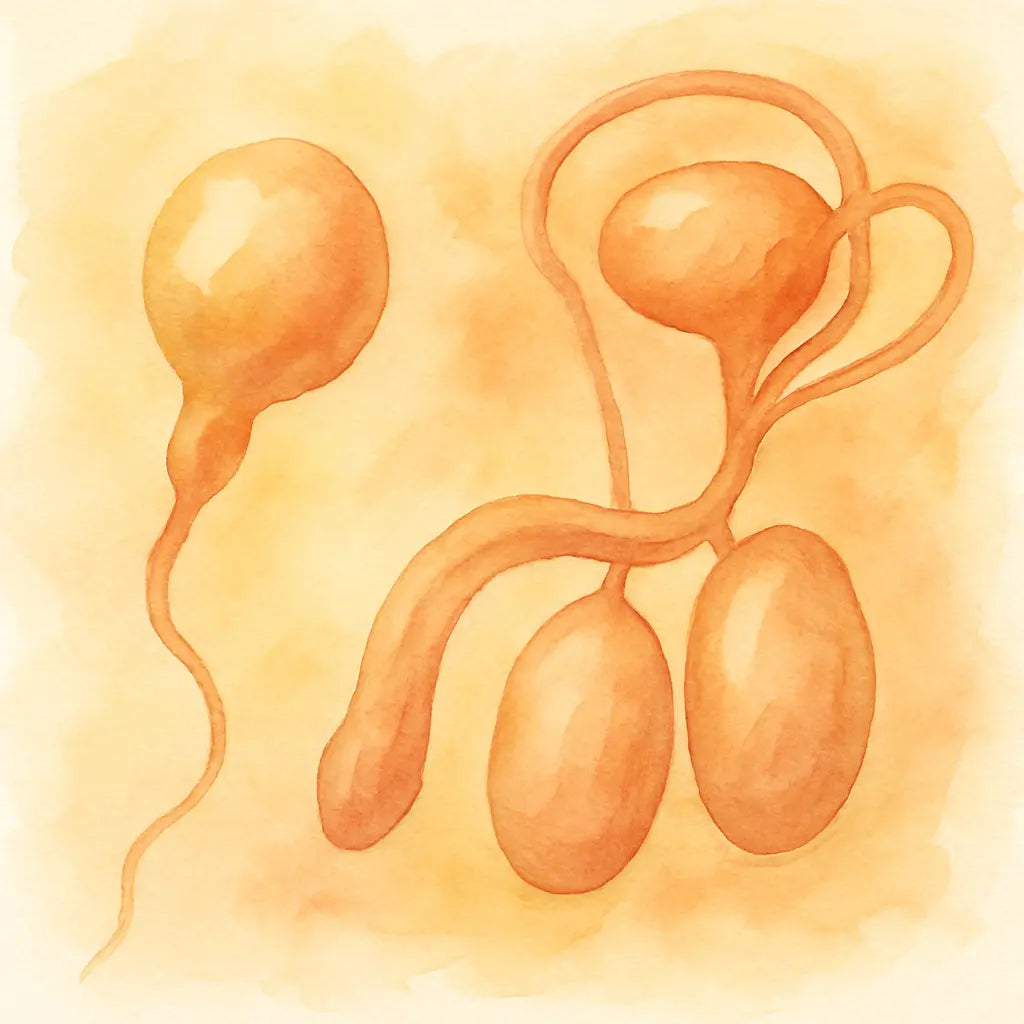
Protocol for Male Fertility
A comprehensive approach to improving sperm quality and reproductive capacity
Protocol Index
- 1. Explanation of the condition
- 2. Causes of this condition
- 3. Symptoms of the condition
- 4. Importance of applying a protocol
- 5. Complete list of recommended supplements
- 6. Detailed scientific support
- 7. Synergy between compounds
- 8. Protocol Phases
- 9. Optional or advanced supplements
- 10. Prevent relapse
- 11. Diet
- 12. Lifestyle recommendations
- 13. Warnings and contraindications
1. Explanation of the condition
Male fertility refers to a man's ability to fertilize a woman's egg and conceive a child. This depends primarily on the quality and quantity of sperm produced, as well as their ability to move effectively and fertilize the egg. Male infertility affects approximately 15-20% of couples who have difficulty conceiving, and in about half of these cases, the male factor plays a significant role.
2. Causes of this condition
- Genetic factors
- Hormonal problems
- Conditions such as varicocele, infections, or sexually transmitted diseases
- Lifestyle (smoking, excessive alcohol consumption, stress)
- Exposure to environmental toxins
- Use of certain medications
- Trauma or surgery in the testicular area
- Ejaculation problems
- Advanced age
- Chronic diseases such as diabetes or hypertension
3. Symptoms of the condition
- Difficulty conceiving after one year of unprotected sex
- Decreased sexual desire
- Erection problems
- Pain, swelling, or a mass in the testicular area
- Problems with ejaculation
- Decreased facial or body hair (sign of hormonal imbalance)
- Low sperm count (diagnosed by semen analysis)
4. Importance of applying a protocol and not fragmented alternatives
Male fertility is a complex process involving multiple bodily systems and biochemical factors. A comprehensive protocol is essential because:
- It addresses multiple aspects simultaneously (sperm quality, antioxidant protection, hormonal health, etc.)
- The compounds work in synergy, enhancing their individual effects
- It provides a systematic and progressive approach that allows the body to adapt and respond appropriately.
- Avoid the risk of overdose or negative interactions that can occur with isolated supplements
- Consider different phases of treatment according to the specific needs at each stage.
- It offers more sustainable and comprehensive long-term results
Fragmented alternatives are often less effective because they do not consider the interconnections between the different body systems involved in sperm production and overall fertility.
5. Complete list of recommended supplements (ordered in order of importance)
- Multimineral formula called Essential Minerals - Provides the essential minerals for spermatogenesis and sperm function
- CoQ10 + PQQ - Improves mitochondrial energy production and protects against oxidative stress
- B complex with active forms called B-Active - Supports energy metabolism, DNA synthesis and hormonal regulation
- NAC (N-Acetylcysteine) - Powerful antioxidant that improves semen quality and reduces sperm DNA fragmentation
- Astaxanthin - Protects sperm cell membranes and improves motility
- ALCAR (Acetyl-L-Carnitine) - Essential for the transport of fatty acids and energy production in sperm
- Vitamin D3 + K2 - Regulates testosterone production and improves sperm quality
6. Detailed scientific support for each supplement
1. Multimineral formula called Essential Minerals
Essential minerals are fundamental for spermatogenesis and sperm function. This multimineral formula provides a full spectrum of minerals in bioavailable forms that work synergistically to optimize male fertility.
Zinc is perhaps the most crucial mineral for male fertility, as it is found in high concentrations in semen and is necessary for testosterone production, sperm development, and sperm motility. Studies have shown that zinc deficiency is associated with decreased sperm count and semen quality.
Selenium is another vital component that acts as an antioxidant and is essential for the formation of the sperm capsule. Research indicates that selenium supplementation improves sperm motility and reduces oxidative damage to sperm DNA.
Magnesium plays a role in cellular energy production and muscle function, including the muscles involved in ejaculation. It also helps regulate testosterone.
This multi-mineral formula works synergistically to provide the essential micronutrients that are the foundation for optimal sperm production, protecting against oxidative stress and improving overall semen quality.
2. CoQ10 + PQQ
The combination of Coenzyme Q10 (CoQ10) and Pyroloquinoline quinone (PQQ) is fundamental for mitochondrial health and antioxidant protection in the context of male fertility.
CoQ10 is a vitamin-like compound that occurs naturally in the body and is essential for energy production in cells. Sperm require a significant amount of energy for motility and fertilization, and CoQ10 is crucial for this process. It also acts as a powerful antioxidant, protecting sperm from oxidative damage that can harm their DNA and reduce their quality.
PQQ, for its part, is a novel compound that stimulates mitochondrial biogenesis, that is, the creation of new mitochondria in cells. This is particularly important for sperm, as they contain a high number of mitochondria in their midpiece to generate the energy necessary for their movement.
The combination of CoQ10 and PQQ not only improves existing mitochondrial function but also increases the number of mitochondria, resulting in greater energy production for sperm. This synergy is especially beneficial for improving sperm motility and fertilization capacity.
3. B complex with active forms called B-Active
The B-complex vitamins in active forms (B-Active) are essential for male fertility due to their fundamental role in energy metabolism, DNA synthesis, and hormonal regulation.
B vitamins act as cofactors in numerous enzymatic reactions that are critical for sperm production. For example, vitamin B6 (in its active form of pyridoxal-5-phosphate) is necessary for the synthesis of neurotransmitters and hormones, including testosterone. It also participates in the metabolism of amino acids, which are the building blocks of sperm proteins.
Vitamin B12 (methylcobalamin) is crucial for DNA synthesis and cell division, fundamental processes in spermatogenesis. Studies have shown that B12 deficiency is associated with decreased sperm count and motility.
Folic acid (in its active form of methylfolate) is especially important for preventing neural tube defects in offspring, but it also plays a crucial role in DNA synthesis and sperm production. Research indicates that folic acid supplementation can improve sperm count and semen quality.
The active form of these vitamins is particularly important because some people have difficulty converting the standard forms into their active forms due to genetic variations. By providing the B vitamins in their active forms, optimal utilization by the body is ensured, maximizing their benefits for male fertility.
4. NAC (N-Acetylcysteine)
N-Acetylcysteine (NAC) is a compound that plays a crucial role in male fertility mainly through its potent antioxidant action and its ability to improve semen quality.
NAC is a precursor to glutathione, one of the body's most important antioxidants. Oxidative stress is a significant factor in male infertility, as it can damage sperm cell membranes and fragment their DNA. By increasing glutathione levels, NAC protects sperm from this oxidative damage.
Numerous studies have demonstrated that NAC supplementation significantly improves several semen parameters, including semen volume, sperm count, motility, and morphology. In particular, it has been observed to reduce sperm DNA fragmentation, which is crucial for successful fertilization and healthy embryonic development.
In addition to its antioxidant properties, NAC also has anti-inflammatory effects that can benefit overall reproductive health. Chronic inflammation in the male reproductive tract can negatively affect sperm production and function, and NAC helps mitigate this process.
5. Astaxanthin
Astaxanthin is a carotenoid with potent antioxidant properties that has been shown to be particularly beneficial for improving male fertility.
Unlike other antioxidants, astaxanthin has a unique molecular structure that allows it to integrate into cell membranes, where it protects against oxidative damage both on the surface and inside the cells. This is especially important for sperm, which are particularly vulnerable to oxidative stress due to the high content of polyunsaturated fatty acids in their membranes.
Several clinical studies have demonstrated that astaxanthin supplementation significantly improves semen parameters, including sperm count, motility, and morphology. In particular, it has been observed to improve sperm motility, a crucial factor for fertilization capacity.
Astaxanthin has also been shown to reduce sperm DNA fragmentation, which is critical to ensuring the genetic integrity of sperm and increasing the chances of successful conception and a healthy pregnancy.
Another advantage of astaxanthin is its ability to cross the blood-testis barrier, allowing it to exert its protective effects directly in the environment where sperm are produced and mature.
6. ALCAR (Acetyl-L-Carnitine)
Acetyl-L-Carnitine (ALCAR) is a modified amino acid that plays a fundamental role in energy metabolism and sperm function, being especially important for sperm motility.
ALCAR is essential for the transport of fatty acids to the mitochondria, where they can be used to produce energy. Sperm rely heavily on fatty acid oxidation to generate the energy needed for movement, and ALCAR facilitates this process.
Numerous clinical studies have demonstrated that ALCAR supplementation significantly improves sperm motility, both in terms of the percentage of motile sperm and their movement speed. This is particularly important because motility is one of the most critical factors for successful fertilization.
In addition to improving motility, ALCAR has also demonstrated benefits for other semen parameters, including sperm count and morphology. These effects are believed to be due in part to its ability to protect against oxidative stress and improve mitochondrial function.
ALCAR also plays a role in sperm maturation. During their passage through the epididymis, sperm acquire the ability to move and fertilize eggs, and ALCAR is important for this maturation process.
7. Vitamin D3 + K2
The combination of Vitamin D3 and Vitamin K2 is essential for male reproductive health, influencing testosterone production and semen quality.
Vitamin D3 acts more like a hormone than a vitamin in the body, and vitamin D receptors are found in the testes, sperm, and Sertoli cells, which are crucial for spermatogenesis. Studies have shown a positive correlation between vitamin D levels and semen parameters, including sperm count, motility, and morphology.
Vitamin D3 is essential for testosterone production. Research indicates that men with optimal vitamin D levels tend to have higher testosterone levels, which indirectly benefits sperm production. Furthermore, vitamin D modulates the immune system and reduces inflammation, factors that can negatively affect fertility.
Vitamin K2 works synergistically with Vitamin D3. It helps direct calcium to the bones and teeth, preventing its deposition in soft tissues such as the arteries. This is important for cardiovascular health, which in turn is essential for proper blood flow to the testicles.
The combination of vitamins D3 and K2 is particularly important because vitamin D3 increases calcium absorption, while vitamin K2 ensures that this calcium is properly utilized by the body. This synergy is essential for maximizing the benefits of both vitamins for male reproductive health.
7. SYNERGY: How the teamwork of these compounds helps with the protocol's objective
The true effectiveness of this male fertility protocol lies in the synergy between all the recommended compounds. Each supplement addresses specific aspects of male reproductive health, but it is their strategic combination that produces optimal results.
Essential minerals lay the foundation for the production of high-quality sperm. Zinc, for example, is crucial for DNA synthesis and the formation of sperm structure, while selenium protects against oxidative damage. Without these basic minerals, other nutrients cannot function efficiently.
The combination of CoQ10 and PQQ enhances energy production at the mitochondrial level, which is vital for sperm motility. This additional energy allows sperm to be more active and have a greater fertilizing capacity. At the same time, its antioxidant action protects sperm cell membranes, preserving their integrity.
The active forms of B vitamins (B-Active) act as a catalyst for numerous biochemical reactions. It facilitates the conversion of nutrients into energy, supports DNA synthesis, and aids in the production of reproductive hormones. This complex optimizes the utilization of the other nutrients in the protocol, ensuring that the body can make the most of them.
NAC perfectly complements the antioxidant action of CoQ10 + PQQ and astaxanthin. While the latter protect cell membranes, NAC increases intracellular glutathione levels, the body's most powerful antioxidant. Together, they form a comprehensive defense system against oxidative stress, a major threat to sperm quality.
Astaxanthin, with its unique ability to integrate into cell membranes, protects the polyunsaturated fatty acids that are abundant in sperm. This works synergistically with ALCAR, which facilitates the transport of these fatty acids to the mitochondria to produce energy. While astaxanthin provides protection, ALCAR supplies the "fuel" for sperm motility.
Finally, Vitamin D3 and K2 regulate hormonal and cell signaling processes that are essential for spermatogenesis. Vitamin D3 influences gene expression related to fertility, while K2 ensures proper calcium utilization and optimal cardiovascular health, which is important for good blood flow to the testicles.
Together, these compounds address all critical aspects of male fertility: from hormone production and spermatogenesis to antioxidant protection, energy production, and sperm motility. No single supplement could achieve these results so effectively. It is this carefully designed synergy that makes this protocol so powerful and comprehensive for improving male fertility.
8. Protocol Phases
Phase 1: Adaptation and Foundation (Days 1-3)
During this initial phase, the body gradually adapts to the supplements and the nutritional foundations for improved fertility are established.
Duration: 3 days
Daily program:
Tomorrow (with breakfast):
- Essential Minerals: 1 capsule
- B-Active Complex: 1 capsule
- Vitamin D3 + K2: 1 capsule
- Astaxanthin: 1 capsule
Midday (with lunch):
- Essential Minerals: 1 capsule
- CoQ10 + PQQ: 1 capsule
- ALCAR: 1 capsule
Night (before going to sleep, on an empty stomach):
- NAC: 1 capsule
Phase 2: Optimization and Enhancement (Days 4-45)
In this phase, the remaining supplements are introduced and the doses are increased to enhance the effects on sperm quality.
Duration: 30 days
Daily program:
Tomorrow (with breakfast):
- B-Active Complex: 2 capsules
- Vitamin D3 + K2: 3 capsules
- Astaxanthin: 3 capsules
Midday (with lunch):
- Essential Minerals: 3 capsules
- CoQ10 + PQQ: 2 capsules
- ALCAR: 2 capsules
Night (before going to sleep, on an empty stomach):
- NAC: 2 capsules
Phase 3: Maintenance and Consolidation (Days 46 onwards)
This phase maintains the benefits achieved and consolidates the improvements in sperm quality in the long term.
Duration: Continuous (minimum 3 months for optimal results)
Daily program:
Tomorrow (with breakfast):
- B-Active Complex: 2 capsules
- Vitamin D3 + K2: 1 capsule
- Astaxanthin: 2 capsules
Midday (with lunch):
- Essential Minerals: 3 capsules
- CoQ10 + PQQ: 2 capsules
- ALCAR: 1 capsule
Night (before going to sleep, on an empty stomach):
- NAC: 1 capsule
Detailed dosage:
- Essential Minerals: 1 capsule three times a day (total 3 capsules daily)
- B-Active Complex: 1 capsule in the morning (total 1 capsule daily)
- Vitamin D3 + K2: 1 capsule in the morning (total 1 capsule daily)
- NAC: 2 capsules in the morning (total 2 capsules daily)
- CoQ10 + PQQ: 2 capsules at midday (total 2 capsules daily)
- Astaxanthin: 1 capsule at midday (total 1 capsule daily)
- ALCAR: 1 capsule at midday (total 1 capsule daily)
Total protocol duration: A minimum of 3 months (90 days) is required to observe significant improvements in semen parameters. Complete spermatogenesis takes approximately 74 days, so it is recommended to continue the protocol for at least this period to assess its effectiveness.
9. List of optional or advanced supplements that enhance results
- High-purity Omega-3 (EPA/DHA): Omega-3 fatty acids are essential components of sperm cell membranes. They improve membrane fluidity, which is crucial for sperm capacitation and fertilization. Recommended dosage: 1000-2000 mg daily.
- L-Citrulline: An amino acid that improves blood flow to the reproductive organs by increasing nitric oxide levels. Improved testicular blood flow may enhance sperm production. Recommended dosage: 1000-3000 mg daily.
- Maca extract (Lepidium meyenii): An Andean root traditionally used to improve male fertility. Studies have shown that it increases libido and improves semen quality. Recommended dosage: 1500-3000 mg daily.
- Ashwagandha (Withania somnifera): An adaptogen that reduces stress and improves testosterone levels. Research indicates that it increases sperm count, motility, and semen volume. Recommended dosage: 300-600 mg daily of standardized extract.
- Boswellia serrata: With potent anti-inflammatory properties that may benefit the health of the male reproductive tract. Chronic inflammation can negatively affect sperm production. Recommended dosage: 300-500 mg daily of standardized extract.
- Resveratrol: A polyphenolic antioxidant that protects against oxidative stress and has been shown to improve sperm quality in clinical studies. Recommended dose: 100-200 mg daily.
- Curcumin (with piperine to enhance absorption): A potent anti-inflammatory and antioxidant that may improve semen parameters and protect against oxidative damage to sperm. Recommended dosage: 500-1000 mg daily.
- Epigallocatechin gallate (EGCG): A compound found in green tea with potent antioxidant properties that protect sperm DNA and improve semen quality. Recommended dosage: 200-400 mg daily.
10. Preventing relapse of male infertility
To maintain the benefits obtained with the protocol and prevent relapse into male fertility problems, it is recommended to follow these strategies:
- Key supplementation continuation: After the initial protocol, maintain a maintenance dose of the most important supplements, especially Essential Minerals, CoQ10 + PQQ and Vitamin D3 + K2, to ensure a continuous supply of essential nutrients for sperm health.
- Regular monitoring: Perform semen analysis every 3-6 months to monitor fertility parameters and detect any changes in time.
-
Avoid known risk factors:
- Limit exposure to environmental toxins such as pesticides, industrial chemicals, and heavy metals.
- Avoid smoking and excessive alcohol consumption.
- Maintain a healthy weight, as obesity can negatively affect male fertility.
- Managing chronic stress: Prolonged stress can disrupt reproductive hormones. Implement stress management techniques regularly.
- Protection against excessive heat: Avoid frequent hot baths, saunas, and wearing tight underwear that may increase scrotal temperature.
- Balanced diet: Maintain a diet rich in antioxidants, vitamins, and minerals that support reproductive health, similar to that recommended during the protocol.
- Moderate exercise: Maintain a regular but not excessive exercise routine, as overtraining can negatively affect testosterone production.
- Adequate rest: Ensure a restful sleep of 7-8 hours daily, as rest is crucial for hormone production.
- Avoid exposure to radiation: Limit the use of electronic devices near the genital area and avoid carrying your mobile phone in your trouser pockets.
- Regular medical check-ups: Consult regularly with a fertility specialist to assess overall reproductive health and detect any potential problems early.
11. Diet to improve male fertility
General principles of diet
- Whole foods: Prioritize unprocessed foods in their most natural state possible.
- Rich in antioxidants: Include plenty of colorful fruits and vegetables to combat oxidative stress.
- Adequate in quality proteins: Consume sufficient lean protein for the synthesis of hormones and sperm.
- Healthy fats: Incorporate essential fats that are key components of sperm cell membranes.
- Low in refined sugars: Avoid insulin spikes that can negatively affect reproductive hormones.
- Adequate hydration: Maintain good hydration to optimize semen volume.
Recommended foods
High-quality proteins
- Fatty fish: Salmon, sardines, mackerel, tuna (rich in omega-3)
- Poultry: Organic skinless chicken and turkey
- Lean meats: Grass-fed beef, lean cuts
- Eggs: Especially the yolks, which are rich in choline and vitamin D
- Legumes: Lentils, chickpeas, beans (plant-based sources of protein)
- Nuts and seeds: Almonds, walnuts, chia and flax seeds
Healthy fats
- Oils: Extra virgin olive oil, coconut oil, avocado oil
- Avocados: Excellent source of monounsaturated fats
- Dried fruits: Walnuts, almonds, hazelnuts
- Seeds: Chia, flax, pumpkin, sunflower
- Fatty fish: As mentioned above
Complex carbohydrates
- Whole grains: Brown rice, quinoa, oats, barley
- Vegetables rich in fiber: Broccoli, kale, spinach, chard
- Tubers: Sweet potatoes, cassava, yam
- Legumes: Beans, lentils, chickpeas
Antioxidant fruits and vegetables
- Berries: Blueberries, raspberries, blackberries, strawberries
- Citrus fruits: Oranges, grapefruits, lemons, limes
- Leafy green vegetables: Spinach, kale, chard, watercress
- Colorful vegetables: Red peppers, carrots, tomatoes, beets
- Tropical fruits: Papaya, mango, pineapple (rich in digestive enzymes)
Specific foods for fertility
- Oysters: The most concentrated source of zinc, a crucial mineral for male fertility
- Pumpkin seeds: Rich in zinc and omega-3
- Brazil nuts: Excellent source of selenium
- Garlic: Contains allicin, which improves blood circulation
- Pomegranate: Improves sperm quality and increases testosterone levels
- Turmeric: Powerful anti-inflammatory and antioxidant
- Ginger: Improves circulation and has antioxidant properties
Foods to avoid
- Processed meats: Cold cuts, sausages, bacon
- Refined sugars: Sweets, cakes, soft drinks
- Refined flours: White bread, white pasta, bakery products
- Trans fats: Margarine, fried foods, commercially baked goods
- Alcohol: Excessive consumption of alcoholic beverages
- Caffeine: Limit your consumption of coffee and energy drinks
- Excessive soy: Contains phytoestrogens that can affect hormonal balance
- Fish with high mercury content: Shark, swordfish, bluefin tuna
Sample Meal Plan
Breakfast
- Option 1: Smoothie with spinach, blueberries, banana, chia seeds, almonds and almond milk
- Option 2: Scrambled eggs with spinach and mushrooms, accompanied by avocado and a slice of whole wheat bread
- Option 3: Cooked oatmeal with nuts, pumpkin seeds, fresh berries and cinnamon
Lunch
- Option 1: Large salad with grilled chicken, assorted vegetables, avocado, seeds, and olive oil and lemon dressing
- Option 2: Baked salmon with quinoa and steamed broccoli
- Option 3: Brown rice bowl with black beans, bell peppers, onion, avocado, and pico de gallo
Dinner (optional)
- Option 1: Grilled white fish with asparagus and roasted sweet potato
- Option 2: Beef stew with assorted vegetables
- Option 3: Chickpea and spinach curry with basmati rice
Healthy snacks
- Handful of nuts and seeds
- Fresh fruit with a handful of almonds
- Greek yogurt with berries
- Carrot and celery sticks with hummus
- Hard-boiled egg
Hydration
- Water: Minimum 2 liters per day
- Green tea: 1-2 cups a day (rich in antioxidants)
- Lemon water: In the morning to alkalize the body
- Avoid: Soft drinks, processed juices, energy drinks
12. Lifestyle recommendations
Rest and sleep
Quality and quantity of sleep:
- Sleeping between 7-8 hours a day is essential for optimal hormone production, especially testosterone, which is mainly produced during deep sleep.
- Establish a regular sleep schedule, going to bed and waking up at the same time every day, including weekends.
- Create an environment conducive to sleep: a dark, quiet and cool room (between 18-20°C).
- Use breathable bedding and a suitable pillow to keep your spine aligned.
Sleep hygiene:
- Avoid screens (phones, tablets, computers) at least 1-2 hours before bed, as blue light affects melatonin production.
- Establish a relaxing bedtime routine: reading, meditation, a warm bath, etc.
- Avoid heavy meals, caffeine, and alcohol at least 3-4 hours before bedtime.
- Limit fluid intake before bed to avoid interruptions due to the need to urinate.
Naps:
- If a nap is needed, limit it to 20-30 minutes so as not to interfere with nighttime sleep.
- Do it early in the afternoon (before 3:00 pm) so as not to affect nighttime sleep.
Stress management
Relaxation techniques:
- Practice mindfulness meditation daily, starting with 5-10 minutes and gradually increasing to 20-30 minutes.
- Perform deep breathing exercises several times a day, especially during times of stress.
- Muscle progression: a technique of tensing and relaxing muscle groups to release physical tension.
Recreational activities:
- Dedicate time to hobbies and enjoyable activities that help you disconnect from daily worries.
- Spending time in nature has been shown to reduce cortisol levels.
- Practice creative activities such as painting, writing, or music as a form of emotional expression.
Time management:
- Set priorities and learn to say "no" to unnecessary commitments.
- Organize daily tasks and set realistic goals to avoid overload.
- Delegate responsibilities when possible and seek social support.
Physical activity
Cardiovascular exercise:
- Perform 150 minutes of moderate cardiovascular activity per week (brisk walking, swimming, cycling).
- Avoid excessive exercise, as it can increase oxidative stress and negatively affect testosterone production.
- Alternate between different types of cardio to avoid boredom and work different muscle groups.
Strength training:
- Include 2-3 strength training sessions per week, focusing on compound exercises (squats, deadlifts, bench press).
- Avoid overtraining by allowing sufficient recovery between sessions.
- Consider working with a personal trainer to ensure proper technique and prevent injuries.
Specific exercises for fertility:
- Practice yoga, especially postures that improve pelvic circulation such as the eagle pose or the cobra pose.
- Perform Kegel exercises to strengthen the pelvic floor muscles, which can improve ejaculatory function.
- Incorporate stretching techniques that improve hip and pelvic flexibility.
Special considerations:
- Avoid prolonged cycling, as saddle pressure can affect circulation and testicular temperature.
- Wear breathable, loose-fitting underwear during exercise to maintain a proper testicular temperature.
- Hydrate properly before, during and after exercise.
Other useful practices
Sun exposure:
- Expose yourself to the sun safely (15-20 minutes daily) to maintain optimal vitamin D levels.
- Avoid peak sun hours (10:00 am - 4:00 pm) and use sunscreen when exposure is prolonged.
- Consider vitamin D3 supplementation during winter months or in areas with little sun exposure.
Avoid environmental toxins:
- Minimize exposure to household chemicals by opting for natural alternatives.
- Use personal care products free of parabens, phthalates and other endocrine disruptors.
- Avoid plastics containing BPA, especially for storing hot food and drinks.
Sexual health:
- Maintain regular sexual activity (every 2-3 days) to optimize sperm quality.
- Avoid lubricants that may affect sperm motility; opt for lubricants specifically designed for conception.
- Practice relationship techniques that reduce stress during intimacy.
Social connection:
- Maintain healthy social relationships and seek support from family and friends.
- Consider joining support groups for couples facing fertility challenges.
- Communicate openly with your partner about feelings and concerns related to fertility.
Regular medical check-ups:
- Have annual preventive medical examinations.
- Monitor and manage chronic conditions such as diabetes, hypertension, or thyroid problems that can affect fertility.
- Consult a fertility specialist if pregnancy is not achieved after 6-12 months of trying.
13. Warnings and contraindications
General warnings
- Biochemical individuality: Each person responds differently to supplements. Results may vary depending on genetic factors, initial health status, lifestyle, and adherence to the protocol.
- Time to action: Complete spermatogenesis takes approximately 74 days. Significant improvements in semen parameters are not expected before completing at least one full cycle of sperm production.
- Prior diagnosis: This protocol is designed as a complement to, not a substitute for, appropriate medical diagnosis and treatment. A complete semen analysis is recommended before and during the protocol to evaluate its effectiveness.
Specific contraindications
Essential Minerals:
- Contraindicated in people with Wilson's disease (a copper metabolism disorder).
- Caution is advised for people with kidney failure, as some minerals may accumulate.
- Excess zinc can interfere with copper absorption and cause a deficiency of this mineral.
B complex with active forms (B-Active):
- Generally safe, but high doses of vitamin B6 may cause peripheral neuropathy in sensitive individuals.
- People taking diabetes medication should monitor their glucose levels, as biotin can interfere with some tests.
- Caution is advised in people with a history of hormone-sensitive cancer, as some B vitamins can influence hormonal pathways.
Astaxanthin:
- It may interact with blood pressure medications and anticoagulants.
- Caution is advised for people with autoimmune disorders, as it may stimulate the immune system.
- It may cause a slight change in skin color (orange tone) with very high doses.
Vitamin D3 + K2:
- Contraindicated in people with hypercalcemia, sarcoidosis or granulomatous disease.
- Caution is advised for people with kidney stones or a history of them.
- It may interact with blood pressure medications, steroids, and heart medications.
ALCAR (Acetyl-L-Carnitine):
- It can increase TSH levels in people with hypothyroidism.
- Caution is advised for people with seizure disorders.
- It may interact with anticoagulant and thyroid medications.
NAC (N-Acetylcysteine):
- Contraindicated in people taking nitroglycerin, as it may potentiate its effects and cause severe hypotension.
- Caution is advised for people with asthma, as it may cause bronchospasm in rare cases.
- It may interact with chemotherapeutic and activated charcoal drugs.
CoQ10 + PQQ:
- Generally well tolerated, but may interact with blood pressure medications and anticoagulants.
- Caution is advised for people taking medication for diabetes, as it may enhance its effects.
- It may decrease the effectiveness of some chemotherapy drugs.
Drug interactions
- Anticoagulants and antiplatelet drugs: Astaxanthin, CoQ10, and vitamin K2 may potentially interact with these medications. Medical monitoring is recommended if taken concurrently.
- Diabetes medications: B complex, ALCAR and CoQ10 may potentiate the effects of these medications, increasing the risk of hypoglycemia.
- Blood pressure medications: Astaxanthin, CoQ10, and NAC can have hypotensive effects, enhancing the action of these medications.
- Thyroid medications: ALCAR may interfere with thyroid function and require dose adjustment of thyroid medications.
- Chemotherapy: NAC and CoQ10 may interfere with the effectiveness of some chemotherapeutic agents.
Special precautions
- Allergies: Check the ingredients of each supplement to avoid possible allergic reactions.
- Pregnancy and breastfeeding: Although this protocol is designed for men, if the partner is pregnant or breastfeeding, some supplements may be transferred through semen or direct contact.
- Surgery: Discontinue the protocol at least 2 weeks before any scheduled surgery, especially supplements with possible anticoagulant effects (astaxanthin, CoQ10, NAC).
- Laboratory tests: Inform your doctor about all supplements you are taking, as some may interfere with laboratory test results (e.g., biotin with thyroid function tests).
Potential side effects
- Essential Minerals: Gastrointestinal discomfort, nausea, diarrhea with high doses.
- B-Complex Active: Bright yellow urine (harmless), gastrointestinal discomfort.
- Astaxanthin: Changes in skin color, increased pigment in stool.
- Vitamin D3 + K2: Nausea, loss of appetite, constipation (generally with very high doses).
- ALCAR: Nausea, vomiting, gastrointestinal discomfort, "fishy body odor".
- NAC: Nausea, vomiting, diarrhea, constipation, fatigue.
- CoQ10 + PQQ: Gastrointestinal discomfort, loss of appetite, nausea.
Final recommendations
- This protocol should be customized according to individual needs, health status, and semen analysis results.
- It is recommended to perform blood tests before starting the protocol to assess baseline levels of nutrients and hormones.
- Maintain open communication with the healthcare professional about any symptoms or adverse effects that occur during the protocol.
- Consider performing periodic semen analysis (every 2-3 months) to evaluate the effectiveness of the protocol and make adjustments if necessary.