Protocol Index
- Explanation of the condition
- Possible causes of the condition
- Possible symptoms of the condition
- Importance of applying a complete protocol
- Complete List of Recommended Supplements
- Scientific basis for each supplement
- Synergy between compounds
- Protocol phases
- Optional or advanced supplements
- Relapse prevention
- Recommended diet
- Lifestyle recommendations
- Warnings and contraindications
Explanation of the condition
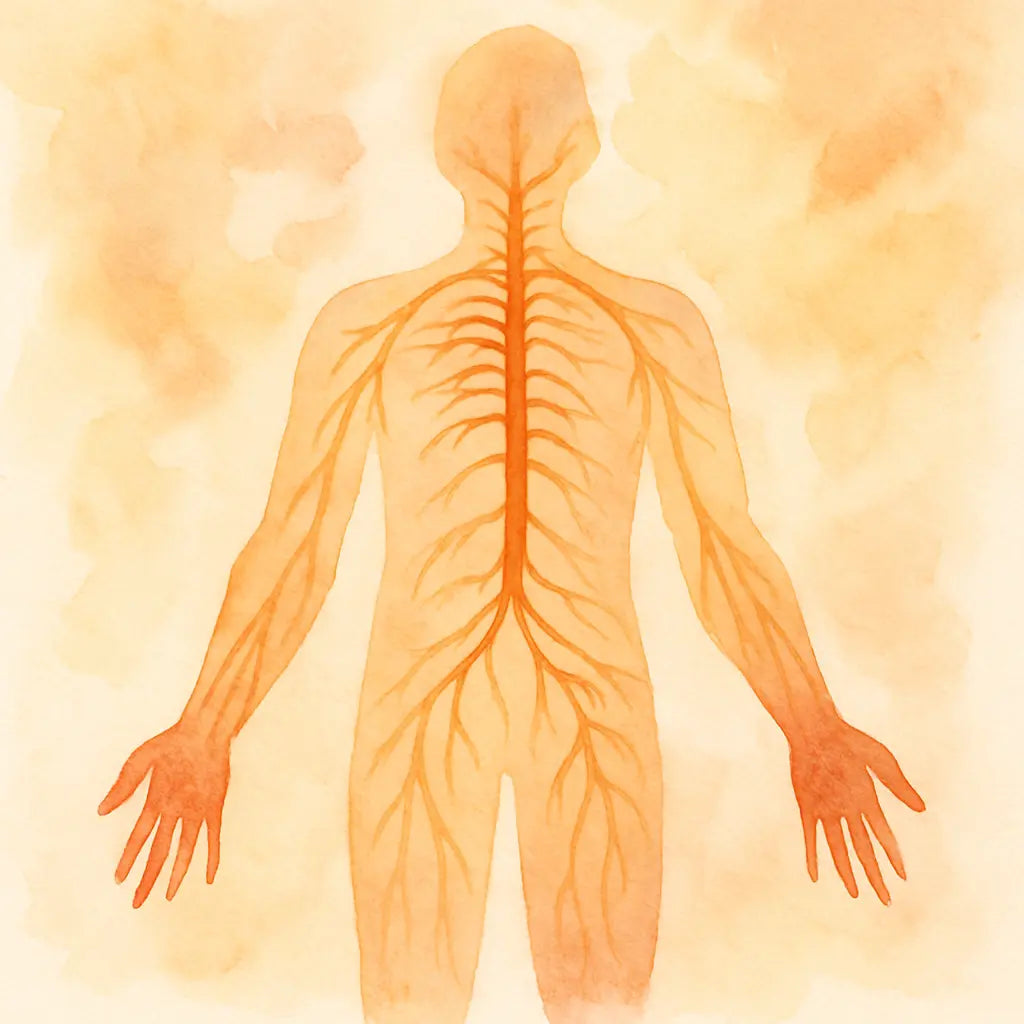
Guillain-Barré syndrome (GBS) is a rare but serious autoimmune neurological disorder in which the body's immune system mistakenly attacks the peripheral nerves. This condition is characterized by a rapidly progressing acute inflammatory polyradiculoneuropathy, primarily affecting the myelin (the protective sheath surrounding nerve fibers) and, in some cases, the axons themselves.
In GBS, the immune system produces antibodies that attack specific components of peripheral nerves, particularly gangliosides (fatty molecules present in nerve cell membranes). This immune attack causes inflammation, demyelination (loss of the myelin sheath), and, in severe cases, direct axonal damage.
The condition typically begins with weakness and tingling in the lower extremities, progressing upward to the trunk, arms, and face. In its most severe form, it can cause complete paralysis, including of the respiratory muscles, requiring assisted ventilation.
Guillain-Barré syndrome is considered a medical emergency due to its potential for rapid progression and risk of life-threatening complications. However, most patients make a full recovery, although this process can take anywhere from weeks to several years.
Possible causes of the condition
Guillain-Barré syndrome does not have a single identified cause, but it is generally recognized as being triggered by a prior infection that activates a cross-reactive autoimmune response. The main causes and triggering factors include:
Bacterial infections
- Campylobacter jejuni : This is the most common trigger, present in approximately 30-40% of cases. This gastrointestinal bacterium shares molecular antigens with nerve gangliosides, leading to molecular mimicry where antibodies produced against the bacterium also attack the nerves.
- Mycoplasma pneumoniae : Respiratory infections that can trigger the syndrome.
- Haemophilus influenzae : Another bacterium associated with GBS cases.
Viral infections
- Zika virus : It has shown a strong association with increases in GBS cases.
- Epstein-Barr virus (EBV) : Causes mononucleosis.
- Cytomegalovirus (CMV) : Second most common viral trigger.
- Influenza virus : Including seasonal and H1N1 strains.
- Herpes simplex virus and varicella-zoster virus.
- HIV : Although rare, it may be associated with the development of GBS.
Additional factors
- Vaccinations : Although extremely rare, some vaccines (particularly the influenza vaccine and certain COVID-19 vaccines) have been associated with isolated cases of GBS.
- Surgeries or trauma : Surgical procedures or physical injuries can trigger an autoimmune response in susceptible individuals.
- Genetic factors : There is a certain genetic predisposition that makes some people more susceptible to developing GBS after an infection.
- Pre-existing autoimmune diseases : Such as lupus or Sjögren's syndrome.
The fundamental mechanism involves molecular mimicry, where the antigens of the infectious agent structurally resemble components of peripheral nerves, leading to a cross-immune response that damages the nervous system.
Possible symptoms of the condition
Guillain-Barré syndrome presents a characteristic progression of symptoms that generally evolve in phases:
Initial phase (first days-weeks)
- Muscle weakness : It begins in the legs and progresses upwards (ascending pattern). Weakness can range from mild to complete paralysis.
- Paresthesias : Abnormal sensations such as tingling, prickling, or numbness, usually starting in the feet and hands.
- Neuropathic pain : Intense, burning or electric pain, especially in the back and limbs.
- Loss of reflexes : Hyporeflexia or areflexia (decreased or absent tendon reflexes).
Progression phase (1-4 weeks)
- Progressive weakness : Paralysis may spread to the trunk, arms, neck, and facial muscles.
- Respiratory distress : If the respiratory muscles are affected, there may be difficulty breathing, requiring assisted ventilation in severe cases.
- Swallowing problems : Difficulty swallowing (dysphagia) due to weakness of the pharyngeal muscles.
- Eye problems : Double vision (diplopia), difficulty focusing, or facial paralysis.
- Autonomic problems : Including fluctuations in blood pressure, cardiac arrhythmias, urinary retention, or paralytic ileus.
Autonomic symptoms
- Cardiovascular instability : Tachycardia, bradycardia, or orthostatic hypotension.
- Gastrointestinal problems : Nausea, vomiting, constipation or diarrhea.
- Bladder dysfunction : Urinary retention or incontinence.
- Abnormal sweating : Excessive sweating or absence of sweating.
- Thermoregulation problems : Difficulty regulating body temperature.
Plateau phase (days-weeks)
- Symptom stabilization : Progression stops and symptoms reach their maximum severity.
- Variable duration : This phase can last from days to several weeks before recovery begins.
Recovery phase (weeks-years)
- Gradual recovery : Muscle strength and sensitivity begin to improve slowly.
- Persistent fatigue : Many patients experience extreme fatigue for months or years.
- Residual pain : Some patients may experience chronic neuropathic pain.
- Permanent consequences : In severe cases, residual weakness, sensory disturbances, or chronic fatigue may remain.
The severity and duration of symptoms vary significantly between patients, with some recovering completely in weeks and others requiring months or years for adequate functional recovery.
Importance of applying a complete protocol
Guillain-Barré syndrome presents one of the most complex neurological challenges due to its multifactorial autoimmune nature and its potential to cause permanent neurological damage. In this context, implementing a comprehensive and integrated protocol is not merely an option, but an imperative for effectively addressing this condition.
Limitations of fragmented approaches
Conventional treatments for GBS focus primarily on acute interventions such as plasmapheresis or intravenous immunoglobulin, which, while essential in the acute phase, do not address the underlying mechanisms that perpetuate the condition or adequately support long-term neurological recovery. A fragmented approach that only addresses one aspect of the problem leaves multiple pathological pathways unchecked, such as:
- Continuous oxidative stress that damages nerve cells
- Nutritional deficiencies that impede myelin regeneration
- Persistent immune dysregulation that can perpetuate the autoimmune attack
- Intestinal dysfunction that contributes to systemic inflammation
The need for a systemic approach
Guillain-Barré syndrome (GBS) is not simply an isolated neurological problem, but a systemic manifestation involving multiple body systems. A comprehensive protocol recognizes this complexity and addresses simultaneously:
- The autoimmune root : Modulating the immune response without completely suppressing it
- Neurological damage : Supporting myelin regeneration and axonal function
- Oxidative stress : Neutralizing the free radicals that perpetuate the damage
- Gut health : Restoring the intestinal barrier and microbiome
- Nutritional deficiencies : Replacing essential cofactors for recovery
Therapeutic synergy: beyond the sum of the parts
When the right compounds are strategically combined, a synergistic effect occurs where the therapeutic outcome is much greater than the sum of the individual effects. For example:
- Activated B vitamins provide the necessary cofactors for myelin synthesis
- Essential minerals act as enzymatic cofactors for thousands of biochemical reactions.
- Antioxidants protect nerve cells while they regenerate
- Immunomodulatory compounds regulate the immune response without causing immunosuppression
Prevention of relapses and sequelae
A comprehensive protocol not only aims for immediate recovery but also prevents relapses and minimizes long-term consequences. Studies show that up to 30% of patients with GBS experience persistent sequelae such as chronic fatigue, residual weakness, or neuropathic pain. A comprehensive approach significantly reduces these risks by:
- Supporting complete neurological regeneration
- Restore immune balance
- Optimize mitochondrial function to combat fatigue
- Prevent chronic oxidative damage
Personalization and adaptation
Each case of GBS is unique, with different triggers, severity, and clinical manifestations. A comprehensive protocol allows for personalization according to individual needs, adjusting interventions based on the stage of the disease, therapeutic response, and specific predisposing factors of each patient.
In summary, for a condition as complex and potentially devastating as Guillain-Barré syndrome, a comprehensive protocol is not a luxury, but a fundamental therapeutic necessity. Only a holistic approach that addresses all pathological aspects can offer the best chance for a full and lasting recovery, minimizing the risk of permanent sequelae and significantly improving long-term quality of life.
Complete List of Recommended Supplements
The following supplements are listed in order of importance according to their impact on the pathophysiology of Guillain-Barré syndrome:
- B-Active (B complex with active forms)
- Essential Minerals (Multimineral Formula)
- Benfotiamine
- Vitamin D3 + K2
- Alcar + Ala (Acetyl-L-carnitine + Alpha Lipoic Acid)
- Reduced glutathione
- Sodium Butyrate
- Parasiclean (Ivermectin + fenbendazole)
This order is based on prioritizing the correction of fundamental nutritional deficiencies, supporting neurological regeneration, modulating the immune response, and addressing underlying factors that perpetuate the condition.
Scientific basis for each supplement
1. B-Active (B complex with active forms)
Mechanism of action in Guillain-Barré syndrome:
The B complex with active forms represents the most critical nutritional foundation for recovery from Guillain-Barré syndrome due to its indispensable role in the synthesis and maintenance of myelin, neuronal energy metabolism, and modulation of the immune response.
At the molecular level, B vitamins in their active forms (methylcobalamin, pyridoxal-5-phosphate, riboflavin-5-phosphate) act as essential cofactors in multiple metabolic pathways directly related to GBS pathology:
- Myelin synthesis : Methylcobalamin (active vitamin B12) is essential for the synthesis of myelin phospholipids and the maintenance of the myelin sheath. In Guillain-Barré syndrome (GBS), where active demyelination is present, providing vitamin B12 in its active form ensures immediate availability for remyelination processes without requiring metabolic conversion, which may be compromised in these patients.
- Neuronal energy metabolism : The active forms of B1 (thiamine pyrophosphate), B2 (riboflavin-5-phosphate), and B3 (NADH) are essential cofactors in the mitochondrial electron transport chain. In GBS, damaged nerve cells require additional energy for repair processes, and these vitamins ensure optimal ATP production in neurons and Schwann cells.
- Neurotransmitter metabolism : Pyridoxal-5-phosphate (active vitamin B6) is a cofactor in the synthesis of GABA, serotonin, and dopamine. In Guillain-Barré syndrome (GBS), proper neurotransmitter regulation is crucial for neuromuscular function and the modulation of neuropathic pain.
- Immune regulation : Active folate (5-MTHF) and vitamin B12 modulate DNA methylation and immune cell production. In the autoimmune context of GBS, adequate methylation helps regulate the immune response and reduce autoantibody production.
- Homocysteine reduction : The active forms of B6, B12 and folate metabolize homocysteine, whose elevation is associated with greater neurological damage and oxidative stress in neuropathies.
The importance of using active forms lies in the fact that many patients with GBS may have alterations in the conversion pathways of B vitamins, especially in situations of metabolic stress. Active forms ensure immediate bioavailability and direct therapeutic action without depending on enzymes that may be compromised.
2. Essential Minerals (Multimineral Formula)
Mechanism of action in Guillain-Barré syndrome:
Essential minerals constitute the second therapeutic pillar due to their role as fundamental enzymatic cofactors for thousands of biochemical reactions directly related to neurological recovery and immune modulation in GBS.
At the cellular and molecular level, this multimineral formula addresses multiple pathological aspects of the syndrome:
- Zinc : It acts as a cofactor for more than 300 enzymes, including superoxide dismutase (SOD), the main antioxidant enzyme of the nervous system. In Guillain-Barré syndrome (GBS), zinc modulates the immune response by regulating the function of regulatory T cells and reducing the production of pro-inflammatory cytokines. Furthermore, it is essential for the synthesis of nerve structural proteins and the repair of myelin.
- Magnesium : Essential for neuromuscular function and nerve transmission. In Guillain-Barré syndrome (GBS), magnesium acts as a physiological blocker of NMDA receptors, reducing neuronal excitotoxicity that can perpetuate nerve damage. It is also an essential cofactor for ATPase, ensuring the energy production necessary for nerve repair processes.
- Selenium : An essential component of glutathione peroxidase, a key enzyme in neutralizing lipid peroxides that damage nerve cell membranes. In the inflammatory context of GBS, selenium protects nerve cells from oxidative stress and modulates the immune response by regulating T helper cells.
- Copper : A cofactor of dopamine β-hydroxylase and superoxide dismutase, essential for neurotransmitter synthesis and antioxidant protection. In nerve regeneration, copper participates in the formation of disulfide bonds in the structural proteins of myelin.
- Manganese : Cofactor of manganese superoxide dismutase (MnSOD), a crucial mitochondrial antioxidant enzyme for protecting neurons from oxidative stress. It is also essential for the synthesis of proteoglycans in the nervous extracellular matrix.
- Chromium : Improves insulin sensitivity and glucose metabolism, which is important because glycemic dysregulation can exacerbate neuropathic damage in GBS.
The synergy of these minerals in a balanced formula ensures that there is no competition for absorption and that the appropriate proportions are maintained for optimal function. In the context of GBS, where multiple metabolic pathways are compromised, providing these essential mineral cofactors creates the necessary biochemical conditions for neurological recovery and immune regulation.
3. Benfotiamine
Mechanism of action in Guillain-Barré syndrome:
Benfotiamine, a fat-soluble derivative of thiamine (vitamin B1), ranks third in importance due to its potent neuroprotective action and its unique ability to address metabolic pathways compromised in GBS nerve damage.
At the molecular level, benfotiamine acts through specific mechanisms directly relevant to the pathology of the syndrome:
- Activation of transketolase : Benfotiamine significantly increases the activity of transketolase, a key enzyme in the pentose phosphate pathway. This activation diverts glucose from metabolic damage pathways (polyol and hexosamine pathways) toward the production of NADPH and ribose-5-phosphate, essential for nucleotide synthesis and glutathione regeneration. In Guillain-Barré syndrome (GBS), where metabolic and oxidative stress are prominent, this metabolic reprogramming protects nerve cells from glucotoxic damage.
- Reduction of advanced glycation end products (AGEs) : Benfotiamine inhibits the formation of AGEs, compounds that contribute to nerve damage by glycosylating structural proteins. In the inflammatory context of GBS, the reduction of AGEs decreases the activation of RAGE receptors, which perpetuate the inflammatory response and nerve damage.
- Mitochondrial neuroprotection : Benfotiamine improves mitochondrial function by increasing the production of NADH and ATP, which are essential for nerve repair processes. In GBS, where there is an increased energy demand for regeneration, this mitochondrial support is crucial.
- Reduction of oxidative stress : By increasing NADPH production via the pentose phosphate pathway, benfotiamine enhances cellular antioxidant capacity, particularly the regeneration of reduced glutathione and thioredoxin. This protects nerve cells and myelin from the oxidative damage characteristic of GBS.
- Improved nerve conduction : Clinical studies have shown that benfotiamine improves nerve conduction velocity and reduces neuropathic symptoms, effects directly relevant to functional recovery in GBS.
The advantage of benfotiamine over conventional thiamine lies in its greater bioavailability (up to 5 times greater) and its ability to reach therapeutic concentrations in nerve tissue. This characteristic is particularly important in Guillain-Barré syndrome (GBS), where sustained neuroprotective concentrations are required to counteract demyelination and axonal damage.
4. Vitamin D3 + K2
Mechanism of action in Guillain-Barré syndrome:
The combination of vitamin D3 with K2 represents the fourth therapeutic pillar due to its potent immunomodulatory and neuroprotective action, directly relevant to the autoimmune and neurodegenerative pathology of GBS.
At the molecular and cellular level, this combination acts through multiple specific mechanisms:
-
Immune regulation via vitamin D : Vitamin D3 acts as a potent immunomodulator by binding to the vitamin D receptor (VDR) present on almost all immune cells. In GBS, this regulation is crucial because:
- It induces the differentiation of regulatory T cells (Tregs) that suppress the autoimmune response
- It reduces the production of pro-inflammatory cytokines (TNF-α, IL-6, IL-17)
- It inhibits the maturation of dendritic cells, reducing the presentation of autoantigens.
- It modulates the production of autoantibodies against nerve gangliosides
- Protection of the blood-brain barrier : Vitamin D3 maintains the integrity of the blood-brain barrier, reducing the infiltration of immune cells into the peripheral nervous system, a key process in the pathogenesis of GBS.
- Direct neuroprotection : Vitamin D3 exerts neurotrophic effects by promoting the expression of neurotrophic factors (NGF, BDNF) and regulating calcium metabolism in neurons, protecting them from excitotoxicity.
-
Synergy with vitamin K2 : Vitamin K2 (menaquinone-7) enhances the effects of vitamin D3 by:
- Activation of vitamin K-dependent proteins (osteocalcin, matrix Gla protein) that have anti-inflammatory and neuroprotective properties
- Regulation of calcium metabolism, preventing its deposition in soft tissues including the nervous system
- Modulation of cell signaling through protein kinase A
- Regulation of autophagy : Both vitamins regulate cellular autophagy processes, which are essential for the elimination of damaged cellular components and nervous homeostasis in GBS.
Clinical evidence shows that patients with Guillain-Barré syndrome (GBS) frequently present with vitamin D deficiency, and that lower levels correlate with greater disease severity. Supplementation with vitamin D3 and vitamin K2 not only corrects this deficiency but also leverages its specific immunomodulatory mechanisms to regulate the underlying autoimmune response of the syndrome.
5. Alcar + Ala (Acetyl-L-carnitine + Alpha Lipoic Acid)
Mechanism of action in Guillain-Barré syndrome:
The combination of Acetyl-L-carnitine (ALCAR) and Alpha Lipoic Acid (ALA) ranks fifth due to its potent synergistic action in mitochondrial protection, nerve regeneration and neutralization of oxidative stress, three critical aspects in GBS recovery.
At the molecular and cellular level, this combination acts through complementary mechanisms:
-
Restoration of Mitochondrial Function (ALCAR) : Acetyl-L-carnitine is essential for the transport of long-chain fatty acids into the mitochondria for β-oxidation and energy production. In GBS, where there is an increased energy demand for nerve repair, ALCAR:
- It increases ATP production in neurons and Schwann cells
- Improves the function of the electron transport chain
- It stimulates mitochondrial biogenesis, increasing the number of functional mitochondria.
- It reduces the accumulation of toxic acyl-carnitines that can interfere with nerve function.
-
Powerful antioxidant action (ALA) : Alpha lipoic acid is a unique antioxidant with special properties:
- It is soluble in both water and lipids, and can protect all cellular and subcellular structures.
- It regenerates other endogenous antioxidants such as vitamin C, vitamin E, and glutathione.
- It chelates heavy metals that can contribute to oxidative stress
- It inhibits the activation of the nuclear factor NF-κB, reducing the production of pro-inflammatory cytokines.
-
Neuroprotection and nerve regeneration : The ALCAR+ALA combination promotes:
- The expression of neurotrophic factors such as NGF and BDNF
- Nerve fiber regeneration and remyelination
- The reduction of neuronal apoptosis
- The improvement of nerve conduction velocity
-
Modulation of neuropathic pain : Both compounds have demonstrated efficacy in reducing neuropathic pain, a frequent and debilitating symptom in GBS, through:
- Normalization of the function of nerve ion channels
- Reduction of central sensitization
- Modulation of pain transmission in the spinal cord
- Improved cognitive function : In cases of GBS with central nervous system involvement, this combination supports cognitive function by optimizing brain energy metabolism and protecting against oxidative stress.
The synergy between ALCAR and ALA is particularly powerful because while ALCAR optimizes energy production and substrate transport, ALA protects mitochondria from the oxidative stress generated during this increased metabolic process. This symbiotic relationship creates an optimal cellular environment for nerve recovery in GBS.
6. Reduced glutathione
Mechanism of action in Guillain-Barré syndrome:
Reduced glutathione (GSH) ranks sixth in importance due to its role as the body's master antioxidant and its critical function in protecting the nervous system during the inflammatory and regenerative process of GBS.
At the molecular and cellular level, reduced glutathione acts through specific mechanisms directly relevant to the pathology of the syndrome:
-
Direct neutralization of reactive oxygen species (ROS) : In GBS, autoimmune inflammation generates a massive amount of free radicals that damage nerve cell membranes, structural proteins, and DNA. Reduced glutathione:
- It donates electrons to directly neutralize ROS such as superoxide, hydrogen peroxide, and hydroxyl radicals
- It prevents lipid peroxidation of nerve cell membranes
- It protects myelin proteins from oxidation that would compromise their function
-
Regeneration of other antioxidants : Glutathione is essential for regenerating other key antioxidants:
- It reduces oxidized vitamin C (dehydroascorbate) to its active form.
- Regenerates vitamin E from its oxidized form (tocopheroxyl radical)
- It maintains thioredoxin in its reduced state, crucial for cellular antioxidant defense.
-
Cellular detoxification : Glutathione is a substrate for the enzyme glutathione S-transferases (GST), which conjugate toxins and lipophilic compounds for elimination. In GBS, this is important for:
- Eliminate toxic metabolites generated during inflammation
- Neutralize toxic aldehydes produced by lipid peroxidation
- Facilitating the elimination of xenobiotics that could exacerbate the autoimmune response
-
Regulation of the immune response : Glutathione modulates immune function by:
- Regulation of redox balance in immune cells
- Modulation of NF-κB activation and pro-inflammatory cytokine production
- Influence on the differentiation of T helper cells towards less inflammatory profiles
-
Mitochondrial protection : Mitochondria are particularly vulnerable to oxidative stress in GBS. Mitochondrial glutathione:
- It protects mitochondrial DNA from oxidative damage
- It maintains the function of the electron transport chain
- It anticipates the opening of the mitochondrial permeability transition pore, which would lead to cell apoptosis
-
Maintenance of cellular redox potential : Glutathione maintains cellular redox balance, crucial for:
- Proper cell signaling
- The function of proteins containing sulfhydryl groups
- Intracellular calcium homeostasis
In the context of GBS, where significant oxidative stress exists due to autoimmune inflammation and nerve damage, providing reduced glutathione directly (rather than precursors) ensures immediate availability to combat oxidative stress and support nerve repair processes. This is particularly important because many GBS patients may have impaired ability to synthesize glutathione endogenously due to metabolic and nutritional stress.
7. Sodium Butyrate
Mechanism of action in Guillain-Barré syndrome:
Sodium butyrate ranks seventh due to its fundamental role in modulating the immune response through the gut-brain axis, a frequently underestimated but crucial aspect in the pathogenesis and management of GBS.
At the molecular and systemic level, sodium butyrate acts through specific mechanisms:
-
Restoration of the intestinal barrier : Butyrate is the main source of energy for colonocytes, essential for maintaining the integrity of the intestinal barrier. In GBS, this is critical because:
- It strengthens the tight junctions between intestinal cells, reducing intestinal permeability ("leaky gut")
- Prevent the translocation of bacterial endotoxins (such as LPS) into the systemic circulation
- It reduces the antigenic load that could perpetuate the autoimmune response.
-
Immune modulation through regulatory T cells : Butyrate induces the differentiation and function of regulatory T cells (Tregs) by:
- Inhibition of histone deacetylases (HDACs), particularly HDAC9
- Increased histone acetylation at the Foxp3 gene locus, master of Treg differentiation
- Production of Treg cells in the gut that migrate systemically to suppress autoimmunity
-
Regulation of the inflammatory response : Butyrate modulates systemic inflammation by:
- Reduction in the production of pro-inflammatory cytokines (TNF-α, IL-6, IL-12)
- Induction of anti-inflammatory cytokines (IL-10)
- Inhibition of NF-κB activation, a key pro-inflammatory transcription factor
-
Direct neuroprotection : Butyrate crosses the blood-brain barrier and exerts neuroprotective effects:
- It acts as an HDAC inhibitor in the nervous system, promoting the expression of neuroprotective genes.
- It increases the production of brain-derived neurotrophic factor (BDNF)
- Improves neuronal mitochondrial function
-
Modulation of the gut microbiome : Butyrate:
- Promotes the growth of beneficial butyrate-producing bacteria
- It inhibits the growth of pathogenic bacteria.
- It restores the balance of the microbiome, which is frequently disrupted in autoimmune conditions.
-
Epigenetic effects : As an HDAC inhibitor, butyrate induces epigenetic changes that:
- They modulate gene expression in immune cells
- They promote methylation patterns associated with immune tolerance
- They reverse epigenetic alterations associated with autoimmunity
The importance of butyrate in GBS lies in the growing recognition of the role of the gut microbiome and intestinal permeability in neurological autoimmune diseases. Many cases of GBS are preceded by gastrointestinal infections (particularly Campylobacter jejuni), and the resulting gut dysbiosis can perpetuate the autoimmune response. Butyrate addresses this root cause by restoring gut health and modulating the immune response at its source.
8. Parasiclean (Ivermectin + fenbendazole)
Mechanism of action in Guillain-Barré syndrome:
Parasiclean, combining ivermectin and fenbendazole, ranks eighth as an advanced immunomodulatory agent to address persistent aspects of immune dysregulation and potential underlying infectious factors in GBS.
At the molecular and cellular level, this combination acts through complementary mechanisms:
-
Ivermectin: Immunomodulation and regulation of ion channels
- Modulation of the immune response : Ivermectin acts as an agonist of PPARα receptors, reducing the production of pro-inflammatory cytokines (TNF-α, IL-6, IL-1β) and promoting an anti-inflammatory profile. In the autoimmune context of GBS, this helps to regulate the uncontrolled immune response.
- Chloride channel regulation : Ivermectin binds to glutamate- and GABA-regulated chloride channels in cell membranes. In the nervous system, this action can modulate neuronal excitability and reduce the transmission of neuropathic pain signals.
- Inhibition of importin α/β : Ivermectin inhibits the importin α/β complex, preventing the nuclear transport of viral proteins and viral replication. This is relevant considering that many cases of GBS are triggered by previous viral infections.
- Antioxidant effects : Ivermectin has been shown to reduce oxidative stress by activating the Nrf2 pathway, increasing the expression of endogenous antioxidant enzymes.
-
Fenbendazole: Metabolic modulation and immunomodulation
- Inhibition of glycolysis : Fenbendazole inhibits the enzyme hexokinase 2, reducing glycolysis in cells with altered metabolism. In the inflammatory context of GBS, this may modulate the metabolism of overactive immune cells.
- Induction of autophagy : Fenbendazole promotes cellular autophagy processes, which are essential for the elimination of damaged cellular components and nervous homeostasis in GBS.
- Tubulin modulation : Fenbendazole binds to tubulin, affecting microtubule polymerization. This effect can modulate immune cell function and intracellular signaling.
- Anti-inflammatory effects : Fenbendazole has been shown to reduce the production of pro-inflammatory cytokines and modulate the activation of the NLRP3 inflammasome, relevant in the pathogenesis of GBS.
-
Synergy of the combination : The combination of ivermectin and fenbendazole creates synergistic effects:
- Complementary modulation of multiple inflammatory pathways
- Addressing potential persistent infectious factors that could perpetuate autoimmunity
- Regulation of mitochondrial function and cellular metabolism
- Protection against oxidative stress through multiple mechanisms
This combination is included in the protocol as an advanced immunomodulatory agent to address GBS cases with an incomplete response to conventional interventions or with evidence of persistent infectious/inflammatory factors. Its position in the protocol reflects its use after establishing nutritional and neurological support, as a complement to address more complex aspects of immune dysregulation.
Synergy between compounds
The true power of this protocol lies in the strategic synergy between all its components, where the combined effect is significantly greater than the sum of its individual parts. This synergy manifests on multiple interconnected levels that address the complex pathophysiology of Guillain-Barré syndrome.
Metabolic and energetic synergy
The active B complex, essential minerals, and benfotiamine create an integrated metabolic network that optimizes energy production at the cellular level. Activated B vitamins provide the necessary cofactors to convert nutrients into usable energy, while minerals act as essential enzyme catalysts. Benfotiamine, for its part, reprograms cellular metabolism toward more efficient and less damaging pathways. This metabolic triad ensures that damaged nerve cells have the fuel and catalysts needed to initiate repair processes.
This metabolic network is further enhanced by the ALCAR+ALA combination, which optimizes mitochondrial function. While ALCAR transports energy substrates to the mitochondria, ALA protects these organelles from the oxidative stress generated during energy production. The result is a highly efficient and protected cellular energy system, ideal conditions for nerve regeneration.
Antioxidant and cell protection synergy
Reduced glutathione acts as the central component of the protocol's antioxidant network. However, its effectiveness depends on the presence of other supporting and regenerating components. ALA regenerates oxidized glutathione back into its active form, while minerals like selenium and zinc are essential cofactors for the enzymes glutathione peroxidase and superoxide dismutase, respectively.
Vitamin D3 and K2 contribute to this antioxidant network by regulating genes that encode endogenous antioxidant enzymes. Benfotiamine, by increasing NADPH production via the pentose phosphate pathway, provides the reducing power necessary to maintain glutathione in its active state. This integrated antioxidant network creates a protected cellular environment where repair processes can occur without interference from oxidative stress.
Immunomodulatory synergy
Modulating the immune response is perhaps the most complex and crucial aspect of the protocol. Vitamin D3 and K2 act as the conductor of the immune response, regulating T cell differentiation and function, as well as cytokine production. Sodium butyrate complements this action by promoting the generation of regulatory T cells in the gut, which then migrate systemically to suppress autoimmunity.
The Parasiclean combination (ivermectin + fenbendazole) adds another layer of immune modulation, particularly useful in cases with persistent infectious components or chronic inflammation. Meanwhile, minerals such as zinc and selenium finely modulate the function of individual immune cells.
This integrated immunomodulatory network achieves what no single compound could: precise regulation of the immune response that suppresses self-attack without compromising defense against pathogens, a delicate but essential balance in the management of GBS.
Synergy of nerve regeneration
Nervous system regeneration requires a coordinated set of processes that this protocol synergistically facilitates. The active B complex provides the building blocks for myelin synthesis, while benfotiamine protects nerve structures from metabolic damage. The ALCAR+ALA combination stimulates the production of neurotrophic factors and enhances mitochondrial function in regenerating neurons.
Reduced glutathione protects repairing nerve structures from oxidative damage, while vitamin D3 and K2 support neurogenesis and Schwann cell differentiation. Sodium butyrate, through its effects on the gut, reduces the systemic inflammatory burden that could interfere with regeneration.
Temporal and sequential synergy
The synergy also manifests over time, with different components reaching their peak effectiveness at different points in the recovery process. Essential nutrients (B complex, minerals, benfotiamine) immediately establish the biochemical foundation. Then, protective and regenerative agents (ALCAR+ALA, glutathione, vitamin D3+K2) build upon this foundation to facilitate active repair. Finally, advanced modulators (butyrate, Parasiclean) ensure that recovery is sustainable and that relapses do not occur.
This temporal orchestration ensures that each phase of the recovery process receives the specific support it needs, creating a therapeutic continuum that accompanies the patient from the acute phase to full recovery.
In summary, the synergy of this protocol is not accidental, but the result of careful design where each component complements and enhances the others, creating a comprehensive therapeutic network that addresses all aspects of the complex pathophysiology of Guillain-Barré syndrome.
Protocol phases
The protocol for Guillain-Barré syndrome is designed in sequential phases that follow the natural recovery process, addressing different pathological aspects at each stage. This phased approach ensures precise intervention tailored to the patient's evolving needs throughout their recovery.
Phase 1: Adaptation (5 days)
Objective: To establish the nutritional foundation and allow the body to gradually adapt to supplements, minimizing potential side effects and preparing the ground for more intensive phases.
Duration: 5 days
Daily program:
- 1 capsule of reduced Glutathione
- 1 capsule of Sodium Butyrate
- 1 capsule of Essential Minerals
- 1 B-Active capsule
- 1 capsule of Benfotiamine
- 1 capsule of Essential Minerals
- 1 B-Active capsule
- 1 capsule of Vitamin D3 + K2
- 1 capsule of reduced Glutathione
- 1 capsule of Sodium Butyrate
Phase 2: Intensification (1 week)
Objective: To increase therapeutic intensity to actively address inflammatory, autoimmune and neurological damage processes, establishing full therapeutic doses.
Duration: 7 days
Daily program:
- 2 capsules of reduced glutathione
- 3 capsules of Sodium Butyrate
- 1 Alcar + Ala capsule
- 2 B-Active capsules
- 3 capsules of Benfotiamine
- 3 Essential Mineral Capsules
- 3 capsules of Vitamin D3 + K2
- 2 capsules of reduced glutathione
- 2 capsules of Sodium Butyrate
Phase 3: Attack (4 weeks)
Objective: To implement maximum therapeutic intervention to control the autoimmune response, reduce inflammation, and actively promote nerve regeneration.
Duration: 28 days
Daily program:
- 2 capsules of reduced glutathione
- 2 capsules of Alcar + Ala
- 1 Parasiclean capsule
- 2 B-Active capsules
- 3 capsules of Benfotiamine
- 3 capsules of Vitamin D3 + K2
- 3 capsules of Sodium Butyrate
- 1 Parasiclean capsule
- 2 capsules of Alcar + Ala
- 3 Essential Mineral Capsules
- 2 Benfotiamine capsules
- 2 capsules of Alcar + Ala
- 2 capsules of reduced glutathione
- 3 capsules of Sodium Butyrate
Phase 4: Repair (8 weeks)
Objective: To focus on the active regeneration of the nervous system, consolidation of improvement and prevention of relapses, while maintaining control of the autoimmune response.
Duration: 56 days
Daily program:
- 1 capsule of reduced Glutathione
- 1 Alcar + Ala capsule
- 2 B-Active capsules
- 2 Benfotiamine capsules
- 2 capsules of Vitamin D3 + K2
- 2 capsules of Sodium Butyrate
- 3 Essential Mineral Capsules
- 1 capsule of Benfotiamine
- 1 Alcar + Ala capsule
- 1 capsule of reduced Glutathione
- 2 capsules of Sodium Butyrate
Phase 5: Maintenance (12 weeks)
Objective: To consolidate the results obtained, prevent relapses and optimize long-term neurological function with a sustainable maintenance dose.
Duration: 84 days
Daily program:
- 1 capsule of reduced Glutathione
- 1 Alcar + Ala capsule
- 2 B-Active capsules
- 1 capsule of Vitamin D3 + K2
- 1 capsule of Benfotiamine
- 3 Essential Mineral Capsules
- 1 capsule of reduced Glutathione
- 1 capsule of Sodium Butyrate
Total duration of the protocol: 22 weeks (5 days + 7 days + 28 days + 56 days + 84 days)
This phased structure allows for progressive intervention adapted to the changing needs of the patient during their recovery, maximizing therapeutic effectiveness while minimizing potential side effects.
Optional or advanced supplements
To enhance the results of the base protocol, the following optional or advanced supplements can be incorporated, especially in cases of slow recovery, persistent symptoms, or to optimize long-term neurological function.
1. N-Acetylcysteine (NAC)
Mechanism of action in GBS:
- A direct precursor to glutathione, significantly increasing endogenous levels of this master antioxidant
- It modulates the inflammatory response by inhibiting the NLRP3 inflammasome
- It improves mitochondrial function and reduces oxidative stress in neurons.
- It breaks down mucoproteins, improving the integrity of the intestinal barrier.
Recommended dosage:
600-1200 mg daily, divided into two doses, preferably on an empty stomach
2. Resveratrol
Mechanism of action in GBS:
- Powerful activator of sirtuin 1 (SIRT1), an enzyme associated with longevity and neuroprotection
- NF-κB inhibitor, significantly reducing the production of pro-inflammatory cytokines
- It promotes mitochondrial biogenesis and cellular autophagy
- It protects the blood-brain barrier and reduces vascular permeability
Recommended dosage:
100-500 mg daily, preferably with meals containing fats
3. Curcumin with piperine
Mechanism of action in GBS:
- Powerful anti-inflammatory that inhibits multiple inflammatory pathways simultaneously
- It modulates the differentiation of T helper cells towards less inflammatory profiles.
- It protects nerve cells from oxidative stress and apoptosis
- It improves mitochondrial function and neuronal bioenergetics.
Recommended dosage:
500-1000 mg of curcumin with 10-20 mg of piperine, twice a day with meals
4. Coenzyme Q10 (Ubiquinol)
Mechanism of action in GBS:
- Essential component of the mitochondrial electron transport chain
- Powerful fat-soluble antioxidant that protects nerve cell membranes
- Improves cellular energy production in neurons and Schwann cells
- It reduces oxidative damage associated with autoimmune inflammation.
Recommended dosage:
100-300 mg of ubiquinol (reduced form) daily, preferably with fatty meals
5. Magnesium L-threonate
Mechanism of action in GBS:
- The only form of magnesium that effectively crosses the blood-brain barrier
- It improves synaptic plasticity and cognitive function
- It modulates neuromuscular transmission and reduces excitotoxicity.
- It regulates intracellular magnesium levels in the nervous system.
Recommended dosage:
1000-2000 mg daily (equivalent to 144-288 mg of elemental magnesium), divided into two doses
6. R-alpha lipoic acid (R-ALA)
Mechanism of action in GBS:
- More active and potent form of alpha lipoic acid
- Regenerates multiple endogenous antioxidants (vitamin C, E, glutathione)
- It chelates heavy metals that can contribute to oxidative stress
- It improves insulin sensitivity and neuronal energy metabolism
Recommended dosage:
100-300 mg daily, preferably on an empty stomach
7. High concentration Omega-3 EPA/DHA
Mechanism of action in GBS:
- Precursor of resolvins and protectins, mediators specialized in the resolution of inflammation
- Essential structural component of nerve cell membranes
- It modulates the production of pro-inflammatory cytokines
- It improves membrane fluidity and nerve transmission
Recommended dosage:
2000-4000 mg of combined EPA+DHA daily, divided into two doses with meals
8. Liposomal Vitamin C
Mechanism of action in GBS:
- Powerful antioxidant that regenerates vitamin E and glutathione
- Essential for collagen synthesis and vascular barrier integrity
- It modulates immune function and reduces vascular permeability
- The liposomal form provides greater bioavailability and tissue penetration
Recommended dosage:
1000-2000 mg daily, divided into two doses
Relapse prevention
Relapse prevention is a critical component of long-term management of Guillain-Barré syndrome, as although most patients recover completely, there is a risk of recurrence or the development of chronic residual symptoms. Implementing sustained preventive strategies is essential to maintaining the results achieved with the protocol.
Continuous monitoring of biomarkers
Regular monitoring of specific biomarkers allows for the early detection of warning signs that could indicate a possible relapse or subclinical activity of the disease:
- Vitamin D levels : Maintain serum levels between 60-80 ng/mL, as levels below 30 ng/mL are associated with a higher risk of relapse and a worse neurological prognosis.
- Inflammatory markers : Monitor C-reactive protein (CRP), erythrocyte sedimentation rate (ESR), and interleukin-6 (IL-6) every 3-6 months to detect subclinical inflammation.
- Specific autoantibodies : In cases with a history of autoantibodies against gangliosides, perform periodic checks to detect resurgence of the autoimmune response.
- Homocysteine : Maintain levels below 8 μmol/L, as elevated levels are associated with increased oxidative stress and neurological damage.
Nutritional maintenance strategies
Nutrition plays a fundamental role in relapse prevention by maintaining immune balance and providing essential nutrients for neurological health:
- Sustainable anti-inflammatory diet : Maintain a diet rich in vegetables, fruits, healthy fats and high-quality proteins, limiting processed foods, refined sugars and trans fats that can promote inflammation.
- Continuous supply of neuroprotective nutrients : Regularly include foods rich in B vitamins (legumes, whole grains, eggs), omega-3 (fatty fish, chia seeds, flaxseed) and antioxidants (berries, colorful vegetables).
- Gut microbiome management : Consume fermented foods (kefir, sauerkraut, kombucha) and prebiotic fiber to maintain a healthy microbiome that supports immune regulation.
- Adequate hydration : Maintain optimal hydration (2-3 liters daily) to support neurological function and toxin elimination.
Supplementary maintenance protocol
After completing the intensive phases of the protocol, a long-term maintenance regimen is recommended:
- Active B Complex : 1 capsule daily to maintain optimal neurological function
- Essential minerals : 1-2 capsules daily according to individual needs
- Vitamin D3 + K2 : Dose adjusted according to serum levels, generally 1000-2000 IU of D3 daily
- Omega-3 : 1000-2000 mg of EPA+DHA daily for inflammatory control
- Reduced glutathione : 1 capsule daily to maintain antioxidant status
Stress management and emotional health
Chronic stress is a known trigger for relapses in autoimmune diseases. Implementing effective stress management strategies is crucial.
- Meditation and mindfulness : Practice 10-20 minutes daily to reduce cortisol and modulate the immune response.
- Cognitive behavioral therapy : Addressing thought patterns that can perpetuate stress and negatively affect immune health.
- Recreational activities : Dedicate regular time to enjoyable activities that reduce stress and improve quality of life.
- Social connections : Maintaining meaningful social relationships is important, as social isolation is associated with a worse prognosis in autoimmune diseases.
Progressive and adapted physical activity
Regular exercise, when properly implemented, is a powerful tool for preventing relapses:
- Moderate aerobic exercise : Walking, swimming, or stationary cycling 3-5 times per week for 20-30 minutes to improve circulation and neuromuscular function.
- Gentle strength training : Moderate resistance exercises 2-3 times per week to maintain muscle mass and strength.
- Ongoing physical therapy : Regular sessions with a physiotherapist to monitor and improve neuromuscular function.
- Yoga or Tai Chi : Practices that combine movement, breathing and mindfulness, improving balance, strength and reducing stress.
Infection prevention
Since infections are common triggers for GBS, preventing infections is a key strategy:
- Strict hygiene : Frequent hand washing, especially during flu and cold seasons.
- Strategic vaccination : Consult with your doctor about appropriate vaccines, considering the individual risk-benefit ratio.
- Avoid contact with sick people : Especially during the early stages of recovery.
- Natural immune strengthening : Get adequate sleep, manage stress, and maintain optimal nutrition.
Action plan in the event of warning symptoms
Establish a clear action plan to respond quickly to possible signs of relapse:
- Recognize early symptoms : New or progressive muscle weakness, tingling, neuropathic pain, or unusual fatigue.
- Immediate intervention : Upon detecting warning symptoms, temporarily increase the doses of key supplements (B complex, glutathione, omega-3).
- Timely medical consultation : Do not wait for symptoms to progress before seeking medical attention.
- Adequate rest : Temporarily reduce physical activity and increase rest when warning symptoms are detected.
Sleep monitoring
Quality sleep is essential for relapse prevention due to its role in immune regulation and neurological repair:
- Maintain consistent schedules : Go to sleep and wake up at regular times, even on weekends.
- Optimize the sleep environment : Dark, quiet and cool room, without electronic devices.
- Avoid stimulants before bed : Caffeine, alcohol, and digital screens at least 2 hours before bedtime.
- Treat sleep disorders : Seek treatment for sleep apnea, insomnia, or other disorders that may compromise sleep quality.
Implementing these relapse prevention strategies consistently and sustainably is essential to maintain the results obtained with the protocol and ensure a complete and lasting recovery from Guillain-Barré syndrome.
Recommended diet
Diet plays a fundamental role in recovery from Guillain-Barré syndrome, providing essential nutrients for nerve regeneration, modulating the immune response, and reducing systemic inflammation. A well-designed nutritional strategy can significantly improve the protocol's outcomes and accelerate recovery.
Fundamental principles of diet
1. Anti-inflammatory approach
The diet should prioritize foods that reduce systemic inflammation, a key factor in the pathogenesis of GBS. This includes plenty of vegetables, fruits, healthy fats, and high-quality protein, while minimizing pro-inflammatory foods such as refined sugars, trans fats, and processed foods.
2. Nutritional support for nerve regeneration
The recovery of the nervous system requires specific nutrients that support myelin synthesis, neuronal function, and neuromuscular transmission. The diet should be rich in B vitamins, magnesium, zinc, omega-3 fatty acids, and essential amino acids.
3. Balance of the gut microbiome
Given the crucial role of the gut in immune modulation, the diet should support a healthy microbiome by including fermented foods, prebiotic fiber, and avoiding gut microbiota disruptors.
4. Glycemic control
Maintaining stable blood glucose levels is essential to prevent glucotoxic nerve damage and optimize mitochondrial function. The diet should prioritize low-glycemic-index carbohydrates and combine them appropriately with protein and healthy fats.
Recommended foods
Vegetables (abundant and varied)
- Leafy green vegetables : Spinach, kale, chard, arugula (rich in folate, magnesium and antioxidants)
- Cruciferous vegetables : Broccoli, cauliflower, cabbage, Brussels sprouts (contain sulfur compounds that support detoxification)
- Colorful vegetables : Peppers, carrots, beets, pumpkin (rich in antioxidants and phytonutrients)
- Starchy vegetables : Sweet potato, cassava, zucchini (provide sustained energy and fiber)
- Garlic and onion : They contain sulfur compounds with anti-inflammatory and antimicrobial properties.
Fruits (in moderation, prioritizing low-sugar ones)
- Berries : Blueberries, raspberries, strawberries (rich in antioxidants and low in sugar)
- Apples and pears : They provide soluble fiber and polyphenols
- Citrus fruits : Lemons, limes, grapefruits (rich in vitamin C and flavonoids)
- Fruits in moderation : Limit high-sugar tropical fruits such as mango, pineapple, and banana.
High-quality proteins
- Fatty fish : Salmon, sardines, mackerel, anchovies (rich in omega-3 EPA/DHA)
- Organic poultry : Pasture-raised chicken and turkey (high-quality lean protein)
- Pasture-raised eggs : They provide choline, B vitamins, and healthy fats
- Legumes : Lentils, chickpeas, beans (vegetable protein with fiber and minerals)
- Lean red meats : Limited to 1-2 times per week, preferably from grass-fed animals
Healthy fats
- Healthy oils : Extra virgin olive oil, coconut oil, avocado oil
- Avocados : Rich in monounsaturated fats, potassium, and fiber
- Nuts and seeds : Almonds, walnuts, chia, flaxseed, pumpkin (rich in healthy fats, minerals and fiber)
- Fish oil : Supplementation with high-quality EPA/DHA
Fermented foods
- Yogurt and kefir : Preferably goat or sheep milk, with no added sugar
- Sauerkraut and kimchi : Fermented vegetables rich in probiotics
- Kombucha : Fermented tea with probiotics
- Miso and tempeh : Fermented soy products with probiotic properties
Herbs and spices
- Turmeric : Powerful anti-inflammatory, combine with black pepper for better absorption
- Ginger : Anti-inflammatory and digestive
- Garlic : Antimicrobial and cardioprotective
- Rosemary and thyme : Antioxidants and cognitive support
- Cinnamon : Helps regulate blood sugar
Foods to avoid or limit
Sugars and sweeteners
- Refined sugar and all its derivatives
- Syrups (high fructose corn, agave, maple)
- Artificial sweeteners (aspartame, sucralose)
- Limit honey and maple syrup to minimal amounts
Refined and processed cereals
- White bread, pasta, white rice
- Refined flour products (cookies, cakes, breakfast cereals)
- Choose whole-grain or gluten-free alternatives
Processed and trans fats
- Margarine and hydrogenated oils
- Fried and commercially processed foods
- Refined vegetable oils (soybean, corn, sunflower)
Conventional dairy products
- Pasteurized cow's milk (may be inflammatory)
- Processed cheeses
- Limit or avoid in cases of sensitivity
Additives and preservatives
- Monosodium glutamate (MSG)
- Nitrates and nitrites
- Artificial colorings and chemical preservatives
Sample Meal Plan
Breakfast
- Option 1 : Green smoothie with spinach, half an avocado, berries, chia seeds, high-quality protein powder, and unsweetened almond milk
- Option 2 : Scrambled eggs with spinach and mushrooms, accompanied by half an avocado and a slice of sweet potato bread
- Option 3 : Overnight soaked oats with coconut milk, berries, flax seeds and nuts
Lunch
- Option 1 : Large salad with mixed vegetables, grilled salmon, avocado, olives, and olive oil and lemon dressing
- Option 2 : Quinoa bowl with sauteed vegetables, organic chicken, and tahini sauce
- Option 3 : Lentil soup with vegetables, accompanied by a green salad with olive oil dressing
Dinner
- Option 1 : Grilled white fish with roasted asparagus and baked sweet potato
- Option 2 : Chickpea and vegetable curry with coconut milk, served over brown rice
- Option 3 : Grass-fed beef stew with root vegetables and aromatic herbs
Healthy snacks
- A handful of mixed nuts
- Raw vegetable sticks with hummus
- Half an avocado with sea salt and lemon
- A hard-boiled egg
- Mixed berries with nuts
Adequate hydration
- Pure water : Minimum 2-3 liters daily, preferably filtered
- Herbal infusions : Green tea, chamomile, ginger, mint
- Lemon water : Aids digestion and alkalization
- Bone broth : Provides beneficial minerals and amino acids
- Avoid : Sugary drinks, processed fruit juices, alcohol, excessive caffeine
Special considerations according to the recovery phase
Acute phase (first 2-4 weeks)
- Prioritize easily digestible foods
- Focus on liquids and semi-liquids if there is difficulty swallowing.
- Increase protein intake to support tissue repair
- Intensive nutritional supplementation
Recovery phase (1-6 months)
- Gradually introduce more textures and variety
- Maintain a high intake of neuroprotective nutrients
- Ensure adequate hydration and electrolytes
- Monitor digestive tolerance
Maintenance phase (6+ months)
- A varied and balanced diet in the long term
- Continue focusing on anti-inflammatory foods
- Adjust according to individual needs and physical activity
- Maintain maintenance supplementation
This comprehensive nutritional strategy provides the necessary dietary foundation to support all aspects of recovery from Guillain-Barré syndrome, working synergistically with the supplementation protocol to optimize results.
Lifestyle recommendations
Lifestyle plays a crucial role in recovery from Guillain-Barré syndrome, complementing and enhancing the effects of nutritional and supplementation protocols. Implementing sustainable changes in daily habits can make a significant difference in the speed and quality of recovery.
Rest and restorative sleep
Sleep is fundamental for neurological recovery and immune regulation. During sleep, the nervous system carries out repair and consolidation processes that are essential for recovery from GBS.
Optimizing the sleep environment:
- Create a completely dark environment using blackout curtains or a sleep mask
- Maintain the temperature between 18-20°C, considered optimal for restful sleep
- Eliminate sources of noise, using earplugs or white noise machines if necessary
- Remove all electronic devices from the bedroom or at least keep them 3 meters away.
Healthy circadian rhythm:
- Expose yourself to natural sunlight within the first 30 minutes of waking up to regulate your circadian rhythm.
- Maintain consistent sleep-wake schedules, including weekends
- Reduce exposure to blue light 2-3 hours before bed by using filters on devices
- Engage in relaxing activities before bed: reading, meditation, a warm bath
Duration and quality of sleep:
- Prioritize 7-9 hours of continuous sleep per night
- If you wake up during the night, avoid looking at the clock or electronic devices.
- Consider short naps (20-30 minutes) if there is excessive daytime fatigue
- Evaluate sleep quality using monitoring apps or devices
Stress management
Chronic stress is a known trigger for exacerbations in autoimmune diseases and can significantly interfere with recovery from GBS. Implementing effective stress management strategies is essential.
Daily relaxation techniques:
- Practice diaphragmatic breathing for 5-10 minutes, 2-3 times a day
- Practice mindfulness meditation or full awareness for 10-20 minutes daily
- Incorporate progressive muscle relaxation, especially useful for muscle stiffness.
- Practice gentle yoga or tai chi, combining movement, breathing, and mindfulness
Cognitive stress management:
- Identify and challenge negative or catastrophic thinking patterns
- Practice daily gratitude by writing down 3-5 things you are grateful for.
- Setting healthy boundaries in relationships and commitments
- Seek professional support if you experience significant anxiety or depression.
Recreational and enjoyable activities:
- Dedicate daily time to activities that generate joy and satisfaction
- Reconnect with hobbies and interests from before the illness
- Spending time in nature has proven stress-reducing effects.
- Cultivate meaningful and supportive social relationships
Therapeutic physical activity
Appropriate exercise is crucial for functional recovery in GBS, but it should be implemented with caution and under professional supervision, especially in the initial phases.
Initial phase (according to functional capacity):
- Passive mobilization assisted by a physiotherapist
- Gentle range of motion exercises to prevent contractures
- Diaphragmatic breathing and thoracic expansion exercises
- Frequent changes in position to prevent complications
Intermediate phase (when there is functional improvement):
- Gentle strengthening exercises with resistance bands
- Progressive balance and coordination training
- Assisted walking or walking on parallel bars, gradually increasing the distance
- Therapeutic aquatic exercises to reduce impact on joints
Advanced phase (functional recovery):
- Progressive resistance training with light weights
- Functional exercises that simulate activities of daily living
- Low-impact aerobic activities: walking, stationary cycling, swimming
- Flexibility and mobility exercises to maintain range of motion
Important considerations:
- Listen to your body and respect its limits, avoiding overtraining.
- Implement the principle of "little and frequent" instead of long and intense sessions
- Monitor fatigue and adjust intensity according to daily response
- Always coordinate with the medical and physiotherapy team
Complementary therapies
Several complementary therapies can support recovery from GBS when properly integrated with conventional treatment.
Acupuncture:
- It can help improve circulation and reduce neuropathic pain.
- Some studies suggest benefits in the recovery of motor function
- Looking for interns with experience in neurological conditions
- Generally safe when performed by certified professionals
Massage therapy:
- Gentle massages can improve circulation and reduce muscle stiffness
- Helps relieve muscle pain associated with immobility
- It must be adapted to the patient's sensitivity and tolerance.
- Avoid deep massages in hypersensitive areas
Heat and cold therapy:
- Warm compresses can relieve muscle stiffness
- Cold therapy can reduce inflammation in joints
- Alternating heat and cold can improve peripheral circulation
- Always protect your skin and avoid extreme temperatures
Music therapy:
- It can improve mood and reduce anxiety
- Some studies suggest benefits in motor recovery
- Rhythmic music can help regulate movement
- It can be incorporated into physiotherapy sessions
Social connection and emotional support
Social and emotional support is a frequently underestimated but crucial component in GBS recovery.
Support network:
- Educate family and close friends about the condition and its needs.
- Establish a practical support system for daily tasks if necessary
- Consider support groups for patients with GBS or similar neurological conditions
- Don't hesitate to ask for help when needed
Effective communication:
- Clearly express needs and limitations to others
- Practicing assertiveness in personal and professional relationships
- Seek couples or family counseling if the illness is affecting relationships.
- Maintain open lines of communication with the medical team
Emotional confrontation:
- Allow yourself to process emotions related to illness and recovery
- Recognize that the recovery process can have emotional ups and downs
- Celebrate small achievements and progress along the way
- Maintain a long-term perspective while living in the present
Cognitive stimulation
Although GBS primarily affects the peripheral nervous system, some patients may experience "brain fog" or cognitive difficulties during recovery.
Cognitive exercises:
- Puzzles, board games, and activities that require concentration
- Regular reading and discussion of what has been read with others
- Learn new skills or hobbies that stimulate the mind
- Use brain training apps in moderation
Organization and planning:
- Use calendars, reminders, and lists to stay organized
- Establish daily routines to reduce cognitive load
- Break down large tasks into smaller, more manageable steps
- Prioritize activities and focus on the essentials
Mental rest:
- Practice "digital detox" periodically
- Dedicate time to silence and contemplation without stimuli
- Alternate periods of cognitive activity with breaks
- Recognize the signs of mental fatigue and respect them
Connection with nature
Exposure to natural environments has proven effects on stress reduction, mood improvement, and overall recovery.
Time in nature:
- Spend time outdoors daily, even if it's just on a balcony or in a garden.
- Seek out green spaces for walks or rest whenever possible
- Practice "forest bathing" or shinrin-yoku, conscious immersion in nature
- Growing plants or a garden as connective therapy with nature
Adequate sun exposure:
- Expose yourself to direct sunlight for 15-30 minutes daily for vitamin D
- Protect your skin with clothing or natural sunscreen after the necessary time
- Take advantage of morning sunlight to regulate your circadian rhythm
- Combine sun exposure with light physical activity whenever possible
Implementing these lifestyle recommendations consistently and tailored to individual capabilities can significantly improve the quality of recovery and long-term outcomes in Guillain-Barré syndrome.
Warnings and contraindications
Although this protocol is designed with a focus on safety and efficacy, it is important to recognize potential contraindications, interactions, and precautions specific to each component, especially considering the complexity of Guillain-Barré syndrome and the conventional treatments that patients may be receiving.
General contraindications
Severe renal failure:
- Patients with severe renal impairment (GFR < 30 mL/min) require dose adjustment for minerals and some vitamins
- Magnesium and potassium can accumulate and cause toxicity
- Monitoring of serum electrolytes and renal function is recommended.
Severe liver disease:
- Patients with cirrhosis or active hepatitis require caution with supplements metabolized by the liver.
- Some compounds can increase the hepatic metabolic load
- Liver enzyme monitoring is recommended.
Specific contraindications by component
B-Active (B Complex with active forms):
- Known hypersensitivity to any of the B complex vitamins
- Patients with leukemia or active cancer (B12 may stimulate cell proliferation)
- Caution in patients with Parkinson's disease (vitamin B6 may interact with levodopa)
- It can cause bright yellow urine, a benign effect but one that may cause alarm.
Essential Minerals:
- Hemochromatosis or iron overload (contains copper which can increase iron absorption)
- Wilson's disease (disorder of copper metabolism)
- Hyperthyroidism (iodine can exacerbate the condition)
- Caution in patients with kidney stones (contains calcium)
Benfotiamine:
- Hypersensitivity to thiamine or derivatives
- Caution in patients with hypoglycemia (may potentiate the effects of antidiabetic medications)
- It can rarely cause allergic skin reactions.
Vitamin D3 + K2:
- Hypercalcemia or conditions that predispose to it
- Sarcoideosis or other granulomatous diseases
- Hypersensitivity to vitamin D or K
- Caution is advised in patients taking anticoagulants (vitamin K may interfere).
Alcar + Ala (Acetyl-L-carnitine + Alpha Lipoic Acid):
- Hypersensitivity to any of the components
- Caution in patients with seizure disorders (ALA may lower the seizure threshold)
- It may potentiate the effects of diabetes medications (risk of hypoglycemia).
- ALA can cause hypersensitivity reactions in people allergic to plants of the Asteraceae family.
Reduced glutathione:
- Known hypersensitivity to glutathione
- Asthma (bronchospasms may occur in susceptible individuals)
- Caution in patients receiving chemotherapy (may interfere with some agents)
- It may cause mild gastrointestinal effects.
Sodium Butyrate:
- Hypersensitivity to butyrate
- Caution in patients with severe hypertension (sodium content)
- It may initially cause gastrointestinal effects such as bloating or diarrhea
- Contraindicated in intestinal obstruction
Parasiclean (Ivermectin + fenbendazole):
- Hypersensitivity to ivermectin, fenbendazole, or related components
- Severe liver disease
- Aseptic meningitis or other conditions that increase the permeability of the blood-brain barrier
- Caution is advised in patients taking medications metabolized by cytochrome P450.
- Contraindicated during pregnancy and breastfeeding
Important drug interactions
Interactions with intravenous immunoglobulin (IVIg):
- Immunomodulatory supplements (vitamin D, butyrate, Parasiclean) may enhance the effects
- It is recommended to space the administration of IVIg infusions by at least 2-3 hours.
- Monitor for signs of overimmunomodulation
Interactions with plasmapheresis:
- Fat-soluble minerals and vitamins may be eliminated during the procedure
- Consider additional supplementation after each plasmapheresis session
- Adjust dose according to the frequency of the procedure
Interactions with corticosteroids:
- Supplements may enhance immunosuppressive effects
- Magnesium can enhance the effects of muscle relaxation
- Monitor electrolyte and glucose levels
Interactions with immunosuppressants:
- Vitamin D may enhance the effects of immunosuppressant drugs
- Glutathione can affect the metabolism of some drugs
- Close clinical monitoring is recommended.
Precautions for special populations
Patients with difficulty swallowing:
- Consider liquid or powdered forms of supplements
- Administer with thick foods if necessary
- Monitor to prevent aspiration
Patients with respiratory involvement:
- Avoid supplements that may cause bronchospasm
- Prefer administering food to reduce the risk of aspiration
- Have suction equipment available during administration
Patients with diabetes or glycemic disorders:
- Monitor blood glucose frequently, especially with ALA and benfotiamine
- Adjust the dosage of antidiabetic medications as needed.
- Educate yourself about the signs of hypoglycemia
Patients with gastrointestinal disorders:
- Start with lower doses and gradually increase them.
- Consider enteric or sustained-release forms
- Administer with food to reduce gastrointestinal effects
Potential adverse effects and management
Gastrointestinal reactions:
- Nausea, diarrhea, or bloating may occur, especially at the beginning.
- Management: administer with food, temporarily reduce dose, divide dose
- If they persist, consider alternative forms or temporary suspension.
Hypersensitivity reactions:
- Rash, itching, or angioedema may indicate an allergy
- Management: Immediately discontinue the suspected component
- Administer antihistamines if necessary; seek medical attention for severe reactions.
Changes in laboratory parameters:
- Changes in liver enzymes, kidney function, or electrolytes may occur.
- Management: baseline and periodic monitoring, adjust dose according to results
- Temporarily suspend if there are significant alterations
Special considerations
Dose adjustment by weight:
- Patients with low weight (<50 kg) may require dose reduction
- Overweight or obese patients may require upward adjustment
- Consider body composition rather than absolute weight
Age adjustment:
- Patients over 65 years of age may require lower doses
- Monitor more frequently for possible reduction in renal or hepatic function
- Consider interactions with multiple medications that they commonly take
Treatment duration:
- Follow the protocol phases as recommended
- Do not prolong the attack phase beyond what is specified
- Take periodic breaks to assess the need to continue.
The philosophy behind our protocols
In a world where health has become increasingly fragmented, delegated, and depersonalized, we developed these Protocols with a clear purpose: to empower you to take control of your well-being with knowledge, confidence, and autonomy.
Our protocols are not simply lists of supplements, but comprehensive tools designed to help you understand the purpose of each compound, how it works in your body, and what you can expect at each stage of the process. They combine up-to-date science, natural strategies, and a deep understanding of how the human body functions.
We believe everyone deserves access to clear, reliable, and powerful information. That's why we designed each protocol as a practical guide that allows you to move from confusion to action. It's not just about "treating symptoms," but about supporting you through a real process of transformation, recovery, and empowerment.
When you understand what you are doing and why you are doing it, health ceases to be a mystery and becomes a tool at the service of your life.
That is our goal: for you to feel again that your body belongs to you, that you have options and that you can positively influence your health, every day.
Copyright and Credits
Protocol developed by: Clinical Research Team of Nootropics Peru
© 2025 Nootropics Peru. All rights reserved.
It is permitted:
✓ Total reproduction without express written authorization
It is prohibited:
✓ Partial reproduction without express written authorization
✓ The modification, adaptation or creation of derivative works
✓ Any commercial use or mass distribution
Authorized use:
This protocol is intended for:
• Anyone who wants to take control of their health and well-being
• Healthcare professionals for clinical application
Contact for collaborations:
+51-915122380 (only via WhatsApp)
Important notice:
The information presented reflects the knowledge available up to the date of publication (2025) and is subject to periodic updates.
Updated: May 23, 2025