Optimized Comprehensive Natural Protocol for Metabolic Support in Type 2 Diabetes
Type 2 diabetes is a complex metabolic condition characterized by insulin resistance and progressive dysfunction of pancreatic beta cells. A comprehensive approach that combines lifestyle strategies with targeted bioactive compounds can offer significant support for glucose homeostasis and overall metabolic health. This updated protocol details the strategic use of key supplements, prioritizing forms with high bioavailability and complementary mechanisms of action.
1. Central Supplements to the Protocol and their Basis
The selection and form of these compounds is based on scientific evidence that supports their efficacy and bioavailability to impact crucial metabolic pathways.
Liposomal Berberine
- • Rationale and Mechanism of Action: Berberine is an isoquinoline alkaloid with potent effects on glucose metabolism, primarily through the activation of AMPK (AMP-Activated Protein Kinase), similar to metformin. This results in increased muscle glucose uptake, reduced hepatic glucose production, and improved insulin sensitivity. However, standard berberine has low oral bioavailability. Liposomal technology encapsulates berberine in phospholipids, creating vesicles that protect the compound from digestive degradation and facilitate its absorption across the intestinal barrier and into cells, significantly increasing its bioavailability and potential efficacy at the cellular level compared to conventional berberine.
- • Suggested Dosage: 550 mg of liposomal berberine.
- • Frequency: 2-3 times a day.
- • Administration: Take just before or with main meals.
Magnesium (High Bioavailability Forms)
- • Rationale and Mechanism of Action: Magnesium is an essential cofactor in hundreds of enzymatic reactions vital for energy metabolism, insulin signaling, and glucose homeostasis. Subclinical deficiency is common and exacerbates insulin resistance. To maximize absorption and minimize adverse gastrointestinal effects (such as the laxative effect of magnesium oxide), highly bioavailable chelated forms are preferred. Magnesium bisglycinate (chelated with two glycine molecules) is excellent because it is absorbed through amino acid channels, is very gentle on the digestive system, and the glycine may have additional relaxing effects. Alternatively, magnesium malate (bound to malic acid) is also well absorbed and may offer additional support to the Krebs cycle and energy production.
- • Suggested Dosage: 200-400 mg of elemental magnesium.
- • Frequency: 1-2 times a day.
- • Administration: Take preferably with meals.
Chromium (Picolinate)
- • Basis and Mechanism of Action: Trivalent chromium acts as an essential component of chromodulin (or Glucose Tolerance Factor - GTF). This molecule binds to activated insulin receptors, amplifying the intracellular signaling cascade and enhancing the action of insulin to facilitate cellular glucose uptake. Chromium picolinate is a popular and well-studied form due to its good absorption.
- • Suggested Dosage: 200-1000 mcg (micrograms).
- • Frequency: 1 time a day.
- • Administration: It is usually taken with a meal.
Banaba Leaf Extract (Lagerstroemia speciosa)
- • Basis and Mechanism of Action: Banaba leaf extract is rich in corosolic acid, a triterpenoid compound that has been shown to have insulin-like effects. The primary mechanism appears to be the promotion of the translocation of GLUT4 glucose transporters from inside the cell to the plasma membrane, particularly in adipocytes and muscle cells. This facilitates increased glucose uptake from the bloodstream into the cells, contributing to lower blood glucose levels. Standardized extracts are used to ensure a consistent corosolic acid content.
- • Suggested Dosage: Variable depending on standardization, commonly extracts standardized to 1-2% corosolic acid, administering 16-48 mg of total extract per day.
- • Frequency: Divided into 1-3 daily doses.
- • Administration: Take before or with meals.
Alpha-Lipoic Acid (RS-ALA)
- • Basis and Mechanism of Action: ALA is a unique antioxidant due to its dual solubility (water and fat) and its ability to regenerate other antioxidants (such as vitamins C and E, and glutathione). It combats oxidative stress, improves insulin sensitivity (possibly via AMPK), and is especially valuable for the prevention and management of diabetic neuropathy, protecting nerves from glucotoxic damage and improving microvascular function.
- • Suggested Dose: 300-600 mg.
- • Frequency: 1-2 times a day.
- • Administration: It can be taken on an empty stomach or with food depending on individual tolerance.
Fenugreek Extract (Trigonella foenum-graecum)
- • Basis and Mechanism of Action: Fenugreek seeds contain a high proportion of soluble fiber (galactomannan) that slows the intestinal absorption of glucose. In addition, the amino acid 4-hydroxyisoleucine present in fenugreek appears to stimulate glucose-dependent insulin secretion and improve tissue sensitivity to insulin.
- • Suggested Dosage: 5-50 grams of powdered seeds or an equivalent standardized extract.
- • Frequency: Divided into 2-3 daily doses.
- • Administration: Take with meals.
Gymnema Sylvestre
- • Basis and Mechanism of Action: The gymnemic acids in this plant interfere with glucose absorption in the intestine by blocking specific receptors. They can also modulate the perception of sweet taste, and there is evidence suggesting a possible regenerative effect on pancreatic beta cells.
- • Suggested Dosage: 400-600 mg of a standardized extract in gymnemic acids.
- • Frequency: Divided into 2-3 daily doses.
- • Administration: Take just before or with meals.
Benfotiamine
- • Rationale and Mechanism of Action: Benfotiamine is a fat-soluble derivative of thiamine (Vitamin B1) with a bioavailability far superior to standard thiamine. Its main benefit in diabetes lies in its ability to increase the activity of the transketolase enzyme. This enzyme diverts glucose metabolites (fructose-6-phosphate and glyceraldehyde-3-phosphate) away from the pathways that generate advanced glycation end products (AGEs)—damaging molecules implicated in microvascular complications (neuropathy, retinopathy, nephropathy). Therefore, benfotiamine offers protection against tissue damage induced by hyperglycemia.
- • Suggested Dosage: 150-600 mg per day.
- • Frequency: Divided into 1-3 daily doses.
- • Administration: It is generally taken with meals.
Vitamin D3 + K2 (MK-7)
- • Rationale and Mechanism of Action: Vitamin D3 is crucial for beta cell function and insulin sensitivity, in addition to its role in calcium absorption. Vitamin K2, especially in its long-acting menaquinone-7 (MK-7) form, is essential for directing absorbed calcium to bones and teeth, preventing its inappropriate deposition in soft tissues such as arteries (vascular calcification) and kidneys. This D3/K2 synergy is fundamental for bone and cardiovascular health, critical aspects in the long-term management of diabetes.
- • Suggested Dosage: Vitamin D3: 1000-5000 IU (adjust according to serum 25(OH)D levels). Vitamin K2 (MK-7): 90-180 mcg per 1000-5000 IU of D3.
- • Frequency: 1 time a day.
- • Administration: Take with a meal containing fats.
2. Suggested Daily Management Program
- • Upon Waking (Empty Stomach): Consider ALA if this route is chosen.
- • Before Breakfast (5-15 min): Liposomal Berberine (1st dose), Gymnema Sylvestre (1st dose), Banaba Extract (1st dose).
- • With Breakfast: Magnesium (1st or only dose), Chromium, Fenugreek (1st dose), Benfotiamine (1st dose), Vitamin D3 + K2.
- • Before Lunch (5-15 min): Liposomal Berberine (2nd dose), Gymnema Sylvestre (2nd dose), Banaba Extract (2nd dose, if applicable).
- • With Lunch: Fenugreek (2nd dose), Benfotiamine (2nd dose, if applicable), ALA (if taken with food or 2nd dose), Magnesium (2nd dose, if split).
- • Before Dinner (5-15 min): Liposomal Berberine (3rd dose, if applicable), Gymnema Sylvestre (3rd dose, if applicable), Banaba Extract (3rd dose, if applicable).
- • With Dinner: Fenugreek (3rd dose, if applicable), Benfotiamine (3rd dose, if applicable).
3. Compatibility Considerations
- • Periprandial Synergy: Maintain the administration of Berberine, Banaba, Gymnema and Fenugreek close to meals.
- • Mineral Absorption: Space out high doses of minerals if necessary.
- • Timing of ALA and Benfotiamine: Administer according to individual tolerance (fasting or food for ALA, generally with food for Benfotiamine).
4. Phased Approach to the Protocol
Implementation and Adjustment Phase
(Weeks 1-12): Gradual introduction, monitoring and adjustment.
Consolidation and Maintenance Phase
(Long term): Maintaining the optimized regime with periodic evaluations.
5. Duration of the Protocol
Nutritional and lifestyle support is a long-term commitment, with periodic reassessments of the need and dosage of each component.
6. Additional Supplements to Enhance Results (Boost)
- • C15 (Pentadecanoic acid): Essential for its anti-inflammatory action, improvement of the lipid profile (triglycerides) and general cardiovascular support. Dosage: 1000-2000 mg EPA+DHA daily.
- • Olivar Complex (Oleuropein): Additional support for insulin sensitivity and cardiovascular health.
- • Myo-Inositol (Vitamin B8): Mediators of insulin signaling.
- • Coenzyme Q10 (CoQ10): Mitochondrial support and antioxidant, especially if statins are used.
- • B Vitamins (High Potency B Complex) : Energy and neurological support (consider active B12 if metformin is used).
- • Reuteri (Key Probiotic): For gut health and its connection to metabolism.
- • Sulforaphane: Activator of antioxidant pathways.
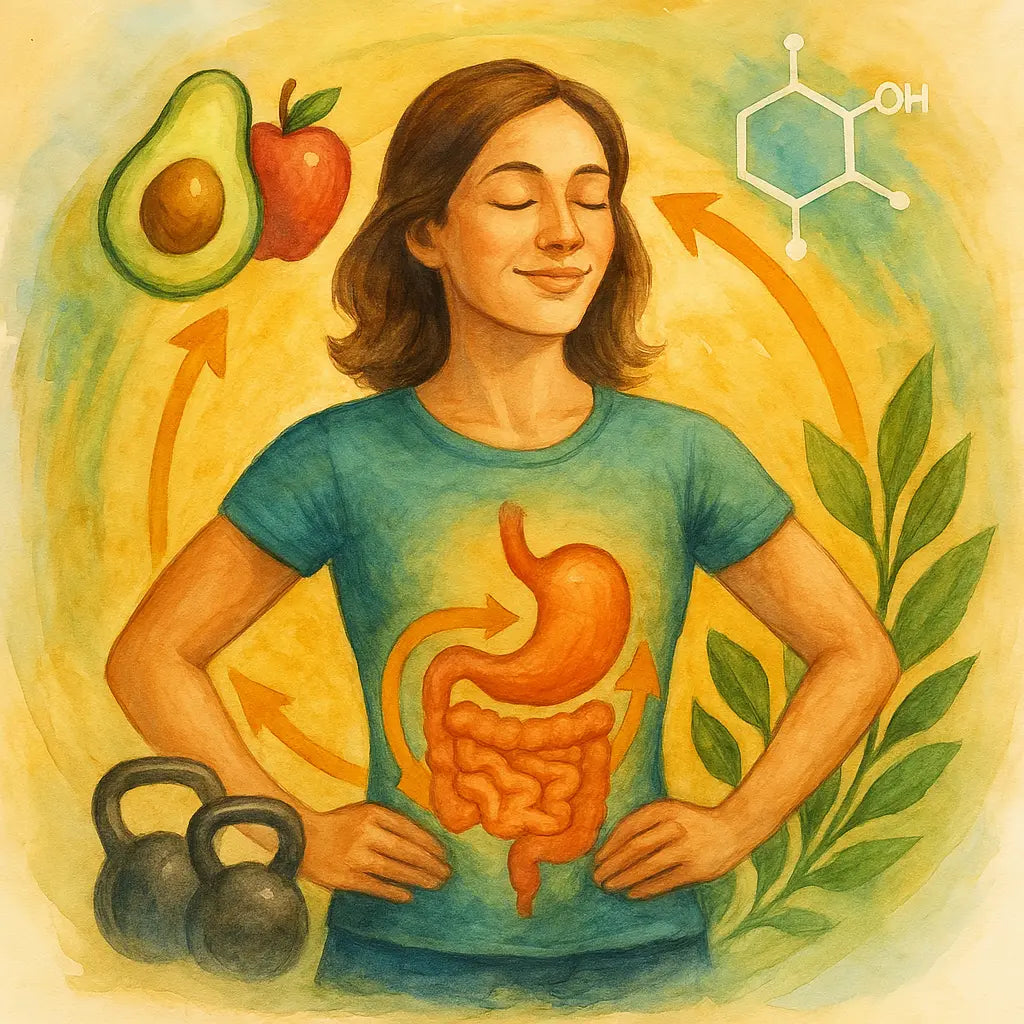
7. Pillars of Lifestyle: The Indispensable Foundation
To reiterate the absolute necessity of a solid foundation of:
- ✓ Strategic Nutrition: Low in processed carbohydrates, high in fiber, healthy fats and adequate proteins.
- ✓ Smart Physical Activity: Combination of aerobic and strength training.
- ✓ Stress Management: Stress reduction techniques.
- ✓ Sleep Optimization: Prioritize quality rest.