Advanced Protocol for Postherpetic Neuralgia (PHN)
An integrative guide to nerve repair, pain management, and functional recovery.
Protocol Index
- 1. What is Postherpetic Neuralgia (PHN)?
- 2. The Cause of NPH
- 3. Common Symptoms
- 4. Importance of an Integrated Protocol
- 5. List of Main Supplements
- 6. Protocol Synergy: How Do They Work as a Team?
- 7. Protocol Phases
- 8. Advanced Optional Supplements
- 9. Relapse Prevention
- 10. Anti-Neuralgia Diet
- 11. Lifestyle Recommendations
- 12. Warnings and Contraindications
1. What is Postherpetic Neuralgia (PHN)?
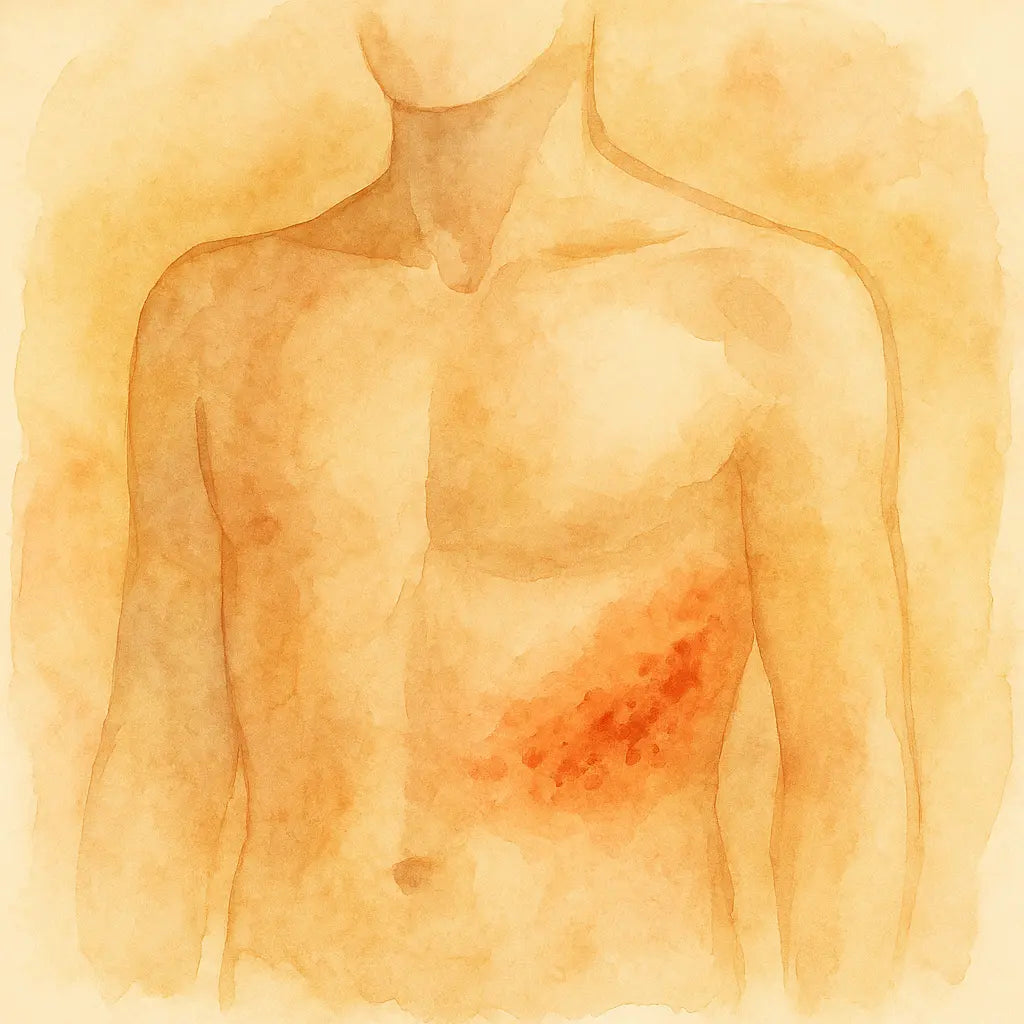
Postherpetic neuralgia (PHN) is a painful, chronic complication that can develop after an episode of shingles. Shingles is caused by the reactivation of the varicella-zoster virus, the same virus that causes chickenpox. While the rash and blisters of shingles usually clear up within a few weeks, PHN is characterized by persistent nerve pain that continues for months or even years in the area where the rash occurred. This pain is not muscular or superficial; it is neuropathic pain, meaning it originates from direct damage to the nerve fibers, which send exaggerated and chaotic pain signals to the brain.
2. The Cause of NPH
The underlying cause of postherpetic neuralgia (PHN) is the damage inflicted on peripheral nerves by the varicella-zoster virus during reactivation (shingles). When the virus travels from the nerve ganglia (where it lay dormant) to the skin, it causes intense inflammation along the nerve pathway. This inflammation can damage nerve fibers and their myelin sheath, a protective layer that enables the proper transmission of electrical impulses. As a result, the nerves become hypersensitive and dysfunctional. Instead of transmitting normal sensations, they begin sending spontaneous and disorganized pain signals to the brain, even in the absence of an actual painful stimulus. The risk of developing PHN increases significantly with age, presumably due to a reduced capacity for nerve repair and a weakened immune system.
3. Common Symptoms
The experience of postherpetic neuralgia (PHN) can vary, but the cardinal symptoms are localized to the area of skin affected by the previous shingles and may include:
- Burning, Stabbing, or Deep Pain: The most distinctive symptom. It is often described as a constant burning sensation, electric shocks, or a dull, persistent ache.
- Allodynia: Pain caused by a stimulus that is not normally painful. This can be as slight as the touch of clothing, a sheet, or a gentle breeze on the skin.
- Hyperalgesia: An exaggerated pain response to a mildly painful stimulus.
- Itching or Numbness: Abnormal sensations that can be as bothersome as pain itself.
- Extreme Sensitivity to Touch: The skin becomes unbearably sensitive.
4. Importance of an Integrated Protocol
Addressing post-hoc neuromuscular blockade (PHNB) with piecemeal solutions, such as taking a single supplement or pain reliever in isolation, is often insufficient. PHNB is a multifactorial condition involving nerve damage, chronic inflammation, mitochondrial dysfunction, and uncontrolled pain signaling. An integrated, synergistic protocol tackles the problem from all angles simultaneously. While one compound works to reduce inflammation, another helps rebuild the myelin sheath, a third enhances energy production in damaged nerve cells, and yet another modulates pain signals. This coordinated approach is crucial because nerve repair is a complex and energetically demanding process. Implementing a comprehensive protocol ensures that all necessary cofactors and nutrients are delivered at the right time, creating an optimal biological environment for recovery and maximizing the chances of significant and lasting relief.
5. List of Main Supplements (Ordered by importance)
This protocol is designed to provide intensive and multifaceted nutritional support, focused on nerve repair and pain modulation.
1. Multimineral Formula (Essential Minerals)
Support: Damaged nerves need a complete mineral base for repair and function. Minerals like magnesium are crucial for calming the nervous system, as they act as a natural blocker of NMDA receptors, which are overexcited in neuropathic pain and perpetuate the pain signal. Zinc and selenium are essential cofactors for endogenous antioxidant enzymes (such as superoxide dismutase and glutathione peroxidase), which protect nerves from oxidative stress caused by viral inflammation. Chromium and manganese support energy metabolism, vital for the repair process, while potassium is critical for maintaining the correct electrical gradient across the neuronal membrane, thereby stabilizing signal transmission and reducing ectopic discharges (spontaneous pain signals).
2. B Complex with Active Forms (B-Active)
Support: This is not your average B complex. The active forms (such as Methylcobalamin B12, Pyridoxal-5-Phosphate B6, and Methylfolate B9) are crucial because they don't require enzymatic conversion in the body, offering immediate bioavailability to nerve cells. Methylcobalamin (B12) is essential for the synthesis and maintenance of the myelin sheath, the protective layer of nerves whose damage is central to post-hospital neuromuscular blocking (PHN). It actively promotes the regeneration of nerve axons. Pyridoxal-5-Phosphate (B6) is an indispensable cofactor in the synthesis of key neurotransmitters such as GABA, serotonin, and dopamine, which help modulate and suppress pain signals centrally. Methylfolate (B9) works synergistically with B12 in the methylation cycle, a vital process for neuronal DNA repair and the reduction of homocysteine, a pro-inflammatory compound that can exacerbate nerve damage.
3. CoQ10 + PQQ
Support: Nerve repair is a process that consumes enormous amounts of cellular energy (ATP). Mitochondria, the "powerhouses" of cells, are often damaged or dysfunctional in affected nerves. Coenzyme Q10 is an essential component of the mitochondrial electron transport chain, the primary mechanism for ATP production. Supplementing with CoQ10 optimizes energy production, providing the "fuel" necessary for nerve regeneration. Pyrroloquinoline quinone (PQQ) works synergistically with CoQ10, not only improving the efficiency of existing mitochondria but also stimulating mitochondrial biogenesis (the creation of new mitochondria). This combination rejuvenates the energy capacity of neurons, protecting them from oxidative stress and giving them the ability to recover from damage.
4. Vitamin D3 + K2
Support: Vitamin D3 is a prohormone with potent neuroprotective and immunomodulatory effects. It works by reducing the production of pro-inflammatory cytokines that perpetuate pain and nerve damage in post-hospital neuromuscular blocking (PHN). Furthermore, vitamin D has been shown to modulate the perception of chronic pain at the level of the central nervous system. Vitamin K2 (in the form of MK-7) is included for its crucial synergy with D3. While D3 increases calcium absorption, K2 directs that calcium to the bones and prevents it from being deposited in soft tissues, such as nerves and arteries, where it could cause calcification and worsen damage. Together, they ensure an anti-inflammatory environment and proper mineral homeostasis, key to nerve health.
5. ALCAR (Acetyl-L-Carnitine) + ALA (Alpha-Lipoic Acid)
Support: This combination is a powerful duo specifically for neuropathic pain. ALCAR facilitates the transport of fatty acids into the mitochondria to be converted into energy, further enhancing neuronal energy function. More importantly, ALCAR has been shown to promote nerve fiber regeneration and increase nerve growth factor (NGF) levels. Alpha-Lipoic Acid (ALA) is a unique antioxidant because it is both water- and fat-soluble, allowing it to protect all parts of the nerve cell, including the cell membrane and aqueous interior, from free radical damage. ALA improves blood flow to the nerves and significantly reduces neuropathic pain symptoms, such as burning and stabbing, by combating oxidative stress directly at the site of damage.
6. Pain Support (Palmitoylethanolamide = PEA)
Background: PEA is an endocannabinoid-like fatty acid amide that the body naturally produces to resolve inflammation and pain. In chronic pain conditions such as post-Pharmaceutical Neuralgia (PPN), endogenous PEA levels may be insufficient. PEA supplementation acts on non-neuronal cells of the nervous system, such as mast cells and microglia, which are in a state of overactivation in PPN and release pro-inflammatory substances that sensitize neurons. PEA calms these cells, reducing neuroinflammation at its source. This mechanism, known as Autacoid Local Injury Antagonism (ALIA), reduces nerve hypersensitivity and provides significant analgesic and anti-inflammatory relief without the side effects of conventional painkillers.
6. Protocol Synergy: How Do They Work as a Team?
Imagine your nervous system is a city whose power grid has been damaged by a storm (the virus). Sending just one technician (one supplement) isn't enough. This protocol deploys a complete and coordinated team:
- The Foundation Team (Essential Minerals and B-Active Vitamins): They are the engineers and builders. They provide the "bricks and mortar" (minerals) and the "power tools" (active B vitamins) to repair the damaged wires (nerves) and rebuild their insulation (myelin sheath). Without this foundation, no repair is possible.
- The Power Plant (CoQ10 + PQQ): This duo is responsible for restoring power to the entire city. They restart and build new power plants (mitochondria) so that repair teams have all the power they need to work tirelessly.
- The Protective Shield (D3+K2 and ALCAR+ALA): This is the damage control and safety equipment. D3 quells residual inflammation (the post-storm "fire"), while ALCAR and ALA act as an antioxidant shield, neutralizing the "sparks" (free radicals) that continue to cause damage, while also improving the fuel supply (ALCAR) to repair crews.
- The Peace Mediator (PEA): This is the negotiation team that calms the alarmed population (hyperactive immune cells such as microglia). The PEA tells them that the crisis is under control, preventing them from continuing to send panic signals (neuroinflammation) that further overload the system.
Taken together, this equipment not only repairs existing damage, but also optimizes the environment to prevent future "short circuits", reduces false alarms (pain), and restores normal, calm function to the nervous network.
7. Protocol Phases
The protocol is divided into three phases to allow for gradual adaptation of the body and maximize effectiveness. The minimum total duration is 4 to 6 months, which may be extended depending on the chronicity and severity of the case.
Phase 1: Adaptation and Initial Load (Duration: 3 days)
Objective: To saturate the system with essential nutrients, calm initial hyperexcitability, and prepare cells for intensive repair. Supplements are introduced gradually.
-
Morning (on an empty stomach, 30 minutes before breakfast):
- Alcar + Ala: 1 capsule (if there is gastric discomfort, accompany with a piece of fruit or plenty of water)
-
Tomorrow (with lunch and breakfast):
- Essential Minerals: 1 capsule
- B-Active: 1 capsule
- CoQ10 + PQQ: 1 capsule
-
Midday (with lunch):
- Essential Minerals: 1 capsule
- B-Active: 1 capsule
- CoQ10 + PQQ: 1 capsule
- Night (Before going to sleep):
-
- Pain Support: 1 capsule (PEA helps control nighttime pain and improve sleep quality).
Phase 2: Nerve Attack and Repair (Duration: 3 to 5 months)
Objective: Full therapeutic doses to boost myelin regeneration, optimize mitochondrial energy, dramatically reduce neuroinflammation, and modulate pain signals.
-
Morning (on an empty stomach, 30 minutes before breakfast):
- Alcar + Ala: 2 capsules
-
Tomorrow (with lunch and breakfast):
- B-Active: 2 capsules
- CoQ10 + PQQ: 1 capsule
-
Midday (with lunch):
- Essential Minerals: 3 capsules
- CoQ10 + PQQ: 2 capsules
- Night (Before going to sleep, on an empty stomach):
-
- Pain Support: 2 capsules (PEA helps control nighttime pain and improve sleep quality)
- ALCAR + ALA: 1 capsule
Phase 3: Maintenance and Prevention (Duration: Indefinite)
Objective: Once a significant and stable reduction in pain has been achieved (ideally a reduction of 80% or more), doses are reduced to maintain nerve health, prevent relapses, and consolidate recovery.
-
Morning (on an empty stomach, 30 minutes before breakfast):
- Alcar + Ala: 1 capsule
-
Tomorrow (with lunch and breakfast):
- B-Active: 2 capsules
- CoQ10 + PQQ: 1 capsule
-
Midday (with lunch):
- Essential Minerals: 3 capsules
- CoQ10 + PQQ: 1 capsule
- Night (Before going to sleep, on an empty stomach):
-
- Pain Support: 1 capsule (PEA helps control nighttime pain and improve sleep quality)
8. Advanced Optional Supplements
To enhance results or in particularly resistant cases:
- Magnesium (Threonate or Glycinate Form): An additional dose of 400-600 mg before bed can dramatically improve muscle and nerve relaxation, calm the nervous system, and enhance the quality of restful sleep.
- Fish Oil (High in EPA/DHA): 2-4 grams daily. Omega-3 fatty acids are structural components of neuronal membranes and have potent anti-inflammatory properties that complement the action of EPA and D3.
- Highly Absorbable Curcumin (Meriva, BCM-95): 500-1000 mg twice daily. Curcumin is a powerful natural anti-inflammatory that inhibits multiple inflammatory pathways (NF-κB, COX-2) involved in neuropathic pain.
- Gotu Kola (Centella asiatica): Standardized extract. This herb has been shown in studies to promote nerve regeneration and axon branching, working synergistically with ALCAR and the B complex.
9. Relapse Prevention
Once the acute phase has passed, the goal is to maintain a resilient nervous system. Post-hospital nephropathy (PHN) is a sign that the nervous and immune systems have been under extreme stress. Prevention focuses on strengthening both systems.
- Maintaining the Maintenance Phase: Continuing with Phase 3 of the long-term supplementation protocol is the first line of defense to ensure that the nerves remain nourished and protected.
- Immunological Surveillance: The varicella-zoster virus remains dormant. Maintaining a strong immune system is key. This includes optimal levels of Vitamin D3, Zinc, and Selenium (covered in the protocol), in addition to a diet rich in antioxidants.
- Proactive Stress Management: Chronic stress (physical or emotional) is a known trigger for viral reactivation. Implementing stress management techniques (see Lifestyle section) is not optional; it is an active prevention strategy.
- Avoid Arginine, Boost Lysine: The amino acid arginine can promote herpes virus replication. It is found in high amounts in nuts (especially almonds), chocolate, oats, and some seeds. The goal is not to eliminate them completely, but rather to avoid overindulging, especially during periods of stress. Conversely, the amino acid lysine competes with arginine and can help suppress viral replication. It is found in lean meats, fish, cheese, and legumes. Considering L-lysine supplementation (1000 mg/day) during periods of high stress may be a useful preventative strategy.
10. Anti-Neuralgia Diet
Nutrition is a fundamental therapeutic tool. The goal is to reduce systemic inflammation and provide the building blocks for nerve repair.
Fundamental Principles:
- Maximum Anti-Inflammation: The central focus of the diet. Eliminate or drastically reduce pro-inflammatory agents.
- Nutritional Density: Each calorie should provide vitamins, minerals, and phytonutrients.
- Blood Sugar Stabilization: Glucose and insulin spikes are highly inflammatory and damaging to the nerves.
Foods to Prioritize:
- Fatty Coldwater Fish: Wild salmon, sardines, mackerel, herring. These are the best source of Omega-3 fatty acids (EPA/DHA), which reduce inflammation and are components of neuronal cell membranes. Consume at least 3 times per week.
- Dark Green Leafy Vegetables: Spinach, kale, chard. Rich in magnesium, folate, and antioxidants that protect the nerves.
- Cruciferous vegetables: Broccoli, cauliflower, Brussels sprouts. They contain sulforaphane, a compound that activates the body's antioxidant defenses.
- Red Fruits and Berries: Blueberries, strawberries, raspberries, blackberries. Low in sugar and packed with anthocyanins, powerful antioxidants that can cross the blood-brain barrier and protect nerve tissue.
- Healthy Fats: Avocado, extra virgin olive oil, olives. They provide anti-inflammatory monounsaturated fats and vitamin E.
- Therapeutic Spices and Herbs: Turmeric (combined with black pepper for absorption), ginger, rosemary, and garlic. They have documented analgesic and anti-inflammatory effects. Use liberally in cooking.
- High-Quality Proteins: Pasture-raised eggs, organic poultry, grass-fed meats (in moderation). They provide essential amino acids and vitamin B12 for repair.
Foods to Strictly Eliminate:
- Sugars and Refined Flours: White bread, pasta, cookies, pastries, sweets, soft drinks, fruit juices. These are the biggest contributors to inflammation and oxidative stress.
- Processed Vegetable Oils: Soybean, corn, sunflower, and canola oils. These are extremely high in pro-inflammatory Omega-6 fatty acids and are often oxidized. Cook with coconut oil, ghee, or olive oil (at low temperatures).
- Processed and Ultra-processed Foods: Prepared meals, fast food, packaged snacks. They contain additives, trans fats, and preservatives that increase the toxic and inflammatory load.
- Conventional Dairy and Gluten (Consider Elimination): For many people, casein (from dairy) and gluten (from wheat, barley, rye) can act as inflammatory triggers. A strict 30-60 day elimination is recommended to assess individual response.
11. Lifestyle Recommendations
Lifestyle is not an add-on; it is the foundation upon which the supplementation protocol and diet can work effectively.
1. Rest and Restful Sleep
Sleep is the most important time for nerve repair and reducing brain inflammation. Lack of sleep amplifies the perception of pain.
- Absolute Sleep Hygiene: Sleep in total darkness, at a cool temperature. Eliminate all screens (TV, cell phone, tablet) at least 90 minutes before bedtime. Blue light suppresses melatonin.
- Regular Schedule: Going to bed and waking up at the same time every day, including weekends, to regulate your circadian rhythm.
- Nighttime Relaxation Techniques: Take a warm bath with Epsom salts (rich in magnesium), read a physical book, listen to relaxing music, or do a guided meditation.
2. Conscious Stress Management
Chronic stress keeps the nervous system in a "fight or flight" state (sympathetic dominance), which hinders healing and increases the perception of pain. The goal is to activate the "rest and repair" system (parasympathetic).
- Diaphragmatic Breathing: Practice for 5-10 minutes, several times a day. Inhale slowly through your nose for 4 seconds, feeling your abdomen expand, and exhale slowly through your mouth for 6-8 seconds. This technique directly activates the vagus nerve and the parasympathetic nervous system.
- Mindfulness or Meditation: Apps like Calm or Headspace can guide daily practices. Mindfulness has been shown to reduce the perception of chronic pain by changing the mind's relationship with the painful sensation.
- Contact with Nature (Earthing/Grounding): Spending time in nature, walking barefoot on grass or sand. There is emerging evidence that direct contact with the earth can reduce inflammation and pain.
3. Adapted and Intelligent Physical Activity
Although pain can limit movement, complete inactivity worsens stiffness and pain. Gentle, mindful movement is crucial.
- Gentle, Low-Impact Movement: Walking, swimming in warm water, Tai Chi, or Qigong are excellent options. They improve blood flow to the nerves, release endorphins (natural painkillers), and reduce stiffness.
- Very Gentle Stretching: Perform gentle, sustained stretches in unaffected areas to avoid compensatory stiffness. Never force the painful area.
- Listen to your body: The golden rule is to avoid any activity that triggers a sharp increase in the pain characteristic of post-Phantom Pain Syndrome (PPS). The goal is to finish the session feeling slightly better, not worse. Start with very short sessions (5-10 minutes) and gradually increase the duration.
4. Topical and Physical Therapies
They can offer significant localized relief without systemic effects.
- Cold or Heat Applications: Some people respond better to cold (which can numb the area) and others to heat (which can relax the surrounding muscles). Experiment with cold or warm compresses (always protected by a towel) for 15 minutes.
- Capsaicin or Lidocaine Creams: Capsaicin can, over time, desensitize nerve endings. Lidocaine provides a local anesthetic effect. Use as directed on the product label.
- Acupuncture or TENS (Transcutaneous Electrical Nerve Stimulation): Acupuncture can help modulate pain pathways and release endorphins. TENS units use low-voltage electrical currents to interfere with pain signals.
12. Warnings and Contraindications
-
Drug Interactions:
- Vitamin K2: May interfere with anticoagulant medications such as warfarin. Monitoring of coagulation levels is essential if both are used.
- B complex: High doses of vitamin B6 can, in rare cases, cause peripheral neuropathy. This protocol uses the P-5-P form, which is safer, but it is important not to exceed the recommended doses.
- ALCAR: May enhance the effect of anticoagulants.
-
Preexisting Conditions:
- Kidney Function: People with kidney disease should be cautious with mineral supplementation, especially magnesium and potassium, and do so under strict supervision.
-
Individual Reactions:
- Alpha-Lipoic Acid (ALA): May cause gastrointestinal discomfort in some people. Taking it with food may lessen this effect. It may also lower blood sugar levels, so diabetics should monitor their glucose closely.
- Gradual Start: The Adaptation Phase is designed to minimize potential digestive discomfort when introducing new supplements. If any discomfort occurs, return to the previous dosage for a few days before attempting to increase it again.
- Pregnancy and Breastfeeding: This protocol has not been evaluated for use during pregnancy or breastfeeding.
The philosophy behind our protocols
In a world where health has become increasingly fragmented, delegated, and depersonalized, we developed these Protocols with a clear purpose: to empower you to take control of your well-being with knowledge, confidence, and autonomy.
Our protocols are not simply lists of supplements, but comprehensive tools designed to help you understand the purpose of each compound, how it works in your body, and what you can expect at each stage of the process. They combine up-to-date science, natural strategies, and a deep understanding of how the human body functions.
We believe everyone deserves access to clear, reliable, and powerful information. That's why we designed each protocol as a practical guide that allows you to move from confusion to action. It's not just about "treating symptoms," but about supporting you through a real process of transformation, recovery, and empowerment.
When you understand what you are doing and why you are doing it, health ceases to be a mystery and becomes a tool at the service of your life.
That is our goal: for you to feel again that your body belongs to you, that you have options and that you can positively influence your health, every day.
Copyright and Credits
Protocol developed by: Clinical Research Team of Nootropics Peru
© 2025 Nootropics Peru. All rights reserved.
It is permitted:
✓ Total reproduction without express written authorization
It is prohibited:
✓ Partial reproduction without express written authorization
✓ The modification, adaptation or creation of derivative works
✓ Any commercial use or mass distribution
Authorized use:
This protocol is intended for:
• Anyone who wants to take control of their health and well-being
• Healthcare professionals for clinical application
Contact for collaborations:
+51-915122380 (only via WhatsApp)
Important notice:
The information presented reflects the knowledge available up to the date of publication (2025) and is subject to periodic updates.
Updated: 05/08/2025