
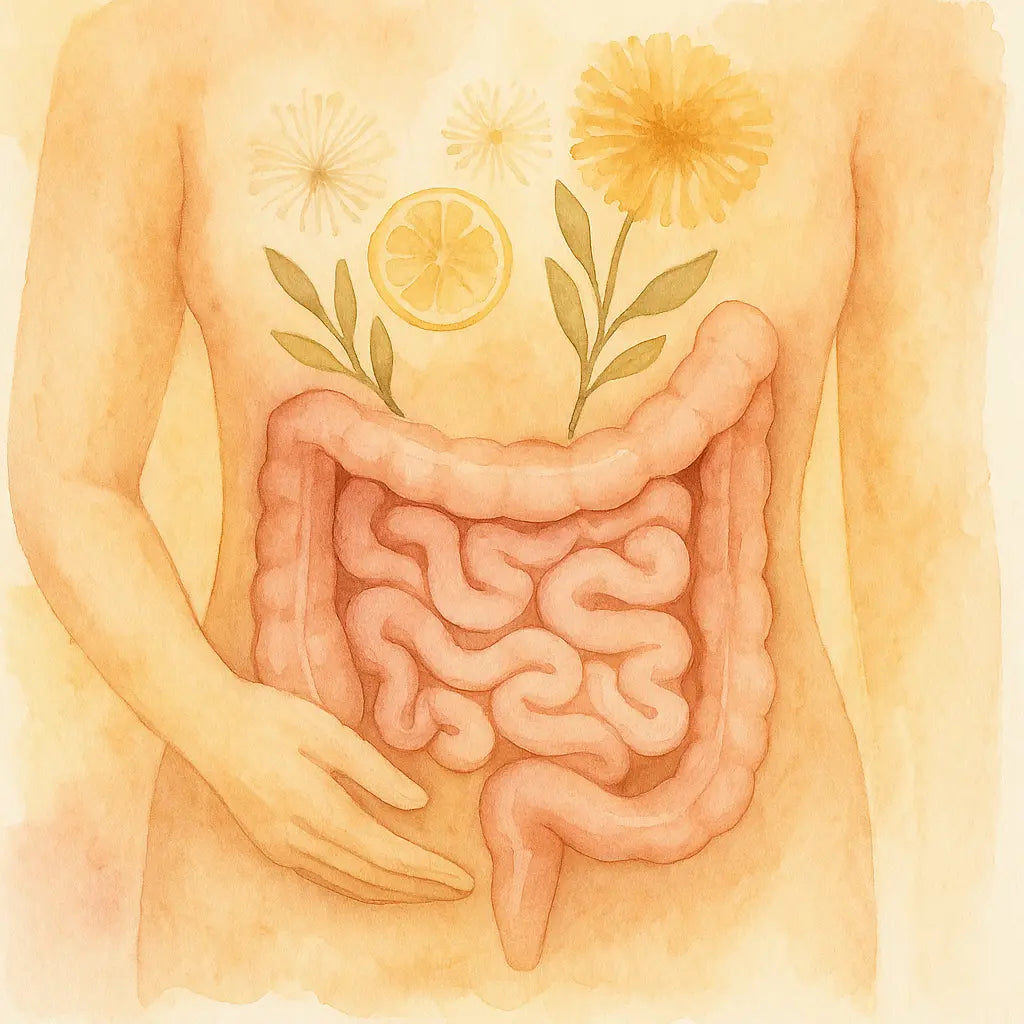
Comprehensive Protocol for Intestinal Health
Based on the teachings of Dr. Sarah Myhill
Protocol Index
- Introduction: The Central Problem - The Fermenting Upper Intestine (FUG)
- Phase 1: Diagnosis and Understanding of Symptoms
- Phase 2: The Dietary Protocol - Starving the Microbes
- Phase 3: Active Microbe Elimination - Key Supplementation
- Phase 4: Nutrition and Reconstruction - Recommended Foods
- Additional Detoxification Protocols
- Critical Considerations and Hazards to Avoid
- Long-Term Maintenance and Lifestyle
1. Introduction: The Central Problem - The Fermenting Upper Intestine (FUG)
Dr. Myhill posits that the root of many modern chronic diseases lies not in isolated organs, but in a dysfunctional digestive system. The central problem is the Fermenting Upper Gut (FUG) . Evolutionarily, the first 7-8 meters of our intestine (duodenum, jejunum, ileum) should be virtually sterile, similar to that of a carnivore, to allow for efficient nutrient absorption.
The modern Western diet, rich in sugars, refined carbohydrates, and ultra-processed foods, has turned this sterile zone into a "bioreactor" or "composter." The microbes (yeasts, bacteria) that should reside in the colon migrate and colonize the small intestine, where they find a feast of sugars and carbohydrates. This triggers a fermentation process that is a "metabolic disaster" with multiple consequences:
- Toxin Production: Fermentation generates toxic byproducts such as ethanol (alcohol), D-lactate, and hydrogen sulfide, which overload the liver and impair brain function.
- Inflammation and Intestinal Permeability (Leaky Gut): Microbes and their toxins inflame the delicate intestinal wall, creating "holes" that allow toxins, microbes, and undigested food particles to pass into the bloodstream.
- Nutrient Theft: Invading microbes consume vitamins and minerals from food before the body can absorb them, leading to nutritional deficiencies even with a seemingly healthy diet.
2. Phase 1: Diagnosis and Understanding of Symptoms
Identifying a UFG is based on a set of characteristic symptoms, both local and systemic.
Direct (Local) Digestive Symptoms
- Bloating and Gas: The most common symptom, a direct result of fermentation.
- Heartburn and Reflux: Gas pressure pushes stomach contents into the esophagus.
- Hiatal Hernia and Regurgitation: Caused by constant intra-abdominal pressure.
- Chronic nighttime cough: Often caused by silent reflux during sleep.
- Bowel sounds (Borborygmi): A "noisy" bowel is a sign of active fermentation.
- Constipation or slow transit: General dysfunction of the system affects motility.
Systemic Symptoms (Consequences of UFG and Leaky Gut)
- Chronic Fatigue and "Brain Fog": Caused by toxic overload on the liver (which consumes huge amounts of energy to detoxify) and the direct impact of toxins on the brain.
- Muscle and Joint Pain (Arthritis): Systemic inflammation generated in the intestine manifests throughout the body.
- Skin Problems: Eczema, psoriasis, acne, and rosacea are often external manifestations of internal inflammation.
- Autoimmune Conditions: Leaky gut is a key factor in the development of autoimmune diseases, as the immune system reacts to toxins and particles that cross the intestinal barrier.
The Key Physical Indicator: The Apple-Shaped Body
The accumulation of visceral fat (around the abdomen) is a strong visual sign of a UFG. The immune system, which is overactive in the intestinal area due to leaky gut, "traps" the fat in that area as part of the inflammatory response. It's a sign that the body is in a constant state of metabolic struggle.
3. Phase 2: The Dietary Protocol - Starving the Microbes
This is the cornerstone of the treatment. You can't eliminate the invaders if you keep feeding them. The goal is to deprive the microbes of their fuel: sugars and carbohydrates.
The Fundamental Principle: Induce Ketosis
Nutritional ketosis is the metabolic state in which the body, in the absence of glucose, begins to use fat as its primary energy source, producing ketones. Being in ketosis is the definitive proof that there are no sugars available to fuel fermentation in the upper intestine.
- Recommended Diet: The most effective and fastest approach is a strict carnivore diet or a very low-carb paleo-ketogenic diet . This includes meat, fish, eggs, and animal fats.
- Additional Benefits: This diet is not only extremely low in carbohydrates, but it also naturally eliminates the most common allergens that perpetuate intestinal inflammation: gluten, dairy, yeast, and legumes.
- Monitoring: Urine test strips or, ideally, a blood ketone meter can be used to confirm the state of ketosis.
4. Phase 3: Active Microbe Elimination - Key Supplementation
Alongside the diet, three inexpensive and effective supplements are used to actively kill pathogenic microbes in the upper intestine.
1. Vitamin C (Ascorbic Acid)
- Dosage: 5 grams per day, dissolved in water and drunk throughout the day.
- Mechanism: It acts as an antimicrobial agent by direct contact in the upper digestive tract.
- Additional Benefits: A powerful antioxidant, essential for immune function and cardiovascular health. Humans cannot produce it, so supplementation is key.
2. Iodine (Lugol's solution 15%)
- Dosage: 2-3 drops in water at night.
- Mechanism: An extremely potent broad-spectrum antimicrobial that kills bacteria, viruses, fungi, and parasites on contact, without generating resistance.
- Additional Benefits: Crucial for thyroid function, mental health, and detoxification of heavy metals such as mercury and lead. It does not harm the colon microbiome.
3. MSM (Methylsulfonylmethane - Organic Sulfur)
- Dosage: 10 grams daily during a 3-month detoxification phase. Half a teaspoon daily for maintenance.
-
Dual Mechanism:
- It kills microbes in the aerobic environment of the upper intestine.
- It acts as a selective prebiotic , feeding beneficial bacteria in the anaerobic environment of the colon.
- Additional Benefits: Sulfur is vital for liver detoxification and the integrity of connective tissue (skin, joints).
5. Phase 4: Nutrition and Reconstruction - Recommended Foods
Once the gut is clean, it is crucial to nourish the body with nutrient-dense, easily digestible foods.
- Organ meats (liver, kidneys, heart): These are nature's multivitamins, incredibly rich in vitamins B, A, D, K2, iron, and CoQ10. They are economical and highly nutritious.
- Fatty fish (sardines, mackerel, salmon): Excellent sources of Omega-3, which is highly anti-inflammatory. Canned options are convenient and affordable.
- Eggs: An almost perfect source of protein and nutrients, especially the yolk.
- Budget-friendly cuts of meat: Nutritionally, they're just as good as the more expensive cuts. Slow cooking makes them delicious.
- "The Crunchy Factor": For those who tolerate some vegetables, low-carb options such as bell peppers, lettuce, arugula, celery, and raw cabbage can add texture and micronutrients.
- PK Bread (Paleo-Ketogenic): Dr. Myhill has a flaxseed-based recipe for those who miss the texture of bread, without the carbs or gluten.
6. Additional Detoxification Protocols
UFG overloads the detoxification system. Supporting the body in eliminating accumulated toxins is an advanced and beneficial step.
For Pesticides and Volatile Organic Compounds (VOCs)
These toxins are stored in subcutaneous fat. "Warming Regimens" help mobilize them towards the skin for elimination.
- Saunas: Especially infrared ones.
- Epsom Salt Baths: Provide magnesium and sulfates.
- Intense Exercise: Generates internal heat.
- Sun Exposure: In a safe and controlled manner.
The mechanism involves heating the fat, causing the toxins to diffuse into the lipid layer of the skin, from where they can be washed away.
For Heavy Metals
These require chelating agents to bind to them so they can be excreted in the urine. This is an advanced process that must be monitored. Dr. Myhill is researching MSM for its chelating potential.
7. Critical Considerations and Hazards to Avoid
- Glyphosate: Dr. Myhill considers it the most dangerous chemical for the microbiome, capable of eliminating up to 54% of gut bacteria. It is found in non-organic foods, especially grains and legumes. Prioritizing organic foods is essential.
- Fiber: Contrary to popular belief, adding fiber to a fermenting gut is like "pouring gasoline on a fire." Fiber feeds the microbes and will worsen bloating and fermentation.
- Kefir and Probiotics: Introducing milk kefir (a common allergen) or probiotics before cleansing the UFG is ineffective and counterproductive. Most will be destroyed by stomach acid, and those that survive can further disrupt an already unbalanced ecosystem.
- Apple Cider Vinegar: It may help some people improve heartburn, but it may worsen symptoms in people with yeast sensitivity.
8. Long-Term Maintenance and Lifestyle
After a strict period (which can last from weeks to months, depending on the severity), the goal is to maintain a sterile upper intestine.
- Food Reintroduction: If desired, foods (such as low-carb vegetables or berries) can be reintroduced one at a time, carefully observing for any return of symptoms.
- Sustainable Lifestyle: For many people, a permanently low-carb lifestyle is the key to lasting health.
- Simplicity: Dr. Myhill advocates for routines that are simple, easy, and sustainable over time. Health shouldn't be complicated.