-
 ⚡️ Reduced Price ⚡️ Take advantage ⚡️ Reduced Price ⚡️ Take advantage
 -


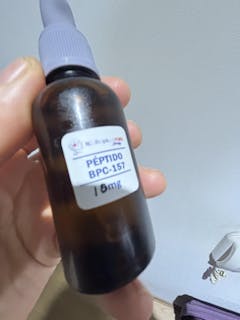
BPC-157 Peptide (Arginine Salts) ► 10mg
BPC-157 Peptide (Arginine Salts) ► 10mg
Couldn't load pickup availability
Share
The peptide BPC-157 (Body Protection Compound-157) is a 15-amino-acid sequence derived from a human gastric protective protein, presented here as an arginine salt for greater stability. This peptide has been investigated for its ability to support natural tissue repair processes, promote connective tissue integrity, and contribute to the maintenance of gastrointestinal function. Its role in supporting the recovery of soft tissues, tendons, and ligaments has been explored, as well as its potential to support physiological angiogenesis and vascular homeostasis.
BPC-157: The Revolutionary Peptide for Accelerated Tissue Healing
In today's world, where chronic injuries, gastrointestinal problems, and neurological sequelae limit the quality of life for millions, there is a growing need for innovative approaches that enhance the body's natural regeneration. BPC-157, a synthetic compound derived from human gastric proteins, is emerging as a promising tool for accelerating tissue repair, reducing inflammation, and improving blood flow in various conditions. Although its use is currently limited to research settings, its potential to support recovery in athletes, patients with bowel disorders, or those with nerve damage is generating increasing interest. This article will explore its mechanisms of action, the benefits supported by studies in animal models, the inherent risks due to the scarcity of human data, dosage options and administration methods, as well as practical considerations for safe and effective integration. Readers will gain a clear and balanced perspective to assess whether this peptide could complement existing therapeutic strategies for optimizing tissue health and functional recovery.
What is BPC-157 and how did it originate?
BPC-157, or Body Protection Compound 157, is a synthetic peptide composed of a sequence of 15 specific amino acids. This structure distinguishes it from other similar compounds, as it mimics a portion of the proteins present in human gastric juice, giving it remarkable resistance to the stomach's acidic environment. Unlike many peptides that degrade rapidly in the digestive tract, this characteristic allows for oral administration without loss of efficacy, opening the door to more accessible delivery methods.
Chemical Characteristics and Stability
Its chemical formula, represented as a linear chain of amino acids, includes residues such as glycine, glutamate, and proline, which contribute to its stability and bioavailability. In laboratory settings, BPC-157 has been observed to maintain its structural integrity even under low pH conditions, making it ideal for gastrointestinal applications. This stability not only facilitates its synthesis in research laboratories but also minimizes the need for complex formulations, potentially reducing costs in experimental protocols. Furthermore, its compact molecular size allows for rapid diffusion into tissues, accelerating its interaction with target cells such as fibroblasts and endothelial cells.
Historical Context and Development
Initially discovered in studies on gastric protection, BPC-157 emerged from research focused on endogenous compounds that protect the intestinal lining against damage induced by stress or drugs. In subsequent years, its spectrum of action expanded through experiments that revealed its ability to modulate repair processes in multiple organ systems. Today, although it lacks regulatory approval for clinical use in humans, its exploration in preclinical models has generated a body of data that underscores its multifaceted role in the biology of healing. This evolution reflects a paradigm in biotechnology, where peptides derived from natural sources are being adapted to enhance endogenous recovery mechanisms.
Mechanisms of Action: The Scientific Basis of Regeneration
BPC-157 exerts its effects through an interconnected network of biochemical pathways that promote angiogenesis, collagen synthesis, and inflammatory modulation. These processes not only accelerate the delivery of nutrients to damaged areas but also stabilize the extracellular matrix, which is essential for long-term tissue integrity.
Stimulation of Blood Flow and Nitric Oxide
One of the cornerstones of its action lies in the increased synthesis of nitric oxide (NO), a signaling molecule that acts as a natural vasodilator. As NO levels rise, vascular smooth muscles relax, widening the diameter of blood vessels and improving tissue perfusion. This vascular dilation also prevents excessive platelet aggregation, reducing the risk of thrombosis in inflamed areas. In ischemic contexts, where oxygen supply is deficient, this mechanism ensures optimal oxygenation, promoting cell survival and the proliferation of endothelial precursors.
Promotion of Angiogenesis through VEGF
Angiogenesis, or the formation of new blood vessels, is enhanced through the upregulation of vascular endothelial growth factor (VEGF), a key protein in vasculogenesis. BPC-157 stimulates VEGF expression in endothelial cells, initiating the germination of capillaries from pre-existing vessels. This process is particularly valuable in avascular tissues such as tendons and ligaments, where natural healing is slow due to poor vascularization. By recruiting progenitor cells and stabilizing the new vessels, the peptide not only restores blood flow but also creates a favorable microenvironment for fibroblast migration and extracellular matrix deposition.
Tissue Repair and Growth Hormone Receptors
At the cellular level, BPC-157 increases the expression of growth hormone (GH) receptors in fibroblasts, cells specialized in the production of collagen and elastin. This sensitization to endogenous GH amplifies the proliferation and differentiation of these cells, accelerating the rebuilding of connective tissues. Furthermore, it modulates inflammation by inhibiting pro-inflammatory cytokines and promoting anti-inflammatory factors, preventing collateral damage to healthy tissue during the acute phase of injury. These synergistic mechanisms make BPC-157 a catalyst for tissue homeostasis, restoring not only structure but also function.
Benefits in Musculoskeletal Healing: Evidence from Experimental Models
The application of BPC-157 in musculoskeletal injuries is notable for its ability to target tissues with low blood flow, where conventional therapies often fail. Studies in rodents have consistently demonstrated accelerated repair, with an emphasis on restored functionality.
Tendon and Ligament Repair
In rat experiments, administration of BPC-157 following complete ruptures of the Achilles tendon resulted in comprehensive healing, with realignment of collagen fibers and recovery of tensile strength. Similarly, in medial collateral ligament injury models, topical, oral, and injectable forms promoted regeneration, reducing recovery time compared to untreated controls. Another study showed that tendons detached from the bone spontaneously reattached, with formation of new bone and tendon tissue. These findings suggest that the peptide not only repairs ruptures but also strengthens the bone-tendon interface, preventing recurrence.
Muscle and Bone Healing
For muscle injuries, local injections into quadriceps lacerations allowed for healing without adhesions, preserving mobility. In calf muscle crush injuries, combinations of injections and topical applications accelerated hematoma resolution and restoration of contractility. In rabbits with bone defects, BPC-157 stimulated osteogenesis, filling gaps with mature trabecular bone. These effects, observed over durations of weeks, indicate a role in modulating the healing cascade, from the inflammatory phase to remodeling.
Implications for Athletes and Rehabilitation
Although limited to animal models, these results suggest potential for reducing downtime in high-impact sports, where chronic tendinopathies are common. The ability to treat multiple tissues simultaneously could optimize rehabilitation protocols, integrating with physical therapy to maximize functional gains.
Impacts on Gastrointestinal Health: Intestinal Protection and Repair
Given its gastric origin, BPC-157 exhibits a particular affinity for the digestive tract, where it counteracts damage induced by inflammation or drugs.
Relief from Ulcers and Inflammatory Diseases
In rats with induced ulcers, the peptide reduced lesion size and promoted re-epithelialization, restoring the mucosal barrier. In simulated ulcerative colitis, it improved intestinal integrity, decreasing permeability and the excessive immune response. In post-surgical anastomoses, it accelerated healing, preventing leaks and abscesses. These effects are attributed to cytoprotective properties, which shield epithelial cells against toxins and free radicals.
Drug Harm Protection
Studies have highlighted its antagonism to lesions caused by nonsteroidal anti-inflammatory drugs (NSAIDs), such as ibuprofen, maintaining gastric integrity despite high doses. In intestinal ischemia, it restored blood flow and limited tissue necrosis. For conditions such as irritable bowel syndrome or dysbiosis, although not directly studied, a benefit is inferred via stabilization of the microbiota-immune axis.
Potential in Chronic Digestive Disorders
Acid resistance allows for prolonged local action, making BPC-157 an exploratory option for patients with Crohn's disease or refractory ulcers, where conventional healing is challenging.
Neurological and Nervous System Effects: Beyond the Muscular
The versatility of BPC-157 extends to the nervous system, where it modulates post-injury recovery and balances neurotransmitters.
Recovery from Brain and Nerve Injuries
In rat models of ischemic stroke, it limited the infarct area and facilitated complete neurological recovery, as assessed by motor and sensory tests. For traumatic brain injury, it improved survival and neurological scores, reducing edema and neuronal apoptosis. In severed sciatic nerves, it promoted axonal regeneration and remyelination, restoring nerve conduction. Similarly, in spinal cord injuries, it accelerated locomotor function and sensation.
Modulation of Mental Disorders
Via dopaminergic stabilization, it reduced schizophrenic symptoms in rats by sensitizing receptors and normalizing release. In induced depression, it attenuated anhedonic behaviors, possibly via the gut-brain axis by mitigating systemic inflammation. It regulated serotonin, offering balance in chronic stress. These findings suggest a role in neuroprotection, although this is preliminary.
Applications in Daily Brain Health
For conditions such as migraines or post-injury fatigue, the peptide could support neuronal resilience, integrating into cognitive well-being strategies.
Cardiovascular Benefits: An Emerging Support
Although less explored, BPC-157 shows promise in cardioprotection through its vascular effects.
Reduction of Ischemic Cardiac Damage
In simulated myocardial infarctions, it minimized myocardial necrosis and improved ventricular contractility. For heart failure, it increased the ejection fraction via anti-inflammatory drugs and nitric oxide (NO). These effects suggest a role in the prevention of post-infarction arrhythmias.
Integration in General Vascular Health
Its ability to stabilize atherosclerotic plaque could benefit patients at cardiovascular risk, although it requires further validation.
Risks and Security Considerations: A Cautious Approach
The lack of extensive human data imposes strict precautions, prioritizing screenings and limited uses.
Safety Profile in Animal Models
No toxic doses were identified, even at elevated levels for prolonged periods, with harmless metabolites. However, extrapolation to humans is uncertain.
Limitations in Human Studies
Three human trials reported no immediate adverse events: 10 mg intravesically for cystitis, 10–20 mg IV in healthy volunteers, and intra-articular injections in 16 patients with osteoarthritis. A planned oral trial (1–6 mg single dose, 3 mg three times daily for 2 weeks) was canceled without publication, leading to speculation. Small sample sizes and short follow-up periods limit the conclusions.
Oncological Risk due to Angiogenesis
VEGF upregulation raises theoretical concerns for tumors by enhancing their vascularization. Similarly, GH sensitization and reduced inflammation could evade immune surveillance. Recommendation: Contraindicated in active cancer, precancer, or a family history of cancer; complete screenings (colonoscopy, mammograms, PSA) should be performed before starting treatment.
Sourcing and Quality Problems
As a research product, risks of contaminants in injectable vials; prefer regulated sources when available.
Who Should Consider BPC-157? Ideal Profiles and Contraindications
Ideal for refractory chronic injuries in athletes or patients with severe gastrointestinal/neurological dysfunction, after exhausting standard options. Avoid in high-risk cancer patients or without medical evaluation. Short courses maximize benefits versus risks.
Management Methods: Choosing the Optimal Route
Available in oral, topical, subQ and IV, with variable bioavailabilities: IV 100%, subQ 35-50%, oral 20-35%, topical <10%.
Oral vs. Injectable: A Practical Comparison
Oral (arginate preferred) for gut issues, subcutaneous for systemic. Local injection is not superior to systemic due to rapid diffusion. Topical for superficial issues.
Dosage Guide: Safe Extrapolations
Based on animal studies, estimated human dosages: 200-500 mcg/day subcutaneously in divided doses, or 1-3 mg/day orally for 2-4 weeks. Start low, monitor; do not exceed prolonged courses.
Adjustments by Condition and Duration
For musculoskeletal: 250 mcg BID subcutaneously near the lesion. Gastrointestinal: 500 mcg orally TID. Neurological: 300 mcg subcutaneously daily. Cycles: 2-6 weeks, with breaks.
Monitoring and Adjustments
Evaluate response weekly; discontinue if no improvement. Combine with rehab for synergy.
In summary, BPC-157 represents an advance in regenerative peptides, with robust mechanisms in preclinical studies but risks that warrant caution. Its intended integration could transform recovery, always under professional guidance.
Advantages of Arginine Salts over Acetate Salts in BPC-157
The main and most compelling advantage of the arginine salt of BPC-157 over the acetate salt is its superior stability .
This increased stability manifests itself in several key advantages:
1. Stability at Room Temperature (Thermostability)
- Acetate Salt (Standard): This is the most common and traditional form of the peptide. It is notoriously fragile and susceptible to heat degradation. For this reason, it must be shipped and stored under a strict cold chain (refrigerated or frozen) to maintain its potency. Even at room temperature during shipping, it can begin to degrade.
- Arginine Salt (Arginate): This form has been specifically formulated to be much more temperature resistant. It can be shipped and stored in its freeze-dried (powder) form at room temperature for extended periods without significant loss of potency. This eliminates the need for a cold chain, greatly simplifying logistics and reducing the risk of receiving a degraded product.
Practical Advantage: Greater confidence in the potency of the product upon receipt and ease of storage before reconstitution.
2. Longer Shelf Life after Reconstituting
- Acetate Salt: Once reconstituted with bacteriostatic water, the acetate form is stable in the refrigerator for a limited time; it is generally recommended to use it within 2 to 4 weeks.
- Arginine Salt: Thanks to its greater intrinsic stability, the arginate form remains stable in solution for a much longer period, often cited as several months when kept refrigerated.
Practical Advantage: Less waste and greater flexibility to use the peptide for a longer period after preparation.
3. Superior Suitability for Oral Administration
- Acetate Salt: Although BPC-157 is inherently stable in gastric juice (from which it is originally derived), its acetate form may be more susceptible to degradation in the variable environment of the gastrointestinal tract.
- Arginine Salt: The improved stability of the arginine salt makes it the preferred and most effective form for oral administration (capsules or liquid). It is believed to survive passage through the digestive system more intact, allowing it to reach the intestine and exert its systemic and local effects in the gastrointestinal tract.
Practical Advantage: If the main goal is intestinal health or you prefer to avoid injections, arginine salt is the logical and superior choice.
4. Potential Synergistic Effect of Arginine
- Acetate Salt: Acetate is simply a stabilizing ion without a relevant proactive biological function in this context.
- Arginine Salt: Arginine is not an inert stabilizer. It is a functional amino acid that the body uses as a precursor for the synthesis of nitric oxide (NO) . Nitric oxide is a potent vasodilator, meaning it improves blood flow. Theoretically, increased blood flow to an injured area could facilitate the delivery of the body's own repair factors, as well as BPC-157, creating a potential synergy for healing.
Practical Advantage: In addition to stability, you get the potential benefit of an amino acid that supports circulation and healing.
Repair of injured tendons, ligaments, or muscle tissue
Dosage: Begin with a therapeutic dose of 250 mcg to 500 mcg per day, administered by subcutaneous injection near the injured area. In more complex or chronic injuries, an advanced dose of 500 mcg twice daily (1000 mcg daily) may be used. For maintenance, after functional improvement, reduce to 250 mcg daily or every other day.
Frequency of administration: Inject once or twice a day, depending on the total daily dose, preferably between meals. It is not necessary to inject on an empty stomach, but avoid strenuous physical activity immediately after the injection to promote absorption.
Total cycle duration: Standard cycle of 4 to 6 consecutive weeks. If treatment is still needed, continue for an additional 2 weeks, then take a 1-week break. Treatment may be resumed in extended cycles depending on tissue recovery.
Regeneration of the gastrointestinal mucosa and leaky gut
Dosage: Start with a dose of 250mcg to 500mcg per day, divided into one or two subcutaneous injections in abdominal areas. For severe cases or with NSAID-induced damage or inflammatory disease, use 500mcg twice a day (1000mcg daily).
Frequency of administration: Inject subcutaneously away from the navel, once or twice a day, preferably between meals or in the morning and evening. Do not combine with supplements that alter intestinal motility in the same dose.
Total cycle duration: minimum 30 continuous days. May be extended up to 8 weeks without a break if there is positive progress. For maintenance, use 250mcg daily for an additional 3 to 4 weeks before pausing for 1 week.
Neurological protection and regeneration of peripheral nerves
Dosage: Therapeutic dose of 300mcg to 500mcg per day, preferably divided into two applications. In advanced lesions or chronic neuropathies, use up to 500mcg twice a day (1000mcg daily) as an advanced dose.
Frequency of administration: Apply subcutaneously to distal or neutral areas (not necessarily over the lesion), distributed between morning and night. It can be administered with food without affecting efficacy, although it is preferred on a mild fast or during periods of low sympathetic activity.
Total cycle duration: Use for 6 to 8 consecutive weeks. If there is partial improvement, continue with 250 mcg daily for another 4 weeks. No extended breaks are required between cycles; only 5 to 7 days of rest are needed if restarting is desired.
Accelerated post-surgical or post-traumatic recovery
Dosage: Start 24 to 48 hours after the procedure with 500mcg daily, divided into two 250mcg applications. In major interventions or with functional impairment, use 750mcg to 1000mcg daily for the first 2 weeks.
Frequency of administration: Apply to nearby subcutaneous areas, but never directly onto incisions. Divide the doses between morning and evening, away from heavy meals. Maintain good hydration during treatment.
Total cycle duration: 4 to 6 weeks for the full course of treatment, depending on the type of intervention. For prolonged recovery, continue with 250 mcg daily for an additional 3 weeks. Take a 1-week break before assessing the need to repeat the course.
Improved dermal healing and skin regeneration
Dosage: Standard dose of 250mcg to 500mcg daily, administered subcutaneously (not intradermally). For deep wounds or wounds with delayed healing, use 500mcg twice daily for the first 10 days.
Frequency of administration: Apply to areas away from the injury, such as the abdomen or upper thigh. It can be done with or without food, although it is recommended during periods of rest and recovery (at night).
Total cycle duration: minimum 21 continuous days, with extension up to 6 weeks in cases of chronic ulcers or surgical wounds. Optional maintenance of 250mcg every other day for another 3 weeks without needing a break.
Control of musculoskeletal pain and chronic contractures
Dosage: Start with 250 mcg twice daily (500 mcg daily) applied near the painful areas. In cases of refractory neuropathic or myofascial pain, increase to 500 mcg twice daily as an advanced dose.
Frequency of administration: Apply to subcutaneous areas near the symptomatic area, preferably upon waking and before going to bed. It can be combined with physical techniques (heat, stretching) with at least 1 hour between applications.
Total cycle duration: 4 weeks of daily application with response evaluation. In case of partial improvement, continue for 2 more weeks at 250mcg daily. Take a 7-day break before considering new cycles.
Step 1 – Preparing the environment and materials
Before you begin, make sure you are in a clean and quiet space. Gather everything you need: the vial of powdered peptide (lyophilized), bacteriostatic water or sterile saline solution, a sterile syringe for reconstitution, a 1 ml insulin syringe for administration, appropriate needles (one for drawing up the powder, one for injecting), 70% alcohol swabs, and a container for safely disposing of used materials. Always keep your hands clean and disinfect any surfaces you will be using.
Step 2 – Peptide Reconstitution
Clean the vial cap with an alcohol swab. Draw the desired amount of bacteriostatic water (it comes in a separate vial with the peptide) into a sterile syringe (it can be 1 ml, 2 ml, or 2.5 ml, depending on your preferred concentration) and slowly add it to the vial. Make sure the liquid runs down the side of the vial to avoid foaming. Do not shake the vial vigorously. Instead, gently swirl it between your fingers until the powder is completely dissolved and the liquid is clear. The vial is now ready to use.
Step 3 – Exact calculation of the dose
Once reconstituted, it's essential to know how much to draw up for each application. To help you with this, we've developed a specially designed tool that will calculate the exact number of units (IU) to put in your syringe, based on the total volume of liquid, the amount of peptide, and the desired dose. You can access this tool here:
https://www.nootropicosperu.shop/pages/calculadora-de-peptidos . This will allow you to prepare each dose with maximum precision, avoiding errors and making the most of the product.
Step 4 – Loading the syringe
Clean the vial cap again with alcohol. Insert the drawing-up needle into the vial and withdraw exactly the amount indicated by the calculator. If you used a large needle to draw up the liquid, change it to a small needle for the injection (such as a 29G or 31G insulin needle). Check that there are no air bubbles in the syringe. If there are any, gently tap the side of the syringe with your finger to bring them to the top and carefully expel them before giving the injection.
Step 5 – Selection of the subcutaneous injection site
The most common site for this type of injection is the lower abdomen, approximately two finger-widths away from the navel towards the sides. You can also use other areas with sufficient subcutaneous fat, such as the outer thigh or the upper buttocks. Once you choose the site, clean the area with alcohol and wait a few seconds for it to dry before injecting.
Step 6 – Safe application of the injection
With one hand, create a small fold of skin, and with the other, insert the needle at a 45- to 90-degree angle, depending on the thickness of your subcutaneous tissue. Inject the contents of the syringe slowly and in a controlled manner. Once finished, gently withdraw the needle and apply pressure to the area with a clean cotton ball if necessary. Dispose of the syringe and needle in a suitable container.
Step 7 – Preservation and duration of the reconstituted vial
Always store the vial in the lower part of the refrigerator, between 2°C and 8°C. Never freeze the solution. If the vial remains sealed and refrigerated, it can maintain its stability for 28 to 30 days. Check for discoloration, floating particles, or cloudiness before each use. If you notice any of these signs, discard the contents.
Step 8 – Frequency and monitoring of the protocol
Apply the peptide according to the frequency established in the protocol corresponding to your goal, whether it's regeneration, maintenance, or longevity. Generally, applications can be once or twice a week, depending on the dosage. Throughout the cycle, you can continue using the peptide calculator to precisely adjust the amounts and maintain clear control over each phase of the treatment.
This structured guide will allow you to apply each injection with confidence, accuracy, and safety, maximizing the peptide's potential and minimizing the risks of error or waste.
It's perfectly normal to feel fear or anxiety before an injection. It's not weakness; it's your mind trying to protect you. That instinct is human, but sometimes it exaggerates the danger. Let's put it into perspective so you can see it more calmly.
Your fear is valid… but the reality is different
Think about how many times you've accidentally scraped, cut, or injured yourself. Probably many times. And yet, your body has always healed. The curious thing is that these everyday injuries are far riskier than an injection prepared under sterile conditions.
When a street wound is like opening a breach in the wall
Imagine your skin is a fortress. A scrape on the street is like knocking down a huge chunk of the wall and leaving it exposed for days. Anything can get in through that opening:
• Millions of bacteria that live in dirt
• Airborne fungal spores
• Microscopic remains of animal feces
• Heavy metals from smog
• Industrial cleaning chemicals
• Tiny oxidized particles of glass or metal
It's like leaving your house without a door in a dangerous neighborhood: anyone can enter.
The injection, on the other hand, is a VIP visitor
Here, your skin remains the fortress, but only a tiny door opens for two seconds. Through it enters a single, known, clean, and purposeful "visitor."
• The needle is sterilized (like a guest who arrives freshly showered and disinfected)
• The peptide is pure and verified (as if it came with official credentials)
• And the "door" closes immediately
The numbers speak for themselves.
• Street wound: millions of pollutants
• Subcutaneous injection: zero contaminants, a controlled substance
The most powerful proof lies within yourself.
Your body has already overcome far greater challenges. Every scrape you healed was a victory for your immune system against a chaotic mess of bacteria and filth. If it can handle that, managing a controlled injection is almost like asking it to tend a garden instead of defending a castle under attack.
Your fear stems from the unknown. But the truth is, this is safe, controlled, and your body is perfectly prepared for it. Take a deep breath: everything is going to be alright.
Did you know that BPC-157 is derived from a protective protein that your stomach produces naturally?
This peptide is a 15-amino-acid sequence based on human gastric protective protein, a compound the body produces endogenously to maintain the integrity of the digestive mucosa. By isolating this specific sequence, a stable form has been created that retains the functional properties of the original molecule, allowing it to be studied and used outside the digestive context where it normally acts. The body's ability to naturally produce molecules with these characteristics demonstrates that tissue repair and protection mechanisms are encoded in our own biology, and BPC-157 represents a way to support these processes using a sequence the body already recognizes as its own.
Did you know that BPC-157 interacts with multiple cell signaling pathways simultaneously?
Unlike many compounds that act on a single receptor or specific pathway, BPC-157 has been shown in research to influence various signaling systems, including the vascular endothelial growth factor (VEGF) pathway, fibroblast growth factor (FGF) pathway, and the expression of transcription factors related to cell proliferation. This ability to modulate multiple signaling cascades simultaneously could explain why its influence has been investigated in so many different tissue types, from connective to vascular. The pleiotropic nature of its effects suggests that it acts as a systemic modulator of tissue maintenance processes rather than a simple agonist of a single molecular pathway.
Did you know that BPC-157 can influence gene expression related to the formation of new blood vessels?
Research has explored how this peptide modulates the expression of genes involved in angiogenesis, the process by which new blood capillaries form from existing vessels. This process is essential for delivering oxygen and nutrients to tissues undergoing remodeling or adaptation. Studies have shown that BPC-157 can influence the production of pro-angiogenic factors and the migration of endothelial cells, the cellular components that form the inner lining of blood vessels. Proper angiogenesis is essential not only during tissue repair but also for the continuous maintenance of the vascular network that supports all the body's organs and systems.
Did you know that BPC-157 has been investigated for its ability to modulate the interaction between the digestive system and the nervous system?
The gut-brain axis is a complex bidirectional communication network involving hormonal, immunological, and neuronal signals, and BPC-157, derived from gastric proteins, has been the subject of studies regarding its influence on this connection. Research has explored how this peptide might affect vagus nerve signaling, the main communication channel between the digestive tract and the central nervous system, as well as its role in maintaining the integrity of the intestinal barrier, which is crucial for preventing unwanted substances from the intestinal lumen from entering the systemic circulation. This ability to influence multiple aspects of the gut-brain axis suggests that BPC-157 could support the homeostasis of systems that were traditionally considered independent but are now known to be intimately connected.
Did you know that BPC-157 has an exceptionally stable molecular structure compared to many other peptides?
Most peptides are rapidly degraded by peptidase enzymes present in the digestive tract and blood serum, limiting their bioavailability when administered orally. However, the specific amino acid sequence of BPC-157 confers remarkable resistance to enzymatic degradation, allowing it to remain intact for extended periods in biological environments. This stability is particularly noteworthy given its gastric origin, where it must withstand the acidic environment of the stomach and the presence of potent digestive enzymes. The formulation as an arginine salt further enhances this stability by providing additional protection against oxidative degradation and improving the peptide's solubility properties.
Did you know that BPC-157 has been the subject of research on its influence on collagen synthesis and organization?
Collagen is the most abundant structural protein in the human body, forming the architectural basis of tendons, ligaments, skin, bones, and connective tissue in general. Studies have explored how BPC-157 might influence not only the amount of collagen synthesized but also how collagen fibers organize and cross-link to form functional structures. The proper organization of collagen fibers is crucial for the mechanical properties of connective tissues, determining their tensile strength, elasticity, and ability to transmit forces. This peptide has shown in research the ability to modulate the expression of different types of collagen and to influence the cross-linking processes that stabilize the extracellular matrix.
Did you know that BPC-157 interacts with the nitric oxide system, a key modulator of multiple physiological functions?
Nitric oxide is a gaseous signaling molecule involved in regulating vascular tone, neurotransmission, the immune response, and numerous other cellular processes. Research has shown that BPC-157 can influence the nitric oxide pathway, including modulating the nitric oxide synthase enzyme and nitric oxide bioavailability in different tissues. This interaction with the nitric oxide system could partially explain why BPC-157 has shown effects in such diverse contexts as vascular function, modulation of oxidative processes, and cell signaling. Nitric oxide acts as a second messenger, translating extracellular signals into intracellular responses, and BPC-157's ability to modulate this system positions it as a regulator of far-reaching signaling cascades.
Did you know that BPC-157 has been studied for its ability to influence fibroblast migration and proliferation?
Fibroblasts are the cells responsible for producing and maintaining the extracellular matrix, the three-dimensional network of proteins and polysaccharides that provides structural support to all tissues in the body. During tissue remodeling processes, fibroblasts must migrate to specific areas, proliferate to increase their numbers, and synthesize new extracellular matrix components. In vitro studies have explored how BPC-157 can stimulate both the targeted migration of fibroblasts to sites where new matrix is needed and their controlled proliferation. This ability to modulate fibroblast behavior is fundamental to understanding how the peptide could support connective tissue maintenance and remodeling processes that critically depend on the proper function of these specialized cells.
Did you know that BPC-157 can cross multiple biological barriers in the body?
One of the most significant limitations of many therapeutic peptides and proteins is their inability to cross cellular and tissue barriers that separate different body compartments. However, research has shown that BPC-157 possesses the ability to cross the blood-brain barrier, the intestinal barrier, and cell membranes, allowing it to access various tissues and physiological compartments. This permeability property is particularly remarkable given the peptide's molecular size and suggests the existence of an active transport mechanism or specific structural features that facilitate its passage through these selective barriers. The ability to distribute widely throughout the body considerably expands the range of tissues where BPC-157 could exert its modulatory effects.
Did you know that BPC-157 has shown in research the ability to modulate the expression of cell adhesion proteins?
Cell adhesion proteins are surface molecules that mediate interactions between cells and between cells and the extracellular matrix, playing a crucial role in processes such as cell migration, the formation of organized tissues, and contact-dependent cell signaling. Studies have explored how BPC-157 influences the expression of integrins, cadherins, and other adhesion molecules that determine how cells connect with each other and their environment. This modulation of adhesion proteins could facilitate tissue reorganization processes where specific cells need to migrate, establish new contacts, or form ordered three-dimensional structures. The peptide's ability to influence these fundamental cell communication processes provides a mechanistic basis for understanding its observed effects in multiple tissue types.
Did you know that BPC-157 interacts with the dopamine system, a central neurotransmitter in multiple brain functions?
Beyond its effects on peripheral tissues, research has explored BPC-157's ability to modulate neurotransmitter systems in the central nervous system, particularly dopaminergic pathways. Dopamine is a neurotransmitter involved in motivation, movement, reward, and multiple aspects of cognitive and emotional function. Studies have investigated how BPC-157 might influence dopamine synthesis, release, or reuptake, as well as the sensitivity of dopaminergic receptors. This interaction with central neurotransmitter systems suggests that the peptide is not limited to effects on structural tissues but could also modulate aspects of neuronal signaling that are fundamental to normal brain function.
Did you know that BPC-157 has been studied for its influence on the activity of matrix metalloproteinases?
Matrix metalloproteinases (MMPs) are a family of enzymes that degrade components of the extracellular matrix, playing crucial roles in both normal physiological tissue remodeling processes and in contexts where excessive matrix degradation can be problematic. The balance between the synthesis of new extracellular matrix and the degradation of existing matrix determines the structure and function of connective tissues. Research has explored how BPC-157 can modulate the activity of different MMPs as well as the expression of their endogenous inhibitors (TIMPs), thereby influencing the net balance between tissue building and degradation. This ability to modulate enzymes that remodel the extracellular matrix provides an additional mechanism through which the peptide could influence the architecture and mechanical properties of various tissues.
Did you know that BPC-157 can influence mitochondrial function and cellular energy metabolism?
Mitochondria are the organelles responsible for ATP production through oxidative phosphorylation, and their optimal function is crucial for metabolically active tissues. Studies have investigated how BPC-157 can affect various aspects of mitochondrial bioenergetics, including the efficiency of the electron transport chain, the production of reactive oxygen species as metabolic byproducts, and the integrity of mitochondrial membranes. This influence on cellular energy metabolism could be particularly relevant for tissues with high metabolic demands that require constant ATP production to maintain their specialized functions. The peptide's ability to modulate mitochondrial function adds another dimension to its profile of biological effects beyond its actions on tissue structure.
Did you know that BPC-157 has shown effects on the modulation of cytokines and cell communication mediators?
Cytokines are signaling proteins that mediate communication between cells, particularly in the context of coordinated responses to changes in the tissue environment. Research has explored how BPC-157 can influence the cytokine profile produced by various cell types, modulating the balance between different classes of signals that coordinate tissue maintenance processes. This peptide has shown the ability to affect the production of growth factors, chemokines that direct cell migration, and interleukins that coordinate complex cellular responses. Modulating the cytokine environment in a tissue can profoundly influence how cells in that microenvironment behave, proliferate, migrate, and express their specialized functions.
Did you know that BPC-157 interacts with mitogen-activated kinase (MAPK) signaling pathways?
MAPK pathways are intracellular signaling cascades that translate extracellular stimuli into specific cellular responses, including proliferation, differentiation, survival, and apoptosis. These pathways include the ERK, JNK, and p38 subfamilies, each with distinct roles in different cellular contexts. Studies have investigated how BPC-157 can modulate the activation of these kinases, thereby influencing how cells respond to growth signals, stress, and other environmental stimuli. The ability to modulate MAPK pathways gives the peptide influence over fundamental cellular decisions, such as whether a cell should divide, further specialize, or activate stress response programs. This modulation of intracellular signaling is essential for coordinating the complex cellular responses required during tissue adaptation and remodeling processes.
Did you know that BPC-157 has been studied for its ability to influence the expression of genes related to the cell cycle?
The cell cycle is the orderly process by which cells duplicate their genetic material and divide, and it is regulated by a complex network of proteins that ensure each phase occurs at the appropriate time and in the correct order. Research has explored how BPC-157 can modulate the expression of key cell cycle regulators, including cyclins, cyclin-dependent kinases, and checkpoint proteins that prevent cycle progression when conditions are unfavorable. This influence on the cell cycle machinery allows the peptide to potentially affect the rate of cell proliferation in tissues where expansion of specific cell populations is needed. Appropriate cell cycle regulation is critical to ensuring that cell proliferation is controlled and coordinated with overall tissue needs.
Did you know that BPC-157 can modulate the permeability of epithelial and endothelial barriers?
Cellular barriers such as the intestinal epithelium and vascular endothelium selectively regulate which substances can pass between different body compartments, playing a crucial role in maintaining internal homeostasis. The permeability of these barriers is determined by tight junctions between adjacent cells and by transcellular transport processes. Studies have investigated how BPC-157 can influence the integrity of tight junctions and the expression of proteins that constitute them, such as occludins and claudins. This ability to modulate the permeability of biological barriers has implications for maintaining appropriate compartmentalization of the body and for regulating which molecules can access different tissues and systems.
Did you know that BPC-157 has shown influence on the expression of growth factor receptors on the cell surface?
Cell surface receptors are the molecular antennas that allow cells to detect and respond to chemical signals in their environment. The expression and sensitivity of these receptors determine how receptive a cell is to specific growth factors circulating in the tissue environment. Research has explored how BPC-157 can modulate the expression of receptors such as platelet-derived growth factor (PDGF), fibroblast growth factor (FGF), and transforming growth factor beta (TGF-β) receptors. By influencing how many of these receptors are present on the cell surface and how sensitive they are, BPC-157 can potentially amplify or modulate cellular responses to endogenous growth signals, affecting processes such as cell proliferation, migration, and differentiation that are critical during tissue remodeling.
Did you know that BPC-157 can influence arachidonic acid metabolism and eicosanoid pathways?
Arachidonic acid is a polyunsaturated fatty acid that serves as a precursor for the synthesis of eicosanoids, a family of lipid signaling molecules that includes prostaglandins, thromboxanes, and leukotrienes. These lipid mediators play crucial roles in numerous physiological processes, including the regulation of vascular tone, platelet aggregation, and the modulation of coordinated cellular responses. Studies have investigated how BPC-157 can affect enzymes that metabolize arachidonic acid, such as cyclooxygenases and lipoxygenases, thereby influencing the profile of eicosanoids produced in different tissues. This ability to modulate the metabolism of bioactive lipids provides another mechanism through which the peptide can influence cell signaling processes and tissue coordination.
Did you know that BPC-157 has been studied for its ability to modulate the activity of ion channels in cell membranes?
Ion channels are membrane proteins that allow the selective flow of ions such as calcium, sodium, potassium, and chloride across cell membranes, and are fundamental for processes such as neuronal excitability, muscle contraction, and calcium-dependent cell signaling. Research has explored how BPC-157 can influence the opening, closing, and conductance of different types of ion channels, thereby affecting ion fluxes that determine cell membrane potential and intracellular concentrations of second messengers such as calcium. This modulation of ion channels provides a mechanism through which the peptide could influence the excitability of nerve and muscle cells, as well as signaling processes that depend on changes in intracellular ion concentrations.
Did you know that BPC-157 can interact with components of the cell cytoskeleton that determine the shape and mobility of cells?
The cytoskeleton is a dynamic network of protein filaments, including actin, tubulin, and intermediate filaments, that provides structure to cells, enables their movement, and participates in processes such as cell division and intracellular transport. Studies have investigated how BPC-157 can influence the polymerization and organization of these cytoskeletal filaments, affecting the ability of cells to change shape, migrate, and generate mechanical forces. This influence on the cytoskeleton is particularly relevant to processes such as targeted cell migration during tissue remodeling, where specific cells must dramatically reorganize their internal architecture to move to specific locations. The peptide's ability to modulate cytoskeletal dynamics provides a mechanistic basis for understanding how it might facilitate processes requiring coordinated cell reorganization and movement.
Support for the integrity and recovery of connective tissues
The peptide BPC-157 has been extensively researched for its ability to support the natural maintenance and remodeling processes of connective tissues such as tendons, ligaments, and fascia. This peptide works at the cellular level by influencing the activity of fibroblasts, the cells responsible for producing collagen and other components of the extracellular matrix that form the structure of these tissues. By promoting the appropriate synthesis of collagen and its organization into functionally effective fibers, BPC-157 helps connective tissues maintain their optimal mechanical properties, including tensile strength, elasticity, and the ability to transmit forces during movement. For physically active individuals, athletes, or those who regularly subject their joints and soft tissues to mechanical stress, this peptide could support the ongoing adaptation and remodeling processes that these tissues undergo. Research has explored how BPC-157 can influence multiple phases of the tissue remodeling process, from the initial migration of cells to areas requiring attention to the maturation phase where the new tissue develops its final architecture and functional properties.
Support for the formation and maintenance of the vascular network
One of the most studied areas of BPC-157 is its influence on angiogenesis, the process by which new blood vessels form from the existing vascular network. This peptide has demonstrated in research the ability to modulate the expression of vascular endothelial growth factor (VEGF) and other pro-angiogenic factors that stimulate the proliferation and migration of endothelial cells, the cellular components that form the inner lining of blood vessels. A well-developed and functional vascular network is essential to ensure that all tissues in the body receive an adequate supply of oxygen and nutrients while efficiently removing metabolic waste products. BPC-157 promotes these vascular development processes, which are especially important in tissues undergoing remodeling, adapting to new functional demands, or experiencing increased metabolic needs. The peptide's ability to support the formation of new capillaries also has implications for maintaining the health of organs and systems that critically depend on optimal blood perfusion for their normal function.
Contribution to the integrity of the gastrointestinal barrier
Given that BPC-157 is derived from a human gastric protective protein, it is not surprising that its role in supporting digestive tract health has been extensively researched. This peptide contributes to maintaining the integrity of the gastrointestinal mucosa, the protective layer lining the stomach and intestines that acts as a selective barrier between the luminal contents and the underlying tissues. BPC-157 promotes the proper function of the tight junctions between the epithelial cells that form this barrier, helping to maintain adequate intestinal permeability that allows for nutrient absorption while preventing unwanted substances from entering the bloodstream. Additionally, this peptide supports the natural processes of continuous renewal of the intestinal epithelium, which has one of the highest cell turnover rates in the body, with cells being completely replaced every few days. For individuals with stressful lifestyles, diets that may challenge digestive integrity, or who take medications that affect the gastrointestinal tract, BPC-157 may support the maintenance of optimal digestive function and a healthy intestinal barrier.
Support for neuronal function and communication
Beyond its effects on peripheral tissues, BPC-157 has been investigated for its ability to cross the blood-brain barrier and influence various aspects of nervous system function. This peptide can modulate neurotransmission systems, particularly the dopaminergic, serotonergic, and GABAergic pathways, which are fundamental for regulating mood, motivation, cognition, and multiple aspects of behavior. Studies have explored how BPC-157 might influence the synthesis, release, and reuptake of neurotransmitters, as well as the sensitivity of the receptors that mediate their effects. Additionally, this peptide has shown the ability to support the expression of neurotrophic factors such as BDNF (brain-derived neurotrophic factor), proteins that promote neuronal survival, growth, and differentiation. BPC-157 can also influence the integrity of the myelin sheath that covers neuronal axons and accelerates the transmission of electrical impulses, thus contributing to the maintenance of efficient neuronal communication. For individuals interested in supporting cognitive function, emotional well-being, and overall neurological health, BPC-157 offers multiple mechanisms through which it could support these fundamental aspects of brain health.
Promoting balance in oxidative processes
BPC-157 has been investigated for its ability to modulate the balance between the production of reactive oxygen species (ROS) and the endogenous antioxidant systems that the body uses to neutralize them. Although ROS in controlled amounts are important signals for normal cellular processes, their excessive accumulation can interfere with the function of proteins, lipids, and nucleic acids. This peptide can influence the expression and activity of antioxidant enzymes such as superoxide dismutase, catalase, and glutathione peroxidase, which form the body's first line of defense against oxidative stress. Additionally, BPC-157 can affect mitochondrial function, optimizing the efficiency of the electron transport chain and thus reducing the production of ROS as byproducts of energy metabolism. This ability to support cellular redox balance has implications for preserving the integrity of cell membranes, maintaining the function of oxidation-sensitive proteins, and protecting DNA from oxidative damage. For people exposed to factors that can increase oxidative stress, such as intense exercise, stress, environmental pollution, or certain dietary patterns, BPC-157 could help maintain oxidative balance, which is essential for healthy aging and optimal cell function.
Support for the musculoskeletal system and joint function
BPC-157 offers multiple pathways through which it can support the overall health of the musculoskeletal system. This peptide promotes not only the integrity of soft tissues such as tendons and ligaments, but also the health of articular cartilage, the specialized tissue that covers bone surfaces in joints and allows for smooth movement with minimal friction. Research has explored how BPC-157 can influence the activity of chondrocytes, the cells responsible for maintaining the cartilage matrix, and the balance between the synthesis and degradation of cartilage components such as proteoglycans and type II collagen. Additionally, this peptide can modulate the activity of matrix metalloproteinases (MMPs), enzymes that degrade cartilage components and whose excessive activity can compromise joint integrity. By influencing the expression of tissue inhibitors of metalloproteinases (TIMPs), BPC-157 helps maintain an appropriate balance between the building and degradation of the extracellular matrix in joints. For individuals who experience regular mechanical demands on their joints, whether from sports activity, physical work, or simply the natural aging process, BPC-157 could support the maintenance of optimal joint function and the ability to move without restrictions.
Contribution to the modulation of the organism's adaptive response
BPC-157 has been studied for its ability to modulate the profile of cytokines and other cell communication mediators that coordinate the body's responses to various challenges. This peptide can influence the balance between different classes of molecular signals, favoring a cytokine profile that supports constructive processes of tissue remodeling and adaptation. Research has explored how BPC-157 can modulate the production of growth factors that stimulate cell proliferation and differentiation, chemokines that direct cell migration to specific locations, and interleukins that coordinate complex cellular responses. This ability to modulate cell communication is fundamental to ensuring that the body's responses to changes in its internal or external environment are appropriate, proportionate, and temporally coordinated. BPC-157 does not simply suppress or stimulate responses indiscriminately, but rather appears to act as a modulator that promotes a functional balance appropriate to the specific circumstances the tissue is experiencing. For people who regularly subject their bodies to adaptive challenges such as intense physical training, psychological stress, or environmental changes, this peptide could support the body's ability to respond adaptively and maintain homeostasis through these challenges.
Support for cardiovascular health and circulatory function
BPC-157 may contribute to multiple aspects of cardiovascular health through mechanisms that extend beyond its influence on angiogenesis. This peptide has been investigated for its ability to modulate endothelial function, the inner lining of blood vessels that regulates vascular tone, permeability, and interaction with circulating blood cells. A healthy endothelium produces nitric oxide, a signaling molecule that promotes vascular smooth muscle relaxation and has antiplatelet properties. BPC-157 may influence the nitric oxide pathway, supporting its production and bioavailability, thereby promoting optimal vascular function. Additionally, this peptide may modulate processes related to vascular wall integrity, including maintaining the appropriate balance between vascular smooth muscle cell proliferation and the production of extracellular matrix, which provides structure and elasticity to blood vessels. Studies have also explored how BPC-157 can influence blood pressure through multiple mechanisms, including effects on the renin-angiotensin system and the regulation of sodium and water balance. For individuals interested in supporting their long-term cardiovascular health, BPC-157 offers a multifaceted profile of effects that could contribute to maintaining a healthy and functionally efficient circulatory system.
Support for energy metabolism and mitochondrial function
Research has shown that BPC-157 can influence various aspects of cellular energy metabolism, particularly at the mitochondrial level. These organelles are responsible for ATP production through oxidative phosphorylation, and their optimal function is crucial for metabolically active tissues such as muscle, heart, and brain. This peptide can affect the efficiency of the electron transport chain, optimizing ATP production while minimizing the generation of reactive oxygen species as byproducts. Additionally, BPC-157 can influence mitochondrial membrane integrity and mitochondrial biogenesis, the process by which cells generate new mitochondria to meet increased energy demands. Research has explored how this peptide can modulate the expression of transcription factors such as PGC-1α, which coordinate the expansion of cellular oxidative capacity. For people looking to optimize their energy capacity, whether for athletic performance, cognitive function, or simply to maintain vitality throughout the day, BPC-157 could support the fundamental cellular energy production processes that underpin all the body's activities.
Support for liver function and detoxification processes
The liver is the body's primary organ for detoxification and metabolism, processing nutrients, synthesizing vital proteins, and neutralizing potentially harmful substances. BPC-157 has been the subject of research for its ability to support the structural and functional integrity of liver tissue. This peptide can influence liver regeneration processes, a remarkable aspect of this organ's exceptional capacity to renew itself when needed. Studies have explored how BPC-157 can modulate the proliferation of hepatocytes, the liver's main cells, and how it can influence the production of extracellular matrix, which provides the structural framework of liver tissue. Additionally, this peptide can affect the expression of enzymes involved in detoxification, supporting the liver's ability to process and eliminate compounds that need to be neutralized. BPC-157 may also contribute to maintaining the balance between collagen deposition and degradation in the liver, an important factor in preserving its functional architecture. For individuals exposed to factors that can challenge liver function, such as certain medications, alcohol, diets high in processed fats, or environmental toxins, BPC-157 may support the liver's natural ability to maintain its integrity and perform its many essential metabolic functions.
Contribution to the regulation of the gut-brain axis
The gut-brain axis represents the complex bidirectional communication between the gastrointestinal tract and the central nervous system, involving hormonal, immunological, metabolic, and neuronal signals. BPC-157, given its origin in gastric proteins and its ability to cross the blood-brain barrier, is uniquely positioned to influence multiple aspects of this fundamental connection. This peptide can modulate signaling via the vagus nerve, the main neural communication channel between the gut and the brain, influencing how signals from the digestive tract are interpreted by the central nervous system and vice versa. Additionally, BPC-157 can affect neurotransmitter production in the gut, where specialized enteroendocrine cells synthesize significant amounts of serotonin, dopamine, and other chemical messengers. The integrity of the intestinal barrier, which BPC-157 also supports, is crucial for preventing substances from the intestinal lumen from inappropriately accessing the systemic circulation, where they could influence brain function. Research has explored how this peptide can modulate the composition of the gut microbiome and the production of microbial metabolites that affect gut-brain signaling. For individuals interested in integrated digestive and emotional well-being, BPC-157 offers a multidimensional approach that recognizes the profound interconnectedness between these traditionally separate systems.
Support for skin health and skin renewal processes
The skin, being the body's largest organ, is constantly exposed to environmental challenges and undergoes continuous renewal of its cell layers. BPC-157 has been investigated for its ability to support various aspects of skin health through multiple mechanisms. This peptide can influence the proliferation and migration of keratinocytes, the main cells of the epidermis, promoting the continuous renewal process that maintains the integrity of the skin barrier. Additionally, BPC-157 can affect the function of dermal fibroblasts, the cells responsible for producing collagen, elastin, and other components of the extracellular matrix that provide structure, elasticity, and firmness to the skin. The peptide's ability to promote angiogenesis also has skin relevance, ensuring that the skin receives an adequate supply of nutrients and oxygen through its capillary network. Studies have explored how BPC-157 can modulate the production of different types of collagen in the dermis and how it can influence extracellular matrix remodeling processes that determine the skin's biomechanical properties. For people interested in maintaining the health, appearance, and functionality of their skin as they age or regularly expose it to environmental stressors, BPC-157 could support the skin's natural maintenance and renewal processes.
Support for adaptive immune function
The immune system is a complex network of cells and molecules that protects the body from threats while maintaining tolerance to self-components. BPC-157 has been the subject of research for its ability to modulate various aspects of immune function, particularly how immune responses are coordinated with tissue remodeling and maintenance processes. This peptide can influence the activity of different immune cell populations, including macrophages, which play crucial roles in both pathogen detection and the coordination of tissue repair processes. BPC-157 can modulate the macrophage phenotype, influencing whether these versatile cells express profiles more oriented toward surveillance responses or toward functions that support tissue remodeling. Additionally, this peptide can affect the production of immunoregulatory cytokines that determine the magnitude and duration of immune responses. Research has explored how BPC-157 can influence the balance between different T-cell subpopulations and the production of immunoglobulins. For individuals interested in supporting a balanced immune function that is effective in its protective roles while avoiding excessive or inappropriate responses, BPC-157 offers mechanisms through which it could contribute to this delicate balance.
Support for bone health and skeletal tissue remodeling
Although less studied than its effects on soft tissues, BPC-157 has also shown potential to influence aspects of bone health. Bone is a dynamic tissue that is constantly being remodeled through the balance between osteoclast-mediated bone resorption and osteoblast-mediated new bone formation. This peptide can influence the differentiation and activity of these specialized cells, promoting a balance that maintains appropriate bone density and architecture. BPC-157 can modulate the expression of growth factors and cytokines that regulate bone remodeling, including transforming growth factor beta (TGF-β) and bone morphogenetic proteins (BMPs). Additionally, since proper vascularization is crucial for bone health, BPC-157's ability to promote angiogenesis is also relevant for ensuring that bone tissue receives an adequate supply of nutrients and oxygen. Studies have investigated how this peptide can influence bone matrix mineralization and the integration of bone grafts. For people interested in maintaining skeletal health throughout life, particularly those who participate in high-impact sports or who are in life stages where maintaining bone mass is especially important, BPC-157 could offer complementary support to the natural processes of bone remodeling.
Contribution to hormonal balance and endocrine function
The endocrine system regulates a vast array of physiological functions through the production and signaling of hormones. BPC-157 has been investigated for its ability to influence various aspects of endocrine function, although these effects are generally indirect, occurring through its influence on tissues that produce or respond to hormones. This peptide can modulate the function of endocrine cells in the gastrointestinal tract, which produce a variety of peptide hormones that regulate appetite, metabolism, and gut-brain signaling. Additionally, BPC-157 can influence the sensitivity of peripheral tissues to metabolic hormones, potentially affecting how cells respond to hormonal signals that regulate glucose and lipid metabolism. Research has explored how this peptide can modulate the hypothalamic-pituitary-adrenal (HPA) axis, the hormonal system that coordinates the body's stress responses. BPC-157 can also influence the production of insulin-like growth factor-1 (IGF-1), an important anabolic hormone that mediates many of the effects of growth hormone on peripheral tissues. For individuals interested in supporting a healthy hormonal balance that promotes metabolic well-being, physical performance, and appropriate body composition, BPC-157 could contribute through its modulatory influence on various aspects of endocrine signaling.
Support for renal function and fluid homeostasis
The kidneys play critical roles in filtering blood, removing metabolic waste products, regulating fluid and electrolyte balance, and maintaining acid-base balance. BPC-157 has been the subject of research for its ability to support the structural and functional integrity of kidney tissue. This peptide can influence the health of the endothelium lining the glomerular capillaries where blood filtration occurs, helping to maintain the appropriate selective permeability that allows the filtration of waste products while retaining proteins and blood cells. Studies have explored how BPC-157 can modulate renal fibrosis processes, the excessive deposition of scar tissue that can compromise kidney function when not properly regulated. Additionally, this peptide can influence the function of the renal tubular epithelium, the segments of the nephron responsible for the selective reabsorption of filtered water, electrolytes, and nutrients. BPC-157's ability to modulate angiogenesis is also relevant for maintaining the renal vascular network, which is essential for proper tissue perfusion. For individuals interested in supporting long-term kidney health, particularly those who may be exposed to factors that challenge kidney function, such as certain medications, suboptimal hydration, or high metabolic demands, BPC-157 could support the natural processes of maintaining kidney integrity and function.
A molecular messenger born from the wisdom of the stomach
Imagine your body as a vast, bustling city, with trillions of microscopic inhabitants (your cells) constantly working to keep everything running smoothly. Each cell is like a specialized citizen: some construct buildings (tissue-making cells), others transport supplies (blood cells), and some act as security guards (immune cells). For this city to function harmoniously, its inhabitants need to communicate constantly, sending chemical messages that tell them what to do, when to do it, and how to coordinate with their neighbors. The peptide BPC-157 is one of these special messengers, but with a fascinating origin story: it's based on a protein your own stomach naturally produces to protect itself. Think of your stomach as an extreme environment, almost like a chemical volcano, where potent acids break down food. To survive in this hostile environment, stomach cells make special protective proteins, and BPC-157 is a concentrated and refined version of one of these molecular guardians. Scientists took the most active part of this protective protein, a chain of exactly 15 amino acids (the building blocks of proteins), and created a stable version that can travel throughout the body carrying its message of protection and repair far beyond the stomach where it was designed.
The cellular architect who speaks multiple languages
What's truly fascinating about BPC-157 is that it's not a one-size-fits-all messenger, but rather a molecular diplomat that can speak multiple "cellular languages" simultaneously. When this peptide arrives in a tissue, it's as if it carries a briefcase full of different letters, each written in a language that different cell types can understand. For fibroblasts, the builder cells that make the collagen that forms the backbone of your tendons, ligaments, and skin, BPC-157 delivers a message that says, "It's time to get to work and build new structural matrix." For the endothelial cells that line the inside of your blood vessels, the message is different: "Multiply and organize yourselves to form new capillaries that can carry blood where it's needed." For the neurons in your brain, the peptide can carry messages related to neurotransmitter production or the protection of their delicate structures. This ability to communicate with so many different cell types occurs because BPC-157 can interact with multiple receptors and signaling systems on cell membranes. It's as if it has a collection of master keys that can open different molecular locks, triggering cascades of events within cells that ultimately result in changes in how those cells behave, what proteins they make, and how they interact with their neighbors.
The conductor of tissue repair
To understand how BPC-157 supports tissue maintenance and remodeling processes, imagine damaged or worn tissue as a section of a city in need of urban renewal. You can't simply demolish everything and start from scratch; you need a carefully coordinated process where you first assess what needs repair, then bring in the right materials and workers, then build according to an organized plan, and finally ensure that the new structure integrates seamlessly with the existing city. BPC-157 acts as the conductor of this complex, multi-phase process. In the initial phase, this peptide stimulates cell migration, essentially sending out chemical signals that act like a beacon to attract builder cells (fibroblasts) to the area that needs attention. It's as if BPC-157 leaves a trail of chemical crumbs that the cells can follow to exactly where they are needed. Once these cells reach their destination, BPC-157 gives them further instructions: begin multiplying to increase the number of available workers, and start manufacturing new structural components like collagen, elastin, and proteoglycans that will form the new tissue. But here's the really clever part: BPC-157 doesn't just stimulate indiscriminate building; it also helps organize how these components are assembled. Collagen, for example, is useless if it's simply deposited as a disorganized clump; its fibers need to align in specific directions that correspond to the mechanical forces the tissue will experience. BPC-157 influences this molecular organization, helping to ensure that the renewed tissue is not only abundant but also functionally effective.
The gardener of the vascular network
One of BPC-157's most studied superpowers is its ability to promote angiogenesis, the process of forming new blood vessels. To appreciate why this is so important, think of your blood vessels as the city-body's road and highway system. Every cell needs to be located within a reasonable distance of a "highway" (a blood capillary) to receive deliveries of oxygen and nutrients and to get rid of its metabolic waste. If you build a new neighborhood (new tissue) without extending the roads to it, that neighborhood can't function properly, no matter how well-constructed its structures are. BPC-157 acts like a skilled urban planner, ensuring that when tissue is being built or renewed, new vascular "highways" are simultaneously being extended to serve that tissue. How does it accomplish this? The peptide stimulates endothelial cells—the specialized cells that form the inner lining of blood vessels—to do several fascinating things. First, it tells them to start producing special enzymes that can temporarily dissolve small portions of the surrounding extracellular matrix, creating space for them to move. Then, BPC-157 stimulates these cells to migrate in a specific direction, following chemical gradients toward the tissue that needs new vessels. As they migrate, these cells begin to multiply, and then something magical happens: they spontaneously start organizing into hollow, tubular structures, forming tiny new capillaries. It's as if BPC-157 provides both the blueprint and the motivation for these cells to build a perfectly functional network of microscopic pipes. Once formed, these new blood vessels connect to the existing vascular network, and suddenly you have an expanded delivery system that can nourish the renewed tissue.
The guardian of the protective barriers
Your body maintains its integrity through sophisticated barriers that separate different compartments and carefully control what can pass from one side to the other. One of the most important is the intestinal barrier, the inner lining of your intestines that acts as a remarkably intelligent selective filter. Imagine this barrier as a medieval city wall, but instead of being solid and impenetrable, it's made of living cells (enterocytes) that are held together by special tight junctions, as if they were holding hands very tightly. This "wall" needs to perform a paradoxical task: it must be permeable enough to allow good nutrients from your food to pass from the gut into your bloodstream, yet selective enough to block bacteria, toxins, and undigested food particles that shouldn't get in. BPC-157, recalling its origins in gastric protective proteins, has a special affinity for maintaining the integrity of this critical barrier. Imagine the peptide acting like an inspector of the intestinal wall, constantly checking that the cells are properly attached and that the tight junctions between them are functioning correctly. When BPC-157 detects that the tight junctions are loosening (something that can happen due to stress, certain foods, medications, or infections), it signals the cells to produce more of the special proteins that form these junctions, such as occludins and claudins. It's as if the peptide provides repair materials and extra workers to keep the wall in top condition. Additionally, BPC-157 supports the appropriate rate of intestinal cell turnover, which is completely replaced every few days in one of the body's fastest renewal processes.
The chemical conversation modulator
At the most fundamental level, what makes BPC-157 so versatile is its ability to influence the chemical conversations that cells constantly have with each other through signaling molecules called cytokines, growth factors, and neurotransmitters. Imagine the cells in your body are in a giant ballroom where they are constantly sending notes to one another, and the pitch and content of these notes determine what each cell does next. Some notes say "multiply," others say "start building collagen," some say "migrate north," and others say "release this specific chemical." BPC-157 enters this ballroom and acts as a subtle modulator of these conversations. It doesn't simply silence all the voices or make everyone shout at once; instead, it finely adjusts the volume and pitch of different conversations to create functional harmony. For example, when the peptide influences the production of vascular endothelial growth factor (VEGF), it is amplifying a specific conversation that says "we need more blood vessels here." When it modulates certain interleukins, it's fine-tuning the signals about how immune cells should behave in a particular tissue. What's fascinating is that BPC-157 seems to have a kind of contextual intelligence, modulating these signals differently depending on the tissue's state. In tissue undergoing active remodeling, the peptide might favor a signaling profile that promotes building and expansion. In tissue that needs protection, it might favor a different profile that emphasizes defensive and maintenance mechanisms. This ability to read the context and respond appropriately is what makes BPC-157 more of a homeostatic regulator than a simple one-dimensional stimulator or inhibitor.
The protector of cellular power plants
Inside each of your cells are hundreds or thousands of tiny, bean-shaped structures called mitochondria, which are like the power plants that produce the energy (in the form of a molecule called ATP) that drives all cellular processes. These mitochondria are incredibly important but also surprisingly vulnerable to various types of stress, including oxidative stress, which results from the buildup of reactive oxygen molecules. Think of mitochondria as delicate power plants that need to constantly operate at high capacity, and in the process, they generate a certain amount of "toxic smoke" (free radicals) as an inevitable byproduct. If this smoke accumulates too much, it can damage the mitochondrial structures themselves and reduce their efficiency. BPC-157 acts as a maintenance engineer for these microscopic power plants. Research has shown that this peptide can influence how efficiently mitochondria perform their energy-producing work by optimizing the flow of electrons through the electron transport chain, which is at the heart of the oxidative phosphorylation process. When mitochondria operate more efficiently, they produce more ATP per molecule of oxygen consumed and generate fewer free radicals as byproducts. Additionally, BPC-157 can stimulate the expression of antioxidant enzymes that neutralize the free radicals produced, acting as an air purification system for the mitochondria. The peptide can also influence mitochondrial biogenesis, the process by which cells build new mitochondria when they need to increase their energy production capacity. For metabolically demanding tissues such as muscle during intense exercise or the brain during intensive thinking, BPC-157's ability to support mitochondrial function means that cells can maintain their energy production even under challenging conditions.
The messenger who crosses forbidden borders
One of the most remarkable properties of BPC-157 is its ability to cross biological barriers that are normally almost impermeable to molecules of its size. The most famous of these barriers is the blood-brain barrier, a cellular fortress that surrounds your brain and protects it from potentially harmful substances in the bloodstream. This barrier is made up of specialized endothelial cells that are so tightly packed together that they create a nearly impenetrable seal, allowing only very small molecules or those for which specific transporters exist to pass through. Imagine the blood-brain barrier as the strictest security checkpoint in the world at the border of an extremely protected country (your brain). Most peptides and proteins simply cannot get past this security checkpoint due to their size and chemical properties. However, BPC-157 possesses what we might call a molecular "diplomatic passport" that allows it to cross this barrier. Scientists are still investigating exactly how it accomplishes this, but it likely involves special features of its amino acid sequence that allow it to interact with specific transporters or pass through cell membranes more easily than other peptides. This ability to access the brain is enormously significant because it allows BPC-157 to exert its modulatory effects not only on peripheral tissues but also on the central nervous system, influencing neurotransmission systems, the production of neurotrophic factors that support neuronal health, and the integrity of brain structures. It's as if the peptide has VIP access to every neighborhood in the body-city, including the most exclusive and protected one of all.
The tightrope walker of the constructive-destructive balance
A crucial concept for understanding how BPC-157 works is appreciating that healthy tissues are not static; they are in a constant state of remodeling where new structure is being built and old structure is being dismantled simultaneously. Imagine your body as a city where buildings are constantly being renovated: some are being built, others are being demolished to make room for something new, and still others are being remodeled. The balance between construction and demolition determines whether the neighborhood is improving, deteriorating, or remaining stable. In your tissues, this balance is determined by the competition between two processes: the synthesis of new extracellular matrix components (construction) and the degradation of existing components by enzymes called matrix metalloproteinases, or MMPs (demolition). BPC-157 acts as a wise regulator of this balance. On one hand, it stimulates the synthesis of new structural components such as collagen, proteoglycans, and elastin, accelerating the constructive side of the equation. On the other hand, the peptide can modulate the activity of MMPs and the expression of their natural inhibitors called TIMPs (tissue inhibitors of metalloproteinases). It is as if BPC-157 can adjust both the rate of tissue building and the rate of tissue breakdown to achieve the desired outcome. In tissues that require active remodeling, the peptide can allow for greater MMP activity to clear damaged or disorganized structure, while simultaneously accelerating the synthesis of new matrix to replace it. In tissues that require stabilization, it can shift the balance more toward synthesis and less toward degradation. This contextual regulation of the building-breakdown balance is critical to ensuring that the tissue is not only repaired but also remodeled in ways that enhance its function.
The complete molecular symphony
To truly appreciate how BPC-157 works, you need to visualize all these mechanisms not as separate processes but as a coordinated symphony where each instrument (each mechanism) contributes to the overall harmony. When BPC-157 reaches a tissue, it simultaneously initiates multiple cascades of mutually reinforcing events. It attracts builder cells to the area while simultaneously stimulating the growth of new blood vessels to nourish those cells. It promotes the synthesis of new structural components while optimizing their spatial organization. It modulates the chemical signaling environment to favor constructive processes while simultaneously supporting the function of the cellular powerhouses that provide the energy for all this work. It protects cell barriers while enabling appropriate communication between compartments. It influences brain neurotransmission systems while supporting the integrity of peripheral tissues. Each of these processes is intertwined with the others, creating a network of effects that are more powerful together than the sum of their individual parts. It's as if BPC-157 doesn't play a single note but conducts an entire orchestra, with each instrumental section—each signaling pathway, each cell type, each metabolic process—playing its part at the precise moment to create a harmonious composition whose end result is the optimal maintenance, adaptive remodeling, and balanced functioning of your tissues. The peptide doesn't force your cells to do things they can't do naturally; rather, it optimizes and coordinates processes that are already encoded in your biology, acting as a molecular facilitator that helps your body do what it does naturally, but in a more efficient and coordinated way.
Modulation of angiogenesis through VEGF pathways and related growth factors
The peptide BPC-157 exerts significant proangiogenic effects by modulating multiple signaling pathways involved in the formation of new blood vessels from pre-existing vasculature. The primary mechanism involves the upregulation of vascular endothelial growth factor (VEGF) expression, particularly the VEGF-A and VEGF-C isoforms, which are the main inducers of physiological angiogenesis. BPC-157 influences the stabilization of VEGF messenger RNA and the transcription factors that regulate its gene expression, particularly hypoxia-inducible factor 1-alpha (HIF-1α), although independently of tissue hypoxia conditions. Additionally, this peptide modulates the expression of VEGF receptors on the surface of endothelial cells, specifically VEGFR-1 and VEGFR-2, thereby increasing the sensitivity of these cells to angiogenic signals. BPC-157 also influences the fibroblast growth factor (FGF) pathway, particularly FGF-2, which acts synergistically with VEGF to promote endothelial cell proliferation and migration. The angiogenic cascade initiated by BPC-157 involves the activation of the PI3K/Akt/mTOR signaling pathway in endothelial cells, which regulates cell survival, proliferation, and motility. Simultaneously, the peptide modulates the activity of matrix metalloproteinases, particularly MMP-2 and MMP-9, which are necessary for the controlled degradation of the vascular basement membrane and the surrounding extracellular matrix, thus allowing endothelial cells to migrate and invade tissue to form new capillaries. The angiogenic process mediated by BPC-157 also involves the regulation of cell adhesion molecules such as integrins, which mediate the interaction of endothelial cells with the extracellular matrix during tube formation. The formation of capillary tubes is facilitated by the modulation of cell-cell junction proteins such as VE-cadherin, which stabilizes interactions between adjacent endothelial cells once the new vessel has formed. This angiogenic process is ultimately stabilized by the recruitment of pericytes, vascular support cells, a process in which BPC-157 has also been shown to play a role through the modulation of factors such as PDGF-BB.
Influence on the synthesis and organization of the extracellular matrix
BPC-157 exerts profound effects on extracellular matrix metabolism through multiple mechanisms that affect both the synthesis of new matrix components and their functional three-dimensional organization. At the fibroblast level, the primary cells responsible for extracellular matrix production in connective tissues, the peptide stimulates cell proliferation by activating mitogen-activated kinase (MAPK) signaling pathways, particularly the ERK1/2 and p38 MAPK pathways. This activation results in increased expression of genes encoding structural components of the matrix, specifically type I, III, and V collagens, which are the main fibrillar collagens in tendons, ligaments, and connective tissue in general. BPC-157 also modulates the expression of fibronectin and laminin, adhesion glycoproteins that are integral to the matrix and mediate cell-extracellular matrix interactions. The synthesis of proteoglycans, particularly decorin and biglycan, which regulate collagen fibrillogenesis, is also influenced by this peptide. Beyond simply increasing the production of matrix components, BPC-157 critically influences post-translational processes that determine the functional quality of collagen, including the hydroxylation of proline and lysine residues by the enzymes prolyl hydroxylase and lysyl hydroxylase—modifications that are essential for the stability of the collagen triple helix. The peptide also modulates the activity of lysyl oxidase, the enzyme responsible for catalyzing the formation of covalent cross-links between collagen and elastin molecules, a process crucial for tensile strength and the mechanical stability of the tissue. The spatial organization of collagen fibers, which determines the anisotropic biomechanical properties of tissues, is influenced by BPC-157 through its effect on the expression of tenascins and other matrix proteins that act as molecular organizers. The peptide also regulates the balance between matrix synthesis and degradation by modulating matrix metalloproteinases (MMPs) and their tissue inhibitors (TIMPs), particularly the MMP-2/TIMP-2 and MMP-9/TIMP-1 ratios, which determine the net rate of extracellular matrix remodeling.
Modulation of neurotransmission systems and neuroplasticity
BPC-157 exerts complex neuromodulatory effects through its ability to cross the blood-brain barrier and influence multiple central and peripheral neurotransmitter systems. In the dopaminergic system, the peptide has shown the capacity to modulate both dopamine synthesis and release by influencing the expression of tyrosine hydroxylase, the rate-limiting enzyme in catecholamine biosynthesis. Additionally, BPC-157 can affect the density and sensitivity of D2 dopamine receptors in the striatum and other brain regions, thus modulating dopaminergic neurotransmission without acting as a direct agonist or antagonist of these receptors. In the serotonergic system, the peptide influences the expression of tryptophan hydroxylase, the rate-limiting enzyme in serotonin synthesis, and can modulate the function of the serotonin transporter (SERT), thereby affecting serotonin reuptake in the synaptic cleft. The GABAergic system is also modulated by BPC-157, affecting the expression of the glutamic acid decarboxylase enzymes (GAD65 and GAD67) that synthesize GABA, and the vesicular GABA transporters that package this neurotransmitter into synaptic vesicles. The peptide has also shown interactions with the nitric oxide system in the nervous system, modulating the expression and activity of neuronal nitric oxide synthase (nNOS), thus influencing retrograde signaling and synaptic plasticity processes that depend on this gaseous signaling molecule. At the level of structural neuroplasticity, BPC-157 stimulates the expression of brain-derived neurotrophic factor (BDNF) and its receptor TrkB, a critical pathway for neuronal survival, neurite growth, new synapse formation, and long-term potentiation (LTP), which underlies learning and memory. The peptide also influences the expression of nerve growth factor (NGF) and other members of the neurotrophin family. Myelin integrity, crucial for nerve conduction velocity, is supported by the effects of BPC-157 on oligodendrocytes in the central nervous system and Schwann cells in the peripheral nervous system, modulating the expression of myelin proteins such as myelin basic protein (MBP) and proteolipid proteins.
Regulation of the gut-brain axis and gastrointestinal function
BPC-157 exerts significant effects on the gut-brain axis through multiple mechanisms involving intestinal barrier integrity, vagal neural signaling, and modulation of the enteric nervous system. At the intestinal barrier, the peptide strengthens tight junctions between enterocytes by increasing the expression of junctional proteins such as occludin, claudin-1, claudin-3, and claudin-5, as well as zonula occludens proteins (ZO-1, ZO-2, ZO-3) that anchor transmembrane proteins to the actin cytoskeleton. This upregulation is mediated by the activation of signaling pathways involving protein kinase C (PKC) and the Wnt/β-catenin pathway, which are crucial for the assembly and maintenance of tight junctions. BPC-157 also modulates the expression of E-cadherin, a cell-cell adhesion molecule important for intestinal epithelial integrity. The proliferation and migration of intestinal epithelial cells is stimulated by the peptide through the activation of the epidermal growth factor (EGF) pathway and its receptor EGFR, as well as the transforming growth factor-alpha (TGF-α) pathway. BPC-157 influences the balance between cell proliferation in the intestinal crypts and apoptosis in the villi, processes that determine the rate of intestinal epithelial renewal. At the level of the enteric nervous system, the peptide modulates the function of enteric neurons, including the expression of neurotransmitters and neuropeptides such as vasoactive intestinal peptide (VIP), substance P, and calcitonin gene-related peptide (CGRP). Signaling via the vagus nerve, the main neural communication channel between the gut and the brain, is modulated by BPC-157 through its effects on cholinergic receptors and on the release of acetylcholine at vagal nerve terminals. The peptide also influences the intestinal production of neurotransmitters such as serotonin, where approximately 90% of the body's serotonin is produced by enterochromaffin cells in the intestinal mucosa, and where it acts both as a local neurotransmitter and as a hormone that can signal to the brain. The modulation of the gut microbiome by BPC-157, although less studied, may also contribute to the peptide's effects on the gut-brain axis, given that microbial metabolites can profoundly influence brain function and behavior.
Modulation of oxidative stress and antioxidant defense
BPC-157 significantly influences cellular redox balance through multiple mechanisms that affect both reactive oxygen species (ROS) production and endogenous antioxidant capacity. The peptide modulates the gene expression of primary antioxidant enzymes by activating the transcription factor Nrf2 (erythroid nuclear factor 2-related factor 2), the master regulator of the cellular antioxidant response. Nuclear translocation of Nrf2 and its binding to antioxidant response elements (AREs) in DNA results in increased transcription of multiple antioxidant enzymes, including superoxide dismutase 1 and 2 (SOD1, SOD2), catalase, glutathione peroxidases (GPx1-4), glutathione reductase, and enzymes of the thioredoxin pathway such as thioredoxin reductase. BPC-157 also influences cellular levels of reduced glutathione (GSH), the main intracellular antioxidant thiol, by modulating the expression of glutamate-cysteine ligase, the rate-limiting enzyme in glutathione biosynthesis. At the mitochondrial level, where most reactive oxygen species (ROS) are generated as byproducts of oxidative metabolism, the peptide optimizes the function of the electron transport chain by reducing electron leakage that results in superoxide formation. This optimization involves effects on the stoichiometry and assembly of respiratory complexes I-IV and on the expression of uncoupling proteins (UCPs) that dissipate the proton gradient and reduce ROS production. BPC-157 also modulates the activity of ROS-generating enzymes, particularly NADPH oxidases (NOX), by regulating their expression and activation in response to inflammatory stimuli. Protection against oxidative damage to lipids, proteins, and nucleic acids is mediated not only by increased antioxidant capacity but also by the peptide's effects on oxidative damage repair systems, including DNA repair enzymes such as 8-oxoguanine DNA glycosylase (OGG1), which repairs oxidized DNA bases. The modulation of redox balance by BPC-157 also has implications for cell signaling, since reactive oxygen species (ROS) at controlled concentrations act as second messengers that regulate pathways such as MAPK, NF-κB, and PI3K/Akt, and the peptide appears to optimize this balance between damaging oxidative stress and physiological redox signaling.
Influence on mitochondrial function and bioenergetic metabolism
BPC-157 exerts multifaceted effects on mitochondrial function that extend beyond its influence on mitochondrial oxidative stress. The peptide modulates mitochondrial biogenesis, the process by which cells generate new mitochondria in response to increased energy demands, through the regulation of transcription factors such as peroxisome proliferator-activated receptor gamma coactivator 1-alpha (PGC-1α), which coordinates the expression of nuclear and mitochondrial genes necessary for the formation of new mitochondria. This regulation involves the activation of signaling pathways that include AMPK (AMP-activated protein kinase) and SIRT1 (sirtuin 1), metabolic sensors that respond to cellular energy status. BPC-157 also influences mitochondrial dynamics, the balance between fusion and fission of these organelles that determines their morphology and distribution within cells. The expression of fusion proteins such as mitofusin 1 and 2 (Mfn1, Mfn2) and OPA1, as well as fission proteins such as Drp1, is modulated by the peptide in a way that promotes optimal mitochondrial morphology for specific tissue functional demands. At the level of oxidative phosphorylation, BPC-157 optimizes the function of respiratory chain complexes, improving the coupling between electron transport and ATP synthesis. The expression of subunits of complexes I (NADH dehydrogenase), II (succinate dehydrogenase), III (cytochrome bc1), IV (cytochrome c oxidase), and V (ATP synthase) can be influenced by the peptide. The mitochondrial membrane potential (ΔΨm), which drives ATP synthesis and is critical for multiple mitochondrial functions, is stabilized by BPC-157 through its effects on mitochondrial ion channels, particularly mitochondrial ATP-sensitive potassium channels (mitoK_ATP). The function of the Krebs cycle is also modulated, with effects on the expression and activity of key enzymes such as isocitrate dehydrogenase, α-ketoglutarate dehydrogenase, and succinate dehydrogenase. BPC-157's ability to influence substrate metabolism, affecting the balance between glucose and fatty acid oxidation, also contributes to cellular bioenergetic optimization. The peptide can modulate the expression of glucose transporters (GLUTs) and glycolytic enzymes, as well as carnitine palmitoyltransferase 1 (CPT1), the enzyme that controls the entry of long-chain fatty acids into the mitochondria for β-oxidation.
Modulation of growth factor signaling pathways and their receptors
BPC-157 interacts with multiple growth factor signaling pathways that are critical for cell proliferation, differentiation, migration, and survival. The insulin-like growth factor-1 (IGF-1) pathway and its receptor (IGF-1R) are modulated by the peptide, influencing the PI3K/Akt/mTOR signaling cascade that regulates protein synthesis, glucose and lipid metabolism, and cell survival. Akt activation results in the phosphorylation and regulation of multiple downstream substrates, including mTOR (mechanistic target of rapamycin), which integrates nutrient and growth factor signals to regulate protein translation and cell growth, and GSK-3β (glycogen synthase kinase 3 beta), whose inhibition promotes glycogen synthesis and β-catenin stabilization. BPC-157 also modulates the transforming growth factor beta (TGF-β) pathway and its serine/threonine kinase receptors, influencing the phosphorylation of Smad proteins that translocate to the nucleus to regulate the transcription of genes involved in extracellular matrix production, epithelial-mesenchymal transition, and other tissue remodeling processes. The platelet-derived growth factor (PDGF) pathway and its tyrosine kinase receptors (PDGFR-α and PDGFR-β) are also modulated, with implications for the proliferation and migration of fibroblasts, pericytes, and vascular smooth muscle cells. BPC-157 influences the expression of hepatocyte growth factor (HGF) and its receptor c-Met, a critical pathway for tissue regeneration that promotes proliferation, motility, morphogenesis, and angiogenesis. Mitogen-activated kinase (MAPK) pathways, including ERK1/2, JNK, and p38, which translate growth factor signals into changes in gene expression and cell behavior, are modulated by the peptide in a contextual manner depending on cell type and tissue state. BPC-157 also influences epidermal growth factor receptor (EGFR) expression and function by modulating downstream signaling, including the Ras/Raf/MEK/ERK and PI3K/Akt pathways. Tyrosine kinase receptor regulation also involves the peptide's effects on phosphatases that dephosphorylate these receptors, thereby modulating the duration and intensity of signaling.
Regulation of cell adhesion and cytoskeleton reorganization
BPC-157 exerts profound effects on cell adhesion and motility processes by modulating the expression and function of cell adhesion molecules and cytoskeletal proteins. Integrins, heterodimeric transmembrane receptors that mediate interactions between cells and the extracellular matrix, are regulated by the peptide at both the expression and conformational activation levels. BPC-157 particularly influences integrins containing the β1 subunits (such as α5β1, which binds to fibronectin, and α2β1, which binds to collagen) and αv subunits (such as αvβ3, which binds to vitronectin and other ligands), thereby modulating the ability of cells to adhere, migrate, and respond to signals from the extracellular matrix. Downstream integrin signaling, which involves the formation of focal adhesion complexes containing proteins such as focal adhesion kinase (FAK), paxillin, talin, and vinculin, is influenced by the peptide. FAK activation results in the phosphorylation of multiple substrates that regulate actin cytoskeleton assembly and mechanical signal transduction. BPC-157 modulates actin cytoskeleton dynamics, including the polymerization and depolymerization of actin filaments—processes that are fundamental for cell motility, the formation of protrusions such as lamellipodia and filopodia, and the generation of contractile forces. This modulation involves effects on small GTPases of the Rho family, particularly RhoA, Rac1, and Cdc42, which are master regulators of actin cytoskeleton organization. Activation of RhoA and its downstream effector ROCK (Rho-associated kinase) promotes the formation of actomyosin stress fibers and cell contraction, while Rac1 promotes lamellipodium formation and Cdc42 promotes filopodium formation. The peptide also influences the microtubule cytoskeleton, affecting tubulin polymerization and microtubule stability, with implications for intracellular transport, cell morphology, and cell division. Cadherins, calcium-dependent cell-cell adhesion molecules that mediate adherens junctions, are regulated by BPC-157, particularly E-cadherin in epithelial cells and N-cadherin and VE-cadherin in mesenchymal and endothelial cells, respectively. The stability of cadherin bonds is influenced by their connection to the actin cytoskeleton via catenins (α, β, γ-catenin), and BPC-157 modulates this connection. The expression of selectins and adhesion molecules of the immunoglobulin superfamily, such as ICAM-1 and VCAM-1, on endothelial cells may also be modulated by this peptide, with implications for interactions between endothelial cells and circulating leukocytes.
Influence on cell differentiation processes and lineage commitment
BPC-157 modulates cell differentiation processes through its influence on transcription factors and signaling pathways that determine lineage commitment and functional cell specialization. In the context of mesenchymal stem cells (MSCs), which have multipotent capacity to differentiate into osteoblasts, chondrocytes, adipocytes, and other mesenchymal cell types, the peptide can influence the balance between these alternative cell fates. Osteogenic differentiation is promoted by the effects of BPC-157 on the expression of osteogenic transcription factors such as Runx2 (runt-related transcription factor 2) and Osterix, as well as on osteoblastic marker genes such as alkaline phosphatase, osteocalcin, and bone sialoprotein. The Wnt/β-catenin signaling pathway, a crucial regulator of osteogenesis, is modulated by the peptide. In the chondrogenic lineage, BPC-157 can influence the expression of the transcription factor Sox9, the master regulator of chondrogenesis, as well as cartilaginous matrix genes such as type II collagen, aggrecan, and chondroitin sulfate proteoglycans. Myogenic differentiation is influenced by the peptide through effects on myogenic regulatory factors (MRFs), including MyoD, myogenin, Myf5, and MRF4, which control the gene expression program necessary for skeletal muscle formation. In neural progenitor cells, BPC-157 can modulate the balance between self-renewal, neuronal differentiation, and glial differentiation by affecting factors such as Sox2, Pax6, neurogenin, NeuroD, and Mash1 for the neuronal lineage, and GFAP and S100β for the glial lineage. The differentiation of endothelial cells from angioblastic precursors is promoted by the peptide through the regulation of endothelium-specific factors such as ERG (ETS-related gene) and other transcription factors of the ETS family. The peptide also modulates epithelial-mesenchymal transition (EMT) and its reverse, mesenchymal-epithelial transition (MET), which are fundamental for tissue remodeling, by affecting transcription factors such as Snail, Slug, Twist, and ZEB1/2 that repress epithelial E-cadherin and promote mesenchymal characteristics, or vice versa.
Modulation of ion channels and intracellular calcium homeostasis
BPC-157 influences the function of various types of ion channels that are critical for cellular excitability, intracellular signaling, and multiple cellular processes dependent on ion gradients. Voltage-gated calcium channels, particularly L- and N-types, are modulated by this peptide, affecting calcium influx in response to membrane depolarization in neurons, muscle cells, and endocrine cells. This modulation has implications for neurotransmitter release at presynaptic terminals, smooth and cardiac muscle contraction, and hormone secretion. BPC-157 also influences receptor-operated calcium channels (ROCs) that open in response to ligand binding to G protein-coupled receptors or ionotropic receptors, as well as store-operated calcium channels (SOCs) that mediate capacitive calcium influx when intracellular calcium stores in the endoplasmic reticulum are depleted. The release of calcium from intracellular stores via ryanodine receptors (RyR) and inositol triphosphate receptors (IP3R) is also modulated by the peptide, influencing intracellular calcium oscillations that signal multiple cellular processes. Potassium channels, including voltage-gated potassium (Kv) channels, high-conductance calcium-activated potassium (BK) channels, and ATP-sensitive potassium (KATP) channels, are modulated by BPC-157, with implications for resting membrane potential, repolarization after action potentials, and cellular excitability. In pancreatic β-cells, modulation of KATP channels influences glucose-dependent insulin secretion. Voltage-gated sodium channels, crucial for the generation and propagation of action potentials in neurons and muscle cells, can also be modulated by the peptide, affecting activation and inactivation kinetics. Chloride channels, including calcium-gated chloride channels, are influenced by BPC-157, affecting cell volume and epithelial cell excitability. Intracellular calcium homeostasis, determined by the balance between influx from the extracellular space, release from intracellular stores, reuptake into the endoplasmic reticulum by the SERCA pump, and extrusion from the cell by Na+/Ca2+ exchangers and plasma membrane calcium pumps, is finely modulated by BPC-157, optimizing calcium signaling without allowing sustained, cytotoxic elevations.
Regulation of apoptotic processes and cell survival
BPC-157 exerts significant effects on pathways that determine cell fate, particularly the balance between cell survival and programmed cell death (apoptosis). The peptide influences the intrinsic pathway of apoptosis, mediated by mitochondria, by modulating proteins of the Bcl-2 family that regulate the permeabilization of the outer mitochondrial membrane. Specifically, BPC-157 increases the expression of anti-apoptotic proteins such as Bcl-2, Bcl-xL, and Mcl-1, while reducing the expression and activation of pro-apoptotic proteins such as Bax, Bak, and BH3-only proteins (Bid, Bim, Puma, Noxa). This modulation of the Bcl-2/Bax balance prevents the formation of pores in the outer mitochondrial membrane that would result in the release of cytochrome c into the cytosol, a critical event in the intrinsic apoptotic cascade. The released cytochrome c forms the apoptosome in conjunction with Apaf-1 and procaspase-9, initiating the activation of effector caspases. BPC-157 also influences the extrinsic pathway of apoptosis, initiated by cell surface death receptors such as Fas, TRAIL-R, and TNF-R1, by modulating the expression of these receptors and adaptor proteins such as FADD. Caspase activation, particularly initiator (8, 9, 10) and effector (3, 6, 7) caspases, is regulated by the peptide at both the expression and post-translational activation levels. Inhibitor of apoptosis proteins (IAPs) such as XIAP, cIAP1, and cIAP2, which bind directly to caspases and inhibit their activity, are upregulated by BPC-157. The PI3K/Akt pathway, a central cell survival pathway, is activated by the peptide, resulting in the phosphorylation of multiple pro-survival substrates, including Bad (whose phosphorylation sequesters it in the cytoplasm away from the mitochondria), FoxO (whose phosphorylation prevents its nuclear translocation and the transcription of pro-apoptotic genes), and MDM2 (whose phosphorylation inhibits p53). Autophagy, an intracellular degradation process that can promote cell survival under stress or contribute to cell death when excessive, is modulated by BPC-157 through effects on the mTOR pathway and on proteins of the autophagic machinery such as Beclin-1, LC3, and ATG. The balance between autophagy as a survival mechanism versus autophagy as a death mechanism is finely regulated by the peptide in a contextual manner.
Synthesis and organization of the extracellular matrix
• Vitamin C Complex with Camu Camu: Vitamin C is an essential cofactor for the enzymes prolyl hydroxylase and lysyl hydroxylase, which catalyze the hydroxylation of proline and lysine residues in procollagen chains. These post-translational modifications are absolutely necessary for the stability of the collagen triple helix. BPC-157 stimulates collagen gene expression and fibroblast activity, but without sufficient vitamin C, the synthesized collagen will be structurally defective and unable to form functional fibers. Vitamin C is also a cofactor for lysyl oxidase, an enzyme that catalyzes the formation of covalent cross-links between collagen and elastin molecules. This is a critical process that BPC-157 also modulates to determine the mechanical properties of the tissue. Additionally, vitamin C acts as an antioxidant, protecting newly synthesized collagen from oxidative degradation during fibrillogenesis. This synergy is particularly relevant given that BPC-157 dramatically increases the demand for collagen synthesis, consequently raising vitamin C requirements above baseline levels.
• Essential Minerals (Copper): Copper is an essential cofactor of lysyl oxidase, the enzyme that catalyzes the oxidative deamination of lysine residues in collagen and elastin to form reactive aldehydes that subsequently form covalent cross-links (desmosine, isodesmosine) that stabilize the extracellular matrix fibers. Without adequate copper, even if BPC-157 is stimulating collagen synthesis and organization, the resulting tissue will lack proper cross-linking and exhibit suboptimal mechanical properties with reduced tensile strength. Copper is also a component of ceruloplasmin and other copper enzymes involved in iron metabolism and antioxidant defense, functions that complement the effects of BPC-157 on oxidative stress. Copper bioavailability and its transport to matrix synthesis sites are optimized when zinc levels are balanced, which is why copper gluconate should be considered within the context of balanced mineral supplementation.
• Seven Zincs + Copper: Zinc is a cofactor for more than 300 enzymes, including matrix metalloproteinases (MMPs), which BPC-157 modulates to regulate the balance between extracellular matrix synthesis and degradation. Zinc is also necessary for the function of zinc-finger transcription factors that regulate the expression of genes for collagen, proteoglycans, and other matrix proteins whose transcription is stimulated by BPC-157. Additionally, zinc participates in the signaling of growth factors such as IGF-1 and TGF-β, whose pathways the peptide activates to promote fibroblast proliferation and matrix production. The presence of copper in this formulation is critical because zinc and copper compete for intestinal absorption through shared transporters, and the appropriate balance between these two minerals is necessary to optimize the function of copper-dependent enzymes such as lysyl oxidase, which works synergistically with the effects of BPC-157 on collagen cross-linking.
• L-Proline and L-Glycine: These amino acids are the most abundant structural components of collagen, representing approximately 23% and 33% of all amino acid residues in collagen molecules, respectively. When BPC-157 dramatically stimulates collagen synthesis by increasing gene expression and fibroblast activity, the cellular demand for proline and glycine rises correspondingly above what endogenous synthesis and a typical diet can provide. Supplementation with these amino acids ensures that there is no substrate limitation restricting the cells' ability to translate the increased transcription of collagen mRNA into functional collagen protein. Proline is particularly critical because a significant fraction must be hydroxylated to hydroxyproline (requiring vitamin C as a cofactor) for triple helix stability, and the availability of free proline determines how much hydroxyproline can be generated.
Angiogenesis and vascular health
• L-Arginine: L-arginine is the direct substrate for nitric oxide synthases (NOS), which produce nitric oxide (NO), a crucial signaling molecule for vasodilation, endothelial function, and angiogenesis. BPC-157 modulates NOS expression and activity and promotes angiogenesis through multiple pathways, including VEGF, but the effectiveness of these pathways critically depends on the availability of substrate (arginine) for NO production. NO produced from arginine not only causes vasodilation by activating soluble guanylate cyclase in vascular smooth muscle cells, but also acts as a pro-angiogenic signal that stimulates endothelial cell migration and proliferation—processes that BPC-157 also promotes. Additionally, arginine can enhance blood flow to tissues undergoing BPC-157-supported remodeling, ensuring adequate delivery of oxygen and nutrients necessary for new matrix synthesis and cell proliferation.
• CoQ10 + PQQ: Coenzyme Q10 is an essential component of the mitochondrial electron transport chain and also functions as a lipophilic antioxidant that protects cell membranes and lipoproteins from oxidation. Endothelial cells that are proliferating and migrating during BPC-157-promoted angiogenesis have high energy demands that require optimal mitochondrial function. CoQ10 ensures that oxidative phosphorylation operates efficiently to meet these ATP demands. PQQ acts as a cofactor for mitochondrial dehydrogenases and has been investigated for its ability to stimulate mitochondrial biogenesis by activating PGC-1α, the same transcription factor that BPC-157 can modulate. The combination creates synergy where BPC-157 stimulates the growth of new vessels that have high metabolic demands, while CoQ10 + PQQ ensure that mitochondria in proliferating endothelial cells can meet these demands and that new mitochondria are generated as needed.
• Vitamin D3 + K2: Vitamin D3 influences the expression of the vascular endothelial growth factor receptor (VEGFR) on endothelial cells and modulates VEGF bioavailability and signaling, the same pathway that BPC-157 potently activates to promote angiogenesis. Vitamin D also has effects on endothelial function, including nitric oxide production and the expression of adhesion molecules, complementing the peptide's effects on these parameters. Vitamin K2 activates matrix Gla protein (MGP), which prevents calcification of soft tissues, including the arterial wall—a vascular protective mechanism that complements the effects of BPC-157 on vascular remodeling. Optimal vitamin D levels are also necessary for the proper function of vascular smooth muscle cells and the regulation of blood pressure, aspects of cardiovascular health that are relevant to the context of BPC-157 use in vascular support.
• C15 – Pentadecanoic Acid: This odd-chain fatty acid has been investigated for its effects on cell membrane health, particularly in endothelial cells where membrane fluidity and integrity are critical for proper function. Endothelial cell membranes are constantly subjected to stress from shear forces of blood flow, and the fatty acid composition of these membranes determines their resilience. C15 can be incorporated into membrane phospholipids where it contributes to structural stability. Additionally, this fatty acid can act as a ligand for nuclear receptors such as PPARα and PPARγ that regulate lipid metabolism and endothelial function—pathways that may interact with the effects of BPC-157 on growth factor signaling and angiogenesis. The absence of EPA/DHA in the protocol makes C15 a functional alternative for supporting vascular membrane health.
Neurological function and neuroplasticity
• B-Active: Activated B Vitamin Complex: B vitamins are essential cofactors for the synthesis of neurotransmitters that BPC-157 modulates. Vitamin B6 (as pyridoxal-5-phosphate) is a cofactor of aromatic amino acid decarboxylase (AADC), which converts L-DOPA to dopamine and 5-HTP to serotonin, neurotransmitters whose synthesis and signaling can be influenced by BPC-157. Vitamin B6 is also a cofactor of glutamic acid decarboxylase (GAD), which synthesizes GABA from glutamate. Folate (as methylfolate) and vitamin B12 (as methylcobalamin) are cofactors in the methylation cycle that regenerates tetrahydrobiopterin (BH4), an essential cofactor of tyrosine hydroxylase and tryptophan hydroxylase, the rate-limiting enzymes in the synthesis of catecholamines and serotonin, which BPC-157 modulates. Without adequate levels of B vitamins, BPC-157's ability to modulate neurotransmitter systems is limited by the availability of cofactors necessary for the synthesis of these neurotransmitters. Niacin (B3) is a precursor of NAD+, essential for neuronal energy metabolism and for the function of sirtuins that regulate the expression of BDNF, which the peptide stimulates.
• Eight Magnesiums: Magnesium is a cofactor in more than 600 enzymatic reactions, including all reactions involving ATP, the primary cellular energy currency. In neurons, where energy demands are extraordinarily high due to the constant need to maintain ion gradients via Na+/K+-ATPase pumps, magnesium is absolutely essential. Magnesium also acts as a voltage-dependent blocker of the NMDA receptor glutamate channel, modulating excitatory neurotransmission and protecting against excitotoxicity. Neuroplasticity and long-term potentiation (LTP), which underlie learning and memory, require appropriate activation of NMDA receptors, a process in which magnesium plays a critical modulatory role. BPC-157 stimulates the expression of BDNF, which promotes neuroplasticity, and magnesium is necessary for the proper functioning of downstream BDNF signaling via its receptor TrkB, as multiple kinases in this pathway require magnesium-ATP as a substrate.
• Choline (CDP-Choline or Alpha-GPC): Choline is a precursor to acetylcholine, the neurotransmitter critical for cognitive function, memory, and signaling via the vagus nerve, which connects the gut and brain—an axis significantly modulated by BPC-157. Choline is also required for the synthesis of phosphatidylcholine, the most abundant phospholipid in neuronal membranes, and adequate levels of phosphatidylcholine are essential for membrane fluidity, the function of membrane-embedded neurotransmitter receptors, and the formation of new synapses during BPC-157-promoted neuroplasticity. Forms such as CDP-choline (citicoline) or Alpha-GPC are particularly effective because they efficiently cross the blood-brain barrier and provide both choline and cytidine (in the case of CDP-choline), the latter being necessary for the de novo synthesis of phosphatidylcholine. The combination of BPC-157 stimulating BDNF and neuroplasticity with choline providing substrate for acetylcholine synthesis and neuronal membranes creates synergy for comprehensive cognitive support.
• Phosphatidylserine: This phospholipid is an important structural component of neuronal membranes, particularly enriched in the inner membrane where it influences cell signaling, the function of receptors and ion channels, and neurotransmitter release. Phosphatidylserine is necessary for the optimal function of the Na+/K+-ATPase pump, protein kinase C, and Akt, all pathways that BPC-157 can modulate in its influence on neuronal survival and neuroplasticity. During neuroplasticity and synaptic remodeling processes promoted by BPC-157 through BDNF and other neurotrophic factors, new neuronal membrane synthesis is required, and phosphatidylserine is a limiting component. Additionally, phosphatidylserine has been investigated for its effects on the function of the hypothalamic-pituitary-adrenal (HPA) axis and the stress response, complementing the effects of BPC-157 on this axis, which is fundamental for the integration of signals between peripheral systems and the brain.
Redox balance and cellular protection
• Vitamin C Complex with Camu Camu: Vitamin C is a water-soluble antioxidant that works in cellular aqueous compartments, neutralizing reactive oxygen species and regenerating other antioxidants such as vitamin E and glutathione. BPC-157 modulates the expression of endogenous antioxidant enzymes through the Nrf2 pathway, but these enzymes require substrates and cofactors to function. Glutathione reductase, whose expression can be increased by BPC-157, requires NADPH as a cofactor, and vitamin C contributes to maintaining the NADPH pool by participating in redox cycles. Vitamin C also directly recycles oxidized glutathione (GSSG) back to reduced glutathione (GSH), ensuring that the increase in antioxidant capacity induced by BPC-157 at the gene expression level translates into functional antioxidant protection. Additionally, vitamin C protects against lipid peroxidation in membranes, a type of oxidative damage that can compromise the integrity of cell membranes that BPC-157 is supporting in the context of tissue remodeling.
• Essential Minerals (Selenium): Selenium is an essential component of selenoproteins, including glutathione peroxidases (GPx1-4), thioredoxin reductase, and iodothyronine deiodinases. Glutathione peroxidases catalyze the reduction of hydrogen peroxides and lipid peroxides using glutathione as a substrate, thus protecting against oxidative stress. BPC-157 increases the expression of these antioxidant enzymes through Nrf2, but without adequate selenium, newly synthesized selenoproteins will be non-functional, as selenium (as selenocysteine) is co-translational and absolutely required for catalytic activity. Thioredoxin reductase maintains thioredoxin in its reduced state, allowing it to function as a donor of reducing equivalents for ribonucleotide reductase (necessary for DNA synthesis during cell proliferation, which BPC-157 promotes) and for peroxiredoxins (another family of antioxidant enzymes). The synergy is that BPC-157 increases antioxidant capacity at the transcriptional level, while selenium ensures that the antioxidant enzymes produced are functionally active.
• N-Acetylcysteine (NAC): NAC is a direct precursor of glutathione, the main intracellular antioxidant thiol and a substrate for glutathione peroxidases and glutathione S-transferases. BPC-157 can increase the expression of glutamate-cysteine ligase (GCL), the rate-limiting enzyme in glutathione biosynthesis, but glutathione synthesis also depends on the availability of cysteine, the limiting amino acid. NAC provides bioavailable cysteine that can be directly incorporated into glutathione, ensuring that the increase in glutathione synthesis capacity induced by BPC-157 is not limited by substrate availability. NAC can also act directly as an antioxidant through its free thiol group, which can neutralize reactive species, and it can cleave disulfide bonds in proteins, helping to reverse oxidative modifications in proteins that can accumulate during oxidative stress. The combination of BPC-157 enhancing the glutathione synthesis machinery with NAC providing substrate creates an enhancement of glutathione-dependent antioxidant defense.
• CoQ10 + PQQ: Coenzyme Q10 not only functions in the electron transport chain but is also a potent lipophilic antioxidant that protects mitochondrial and cellular membranes from lipid peroxidation. BPC-157 optimizes mitochondrial function and reduces the generation of reactive oxygen species (ROS) in mitochondria, but the ROS that are inevitably produced as byproducts of oxidative metabolism need to be neutralized. CoQ10 in its reduced form (ubiquinol) can neutralize lipid radicals in membranes, interrupting the lipid peroxidation chain reactions. PQQ also possesses direct antioxidant properties and further stimulates mitochondrial biogenesis, a process that BPC-157 also promotes. New, healthy mitochondria generated through the BPC-157/PQQ synergy operate more efficiently with lower ROS production per unit of ATP generated. The combination creates antioxidant defense both at the level of ROS neutralization (CoQ10) and optimization of the ROS source (better mitochondrial function by both compounds).
Gastrointestinal integrity and mucosal barrier
• L-Glutamine: Glutamine is the most abundant amino acid in plasma and is the preferred metabolic fuel of enterocytes, the epithelial cells that form the intestinal barrier. Enterocytes metabolize glutamine at an extraordinarily high rate to meet their energy demands associated with rapid cell turnover (the intestinal epithelium is completely renewed every 3–5 days) and the active transport of nutrients. BPC-157 stimulates enterocyte proliferation and the maintenance of tight junctions between epithelial cells, processes that are energetically costly and critically dependent on glutamine availability. During periods of gastrointestinal stress, inadequate diet, or use of BPC-157 that is stimulating accelerated epithelial turnover, glutamine demands can exceed what endogenous synthesis and diet provide, making glutamine conditionally essential. Supplementation ensures that BPC-157's ability to promote barrier integrity is not limited by fuel availability for enterocytes.
• Zinc-Carnosine: This chelated form of zinc has a particular affinity for the gastrointestinal mucosa, where it concentrates and exerts local protective effects. Zinc is necessary for the function of matrix metalloproteinases and their tissue inhibitors (TIMPs), which BPC-157 modulates in the context of gastrointestinal extracellular matrix remodeling. Zinc is also a component of zinc-finger transcription factors that regulate the expression of tight junction proteins such as occludin and ZO-1, whose expression is increased by BPC-157. Carnosine, the chelating dipeptide, possesses antioxidant properties that protect the mucosa against oxidative stress and can act as a buffer against abrupt pH changes in the stomach. The combination of zinc providing the mineral cofactor for multiple processes modulated by BPC-157, along with targeted delivery to the gastrointestinal mucosa and the additional protective properties of carnosine, creates a specific synergy for gastrointestinal support.
• DGL Licorice Extract (Deglycyrrhizinated): Deglycyrrhizinated licorice contains flavonoids and other compounds that have been investigated for their effects on the production of mucin, the glycoproteins that form the protective mucus layer lining the gastrointestinal mucosa. This mucus layer is the first line of defense against gastric acid, digestive enzymes, and pathogens, and its integrity is critical for mucosal protection. BPC-157, derived from gastric protective proteins, supports the integrity of the underlying epithelium, but the mucus layer lining this epithelium also needs to be maintained. DGL can stimulate mucin secretion and promote proper hydration of the mucus layer. Additionally, compounds in DGL can modulate cellular responses in the mucosa that are complementary to the effects of BPC-157 on cell proliferation and extracellular matrix production. The deglycyrrhized form is preferred because glycyrrhizic acid can have unwanted mineralocorticoid effects that are absent in DGL.
• Multi-spectrum probiotics: The gut microbiome profoundly influences intestinal barrier function, gut-associated lymphoid tissue (GALT) function, and gut-brain signaling, all of which are modulated by BPC-157. Specific probiotic strains such as Lactobacillus rhamnosus GG, Lactobacillus plantarum, and Bifidobacterium lactis have been investigated for their effects on strengthening tight junctions, modulating intestinal permeability, and producing metabolites such as short-chain fatty acids that nourish enterocytes. BPC-157 creates a healthy environment for the intestinal epithelium through direct effects on epithelial cells, while probiotics modulate this same environment from the intestinal lumen through interactions with epithelial cells and the associated immune system. Metabolites produced by probiotic bacteria can act as signals that regulate gene expression in enterocytes, potentially interacting with the signaling pathways that BPC-157 also modulates. Synergy represents a multi-level approach to intestinal barrier support.
Bioavailability and stability of the peptide
• Vitamin D3 + K2: Vitamin D3 modulates the expression of components of the innate immune system in mucosal tissues, including antimicrobial peptides and cytokines that can influence the microenvironment where BPC-157 exerts its local gastrointestinal effects when administered orally or where it is absorbed when administered subcutaneously. Vitamin D also influences the tight junctions of endothelial and epithelial cells, potentially affecting the permeability of barriers that the peptide must cross to exert systemic effects. Vitamin K2 participates in the carboxylation of vitamin K-dependent proteins, some of which are involved in coagulation processes and calcium metabolism, factors that can indirectly influence the vascular microenvironment where BPC-157 circulates and exerts effects on endothelial cells. Optimal levels of these fat-soluble vitamins create an overall physiological state that supports optimal peptide function.
• Eight Magnesiums: Magnesium stabilizes the structure of proteins and peptides through electrostatic interactions with negatively charged groups and can influence the three-dimensional conformation of BPC-157 in solution. Additionally, magnesium is a cofactor for virtually all reactions involving ATP, and since the effects of BPC-157 on cell proliferation, protein synthesis, and tissue remodeling are highly energy-demanding processes, ensuring optimal magnesium levels maximizes the cells' ability to respond to peptide signals. Magnesium also modulates the function of ion channels and receptors that may be involved in BPC-157-activated signaling cascades, particularly G protein-coupled receptors and calcium channels that participate in the translation of extracellular signals into intracellular responses.
• B-Active: Activated B Vitamin Complex: The activated forms of B vitamins (pyridoxal-5-phosphate, methylcobalamin, methylfolate, riboflavin-5-phosphate) are ready for immediate use without requiring metabolic conversions that may be inefficient in some individuals. Since the effects of BPC-157 on cell proliferation, protein synthesis, and energy production depend on numerous enzymes that require B vitamins as cofactors, providing these vitamins in activated forms ensures that there are no metabolic bottlenecks that limit the cells' ability to execute the cellular programs stimulated by the peptide. Methylcobalamin and methylfolate are particularly important for the methylation cycle, which affects DNA synthesis, DNA methylation (epigenetic regulation), and neurotransmitter synthesis—all processes relevant to the pleiotropic effects of BPC-157.
• Piperine: Piperine is an alkaloid derived from black pepper that has been extensively researched for its ability to increase the bioavailability of numerous nutraceuticals by inhibiting phase I and II metabolism enzymes, particularly cytochrome P450 enzymes in the liver and glucuronosyltransferases. Although BPC-157, being a peptide, is not extensively metabolized by these enzymes as small organic compounds would be, piperine can indirectly influence its effectiveness by modulating the metabolism of cofactors that work synergistically with the peptide. Additionally, piperine increases thermogenesis and gastrointestinal blood flow, which can enhance nutrient absorption from the digestive tract and potentially influence the bioavailability of BPC-157 when administered orally. Piperine also inhibits P-glycoprotein, an efflux pump that expels certain compounds back into the intestinal lumen, although the impact of this on peptides is less clear. For these reasons, piperine is frequently used as a cross-enhancing cofactor in supplement formulations, potentially increasing the overall effectiveness of complex protocols that include BPC-157 along with other nutraceuticals.
How should I reconstitute the lyophilized BPC-157 peptide powder?
Proper reconstitution of lyophilized BPC-157 is critical to preserving the peptide's integrity and effectiveness. The basic process involves adding sterile bacteriostatic water to the vial containing the lyophilized powder, allowing the peptide to dissolve completely without vigorous agitation that could degrade it. For a 10 mg vial, the amount of bacteriostatic water to add depends on the desired final concentration, although 2–5 mL is typically used. For example, adding 2 mL of bacteriostatic water to a 10 mg vial will result in a concentration of 5 mg/mL or 5000 mcg/mL, meaning that every 0.1 mL (10 units in a standard insulin syringe) will contain 500 mcg. Adding 5 mL will result in a concentration of 2 mg/mL or 2000 mcg/mL, where every 0.1 mL will contain 200 mcg. More dilute concentrations facilitate accurate measurement of low doses but require larger injection volumes, while more concentrated concentrations allow for smaller injection volumes but can be more difficult to measure accurately for very low doses. The reconstitution process must be performed carefully: first, allow both the vial and the bacteriostatic water to reach room temperature if they have been refrigerated, then inject the bacteriostatic water slowly down the side wall of the vial rather than directly onto the lyophilized powder to minimize foaming. Once all the water has been added, gently swirl the vial between your palms in a circular motion until the powder is completely dissolved, avoiding vigorous shaking as this can denature the peptide. The reconstituted solution should be clear and free of visible particles. Labeling the vial with the reconstitution date and concentration is important for traceability. The reconstituted peptide should be refrigerated between 2-8°C and used within 30 days to ensure maximum potency, although some users report stability for up to 60 days when properly refrigerated.
What is the correct technique for subcutaneous administration?
Subcutaneous administration of BPC-157 is a relatively simple procedure, but it requires attention to proper technique to maximize effectiveness and minimize discomfort or local adverse effects. The term "subcutaneous" refers to injection into the fatty tissue located between the skin and muscle, which is rich in capillaries that allow for gradual absorption of the peptide into the systemic circulation. The most common injection sites are the abdomen (at least 5 cm around the navel, avoiding the midline), the outer front of the thighs, the upper back of the arms, and the flanks. The abdomen is generally the preferred site due to the greater amount of subcutaneous tissue and consistent absorption. The procedure begins with preparation: washing hands with soap and water, preparing all materials (syringe with the peptide, alcohol swabs, sharps container), and selecting the injection site, rotating among different locations to avoid irritation or lipodystrophy in a single site. Clean the injection site with an alcohol swab in a circular motion from the center outward and allow it to dry completely, as residual alcohol can cause stinging. Using an insulin syringe with a 29-31 gauge (thinner) needle 8-12.7 mm long, gently pinch the skin between your thumb and forefinger to lift the subcutaneous tissue away from the underlying muscle. Insert the needle at a 45-90 degree angle depending on the amount of subcutaneous tissue (people with more body fat may use 90 degrees, while thinner people may prefer 45 degrees). Inject the fluid slowly over 5-10 seconds to minimize discomfort and allow the tissue to gradually expand to accommodate the volume. After injecting all the contents, wait 5 seconds before withdrawing the needle to prevent the fluid from leaking back out. Withdraw the needle at the same angle at which it was inserted and apply gentle pressure with a clean cotton swab if there is any minor bleeding, although bleeding is rare. Immediately dispose of the used syringe in an approved sharps container. A small, temporary subcutaneous bump may appear where the fluid was injected; this will be absorbed within minutes to hours. Consistently rotating injection sites with each administration prevents the formation of scar tissue or hardened areas that can impair absorption.
How long does it take for BPC-157 to take effect?
The time it takes to perceive the effects of BPC-157 varies considerably depending on the intended use, route of administration, dosage, and individual factors such as the baseline condition of the tissue or system being supported. For local tissue effects with direct administration near the area of interest, some users report subtle changes in local sensations (reduced discomfort, improved range of motion) within 24–72 hours of the first doses, although these early effects are generally modest. More significant effects on connective tissue function and structure typically require 1–3 weeks of consistent use to become noticeable, as the processes of extracellular matrix remodeling, fibroblast proliferation, and collagen organization are inherently gradual. For individuals using BPC-157 for post-workout recovery support in sports settings, improvements in the speed or quality of recovery may be noticeable within the first week, manifesting as a reduction in the time required for muscles to feel "recovered" between intense training sessions, although these effects are subjective and variable. For gastrointestinal goals, some users report improvements in digestive well-being within 3-7 days, particularly if they had significant digestive challenges prior to starting, although full optimization of intestinal barrier integrity may require 2-4 weeks of continuous use given the time needed for complete intestinal epithelial turnover. Effects on neurological functions such as mood, mental clarity, or sleep patterns, when they occur, typically begin to be perceived within 1-2 weeks, with effects that may continue to develop for 4-6 weeks as neurotransmitter systems and neuroplasticity are modulated. For vascular and cardiovascular effects, noticeable changes such as improved exercise tolerance or heart rate recovery may take 2-4 weeks to manifest, reflecting the time required for angiogenesis and vascular remodeling. It is important to maintain realistic expectations and understand that BPC-157 does not produce instant, dramatic transformations but rather supports gradual physiological processes. Tracking subjective markers (energy level, sleep quality, digestive well-being, sensations during and after exercise) can help identify subtle changes that might not be immediately obvious. Most users report that the most pronounced effects are seen after 3-6 weeks of consistent use, with some benefits continuing to accumulate for up to 8-10 weeks.
Should I rotate injection sites and why is that important?
Systematic rotation of injection sites is a critical practice for the safe and effective long-term use of injectable BPC-157, preventing local complications that can result from repeated injections in the same location. When injected repeatedly at the same site, several problems can develop: lipohypertrophy (thickening and hardening of the subcutaneous tissue), lipoatrophy (loss of fat tissue creating visible depressions), scar tissue formation or fibrosis that can interfere with proper absorption of the peptide, and chronic low-grade local inflammation. An appropriate rotation schedule involves dividing the body into multiple injection sites and using each site only once before rotating to the next. For example, if injecting once daily, a schedule might be: Monday—lower right abdomen, Tuesday—lower left abdomen, Wednesday—right thigh, Thursday—left thigh, Friday—upper right abdomen, Saturday—upper left abdomen, Sunday—flanks, and then repeat. This ensures that each specific site rests for at least one week before being used again. For individuals who inject twice daily, rotation should be even more diligent, possibly designating certain sites for morning injections and others for evening injections. Sites within an anatomical region should also be varied: for example, on the abdomen, do not inject in the exact same spot but move around the abdominal area in a pattern that ensures no specific spot is used repeatedly. The minimum distance between successive injections in the same region should be at least 2.5 cm. Regularly inspect all injection sites for signs of problems such as persistent redness, lumps, depressions, changes in skin texture, or unusual tenderness. If these signs are detected at a site, that site should be avoided entirely until the problem is resolved.
How should I store BPC-157 before and after reconstitution?
Proper storage of BPC-157 is critical to preserving its potency and effectiveness over time. The freeze-dried peptide (powder) should be stored in a refrigerator between 2-8°C before reconstitution, although it can also be stored at room temperature (15-25°C) for limited periods if necessary. Refrigerated storage maximizes shelf life, and properly stored freeze-dried powder can maintain its potency for 1-2 years or more. The powder should be kept protected from direct light, especially sunlight, which can degrade certain amino acids. Keeping vials in their original packaging or in an opaque box inside the refrigerator provides additional light protection. It is important to avoid repeated freezing and thawing of the freeze-dried powder, as temperature cycles can cause degradation. Once reconstituted with bacteriostatic water, BPC-157 becomes more susceptible to degradation and should be handled with greater care. The reconstituted solution should be refrigerated immediately between 2-8°C and kept refrigerated at all times except for the brief period required to withdraw a dose. Never freeze the reconstituted solution, as the formation of ice crystals can denature the peptide. The shelf life of the reconstituted solution is typically 30 days when properly refrigerated, although some users report that it remains effective for up to 60 days. To maximize shelf life after reconstitution, minimize exposure to room temperature by keeping the vial refrigerated until immediately before withdrawing the dose and returning it to the refrigerator immediately afterward. Use aseptic technique every time the vial is accessed: clean the rubber stopper with alcohol before inserting the needle, use new sterile needles each time, and never touch the needle or rubber stopper with your fingers. Labeling each vial with the reconstitution date helps track its shelf life. If the solution develops cloudiness, a change in color, visible floating particles, or any other unusual appearance, it should be discarded immediately, as these are signs of degradation or contamination.
Can I use BPC-157 continuously without breaks?
Although BPC-157 has a favorable safety profile, recommended practice generally involves cycling with periods of active use followed by breaks, rather than completely continuous, indefinite use. Biological systems exhibit plasticity and adaptation, and continuous stimulation without variation can result in desensitization, where cells become less responsive to constant signals. Taking periodic breaks allows for the assessment of whether the benefits perceived during use persist, at least partially, after discontinuation. This would suggest that the peptide has facilitated improvements in the intrinsic function of the tissue or system that are not entirely dependent on the peptide's continuous presence. From a cost-effectiveness perspective, using the peptide continuously indefinitely is significantly more expensive than cycling protocols, and taking breaks reduces total cumulative exposure to the compound, which is generally preferable from a precautionary standpoint. Typical cycling patterns for BPC-157 involve 8–12 weeks of active use followed by 2–4 weeks of rest. Shorter cycles of 6 weeks with 2 weeks off are also used by some, while longer cycles of up to 16 weeks followed by 4–6 weeks off are employed by others, particularly when supporting tissue remodeling processes that require extended periods. The optimal cycle length may depend on the goal: connective tissue goals involving structural remodeling may benefit from longer cycles, while goals such as digestive support or neurological modulation may be appropriate with shorter cycles. During the off period, it is helpful to keep other aspects of the supportive protocol constant (nutrition, cofactor supplementation, exercise, stress management) so that any observed changes can be more clearly attributed to the absence of BPC-157.
Does BPC-157 need to be administered on an empty stomach or with food?
Since BPC-157 is typically administered by subcutaneous injection, the presence of food in the gastrointestinal tract does not directly affect its absorption from the injection site into the systemic circulation. Therefore, from a purely bioavailability perspective, injectable BPC-157 can be administered on an empty stomach or with food without directly impacting how much peptide reaches the circulation. However, there are some practical and contextual considerations that may influence timing preferences in relation to meals. Some people find that administering BPC-157 on an empty stomach, particularly in the morning before breakfast, helps them establish a consistent routine where they are less likely to forget the dose. For people with sensitive stomachs, administering BPC-157 after a small meal may reduce any feelings of gastric discomfort, even though the peptide is not in the stomach but in the subcutaneous tissue. For specific gastrointestinal support goals, some users theorize that administering BPC-157 before meals could optimize its effects on the digestive mucosa by creating peak blood levels during the period when the digestive tract is most active in processing food, although there is no direct evidence to support this timing as superior. For athletic performance goals, timing relative to meals can be coordinated with timing relative to training. In practice, most users do not observe dramatic differences in effectiveness based on whether they administer the peptide fasted versus with food, and the decision often comes down to personal convenience and establishing consistent routines. More important than specific timing relative to meals is consistency in overall day-to-day timing to maintain relatively stable levels of the peptide.
What should I do if I experience redness or discomfort at the injection site?
Mild redness, tenderness, or a small bump at the injection site immediately after subcutaneous administration of BPC-157 is relatively common and is generally not a cause for concern, resolving spontaneously within hours to days. These mild local reactions result from the introduction of a volume of fluid into the subcutaneous tissue, micro-rupture of small capillaries by the needle, and the local innate immune response to tissue disturbance. A normal local reaction includes mild redness the size of a small coin that disappears within 30 minutes to 2 hours, mild tenderness to the touch that lasts less than 24 hours, and possibly a small bump where the fluid was injected that is absorbed within hours. Local reactions that warrant attention include redness that extends beyond 2–3 cm from the injection site, persists for more than 24 hours, or worsens instead of improving; significant warmth at the injection site; pronounced swelling; pain that is more than mild discomfort; and intense itching. or the development of hard lumps that persist for more than 48 hours. If these more significant reactions occur, temporarily discontinue injections at that specific site and rotate to a different site. Applying cold compresses (not direct ice, but an ice pack wrapped in a towel) for 10–15 minutes several times a day may reduce swelling and discomfort. To prevent future local reactions, consider diluting the peptide more (using a larger volume of bacteriostatic water for reconstitution), injecting the fluid more slowly, ensuring that both the peptide and the injection site are at room temperature before injection, verifying that the site is completely clean and dry, rotating sites more aggressively, using thinner needles if possible, and verifying that the reconstituted peptide shows no signs of contamination or degradation.
Can I mix different peptides in the same syringe?
The possibility of mixing multiple peptides in the same syringe for simultaneous administration is a common question among users following protocols involving several peptides, as reducing the number of injections required increases convenience. In principle, multiple peptides can be mixed in the same syringe if they are chemically compatible and dissolved in the same type of solvent, typically bacteriostatic water. However, there are important considerations. First, chemical compatibility: some peptides can interact with each other in ways that reduce the stability or effectiveness of one or both compounds. BPC-157 is generally considered compatible with most other commonly used peptides such as TB-500, growth hormone peptides, and nootropic peptides, although definitive information on all possible combinations is not fully available. Second, stability after mixing: even if two peptides are chemically compatible, mixing them can reduce the shelf life of the mixture. As a general rule, only mix the amount that will be administered immediately rather than preparing large mixtures for storage. Third, dosage considerations: When mixing peptides, it is important to carefully calculate the dosage of each peptide and ensure that the concentration of each in the mixture is correct. Fourth, monitoring effects: When using multiple peptides in a mixture, it can be more difficult to determine which peptide is contributing to which effects. A prudent approach is to begin using each peptide separately for at least 1–2 weeks to establish tolerance and individual response, and only then begin mixing them for convenience. Carefully document which peptides are being mixed, at what dosages, and any changes observed in effects.
How do I know if the BPC-157 I have is of good quality?
Evaluating the quality of BPC-157 is challenging for end users, but several indicators can help ensure you are using a reasonably good product. First, the supplier: Purchase BPC-157 from reputable suppliers with an established track record, transparency regarding their manufacturing processes and quality control, and who provide Certificates of Analysis (CoAs) from independent third-party laboratories for each batch. A CoA should include purity analysis by HPLC, mass spectrometry to confirm molecular identity, and sterility and endotoxin testing. Quality suppliers generally make these documents available upon request. Be wary of suppliers who cannot provide quality documentation or who offer prices dramatically lower than the general market rate. Second, physical appearance: Lyophilized BPC-157 powder should appear as a white to off-white powder or cake compacted at the bottom of the vial. Yellow, brown, or any other color may indicate oxidation or contamination. Once reconstituted, the solution should be completely clear, colorless, and free of particles, cloudiness, or any floating material. If the reconstituted solution is not crystal clear, this is a red flag. Third, labeling and presentation: Quality products come with clear labeling that includes the exact amount of peptide, lot number, manufacturing or expiration date, and storage instructions. A lack of this basic information is a red flag. Fourth, third-party testing: Some users send peptide samples to independent analytical laboratories for purity and identity testing, although this is costly and only practical for large-volume purchases. In the peptide user community, recommendations from other experienced users can be valuable, though they should be taken with caution and independently verified. A conservative approach is to make a small trial purchase from a new supplier before committing to larger purchases.
Can I travel with BPC-157 and how should I handle it during travel?
Traveling with BPC-157 presents logistical challenges related to maintaining the cold chain and handling injectable materials, but it is feasible with proper planning. For short trips (1-3 days), the simplest option is to administer one dose just before departure and another immediately upon return. For longer trips, the lyophilized powder is much more convenient than the reconstituted peptide because it does not require constant refrigeration and is more stable. Consider carrying vials of unreconstituted lyophilized powder and bacteriostatic water separately, reconstituting at the destination if a refrigerator is available. If you must travel with reconstituted peptide, it should be kept refrigerated as much as possible using a cooler bag with ice packs. For airport security considerations, traveling with syringes and injectable substances for personal use is generally permitted but must be handled appropriately. Syringes should be in their original sterile packaging whenever possible. Peptide vials must be labeled. Carrying documentation explaining what the substance is can be helpful if questioned. Placing all injection materials in a resealable, transparent bag and declaring them at security can streamline the process. For international travel, research the regulations of your destination country before traveling, as some countries have strict restrictions on importing pharmaceuticals. Carry a small sharps container for the safe disposal of used needles during your trip. For frequent travelers, coordinating peptide cycles so that rest periods coincide with important trips can simplify logistics.
When should I consider adjusting my BPC-157 dose?
Adjusting the dosage of BPC-157 should be a thoughtful process based on individual response, specific goals, and any changes in circumstances. Indicators that a dosage increase may be appropriate include: complete absence of perceived effects after 3–4 weeks of consistent use at a conservative dose; positive effects that are noticeable but modest, suggesting room for optimization; and changes in goals or demands, such as transitioning to a more intense training block. When increasing the dose, do so gradually in increments of 100–200 mcg every 5–7 days rather than jumping directly to high doses. Indicators that a dosage reduction may be appropriate include: development of mild adverse effects such as persistent irritation at injection sites or gastrointestinal discomfort; effects that appear to have plateaued where further increases do not produce incremental benefits; achievement of goals where the desired state has been reached and the focus shifts from active enhancement to maintenance; and cost considerations where reducing to the minimum effective dose optimizes the cost-benefit ratio. The dosage may also need adjusting based on cofactor response: if aggressive synergistic supplementation is added, the effects of BPC-157 may be potentiated, potentially allowing for dose reduction. Documenting dosage, perceived effects, any adverse effects, and contextual factors in a diary provides valuable data for informed decisions. There is no shame in using conservative doses if they produce the desired effects; the optimal dose is the minimum dose that produces the target benefits without significant adverse effects.
Is it normal to experience changes in appetite or digestion when using BPC-157?
Because BPC-157 is derived from gastric protective proteins and can influence the gut-brain axis, it is not unusual for some users to report subtle changes in appetite, digestive patterns, or gastrointestinal sensations during use, although these experiences vary. The most commonly reported changes include: normalization of appetite, where people who previously had reduced or irregular appetites notice a return to more consistent patterns; reduction in post-meal digestive discomfort such as excessive fullness, bloating, or general discomfort; changes in the frequency or consistency of bowel movements, typically toward greater regularity; and reduction in sensitivity to foods that previously caused mild digestive discomfort. These changes, when they occur, generally develop gradually during the first week or two of use and tend to be subtle rather than dramatic. It is important to distinguish between changes that represent normalization of gastrointestinal function versus true adverse effects. If you experience clearly adverse digestive changes, such as persistent nausea, significant abdominal pain, unresolved diarrhea, or marked loss of appetite resulting in inadequate calorie intake, these warrant attention. Consider reducing the dose or pausing use to determine if the symptoms are related to BPC-157. Changes in appetite can have implications for body composition goals: individuals using BPC-157 for muscle building need to ensure that any appetite suppression does not interfere with their intake of necessary calories and protein. Keeping a diary of digestive symptoms, appetite, and gastrointestinal well-being during the first few weeks can help identify patterns.
Can I use BPC-157 if I take other medications regularly?
The compatibility of BPC-157 with pharmaceutical drugs is an area with limited information, given the scarcity of formal interaction studies. BPC-157, being an amino acid sequence that functions primarily by modulating gene expression and cell signaling pathways, does not interact directly with the same molecular targets as most pharmaceutical drugs. This difference in mechanisms of action suggests that direct drug interactions are less likely. However, there are important considerations. Drugs that affect blood clotting: since BPC-157 can influence angiogenesis and potentially aspects of platelet function, theoretically there could be interactions with anticoagulants, although there are no established reports of problems. Immunosuppressant drugs: since BPC-157 can modulate aspects of immune function, theoretically it could interact with immunosuppressant drugs, although specific information is limited. Medications that affect the gastrointestinal tract: BPC-157 may influence gastric secretion, motility, and intestinal permeability, which could theoretically affect the absorption of oral medications. Psychoactive medications: Since BPC-157 can modulate neurotransmitter systems, there is a theoretical potential for interaction with medications that affect these same systems. A general principle of prudence is that if you are taking any prescribed medication, especially medications with narrow therapeutic indexes or for serious conditions, any addition of bioactive compounds should be done with caution, starting with very low doses and monitoring carefully. Document any changes observed in medication effects after initiating BPC-157.
Can BPC-157 affect laboratory test results?
Peptides like BPC-157 generally do not directly interfere with common clinical laboratory tests such as metabolic panels, complete blood counts, or lipid panels. However, BPC-157 can indirectly influence certain laboratory markers through its physiological effects on various body systems. If BPC-157 is modulating liver function, it could theoretically result in changes in liver enzymes such as ALT, AST, or alkaline phosphatase, although any changes are more likely to be within normal ranges. If the peptide is actively supporting connective tissue remodeling, bone turnover markers such as bone-specific alkaline phosphatase could potentially show alterations reflecting increased remodeling activity, not necessarily pathology. For individuals who have regular blood tests, it is helpful to establish baseline values before starting BPC-157, if possible, and then repeat the same panels after several weeks of use to identify any changes. If unexpected changes are observed in laboratory markers, consider pausing use and repeating the tests. Standard drug screening tests do not detect peptides such as BPC-157, as these panels are designed to detect specific recreational drugs or steroid metabolites. However, in professional sports settings where sophisticated anti-doping tests are conducted, BPC-157 is on the WADA Prohibited List, and analytical methods exist that can detect this peptide. Athletes subject to anti-doping tests should be aware of this. If surgery is scheduled, it is recommended to discontinue non-essential supplements in the period leading up to it (typically 1-2 weeks prior) to minimize potential complications.
Do I need to do anything special during the rest period between cycles?
The off-cycle period between BPC-157 cycles is an important phase that can be optimized with specific practices that support the maintenance of achieved benefits and prepare the body for the next cycle. During this off-cycle, the focus shifts from active supplementation with the peptide to supporting physiological processes through other means. First, maintain and potentially intensify supplementation with cofactors that support the same processes that BPC-157 was modulating: vitamin C, choline, amino acids, and minerals, depending on the specific goal. This provides continued support to the target systems through complementary pathways while the peptide is absent. Second, optimize lifestyle factors that support the same goals: for connective tissue recovery, ensure quality sleep, proper nutrition, and appropriate training load management; for gastrointestinal health, maintain a favorable diet, manage stress, and stay hydrated; for neurological function, incorporate stress management practices, exercise, and cognitive stimulation. Third, use the off-cycle period as an opportunity for evaluation: carefully monitor whether the perceived benefits persist, gradually decline, or disappear. Persistent benefits suggest the peptide facilitated relatively long-lasting changes; gradual decline is common and not necessarily problematic; abrupt disappearance may suggest the effects were more dependent on the peptide's continued presence. Keeping a journal of relevant markers during the break provides valuable data. Fourth, use the break to "reset" the sensitivity of the receptor systems that BPC-157 was modulating, potentially making the next cycle more effective.
Can I combine BPC-157 with other peptides simultaneously?
BPC-157 is frequently combined with other peptides in protocols designed to optimize specific goals by leveraging complementary mechanisms of action. The most common combinations include BPC-157 with TB-500, as both peptides support tissue remodeling processes, albeit through somewhat distinct mechanisms. Typical protocols involve independent doses of each peptide, administered in separate injections, although they can be given at the same time of day. Another common combination is BPC-157 with growth hormone-secreting peptides such as CJC-1295 or Ipamorelin, where BPC-157 provides targeted local effects while the GH secretagogues create a systemic anabolic environment. For cognitive goals, BPC-157 can be combined with nootropic peptides such as Semax or Selank. When combining peptides, it is important to start with one peptide at a time to assess tolerance and individual response before adding others, allowing you to identify which peptide is contributing to which effects. Investigate whether there are any known interactions between the specific peptides, although adverse interactions are relatively rare. Consider the cost and logistical complexity of administering multiple peptides that may have different reconstitution, storage, and dosage requirements. Many peptides can be mixed in the same syringe if they are compatible and in the same solvent, although this should be investigated on a case-by-case basis. Carefully documenting protocols, dosages, timings, and perceived effects is especially important when using multiple peptides to discern the relative contributions of each component.
What should I do if I forget a dose of BPC-157?
Forgetting occasional doses of BPC-157 is not a cause for significant concern, and the best way to handle this depends on the specific context. If you realize you missed a dose within 4-6 hours of your scheduled time, you can administer it as usual, especially if your protocol includes multiple doses per day and it won't overlap too closely with your next scheduled dose. However, if a considerable amount of time has passed and you are approaching your next scheduled dose, it is generally best to simply continue with your regular schedule rather than trying to "compensate" by taking a double dose. Taking double doses to make up for missed doses is not recommended because it can increase the risk of local adverse effects at the injection site and does not provide any proportional additional benefits. The body utilizes the peptide at certain physiological rates, and excess does not necessarily translate to enhanced effects. If you are following a pre-exercise protocol and forgot to take your dose at the optimal time, taking a smaller dose 20-30 minutes beforehand may still provide some benefit, although it will not achieve the ideal peak plasma levels during your workout. In this case, you might consider adjusting the intensity of your session. For general maintenance protocols, an occasional missed dose simply means continuing with the next scheduled dose without modification. If you find yourself frequently forgetting doses, consider setting reminders on your phone, associating doses with established habits, or preparing the day's doses in the morning and leaving them in visible locations. Consistency is important for getting the optimal benefits from BPC-157, but stressing about occasional missed doses is counterproductive. Simply return to your regular schedule and maintain your focus on overall, long-term adherence.
Is it safe to use BPC-157 during pregnancy or breastfeeding?
The use of supplements during pregnancy and lactation requires extremely careful consideration due to the unique nutritional needs and safety considerations during these special periods. There are no specific studies on the safety of BPC-157 during human pregnancy or lactation, meaning there is no definitive data on how the peptide might affect fetal development or whether it is excreted in breast milk in significant amounts. Given BPC-157's origin in human gastric protective proteins and its nature as an amino acid sequence, it could be theorized that it is relatively safe, but the lack of specific data makes it impossible to make definitive statements. During pregnancy, the body undergoes profound changes in hormonal, immune, vascular, and metabolic systems, and the introduction of any bioactive compound that modulates cell signaling pathways, angiogenesis, or immune function could theoretically interfere with fetal developmental processes that depend on these same pathways operating in very specific and temporally coordinated patterns. During breastfeeding, although BPC-157, being a peptide, would likely degrade in the infant's digestive tract if excreted in breast milk, the lack of specific data makes it impossible to confirm this with certainty. From a conservative precautionary perspective, BPC-157 should be avoided during pregnancy and breastfeeding unless there is an extraordinarily compelling reason for its use that clearly outweighs the unknown potential risks. For individuals using BPC-157 who discover they are pregnant, discontinuing use immediately would be the most prudent course of action. For individuals planning a pregnancy, discontinuing use at least 1–2 months before attempting to conceive would provide an additional margin of safety.
How does body weight affect the dosage of BPC-157?
Unlike many pharmaceutical drugs where dosage is strictly adjusted according to body weight to achieve specific target plasma concentrations, BPC-157 dosage does not follow a rigid mg/kg body weight formula. This is partly because the peptide works primarily by modulating cell signaling pathways and gene expression rather than exerting direct concentration-dependent effects on receptors, and partly because most protocols have been developed empirically based on user experience rather than rigorous pharmacokinetic studies. That said, body weight can be a consideration in optimizing individual doses. Individuals with higher body mass have a larger volume of distribution and a greater total number of cells, which could theoretically require slightly larger amounts of the peptide to achieve equivalent systemic effects compared to individuals of lower body weight. However, these differences are generally modest. As a rough guide, individuals at the lower end of the normal adult weight range (50-60 kg) may find the lower end of the recommended dosage ranges effective, while those at the higher end (90-100+ kg) may benefit from doses at the higher end of the ranges. For example, for a general maintenance protocol, a 55 kg person might use 300-400 mcg daily, while a 95 kg person might use 500-600 mcg daily for similar goals. However, these are very broad generalizations, and individual response, specific goal, and level of physical activity may be more important factors than body weight alone. Body composition can also be relevant: individuals with greater lean muscle mass may have different needs compared to individuals of similar weight but higher body fat, particularly for goals related to muscle recovery or connective tissue support. In practice, most users find their optimal dose by starting with a conservative dose at the lower end of the recommended range, evaluating their response for 2-3 weeks, and gradually increasing it as needed until they find the minimum dose that produces the desired effects. This empirical approach tends to self-optimize based on all individual factors, including weight, without requiring complex calculations.
RECOMMENDATIONS
- Keep the freeze-dried peptide refrigerated between 2-8°C before reconstitution to preserve its long-term stability and potency, although it can tolerate room temperature for short periods during shipping.
- Protect the freeze-dried powder from direct sunlight and store in its original packaging or in an opaque container inside the refrigerator.
- Reconstitute the peptide using only sterile bacteriostatic water, adding the liquid slowly down the side wall of the vial to minimize foaming that could degrade the peptide.
- Gently swirl the vial between your palms to dissolve the powder completely, avoiding vigorous shaking as mechanical agitation can denature the peptide structure.
- Immediately refrigerate the reconstituted solution between 2-8°C and use within 30 days to ensure maximum effectiveness, discarding any solution that develops cloudiness, color change, or visible particles.
- Allow both the vial and the bacteriostatic water to reach room temperature before reconstitution if they have been refrigerated, which facilitates complete dissolution.
- Label each reconstituted vial with the reconstitution date and concentration to facilitate shelf life tracking and accurate dosing.
- Use sterile insulin syringes with 29-31 gauge needles for subcutaneous administration, which minimizes discomfort and tissue trauma at the injection site.
- Clean the injection site with alcohol and allow it to dry completely before inserting the needle to prevent stinging and reduce the risk of contamination.
- Systematically rotate injection sites between abdomen, thighs, arms, and flanks, ensuring that no specific site is used more than once per week to prevent lipodystrophy and scar tissue formation.
- Inject the liquid slowly for 5-10 seconds and wait an additional 5 seconds before removing the needle to prevent the liquid from escaping from the injection site.
- Dispose of all used needles and syringes immediately in an approved sharps container, never in regular household waste.
- Start with the lowest recommended dose during a 5-day adaptation phase to assess individual tolerance before gradually increasing according to the specific protocol.
- Use strict aseptic technique at each administration, including hand washing, cleaning the rubber stopper of the vial with alcohol, and using new sterile needles each time.
- Maintain adequate hydration of at least 2.5-3 liters of water daily during peptide use to support optimal kidney function and proper distribution of the compound.
- Follow cycling protocols with periods of active use of 8-12 weeks followed by breaks of 2-4 weeks to allow the body's regulatory systems to operate independently.
- Document dosage, injection sites, perceived effects, and any reactions in a personal diary to facilitate protocol optimization and long-term follow-up.
- Combine the use of the peptide with adequate nutrition that includes sufficient protein, vitamins, and minerals that act as cofactors in the processes that the peptide supports.
- Ensure quality sleep of 7-9 hours per night, as many of the remodeling and recovery processes that the peptide supports occur predominantly during deep sleep.
WARNINGS
- This product is a research peptide intended to supplement the diet and should not be used as a substitute for holistic health practices or as a treatment for any condition.
- Do not exceed the doses suggested in the usage protocols; excessive amounts do not provide proportionate additional benefits and may increase the risk of local or systemic adverse effects.
- Discontinue use immediately if significant local reactions develop at the injection site such as extensive redness that persists for more than 24 hours, pronounced heat, marked swelling, or formation of hard lumps.
- Discontinue administration and seek appropriate care if signs of allergic reaction such as hives, difficulty breathing, swelling of the face or throat are experienced, although such reactions are extremely rare with peptides.
- Do not use if the freeze-dried powder shows yellow, brown, or any color other than white or off-white, which may indicate oxidation or contamination.
- Do not administer if the reconstituted solution is not completely clear and colorless, or if it contains visible particles, cloudiness, or floating material.
- Never freeze the reconstituted solution, as the formation of ice crystals can irreversibly denature the peptide structure.
- Avoid sharing vials, syringes, or needles with other people under any circumstances, as this can transmit bloodborne infections.
- Do not mix BPC-157 with other peptides or compounds in the same storage vial without verifying specific compatibility, although they can be mixed in the syringe immediately before administration.
- People taking anticoagulant or antiplatelet drugs should exercise special caution and be alert for any signs of unusual bleeding or bruising.
- This peptide is on the World Anti-Doping Agency's (WADA) list of prohibited substances, and athletes subject to anti-doping tests should not use it if they wish to maintain competitive eligibility.
- Keep the product out of reach of children and pets, storing it in a safe area of the refrigerator separate from food.
- Do not use during pregnancy or breastfeeding due to the lack of specific safety data in these populations and the complex physiological changes during these periods.
- People with a history of allergic reactions to peptides or benzyl alcohol (preservative in bacteriostatic water) should proceed with extreme caution or consider alternatives.
- Discontinue use at least 1-2 weeks prior to any scheduled surgery or invasive medical procedure to minimize any potential interference with clotting or healing.
- Do not use as the sole strategy for health or performance goals; the peptide should be integrated as part of a holistic approach that includes nutrition, exercise, sleep, and stress management.
- This product has not been evaluated by drug regulatory authorities for the diagnosis, treatment, or prevention of any health condition.
- Inappropriate use, excessive doses, or failure to adhere to sterile administration practices may result in adverse effects that would not be experienced with appropriate use.
- If unexpected changes in clinical laboratory markers are observed after starting use, consider pausing and repeating tests to determine if they are related.
- Store full sharps containers in a secure area and dispose of them according to local regulations for medical waste.
- The effects perceived may vary between individuals; this product complements the diet within a balanced lifestyle.
- The use of BPC-157 is not recommended in individuals with a documented history of hypersensitivity to benzyl alcohol, the preservative present in the bacteriostatic water used for peptide reconstitution, as this could result in unwanted local or systemic reactions.
- Avoid concomitant use with oral anticoagulants such as warfarin or heparins, as well as with antiplatelet agents such as clopidogrel or high doses of acetylsalicylic acid, since BPC-157 may influence angiogenesis processes and endothelial function that could theoretically interact with normal hemostasis.
- It is not recommended for people taking immunosuppressant drugs such as cyclosporine, tacrolimus, or high doses of systemic corticosteroids, as the peptide may modulate aspects of the immune response and cell signaling that could interact unpredictably with drug immunosuppression.
- Do not combine with other peptides that modulate angiogenesis or growth factors without careful consideration of potential interactions, particularly when using high doses of multiple compounds simultaneously.
- Use during pregnancy and breastfeeding is not recommended due to the lack of specific safety data in these populations and the nature of the complex physiological changes during these periods that involve many of the same pathways that the peptide modulates.
- Avoid in people with uncontrolled cell proliferation processes or a history of such conditions, since BPC-157 stimulates cell proliferation and angiogenesis as part of its normal mechanism of action in supporting tissue remodeling.
- Do not use in the presence of active, unresolved infections in areas where administration of the peptide is planned, as subcutaneous injection into infected tissue could spread the infection or complicate its resolution.
- It is not recommended in people with documented coagulation disorders or a tendency to excessive bleeding, as any procedure involving repeated skin punctures presents increased risks in these contexts.
- Avoid use in professional or competitive athletes subject to anti-doping tests, given that BPC-157 is specifically listed as a prohibited substance by the World Anti-Doping Agency under the category of growth factors and related modulators.
- Do not use in people with known hypersensitivity to peptide or protein products, although BPC-157, being derived from endogenous human protein sequences, has a low theoretical allergenic potential.
- Administration is not recommended in individuals with active skin infections, abscesses, or significant compromise of skin integrity in the anatomical areas designated for subcutaneous injection.
- Avoid in individuals who cannot or do not wish to follow appropriate aseptic techniques for peptide reconstitution and administration, as failure to adhere to sterile protocols significantly increases the risk of local or systemic infections.
- Do not combine with medications that significantly alter gastrointestinal motility or intestinal permeability without considering that BPC-157 also modulates these parameters and interactions are unpredictable.
- It is not recommended in people with severe impairment of renal function, since the appropriate excretion of peptides and the maintenance of fluid balance are critical renal functions that could be compromised.
- Avoid use immediately before or after surgical procedures without an appropriate washout period, as the peptide may influence angiogenesis and tissue remodeling processes that must be carefully controlled in the perioperative context.
Let customers speak for us
from 106 reviewsEmpezé con la dosis muy baja de 0.5mg por semana y tuve un poco de nauseas por un par de días. A pesar de la dosis tan baja, ya percibo algun efecto. Me ha bajado el hambre particularmente los antojos por chatarra. Pienso seguir con el protocolo incrementando la dosis cada 4 semanas.

Debido a que tengo algunos traumas con el sexo, me cohibia con mi pareja y no lograba disfrutar plenamente, me frustraba mucho...Probé con este producto por curiosidad, pero es increíble!! Realmente me libero mucho y fue la primera toma, me encantó, cumplió con la descripción 🌟🌟🌟

Super efectivo el producto, se nota la buena calidad. Lo use para tratar virus y el efecto fue casi inmediato. 100%Recomendable.

Desde hace algunos años atrás empecé a perder cabello, inicié una serie de tratamientos tanto tópicos como sistémicos, pero no me hicieron efecto, pero, desde que tomé el tripéptido de cobre noté una diferencia, llamémosla, milagrosa, ya no pierdo cabello y siento que las raíces están fuertes. Definitivamente recomiendo este producto.

Muy buena calidad y no da dolor de cabeza si tomas dosis altas (2.4g) como los de la farmacia, muy bueno! recomendado

Un producto maravilloso, mis padres y yo lo tomamos. Super recomendado!

Muy buen producto, efectivo. Los productos tienen muy buenas sinergias. Recomendable. Buena atención.

Este producto me ha sorprendido, yo tengo problemas para conciliar el sueño, debido a malos hábitos, al consumir 1 capsula note los efectos en menos de 1hora, claro eso depende mucho de cada organismo, no es necesario consumirlo todos los días en mi caso porque basta una capsula para regular el sueño, dije que tengo problemas para conciliar porque me falta eliminar esos habitos como utilizar el celular antes de dormir, pero el producto ayuda bastante para conciliar el sueño 5/5, lo recomiendo.

Con respecto a la atención que brinda la página es 5 de 5, estoy satisfecho porque vino en buenas condiciones y añadió un regalo, sobre la eficacia del producto aún no puedo decir algo en específico porque todavía no lo consumo.

Compre el Retrauide para reducir mi grasa corporal para rendimiento deportivo, realmente funciona, y mas que ayudarme a bajar de peso, me gusto que mejoro mi relacion con la comida, no solo fue una reduccion en el apetito, sino que directamente la comida "chatarra" no me llama la atencion como la hacia antes. Feliz con la compra.
Pedí enzimas digestivas y melón amargo, el proceso de envío fué seguro y profesional. El producto estaba muy bien protegido y lo recogí sin inconvenientes.
Estoy familiarizado con los nootrópicos hace algunos años, habiéndolos descubierto en EEUU a travez de ingenieros de software. Cada protocolo es distinto, cada organismo también y la meta de uno puede ser cognitiva, por salud, por prevención, etc... Nootrópicos Perú es una tienda que brinda la misma calidad y atención al cliente, que darían en una "boutique" de nootrópicos en San José, Silicon Valley; extremadamente profesionales, atención personalizada que raramente se encuentra en Perú, insumos top.
No es la típica tienda a la que la mayoría de peruanos estamos acostumbrados, ni lo que se consigue por mercadolibre... Se detallan muy bien una multiplicidad de protocolos con diferentes enfoques y pondría en la reseña 6/5, de ser posible. Lo único que recomiendo a todos los que utilicen nootrópicos: Es ideal coordinar con un doctor en paralelo, internista/funcional de ser posible, para hacerse paneles de sangre y medir la reacción del cuerpo de cada quién. Todos somos diferentes en nuestra composición bioquímica, si bien son suplementos altamente efectivos, no son juegos y uno debe tomárselo seriamente.
Reitero, no he leído toda la información que la web ofrece, la cual es vasta y de lo poco que he leído acierta al 100% y considera muchísimos aspectos de manera super profesional e informada al día. Es simplemente una recomendación en función a mi propia experiencia y la de otros conocidos míos que los utilizan (tanto en Perú, como en el extranjero).
6 puntos de 5.
Hace un tiempo decidí probar la semaglutida y descubrí esta página. Ha sido una experiencia muy positiva: todo es claro, confiable y seguro. Mi esposa, mi hermana y yo seguimos el tratamiento, y poco a poco hemos bajado de peso y encontrado un mejor equilibrio en nuestra salud y bienestar.
Excelente producto

Tenía dolor en los hombros por hacer mucho ejercicio. Llevo usando tanto el BPC como el TB unas dos semanas y mi dolor de hombro ha disminuido mucho. Recomiendo ampliamente este producto.
⚖️ DISCLAIMER
The information presented on this page is for educational, informational and general guidance purposes only regarding nutrition, wellness and biooptimization.
The products mentioned are not intended to diagnose, treat, cure or prevent any disease, and should not be considered as a substitute for professional medical evaluation or advice from a qualified health professional.
The protocols, combinations, and recommendations described are based on published scientific research, international nutritional literature, and the experiences of users and wellness professionals, but they do not constitute medical advice. Every body is different, so the response to supplements may vary depending on individual factors such as age, lifestyle, diet, metabolism, and overall physiological state.
Nootropics Peru acts solely as a supplier of nutritional supplements and research compounds that are freely available in the country and meet international standards of purity and quality. These products are marketed for complementary use within a healthy lifestyle and are the responsibility of the consumer.
Before starting any protocol or incorporating new supplements, it is recommended to consult a health or nutrition professional to determine the appropriateness and dosage in each case.
The use of the information contained on this site is the sole responsibility of the user.
In accordance with current regulations from the Ministry of Health and DIGESA, all products are offered as over-the-counter food supplements or nutritional compounds, with no pharmacological or medicinal properties. The descriptions provided refer to their composition, origin, and possible physiological functions, without attributing any therapeutic, preventative, or curative properties.