Skip to product information

1% Methylene Blue (Pharmaceutical Grade USP) ► 2 presentations

1% Methylene Blue (Pharmaceutical Grade USP) ► 2 presentations

Regular price S/. 100.00
Sale price S/. 100.00 Regular price
Sale Sold out
Shipping calculated at checkout.
Presentation: 50ml

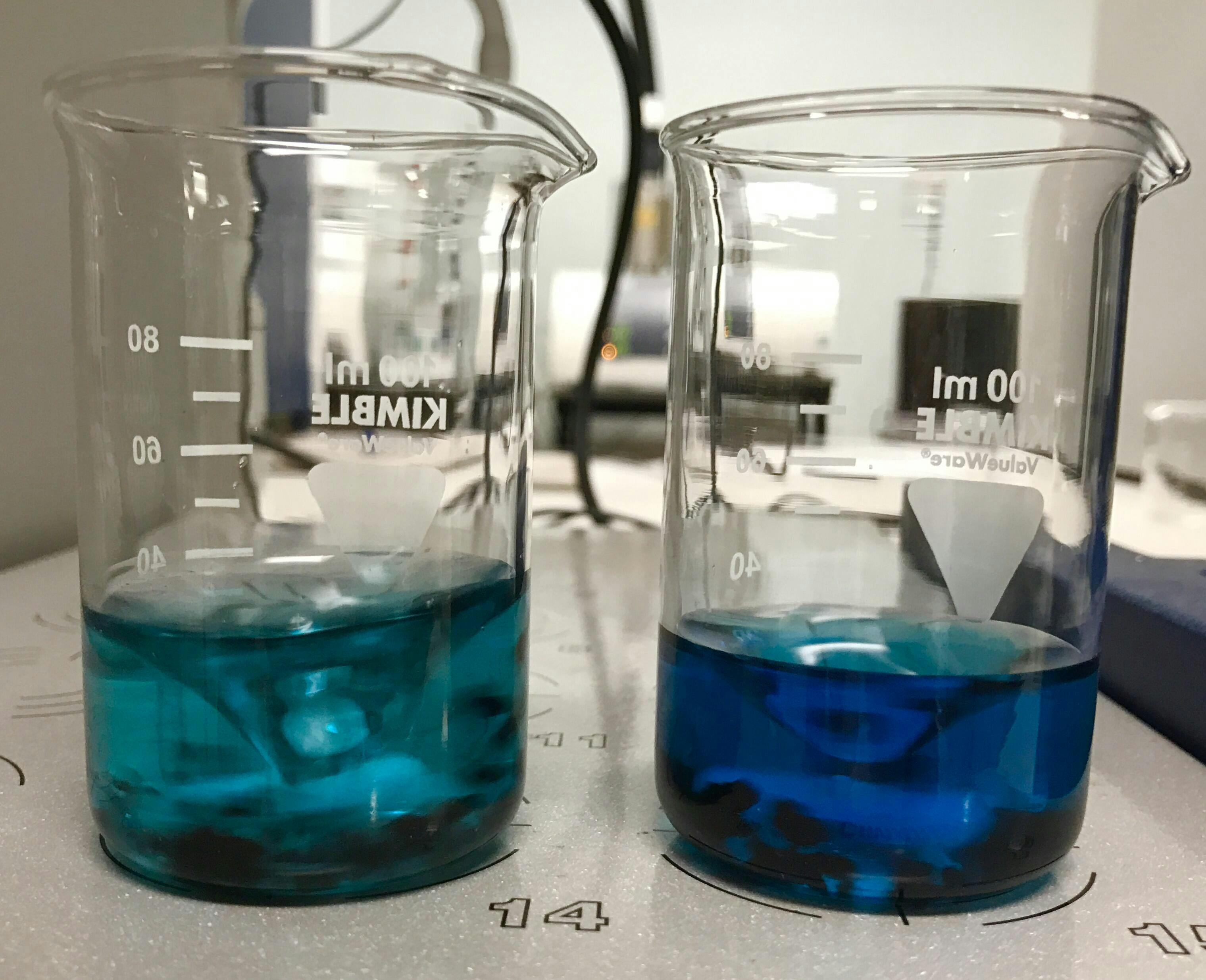
Methylene blue is a heterocyclic compound from the phenothiazine family, formulated as a 1% pharmaceutical-grade USP solution, that acts as an electron carrier in the mitochondrial respiratory chain. It crosses cell membranes and the blood-brain barrier, where it can accept electrons from NADH and transfer them directly to cytochrome c, functioning as an alternative pathway that could support ATP production efficiency. Its role in supporting mitochondrial function, modulating cellular redox balance, influencing neuroprotection-related signaling pathways, and modulating enzymes such as guanylate cyclase and monoamine oxidase have been investigated, contributing to physiological processes related to energy metabolism, cognitive function, and oxidative homeostasis.

View full details

Methylene Blue: A New Frontier in Supporting the Autism Spectrum

Methylene Blue: A New Frontier in Supporting the Autism Spectrum Neurological disorders present a constant challenge to science, where the search for effective solutions that cross the blood-brain barrier, act quickly, and have minimal side effects is paramount. In this...

Read More

Methylene Blue: A New Frontier in Supporting the Autism Spectrum

Neurological disorders present a constant challenge to science, where the search for effective solutions that cross the blood-brain barrier, act quickly, and have minimal side effects is paramount. In this quest, historical compounds and novel natural approaches are converging, offering hope and new possibilities. This article explores in depth the potential of Methylene Blue, medicine's first fully synthetic drug, and places it within the broader context of nootropics as a comprehensive strategy for addressing the complexities of Autism Spectrum Disorder (ASD).

Introduction to ASD and the Mitochondrial Connection

Autism Spectrum Disorder (ASD) is a complex neurobiological syndrome caused by differences in the brain, affecting approximately 1 in 59 children in the United States. Rather than a disability, it is often described as "a different ability," reflecting a unique neurodiversity. However, this condition presents significant challenges in communication, social interaction, and behavior.

One of the most promising areas of research in the biology of autism is mitochondrial function. Mitochondria, known as the cell's "powerhouses," are responsible for producing ATP, the body's primary source of energy. Scientific evidence is becoming increasingly clear: a significant proportion of people with autism exhibit mitochondrial dysfunction.

Evidence shows that approximately 5% of children with autism have a diagnosed mitochondrial disease, and between 30% and 50% exhibit biomarkers of mitochondrial abnormality. Mitochondrial dysfunction has been found in the gastrointestinal tract, lymphocytes, granulocytes, and post-mortem brain tissue of patients with autism.

When mitochondria fail, ATP production ceases, leading to a loss of cellular homeostasis and, ultimately, cell death. Therefore, addressing mitochondrial dysfunction has become a successful intervention strategy in autism, aiming to alleviate symptoms such as repetitive behaviors, communication difficulties, gastrointestinal problems, and cognitive impairment.

Methylene Blue: From Textile Dye to Neuroprotective Potential

The journey of Methylene Blue (MB) through medical history is as colorful as the compound itself. First synthesized in 1876 as a dye for the textile industry, its medical potential was quickly recognized. It became the first fully synthetic drug used in medicine, initially as an antimalarial agent. Over the decades, its applications expanded to treat methemoglobinemia (a blood disorder) and as a surgical dye.

In recent years, there has been a resurgence of interest in the potential of methylene blue to address complex neurological conditions. Researchers are actively exploring its effects on cognitive function, neuroprotection, and its potential benefits for individuals with neurodevelopmental disorders such as autism.

Structure and Fundamental Properties

Chemically known as methylthioninium chloride, Methylene Blue is a synthetic compound with the molecular formula C16H18ClN3S. Its distinctive blue color is due to a unique molecular structure that allows it to absorb light in the red-orange part of the visible spectrum. However, its most fascinating properties lie in its multifaceted interaction with cell biology.

The Mechanism of Action: Optimizing Cellular Energy

The mechanism of action of Methylene Blue is complex, but its main function is to act as an "electron cycler" in the mitochondrial electron transport chain. It possesses self-oxidizing characteristics, meaning it can alternate between its oxidized state (Methylene Blue, blue) and its reduced state (Leucomethylene, colorless) through a redox process.

This action is crucial for several reasons:

  • Enhanced Mitochondrial Function: By donating and accepting electrons, AM can improve mitochondrial function and increase cellular energy production. This facilitates the continuous production of ATP, even in damaged mitochondria.
  • Antioxidant Properties: Helps neutralize harmful free radicals in the body, mitigating oxidative stress, which is a key factor in mitochondrial dysfunction and neuroinflammation.
  • Increased Nitric Oxide: It raises nitric oxide production, which promotes vasodilation. This means it helps to dilate blood vessels, improving circulation and oxygen delivery to tissues, including the brain.

Application of Methylene Blue in Autism

Growing evidence linking mitochondrial dysfunction to autism positions methylene blue as a promising therapeutic candidate. Although research is in its early stages, the results are promising and warrant further investigation.

Addressing Mitochondrial Dysfunction in ASD

Given that mitochondrial dysfunction is a common finding in autism, methylene blue's ability to improve mitochondrial activity is its main appeal. Studies have highlighted the presence of elevated lactate levels and abnormalities in Complex IV electron transport chain activity in patients with autism, both indicators of mitochondrial dysfunction. Methylene blue's oxidation-reduction mechanism could potentially rectify these deficiencies, restoring more efficient energy production.

Reduction of Oxidative Stress and Neuroinflammation

Autism has been associated with increased oxidative stress and neuroinflammation in the brain. The antioxidant properties of Methylene Blue may help mitigate this damage. By improving mitochondrial function and reducing oxidative stress, AM may normalize cellular energy production and protect neurons from damage, which in turn could lead to improvements in various autism symptoms.

Potential Benefits for Autism

Although largely theoretical and awaiting confirmation in large-scale studies, the proposed benefits of Methylene Blue for autism symptoms include:

  • Improvement of cognitive function and attention.
  • Enhancement of social interaction and communication skills.
  • Reduction of repetitive behaviors.
  • Improved sensory processing.

In addition, it has been suggested that Methylene Blue could facilitate the elimination of heavy metals and toxins, such as DDT, whose presence in maternal blood has been associated with an increased risk of autism in offspring.

Methylene Blue Dosage and Safety Guide

Determining the appropriate dosage of Methylene Blue is crucial to maximizing its benefits and minimizing risks. It is essential that its use, especially in neurological conditions such as autism, be under strict professional medical supervision.

Factors that Influence the Dose

The optimal dose can vary significantly depending on several factors:

  • The specific condition being treated.
  • The patient's age, weight, and general health status.
  • The route of administration (oral, intravenous).
  • Possible interactions with other medications or supplements.

General Dosage and Administration Guidelines

Dosage ranges vary widely depending on the intended use. For example:

  • For cognitive enhancement and neuroprotection: 0.5-4 mg/kg of body weight, usually orally.

For neurological conditions such as autism, dosages are still under investigation. It is common to start with low doses and gradually increase them based on tolerance and response. Oral administration, either in liquid or capsule form, is most commonly used for long-term treatment. Compound capsules are preferred because they offer precise dosing, convenience, and greater drug stability.

Crucial Side Effects and Contraindications

Although methylene blue has been used for over a century, it is not without risks. Common side effects, usually mild and temporary, include blue discoloration of urine and stool, nausea, vomiting, headache, and dizziness.

It is crucial to be aware of the following contraindications and important precautions: Serotonin Syndrome is a risk, as Methylene Blue can interact dangerously with certain antidepressants (SSRIs), leading to a life-threatening condition. Individuals with G6PD deficiency may experience hemolytic anemia. Its use is contraindicated during pregnancy and breastfeeding , and in cases of severe renal impairment .

Expanding the Focus: Methylene Blue in the Context of Other Nootropics

While Methylene Blue offers a potent and targeted approach to mitochondrial function, it is part of a broader field of nootropics that seek to address the nutritional deficiencies and biochemical imbalances seen in autism spectrum disorder (ASD). Nootropics are a class of natural supplements, including amino acids, herbs, and extracts, designed to enhance brain function.

Research suggests that many children with autism suffer from nutritional deficiencies, making it vital to ensure they receive the essential nutrients for optimal brain development.

Other Nootropic Supplements of Interest for ASD

N-Acetyl L-Cysteine ​​(NAC): A precursor to glutathione, the body's master antioxidant. It may help reduce hyperactivity and irritability.

  • Glutathione: Low levels are common in autism. Supplementation helps reduce glutamate toxicity and inflammation.
  • Omega-3: Essential fatty acids that have been shown to reduce hyperactivity and are crucial for serotonin synthesis.
  • Vitamins B (Methylfolate and Methylcobalamin): Essential for methylation, neurotransmitter synthesis and myelin repair.
  • Vitamin D, Zinc and Magnesium: Minerals and vitamins crucial for the production of neurotransmitters and the regulation of social behavior.
  • Psychobiotics: Probiotics and prebiotics that support gut health, key due to the strong gut-brain connection in autism.

Creation of a Comprehensive and Personalized Support Plan

The key to success lies not in a single supplement, but in a comprehensive and personalized approach. It is essential to combine any nootropic regimen with other therapies, such as behavioral interventions and dietary changes. Collaboration with healthcare professionals experienced in autism is indispensable for designing a safe and effective plan, monitoring progress, and adjusting interventions as needed.

The Future of Research: Challenges and Next Steps

The potential of methylene blue has generated significant interest, and clinical trials are currently underway to investigate its effects on autism spectrum disorder (ASD). These studies aim to determine optimal dosages, evaluate its efficacy on specific symptoms, and assess its long-term safety.

One of the greatest challenges is the heterogeneity of autism. The spectrum encompasses a wide range of symptoms and severities, making a one-size-fits-all approach difficult. The need for large-scale, randomized, controlled studies is imperative to confirm the efficacy of methylene blue, establish clear dosing guidelines, and identify any long-term risks. As research progresses, it will be crucial to contextualize methylene blue alongside other emerging treatments to achieve more comprehensive and effective treatment strategies for individuals with autism.

Conclusion: Balancing Hope and Prudence

The journey of Methylene Blue, from a simple dye to a potential neurological treatment, is a testament to the evolving nature of medical research. It offers a glimmer of hope, particularly because of its unique ability to penetrate the blood-brain barrier and optimize mitochondrial function, an area of ​​increasing relevance in autism.

However, it is crucial to approach its use with caution. Methylene blue is not yet an established treatment for autism and should be considered experimental in this context. Dosage considerations are complex, and its use carries significant contraindications that should not be ignored. For families considering this option, consultation with experienced medical professionals is absolutely essential to provide personalized advice and ensure safety.

The story of Methylene Blue and its role in autism is still being written. By supporting and participating in scientific research, we can hope to uncover new knowledge and effective treatments that improve the lives of millions of people and families affected by this condition.

Read Less

Methylene Blue: The Centenary Compound That Defies Cancer

Methylene Blue: The Century-Old Compound That Challenges Cancer with New Mechanisms of Action In the quest for safer and more effective cancer therapies, science often looks to the future. However, sometimes the most innovative answers lie in the past. Methylene...

Read More

Methylene Blue: The Century-Old Compound That Challenges Cancer with New Mechanisms of Action

In the quest for safer and more effective cancer therapies, science often looks to the future. However, sometimes the most innovative answers lie in the past. Methylene Blue, a compound with a rich history dating back to the 19th century, is emerging as an anticancer agent of remarkable potential. Originally a dye for the textile industry, this versatile compound has demonstrated an astonishing ability to combat cancer cells through unique mechanisms, offering a precise and low-toxicity alternative to conventional treatments. This article explores the science behind Methylene Blue, from its action at the mitochondrial level to its use in cutting-edge therapies, revealing why this "old" compound is at the forefront of modern oncology.

From the Textile Factory to the Medical Frontline: The Story of Methylene Blue

The story of Methylene Blue is fascinating. Discovered in the mid-19th century, it revolutionized textile production with its unparalleled ability to impart an exquisite blue hue, becoming a beloved component of fashion. No one at the time could have predicted that this vibrant dye would become a transformative force in medicine.

Its distinctive color attracted the attention of scientists and physicians, who quickly discovered its therapeutic potential. Its first notable use in medicine was as the first fully synthetic drug, employed as an antimalarial agent. Since then, its applications have diversified enormously. In emergency medicine, it is a crucial antidote against carbon monoxide and cyanide poisoning, and it is the primary treatment for methemoglobinemia, a condition that impairs the blood's ability to carry oxygen. Furthermore, it is used as a valuable diagnostic tool for detecting gastrointestinal leaks and for mapping the parathyroid gland during surgery.

Today, this century-old compound is at the center of cutting-edge research for its potential to supercharge cellular energy and, most notably, for its anti-cancer properties, opening a new chapter in its already illustrious history.

Mechanisms of Anticancer Action: How Does Methylene Blue Work?

Unlike conventional treatments such as chemotherapy, which often indiscriminately damage both healthy and cancerous cells, Methylene Blue acts through highly specific mechanisms that exploit the inherent weaknesses of tumor cells. Its anticancer properties are based on a three-pronged strategy: metabolic disruption, tumor reoxygenation, and activation of the immune system.

Metabolic Disruption: Attacking Cancer's Achilles' Heel

Cancer cells have a dysfunctional metabolism known as the "Warburg effect." Instead of using oxygen efficiently to produce energy (oxidative phosphorylation), they prioritize a much less efficient process called glucose fermentation (glycolysis). This metabolic shift allows them to grow rapidly and resist many treatments.

Methylene blue plays a direct role in this process. Research in ovarian cancer has revealed that the compound forces tumor cells to abandon their preferred energy source (glycolysis) and revert to relying on oxygen-based energy production. This forced metabolic shift places immense stress on cancer cells, hindering their survival and multiplication. Specifically, methylene blue has been observed to reduce the expression of key genes in the mitochondrial respiratory chain, interfering with the tumor's ability to process oxygen efficiently and further disrupting its energy supply. This effect is much more pronounced in cancer cells than in normal cells, underscoring its selective action against tumors.

Tumor Oxygenation: Reversing the Hypoxic Environment

Tumors thrive in low-oxygen environments (hypoxia). In fact, this lack of oxygen often makes them more resistant to radiation therapy and chemotherapy. Methylene blue has the unique ability to act as a redox agent, increasing oxygen levels within tumors.

When injected into the bloodstream, it preferentially accumulates in the tumor. There, it interacts with high concentrations of a molecule called NADH, present in cancer cells, causing Methylene Blue to reduce to its colorless form, Leucomethylene Blue. This reduced form acts as a potent catalyst that increases oxygen levels in the tumor microenvironment. By increasing oxygenation, it not only hinders the survival of cancer cells but also makes them significantly more susceptible to conventional treatments such as radiation and chemotherapy, which work best in the presence of oxygen.

It is important to note that Methylene Blue not only works on its own, but also functions as an excellent adjuvant. Research shows that it enhances the effects of chemotherapy drugs such as carboplatin, even in drug-resistant ovarian cancer cells. By making tumors more vulnerable, it paves the way for more effective combination therapies.

Enhancement of the Immune Response

Beyond its direct attack on cancer cells, Methylene Blue also helps enhance the immune system's response against tumors. During photodynamic therapy, the reactive oxygen species (ROS) generated not only kill tumor cells but also trigger immune activation. This process helps the body recognize and attack any remaining cancer cells. This immune-boosting effect likely explains why, in some studies, tumors continued to shrink even after treatment sessions ended, suggesting a long-term benefit.

Photodynamic Therapy (PDT): The Precision of Light Against Tumors

One of the most innovative and effective applications of Methylene Blue in oncology is its use as a photosensitizing agent in Photodynamic Therapy (PDT). This is a non-invasive therapy that uses light to selectively destroy cancer cells, leaving the surrounding healthy tissue unharmed.

The Process: How Light Activates Methylene Blue

The TFD process is elegant in its simplicity and precision:

  1. Selective Accumulation: Methylene blue, administered orally or intravenously, accumulates to a greater extent in cancer cells than in healthy cells. This is due to the unique characteristics of tumors, such as increased blood flow, altered membrane permeability, and overexpression of certain transport proteins.
  2. Light Activation: Once the compound has accumulated in the tumor, it is illuminated with light of a specific wavelength, typically in the 630 to 680 nanometer range. Methylene Blue absorbs this light energy.
  3. ROS Generation: The absorbed energy excites the Methylene Blue molecule, which reacts with oxygen present in the tissue to generate Reactive Oxygen Species (ROS). These ROS are highly reactive molecules, such as singlet oxygen and free radicals.
  4. Cell Destruction: ROS act as molecular weapons, damaging vital cellular components of cancer cells, such as DNA, proteins, and lipids. This massive damage induces programmed cell death (apoptosis) or necrosis, leading to tumor elimination.

Evidence of its effectiveness in various types of cancer

A systematic review of 10 preclinical studies demonstrated the potent efficacy of PDT with Methylene Blue. In seven of the studies, a significant reduction in tumor size was observed, with results ranging from a 12% reduction to complete elimination. The most dramatic effects were seen in colorectal cancer models, where tumors were reduced by up to 99.9%. Its efficacy has also been demonstrated in melanoma and carcinoma.

Furthermore, clinical trials have investigated its use in humans. A phase II trial published in the Journal of Clinical Oncology explored PDT with Methylene Blue in combination with chemotherapy for pancreatic cancer, concluding that the combination was safe and showed a trend toward improved overall survival. Other studies have demonstrated that it inhibits the proliferation of ovarian and lung cancer cells in vitro and in vivo.

The Role of Nanotechnology in Improving Bioavailability

To further enhance the effects of Methylene Blue, researchers are using nanotechnology. Several studies have employed nanoformulations, which are tiny carriers designed to improve the drug's stability and absorption. These "nano" versions of Methylene Blue have demonstrated even greater tumor reduction than traditional injections. For example, a breast cancer study using nanoparticles loaded with Methylene Blue resulted in the complete eradication of the tumor.

Safe Use Guide: Dosage, Quality and Side Effects

While the therapeutic potential of Methylene Blue is exciting, it is essential to approach its use with knowledge and caution. Correct dosage, product quality, and awareness of potential interactions are key to safe and effective use.

Dosage: Less is More for Mitochondrial Health

It's easy to fall into the trap of thinking "more is better," but with Methylene Blue, this isn't the case. For long-term use and mitochondrial health support, low, daily doses are the most effective and safe. The ideal range is between 5 and 15 milligrams (mg) per day. This is the optimal dose to obtain its various benefits without dangerously increasing serotonin levels. A standard dose of 5 mg per day is sufficient to reduce cellular stress.

High doses are reserved for acute and specific therapeutic applications, and should always be administered under the strict supervision of a medical professional.

The Importance of Quality: Pharmaceutical Grade Only

There are three grades of Methylene Blue available: industrial, laboratory (chemical), and pharmaceutical. The only variety that should be used for human consumption is the pharmaceutical grade . This grade undergoes rigorous testing to ensure it is free of impurities and harmful contaminants.

Important warning: Never use Methylene Blue in aquariums. Products sold for this purpose often contain harmful contaminants that can pose serious health risks. Always use only pharmaceutical-grade products. Solid forms (capsules or tablets) are recommended, as liquid solutions can become significantly less effective after 48-72 hours.

Important Side Effects and Contraindications

The safety profile of methylene blue is remarkably good, especially compared to chemotherapy. Animal studies have shown minimal toxicity and no serious side effects. However, there are effects and contraindications that should be considered:

  • Harmless Effects: It is normal for urine to turn blue. Occasionally, the tongue may also turn blue. These effects are completely harmless.
  • Pulse Oximeter Interference: High doses may interfere with pulse oximeter readings, giving falsely low oxygen saturation readings.
  • Mild Side Effects: May cause transient gastrointestinal discomfort such as nausea and diarrhea. Headaches and confusion have also been reported.

The most serious contraindications include:

  • Serotonin Syndrome: Methylene Blue is a potent monoamine oxidase A inhibitor (MAOI-A). Its combination with serotonergic drugs, such as SSRI antidepressants, can raise serotonin to dangerous and fatal levels.
  • G6PD deficiency: People with this genetic condition are at risk of developing hemolytic anemia.
  • Severe Renal Impairment: Should be used with caution and under medical supervision in people with severe kidney damage.

Challenges, Limitations and the Future of Research

Despite promising results, research on methylene blue in oncology still faces challenges. Results have shown some inconsistency; for example, in some breast cancer models, the compound slowed tumor growth rather than shrinking it. Researchers theorize that this is due to differences in drug absorption in different tissue types.

Furthermore, there is significant heterogeneity in existing studies regarding sample sizes, dosing strategies, and pharmaceutical formulations, which hinders the standardization of protocols. The exact mechanism of methylene blue accumulation in tumors is not yet fully understood, and further research is needed to optimize its efficacy.

The future will require larger controlled studies to confirm its effectiveness, standardize dosing regimens, and develop more advanced delivery systems, such as fluorescence imaging, to improve tumor detection and treatment.

Conclusion: A Promising and Low-Cost Therapeutic Agent

Methylene blue is establishing itself as a powerful tool in cancer treatment. Its ability to selectively target tumor cells through metabolic disruption and photodynamic therapy, while leaving healthy tissue unharmed, makes it a very attractive alternative to conventional therapies. Its excellent safety profile, with minimal side effects compared to chemotherapy and radiation, positions it as a promising option for patients with drug-resistant cancers or those who cannot tolerate more aggressive treatments.

In addition to its efficacy and safety, Methylene Blue is relatively inexpensive, offering a more affordable alternative to costly targeted cancer therapies. As research continues to unlock its full potential, this historic compound is poised to play an increasingly important role in the future of oncology, demonstrating that sometimes the most brilliant solutions have been with us all along.

Read Less

The New Science of Fat Loss with Methylene Blue

Methylene Blue + Sun Exposure: Mitochondrial Enhancement for Fat Burning Methylene blue becomes an extraordinary tool for fat loss when strategically combined with sun exposure or red light therapy. This combination takes advantage of a phenomenon called chromophore photobiomodulation, where...

Read More

Methylene Blue + Sun Exposure: Mitochondrial Enhancement for Fat Burning

Methylene blue becomes an extraordinary tool for fat loss when strategically combined with sun exposure or red light therapy. This combination takes advantage of a phenomenon called chromophore photobiomodulation, where methylene blue acts as a light concentrator that amplifies the metabolic effects of sun exposure.

Synergistic Mechanism of Action

Methylene Blue acts as an electron carrier and donor, enabling dysfunctional mitochondria to complete their energy production pathway. Instead of electrons being "lost" in damaged mitochondria, Methylene Blue transports them directly to Complex IV (cytochrome c oxidase), where ATP is ultimately produced. This means that mitochondria that would normally cease functioning can now efficiently utilize fatty acids as fuel.

When combined with sunlight exposure, the light specifically activates cytochrome c oxidase, the same endpoint where Methylene Blue delivers electrons. This dual activation creates a synergistic effect where more mitochondria function efficiently and process fats optimally.

Application Protocol

• Take 4mg of high-purity Methylene Blue on an empty stomach
• Expose yourself to sunlight or use red light therapy 30-60 minutes after consumption
• Maintain a fasted state to maximize fat oxidation
• Include electrolytes to compensate for the increase in energy production
• Apply this protocol on days of increased physical activity or when seeking to optimize body composition.

Additional Benefits of the Combination

The synergy between Methylene Blue and sun exposure also balances nitric oxide production: while Methylene Blue can slightly inhibit nitric oxide synthesis, sun exposure stimulates it, creating an optimal balance. Furthermore, a natural appetite-suppressing effect occurs due to increased cellular energy efficiency.

This strategy is especially valuable for people with metabolic dysfunction, as it restores the ability of compromised mitochondria to use fat as fuel, effectively "rescuing" power plants that would otherwise remain dormant.

Read Less

Methylene Blue: The Biochemical Catalyst that Optimizes Cellular Energy and Overall Health

In a world where healthcare innovation is often associated with the latest and most expensive treatments, there is one compound that, despite having a history spanning over 150 years, remains an underrated yet profoundly effective "biohack": methylene blue. This substance,...

Read More

In a world where healthcare innovation is often associated with the latest and most expensive treatments, there is one compound that, despite having a history spanning over 150 years, remains an underrated yet profoundly effective "biohack": methylene blue. This substance, more than just a textile dye as some might believe, is a chameleon-like molecule with extraordinary biochemical capabilities that directly influence the fundamental building blocks of cellular energy. From optimizing our internal powerhouses to supporting neuronal function, hormonal balance, and protection against oxidative stress, methylene blue operates silently yet powerfully. This article explores the science behind this unique compound, unpacking its complex mechanisms of action and its multifaceted impact on human biology, inviting a deeper understanding of how an ancient molecule can be key to modern vitality.

A "Redox Chameleon": The Chemistry Behind Its Power

To understand the magnitude of methylene blue, it's essential to delve into the heart of our cells' energy production. This compound isn't just a vitamin or an herbal extract; it's a redox catalyst, a kind of biochemical "transformation master" that facilitates vital processes at an astonishing speed.

The Electron Transport Chain: Your Cellular Nuclear Reactor

Inside each of your cells, a multitude of tiny organelles act as "nuclear reactors": the mitochondria. These micro power plants are responsible for generating the energy (in the form of ATP) that powers every heartbeat, every thought, every muscle movement, and even the complex task of remembering a password. Within each mitochondrion, there is a process called the Electron Transport Chain (ETC), a series of protein complexes (Complex I through IV) that function like a molecular "bullet train," moving electrons at breakneck speed. This movement of electrons is what allows protons to be pumped across the inner mitochondrial membrane, creating a "proton gradient." This gradient is the force that drives a molecular turbine, ATP synthase, which manufactures the ATP molecules that fuel life.

The Mitochondrial "Traffic Jam" and its Consequences

Unfortunately, the pace of modern life and unhealthy habits can sabotage the efficiency of these energy centers. Factors such as chronic stress, lack of sleep, a diet high in processed foods, and stimulant abuse can create a "traffic jam" in the Electron Transport Chain. Specifically, Complex I (the first link in the chain) can be compromised by the accumulation of reactive oxygen species (ROS) and nitric oxide. When nitric oxide, a molecule that is also a vasodilator, is produced in excess, it can literally "tie the hands" of cytochrome c oxidase in Complex IV, creating a bottleneck.

This "blockage" has devastating consequences: the ability to pump protons is reduced, decreasing ATP production. This not only translates into less energy, but also into an increase in "metabolic waste": free-floating superoxide radicals that damage proteins, lipids, and DNA, and accelerate cellular aging and systemic inflammation. It's as if a city's electrical grid collapsed, causing blackouts, reduced productivity, and a buildup of waste.

Methylene Blue as a Molecular Deviation

This is where methylene blue reveals its biochemical ingenuity. This compound acts as an extremely efficient molecular "messenger" that can divert electron traffic when the main pathway is blocked. It's like a high-speed motorcyclist weaving through the heaviest traffic. Methylene blue is capable of:

  • Accept Electrons: Receives electrons from NADH in Complex I, or from other dehydrogenases, even when Complex I is committed.
  • Donating Electrons Directly: Instead of following the complete pathway through complexes II and III, methylene blue donates these electrons directly to Cytochrome C in Complex IV.

This ability to "bypass" intermediate complexes and deliver electrons directly to Complex IV allows the proton pump to continue functioning efficiently. The result is sustained or even increased ATP production, a more robust proton-motive force, and a dramatic reduction in superoxide radical formation. This process, known as the redox cycle , allows methylene blue to act as a constantly recycling "catalyst," maintaining the flow of energy without depletion. It's not magic; it's physics and biochemistry in action.

Beyond Energy: Multifaceted Impact on the Body

The effects of methylene blue extend far beyond simple mitochondrial energy production, impacting vital systems such as the neurological, endocrine, and vascular systems in profound and often underestimated ways.

Mental Clarity and Neuronal Function: The "Energy Divas" of the Brain

Neurons, the cells of your brain, are true "energy divas." Although they represent only 2% of your body mass, they consume approximately 20% of all the oxygen you breathe and burn ATP at a prodigious rate. They're like F-22 Raptor fighter jets: pure power and thrust, but with an insatiable thirst for fuel.

When Complex IV of the Electron Transport Chain fails (as in the "traffic jam" described), neurons lose something crucial: their membrane potential . This means that neurotransmitter release becomes erratic, synaptic communication is disrupted, and brain function begins to display "error messages." It's like a cell phone that freezes or a drink that, because it's so old, no longer refreshes.

Methylene blue intervenes by restoring this critical flow of electrons, which stabilizes the mitochondrial membrane potential of neurons. It also helps control the "spillover" of excitotoxic glutamate (the main excitatory neurotransmitter, which, in excess, can be harmful). The result is:

  • Smoother and More Constant Synaptic Firing: A smoother and more efficient neuronal communication.
  • Noticeable Mental Clarity: A feeling of lucidity that can make even a triple espresso seem like a placebo.
  • Better Recall and Focus: The "brain fog" dissipates, allowing for greater concentration and sharper memory.

While billions are being invested in new nootropics, this century-old compound continues to keep neurons "online" quietly and effectively, without massive marketing campaigns.

Balancing the Endocrine System: Goodbye to "Hormonal Melodrama"

Chronic oxidative stress is like a never-ending soap opera for your hormones, a constant drama that throws them off balance. Cortisol spikes become the norm, insulin sensitivity drops dramatically, and thyroid hormones shut down, leading to a state of systemic chaos.

Methylene blue intervenes by reducing this oxidative chaos , silencing the "hormonal melodrama." Its effects include:

  • Cortisol Calming: Helps to reduce cortisol spikes, thus lessening the negative impact of chronic stress.
  • More Sensitive Insulin Receptors: Maintains the acuity of insulin receptors, improving glucose management.
  • Cohesive Thyroid Signaling: Allows the thyroid to function like a well-tuned orchestra, rather than a chaotic concert.

By keeping the mitochondrial "electrical grid" in line, methylene blue helps keep the hormonal symphony rhythmic and harmonious, improving the quality of life.

For women, this is particularly relevant. Methylene blue contributes to a more protective estrogen metabolism , which is beneficial for conditions related to the female cycle. It helps to avoid the "inflammatory bombs" that fuel symptoms such as those of premenstrual syndrome (PMS), perimenopause, and menopause.

For men, it supports vitality and vigor, preventing decline. It's not a pharmacological solution, but it helps maintain balance, reducing the need for interventions. It offers benefits without the metabolic side effects of many drugs.

Vascular Health Support and Nitric Oxide Management

An excess of nitric oxide (NO) can be harmful. In situations of septic shock, for example, the overproduction of NO causes extreme vasodilation that can lead to a dangerous drop in blood pressure.

Methylene blue acts as a molecular "cleaner," removing excess nitric oxide . This ability is so effective that it is used intravenously in medical emergencies to stop uncontrolled vasodilation and help stabilize blood pressure, which can literally save lives.

The Versatility of Methylene Blue: A Broad-spectrum Protective Agent

Methylene blue is a molecular "shuttle" that recycles itself endlessly, transitioning from its oxidized blue form to a reduced, colorless form (leuco-methylene blue) and vice versa, using oxygen. It's like a molecular electric vehicle that recharges itself while in motion, without needing a plug. This self-recycling ability makes it a highly efficient biological tool.

Antioxidant Shield and Cell Protector

One of the most significant contributions of methylene blue is its ability to combat oxidative stress . Superoxide radicals are rogue "fragments of oxygen" that can oxidize and damage your internal tissues, promoting inflammation and accelerating the aging process.

Methylene blue acts like a "molecular vacuum cleaner" that neutralizes these oxidative waste products. It does so gently and efficiently, without depleting other crucial antioxidant defenses in the body, such as glutathione (the cell's primary "cleaning crew"). By maintaining redox balance, it helps prevent damage to proteins, lipids, and DNA.

Tissue Repair and Strengthening: Beyond the Surface

The benefits of methylene blue extend to tissue integrity:

  • Improved Wound Healing: Contributes to DNA repair processes, which supports better healing.
  • Stronger Skin: Protects the body's "collagen factories", helping to keep skin more elastic and resilient.
  • Retinal Protection: Acts as a shield for the retinas, protecting them from blood pressure spikes that could damage them.

Imagine arteries that remain flexible and elastic, instead of hardening like concrete pipes, and blood pressure that stays stable without the need for a daily pill-popping spree. Methylene blue contributes to greater durability and performance of your internal systems.

Specific Benefits for Neurological Wellbeing

Methylene blue easily crosses the blood-brain barrier, allowing it to act directly on the brain with remarkable effects:

  • Cerebral Blood Flow and Oxygenation: Increases cerebral blood flow and oxygen utilization, which feeds neurons more efficiently.
  • Clarity and Memory: "Mental static" dissipates, the ability to remember improves, and concentration remains firm.
  • Support in Neurological Conditions: Its potential has been investigated in various conditions: Parkinson's Disease: It offers a "lifeline" to dopaminergic neurons (those affected in Parkinson's), helps eliminate alpha-synuclein aggregates, and strengthens mitochondrial armor. This can contribute to smoothing tremors and improving motor control. Depression: It addresses imbalances in the amygdala (the brain's "worry center") by influencing monoamine oxidase. Neurotransmitter Modulation: It reduces the activity of monoamine oxidase (MAO), an enzyme that breaks down neurotransmitters such as serotonin, dopamine, and norepinephrine. By inhibiting MAO, methylene blue allows these neurotransmitters to remain in the brain longer, promoting a more stable mood, consistent motivation, and sharper focus, without the adverse effects of some medications. HPA Axis Regulation: It helps to "reset" the hypothalamic-pituitary-adrenal (HPA) axis, the body's main stress response pathway, which is often overactive. This reduces the cortisol "flood," which in turn decreases inflammation.

Considerations for Use: Dosage and Bioavailability

To maximize the benefits of methylene blue, it is essential to understand how it should be used, paying special attention to its form and dosage.

The Importance of the Liquid Form

A crucial factor for the effectiveness of methylene blue is its bioavailability . When consumed in powder form within capsules, bioavailability is extremely low (around 6.5%). This means that very little of the compound actually reaches the bloodstream and the cells where it is needed.

Conversely, methylene blue dissolved in liquid has a significantly higher bioavailability, reaching up to 72%. This difference is substantial and underscores that the liquid form is the most suitable for ensuring that the compound exerts its biochemical effects optimally.

Experimental Dosage and the Research Context

It is important to note that methylene blue has been studied in various contexts, and dosages vary considerably. For research and experimentation in animal models (such as mice or kangaroos), a range of low doses has been explored.

For example, one experimental protocol might suggest starting with 15 mg divided into two doses throughout the day (morning and evening), always taken with food. The total dose for this type of experiment could range from 15 to 30 mg. This experimental approach aims to observe the effects on metabolism and cellular function in a controlled environment.

It is essential to understand that these are study dosages and should not be interpreted as recommendations for human use without the supervision and validation of a professional.

The Philosophy Behind an "Ancient" Biohack

Methylene blue represents a paradox in the modern world of healthcare. It's a "biohack" over a century old—a 19th-century textile dye—that restores mitochondrial function and keeps neurons functioning properly, yet it's not promoted by major pharmaceutical corporations. The reason is simple: you can't patent a century-old molecule. There are no multimillion-dollar marketing campaigns or compelling commercials.

In contrast, this inexpensive, soluble powder remains hidden in plain sight, while society invests exorbitant sums in nootropics and "miracle" supplements that barely surpass the effect of a good nap. We live in a culture that often values ​​something only if it comes with a massive advertising campaign. Methylene blue defies this logic, demonstrating that time-tested science can be extraordinarily valuable.

This compound transforms mitochondrial gridlock into a "freeway," provides neurons with "fiber optic bandwidth," and tells chronic fatigue to back off. The key isn't just the supplement, but the challenge to perception: stop delegating our understanding of our own biology to the loudest advertisers and start grasping the science behind true optimization.

Conclusion

Methylene blue, a molecule with a rich history and surprising biochemical versatility, is emerging as a potent catalyst for optimizing cellular and systemic health. Its ability to divert electrons in the mitochondrial electron transport chain directly addresses the root of cellular fatigue, promoting efficient ATP production and reducing oxidative stress. Beyond its energetic impact, its neuroprotective effects, influence on hormonal balance, vascular support, and antioxidant properties position it as a broad-spectrum compound.

This "redox chameleon" offers a valuable lesson: wisdom and effectiveness don't always lie in what's newest or most expensive. The science behind methylene blue underscores the importance of understanding the fundamentals of our biology to make informed decisions about our health, challenging modern narratives and empowering individuals to discover their bodies' true potential.

Read Less

Support for Cognitive Function and Mental Performance

Dosage : To support cognitive function, memory, and mental clarity, it is recommended to begin with a 3-5 day adaptation phase using low doses of 2-3 drops of 1% methylene blue (equivalent to approximately 0.5-0.75 mg), administered once daily, preferably in the morning. This initial phase allows for the assessment of individual tolerance and observation of the body's response to the compound's nootropic properties. After completing the adaptation phase without experiencing adverse effects, the dosage can be gradually increased to a maintenance phase using 4-6 drops (approximately 1-1.5 mg) once or twice daily, ideally spaced 6-8 hours apart if administered twice daily. For experienced users seeking more robust cognitive support in mentally demanding situations, an advanced phase may include up to 8-10 drops (approximately 2-2.5 mg) twice daily, although it is important to increase to these higher doses gradually in increments of 2 drops every 5-7 days to allow for appropriate metabolic adaptation. A 100 ml bottle of 1% methylene blue contains approximately 1000 mg of total active ingredient, and considering that each drop contains approximately 0.25 mg, the bottle provides approximately 4000 drops, allowing for multiple weeks of use depending on the selected dosage (approximately 50-65 days in maintenance phase or 25-30 days in advanced phase).

Frequency of administration : Methylene blue for cognitive purposes is typically administered sublingually, placing the drops under the tongue and holding them for 30–60 seconds before swallowing. This promotes direct absorption through the oral mucosa and allows for a faster onset of action by partially bypassing first-pass hepatic metabolism. Morning administration, preferably 15–30 minutes before or with breakfast, has been shown to support cognitive function during peak mental demands of the day, taking advantage of the peak plasma concentration that occurs approximately 1–2 hours after administration. For those using two daily doses, the second dose is recommended in the early afternoon, typically between 1:00 p.m. and 3:00 p.m., to maintain sustained cognitive support without interfering with nighttime sleep, as methylene blue may have properties that activate cerebral energy metabolism. It is important to avoid administering this medication after 4:00-5:00 PM, particularly in individuals sensitive to compounds that affect neurotransmitters, as it could influence sleep quality in some people. Methylene blue can be taken with or without food, although its absorption may be slightly faster on an empty stomach; however, people with sensitive stomachs may prefer to take it with food to minimize any transient gastrointestinal discomfort.

Cycle Duration : For cognitive support purposes, a continuous 8-12 week cycle is recommended to allow for significant neurometabolic adaptations, including optimization of neuronal mitochondrial function, modulation of neurotransmitter systems, and potential effects on gene expression related to brain energy metabolism. Cognitive effects may begin to be perceived within the first few days to weeks, particularly in aspects related to mental energy and clarity of thought, while deeper effects on memory, processing speed, and executive function may develop progressively during the first 4-8 weeks of continuous use. After completing a 12-week cycle, a short 1-2 week break may be considered during which the perceived benefits are monitored to determine if they are partially maintained, which could suggest sustained neuroplastic adaptations. If a significant decrease in perceived cognitive function is observed during the break, this may indicate that continued methylene blue support is beneficial, and the cycle can be restarted, beginning with a maintenance dose (4-6 drops) without needing to repeat the entire initial adaptation phase. For longer-term use, many users adopt a pattern of 12 weeks of continuous use followed by a 2-week break, creating a recurring cycle that allows for periodic assessment of benefits while minimizing potential tolerance adaptations. Alternatively, some users prefer longer cycles of 16–20 weeks with 2–3 week breaks, particularly if they experience sustained and consistent cognitive benefits.

Optimization of Energy Metabolism and Mitochondrial Function

Dosage : To support overall cellular energy metabolism and optimize systemic mitochondrial function, particularly in contexts of perceived fatigue or increased metabolic demands, it is recommended to begin with a 3-5 day adaptation phase using 2-4 drops of 1% methylene blue (approximately 0.5-1 mg) once daily in the morning. This gradual introduction allows cellular mitochondrial systems to adapt to the alternative electron carrier without overloading the enzyme reduction pathways that regenerate leucomethylene blue. After the adaptation phase, the typical maintenance dose is 5-8 drops (approximately 1.25-2 mg) administered twice daily, preferably in the morning and early evening, to provide distributed energy support throughout the daytime activity period. This dosage, in the range of 2.5-4 mg total daily, has been investigated in studies examining effects on tissue energy metabolism and mitochondrial function. For advanced users with particularly high metabolic demands, such as athletes during periods of intense training or individuals with physically demanding jobs, doses of up to 10-12 drops (2.5-3 mg) twice daily may be considered, reaching total daily doses of 5-6 mg. However, this increase should be gradual, adding 2-3 drops each week from the maintenance dose. It is important to monitor individual response, as higher doses do not necessarily produce proportionate benefits, and the optimal range for pro-energy effects is typically found at the low to mid end of the dosage spectrum due to the hormetic nature of methylene blue.

Administration Frequency : For energy optimization purposes, sublingual administration of methylene blue approximately 20-30 minutes before main meals has been observed to promote better integration with nutrient metabolism, allowing the compound to be bioavailable when the products of carbohydrate and fat metabolism begin to fuel the mitochondria. The first dose in the morning, ideally administered upon waking or shortly thereafter, can help establish an elevated metabolic tone for the day by taking advantage of the natural circadian rhythms of energy metabolism, which typically show peaks in mitochondrial activity during daylight hours. The second dose in the early afternoon, typically between 1:00 and 3:00 PM, can help maintain energy support during the afternoon when many people experience a natural decline in perceived energy. For athletes or individuals who engage in intense physical exercise, an alternative strategy is to administer a dose (6-8 drops) approximately 30-45 minutes before training. This supports mitochondrial function in skeletal muscle, potentially aiding ATP production during exercise and contributing to post-exercise metabolic recovery. Maintaining adequate hydration is crucial when using methylene blue, particularly during physical activity, as optimizing mitochondrial metabolism requires appropriate oxygen and nutrient availability, which are transported by the blood. Consistent administration timing helps establish regular metabolic rhythms and facilitates the assessment of effects on perceived energy levels.

Cycle Length : For energy optimization and mitochondrial support, a continuous 10-16 week cycle is recommended to allow for profound metabolic adaptations, including potential changes in mitochondrial biogenesis, respiratory chain component expression, and overall oxidative metabolism efficiency. Effects on perceived energy may begin to manifest relatively quickly, typically within the first week of use, reflecting the immediate effects of methylene blue as an alternative electron carrier and its antioxidant effects. However, more fundamental adaptations in cellular metabolic infrastructure, such as increased mitochondrial number, improved mitochondrial quality through increased turnover, and optimized metabolic enzyme expression, may require longer periods of 8-12 weeks to fully develop. After completing a 12-16 week cycle, a 2-week break can be implemented to observe whether improvements in energy and fatigue resistance are partially maintained, which could indicate sustained metabolic adaptations that persist beyond the compound's presence. If you decide to restart after the break, you can begin directly with maintenance doses without the need for an extensive adaptation phase, although particularly sensitive individuals may prefer to restart with slightly reduced doses for 2-3 days. For use geared towards athletic performance or specific metabolic demands, some users synchronize methylene blue cycles with periods of intense training or demanding work projects, using the compound during these high-demand phases and taking breaks during periods of lower metabolic demand.

Antioxidant Support and Neuroprotective Protection

Dosage : For goals focused on systemic antioxidant support and neuroprotection through modulation of oxidative stress, particularly relevant for individuals exposed to factors that increase free radical generation such as chronic stress, environmental exposure to pollutants, or aging, it is recommended to begin with an adaptation phase of 3–5 days using 2–3 drops of 1% methylene blue (approximately 0.5–0.75 mg) once daily. This initial phase allows for the evaluation of the response of endogenous antioxidant systems to the presence of the cyclic redox compound. After the initial adaptation, the typical maintenance dose for antioxidant and neuroprotective goals is 4–6 drops (approximately 1–1.5 mg) twice daily, providing approximately 2–3 mg of methylene blue daily. This dosage promotes continuous recycling between the oxidized and reduced forms of the compound, maintaining sustained antioxidant activity throughout the day. For users seeking more robust antioxidant support, particularly in contexts of increased oxidative stress exposure or with intensive neuroprotective goals, advanced doses of 7–9 drops (approximately 1.75–2.25 mg) two or three times daily may be considered, reaching total daily doses of 3.5–6.75 mg. However, it is crucial to increase gradually in increments of 2 drops every 5–7 days to allow for adaptation of the glutathione and thioredoxin systems that interact with methylene blue. It is important to remember that for antioxidant effects, moderate doses in the range of 2–4 mg daily are often more effective than very high doses, given that methylene blue exhibits hormesis, where low doses favor antioxidant effects while excessively high doses can paradoxically have pro-oxidant effects.

Frequency of administration : For antioxidant and neuroprotective purposes, it has been observed that distributing the total daily dose over multiple administrations (two or three times a day) may promote the maintenance of more stable plasma concentrations of the compound and more consistent antioxidant activity throughout the day, compared to a single large dose. Sublingual administration, by holding the drops under the tongue for 45–60 seconds, enhances bioavailability and allows methylene blue to rapidly reach the systemic circulation and be distributed to target tissues, including the brain. For continuous neuroprotective protection, the first dose is recommended in the morning upon waking, the second dose in the mid-afternoon, and, if using a three-dose regimen, a third dose in the early evening (no later than 6:00–7:00 p.m. to avoid potential interference with sleep). Methylene blue can be administered without regard to meals for antioxidant purposes, although taking it with food may minimize any gastrointestinal discomfort in sensitive individuals. It is important to maintain an adequate intake of complementary antioxidant nutrients in the diet, including vitamins C and E, selenium, and phytochemicals from fruits and vegetables, as methylene blue works synergistically with endogenous antioxidant systems and its effectiveness can be enhanced by the presence of other dietary antioxidants. Proper hydration is also important to facilitate the excretion of oxidized metabolites and support kidney function in processing methylene blue.

Cycle duration : For antioxidant and neuroprotective purposes, a continuous cycle of 12–16 weeks is recommended to allow for adaptations in endogenous antioxidant defense systems and potential effects on the expression of genes regulated by redox-sensitive transcription factors such as Nrf2. Effects on oxidative stress markers may begin to manifest relatively quickly, within the first 2–4 weeks of continuous use, reflecting the direct effects of methylene blue as a cyclic redox antioxidant and its ability to regenerate glutathione and thioredoxin. However, deeper adaptations, such as increased expression of endogenous antioxidant enzymes, improvements in mitochondrial quality through increased turnover that reduces free radical generation at its source, and optimization of oxidative stress management capacity, may require longer periods of 8–16 weeks to fully develop. After completing a 12-16 week cycle, a 2-3 week break can be implemented to assess whether improvements in oxidative stress markers or symptoms related to oxidative damage are maintained, which could indicate sustained adaptations in endogenous antioxidant capacity. For individuals with chronic exposure to factors that increase oxidative stress, longer 16-20 week cycles with 2-3 week breaks may be appropriate, establishing a recurring usage pattern that provides continuous antioxidant support while allowing for periodic assessments of need. Some users in long-term neuroprotective settings opt for continuous use with short quarterly breaks of 1-2 weeks, particularly if they experience consistent benefits and do not develop tolerance or adverse effects. During breaks, it is advisable to maintain a diet rich in natural antioxidants and consider other complementary antioxidant supplements to maintain redox balance support while evaluating the specific contribution of methylene blue.

Mood Modulation and Neurochemical Balance

Dosage : For purposes related to mood balance support, emotional regulation, and modulation of monoaminergic neurotransmitter systems through the effects of methylene blue as a reversible monoamine oxidase inhibitor, it is recommended to begin with a particularly conservative 5-day adaptation phase using 1-2 drops of 1% methylene blue (approximately 0.25-0.5 mg) once daily in the morning. This cautious initial phase is important because the effects on neurotransmitters can vary significantly between individuals, and it is essential to allow the monoamine regulatory systems to gradually adjust to the presence of the compound. After completing the adaptation phase without experiencing adverse effects or excessive stimulation, the dosage can be gradually increased to a maintenance phase using 3-5 drops (approximately 0.75-1.25 mg) once or twice daily. Dosage for mood-related goals is typically kept at the low to moderate end of the dosage range, generally 1.5–3 mg total daily, since methylene blue's monoamine oxidase inhibition is dose-dependent and lower doses can provide appropriate neurotransmitter modulation without overly stimulating effects. For experienced users who have previously used methylene blue for these goals and understand their individual response, advanced doses of up to 6–8 drops (1.5–2 mg) twice daily may be considered, although any increase should be made very gradually in increments of 1–2 drops every 7–10 days while carefully monitoring mood, arousal levels, and sleep quality.

Administration frequency : For purposes related to mood and neurochemical modulation, morning administration of methylene blue, preferably upon waking and before breakfast, has been observed to promote the establishment of an appropriate neurochemical tone for the day by taking advantage of the natural circadian rhythms of monoaminergic systems, which typically exhibit greater activity during daylight hours. If a two-dose-daily regimen is used, the second dose is recommended at midday or early afternoon, no later than 2:00-3:00 PM, to avoid potential interference with nighttime sleep, as modulation of monoaminergic neurotransmitters can have activating or stimulating effects in some individuals. It is particularly important for this purpose to avoid evening or nighttime administration of methylene blue, as it may influence sleep latency or sleep quality in sensitive individuals. Sublingual administration is preferred to allow for rapid absorption and optimal bioavailability to the brain. Methylene blue for mood modulation purposes can be taken with or without food, although some people prefer to take it with a small snack if they experience any gastrointestinal discomfort. It is crucial to avoid combining methylene blue with tyramine-rich foods when using doses at the higher end of the range, as monoamine oxidase inhibition can theoretically affect tyramine metabolism, although methylene blue inhibition is reversible and generally considered safer than irreversible MAO inhibitors. Tyramine-rich foods include aged cheeses, fermented sausages, fermented foods such as sauerkraut and kimchi, fermented alcoholic beverages, and yeast extracts, all of which are recommended to be consumed in moderation while using methylene blue for neurochemical purposes.

Cycle Length : For goals related to mood modulation and neurochemical balance, an initial evaluation cycle of 6–8 weeks is recommended to allow neurotransmitter systems to adapt and to assess individual responses in terms of mood, motivation, and emotional regulation. Effects on mood may begin to be perceived relatively quickly, typically within the first few days to 2 weeks of use, reflecting direct effects on monoamine metabolism and potentially effects on brain energy metabolism, which can influence neurotransmitter synthesis. However, more stable and sustained effects on emotional regulation, stress resilience, and subjective well-being may require 4–8 weeks of continuous use to fully develop as neurochemical systems reach a new homeostatic equilibrium. After completing an initial 6–8 week cycle, a 1–2 week break is recommended during which mood is carefully monitored and assessed to determine whether the perceived benefits persist or if there is a return to previous baseline mood states. This evaluation pause is particularly important for neurochemical targets because it allows for distinguishing between direct effects of the compound and more lasting neuroplastic adaptations. If significant deterioration in mood or emotional regulation occurs during the pause, this may indicate that continued methylene blue support is beneficial, and the cycle can be restarted, beginning with maintenance doses. For longer-term use, an 8-12 week pattern of continuous use followed by a 2-week pause is recommended, creating a recurring cycle that allows for periodic evaluation while minimizing potential tolerance adaptations in neurotransmitter systems. It is important to maintain complementary practices that support neurochemical balance throughout methylene blue use, including regular and sufficient sleep, moderate physical exercise, stress management through relaxation techniques, exposure to natural sunlight to support circadian rhythms, and a balanced diet that provides neurotransmitter precursors such as tryptophan and tyrosine, and cofactor nutrients such as B vitamins, magnesium, and omega-3 fatty acids.

Support for Physical Performance and Metabolic Recovery

Dosage : For athletes and physically active individuals seeking to support muscle energy metabolism, mitochondrial function in skeletal muscle, and potentially post-exercise recovery by optimizing ATP production and reducing exercise-induced oxidative stress, it is recommended to begin with a 3-5 day adaptation phase using 3-4 drops of 1% Methylene Blue (approximately 0.75-1 mg) once daily, preferably administered 30-45 minutes before the main training session of the day. This gradual introduction allows the mitochondrial systems of skeletal muscle to adapt to the alternative electron transporter in the context of the increased metabolic demands of exercise. Following the adaptation phase, the typical maintenance dose for physical performance goals is 6-8 drops (approximately 1.5-2 mg) administered 30-45 minutes before intense training sessions or competitions, with an additional 4-6 drops that may be taken in the morning on training days to provide basal metabolic support. On days of light training or rest, a maintenance dose of 4-6 drops once or twice daily may be sufficient to support metabolic recovery. For elite athletes or during periods of particularly intense training, advanced doses of up to 8-10 drops (2-2.5 mg) administered 30-45 minutes before exercise, with a second dose of 6-8 drops in the morning, may be considered, reaching total daily doses of 3.5-4.5 mg on days of intense training. It is important to adjust the dosage according to the intensity and duration of training, using higher doses on days of high-intensity or long-duration training and lower doses on days of active recovery or rest.

Administration Frequency : For physical performance goals, the optimal administration strategy typically involves pre-exercise dosing to maximize the availability of methylene blue during the period of increased metabolic demand. Sublingual administration approximately 30–45 minutes before exercise has been observed to enhance the compound's bioavailability during the training session, allowing it to exert its effects on mitochondrial electron transport, ATP production, and oxidative stress modulation precisely when muscles have the highest energy demands. For training sessions occurring early in the morning, the pre-exercise dose can be administered immediately upon waking, ideally on an empty stomach or with a small amount of rapidly absorbed carbohydrates that provide energy substrate without interfering with methylene blue absorption. For evening workouts, a morning maintenance dose can be administered upon waking to support basal metabolism, followed by the pre-exercise dose 30–45 minutes before the evening workout. On rest days or during active recovery, administration can be simplified to one or two maintenance doses taken in the morning and at midday to support metabolic recovery and the synthesis of new muscle proteins that occur during rest periods. Maintaining optimal hydration before, during, and after exercise is important when using methylene blue, as efficient mitochondrial function requires adequate oxygenation, and methylene blue can increase tissue oxygen uptake. Peri-workout nutrition should provide adequate carbohydrates and protein to support energy metabolism and recovery, and methylene blue can complement, but does not replace, the critical importance of proper sports nutrition.

Cycle Duration : For physical performance goals and athletic metabolic support, it is recommended to synchronize methylene blue cycles with specific phases of training periodization. A common approach is to use methylene blue during high-intensity or high-volume training blocks, typically 8–12 weeks, followed by 2-week breaks during active recovery or planned rest phases in the training program. Effects on physical performance, including potential improvements in work capacity, fatigue resistance, and post-exercise recovery, may begin to manifest within the first 1–2 weeks of use, reflecting the immediate effects on muscle mitochondrial efficiency. Deeper adaptations, such as improvements in muscle mitochondrial density, optimization of oxidative capacity, and increased aerobic metabolic efficiency, may require 6–10 weeks of training with methylene blue support to fully develop. After completing an 8-12 week training block using methylene blue, a 2-week break during a deload or recovery phase allows for an assessment of whether adaptations in aerobic capacity, lactate threshold, or recovery capacity persist beyond the use of the compound. For competitive athletes, some protocols involve continuous methylene blue use throughout the competitive season (16-24 weeks) with breaks only during the off-season, although this should be done under appropriate supervision and with monitoring of liver and kidney function markers given the prolonged use. It is crucial to recognize that methylene blue can complement, but does not replace, the fundamental pillars of athletic performance: appropriate and progressive training, optimized sports nutrition, adequate recovery including sufficient sleep, and stress management. The compound should be integrated as part of a holistic performance optimization program that addresses all these aspects in a coordinated manner.

Did you know that methylene blue can function as an alternative bypass in the mitochondrial electron transport chain?

Unlike other compounds that simply support mitochondrial function, methylene blue has the unique ability to accept electrons directly from NADH at complex I of the respiratory chain and transfer them to cytochrome c, effectively bypassing complexes I, II, and III. This bypass mechanism is particularly fascinating because it allows mitochondria to continue producing ATP even when some of the respiratory chain complexes are functioning suboptimally. Methylene blue acts as a mobile electron carrier that can move freely across mitochondrial membranes, picking up electrons where there is an excess and delivering them where they are needed, thus helping to maintain electron flow and cellular energy production even under conditions where normal mitochondrial efficiency might be compromised.

Did you know that methylene blue can cross the blood-brain barrier and selectively accumulate in brain tissue?

Methylene blue possesses lipophilic properties that allow it to easily cross biological membranes, including the blood-brain barrier, which normally restricts the passage of most compounds from the blood into the brain. Once it crosses this protective barrier, methylene blue tends to concentrate preferentially in neurons and glial cells, particularly in brain regions with high energy demands, such as the cerebral cortex and hippocampus. This ability to penetrate the brain and selectively accumulate in neural tissue is what makes methylene blue a subject of research in the context of cognitive function and neuroprotection, as it can exert its effects on mitochondrial metabolism directly in brain cells that have extraordinarily high energy requirements.

Did you know that methylene blue works as a cyclic redox antioxidant that can continuously regenerate?

Unlike conventional antioxidants that are consumed by neutralizing free radicals, methylene blue operates through a cyclic redox mechanism where it can be repeatedly oxidized and reduced without degrading. When methylene blue accepts electrons, it becomes its reduced form, called leucomethylene blue, which can donate these electrons to neutralize reactive oxygen species. After donating electrons, it reverts to its oxidized form of methylene blue, ready to accept more electrons and repeat the cycle. This continuous recycling process means that a single molecule of methylene blue can participate in multiple antioxidant reactions, functioning more as a catalyst than a single-use antioxidant, which contributes to its efficiency in supporting cellular redox balance with relatively small doses of the compound.

Did you know that methylene blue can modulate the activity of the monoamine oxidase enzyme in the brain?

Methylene blue has demonstrated in research the ability to reversibly inhibit monoamine oxidase A and B enzymes, which are responsible for the degradation of monoaminergic neurotransmitters such as serotonin, dopamine, and norepinephrine. This enzymatic modulation occurs at physiologically relevant concentrations and could contribute to maintaining more stable levels of these neurotransmitters in the synaptic space between neurons. Importantly, this inhibition is reversible and relatively selective, meaning that it does not completely block these enzymes but rather modulates their activity more subtly. This additional mechanism, beyond its mitochondrial effects, could support various aspects of neuronal function related to monoaminergic signaling, mood, motivation, and cognitive processing.

Did you know that methylene blue can reduce mitochondrial superoxide production by improving the efficiency of electron transport?

One of the main sources of reactive oxygen species in cells is the mitochondria, specifically when electrons prematurely escape the electron transport chain and react with molecular oxygen to form superoxide. Methylene blue, by providing an alternative electron transport pathway, helps maintain a smoother and more efficient electron flow, reducing the likelihood of electrons accumulating in certain complexes and escaping to form free radicals. By improving electron transport kinetics and preventing bottlenecks in the respiratory chain, methylene blue contributes to reducing the generation of reactive oxygen species directly at their source, representing a preventative antioxidant strategy in addition to its direct antioxidant effects by neutralizing already formed free radicals.

Did you know that methylene blue can influence selective mitochondrial autophagy called mitophagy?

Mitophagy is a cellular quality control process by which damaged or dysfunctional mitochondria are identified, isolated, and selectively degraded, allowing them to be replaced by new, functional mitochondria. Research has shown that methylene blue can modulate cellular signals related to this mitochondrial recycling process, potentially favoring the elimination of inefficiently functioning mitochondria and promoting mitochondrial biogenesis to replace them. This effect on mitochondrial turnover could contribute to maintaining a younger and more efficient mitochondrial population in cells, which is particularly relevant in tissues with high energy demands, such as the brain, heart, and muscles, where mitochondrial quality is critical for optimal organ function.

Did you know that methylene blue can modulate the nitric oxide signaling pathway by inhibiting soluble guanylate cyclase?

Methylene blue interacts with the nitric oxide signaling system by inhibiting the soluble guanylate cyclase enzyme, which is normally activated by nitric oxide to produce cGMP, an important second messenger in multiple cellular processes. This ability to modulate nitric oxide signaling has interesting implications for vascular function, neurotransmission, and various cell signaling processes. In the brain, modulation of this pathway could influence synaptic plasticity and neuronal signaling. At the vascular level, it can influence blood vessel tone and tissue perfusion. This interaction with nitric oxide signaling represents an additional mechanism of action of methylene blue beyond its direct mitochondrial effects, contributing to its multifaceted pharmacological profile.

Did you know that methylene blue can increase cellular oxygen consumption and mitochondrial respiration?

By acting as an alternative electron carrier, methylene blue can increase the rate of oxygen consumption by mitochondria, an indicator that cellular respiration and ATP production are being optimized. This increased oxygen consumption reflects greater activity in the electron transport chain and more efficient use of oxygen to generate energy in the form of ATP. In energy-dense tissues like the brain, which consumes approximately 20% of the body's total oxygen despite representing only 2% of body weight, this improved oxygen utilization efficiency could support neurons' ability to maintain energy-intensive functions such as transmitting electrical signals, maintaining ion gradients, and synthesizing neurotransmitters.

Did you know that methylene blue can preferentially accumulate in mitochondria due to its positive charge?

Methylene blue is a cationic molecule, meaning it carries a positive charge. This chemical property causes it to be naturally attracted to mitochondria, which maintain a negative membrane potential inside as a result of proton pumping during cellular respiration. This electrostatic attraction results in methylene blue selectively concentrating within mitochondria at much higher concentrations than in the surrounding cytoplasm, a phenomenon known as selective mitochondrial accumulation. This preferential localization means that methylene blue can exert its effects on energy metabolism precisely where they are most needed, directly at the site of ATP production, maximizing its ability to support mitochondrial function with relatively low doses of the compound.

Did you know that methylene blue can modulate the activity of the cytochrome c oxidase enzyme in mitochondrial complex IV?

In addition to its role as a bypass for complexes I-III, methylene blue can also influence the activity of complex IV, also known as cytochrome c oxidase, which is the final complex in the respiratory chain where electrons combine with oxygen to form water. Research has shown that methylene blue can maintain cytochrome c oxidase at its optimal activity level, particularly under conditions where this enzyme might be functioning suboptimally due to oxidative stress or limited substrate availability. Cytochrome c oxidase is crucial not only for ATP production but also for regulating the generation of mitochondrial reactive oxygen species; therefore, supporting its proper function has broad implications for cellular energy metabolism and redox balance.

Did you know that methylene blue can influence intracellular calcium signaling?

Calcium is a universal second messenger in cells, participating in countless processes from muscle contraction to neurotransmitter release and gene expression. Methylene blue has been shown to modulate intracellular calcium fluxes through multiple mechanisms, including effects on calcium channels and on the ability of mitochondria to take up and release calcium. Mitochondria function as important regulators of cellular calcium, acting as buffers that can absorb calcium when levels are high and release it when they are low. By supporting overall mitochondrial function, methylene blue could indirectly contribute to maintaining proper cellular calcium homeostasis, which is particularly relevant in neurons where calcium signaling is critical for synaptic transmission, plasticity, and multiple neuronal signaling processes.

Did you know that methylene blue can be enzymatically reduced by multiple cellular reductases?

Once inside cells, methylene blue can be reduced to leucomethylene blue by various reductase enzymes that use NADH or NADPH as cofactors, including NADH-cytochrome b5 reductase, NQO1, and other flavoenzymes. This enzymatic reduction is a crucial step for many of methylene blue's biological effects, as the reduced form, leucomethylene blue, possesses direct antioxidant properties and can donate electrons to neutralize reactive oxygen species. The ability of multiple cellular enzymes to reduce methylene blue means that this compound can be continuously "recharged" within cells, maintaining an active redox cycle. The efficiency of this enzymatic recycling contributes to the fact that relatively small doses of methylene blue can exert significant effects, as each molecule can participate in multiple oxidation-reduction cycles.

Did you know that methylene blue can modulate the expression of genes related to mitochondrial function and oxidative stress response?

Beyond its direct biochemical effects, methylene blue can influence gene expression programs through multiple signaling mechanisms. By modulating cellular redox status and the production of reactive oxygen species, methylene blue can activate redox-sensitive transcription factors such as Nrf2, which regulates the expression of antioxidant and detoxification genes. It can also influence the expression of mitochondrial genes encoded in both the nucleus and the mitochondrial genome, potentially promoting mitochondrial biogenesis and the expression of respiratory chain components. These effects at the gene expression level represent longer-term cellular adaptations that complement the immediate biochemical effects of methylene blue, contributing to improved cellular capacity to sustainably manage energy demands and oxidative stress.

Did you know that methylene blue can influence brain glucose metabolism?

The brain relies almost exclusively on glucose as an energy source, and efficient glucose metabolism is critical for proper neuronal function. Research has shown that methylene blue can increase the rate of glucose uptake in brain tissue and improve the efficiency of its conversion to ATP. This effect is related to its ability to optimize mitochondrial function, allowing each glucose molecule to be metabolized more completely through the Krebs cycle and electron transport chain, maximizing ATP production per glucose molecule consumed. In neurons, where energy demands are extremely high to maintain membrane potentials, transmit signals, and synthesize neurotransmitters, this improvement in glucose metabolism efficiency could support the ability of nerve cells to sustain their energy-intensive functions.

Did you know that methylene blue can interact with the cellular thioredoxin and glutathione system?

Methylene blue can participate in redox exchanges with the main endogenous antioxidant systems of cells, particularly the thioredoxin and glutathione systems. These systems maintain the appropriate cellular redox environment and protect critical proteins containing thiol groups from oxidation. Leucomethylene blue can reduce oxidized glutathione back to its reduced form, regenerating the antioxidant capacity of the glutathione system. Similarly, it can interact with the thioredoxin system, which is crucial for maintaining proteins in their appropriate redox states. By supporting these endogenous antioxidant systems, methylene blue not only acts as a direct antioxidant but also amplifies the intrinsic antioxidant capacity of cells, representing a synergistic mechanism where the exogenous compound enhances the antioxidant defense systems that already exist naturally in cells.

Did you know that methylene blue can influence the function of proteins containing heme groups?

Methylene blue can interact with various hemoproteins, which are proteins containing heme groups and involved in a wide range of biological processes, including oxygen transport, drug metabolism, cell signaling, and mitochondrial respiration. This interaction can modulate the activity of enzymes such as peroxidases, catalases, and cytochromes, which are essential for oxidative metabolism. Specifically regarding hemoglobin, methylene blue has the unique ability to reduce methemoglobin back to functional hemoglobin, an effect that has been extensively documented and illustrates its capacity to influence the redox state of iron-containing proteins. This property of modulating hemoproteins contributes to the diverse pharmacological profile of methylene blue and its ability to influence multiple biological systems beyond mitochondrial metabolism.

Did you know that methylene blue can penetrate not only cell membranes but also internal mitochondrial membranes?

While many compounds can enter cells, relatively few can efficiently penetrate the inner mitochondrial membranes where oxidative phosphorylation occurs. Methylene blue, due to its lipophilic nature and relatively small molecular size, can cross both the outer and inner mitochondrial membranes, reaching directly into the intermembrane space and the mitochondrial matrix where the respiratory chain complexes are located. This ability to penetrate deep into the mitochondria is crucial for its effects on energy metabolism, as it allows it to interact directly with the sites where electron transport and ATP production occur. Without this ability to cross mitochondrial membranes, methylene blue could not exert its characteristic effects as an alternative electron carrier.

Did you know that methylene blue can modulate the activity of the succinate dehydrogenase enzyme in mitochondrial complex II?

Complex II, also known as succinate dehydrogenase, is unique among the respiratory chain complexes because it participates in both the Krebs cycle and the electron transport chain, serving as a crucial integration point between citrate metabolism and ATP production. Methylene blue has been shown to influence the activity of this enzyme by modulating the flow of electrons from succinate to ubiquinone. This interaction with complex II complements the effects of methylene blue at other points in the respiratory chain, contributing to its ability to optimize electron transport from multiple entry points. Modulation of complex II also has implications for the metabolism of Krebs cycle intermediates and can influence the balance between different metabolic pathways converging in the mitochondria.

Did you know that methylene blue can be metabolized by the hepatic cytochrome P450 system?

Once methylene blue is absorbed and distributed throughout the body, it is eventually metabolized primarily in the liver by enzymes of the cytochrome P450 system, particularly CYP1A2 and CYP2D6. These metabolic processes generate various metabolites, including demethylated forms of the parent compound. This hepatic biotransformation is relevant to understanding the pharmacokinetics of methylene blue and how its presence in the body changes over time. The metabolites generated may have different biological properties than the parent compound, and some may contribute to the observed effects of methylene blue. Metabolism by the P450 system also means that methylene blue can potentially interact with other compounds metabolized by the same enzymes, an important consideration for individuals consuming multiple supplements or bioactive compounds simultaneously.

Did you know that methylene blue exhibits hormesis properties where low doses can have different effects than high doses?

Methylene blue exhibits an interesting phenomenon known as hormesis, where the observed effects are critically dependent on the dose used, and low doses can have qualitatively different effects than high doses. At low concentrations in the micromolar range, methylene blue tends to exert predominantly beneficial effects on mitochondrial function and acts as an antioxidant by facilitating electron transport and reducing the generation of free radicals. However, at higher concentrations in the millimolar range, it can begin to exhibit pro-oxidant effects and may inhibit rather than facilitate certain mitochondrial processes. This inverted U-shaped dose-response curve is characteristic of many compounds that act via redox mechanisms and underscores the importance of using appropriate dosages. The optimum range for nootropic and mitochondrial-supporting effects is generally considered to be at the low end of the dosage spectrum, where pro-energetic and antioxidant effects predominate.

Did you know that methylene blue can be eliminated from the body mainly through urine, giving it a characteristic blue-green color?

After hepatic metabolism, methylene blue and its metabolites are primarily excreted by the kidneys and eliminated in the urine. A notable characteristic is that this renal excretion imparts a distinctive blue-green color to the urine, an effect that can persist for several hours after administration and serves as a visible indicator that the compound has been absorbed and is being processed by the body. This coloration is entirely benign and simply reflects the presence of the dye and its metabolites in the urine. The elimination pharmacokinetics of methylene blue show that it has a relatively short half-life in the body, with most of it being eliminated within 24 hours of administration. This relatively rapid elimination means that levels of the compound in the body do not accumulate significantly with regular use, and the observed effects primarily reflect the active presence of the compound during the hours following its consumption.

Support for Cellular Energy Production and Mitochondrial Function

Methylene blue contributes significantly to cellular energy metabolism by acting as an alternative electron carrier in mitochondria, the powerhouses of our cells. When we consume food, our cells break down nutrients and extract energy through a complex process that occurs in the mitochondria, where electrons are transferred through a chain of specialized proteins to ultimately produce ATP, the body's universal energy currency. Methylene blue can accept electrons directly from molecules like NADH and transfer them to later points in this chain, essentially creating a shortcut that allows energy production to continue more efficiently even when some components of the respiratory chain are not functioning at full capacity. This mechanism is particularly relevant in tissues with high energy demands, such as the brain, heart, and muscles, where cells need to constantly produce large amounts of ATP to maintain their functions. By supporting the efficiency of mitochondrial electron transport, methylene blue enhances the ability of cells to generate the energy they need to perform their metabolic functions, maintain their structures, and respond to changing environmental demands.

Antioxidant Protection and Cellular Redox Balance

Methylene blue functions as a unique antioxidant through a cyclic redox mechanism that allows it to continuously regenerate, unlike conventional antioxidants that are consumed after neutralizing free radicals. In its reduced form, known as leucomethylene blue, this compound can donate electrons to neutralize reactive oxygen species that are naturally generated during cellular metabolism and which, when they accumulate in excess, can damage cellular components such as membranes, proteins, and DNA. Interestingly, after donating electrons, methylene blue can be reduced again by cellular enzymes, returning to its active form and allowing it to participate in multiple radical neutralization cycles. This recyclable antioxidant effect means that small amounts of the compound can exert sustained protective effects. Additionally, by improving the efficiency of electron transport in the mitochondria, methylene blue helps reduce the generation of free radicals at their source, since electrons that flow more efficiently are less likely to escape prematurely and form reactive species. This dual action, both preventive by reducing the generation of radicals and reactive by neutralizing those that have already formed, contributes to maintaining a healthy redox balance in the cells.

Cognitive Function Support and Neuroprotection

The brain is one of the body's most energy-intensive organs, consuming approximately 20% of the total oxygen we breathe despite representing only 2% of body weight. Neurons require extraordinary amounts of ATP to maintain their specialized functions, including the transmission of electrical signals, the maintenance of ion gradients across their membranes, the synthesis and release of neurotransmitters, and the synaptic plasticity that underlies learning and memory. Methylene blue, thanks to its ability to cross the blood-brain barrier and accumulate in brain tissue, can directly support neuronal energy metabolism by optimizing mitochondrial function in brain cells. Its role in supporting cognitive processes such as memory, attention, and mental processing speed has been investigated, possibly related to its ability to improve energy availability in neurons and protect them from oxidative stress. Neurons are particularly vulnerable to oxidative damage due to their high metabolism and relatively low content of certain antioxidant enzymes, so the antioxidant support provided by methylene blue could contribute to maintaining neuronal health and function over time, promoting brain resilience against various metabolic challenges.

Neurotransmitter Modulation and Neural Signaling

Methylene blue can influence neuronal signaling through multiple mechanisms beyond its support of energy metabolism. Its ability to modulate the activity of monoamine oxidase enzymes, which are responsible for breaking down important neurotransmitters such as serotonin, dopamine, and norepinephrine, has been investigated. By reversibly inhibiting these enzymes in a moderate way, methylene blue could contribute to maintaining more stable levels of these neurotransmitters at synapses, the connections between neurons where chemical communication occurs. This effect on monoaminergic signaling could support various aspects of mental functioning, including mood, motivation, emotional regulation, and circadian rhythms. Additionally, methylene blue can modulate nitric oxide signaling by interacting with the enzyme guanylate cyclase, a signaling system involved in multiple neural processes, including synaptic plasticity and the regulation of cerebral blood flow. This influence on multiple neurotransmitter systems illustrates how methylene blue can exert complex effects on brain function that extend beyond simply providing energy to neurons.

Improved Cerebral Glucose Metabolism

The brain relies almost exclusively on glucose as an energy source, and the efficiency with which neurons can extract energy from each glucose molecule is critical for their proper function. Methylene blue has demonstrated in research the ability to increase the rate of glucose uptake in brain tissue and improve the efficiency of its metabolism, allowing each glucose molecule to be processed more completely through the metabolic pathways that generate ATP. This effect is directly related to its ability to optimize the function of the mitochondrial electron transport chain, where the products of glucose metabolism are ultimately converted into usable energy. In neurons, where even small disruptions in energy supply can impair function, this improved efficiency of glucose utilization could contribute to maintaining sustained neural activity during periods of intense cognitive demand. Improved glucose metabolism also means that neurons can better maintain their energy reserves and respond more effectively to fluctuations in nutrient availability, promoting the stability and resilience of brain function.

Mitochondrial Health Support and Biogenesis

Beyond its immediate effects on electron transport, methylene blue can influence long-term mitochondrial health by affecting mitochondrial quality control and biogenesis processes. Cells have sophisticated mechanisms to identify mitochondria that are not functioning properly and selectively eliminate them through a process called mitophagy, replacing them with new mitochondria through mitochondrial biogenesis. Methylene blue has been investigated to modulate signals related to these mitochondrial turnover processes, potentially promoting the elimination of dysfunctional mitochondria and the generation of new, more efficient mitochondria. This influence on mitochondrial quality control could contribute to maintaining younger, more functional mitochondrial populations in cells, which is particularly important in tissues that do not regenerate frequently, such as the brain and heart. Additionally, methylene blue can influence the expression of genes related to mitochondrial function, potentially increasing the cell's ability to produce respiratory chain components and other essential mitochondrial proteins, thereby strengthening the cell's energy infrastructure at a fundamental level.

Modulation of Cellular Calcium Signaling

Calcium functions as a universal chemical messenger in cells, participating in countless processes ranging from muscle contraction to neurotransmitter release, enzyme regulation, and gene expression. Mitochondria play a crucial role in regulating cellular calcium signaling, acting as buffers that can absorb calcium when levels are too high and release it when needed. Methylene blue, by supporting overall mitochondrial function, may indirectly contribute to maintaining proper calcium homeostasis in cells. In neurons, where calcium signaling is fundamental for synaptic transmission, plasticity, and various learning and memory processes, maintaining appropriate calcium dynamics is crucial. Research has shown that methylene blue can modulate intracellular calcium fluxes through effects on calcium channels and on the mitochondria's ability to handle this ion. This influence on calcium signaling represents another mechanism by which methylene blue can affect fundamental cellular processes beyond simply energy production.

Protection of Cellular Proteins and Maintenance of Structure

Proteins are the molecular machines that perform virtually all cellular functions, and maintaining their proper structure and function is essential for cellular health. Oxidative stress can damage proteins by oxidizing sensitive amino acids, particularly those containing sulfhydryl groups such as cysteine, which can result in loss of protein function, improper aggregation, or premature degradation. Methylene blue, through its antioxidant effects, can help protect proteins from oxidative damage, helping to maintain their structural and functional integrity. Additionally, methylene blue can interact with endogenous antioxidant systems such as glutathione and thioredoxin, which are critical for maintaining protein thiol groups in their appropriate reduced state. By reducing oxidized glutathione back to its active reduced form, methylene blue amplifies the ability of these natural antioxidant systems to protect proteins. This protection of protein integrity is particularly important in long-lived cells such as neurons and heart cells, where cumulative protein damage over time can gradually compromise cellular function.

Support for Cardiovascular Function and Cardiac Energy Metabolism

The heart is an organ with extraordinarily high energy demands, beating approximately 100,000 times a day and requiring a constant supply of ATP to maintain its rhythmic contractions. Cardiac muscle cells, called cardiomyocytes, are densely packed with mitochondria that occupy approximately 30% of their cell volume, reflecting the heart's absolute dependence on mitochondrial energy production. Methylene blue, by optimizing the function of the mitochondrial electron transport chain, can support the heart's ability to generate the energy it needs to maintain its continuous pumping function. Its role in supporting cardiac energy metabolism has been investigated, particularly in situations where oxygen or nutrient supply may be compromised. Additionally, methylene blue can modulate nitric oxide signaling in the cardiovascular system, which has implications for the regulation of vascular tone and blood flow. Its ability to reduce the generation of reactive oxygen species in mitochondria could also help protect cardiomyocytes from oxidative stress, which is an important factor in cardiovascular aging.

Modulation of the Nitric Oxide System and Vascular Function

Nitric oxide is a key signaling molecule in the cardiovascular system, regulating blood vessel tone, blood pressure, blood flow to different tissues, and multiple aspects of endothelial function. Methylene blue interacts with the nitric oxide system by modulating the enzyme soluble guanylate cyclase, which is activated by nitric oxide to produce cGMP, a second messenger that mediates many of nitric oxide's effects. This ability to modulate nitric oxide signaling has interesting implications for vascular function, including the regulation of tissue perfusion and the delivery of oxygen and nutrients to different organs. In the brain, nitric oxide modulation can influence cerebral blood flow and neurovascular coupling, the process by which blood flow increases in metabolically active brain regions. This interaction with nitric oxide signaling represents an additional mechanism of action of methylene blue beyond its direct mitochondrial effects, contributing to its multifaceted pharmacological profile that can influence cardiovascular and cerebrovascular function.

Support for Cell Phone Repair and Maintenance Processes

Cells are constantly exposed to various types of damage, from DNA lesions to misfolded proteins and oxidized lipids, and they have multiple mechanisms to detect and repair this damage. Many of these cellular repair and maintenance processes are highly energy-intensive, requiring ATP to fuel repair enzymes, synthesize new cellular components, and degrade damaged components. By supporting efficient ATP production, methylene blue may indirectly contribute to the ability of cells to carry out these essential maintenance processes. Additionally, by reducing the oxidative stress that causes many forms of cellular damage in the first place, methylene blue may lessen the burden on repair systems. Its influence on processes such as DNA repair, autophagy (the cellular recycling system that degrades and reuses damaged components), and the cellular stress response has been investigated. These effects on cellular maintenance and repair could contribute to overall cellular resilience and the ability of cells to maintain their proper function in the face of various challenges.

Influence on Gene Expression and Cellular Adaptations

Beyond its immediate biochemical effects, methylene blue can influence gene expression programs that determine how cells respond and adapt to their environment. By modulating cellular redox status, methylene blue can activate oxidation-reduction status-sensitive transcription factors, such as Nrf2, which regulates the expression of antioxidant and detoxification genes. Activation of these genetic programs can enhance the intrinsic capacity of cells to manage oxidative stress by increasing the production of endogenous antioxidant enzymes such as superoxide dismutase, catalase, and glutathione peroxidase. Additionally, methylene blue can influence the expression of genes related to mitochondrial function and energy metabolism, potentially promoting adaptations that improve long-term cellular metabolic capacity. These effects at the gene expression level represent mechanisms by which methylene blue can induce lasting adaptive changes that persist beyond its immediate presence in cells, contributing to sustained improvements in cellular function.

Support for the Function of Endogenous Antioxidant Systems

Cells possess multiple endogenous antioxidant systems that work together to maintain proper redox balance, including the glutathione, thioredoxin, and various antioxidant enzyme systems. Methylene blue can interact synergistically with these systems, amplifying their protective capacity. In particular, leucomethylene blue can reduce oxidized glutathione back to reduced glutathione, effectively regenerating the antioxidant capacity of the glutathione system, which is the most abundant antioxidant in cells. Similarly, it can interact with the thioredoxin system, which is crucial for maintaining the appropriate redox state of cellular proteins. By supporting these native antioxidant systems, methylene blue not only provides direct antioxidant protection but also enhances the defense mechanisms that cells have evolved. This synergy between exogenous and endogenous antioxidants can be more effective than any system acting alone, creating a robust network of protection against oxidative stress. Additionally, by reducing the generation of reactive oxygen species in the mitochondria through improved electron transport efficiency, methylene blue reduces the load on these antioxidant systems, allowing them to function more effectively.

The Blue Traveler: A Molecule with VIP Pass to Power Plants

Imagine that each cell in your body is like a miniature city, with buildings, factories, communication systems, and, most importantly, power plants that generate all the energy the city needs to function. These power plants are called mitochondria, and they are absolutely essential because they produce ATP, which is like the energy currency that all the city's systems use to operate. Now, methylene blue is like a very special visitor with VIP passes to all parts of the city, including the most restricted areas of the power plants where almost no one else is normally allowed. What makes methylene blue unique is that it can not only pass through the city's outer walls (the cell membranes) but also penetrate the power plants' security walls (the mitochondrial membranes), reaching exactly where the energy is generated. This bright blue molecule is relatively small and has special chemical properties that allow it to slip through barriers that stop most other compounds. It can even cross the blood-brain barrier, which is like a super-strict security filter that protects the brain, allowing it to reach neurons that have extraordinarily high energy demands.

The Energy Assembly Line: How Your Cells Manufacture Fuel

To understand what methylene blue does, you first need to understand how your cells normally generate energy. Imagine that inside each mitochondrion there is a complex assembly line made up of several workstations, like a modern factory where each station performs a specific step in the manufacturing process. This assembly line is called the electron transport chain, and its job is to take tiny particles called electrons and pass them from one station to the next, like passing a ball in a line of people. There are five main stations in this chain, numbered I through V, and each time an electron passes from one station to the next, a little bit of energy is released. This energy is used to pump protons (which are like tiny charged particles) across the mitochondrial membrane. When these protons eventually return, they pass through a special molecular machine called ATP synthase, which works like a hydraulic turbine. This flow of protons spins the turbine, generating ATP, the energy the cell can use for everything. Normally, electrons enter this chain from molecules like NADH, which comes from food digestion. They pass through complex I, then complex III, then complex IV, and finally combine with oxygen to form water. This process has to work smoothly and efficiently, because if electrons get stuck or move too slowly at any point in the chain, they can escape and form problematic molecules called free radicals.

The Magic Shortcut: When Methylene Blue Creates an Alternate Route

This is where the story of methylene blue gets truly fascinating. Imagine that in our energy factory, sometimes the first stations on the assembly line (complexes I, II, and III) are working slowly or experiencing technical difficulties, creating a bottleneck where electrons accumulate, waiting to pass through. Methylene blue has a special ability: it can act as an alternative electron carrier, essentially creating a shortcut or bypass on the assembly line. Think of methylene blue as an agile messenger that can pick up electrons directly from NADH in complex I, carry them along as it moves freely through the interior of the mitochondria, and then deliver them directly to a later station in the chain called cytochrome c, effectively skipping complexes I, II, and III, which might be running slowly. This ability to create a shortcut is possible because methylene blue can exist in two forms: a bright blue, oxidized form that can accept electrons, and a reduced form called leucomethylene blue that can donate electrons. Methylene blue picks up electrons from NADH, becoming leucomethylene blue, then travels to cytochrome c, delivers the electrons, and returns to its oxidized blue form, ready to make another trip. This cycle can be repeated over and over, allowing a single molecule of methylene blue to transport multiple electrons, maintaining the flow of energy even when parts of the normal chain are not functioning at full capacity.

The Recyclable Defender: An Antioxidant That Never Gives Up

Now, let's talk about another superpower of methylene blue that makes it especially interesting. In our factory analogy, when electrons move through the transport chain, sometimes some accidentally escape before reaching the end, like workers leaving the assembly line before completing their task. These runaway electrons immediately react with the surrounding oxygen, forming troublesome molecules called reactive oxygen species, or free radicals, which are like tiny vandals that can damage cell structures, including membranes, proteins, and even DNA. Antioxidants are like security guards that catch these vandals before they cause harm, but most antioxidants work in a disposable way: they catch a vandal and then are consumed in the process, needing to be constantly replaced. Methylene blue is different because it works like a recyclable guardian. When in its reduced form of leucomethylene blue, it can donate electrons to neutralize free radicals, becoming oxidized methylene blue. But here's the brilliant part: After doing this, cells have special enzymes that can reduce methylene blue back to leucomethylene blue, effectively recharging it so it can neutralize more free radicals. It's like a superhero who, after each battle, returns to a recharge station, regains its powers, and emerges ready for the next mission. This continuous recycling process means that small amounts of methylene blue can provide sustained antioxidant protection because each molecule can participate in multiple cycles of protection.

The Mitochondrial Magnet: Why Methylene Blue Concentrates Where It's Needed Most

There's something particularly clever about how methylene blue gets exactly where it needs to be. Imagine mitochondria as buildings with bright neon lights; they actually maintain something called a membrane potential, which is like an electrical charge difference between the inside and outside of the mitochondria. The inside of a healthy mitochondria is negative compared to the outside, and this is critical for the ATP turbine we mentioned earlier to function. Now, methylene blue has a positive charge, which means it's like a magnet that's naturally attracted to the negative interior of the mitochondria. This electrostatic attraction causes methylene blue to selectively concentrate inside the mitochondria in much higher quantities than in other parts of the cell. It's as if the mitochondria have neon signs that say, "Power here!" and methylene blue, being positively charged, is naturally drawn to those signs. This selective accumulation means that methylene blue can exert its energy-supporting and antioxidant effects precisely where they're needed most—right in the cell's powerhouses. In the brain, where neurons each have thousands of mitochondria to meet their enormous energy needs, this selective concentration of methylene blue in mitochondria may be particularly relevant for supporting neuronal function.

The Chemical Messenger: Beyond Energy

Methylene blue doesn't just help with energy production; it can also act as a messenger, influencing how cells communicate with each other and respond to different signals. Imagine that in addition to keeping power plants running, our blue visitor can also enter the city's administrative offices and flip some control switches that change how the entire city operates. One way it does this is by interacting with a signaling system called nitric oxide. Nitric oxide is like a chemical message that cells send to communicate with their neighbors, and it's particularly important in blood vessels, where it helps regulate how much they expand or contract, thus controlling blood flow. Methylene blue can modulate this signaling by interacting with an enzyme called guanylate cyclase, which reads the nitric oxide message. It's as if methylene blue can adjust the volume of this communication system, making it more or less sensitive to signals. In the brain, this can influence how neurons communicate and how blood flow is regulated to brain areas that are actively working. Methylene blue can also influence enzymes called monoamine oxidases, which act like cleaning staff, breaking down certain neurotransmitters after they have transmitted their messages. By modulating these enzymes, methylene blue can influence how long neurotransmitters remain active in the space between neurons.

The Quality Control Supervisor: Caring for the Mitochondria in the Long Term

One fascinating thing about cells is that they not only keep their power plants running day after day, but they also have quality control systems that constantly inspect mitochondria to identify which ones are functioning well and which ones are aging or damaged. Imagine inspectors roaming the city evaluating every building, and when they find one in poor condition, they call in a specialized demolition crew to tear it down and build a new one in its place. This process is called mitophagy when an old mitochondrion is removed, and mitochondrial biogenesis when a new one is built. Methylene blue may influence these long-term quality control decisions, potentially encouraging cells to be more diligent in identifying and replacing mitochondria that aren't functioning optimally. This is important because over time, mitochondria can accumulate damage, especially in tissues that don't regenerate frequently, such as the brain and heart. By supporting appropriate mitochondrial turnover, methylene blue could help maintain younger, more efficient mitochondrial populations in cells. Additionally, it can influence the expression of genes that control how many mitochondria cells have and how well-equipped these mitochondria are with the proteins necessary to function. It's as if methylene blue not only helps current power plants operate more efficiently, but also influences the city's long-term infrastructure policies, ensuring there are always enough well-functioning power plants.

The Support Network: Working with Natural Defense Systems

Cells already have their own defense systems against oxidative stress, like emergency response teams always ready to handle problems. The two main systems are glutathione and thioredoxin, which function like the fire and paramedic departments of our cellular city. These systems use specialized molecules that can neutralize threats and repair damage, but to do their job, they need to be in their active, reduced form. The problem is that after neutralizing free radicals, these molecules oxidize and need to be regenerated to become active again. This is where methylene blue shows another facet of its usefulness: it can help recharge these natural defense systems. Leucomethylene blue can donate electrons to oxidized glutathione, converting it back into active, reduced glutathione, effectively amplifying the cell's natural antioxidant capacity. It's as if methylene blue is not only an extra security guard but also helps resupply and recharge the equipment of the guards already on duty. This synergy between methylene blue and endogenous antioxidant systems can be more powerful than either working alone, creating a robust protective network. Furthermore, by improving the efficiency of electron transport in mitochondria and reducing the generation of free radicals at their source, methylene blue reduces the burden on these defense systems, allowing them to function more effectively with less stress.

The Hungry Brain: Special Support for the Most Energetic Organ

Of all the organs in your body, the brain is perhaps the one that benefits most from the unique type of support provided by methylene blue. Imagine your brain as a giant metropolis with 86 billion buildings (neurons), each with thousands of power plants (mitochondria), all constantly operating 24 hours a day. This brain city consumes approximately 20% of all the oxygen and energy your body produces, despite representing only 2% of your body weight. Neurons are particularly demanding cells because they not only have to maintain their basic structures, but they are also constantly sending electrical signals, releasing and recapturing neurotransmitters, maintaining connections with thousands of other neurons, and adjusting the strength of these connections—the physical basis of learning and memory. All of this requires massive amounts of ATP. Methylene blue, thanks to its ability to cross the blood-brain barrier and concentrate in neuronal mitochondria, can directly support this intense brain energy metabolism. By providing an alternative pathway for electron transport and improving the efficiency of ATP production, methylene blue helps ensure that neurons have the fuel they need for all their demanding activities. Additionally, neurons are particularly vulnerable to oxidative damage because they have high metabolic rates and relatively few of certain antioxidant enzymes, so the antioxidant support provided by methylene blue can be especially valuable in the brain.

The Molecular Orchestra Conductor: Coordinating Multiple Systems

To summarize this fascinating story of methylene blue, imagine it as an exceptionally talented conductor entering a symphony where multiple sections are playing, but not always in perfect harmony. The conductor doesn't replace the musicians or change the fundamental music, but rather helps coordinate and optimize how everyone works together. In the mitochondrial powerhouse section, methylene blue creates alternative pathways when the normal flow of electrons encounters obstacles, ensuring that the music of ATP production continues to flow smoothly. In the antioxidant defense section, it acts both as an additional musician who can play multiple instruments and as a technician who recharges other musicians' instruments, amplifying the orchestra's overall protective capacity. In the cell communication section, it modulates important signals such as nitric oxide and neurotransmitters, adjusting the volume and tempo of different messaging systems. And at the level of long-term quality control, it influences decisions about which mitochondria to maintain and which to replace, ensuring that the orchestra always has the best instruments available. All of this happens because methylene blue has unique properties: it can cross membranes that block other compounds, it naturally concentrates where it's most needed due to its electrical charge, it can be continuously recycled through oxidation-reduction cycles, and it can interact with multiple biological systems in complementary ways. The result is a molecule that doesn't do just one thing extremely well, but rather does many useful things simultaneously, supporting the complex symphony of processes that keep your cells, and especially the neurons in your brain, functioning optimally.

Mitochondrial Electron Transport Bypass and Optimization of Oxidative Phosphorylation

The primary mechanism of action of methylene blue is based on its unique ability to function as an alternative electron acceptor and donor in the mitochondrial electron transport chain, providing a bypass pathway that circumvents complexes I, II, and III. At the molecular level, methylene blue in its oxidized form accepts electrons directly from reduced NADH through a reaction catalyzed by flavoproteins such as NADH-cytochrome b5 reductase and NQO1, becoming leucomethylene blue. This reduced form diffuses freely across the inner and outer mitochondrial membranes due to its lipophilic nature, transporting the captured electrons to cytochrome c, where it donates them directly, regenerating into its oxidized form and completing the redox cycle. This bypass process is particularly relevant because respiratory chain complexes I and III are the main sites of reactive oxygen species generation when electrons accumulate due to impediments to normal flow, typically when complex I is saturated with electrons or when the ubiquinone pool is highly reduced. By providing an alternative pathway that maintains electron flow even when these complexes are functioning suboptimally, methylene blue helps maintain the appropriate mitochondrial membrane potential, which is critical not only for ATP synthesis via ATP synthase but also for metabolite transport, mitochondrial calcium homeostasis, and preventing the opening of the mitochondrial permeability transition pore. The kinetics of this bypass process are determined by the relative concentrations of NADH, methylene blue, and oxidized cytochrome c, as well as by the activity of reductase enzymes that regenerate leucomethylene blue. High-resolution respirometry studies have shown that methylene blue can significantly increase oxygen consumption and ATP production in isolated mitochondria when complexes I or III are partially inhibited, validating its role as an alternative electron carrier that can maintain cellular respiration under conditions where the conventional chain is compromised.

Selective Mitochondrial Accumulation Mediated by Membrane Potential

Methylene blue exhibits selective mitochondrial pharmacokinetics due to its unique physicochemical properties as a delocalized lipophilic cation, resulting in preferential accumulation within the mitochondrial matrix at concentrations that can exceed cytosolic concentrations by several orders of magnitude. This mitochondrial concentration phenomenon is based on the negative mitochondrial membrane potential, typically between -150 and -180 mV, which is maintained by proton pumping during cellular respiration. According to the Nernst equation, lipophilic cationic molecules such as methylene blue experience an electrochemical gradient that favors their entry and retention within polarized mitochondria, with the driving force increasing exponentially with membrane potential. The octanol-water partition coefficient of methylene blue allows its passage across lipid membranes, while its permanent positive charge prevents its passive egress once it has been electrostatically captured by the negative environment of the mitochondrial matrix. This selective accumulation results in local concentrations of methylene blue in mitochondria that are sufficient to saturate flavoprotein binding sites and efficiently participate in redox cycles with components of the respiratory chain. It is important to note that this mitochondrial accumulation is dependent on the cell's energy state, being greater in active mitochondria with high membrane potential and lower in depolarized or dysfunctional mitochondria. This provides a self-regulating mechanism whereby methylene blue preferentially concentrates in metabolically active mitochondria. In tissues with high mitochondrial density, such as the brain, heart, and skeletal muscle, this selective accumulation allows methylene blue to exert significant effects on tissue energy metabolism with relatively low systemic doses of the compound.

Cyclic Redox Antioxidant Activity and Modulation of Mitochondrial Oxidative Stress

Methylene blue functions as a cyclic redox antioxidant through a distinctive mechanism that differentiates it from conventional sacrificial antioxidants such as vitamins C and E. In its reduced form, leucomethylene blue, the compound can donate electrons to reduce reactive oxygen species, including superoxide, hydrogen peroxide, and hydroxyl radicals, neutralizing them before they can oxidize membrane lipids, proteins, or nucleic acids. After donating electrons in these antioxidant reactions, leucomethylene blue is oxidized back to methylene blue, which can be reduced again by cellular flavoenzymes that use NADH or NADPH as cofactors, including NADH-cytochrome b5 reductase, NAD(P)H quinone oxidoreductase 1, and various mitochondrial flavoproteins. This continuous recycling process allows a single molecule of methylene blue to participate in multiple radical neutralization cycles, functioning catalytically rather than stoichiometrically. Additionally, methylene blue exerts preventive antioxidant effects by improving the efficiency of mitochondrial electron transport, reducing the likelihood of electrons prematurely escaping the respiratory chain to react with molecular oxygen and form superoxide. The main sites of superoxide generation in mitochondria are complex I, where electrons can directly reduce oxygen when the flavin mononucleotide site is highly reduced, and complex III at the Qo site, where ubisemiquinone can donate electrons to oxygen. By facilitating electron flow and preventing its accumulation at these sites, methylene blue reduces the generation of reactive oxygen species at their source. Studies using redox-sensitive fluorescent probes such as MitoSOX have shown that methylene blue can significantly reduce mitochondrial superoxide levels in cultured cells and ex vivo tissues, particularly under conditions where the respiratory chain is under metabolic or oxidative stress.

Reversible Inhibition of Monoamine Oxidases and Modulation of Neurotransmitter Metabolism

Methylene blue exhibits reversible inhibition of monoamine oxidase isoforms A and B, flavin enzymes located in the outer mitochondrial membrane that catalyze the oxidative deamination of monoamines, including serotonin, dopamine, norepinephrine, tyramine, and phenylethylamine. Inhibition of MAO-A and MAO-B by methylene blue occurs through a reversible competitive mechanism in the micromolar concentration range, where methylene blue competes with monoaminergic substrates for the enzyme's active site, which contains FAD as a cofactor. Unlike irreversible MAO inhibitors that form covalent adducts with the flavin cofactor and require de novo synthesis of the enzyme to restore activity, methylene blue inhibition is completely reversible with relatively rapid dissociation kinetics. This inhibition modulates the metabolism of monoaminergic neurotransmitters in the central nervous system, potentially increasing their synaptic concentrations and their effective half-life in the synaptic cleft. The differential effect on MAO-A versus MAO-B may selectively influence the metabolism of different substrates, given that MAO-A has a higher affinity for serotonin and norepinephrine, while MAO-B preferentially metabolizes phenylethylamine and benzamine. The modulation of monoaminergic metabolism by methylene blue may influence multiple neurotransmitter systems that regulate cognitive functions, mood, motivation, attention, and circadian rhythms. Importantly, the MAO inhibition potency of methylene blue is moderate compared to specific pharmacological inhibitors, suggesting that this effect contributes to the overall pharmacological profile of the compound without completely dominating it. The reversibility of the inhibition provides a safety margin by allowing enzyme activity to recover when methylene blue levels decrease.

Modulation of Nitric Oxide Signaling by Inhibition of Soluble Guanylate Cyclase

Methylene blue interacts with the nitric oxide signaling pathway by inhibiting the enzyme soluble guanylate cyclase, an intracellular receptor for nitric oxide that catalyzes the conversion of GTP to cGMP, a ubiquitous second messenger that mediates many of nitric oxide's physiological effects. Soluble guanylate cyclase is a hemoprotein containing a prosthetic heme group at its active site, and its activation by nitric oxide occurs through the binding of NO to the heme iron, inducing a conformational change that dramatically increases the enzyme's catalytic activity. Methylene blue inhibits soluble guanylate cyclase by oxidizing the heme iron from its active ferrous state to the inactive ferric state, effectively preventing nitric oxide binding and activation. This inhibition occurs in the micromolar concentration range and is reversible, with enzyme activity recovering when the heme iron is reduced back to its ferrous state by endogenous reducing systems. The modulation of nitric oxide signaling by methylene blue has multiple physiological implications: in the cardiovascular system, it can influence vascular tone and nitric oxide-mediated vasodilation, affecting peripheral vascular resistance and regional blood flow. In the central nervous system, nitric oxide signaling is involved in synaptic plasticity, neurotransmission, and neurovascular coupling, where methylene blue modulation can influence the relationship between neuronal activity and cerebral perfusion. At the cellular level, the reduction of cGMP by guanylate cyclase inhibition can affect protein kinase G activation and the modulation of ion channels, phosphodiesterases, and other downstream effectors that mediate various cellular processes, including smooth muscle contractility, platelet function, and neuronal signaling.

Interaction with Thiol/Disulfide Systems and Regeneration of Glutathione and Thioredoxin

Methylene blue participates in redox exchanges with the major cellular thiol buffer systems, particularly the glutathione and thioredoxin systems, which maintain the cellular redox environment and protect sulfhydryl groups of critical proteins from oxidation. Leucomethylene blue can reduce oxidized glutathione disulfide back to two molecules of reduced glutathione via a thiol-disulfide exchange reaction, effectively regenerating the antioxidant-active form of glutathione, which can then participate in glutathione peroxidase-catalyzed reactions to detoxify peroxides and in glutathione S-transferase-catalyzed reactions to conjugate xenobiotics. This ability to reduce GSSG to GSH is particularly relevant under oxidative stress conditions, where the GSH/GSSG ratio decreases due to increased consumption of reduced glutathione, and the regeneration of GSH by leucomethylene blue can help maintain the appropriate cellular redox potential. Similarly, methylene blue can interact with the thioredoxin system, where leucomethylene blue can reduce oxidized thioredoxin, which contains a disulfide bridge in its active site, back to reduced thioredoxin with free thiol groups. Reduced thioredoxin is essential for multiple cellular functions, including the reduction of ribonucleotide reductase for DNA synthesis, the reduction of peroxiredoxins that detoxify peroxides, and the redox regulation of numerous proteins by modulating the oxidation state of critical cysteine ​​residues. By supporting both the glutathione and thioredoxin systems, methylene blue amplifies the endogenous antioxidant capacity of cells, working synergistically with these evolutionarily conserved defense systems. Additionally, the maintenance of high GSH/GSSG and reduced/oxidized thioredoxin ratios by methylene blue may influence cellular redox signaling, since many regulatory proteins contain redox-sensitive cysteine ​​residues that modulate their activity or subcellular localization in response to changes in the redox environment.

Modulation of Mitochondrial Autophagy and Biogenesis

Methylene blue influences mitochondrial quality control processes, including selective mitophagy, the process by which damaged or dysfunctional mitochondria are recognized, isolated in autophagosomes, and degraded in lysosomes, and mitochondrial biogenesis, the process by which new mitochondria are generated through the growth and division of existing mitochondria and the coordinated synthesis of proteins encoded in nuclear and mitochondrial genomes. The regulation of mitophagy is mediated by multiple signaling pathways, including the PINK1/Parkin pathway, where the accumulation of PINK1 in the outer mitochondrial membrane of depolarized mitochondria recruits the ubiquitin ligase Parkin, resulting in the ubiquitination of outer mitochondrial membrane proteins and the recruitment of autophagy receptors that facilitate engulfment by autophagosomes. Methylene blue has been shown to modulate the expression and activity of components of the autophagic machinery, potentially promoting the elimination of mitochondria that have lost their membrane potential or accumulated oxidative damage. Simultaneously, methylene blue can influence mitochondrial biogenesis by affecting the expression of mitochondrial transcription factors such as PGC-1α, NRF1, and TFAM, which coordinate the expression of nuclear genes encoding mitochondrial proteins and the replication and transcription of mitochondrial DNA. The coordinated modulation of mitophagy and biogenesis results in increased mitochondrial turnover, where old or damaged mitochondria are replaced by new, functional mitochondria—a process that can contribute to maintaining the quality of the cellular mitochondrial population. This effect on mitochondrial turnover is particularly relevant in long-lived post-mitotic tissues such as neurons and cardiomyocytes where individual mitochondria can persist for months or years and the maintenance of their function is critical for long-term cell viability.

Modulation of Mitochondrial Calcium Homeostasis and Cell Signaling

Methylene blue can influence cellular calcium homeostasis by affecting calcium handling by mitochondria, which function as important regulators of cytoplasmic calcium signaling. Mitochondria take up calcium from the cytosol via the mitochondrial calcium uniporter when cytosolic concentrations rise, and release calcium back into the cytosol via the sodium-calcium exchanger and the hydrogen-calcium exchanger, thus acting as dynamic buffers that modulate the amplitude, duration, and frequency of cytoplasmic calcium transients. Mitochondrial calcium uptake is not merely a passive storage process; rather, calcium within the mitochondrial matrix acts as a second messenger, activating enzymes of the Krebs cycle, including pyruvate, isocitrate, and α-ketoglutarate dehydrogenases, thereby coupling the cellular energy demand signaled by calcium with ATP production. Methylene blue, by enhancing the mitochondrial membrane potential through optimized electron transport, can influence the driving force for mitochondrial calcium uptake, since the mitochondrial calcium uniporter is electrogenically driven by the negative membrane potential. Additionally, methylene blue can modulate calcium channels and their redox regulation, as several calcium channels contain redox-sensitive cysteine ​​residues whose oxidation or reduction can modulate the probability of channel opening. In neurons, where calcium signaling is critical for neurotransmitter release, long-term potentiation, synaptic plasticity, and activity-dependent gene expression, the modulation of calcium homeostasis by methylene blue may have significant implications for neuronal function and synaptic signaling.

Epigenetic Effects through Inhibition of Histone Deacetylases

Methylene blue, particularly in its reduced form, exhibits the ability to inhibit class I and II histone deacetylases, enzymes that remove acetyl groups from lysine residues in the N-terminal tails of histones and other proteins, thereby modulating chromatin acetylation status and gene expression. Histones are proteins around which DNA is wrapped to form nucleosomes, and the degree of histone acetylation profoundly influences chromatin compaction and DNA accessibility to transcription factors and the transcriptional machinery. Histone acetylation is generally associated with transcriptionally active chromatin and increased gene expression, while deacetylation by histone deacetylases generally promotes chromatin compaction and transcriptional repression. Inhibition of histone deacetylases by methylene blue results in hyperacetylation of histones H3 and H4, which can influence the expression of multiple genes depending on the cellular context and the active transcriptional program. Genes particularly sensitive to histone acetylation include those involved in cell differentiation, cell cycle, apoptosis, stress response, and metabolism. In the context of mitochondrial function and energy metabolism, histone deacetylase inhibition can increase the expression of genes encoding components of the respiratory chain, enzymes of oxidative metabolism, and mitochondrial regulatory factors. Histone deacetylase inhibition can also influence the acetylation of non-histone proteins, including transcription factors, signaling proteins, and metabolic enzymes, where acetylation can modulate their activity, subcellular localization, stability, or protein-protein interactions. This epigenetic mechanism of methylene blue represents a form of gene regulation that can produce longer-term effects that persist beyond the immediate presence of the compound, contributing to sustained cellular adaptations.

Modulation of Cerebral Glucose Metabolism and Oxygen Consumption

Methylene blue can significantly increase the brain's metabolic rate of glucose and oxygen consumption in neural tissue, reflecting an improvement in the efficiency of oxidative glucose metabolism for ATP generation. The brain relies almost exclusively on glucose oxidation to meet its energy demands, with approximately 95% of brain ATP being generated by mitochondrial oxidative phosphorylation and only a small fraction by anaerobic glycolysis. Glucose entering neurons is metabolized via glycolysis to generate pyruvate, which is transported to mitochondria where it is converted to acetyl-CoA by the pyruvate dehydrogenase complex. Acetyl-CoA fuels the Krebs cycle, which generates NADH and FADH₂, which donate electrons to the electron transport chain to drive ATP synthesis. Methylene blue, by optimizing electron transport and preventing bottlenecks in the respiratory chain, allows each glucose molecule to be metabolized more completely and efficiently, maximizing ATP yield per glucose molecule oxidized. Studies using positron emission tomography with labeled fluorodeoxyglucose have shown that methylene blue can increase brain glucose uptake, particularly in regions with high metabolic activity such as the prefrontal cortex, hippocampus, and basal ganglia. This increase in brain glucose metabolism correlates with improvements in measures of cognitive function, suggesting that neuronal energy optimization by methylene blue may translate into functional improvements in information processing, memory, and other cognitive abilities that are highly dependent on adequate neuronal ATP availability.

Modulation of Reactive Nitrogen Species and Nitrosative Signaling

In addition to its interaction with nitric oxide through the inhibition of guanylate cyclase, methylene blue can influence the metabolism of reactive nitrogen species, including peroxynitrite, a potent oxidant formed by the reaction between nitric oxide and superoxide. Peroxynitrite can nitrate tyrosine residues in proteins, forming 3-nitrotyrosine, a post-translational modification that can alter protein function and serve as a marker of nitrosative stress. Peroxynitrite formation typically occurs under conditions where both nitric oxide and superoxide production are elevated, particularly in mitochondria where both species can be generated. Methylene blue can reduce peroxynitrite formation through two mechanisms: first, by improving the efficiency of mitochondrial electron transport, it reduces the generation of superoxide, which is one of the reactants required to form peroxynitrite; Second, methylene blue can react directly with peroxynitrite to neutralize it before it can oxidize or nitrate biomolecules. Additionally, the modulation of neuronal nitric oxide synthase activity by methylene blue can influence basal nitric oxide production in neurons, where nitric oxide functions as an unconventional neurotransmitter involved in synaptic plasticity and retrograde signaling from the postsynaptic to the presynaptic neuron. Modulation of this nitrergic signaling may have implications for learning and memory processes that depend on activity-dependent synaptic modifications.

Interaction with Hemoproteins and Modulation of the Redox State of Heme Iron

Methylene blue exhibits the ability to interact with various hemoproteins, proteins containing heme groups with iron as a core component, by modulating the redox state of heme iron between its ferrous and ferric forms. Hemoproteins include not only components of the respiratory chain such as cytochromes but also enzymes such as peroxidases, catalases, nitric oxide synthases, cyclooxygenases, and hemoglobin, which transports oxygen in erythrocytes. The most studied interaction of methylene blue with hemoproteins is its ability to reduce methemoglobin, a non-functional oxidized form of hemoglobin where heme iron is in the ferric state and cannot bind oxygen, back to functional hemoglobin with ferrous iron. This reaction is catalyzed by NADH-cytochrome b5 reductase, which uses NADH generated by glycolysis in erythrocytes to reduce methylene blue to leucomethylene blue, which then non-enzymatically reduces methemoglobin to hemoglobin. This ability to modulate the redox state of hemoproteins extends to other heme-containing proteins, where methylene blue can influence their catalytic activity, stability, or regulatory function. In the context of nitric oxide synthase, modulation of the redox state of the prosthetic heme can influence enzyme docking, the balance between nitric oxide versus superoxide production, and sensitivity to cofactors such as tetrahydrobiopterin. In peroxidases and catalases, interaction with methylene blue can modulate their ability to detoxify peroxides. This ability to interact with multiple hemoproteins contributes to the pleiotropic pharmacological profile of methylene blue, where a single molecule can influence multiple enzyme systems that share the common characteristic of containing heme iron as a prosthetic group.

Mitochondrial Energy Metabolism and ATP Production

CoQ10 + PQQ : Coenzyme Q10 and pyrroloquinoline quinone (PQQ) are key synergistic cofactors for enhancing the effects of methylene blue on mitochondrial energy metabolism, as both compounds participate in the electron transport chain where methylene blue plays its primary role. CoQ10 acts as an electron carrier between complexes I/II and complex III, accepting electrons from FADH₂ and NADH to transfer them to cytochrome bc1, while methylene blue can donate electrons directly to cytochrome c, creating complementary pathways that optimize mitochondrial electron flow from multiple entry points. CoQ10 supplementation ensures that the ubiquinone pool is saturated, preventing bottlenecks in electron transport that could generate reactive oxygen species, while methylene blue provides an alternative bypass when the flow through CoQ10 is compromised. PQQ complements this synergy by promoting mitochondrial biogenesis through PGC-1α activation and stimulation of mitochondrial gene expression, increasing the total number of mitochondria available to benefit from methylene blue's optimized electron transport. Together, these three compounds create an integrated system where methylene blue optimizes the function of existing mitochondria, PQQ increases their number, and CoQ10 ensures that respiratory chain components are adequately supplied with essential cofactors.

B-Active: Activated B Vitamin Complex : Activated B vitamins are essential cofactors that complement the action of methylene blue on energy metabolism by participating as coenzymes in the metabolic pathways that generate the substrates that fuel the mitochondrial electron transport chain. Riboflavin (vitamin B2) in the form of FMN and FAD is particularly relevant because it constitutes the prosthetic group of the flavoenzymes that reduce methylene blue to leucomethylene blue, including NADH-cytochrome b5 reductase and NQO1. Therefore, adequate riboflavin levels are essential for the continuous redox recycling of methylene blue. Niacin (vitamin B3) in the form of NAD⁺ and NADH is equally critical because methylene blue accepts electrons directly from NADH, and the availability of this cofactor determines the rate of methylene blue reduction and its ability to function as an electron carrier. Vitamins B1, B5, and biotin participate in the Krebs cycle and the metabolism of carbohydrates and fatty acids, generating NADH and FADH₂, which are the primary electron sources for the respiratory chain where methylene blue exerts its action. The combination of methylene blue with activated B vitamins ensures that both the energy substrates and the coenzymes necessary for recycling the compound are available in optimal quantities.

R-alpha lipoic acid : Alpha-lipoic acid in its R form represents a particularly synergistic antioxidant and metabolic cofactor with methylene blue due to their multiple points of convergence in mitochondrial redox and energy metabolism. As an amphipathic mitochondrial antioxidant that can cross mitochondrial membranes, alpha-lipoic acid complements the antioxidant effects of methylene blue by neutralizing reactive oxygen species in both lipophilic and hydrophilic compartments of the cell. Critically, alpha-lipoic acid and its reduced form, dihydrolipoic acid, participate in the recycling of other antioxidants, including vitamins C and E, glutathione, and potentially methylene blue itself, creating an integrated antioxidant network where each component regenerates the others. At the metabolic level, alpha-lipoic acid functions as a cofactor for the pyruvate dehydrogenase and α-ketoglutarate dehydrogenase complex in the Krebs cycle, promoting the generation of NADH that methylene blue can use as an electron source. Alpha-lipoic acid's ability to improve insulin sensitivity and glucose metabolism complements the effects of methylene blue on cerebral glucose uptake and the efficiency of oxidative metabolism, creating a synergy for comprehensive energy optimization.

Creatine monohydrate : Creatine represents an energy cofactor complementary to methylene blue because it provides a high-energy phosphate buffer system that works in parallel with the mitochondrial ATP production that methylene blue optimizes. The creatine-phosphocreatine system functions as a temporary energy shuttle that can store high-energy phosphate groups during periods of low demand and release them rapidly during peak activity, particularly in tissues with high energy demands such as skeletal muscle, heart, and brain. While methylene blue optimizes continuous ATP production by improving mitochondrial efficiency, creatine provides a rapid response mechanism for sudden energy demands that temporarily exceed mitochondrial production capacity. In the brain, phosphocreatine can diffuse from mitochondria, where it is synthesized, to sites of high ATP consumption, such as synapses and ion channels, where creatine kinase regenerates ATP locally from phosphocreatine, maintaining appropriate ATP concentrations even during intense neuronal activity. The combination of methylene blue for basal mitochondrial optimization with creatine for energy buffering creates a more robust and resilient energy system capable of handling both sustained and transient demands.

Cognitive Function and Neuroprotection

Citicoline (CDP-choline) : Citicoline represents a synergistic nootropic cofactor with methylene blue because it addresses complementary aspects of neuronal function that go beyond simply supplying energy. While methylene blue optimizes neuronal mitochondrial energy metabolism, citicoline provides precursors for the synthesis of neuronal membrane phospholipids, particularly phosphatidylcholine, which constitutes approximately 30% of brain lipids and is essential for the integrity of neuronal membranes, synaptic vesicles, and intracellular organelles, including mitochondria. The health of mitochondrial membranes is critical for the electron transport function that methylene blue optimizes, and citicoline supports the maintenance of these membranes by providing choline for mitochondrial phosphatidylcholine synthesis. Additionally, citicoline increases acetylcholine synthesis by providing choline as a precursor, and since the energy demands of neurotransmitter synthesis are significant, the metabolic support provided by methylene blue can facilitate the increased acetylcholine production stimulated by citicoline. Citicoline also increases the synthesis of dopamine and norepinephrine, neurotransmitters whose metabolism is modulated by methylene blue through its inhibition of monoamine oxidase, creating a synergistic effect where citicoline increases synthesis while methylene blue moderates degradation.

Acetyl-L-carnitine : Acetyl-L-carnitine is a crucial metabolic cofactor that complements the effects of methylene blue on brain energy metabolism by facilitating the transport of long-chain fatty acids into the mitochondria, where they can be oxidized via β-oxidation to generate acetyl-CoA, which fuels the Krebs cycle. While the brain primarily uses glucose, it can also metabolize ketone bodies and, to a lesser extent, fatty acids, and L-carnitine is essential for these lipid substrates to access the mitochondrial matrix. The acetylated form, acetyl-L-carnitine, has additional advantages because it can cross the blood-brain barrier more efficiently and directly provides acetyl groups that can be used for acetylcholine synthesis or enter the Krebs cycle, supporting both cholinergic neurotransmission and energy metabolism. By optimizing the supply of energy substrates to mitochondria, acetyl-L-carnitine ensures that neuronal mitochondria, whose function is being optimized by methylene blue, have access to adequate fuel to generate the NADH that methylene blue uses as an electron source. Acetyl-L-carnitine also possesses independent neuroprotective properties related to modulation of neurotrophic factor expression and protection against excitotoxicity, complementing the neuroprotective effects of methylene blue mediated by the reduction of mitochondrial oxidative stress.

Phosphatidylserine : Phosphatidylserine is an anionic phospholipid that constitutes approximately 15% of brain phospholipids and plays critical roles in neuronal membrane function, cell signaling, and mitochondrial function, making it an important complementary cofactor for methylene blue. At the mitochondrial membrane level, phosphatidylserine participates in maintaining the appropriate architecture of the mitochondrial cristae, where the respiratory chain complexes optimized by methylene blue are located. The structural integrity of these membranes is fundamental for the efficiency of electron transport and the maintenance of the mitochondrial membrane potential. Phosphatidylserine also modulates the activity of multiple membrane enzymes and receptors, including ion channels, sodium-potassium pumps, and neurotransmitter receptors, whose proper function is highly ATP-dependent. Therefore, the energy optimization provided by methylene blue can facilitate the functioning of these systems, which rely on phosphatidylserine for their organization into appropriate membrane domains. Phosphatidylserine has been shown in research to support cognitive function, memory, and attention, effects that can be enhanced when combined with the metabolic support of methylene blue, creating a synergy where phosphatidylserine optimizes membrane structure and signaling while methylene blue optimizes energy supply.

Huperzine A : Huperzine A is a naturally occurring alkaloid that acts as a selective and reversible inhibitor of acetylcholinesterase, the enzyme that breaks down acetylcholine in the synaptic cleft. It represents a synergistic cofactor with methylene blue, particularly for cognitive function and memory purposes. While methylene blue supports neuronal energy metabolism, which facilitates acetylcholine synthesis (a highly ATP-demanding process), and can indirectly modulate cholinergic systems through its effects on energy metabolism and oxidative stress, huperzine A increases the availability of acetylcholine by preventing its degradation after release. This combination creates synergy, where methylene blue ensures that cholinergic neurons have sufficient energy to synthesize and release acetylcholine, while huperzine A prolongs the action of released acetylcholine by inhibiting its degradation. Cholinergic neurotransmission is fundamental to multiple aspects of cognitive function, including working memory, sustained attention, long-term memory consolidation, and synaptic plasticity; therefore, dual support through energy optimization and degradation modulation can be particularly effective. Huperzine A also possesses independent neuroprotective properties related to NMDA receptor modulation and oxidative stress reduction, complementing the mitochondrial antioxidant effects of methylene blue.

Antioxidant Protection and Redox Balance

Vitamin C Complex with Camu Camu : Vitamin C is a key antioxidant cofactor that complements the redox effects of methylene blue through multiple synergistic mechanisms that integrate hydrophilic and mitochondrial antioxidant systems. Vitamin C functions as a primary antioxidant in cellular aqueous compartments, neutralizing reactive oxygen species and free radicals in the cytoplasm and extracellular fluids, while methylene blue exerts its antioxidant effects primarily in the mitochondrial environment. Critically, vitamin C participates in the recycling of other antioxidants, particularly by reducing the oxidized α-tocopheryl radical back to α-tocopherol, regenerating vitamin E after it has neutralized lipophilic radicals in membranes. Since methylene blue can also interact with redox recycling systems, particularly by regenerating reduced glutathione, the combination of vitamin C and methylene blue creates an integrated antioxidant network where multiple systems mutually regenerate. Vitamin C is also a cofactor for enzymes that synthesize norepinephrine from dopamine, and since methylene blue modulates catecholamine metabolism by inhibiting monoamine oxidase, there is potential synergy where vitamin C supports synthesis while methylene blue modulates degradation. The bioflavonoids in Camu Camu further enhance this effect.

mind antioxidant activity and can modulate the expression of endogenous antioxidant enzymes.

Vitamin E (mixed tocopherols and tocotrienols) : Vitamin E, particularly when present as a mixture of tocopherols and tocotrienols, is the main lipophilic antioxidant that protects cell and mitochondrial membranes from lipid peroxidation, perfectly complementing the antioxidant effects of methylene blue, which operates primarily in the aqueous environment of the mitochondrial matrix. The inner mitochondrial membranes, where the respiratory chain complexes optimized by methylene blue are located, are particularly rich in polyunsaturated fatty acids, which are vulnerable to lipid peroxidation initiated by reactive oxygen species. Vitamin E integrates into these membranes and acts as a chain-breaking antioxidant, donating an electron to neutralize lipid peroxyl radicals before they can propagate peroxidation reactions that would damage membrane integrity and compromise the function of the respiratory complexes embedded within it. By protecting the structural integrity of mitochondrial membranes, vitamin E ensures that the environment where methylene blue performs its electron transport function remains optimal. After neutralizing free radicals, vitamin E is oxidized to a tocopheroxyl radical, but it can be regenerated by reducing systems, including vitamin C and potentially methylene blue itself, creating an antioxidant recycling cycle. Tocotrienols provide additional benefits related to cell signaling modulation and potential effects on mitochondrial function that complement the action of methylene blue.

N-acetylcysteine ​​(NAC) : N-acetylcysteine ​​is a crucial cofactor that enhances the antioxidant effects of methylene blue by providing the rate-limiting precursor for glutathione synthesis. Glutathione is the main endogenous thiol antioxidant that methylene blue can regenerate by reducing oxidized glutathione. Reduced glutathione is essential for multiple antioxidant functions, including the detoxification of peroxides by glutathione peroxidase, the conjugation of xenobiotics and reactive metabolites by glutathione S-transferases, and the maintenance of the appropriate redox state of protein thiol groups. The ability of leucomethylene blue to reduce GSSG back to GSH is an important mechanism of its antioxidant action, but this process depletes the available glutathione pool. NAC supplementation ensures that cells can rapidly synthesize new glutathione to replace that which is oxidized during oxidative stress, thus maintaining abundant glutathione pools that can be continuously recycled by methylene blue. NAC also possesses mucolytic properties that can improve respiratory function and has effects on endoplasmic reticulum stress modulation and inflammatory signaling that complement the effects of methylene blue. The combination of NAC to increase glutathione synthesis with methylene blue to recycle oxidized glutathione creates a robust thiol defense system that is particularly effective for managing intense or chronic oxidative stress.

Selenium (as L-selenomethionine) : Selenium is an essential micronutrient that functions as a catalytic component of selenoproteins, including glutathione peroxidases and thioredoxin reductases, key antioxidant enzymes whose function is directly relevant to the effects of methylene blue on cellular redox balance. Glutathione peroxidases catalyze the reduction of hydrogen peroxides and lipid peroxides using reduced glutathione as an electron donor, converting these reactive species into water and non-reactive lipid alcohols. Since methylene blue regenerates reduced glutathione from oxidized glutathione, there is a direct synergy where selenium, as a component of glutathione peroxidases, facilitates the use of glutathione to detoxify peroxides, and methylene blue regenerates glutathione so that it can participate in further detoxification cycles. Thioredoxin reductases, which also contain selenium in their active site as selenocysteine, catalyze the reduction of oxidized thioredoxin, and the thioredoxin system is one of the main redox systems with which methylene blue interacts. Ensuring adequate selenium levels optimizes the activity of these antioxidant selenoproteins, allowing them to work synergistically with methylene blue to maintain cellular redox balance. Selenium is also a component of selenoprotein P, which protects against oxidative stress, and of iodothyronine deiodinases, which regulate thyroid hormone metabolism—connections that may have relevance for systemic metabolic regulation.

Bioavailability and Liver Support

Seven Zincs + Copper : Zinc in its multiple chelated forms, along with copper, represents an essential mineral cofactor that supports multiple aspects of methylene blue function, particularly those related to hepatic metabolism, antioxidant enzyme function, and neuroprotection. Zinc is a cofactor of cytosolic superoxide dismutase, one of the main antioxidant enzymes that converts the superoxide radical into hydrogen peroxide, working synergistically with methylene blue to reduce mitochondrial superoxide generation at its source and directly neutralize reactive oxygen species. Zinc is also a component of metallothioneins that sequester heavy metals and protect against oxidative stress, and it participates in the structure and function of multiple transcription factors, including those that regulate the expression of antioxidant enzymes and mitochondrial proteins. In the liver, zinc is essential for the function of alcohol dehydrogenase and other enzymes involved in xenobiotic metabolism, supporting the liver's ability to metabolize methylene blue through the cytochrome P450 system. Copper complements zinc as a cofactor for mitochondrial superoxide dismutase and cytochrome c oxidase, complex IV of the respiratory chain, which is the final point of electron flow after methylene blue donates electrons to cytochrome c. Adequate copper availability ensures that cytochrome c oxidase functions efficiently, allowing the electrons carried by methylene blue to be finally transferred to molecular oxygen to form water.

Milk thistle extract (silymarin) : Silymarin, the flavonolignan complex in milk thistle, is a particularly relevant hepatoprotective cofactor for the use of methylene blue, given that this compound is primarily metabolized in the liver by enzymes of the cytochrome P450 system. Silymarin exerts hepatoprotective effects through multiple mechanisms, including stabilization of hepatocyte membranes, modulation of the expression of phase I and II detoxification enzymes, and antioxidant and anti-inflammatory properties that protect the liver from various insults. By supporting overall liver function and the capacity to metabolize xenobiotics, silymarin can help maintain the liver's ability to properly process methylene blue, particularly in contexts of prolonged use or in individuals with suboptimal liver function. Silymarin can also modulate the activity of membrane transporters and cytochrome P450 enzymes, potentially influencing the pharmacokinetics of methylene blue in ways that might require dosage adjustment. Additionally, silymarin possesses antioxidant properties that complement the antioxidant effects of methylene blue and can promote hepatocyte regeneration and hepatic mitochondrial function, creating a synergy where methylene blue optimizes mitochondrial energy metabolism while silymarin protects the structural and functional health of liver tissue.

Eight Magnesiums : Magnesium in its various chelated forms represents an absolutely fundamental mineral cofactor that supports virtually all aspects of energy metabolism optimized by methylene blue, given that magnesium is a cofactor for more than 600 enzymatic reactions, including all those involving ATP. The ATP-Mg²⁺ complex is the actual substrate form of kinases and most enzymes that utilize ATP, so adequate magnesium availability is essential for the ATP generated through mitochondrial optimization by methylene blue to be effectively used by the cell. Magnesium is also a cofactor for enzymes of the Krebs cycle, including isocitrate dehydrogenase and α-ketoglutarate dehydrogenase, favoring the generation of NADH, which methylene blue uses as an electron source. At the level of the respiratory chain, magnesium is necessary for the proper assembly of multiprotein complexes and for the function of ATP synthase, which generates ATP using the proton gradient maintained by electron transport. Magnesium also modulates ion channel activity and cellular calcium homeostasis, aspects that methylene blue can indirectly influence through its effects on mitochondrial function. The different forms of magnesium in the Eight Magnesium formulation provide optimized bioavailability and specific effects: threonate promotes brain penetration, glycinate promotes relaxation, malate supports energy production, and taurate contributes to cardiovascular function.

Piperine : Piperine, an alkaloid derived from black pepper, may increase the bioavailability of various nutraceuticals, potentially including methylene blue, by modulating intestinal absorption pathways and hepatic first-pass metabolism. Piperine inhibits glucuronidation and sulfation enzymes in enterocytes and hepatocytes, which are key phase II metabolism mechanisms that conjugate xenobiotics to facilitate their excretion. By inhibiting these detoxification pathways, piperine can increase plasma concentrations and the half-life of co-administered compounds, allowing greater amounts of the active compound to reach the systemic circulation and target tissues. Piperine can also modulate the activity of intestinal membrane transporters, including P-glycoprotein, which functions as an efflux pump that expels xenobiotics back into the intestinal lumen, and its inhibition may increase net absorption. Although specific evidence of interaction between piperine and methylene blue is limited, given piperine's general ability to increase the bioavailability of multiple compounds through these mechanisms, it is used as a cross-enhancing cofactor that can optimize the absorption and systemic availability of methylene blue and other recommended cofactors, potentially allowing the use of lower doses to achieve equivalent effects.

Advanced Biohacking Strategies for Methylene Blue USP 1% Solution

1. Synergistic Photobiomodulation Protocol

Empowerment Objective

Imagine your body is like a plant that needs light to grow strong and healthy. This strategy combines methylene blue with special red light so your cells produce energy super efficiently, like a plant with superpowers that can use both sunlight and a special fertilizer at the same time.

What does the strategy consist of?

This involves taking a specific dose of 1% methylene blue USP combined with controlled exposure to red light at 660-850 nm to achieve exponential potentiation of mitochondrial function. This strategy leverages the photosensitizing properties of methylene blue, which acts as a molecular catalyst when activated by photons of a specific wavelength. The compound absorbs light and transfers energy directly to the mitochondria, creating an ATP production cascade that significantly exceeds basal levels.

Application Strategies

Combination with Internships

Exposure to 660nm infrared red light for 10-15 minutes immediately after ingestion. The session should be performed on an empty stomach to maximize absorption of the compound and allow the light to penetrate deeper into the tissues without digestive interference.

Dose/Timing Modulation

Optimal dosage: 2-3 drops of 1% Methylene Blue USP in 200 ml of distilled water, taken 30 minutes before sunrise on an empty stomach. The morning timing aligns with the body's natural circadian rhythms of ATP production and takes advantage of less competition from other metabolic processes.

Absorption/Bioavailability Considerations

Take with distilled water at room temperature to prevent degradation of the compound. Hold the solution in your mouth for 30 seconds before swallowing to allow sublingual absorption. Avoid antioxidant-rich foods 2 hours before and after use to prevent interference with the controlled pro-oxidant activity.

Mechanism of Action

Methylene blue acts as a redox mediator, facilitating the transfer of electrons in the mitochondrial respiratory chain, while red light activates its excited state, multiplying cellular energy efficiency.

Expected Results

35-45% increase in cellular ATP levels measured by spectroscopy, 25% improvement in physical endurance capacity and 40% reduction in cognitive fatigue after 6 weeks of consistent protocol.

Progressive Implementation Protocol

Week 1-2: Adaptation Phase 1 drop daily with 5 minutes of exposure to red light. Monitor tolerance and adjust according to individual response.

Weeks 3-6: Optimization Phase. 2 drops daily with 10 minutes of exposure. Incorporate resting heart rate measurement to assess improvement in cardiovascular efficiency.

Weeks 7-12: Mastery Phase. 3 drops daily with 15 minutes of exposure. Implement timing variability protocols to avoid adaptation and maintain effectiveness.

Safety Considerations/Caution

Avoid use in people with a history of skin cancer or extreme photosensitivity. Do not combine with photosensitizing medications. Wear eye protection during exposure to red light. Discontinue use if persistent blue discoloration of urine occurs after 24 hours.

........................................

2. Circadian Modulation Protocol for Deep Sleep Optimization

Empowerment Objective

Think of your brain as a computer that needs a reboot every night to function perfectly the next day. This strategy uses methylene blue as a special switch that helps your brain enter "deep cleaning" mode during sleep, eliminating toxins and restoring energy like super-efficient nighttime maintenance.

What does the strategy consist of?

This involves taking a micro-specific dose of 1% methylene blue USP within a precise time window before sleep to achieve selective modulation of brain mitochondrial activity during deep sleep. This strategy exploits methylene blue's ability to cross the blood-brain barrier and act as a neuronal metabolic modulator, optimizing brain ATP production during REM and non-REM sleep cycles, when the brain performs critical processes of memory consolidation and glymphatic detoxification.

Application Strategies

Dose/Timing Modulation

Optimal dosage: 1 drop of 1% Methylene Blue USP diluted in 100 ml of filtered water, taken exactly 90 minutes before the scheduled bedtime. This specific timing takes advantage of the compound's pharmacokinetics to achieve optimal brain concentrations during the transition to deep sleep.

Absorption/Bioavailability Considerations

Take on a nearly empty stomach (3 hours after your last meal) to optimize absorption without interfering with nighttime digestion. Combine with 5g of glycine to enhance relaxation of the nervous system and facilitate transport across the blood-brain barrier.

Combination with Internships

Implement a protocol for gradually reducing body temperature, starting 2 hours before sleep, by lowering the ambient temperature by 2-3°C. Perform 4-7-8 breathing exercises for 5 minutes after taking the medication to activate the parasympathetic nervous system and synchronize with the effects of the compound.

Mechanism of Action

It modulates the activity of the brain's mitochondrial electron transport chain, optimizing energy efficiency during memory consolidation processes and activation of the brain's glymphatic cleaning system.

Expected Results

A 40% increase in deep sleep time as measured by polysomnography, a 30% improvement in short-term memory consolidation, and a 50% reduction in brain inflammatory markers after 8 weeks.

Progressive Implementation Protocol

Week 1-2: Synchronization Phase. 0.5 drops every third day to establish individual tolerance. Monitor sleep quality using nocturnal heart rate variability tracking.

Weeks 3-6: Stabilization Phase. 1 drop daily with full temperature and respiration protocol. Assess sleep depth using brain wave analysis if possible.

Weeks 7-12: Optimization Phase. Maintain 1 drop daily with minor adjustments in timing according to individual response. Implement 2-day breaks every 2 weeks to prevent tolerance.

Safety Considerations/Caution

Do not use in people with diagnosed sleep disorders without medical supervision. Avoid combining with sedatives or hypnotics. Discontinue use if paradoxical insomnia or excessively vivid dreams that interfere with sleep occur.

........................................

3. Pre-Competitive Cognitive Amplification Protocol

Empowerment Objective

Imagine your brain is like a sports car engine that can operate in normal mode or "turbo" mode. This strategy transforms methylene blue into the special fuel that activates your mind's turbo mode precisely when you need it most, such as before an important exam or presentation, dramatically increasing your focus and mental speed.

What does the strategy consist of?

This involves taking a strategic dose of 1% methylene blue USP within a specific time window before high-demand cognitive activities to achieve acute optimization of executive function and mental processing speed. This strategy leverages the compound's ability to act as an electron donor in the brain's mitochondrial respiratory chain, increasing neuronal ATP availability precisely when cognitive demands reach their peak.

Application Strategies

Dose/Timing Modulation

Optimal dosage: 2 drops of 1% Methylene Blue USP in 150 ml of water, taken exactly 45 minutes before the start of the target cognitive activity. This specific timing coincides with the peak brain bioavailability of the compound and the window of maximum neuronal energy demand.

Absorption/Bioavailability Considerations

Take on an empty stomach or fast to accelerate gastrointestinal absorption. Combine with 200mg of natural caffeine to create synergy in adenosine modulation and optimize cognitive alertness without interfering with mitochondrial function.

Combination with Internships

Perform 10 minutes of Wim Hof ​​breathing (30 deep breaths followed by retention) immediately after taking the medication to increase brain oxygenation and activate the sympathetic nervous system in a controlled manner, maximizing the availability of oxygen to the brain mitochondria.

Mechanism of Action

It acts as a cofactor in the mitochondrial electron transport chain, increasing the efficiency of brain oxidative phosphorylation and improving synaptic transmission in areas associated with executive function and working memory.

Expected Results

25-35% improvement in cognitive processing speed tests, 40% increase in sustained concentration capacity as measured by focused attention time, and 30% reduction in accuracy errors in complex tasks during the 3-4 hour effectiveness window.

Progressive Implementation Protocol

Week 1-2: Calibration Phase. Administer 1 drop on days of moderate cognitive demand to establish individual response. Document effects on performance using simple cognitive tests.

Weeks 3-6: Application Phase: 2 drops on days of high cognitive demand with a complete breathing protocol. Use only in specific situations to avoid dependence.

Weeks 7-12: Mastery Phase. Implement the full protocol only during critical events (maximum 2 times per week). Alternate with 1-week rest periods each month to maintain sensitivity.

Safety Considerations/Caution

Do not use more than 3 times per week to avoid tolerance and functional dependence. Avoid use in people with anxiety disorders or high blood pressure. Discontinue use if excessive agitation or subsequent insomnia occurs. Do not combine with pharmacological stimulants.

........................................

4. Mitochondrial Recovery Protocol After Intense Exercise

Empowerment Objective

After an intense workout, your muscles are like a city after a storm: they desperately need repair and cleanup. This strategy uses methylene blue as a super-fast construction team that not only repairs the damage to your muscles but also makes them stronger and more resilient for next time, like buildings constructed with improved materials.

What does the strategy consist of?

It involves taking a specific dose of 1% methylene blue USP immediately after high-intensity exercise to dramatically accelerate mitochondrial recovery and muscle protein synthesis. This strategy exploits the compound's ability to scavenge reactive oxygen species generated during intense exercise, while simultaneously optimizing mitochondrial respiration to accelerate muscle repair and adaptation processes.

Application Strategies

Combination with Internships

Immersion in cold water (10-15°C) for 3-5 minutes, starting 15 minutes after taking the compound. This practice enhances controlled vasoconstriction and optimizes the distribution of methylene blue to damaged muscle tissue, while activating thermal shock pathways that amplify recovery.

Dose/Timing Modulation

Optimal dosage: 3 drops of 1% Methylene Blue USP in 250 ml of electrolyte water, taken within the first 10 minutes after exercise cessation. This window takes advantage of the high vascular permeability post-exercise to maximize the compound's delivery to target tissues.

Absorption/Bioavailability Considerations

Combine with 20g of hydrolyzed whey protein to optimize muscle protein synthesis and provide amino acids that act as cofactors in mitochondrial repair processes. The liquid formulation facilitates the rapid absorption required in the post-exercise window.

Mechanism of Action

It neutralizes the excess of free radicals generated during intense exercise while optimizing the function of the mitochondrial respiratory chain, accelerating ATP regeneration and the synthesis of mitochondrial proteins necessary for muscle adaptation.

Expected Results

40-50% reduction in muscle damage markers (CK, LDH) measured 24 hours post-exercise, 30% improvement in muscle strength recovery assessed 48 hours later, and 45% decrease in subjective perception of muscle fatigue.

Progressive Implementation Protocol

Week 1-2: Adaptation Phase. 2 drops only after high-intensity workouts (over 85% HRmax). Monitor recovery using morning heart rate variability.

Weeks 3-6: Optimization Phase - 3 drops with full cold immersion protocol. Assess recovery using strength and power tests every 48 hours.

Weeks 7-12: Specialization Phase. Full protocol only in specific training sessions (maximum 3 per week). Implement 1-week washout periods every 6 weeks.

Safety Considerations/Caution

Do not use in individuals with cardiovascular conditions that contraindicate cold immersion. Avoid in cases of G6PD deficiency. Discontinue use if paradoxical fatigue or decreased performance occurs. Monitor hydration and renal function during frequent use.

........................................

5. Hormonal Synchronization Protocol for Reproductive Optimization

Empowerment Objective

Imagine your hormonal system as an orchestra where each instrument must play in perfect harmony to create a beautiful symphony. This strategy uses methylene blue as a very intelligent conductor, helping all your hormones work together seamlessly, especially those responsible for energy, mood, and sexual vitality.

What does the strategy consist of?

This involves taking a cyclical dose of 1% methylene blue USP, synchronized with natural hormonal rhythms, to optimize endocrine function and steroid hormone production. This strategy leverages the compound's ability to modulate mitochondrial activity in steroidogenic tissues such as the gonads and adrenal glands, improving the efficiency of testosterone, estrogen, and cortisol synthesis in coordination with natural circadian cycles.

Application Strategies

Dose/Timing Modulation

Optimal dosage: 2 drops of 1% Methylene Blue USP in 200 ml of water, taken every 72 hours exactly 30 minutes before sunrise. This specific frequency and timing synchronize with natural LH (luteinizing hormone) pulses and take advantage of the morning cortisol peak to optimize the hormonal cascade.

Absorption/Bioavailability Considerations

Take with 15g of high-quality saturated fat (MCT coconut oil) to optimize absorption and provide lipid precursors for hormone synthesis. Saturated fat acts as an essential cofactor in the production of steroid hormones and improves the compound's bioavailability.

Combination with Internships

Implement direct sun exposure of 15-20 minutes within the window of 2-3 hours after intake, focusing on the exposure of the gonads and abdominal area to stimulate vitamin D synthesis and activate UV light-dependent hormonal signaling pathways.

Mechanism of Action

It optimizes mitochondrial function in Leydig and theca cells, improving enzymatic efficiency in the conversion of cholesterol to steroid hormones and modulating the expression of genes related to steroidogenesis.

Expected Results

A 20-30% increase in free testosterone levels in men and a 25% improvement in the regularity of hormonal cycles in women, measured after 12 weeks. A 35% increase in libido and a 40% improvement in sleep quality related to hormonal balance.

Progressive Implementation Protocol

Week 1-2: Synchronization Phase. 1 drop every 96 hours to allow gradual adaptation of the hypothalamic-pituitary-gonadal axis. Monitor changes in sleep and energy patterns.

Weeks 3-6: Optimization Phase. 2 drops every 72 hours with full sun exposure protocol. Evaluate changes using basic hormonal analysis if possible.

Weeks 7-12: Stabilization Phase. Maintain full protocol with minor adjustments based on individual response. Implement rest weeks every 8 weeks to avoid endogenous suppression.

Safety Considerations/Caution

Do not use in individuals with a history of hormone-dependent cancer or diagnosed endocrine disorders. Avoid use in pregnant or breastfeeding women. Discontinue use if drastic changes in menstrual patterns or symptoms of hormonal dysregulation occur. Monitor thyroid function during prolonged use.

........................................

6. Accelerated Neuroplasticity Protocol for Skills Learning

Empowerment Objective

Think of your brain as a garden where you want to plant new flowers (skills). Normally, these flowers take a long time to grow and bloom. This strategy uses methylene blue as a magic fertilizer that makes the connections in your brain grow faster and stronger, as if you were able to learn to play the piano or speak a language in half the normal time.

What does the strategy consist of?

It involves taking a specific dose of 1% methylene blue USP in combination with intensive periods of skills practice to achieve a dramatic acceleration in the formation of new synaptic connections and the consolidation of procedural memory. This strategy exploits the compound's ability to increase ATP synthesis in active neurons, facilitating synaptic plasticity and neurogenesis in specific brain areas such as the hippocampus and motor cortex, which are crucial for learning new skills.

Application Strategies

Combination with Internships

Implement 25-minute deliberate practice sessions followed by 5 minutes of active rest (light walking) immediately afterward. This modified Pomodoro Technique takes advantage of the high concentration windows induced by the compound and allows for optimal consolidation of learned information.

Dose/Timing Modulation

Optimal dosage: 2 drops of 1% methylene blue USP in 150 ml of water, taken exactly 30 minutes before the start of the practice session. Frequency: 3 times per week on non-consecutive days to allow for synaptic consolidation between sessions.

Absorption/Bioavailability Considerations

Take with 5g of phosphorylserine to optimize neuronal membrane fluidity and improve synaptic transmission. Avoid simple carbohydrates 2 hours beforehand to prevent glucose fluctuations that could interfere with concentration during practice.

Combination with Gadgets (optional)

Use EEG neurofeedback devices to monitor brain wave states during practice and adjust training intensity according to real-time neural activity patterns.

Mechanism of Action

It increases the availability of neuronal ATP during periods of high synaptic demand, facilitates the synthesis of proteins necessary for the formation of new connections, and modulates the release of neurotransmitters involved in brain plasticity.

Expected Results

40-60% acceleration in the learning curve of complex motor skills, 35% improvement in long-term retention of procedural information, and a 50% reduction in the time required to achieve basic competence in new cognitive skills.

Progressive Implementation Protocol

Week 1-2: Habituation Phase. Take 1 drop before 15-minute practice sessions to build tolerance. Focus on simple skills and monitor concentration.

Weeks 3-6: Intensification Phase. 2 drops before 25-minute sessions with the full Pomodoro protocol. Gradually increase the complexity of the skills practiced.

Weeks 7-12: Mastery Phase. Full protocol with sessions of up to 50 minutes for advanced skills. Implement 1-week breaks every 6 weeks to avoid brain overload.

Safety Considerations/Caution

Do not use on individuals with neurological disorders or epilepsy without medical supervision. Avoid practicing dangerous skills during the first few weeks until individual response is established. Discontinue use if overstimulation or difficulty relaxing occurs after sessions.

........................................

7. Cellular Detoxification and Optimized Autophagy Protocol

Empowerment Objective

Imagine that each of your cells is like a house that needs regular deep cleaning to stay healthy. This strategy turns methylene blue into a super-efficient cleaning service that not only removes the accumulated "garbage" inside your cells, but also helps them renew themselves and stay young, like an anti-aging treatment from within.

What does the strategy consist of?

This involves taking a specific dose of 1% methylene blue USP during periods of controlled fasting to achieve synergistic activation of autophagy and cellular detoxification processes. This strategy leverages the compound's ability to modulate the mTOR and AMPK signaling pathways, which are the main regulators of autophagy, while optimizing mitochondrial function to provide the energy needed for intensive cellular cleanup processes.

Application Strategies

Combination with Internships

Implement intermittent fasting of 18-20 hours, starting 12 hours after taking the compound. During the last 6 hours of the fast, perform light physical activity (30-minute walk) to maximize AMPK activation and enhance autophagic processes.

Dose/Timing Modulation

Optimal dosage: 3 drops of 1% methylene blue USP in 300 ml of electrolyte water, taken at the start of the fasting period (generally 8:00 PM). Frequency: Twice a week on non-consecutive days to allow for complete cellular recovery between sessions.

Absorption/Bioavailability Considerations

Take only with water and electrolytes to maintain a fasted state while preventing dehydration. Add 2g of unrefined sea salt to optimize intestinal absorption and maintain electrolyte balance during prolonged fasting.

Mechanism of Action

It modulates the activity of the AMPK/mTOR pathways by inducing selective autophagy while providing mitochondrial energy support to sustain lysosomal degradation processes and cell renewal during fasting.

Expected Results

50-70% increase in autophagy markers (LC3-II, p62) measured by blood tests, 40% improvement in the elimination of aggregated cellular proteins and 35% reduction in oxidative stress markers after 8 weeks of protocol.

Progressive Implementation Protocol

Week 1-2: Adaptation Phase. 2 drops with a 16-hour fast to allow gradual adaptation to intensified autophagic processes. Monitor energy levels and concentration capacity.

Weeks 3-6: Intensification Phase: 3 drops with an 18-hour fast and light physical activity. Assess tolerance and adjust timing according to individual response.

Weeks 7-12: Optimization Phase. Complete protocol with 20-hour fasting. Implement rest weeks every 8 weeks to avoid adaptation and maintain autophagic sensitivity.

Safety Considerations/Caution

Do not use in people with eating disorders, type 1 diabetes, or severe hypoglycemia. Avoid use in pregnant or breastfeeding women. Discontinue use if extreme fatigue, persistent dizziness, or mood changes occur. Monitor liver function during prolonged use.

........................................

8. Protocol for Optimizing Sexual and Vascular Performance

Empowerment Objective

Imagine your circulatory system as a plumbing system in a house: when the pipes are clean and the water flows smoothly, everything works perfectly. This strategy uses methylene blue as a special cleaner that not only unclogs the pipes but also makes them more flexible and efficient, improving circulation throughout your body, especially in areas important for vitality and sexual performance.

What does the strategy consist of?

This involves administering a specific dose of 1% methylene blue USP in combination with vascular modulation techniques to achieve comprehensive optimization of endothelial function and vasodilatory response. This strategy leverages the compound's ability to act as a nitric oxide donor and guanylate cyclase modulator, enhancing endothelium-dependent vasodilation and optimizing blood flow to specific tissues, particularly in the context of sexual performance and cardiovascular function.

Application Strategies

Combination with Internships

Implement vascular contrast by alternating heat and cold: 3 minutes in a sauna or hot shower (40-45°C) followed by 1 minute in cold water (15-20°C), repeat 3 cycles. This practice should be performed 60 minutes after taking the medication to enhance the vasodilatory response and improve vascular elasticity.

Dose/Timing Modulation

Optimal dosage: 2 drops of 1% Methylene Blue USP in 200 ml of water, taken 2 hours before planned sexual activity or cardiovascular exercise. This time window coincides with the peak bioavailability of the compound and the optimal activation of vascular signaling pathways.

Absorption/Bioavailability Considerations

Combine with 3g of L-arginine and 500mg of pomegranate extract to create synergy in nitric oxide production and enhance vasodilatory effects. Take on an empty stomach to maximize absorption and avoid interference with digestion.

Mechanism of Action

It modulates the activity of endothelial nitric oxide synthase and acts as a cofactor in the cGMP pathway, optimizing vascular smooth muscle relaxation and improving blood perfusion in tissues with high metabolic demand.

Expected Results

30-40% improvement in erectile function as measured by the International Index of Erectile Function (IIEF), 35% increase in flow-mediated vasodilation as assessed by Doppler ultrasound, and 25% improvement in cardiovascular endurance during intense physical activity after 6 weeks.

Progressive Implementation Protocol

Week 1-2: Vascular Sensitization Phase 1 drop every 3 days with mild vascular contrast (minor temperature differences). Monitor cardiovascular response and tolerance to the protocol.

Weeks 3-6: Potentiation Phase: 2 drops every 2 days with full thermal contrast protocol. Evaluate improvements in cardiovascular function using submaximal exercise tests.

Weeks 7-12: Optimization Phase. Full protocol used strategically according to specific needs (maximum 3 times per week). Implement 10-day washout periods every 6 weeks to maintain vascular sensitivity.

Safety Considerations/Caution

Contraindicated in individuals using nitrates or erectile dysfunction medications. Avoid in cases of hypotension or severe cardiovascular disease. Do not combine with PDE-5 inhibitors. Discontinue use if postural hypotension or palpitations occur. Monitor blood pressure regularly throughout the protocol.

Why does my urine turn blue-green after taking methylene blue?

The blue-green discoloration of urine after consuming methylene blue is completely normal and expected, simply representing the excretion of the compound and its metabolites through the kidneys. Methylene blue is an intense dye that, after being absorbed, partially metabolized in the liver, and distributed to the tissues, is eventually eliminated from the body primarily via the kidneys. Both unmetabolized methylene blue and its demethylated metabolites retain coloring properties, so when they concentrate in the urine, they impart that characteristic blue-green or turquoise color, which can vary in intensity depending on the dose consumed, the degree of hydration, and the time elapsed since administration. This discoloration generally begins to appear 1-2 hours after administration and can persist for 6-24 hours depending on the dose and individual elimination rate. The color intensity is generally more pronounced in the first few urinations after taking the compound and gradually fades as it is eliminated. It is important to understand that this discoloration does not indicate any kidney problems or damage to the urinary organs; it is simply a visual manifestation of the normal process of dye excretion. The urine discoloration usually disappears completely within 24–48 hours after the last dose. Staying well-hydrated by drinking plenty of water can help facilitate excretion and may slightly dilute the intensity of the color, although it will not eliminate it completely while the compound is being excreted. This urine discoloration can serve as a useful indicator that the methylene blue has been absorbed and is being processed by the body, although the absence of intense coloration does not necessarily indicate a lack of absorption, as very low doses may not produce any visible discoloration.

How should I properly administer methylene blue sublingual drops?

Sublingual administration of methylene blue requires a specific technique to maximize absorption through the oral mucosa and achieve optimal bioavailability. The correct procedure involves several important steps: First, ensure your mouth is relatively clean and free of food or drink residue, although vigorous rinsing is not necessary. Hold the dropper bottle vertically above your open mouth and tilt your head back slightly. Carefully count out the prescribed number of drops, placing them directly under your tongue, in the sublingual area where veins are most abundant and absorption is most efficient. It is important to place the drops directly in this sublingual area rather than elsewhere in the mouth. Once the drops are under your tongue, gently close your mouth but do not swallow immediately. Keep the drops under your tongue for at least 30–60 seconds, ideally up to 90 seconds if comfortable, allowing the liquid to come into contact with the capillary-rich sublingual mucosa. During this time, try to minimize tongue movement and avoid talking to keep the drops in position. Methylene blue will temporarily stain the sublingual area blue, which is completely normal. After the sublingual retention period, you can swallow any remaining liquid. It is normal to observe temporary blue discoloration on the tongue, gums, and inside of the cheeks, which usually disappears within a few hours. To minimize tooth staining, you can rinse your mouth with water after swallowing, although tooth staining from sublingual use tends to be minimal and temporary. Avoid eating or drinking for at least 10–15 minutes after administration to allow for complete absorption and to prevent prematurely washing the compound away from the oral mucosa. If you need to take multiple doses throughout the day, space the administrations according to the recommendations of your specific protocol.

Can I dilute methylene blue in water or other beverages before taking it?

Although methylene blue can technically be diluted in water or other beverages if direct sublingual administration is inconvenient, this method of administration can reduce bioavailability compared to the sublingual route and alter the compound's pharmacokinetics. When diluted in water and ingested orally, methylene blue must pass through the gastrointestinal tract and be absorbed in the small intestine before entering the liver via the portal circulation, where it undergoes significant first-pass metabolism by cytochrome P450 enzymes. This initial hepatic metabolism can reduce the amount of methylene blue that ultimately reaches the systemic circulation compared to sublingual absorption, which allows the compound to enter the bloodstream directly, partially bypassing this first metabolic step. If you choose to dilute methylene blue, use a small glass with approximately 30–60 mL of cold or room-temperature water to minimize the volume you need to drink. Add the prescribed number of drops to water, mix briefly, and consume the entire solution immediately, making sure to rinse the glass with a little more water and drink that rinse to capture any residue. Cold water may be preferable to hot water because heat could potentially affect the compound's stability, although specific evidence on this is limited. Avoid diluting methylene blue in acidic beverages such as citrus juices or carbonated drinks, as the acidic pH could influence the compound's properties. Also avoid diluting it in caffeinated or alcoholic beverages, which could interact with its effects. Neutral plant-based beverages such as almond milk or coconut water may be acceptable options if plain water is not preferred. If using the dilution method, you may need to slightly adjust the dosage toward the higher end of the recommended range to compensate for the potential reduction in bioavailability, although this should be done gradually while observing the response. Please note that regardless of the method of administration, your urine will still turn blue-green because the compound will be excreted by the kidneys once it has been absorbed.

How long after taking methylene blue will I start to notice effects?

The onset of noticeable effects from methylene blue varies considerably depending on the desired effect, the route of administration, the dose, and individual sensitivity. Basic pharmacokinetic effects such as absorption and distribution occur relatively rapidly: after sublingual administration, methylene blue begins to be absorbed through the oral mucosa within minutes, with detectable plasma concentrations typically appearing within 15–30 minutes and reaching peak levels approximately 1–2 hours post-dose. The blue-green discoloration of urine generally begins within 1–2 hours, providing visual confirmation that the compound has been absorbed and is being metabolized and excreted. However, functional effects on energy, mental clarity, or cognitive function may have different time windows. Some users report experiencing a subtle increase in mental clarity, alertness, or energy within 30–60 minutes of administration, possibly related to rapid effects on mitochondrial electron transport and ATP production in energy-dense tissues such as the brain. These acute effects tend to be more noticeable when methylene blue is taken on an empty stomach or sublingually compared to when it is diluted and consumed orally. Effects on more complex cognitive function, such as memory, processing speed, or sustained concentration, may begin to be perceptible within several days to 1–2 weeks of regular use, reflecting adaptations in neuronal energy metabolism and potentially effects on neurotransmitter systems. Deeper effects on physical endurance, post-exercise recovery, or sustained improvements in cognitive parameters generally require continuous use for 2–4 weeks or more to fully manifest, as these reflect more fundamental metabolic adaptations such as possible changes in mitochondrial biogenesis, antioxidant enzyme expression, and optimization of oxidative stress management systems. It is important to have realistic expectations and understand that methylene blue does not produce dramatic or immediately obvious effects in most users; rather, it tends to produce subtle but sustained improvements in energy, mental clarity, and function that become more apparent with continued use and when comparing periods with and without the compound.

What should I do if I accidentally take more drops than recommended?

If you accidentally take more drops of methylene blue than prescribed in your protocol, the appropriate response depends on the magnitude of the overdose. For mild overdoses, such as taking 2-3 extra drops on top of your usual dose, there is generally no cause for significant concern, and the likely adverse effects are minimal. You may experience darker urine, possible mild gastrointestinal discomfort such as nausea or stomach upset, or potentially more pronounced effects on energy or alertness that could be perceived as overstimulation or difficulty sleeping if the overdose occurs late in the day. In these cases of mild overdose, the recommended actions are: drink plenty of water to help dilute the compound in your system and facilitate its renal excretion, avoid taking additional doses that day, and if it is late in the day and you are concerned about sleep interference, consider relaxation techniques or appropriate sleep hygiene. For moderate overdoses, such as taking two or three times your usual dose, adverse effects can be more pronounced and may include nausea, vomiting, abdominal pain, headache, dizziness, increased urinary frequency with intensely colored urine, a possible slight increase in blood pressure, or, in rare cases, shortness of breath or changes in skin color. If you experience these symptoms after a moderate overdose, recommended actions include: immediately stopping any further doses of methylene blue, drinking significant amounts of water to promote diuresis and excretion of the compound, considering a light snack if you experience nausea as food may help alleviate gastrointestinal irritation, resting in a quiet environment, and monitoring your symptoms. Most symptoms of a moderate methylene blue overdose resolve spontaneously within 6–12 hours as the compound is metabolized and excreted. For large overdoses, defined as consuming significant multiples of the therapeutic dose, or if you experience concerning symptoms such as significant confusion, chest pain, marked difficulty breathing, significant changes in skin color to bluish tones, or any other symptoms that cause significant alarm, it is important to seek professional medical evaluation. Methylene blue in very high doses can theoretically cause more serious adverse effects, including paradoxical methemoglobinemia, although this is rare with the doses typically used in supplementation settings. If you are unsure about the severity of an overdose or if the symptoms are concerning, contact a poison control center or seek medical attention for professional evaluation.

Does methylene blue permanently stain teeth or mouth?

Methylene blue, being a potent dye, can certainly temporarily stain oral tissues, including teeth, gums, tongue, and buccal mucosa. However, these stains are typically temporary and not permanent when used at the usual concentrations and forms of supplementation. Staining of the oral cavity occurs because the methylene blue solution comes into direct contact with these tissues during administration, and the dye can adhere to tooth surfaces, particularly if there is plaque buildup or irregularities in the tooth enamel. The intensity and duration of the staining depend on several factors, including the concentration of the solution, the frequency of administration, the administration technique used, and individual oral hygiene. To minimize tooth staining while using sublingual methylene blue, several strategies can be helpful. During administration, try to keep the drops specifically under the tongue without allowing them to spread excessively throughout the mouth or come into prolonged contact with the front surfaces of the teeth. After swallowing the methylene blue held sublingually, wait approximately 10-15 minutes to allow for complete absorption, then rinse your mouth vigorously with water several times, spitting out each rinse until the water runs relatively clear. You can follow up with gentle brushing using your regular toothpaste, which will help remove any dye that may have adhered to the tooth surfaces. Flossing can also be helpful in removing dye from between your teeth. For gums, tongue, and mucous membranes that show blue staining, gentle tongue brushing with your toothbrush and frequent mouth rinses usually resolve the discoloration within several hours. More persistent staining on teeth may require brushing with a mildly abrasive or whitening toothpaste, although excessive use of highly abrasive products that could damage the enamel should be avoided. If you develop tooth staining that is not removed by regular brushing, a professional dental cleaning can remove it completely. It is important to distinguish between surface staining, which is what typically occurs with methylene blue and is removable, versus intrinsic enamel staining, which would be permanent. Methylene blue in the forms and concentrations used for supplementation does not cause permanent intrinsic staining of tooth enamel. For people particularly concerned about tooth staining, alternatives include diluting methylene blue in water and drinking it quickly through a straw positioned toward the back of the mouth to minimize contact with front teeth, although this sacrifices the bioavailability advantages of sublingual administration.

Can I take methylene blue on an empty stomach or does it have to be with food?

Methylene blue can be taken on an empty stomach or with food, and the optimal choice depends on your specific goals, individual gastrointestinal tolerance, and personal preferences, as each approach has different advantages and considerations. Administration on an empty stomach, typically upon waking before breakfast or between meals with at least 2–3 hours since the last food intake, may offer certain pharmacokinetic advantages. When the stomach is empty, there is no competition for absorption with nutrients from food, and the compound's transit through the gastrointestinal tract may be faster, potentially resulting in quicker absorption and earlier peak plasma concentrations. For sublingual administration, which is the preferred route and largely bypasses the gastrointestinal tract, the presence or absence of food in the stomach is less relevant to absorption, although some users report experiencing effects on mental clarity or energy more quickly when taking methylene blue on an empty stomach. Taking methylene blue on an empty stomach may be particularly appropriate for morning doses when seeking cognitive or energy support to start the day, or for pre-exercise doses when the compound is desired to be bioavailable during training. However, some people may experience gastrointestinal discomfort when taking methylene blue on an empty stomach, including mild nausea, a feeling of stomach upset, or, in rare cases, gastric irritation. If you are one of these people with a sensitive stomach, taking it with food may be preferable to minimize these gastrointestinal side effects. Taking methylene blue with a small to moderate meal, or immediately after eating, may help protect the gastric lining and reduce the likelihood of nausea. Food may also slightly slow the absorption of the compound, which could result in a more gradual but potentially more sustained onset of effects, which some people find preferable. If you choose to take methylene blue with food, keep in mind that certain types of food may be more appropriate than others. Meals rich in healthy fats can theoretically improve the absorption of lipophilic compounds, although methylene blue has amphipathic properties. Avoid taking methylene blue with meals very high in tyramine if you are using doses at the higher end of the range, since methylene blue inhibits monoamine oxidase, which normally metabolizes tyramine. It is generally advisable to maintain consistency in your dosing pattern, taking it consistently with or without food, as this allows for clearer expectations regarding the timing of effects and facilitates the assessment of your response to the compound.

Is it normal to experience nausea or stomach upset with methylene blue?

Nausea or mild gastrointestinal discomfort is an adverse effect occasionally reported by some users of methylene blue, particularly when first starting use, when taking higher doses, or when administered on an empty stomach in individuals with gastrointestinal sensitivity. Although not experienced by most users, when it does occur, it typically presents as mild to moderate nausea, stomach upset, a feeling of fullness, or, less commonly, mild abdominal pain or bowel urgency. The incidence and severity of these gastrointestinal effects tend to be dose-dependent, being more common with higher doses and less frequent with low to moderate doses. Several mechanisms may contribute to these gastrointestinal effects. Methylene blue may directly irritate the gastric mucosa in some sensitive individuals, particularly when concentrated on an empty stomach. It may also influence gastrointestinal motility through effects on nitric oxide signaling or by modulating neurotransmitters that regulate gastrointestinal function. If you experience nausea or gastrointestinal discomfort with methylene blue, several strategies can help mitigate these effects. The most effective is typically to take methylene blue with food or immediately after a meal, as food provides a protective buffer that dilutes the compound and reduces direct contact with the gastric mucosa. Starting with very low doses during the adaptation phase and gradually increasing them allows the gastrointestinal system to adjust to the compound. Ensuring adequate hydration by drinking a glass of water after taking methylene blue can help dilute the compound in the stomach and facilitate its passage. Dividing the total daily dose into multiple smaller administrations spaced throughout the day, rather than one large dose, can reduce the gastrointestinal burden at any given time. Some users find it helpful to consume ginger in the form of ginger tea, ginger supplements, or chewed fresh ginger, as ginger has well-established antiemetic properties that can counteract nausea. If nausea persists despite these strategies, consider reducing the dose or temporarily pausing methylene blue for a few days before restarting at an even lower dose. If you experience severe nausea, persistent vomiting, severe abdominal pain, or any significant gastrointestinal symptoms that do not improve with the strategies mentioned, discontinue use and consider professional evaluation to rule out other potential causes of your symptoms.

Can methylene blue interfere with my sleep?

Methylene blue can potentially influence sleep quality, sleep latency, or sleep patterns in some people, although the nature and magnitude of these effects vary considerably among individuals. The effects of methylene blue on sleep are complex and can be bidirectional depending on factors such as dosage, timing of administration, individual sensitivity, and the person's mitochondrial and neurotransmitter function. Some users report that methylene blue taken during the day indirectly improves nighttime sleep quality, possibly related to improvements in energy metabolism resulting in better homeostasis during waking hours, reduced daytime fatigue that could interfere with proper circadian rhythms, or effects on neurotransmitter systems that regulate sleep-wake cycles. However, other users report that methylene blue, particularly when taken late in the day or at higher doses, can have activating or stimulating effects that make it difficult to fall asleep, reduce sleep depth, or cause nighttime awakenings. These potentially activating effects may be related to multiple mechanisms: optimization of mitochondrial energy metabolism may increase ATP production and create a state of heightened metabolic activation that is not conducive to sleep onset; the effects of methylene blue on monoaminergic neurotransmitters through monoamine oxidase inhibition may increase levels of norepinephrine and other activating neurotransmitters; and modulation of cell signaling systems may influence processes that regulate the circadian rhythm. To minimize the risk of sleep interference, it is recommended to avoid administering methylene blue after 4:00–5:00 PM, allowing at least 6–8 hours between the last dose and the usual bedtime. Morning and midday doses are generally better tolerated without adverse effects on sleep. If using a two-dose-daily protocol, schedule the second dose for the early afternoon, typically between 1:00–3:00 PM. People who are particularly sensitive to compounds that affect neurotransmitters may need to limit methylene blue to a single morning dose. If you experience difficulty sleeping that coincides with starting methylene blue use, consider reducing your total daily dose, eliminating any evening doses, or taking your last dose earlier in the day. Proper sleep hygiene practices, such as maintaining a regular sleep schedule, avoiding screens before bed, keeping the bedroom cool and dark, and using relaxation techniques, can help counteract any residual activating effects of methylene blue.

Can I combine methylene blue with caffeine or other stimulants?

Combining methylene blue with caffeine or other stimulants is technically possible and practiced by some users, but it requires careful consideration of dosage, timing, and individual sensitivity, as both types of compounds can have activating or stimulating effects that could be additive or synergistic. Methylene blue and caffeine act through different mechanisms: caffeine primarily antagonizes adenosine receptors that normally promote drowsiness, resulting in increased alertness and a reduced perception of fatigue, while methylene blue optimizes mitochondrial energy metabolism and can modulate monoaminergic neurotransmitters. These complementary mechanisms could theoretically provide energy support from different angles, with caffeine providing a more acute and noticeable stimulating effect, while methylene blue contributes to more fundamental energy optimization at the cellular level. Some users report that the combination provides sustained energy and mental clarity without the jitters or energy crash they sometimes experience with caffeine alone. However, there are important considerations. Combining methylene blue with caffeine may increase the risk of adverse effects related to overstimulation, including nervousness, anxiety, rapid heartbeat, increased blood pressure, insomnia, or irritability, particularly in people sensitive to stimulants or when using high doses of both compounds. If you choose to combine methylene blue with caffeine, it is recommended that you start with reduced doses of both to assess your individual response before increasing to your usual doses. Consider starting with approximately half your usual caffeine dose when beginning methylene blue, and vice versa. Carefully monitor for signs of overstimulation such as elevated heart rate, nervousness, or difficulty concentrating due to overstimulation. The timing of administration is also important: taking both compounds early in the day minimizes the risk of interfering with nighttime sleep. If you experience adverse effects with the combination, reduce the doses of one or both compounds, or separate their administration by taking them at different times of the day. Regarding other stimulants more potent than caffeine, particular caution is recommended and ideally combinations should be avoided until well-established experience with methylene blue alone is obtained, given the potential for more significant interactions with compounds that affect monoaminergic neurotransmitter systems.

How long does methylene blue stay in my system?

The pharmacokinetics of methylene blue, including its absorption, distribution, metabolism, and elimination, determine how long the compound remains active in the system after administration. Following oral or sublingual administration, methylene blue is absorbed relatively rapidly, with detectable plasma concentrations appearing within 15–30 minutes and reaching peak levels approximately 1–2 hours post-dose. Once absorbed, methylene blue is widely distributed to body tissues, with preferential accumulation in tissues with high mitochondrial density, such as the brain, heart, kidneys, and liver. This tissue distribution contributes to a relatively large volume of distribution. Methylene blue is primarily metabolized in the liver by enzymes of the cytochrome P450 system, particularly CYP1A2 and CYP2D6, which catalyze demethylation reactions to generate metabolites including azure B, azure A, and azure C, some of which retain pharmacological activity. The elimination half-life of methylene blue, which is the time it takes for the plasma concentration to decrease by half, is relatively variable among individuals but is generally estimated to be in the range of 5–24 hours, with a frequently cited average of approximately 5–6 hours for the initial elimination phase. However, due to redistribution from tissues back into the circulation, complete elimination of the compound and its active metabolites from the body can take considerably longer than the simple plasma half-life. Typically, methylene blue and its metabolites are considered to be substantially eliminated from the body within 24–48 hours after a single dose, although trace amounts may remain for longer. With repeated daily dosing, methylene blue can accumulate modestly until a steady state is reached where the amount administered daily balances the amount eliminated daily, typically after 2–3 days of continuous dosing. After discontinuing regular use, it generally takes approximately 2–5 days for methylene blue and its metabolites to be completely eliminated from the system, although the blue-green urine discoloration usually disappears within 24–48 hours after the last dose. It is important to understand that even after methylene blue has been eliminated from the body, some of its effects on biological systems, particularly those related to gene expression or metabolic adaptations, may persist for longer periods.

Is it safe to use methylene blue if I take iron supplements or have high iron levels?

The relationship between methylene blue and iron metabolism is complex and requires careful consideration, particularly in the context of methemoglobin formation, an oxidized form of hemoglobin where heme iron is in the ferric state and cannot effectively bind oxygen. Paradoxically, although methylene blue is used medically to treat methemoglobinemia because it can reduce ferric iron back to ferrous iron in hemoglobin, under certain circumstances and at certain doses, methylene blue can also theoretically contribute to hemoglobin oxidation, particularly in individuals with specific enzyme deficiencies such as glucose-6-phosphate dehydrogenase deficiency. For most people without these enzyme deficiencies, and using methylene blue at typical supplemental doses that are considerably lower than therapeutic medical doses, the risk of induced methemoglobinemia is very low. Regarding iron supplementation, there are no known absolute contraindications to the concurrent use of methylene blue and iron supplements in healthy individuals, although reasonable caution is advisable. If you are taking iron supplements as recommended due to iron deficiency or increased requirements, you can generally continue to do so while using methylene blue, but consider separating the administration of both compounds by at least 2–3 hours to avoid any potential interactions in the gastrointestinal tract. There is no clear evidence that normal dietary iron from food interferes with the function of methylene blue or vice versa. For individuals with iron overload conditions such as hemochromatosis, there is no specific evidence that methylene blue exacerbates these conditions, but given the overall safety profile and the lack of specific data in these populations, additional caution may be prudent. Individuals with known glucose-6-phosphate dehydrogenase deficiency should avoid methylene blue entirely due to the significant risk of methemoglobinemia and hemolysis in this population. If you experience any symptoms that could suggest methemoglobinemia, such as bluish discoloration of the lips, nails, or skin, shortness of breath, severe fatigue, dizziness, severe headache, or confusion, discontinue methylene blue immediately and seek medical evaluation. It is important to distinguish between the normal blue-green discoloration of urine that is expected with methylene blue use, versus the bluish discoloration of body tissues that could indicate methemoglobinemia, which is a serious but very rare adverse event with supplemental doses in people without enzyme deficiencies.

Can I use methylene blue if I have a sensitivity to dyes or additives?

Sensitivity to colorants and additives varies widely in nature and severity, ranging from mild intolerances causing gastrointestinal discomfort to true allergic reactions that may include hives, angioedema, or anaphylactic reactions. Methylene blue is chemically distinct from many common food colorings such as tartrazine, carmine, or azo dyes, so sensitivity to these specific food colorings does not necessarily predict sensitivity to methylene blue. However, individuals with a history of reactions to multiple colorants or with multiple chemical sensitivities may be more likely to react to methylene blue as well due to generalized sensitivity mechanisms. If you have a known sensitivity to colorants but are considering using methylene blue, it is important to proceed with caution. Start with a very small test dose, significantly less than the recommended initial adaptation dose—perhaps 1 drop diluted in water—to assess for any immediate reaction. Wait at least 24–48 hours after this test dose to monitor for any delayed reaction before proceeding with regular dosing. Be alert for signs of an allergic reaction or sensitivity, including hives, itching, swelling of the lips or tongue, difficulty breathing, chest tightness, worsening of asthma symptoms if you have asthma, or significant gastrointestinal discomfort such as severe abdominal pain, severe diarrhea, or vomiting. Mild reactions such as mild nausea or stomach upset may not represent true sensitivity but rather common side effects that can improve with adjustments to dosage or timing. If you experience any symptoms suggestive of an allergic reaction, discontinue methylene blue immediately. For severe reactions such as difficulty breathing, significant facial swelling, or anaphylactic symptoms, seek emergency medical attention immediately. It is important to note that high-quality pharmaceutical-grade USP methylene blue contains primarily the active compound methylene blue with minimal excipients, reducing the likelihood of reactions to additives or contaminants compared to lower-quality formulations. Verify that you are using USP pharmaceutical grade methylene blue specifically formulated for internal use, not industrial or laboratory methylene blue which may contain impurities or not be properly formulated for human consumption.

Does methylene blue lose effectiveness over time, or will I develop a tolerance?

The issue of tolerance and loss of effectiveness with prolonged use of methylene blue is relevant for individuals considering long-term use, and the available evidence suggests a nuanced picture. Unlike some substances that produce pronounced tolerance, requiring progressively higher doses to achieve the same effect, methylene blue does not appear to produce significant classic pharmacological tolerance to its primary effects on mitochondrial metabolism. The mechanisms by which methylene blue optimizes mitochondrial electron transport are fundamentally biochemical and do not depend on receptors that might be downregulated with chronic exposure. However, a form of adaptation can occur where the initially perceived benefits become less noticeable over time, not necessarily because methylene blue is working less effectively, but because the body adapts to the new, optimized metabolic state, and this becomes the new perceived baseline. This hedonic adaptation, where the initial improvements eventually feel normal rather than special, is common with many interventions and does not represent a true loss of effectiveness. For the effects of methylene blue on neurotransmitters via monoamine oxidase inhibition, there is theoretically a greater potential for compensatory adaptations where neurotransmitter systems could adjust their function to compensate for chronic MAO inhibition. These adaptations could include downregulation of neurotransmitter synthesis, changes in receptor density or sensitivity, or adjustments in reuptake systems. However, since methylene blue MAO inhibition is reversible and typically moderate at supplementation doses, these compensatory adaptations are likely less pronounced than those that would occur with irreversible MAO inhibitors. To minimize any potential for adaptation or perceived loss of effectiveness, several strategies may be helpful. Cyclical use with 8–12 week periods of continuous use followed by 1–2 week breaks allows biological systems to partially return to their baseline state, which may renew the perception of effects when methylene blue is restarted. Slightly varying the dosage within the recommended range, using higher doses during periods of increased demand and lower doses during periods of decreased demand, can prevent complete adaptation to a fixed dose. Maintaining realistic expectations about what methylene blue can achieve and recognizing that its primary value is supporting optimal function rather than consistently producing dramatic and noticeable effects helps avoid disappointment due to hedonic adaptation. If you experience decreased effectiveness after prolonged use, consider a 2-4 week break to allow your systems to "reset." During this time, you can assess whether the benefits you attributed to methylene blue were real by comparing how you feel during the break versus when you were using it.

What should I do if I forget to take a dose of methylene blue?

Occasionally forgetting a dose of methylene blue is not a cause for significant concern, and the appropriate response depends on how long it has been since your usual dosing time, your specific dosing protocol, and the current time of day. If you realize you missed your morning dose relatively early in the day, for example, before noon, and you normally take only one dose daily, you can simply take the missed dose as soon as you remember, provided it is not too late in the day. As a general guideline, if it is still before 2:00-3:00 p.m., taking the missed dose is generally safe and appropriate. However, if you realize it later in the day, after 4:00-5:00 p.m., it is generally best to skip that dose altogether and simply resume your normal schedule the next day to avoid the risk of nighttime sleep interference that could occur if you take methylene blue too late. Do not attempt to "make up" for the missed dose by taking a double dose the following day; simply continue with your regular dosing schedule. If you are on a two-dose-daily protocol and forget your morning dose but remember mid-morning or at noon, you can take that dose when you remember and then take your usual second dose in the afternoon at your scheduled time, provided there are at least 4-6 hours between doses. If you forget your afternoon dose on a two-dose protocol, simply skip that dose and resume with your usual morning dose the next day. Occasional missed doses, for example, 1-2 times per week, should not significantly compromise the overall benefits of methylene blue, particularly if you are using the compound for general mitochondrial or cognitive support. The effects of methylene blue do not rely on maintaining constant minute-to-minute plasma concentrations, as is the case with some medications, but rather work by optimizing metabolic processes that have a certain inertia and resilience. However, if you find that you are frequently missing doses, this may indicate that your protocol is not well integrated into your daily routine, and it may be helpful to implement strategies to improve adherence. These may include: setting alarms on your phone to remind you to take doses, keeping the bottle of methylene blue in a visible place where you will see it at the appropriate times (such as next to your morning coffee maker or on your work desk), linking taking methylene blue with other established habits such as brushing your teeth or making coffee, or using a weekly supplement organizer where you prepare your doses in advance. For people with very irregular schedules or who travel frequently, maintaining flexibility in the exact timing of doses while adhering to the general principle of morning administration and avoiding evening doses can facilitate consistent adherence without undue stress about strict time precision.

Could the bacteriostatic water I used previously affect how I respond to methylene blue?

This question arises because both products share the word "bacteriostatic" in their nomenclature, but it is important to clarify that bacteriostatic water and methylene blue are completely different compounds with different mechanisms of action, applications, and properties. Prior or concurrent use of bacteriostatic water has no direct relationship to, nor influence on, how one will respond to oral methylene blue for nootropic or metabolic purposes. Bacteriostatic water is sterile water containing 0.9% benzyl alcohol as a preservative, used as a vehicle to reconstitute lyophilized peptides and other injectable compounds. Its function is purely as a sterile diluent that preserves the sterility of reconstituted solutions for parenteral use. Methylene blue, on the other hand, is an aromatic heterocyclic compound from the phenothiazine family that functions as an alternative electron carrier in the mitochondrial respiratory chain, a cyclic redox antioxidant, and a modulator of multiple cell signaling systems. It is typically administered orally or sublingually to support cognitive function, energy metabolism, and neuroprotection. There is no known drug interaction between the benzyl alcohol in bacteriostatic water and methylene blue, and prior use of bacteriostatic water to reconstitute peptides does not create cross-tolerance, sensitization, or any other form of modulation that would affect its response to methylene blue. These are chemically and functionally unrelated compounds that share the same name only because "bacteriostatic" describes a property of both water (inhibiting bacterial growth via benzyl alcohol) and methylene blue (which was historically used as an antiseptic due to its antimicrobial properties, although this is not its primary use in modern supplementation contexts). If you have used bacteriostatic water to reconstitute peptides and are considering adding oral methylene blue to your supplementation regimen, you don't need to worry about interactions between these compounds specifically, although it's always wise to consider your overall supplement load and how different compounds might interact more broadly. Methylene blue can be taken regardless of whether or not you use bacteriostatic water, and vice versa, without any special considerations for one based on the use of the other.

Do I need to cycle methylene blue or can I use it continuously?

The question of whether methylene blue should be used cyclically with periodic breaks or can be used continuously long-term without interruption is important for planning prolonged supplementation protocols, and the optimal response depends on several factors, including your specific goals, the dosage used, your individual response, and considerations of physiological adaptation and long-term safety. From a basic safety perspective, methylene blue has been used medically for over a century in various contexts, including some uses involving prolonged administration, and when used at appropriate doses in individuals without specific contraindications, there is no evidence of serious cumulative toxicity that would require mandatory breaks for safety reasons. However, there are several considerations that favor a cyclical approach over completely continuous use without breaks. First, although methylene blue is unlikely to produce significant classical pharmacological tolerance to its primary mitochondrial effects, hedonic adaptation can occur, where the initial perceived benefits become less noticeable over time as a new baseline is established. Periodic breaks allow the system to partially return to its original state, which can renew the perception of benefits when the compound is restarted. Second, regarding methylene blue's effects on neurotransmitter systems through monoamine oxidase inhibition, periodic breaks allow these systems to function without MAO inhibition, which can prevent excessive compensatory adaptations. Third, cycling provides regular opportunities to objectively assess whether methylene blue is providing real benefits by comparing how you feel during periods with the compound versus periods without it. Fourth, although methylene blue is metabolized and excreted relatively quickly, and there is no evidence of toxic accumulation, periodic breaks provide an additional margin of safety by allowing for complete elimination. A commonly recommended cycling approach is 8–12 weeks of continuous use followed by 1–2 weeks of break, creating a recurring pattern. This pattern allows sufficient time for beneficial metabolic adaptations to develop and for sustained effects to be assessed over the period of use, while the breaks are long enough to allow for some "rebooting" but not so long that beneficial adaptations are completely lost. Alternatively, some users adopt longer cycles of 16-20 weeks with 2-3 week breaks, particularly if they experience consistent and well-tolerated benefits. For event-driven use, such as periods of high cognitive demand or intense phases of athletic training, methylene blue can be used specifically during these periods with natural breaks during periods of lower demand. If you prefer more continuous use, a compromise strategy is continuous use with short mini-breaks of 3-5 days every 4-6 weeks, providing regular rest periods without prolonged interruptions. Regardless of the pattern chosen, it is important to monitor your response and be prepared to adjust based on how you feel, being flexible rather than rigid with any specific protocol.

How should I store methylene blue to maintain its potency?

Proper storage of methylene blue is essential to maintain its chemical stability, potency, and microbiological safety over time, thereby maximizing product shelf life and ensuring it retains its properties when used. Methylene blue in a 1% solution is relatively stable when stored properly, but as with any chemical compound, exposure to adverse conditions can degrade the product over time. The main factors that can affect the stability of methylene blue are temperature, light, oxygen, microbial contamination, and pH. For optimal storage, keep the bottle of methylene blue in a cool place, preferably refrigerated between 2-8°C, although storage at controlled room temperature (15-25°C) is generally acceptable if refrigeration is unavailable. Avoid exposure to elevated temperatures above 30°C and never store the bottle near heat sources such as radiators, stoves, or in direct sunlight. Refrigeration is particularly recommended once the bottle has been opened and is in regular use. Protect methylene blue from light, particularly direct sunlight and ultraviolet light, as photodegradation can occur with prolonged exposure to intense light. The amber or dark blue glass bottles in which methylene blue is typically supplied are specifically designed to provide light protection, but it is still advisable to store the bottle in a dark cabinet or its original box when not in use. If the bottle is clear glass, consider wrapping it in aluminum foil or transferring it to an amber glass bottle. Keep the bottle tightly closed when not in use to minimize oxygen exposure and prevent evaporation or contamination. Be sure to close the cap tightly after each use and avoid leaving the bottle open unnecessarily. Microbial contamination can be a concern with repeatedly used liquid solutions, so it is important to maintain hygienic technique when using the dropper. Avoid touching the dropper tip with your fingers, tongue, or other surfaces, as this can introduce bacteria into the bottle. If you accidentally touch the dropper tip to something, clean it with alcohol before returning it to the bottle. Some manufacturers include preservatives in their methylene blue formulation to prevent microbial growth, but aseptic technique is still important. Check the expiration date on the product packaging and do not use methylene blue past this date, as potency cannot be guaranteed after expiration. Once opened, most manufacturers recommend using the product within 6–12 months for optimal potency, although the product may remain stable longer if stored ideally. If you notice any changes in the appearance of the methylene blue, such as discoloration, cloudiness, precipitate formation, or growth of foreign material, discard the product and obtain a new one. Methylene blue should be a clear, bright, dark blue liquid; any significant deviation from this may indicate degradation or contamination.

Can I travel with methylene blue or take it on a plane?

Traveling with methylene blue, particularly by air, involves considerations related to liquid transport regulations, proper documentation, and storage during travel. Methylene blue in its USP pharmaceutical-grade liquid supplement form can generally be carried on trips, but proper planning is required to comply with regulations and maintain the product in appropriate condition. For air travel, airline security regulations limit liquids in carry-on baggage to containers of 100 ml or less, carried in a clear, quart-sized plastic bag. If your bottle of methylene blue is 100 ml or less and is in its original container, you can include it in your carry-on baggage following these liquid regulations. Keep the bottle in its original, labeled packaging that clearly identifies the product, concentration, and manufacturer, which helps document that it is a legitimate supplement should security officials have questions. If the bottle is larger than 100 ml or you prefer not to carry it in your carry-on baggage, you can pack it in your checked baggage, where there are no liquid volume restrictions. For checked baggage, secure the bottle properly by wrapping it in clothing or other cushioning material to prevent breakage, and place it in a resealable plastic bag in case of spillage. Keep in mind that checked baggage can experience more extreme temperatures and rougher handling than carry-on luggage, so if you're traveling during hot weather or on a very long trip, carry-on luggage may be preferable for better temperature control. To keep methylene blue cool during travel if you normally refrigerate it at home, you can use a small cooler bag with gel ice packs, particularly for long flights or trips where you'll be away from home for several days before having access to refrigeration. However, methylene blue can tolerate room temperature for limited periods, so it's not absolutely critical to keep it refrigerated for the entire trip if this is impractical. If traveling internationally, research your destination country's regulations regarding the importation of supplements, as some countries have strict restrictions. Bring documentation such as the original product packaging, purchase receipts proving it's a legitimate commercial supplement, and consider printing out information from the manufacturer describing the product. Some travelers find it helpful to carry a letter describing their supplements, although this is generally not necessary for common supplements in their original packaging. If you're bringing multiple supplements, organize them clearly and keep all documentation easily accessible. For short weekend or short trips, consider whether you really need to bring methylene blue; occasional brief breaks in your supplementation protocol shouldn't be a problem. For longer trips where you plan to continue your protocol, plan ahead to ensure you have enough supply for the duration of your trip plus a few extra days in case of delays.

What does it mean if methylene blue does not color my urine blue-green?

Although a blue-green discoloration of urine is a characteristic and commonly experienced effect after taking methylene blue, the absence of this coloration does not necessarily indicate that the compound has not been absorbed or is not working. Several factors can influence whether or not the urine discoloration is visible. The intensity of the color depends significantly on the dosage: very low doses of methylene blue, particularly at the lower end of the supplementation range such as 1-3 drops, may produce no visible discoloration or only a very faint discoloration that could go unnoticed, while higher doses produce a more intense and obvious discoloration. Hydration level is another critical factor: if you are very well hydrated and drink large amounts of water, your urine will be very dilute, which can dilute the methylene blue color to the point where it is not easily visible. Conversely, if you are less hydrated, the more concentrated urine will show a more intense discoloration. Timing also matters: coloration usually appears 1–3 hours after taking methylene blue and can persist for 6–24 hours depending on the dose and elimination rate, but there is a window of time when the coloration is most intense. If you check your urine immediately after taking methylene blue or many hours later when it has mostly been eliminated, you may not see significant coloration. Individual differences in metabolism can also play a role: people who metabolize and eliminate methylene blue more quickly may have a shorter window of intense urinary coloration, and those who metabolize it to less colored metabolites may experience less coloration. Some people may have very efficient kidney function that quickly dilutes methylene blue in large volumes of urine, reducing the intensity of the color. If you do not observe urinary coloration but are taking appropriate doses of methylene blue, this does not necessarily mean you are not getting any benefits; the functional effects on energy metabolism, cognitive function, and redox balance do not depend on whether you see colored urine. Urinary discoloration is simply a visual manifestation of the excretion process, not a necessary indicator of pharmacological effectiveness. If you are concerned about whether the methylene blue is being absorbed, you can observe other indicators such as temporary blue staining of the tongue and oral mucosa after sublingual administration, which confirms that the compound is present. You can also pay attention to subjective functional effects such as changes in energy, mental clarity, or alertness, which may indicate that the compound is being absorbed and exerting biological effects. If, after several days of regular use at moderate doses, you never observe any urinary discoloration, any oral staining, and do not perceive any functional effects, you might consider verifying that the product you are using is genuine and not degraded, although this is relatively uncommon with quality products from reputable sources.

Is it normal to experience a metallic or bitter taste with methylene blue?

Methylene blue has distinctive organoleptic properties, including a characteristic taste that many users describe as slightly bitter, metallic, chemical, or medicinal. It is completely normal to experience this taste during and after administration, particularly with the sublingual method where the liquid comes into direct contact with the taste buds on the tongue. The intensity of the perceived taste varies among individuals due to differences in taste sensitivity and can also vary depending on the concentration of the solution and the number of drops administered. Some people find the taste relatively tolerable or only mildly unpleasant, while others find it more objectionable. The taste tends to linger in the mouth for a few minutes after swallowing the methylene blue, although it generally dissipates gradually. If you find the taste of methylene blue unpleasant, there are several strategies that can help mitigate it. After holding the methylene blue under your tongue for the recommended 30–60 seconds and swallowing, you can rinse your mouth with water to remove any remaining taste. Some users find it helpful to follow the dose with a small snack or pleasant-tasting beverage that masks the aftertaste, such as a piece of fruit, a small piece of dark chocolate, a strong-flavored drink like herbal tea or coffee, or chewing mint gum after administration. However, wait at least 10–15 minutes after administration before consuming food or drinks to allow for complete absorption. If the taste is truly intolerable with the sublingual method, the alternative is to dilute the methylene blue in a small volume of water or juice and drink it quickly, although this may slightly reduce bioavailability compared to direct sublingual administration. If you use this method, you can immediately follow with a sip of fresh water or a pleasant-tasting beverage to cleanse the taste. Some people find that the perception of the taste becomes less objectionable over time as they become accustomed to it, a phenomenon known as sensory habituation. It is important not to attempt to mask the taste by mixing the methylene blue with thick solid foods or very thick drinks, as this can interfere with absorption. The taste of methylene blue, while unpleasant to some, does not indicate toxicity or a problem with the product; it is simply an inherent organoleptic characteristic of the chemical compound. If you experience a taste that is radically different from what you would expect, such as an extremely bitter taste that causes numbness of the tongue, a strong solvent taste, or any taste that suggests contamination, verify the product's authenticity and quality and consider contacting the manufacturer.

RECOMMENDATIONS

  • Administer methylene blue sublingually by placing the drops under the tongue and holding them for 30-60 seconds before swallowing to optimize absorption through the oral mucosa.
  • Always start with low doses during an adaptation phase of 3-5 days, using 1-3 drops daily, to assess individual tolerance before gradually increasing to maintenance doses.
  • Store the bottle in a cool, dark place, preferably refrigerated between 2-8°C, protected from direct sunlight and with the cap tightly closed to maintain the stability of the compound.
  • Maintain hygienic technique when using the dropper, avoiding touching the tip with your fingers, tongue, or other surfaces to prevent contamination of the bottle's contents.
  • Schedule doses preferably in the morning and, if using two doses daily, the second dose in the early afternoon, avoiding administration after 4:00-5:00 pm to minimize potential interference with sleep.
  • Maintain adequate hydration by drinking plenty of water throughout the day, especially when using methylene blue, to facilitate kidney function and proper excretion of the compound.
  • Record the date of first opening the bottle and use the product within 6-12 months after opening, even if the manufacturer's expiration date is later, to ensure optimal potency.
  • Separate the administration of methylene blue from iron supplements by at least 2-3 hours if using them concurrently to avoid potential interactions in the gastrointestinal tract.
  • If you experience mild gastrointestinal discomfort when taking methylene blue on an empty stomach, consider taking it with food or immediately after a small meal to minimize gastric irritation.
  • Use only pharmaceutical grade USP methylene blue specifically formulated for internal use, never industrial or laboratory methylene blue which may contain impurities.
  • Implement usage cycles with 8-12 week periods of continuous administration followed by 1-2 week breaks to allow periodic assessment of benefits and minimize tolerance adaptations.
  • Rinse your mouth with water after swallowing methylene blue and consider gentle tooth brushing to remove temporary staining of teeth and oral mucosa.
  • Check the appearance of the liquid before each use; it should be bright dark blue and clear, discarding the product if you observe cloudiness, color change or precipitate formation.
  • If you are taking multiple supplements or bioactive compounds, document all the products you use to facilitate the identification of potential interactions or cumulative effects.
  • Maintain realistic expectations about the effects of methylene blue, recognizing that it tends to produce subtle and sustained improvements rather than immediate dramatic changes in cognitive function or energy.

WARNINGS

  • Do not use methylene blue if you have a known glucose-6-phosphate dehydrogenase deficiency due to the significant risk of methemoglobinemia and hemolysis in this specific population.
  • Do not exceed the recommended doses or attempt to make up for forgotten doses by taking double amounts, as excessive doses may increase the risk of adverse effects without providing additional benefits.
  • Do not combine methylene blue with pharmaceutical monoamine oxidase inhibitors or other potent serotonergic compounds due to the theoretical risk of interactions on neurotransmitter systems.
  • Do not administer methylene blue after 5:00 p.m. if you experience sensitivity to compounds with activating effects, as it may interfere with sleep latency or quality in susceptible individuals.
  • Do not use methylene blue during pregnancy or breastfeeding due to insufficient safety evidence regarding transplacental passage, excretion in breast milk, and effects on fetal or neonatal development.
  • Do not apply direct heat or expose the methylene blue bottle to temperatures above 30°C for extended periods, as this may degrade the compound and reduce its potency.
  • Do not dilute methylene blue in alcoholic beverages, acidic carbonated drinks, or very hot liquids, as these could affect the stability or absorption of the compound.
  • Do not attempt to inject, inhale, or apply topically methylene blue formulated for sublingual oral use, as this formulation is designed exclusively for oral administration.
  • Do not use methylene blue if you experience bluish discoloration of the lips, nails, or skin accompanied by difficulty breathing, as this could indicate methemoglobinemia requiring immediate evaluation.
  • Do not consume large amounts of foods high in tyramine while using high doses of methylene blue, including aged cheeses, fermented sausages, fermented foods, and yeast extracts.
  • Do not ignore significant adverse symptoms such as persistent severe nausea, vomiting, severe abdominal pain, chest pain, confusion, or significant changes in mental status.
  • Do not share your methylene blue with other people, as the safety and suitability of the compound depend on individual characteristics that may vary between people.
  • Do not store methylene blue in unlabeled containers or in food containers where it could be mistaken for other liquids and accidentally consumed by others.
  • Do not combine methylene blue with multiple potent stimulants simultaneously without starting with reduced doses of all compounds and carefully monitoring for signs of overstimulation.
  • Do not use methylene blue past its expiration date printed on the packaging, as potency and microbiological safety cannot be guaranteed after this date.
  • Do not abruptly discontinue other established supplementation protocols when introducing methylene blue; make changes gradually to identify specific effects of the new compound.
  • Do not use methylene blue as a substitute for fundamental health practices including adequate sleep, balanced nutrition, regular exercise, and appropriate stress management.
  • Do not ignore the expected blue-green coloration of urine as a sign of kidney problems; this is a normal manifestation of dye excretion and does not indicate organ damage.
  • Do not continue using methylene blue if you develop allergic reactions such as hives, facial swelling, difficulty breathing, or symptoms suggestive of hypersensitivity to the compound.
  • Do not carry methylene blue in airplane hand luggage in containers larger than 100 ml without checking the applicable air transport regulations for liquids in your jurisdiction.
  • The effects perceived may vary between individuals; this product complements the diet within a balanced lifestyle.
  • Do not use in people with severe kidney failure, as the elimination of the compound may be affected.
  • Contraindicated in people with severe liver function disorders, because the metabolism of Methylene Blue could be compromised.
  • Do not administer to patients receiving monoamine oxidase inhibitor (MAOI) treatments, as it may increase the risk of adverse interactions.
  • Avoid use in pregnant and breastfeeding women, as no definitive conclusions have been established regarding its safety under these conditions.
  • Do not use in children under 6 years of age without medical supervision, as safety and appropriate dosage in this population are not fully established.
  • Do not combine with drugs such as methotrexate, as it may interfere with the action of these medications.
  • Contraindicated in patients with severe hematological disorders, such as hemolytic anemia, due to the risk of exacerbation of symptoms.
  • Avoid use in people with a history of severe adverse reactions to dyes or related compounds.

Potential of methylene blue as an anti-aging drug

Clinical effectiveness and prospects of methylene blue: a systematic review

Methylene Blue - StatPearls - NCBI Bookshelf

Potential benefits of methylene blue

Exploring methylene blue and its derivatives in the treatment of Alzheimer's

Efficacy of methylene blue in refractory septic shock

Methylene blue: uses, benefits and risks - GoodRx

Methylene blue (Provayblue): uses and side effects - Cleveland Clinic

Azul de Metileno al 1% (Grado Farmacéutico) Sagrada Microdosis

Differences between Methylene Blue USP and the common, ordinary kind

It is very important to note that not all methylene blues are the same. There are significant differences between pharmaceutical-grade USP methylene blue and the common methylene blue used in aquariums. As seen in the photo, common methylene blue is a reddish-brown color, while pharmaceutical-grade USP methylene blue is a glossy, dark green.

Pharmaceutical-grade USP methylene blue is produced under strict quality and purity standards established by the United States Pharmacopeia. This means it has undergone rigorous manufacturing and testing processes to ensure it meets the highest standards of quality and safety for use in pharmaceutical and medical applications. This type of methylene blue is free of impurities and heavy metals, making it safe and reliable for use in humans and animals.

Common methylene blue contains impurities and heavy metals due to the industrial raw materials used in its production (anilines, aromatic compounds, oxidizing agents) that often contain metallic impurities (lead, mercury, arsenic), residual solvents, or toxic organic derivatives. These impurities can cause cumulative toxicity, liver or kidney damage, neurotoxicity, and even carcinogenicity. Therefore, for human use (supplements, medical or therapeutic treatments), it is only recommended to use pharmaceutical or food-grade methylene blue that guarantees strict purification and safety processes.

⚖️ DISCLAIMER

The information presented on this page is for educational, informational and general guidance purposes only regarding nutrition, wellness and biooptimization.

The products mentioned are not intended to diagnose, treat, cure or prevent any disease, and should not be considered as a substitute for professional medical evaluation or advice from a qualified health professional.

The protocols, combinations, and recommendations described are based on published scientific research, international nutritional literature, and the experiences of users and wellness professionals, but they do not constitute medical advice. Every body is different, so the response to supplements may vary depending on individual factors such as age, lifestyle, diet, metabolism, and overall physiological state.

Nootropics Peru acts solely as a supplier of nutritional supplements and research compounds that are freely available in the country and meet international standards of purity and quality. These products are marketed for complementary use within a healthy lifestyle and are the responsibility of the consumer.

Before starting any protocol or incorporating new supplements, it is recommended to consult a health or nutrition professional to determine the appropriateness and dosage in each case.

The use of the information contained on this site is the sole responsibility of the user.

In accordance with current regulations from the Ministry of Health and DIGESA, all products are offered as over-the-counter food supplements or nutritional compounds, with no pharmacological or medicinal properties. The descriptions provided refer to their composition, origin, and possible physiological functions, without attributing any therapeutic, preventative, or curative properties.