-
 ⚡️ Reduced Price ⚡️ Take advantage ⚡️ Reduced Price ⚡️ Take advantage
 -


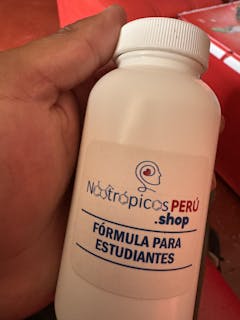
BAM-15 50mg ► 50 capsules
BAM-15 50mg ► 50 capsules
Couldn't load pickup availability
Share
BAM-15 is a next-generation compound belonging to the mitochondrial uncoupler class, designed to influence how cells use energy. Unlike classic uncouplers, BAM-15 has been investigated for its ability to selectively modulate proton flow across the inner mitochondrial membrane, potentially promoting increased cellular energy expenditure without compromising the ATP production necessary for vital functions. This formulation incorporates MCT oil powder and non-GMO sunflower lecithin to contribute to optimal lipophilic absorption, supporting the bioavailability of this compound, which acts directly on the mitochondria, the powerhouses of every cell in the body.
Support for overall energy metabolism
• Dosage: For those seeking to promote a more active energy metabolism as part of a healthy lifestyle, it is suggested to start with 1 capsule daily (50mg of BAM-15). This initial dose allows for evaluation of the individual response during the first week. Subsequently, it can be gradually increased to 2 capsules daily (100mg) and, if tolerance is favorable and a more pronounced response is desired, up to 3-4 capsules daily (150-200mg) distributed throughout the day.
• Frequency of administration: It is recommended to take the capsules with food containing some fat to promote the absorption of the lipophilic compound. The ideal distribution for higher doses would be: 1-2 capsules with breakfast and 1-2 capsules with lunch. Some users prefer to add a third dose with a snack or light meal in the afternoon if they are using 4 capsules daily. It is suggested to avoid nighttime administration close to bedtime.
• Cycle duration: Usage protocols are typically structured in cycles of 8 to 12 weeks of continuous use, followed by a 2 to 4 week break. This schedule allows the body to adapt and recalibrate before restarting. During the usage period, it is recommended to maintain a balanced diet and regular physical activity to complement the effects of the supplement.
Support during body recomposition programs
• Dosage: For those combining BAM-15 with a structured exercise and nutrition program aimed at optimizing body composition, a daily dose of 100-200 mg (2-4 capsules) is suggested. It is recommended to start with 100 mg during the first week and gradually increase according to tolerance and specific goals. The 200 mg dose represents the upper end of the range for those seeking to maximize energy expenditure during intensive phases.
• Frequency of administration: It is recommended to divide the dose into 2-3 administrations throughout the day. An effective schedule for 4 capsules daily would be: 2 capsules with breakfast and 2 capsules with lunch, or alternatively 1-2 capsules with breakfast, 1-2 with lunch, and 1 with an early snack. Taking the capsules with meals that include healthy fats may enhance absorption. Maintaining more stable levels of the compound through dose distribution has been observed to optimize results.
• Cycle duration: During intensive body recomposition programs, use can be extended up to 12-16 weeks if deemed necessary, incorporating a 3-4 week rest period before restarting. It is recommended to synchronize BAM-15 cycles with the phases of the training program, reserving the higher doses (150-200mg) for the most intense or cutting phases.
Lipid metabolism support
• Dosage: For those specifically seeking to promote fat metabolism as an energy source, a progressive protocol is suggested: start with 1 capsule daily (50mg) during the first week, increase to 2 capsules daily (100mg) in the second week, and if the response is favorable, reach 3 capsules daily (150mg) from the third week onwards. Those requiring a more intense response can reach 4 capsules daily (200mg) in advanced phases of the cycle.
• Frequency of administration: It is recommended to distribute the capsules among main meals that include quality fats. For 3-4 capsules daily, a practical schedule would be: breakfast (1-2 capsules), lunch (1-2 capsules). If a fourth capsule is used, it can be taken with a snack that contains some fat. Maintaining intervals of at least 4-5 hours between doses promotes more sustained exposure to the compound.
• Cycle duration: Cycles designed to promote lipid metabolism can be structured in 8-12 week periods with 2-3 week breaks. During use, it is suggested to pay attention to the intake of quality fats that can serve as a substrate for increased oxidation, avoiding excessively low-fat diets that could limit the potential benefits of the compound.
Support during periods of increased caloric intake
• Dosage: In situations where a temporarily elevated caloric intake is anticipated, such as during holidays or periods of increased nutrition in sports programs, a dose of 150-200 mg daily (3-4 capsules) is suggested. This higher amount may contribute to increased energy expenditure, helping to manage the caloric surplus more efficiently.
• Frequency of administration: It is recommended to distribute the capsules strategically around the largest meals. An effective schedule would be to take 1-2 capsules before or during main meals where higher intake is anticipated. Taking them before meals may promote a more active metabolism during the digestive and nutrient absorption process. Distributing the capsules into 2-3 doses throughout the day optimizes metabolic coverage.
• Cycle duration: Use during periods of high intake can be shorter and more targeted, ranging from a few days to 2-4 weeks depending on the duration of the situation. A longer cycle is not necessary if the situation prompting use is temporary. Resume standard protocols or take a break after the period of increased intake.
Performance support in endurance physical activity
• Dosage: For those who perform prolonged endurance physical activity and seek to optimize the use of fats as fuel during exercise, a dose of 100-150mg daily (2-3 capsules) is suggested as a typical range. Athletes with higher training volumes or in intensive preparation phases may consider up to 200mg daily (4 capsules), always evaluating the individual response and the impact on performance.
• Administration frequency: It is recommended to take 1-2 capsules with breakfast, approximately 2-3 hours before resistance training sessions to allow for absorption and distribution of the compound. The remaining capsules can be taken with lunch or an early snack. On double-session days or days with high training loads, dividing the dose into 3 servings may promote more stable levels. Combining this product with quality fat sources has been observed to enhance the effects on lipid metabolism during exercise.
• Cycle duration: Use can be synchronized with specific training blocks, typically during base or general preparation phases where the development of aerobic capacity and metabolic efficiency is prioritized. Cycles of 8–12 weeks with 2-week breaks are appropriate. Consider modulating the dosage according to the training phase: moderate doses (100 mg) during maintenance and higher doses (150–200 mg) during higher volume phases or phases emphasizing metabolic adaptations.
Progressive titration protocol
• Dosage: For those who prefer a conservative and systematic approach, the following titration schedule is suggested: Week 1: 50 mg daily (1 capsule). Week 2: 100 mg daily (2 capsules). Week 3: 150 mg daily (3 capsules). Week 4 onwards: 200 mg daily (4 capsules) if tolerated and required by the goals. This protocol allows for the identification of the optimal individual dose where benefits are perceived without unwanted side effects.
• Frequency of administration: As the dose increases, it is recommended to divide the capsules into more frequent doses. With 1-2 capsules, one or two doses are sufficient. With 3-4 capsules, dividing them into 2-3 doses throughout the day promotes more stable levels and may improve tolerance. Always take with food containing fat to optimize absorption.
• Cycle duration: Once the target dose is reached, maintain it for 6-10 weeks before starting the rest period. Some users prefer to maintain moderate doses (100-150mg) for longer periods rather than maximum doses for short periods. Evaluate which approach best suits your goals and individual response.
Did you know that BAM-15 acts specifically on the inner mitochondrial membrane, the same place where the magic of cellular energy production happens?
The inner mitochondrial membrane is a highly specialized structure containing the respiratory chain complexes and ATP synthase. BAM-15 selectively inserts into this membrane, where it facilitates the passage of protons back into the mitochondrial matrix without involving ATP synthase. This highly localized mechanism of action explains why it can precisely modulate energy metabolism, directly influencing the core of each cell's energy-producing machinery without affecting other cellular membranes.
Did you know that BAM-15 was specifically developed to avoid the safety problems associated with previous mitochondrial uncouplers?
Classical mitochondrial uncouplers, such as DNP used decades ago, acted indiscriminately and could cause cellular energy collapse by completely dissipating the proton gradient. BAM-15 represents a new generation of these compounds, designed with a molecular structure that allows for partial and controlled uncoupling. This structural selectivity means that cells maintain functional ATP levels while experiencing increased energy expenditure—a balance that previous compounds could not achieve.
Did you know that mitochondrial uncoupling is a natural process that occurs in the brown adipose tissue of mammals?
The human body possesses brown adipose tissue that uses naturally occurring uncoupling proteins called UCPs to generate heat instead of ATP. This mechanism is essential for thermoregulation, especially in newborns and in response to cold. BAM-15 mimics this natural physiological process pharmacologically, enabling other tissues to also dissipate energy as heat in a manner similar to how active brown adipose tissue naturally does.
Did you know that BAM-15 could promote fatty acid oxidation without requiring a strict calorie deficit?
When mitochondrial uncoupling increases cellular energy demand, mitochondria draw on their available substrates to maintain heat production. Fatty acids represent a dense energy source that cells can mobilize to fuel this increased process. Research suggests that BAM-15 may encourage cells to preferentially use lipids to meet this increased demand, contributing to a metabolic profile that favors fat oxidation as a primary fuel source.
Did you know that mitochondria can represent up to 40% of the volume of certain metabolically active cells?
In cells with high energy demands, such as those of the heart muscle, mitochondria occupy a substantial proportion of the cellular space. This means that compounds like BAM-15, which act directly on mitochondria, have a potentially enormous impact on the metabolism of these tissues. Mitochondrial density varies between tissues, which explains why the effects of uncoupling can manifest differently in different organs of the body.
Did you know that the mitochondrial proton gradient stores energy equivalent to a microscopic battery?
The respiratory chain pumps protons from the mitochondrial matrix into the intermembrane space, creating an electrochemical gradient that can reach significant pH differences and an electrical potential of approximately 150–180 millivolts. This stored energy normally drives ATP synthase, but BAM-15 allows some of it to be dissipated directly as heat, essentially partially discharging this cellular battery to generate thermogenesis.
Did you know that BAM-15 does not affect the plasma membrane potential of cells?
Unlike some ionophores that can disrupt multiple cell membranes, BAM-15 exhibits selectivity for the inner mitochondrial membrane without affecting the outer plasma membrane. This membrane specificity is crucial to its action profile, as the plasma membrane potential is fundamental for numerous cellular functions, such as nerve signaling and muscle contraction. The preservation of this potential contributes to limiting the effects of BAM-15 to the mitochondrial compartment.
Did you know that the MCT oil included in this formulation could both promote absorption and provide a substrate for thermogenesis?
The medium-chain triglycerides present in MCT oil are absorbed and metabolized differently than long-chain fats, reaching the liver more directly where they can be rapidly oxidized. This characteristic could not only improve the bioavailability of BAM-15 by facilitating its intestinal absorption, but also provide easily oxidizable fatty acids that mitochondria can use as fuel for the thermogenesis process enhanced by uncoupling.
Did you know that sunflower lecithin acts as a natural emulsifier that promotes the dispersion of lipophilic compounds?
BAM-15 is a molecule with an affinity for lipid environments, which can hinder its absorption in the aqueous environment of the digestive tract. Sunflower lecithin, rich in phospholipids, forms micellar structures that encapsulate lipophilic compounds, facilitating their dispersion in the intestinal aqueous environment and their subsequent absorption. This formulation strategy helps optimize the bioavailability of BAM-15 without resorting to synthetic solvents.
Did you know that moderate mitochondrial uncoupling could influence cellular longevity according to some lines of research?
There is a scientific hypothesis suggesting that slight mitochondrial uncoupling could contribute to reducing cumulative oxidative damage in cells. By decreasing the proton gradient pressure, the production of reactive oxygen species is reduced at certain points in the respiratory chain. Although this area is still under investigation, it represents a fascinating aspect of the potential of compounds like BAM-15 beyond their effects on energy metabolism.
Did you know that BAM-15 could influence the expression of genes related to mitochondrial metabolism?
Beyond its direct effect on proton transport, research suggests that mitochondrial uncoupling can activate signaling pathways that modify gene expression. When mitochondria undergo changes in their energy state, they send signals to the cell nucleus that can result in the activation of genes related to lipid metabolism, mitochondrial biogenesis, and the adaptive response to metabolic stress. This phenomenon is known as retrograde mitochondrial-nuclear signaling.
Did you know that BAM-15's ability to act without acidifying the cytoplasm distinguishes it from other protonophores?
Some compounds that facilitate proton transport can cause acidification of the cell cytoplasm, interfering with numerous enzymatic processes. BAM-15 has been characterized by its ability to transport protons specifically across the inner mitochondrial membrane without significantly altering the cytosolic pH. This property contributes to a cleaner action profile, where the effects are concentrated in the mitochondrial compartment without disturbing the acid-base balance of the rest of the cell.
Did you know that skeletal muscle represents one of the main tissues where mitochondrial uncoupling can increase energy expenditure?
Skeletal muscle constitutes approximately 40% of body mass and is rich in mitochondria, especially in oxidative fibers. This makes it a tissue with great potential for energy dissipation through uncoupling. Research with BAM-15 has explored how this compound could influence muscle metabolism, promoting greater energy expenditure in this tissue, which is quantitatively important for the body's overall energy balance.
Did you know that BAM-15 could promote the activity of the AMPK enzyme, a master regulator of cellular metabolism?
AMP-activated protein kinase is a key energy sensor that is activated when cells perceive a decrease in ATP levels or an increase in energy demand. Mitochondrial uncoupling facilitated by BAM-15 may contribute to activating this signaling pathway, triggering adaptive responses that include increased fatty acid oxidation, greater glucose uptake, and stimulation of mitochondrial biogenesis.
Did you know that the capsule formulation with lipid vehicles could promote the lymphatic absorption of BAM-15?
Lipophilic compounds administered with fatty vehicles can be partially absorbed through the intestinal lymphatic system, bypassing initial hepatic metabolism. This alternative absorption route could contribute to a greater proportion of BAM-15 reaching the systemic circulation in its active form, optimizing its effective bioavailability. The combination with MCT oil and lecithin in this formulation is designed to take advantage of these lipid absorption pathways.
Did you know that mitochondrial uncoupling could influence how cells handle excess nutrients?
When energy substrates are abundant, cells can experience metabolic overload if they have no way to dissipate the excess energy. The uncoupling provided by BAM-15 offers a metabolic escape valve, allowing excess energy to dissipate as heat instead of generating cellular stress signals. This mechanism has been investigated as a strategy to promote metabolic resilience to fluctuations in nutrient availability.
Did you know that BAM-15 shows stability over a wide pH range, which facilitates its passage through the digestive system?
Many bioactive compounds degrade in the acidic environment of the stomach or the alkaline conditions of the intestine. BAM-15 has been shown to maintain its functional molecular structure throughout these different environments of the gastrointestinal tract, contributing to a significant proportion reaching the absorption site intact. This chemical stability is an important factor for its oral bioavailability.
Did you know that uncoupling-induced thermogenesis occurs without activation of the sympathetic nervous system?
Unlike thermogenic stimulants that work by activating adrenergic receptors and the sympathetic nervous system, BAM-15 generates heat through a purely mitochondrial mechanism. This means that the increase in energy expenditure is not accompanied by stimulant effects such as increased heart rate or feelings of nervousness. This mechanism of action, independent of the nervous system, represents a different approach to modulating energy metabolism.
Did you know that mitochondria in different tissues can respond variably to uncoupling?
Not all mitochondria are the same: they vary in membrane composition, respiratory chain density, and oxidative capacity depending on the tissue in which they are located. This heterogeneity means that BAM-15 could have slightly different effects in the liver, muscle, adipose tissue, or other organs. Research is ongoing to characterize how these tissue differences influence the response to mitochondrial uncoupling.
Did you know that the heat generated by mitochondrial uncoupling could contribute to maintaining body temperature?
Non-shivering thermogenesis is a physiological mechanism for maintaining body temperature in cold environments. BAM-15, by promoting heat production at the mitochondrial level, could contribute to this thermoregulatory process. Although not specifically used for this purpose, the heat generated as a byproduct of uncoupling represents energy that is effectively transferred to the body's internal environment.
Support for energy metabolism and thermogenesis
BAM-15 has been investigated for its ability to influence cellular energy metabolism through a mechanism known as mitochondrial uncoupling. This process allows some of the energy stored in the mitochondrial proton gradient to dissipate as heat instead of being exclusively converted into ATP. This phenomenon, similar to what occurs naturally in brown adipose tissue, could promote higher basal caloric expenditure without requiring additional physical activity. Scientific research suggests that this mechanism contributes to a more active metabolism, supporting the body in maintaining a favorable energy balance when combined with healthy lifestyle habits.
Contribution to metabolic flexibility
Metabolic flexibility refers to the body's ability to efficiently switch between different energy substrates based on availability and physiological demands. BAM-15 has been studied for its potential to enhance this adaptability, particularly regarding the use of fatty acids as an energy source. By modulating mitochondrial function, this compound could support cells' ability to oxidize lipids more efficiently, contributing to a more versatile metabolic profile. This property is especially relevant for those seeking to optimize their fat metabolism as part of a holistic wellness approach.
Support for mitochondrial function without compromising ATP production
Unlike classic mitochondrial uncouplers that could drastically affect cellular ATP production, BAM-15 has been designed to act more selectively. Research indicates that this compound allows for partial or mild uncoupling, which promotes energy dissipation as heat while preserving functional levels of ATP, the fundamental energy currency of cells. This characteristic is crucial for maintaining essential cellular functions while reaping the benefits of increased energy expenditure, supporting a balance between efficiency and safety at the cellular level.
Support for mitochondrial oxidative stress balance
Mitochondria are both energy producers and important sources of reactive oxygen species. The mild uncoupling favored by BAM-15 has been investigated for its potential to modulate the production of these oxidizing molecules. By allowing a controlled proton flow that reduces the electrochemical gradient pressure, this compound could contribute to decreasing the excessive generation of free radicals during cellular respiration. This mechanism represents an indirect approach to antioxidant support, promoting conditions of lower oxidative stress in the mitochondrial compartment where many of these molecules originate.
Contribution to well-being during periods of increased caloric intake
In situations where energy intake temporarily exceeds expenditure, the body stores the surplus as reserves. BAM-15 has been investigated for its potential to modulate this process by promoting higher basal energy expenditure. By increasing the proportion of energy dissipated as heat, this compound could contribute to more efficient management of excess calories, supporting the body in maintaining a more favorable energy balance. This property has generated scientific interest in the context of overall metabolic well-being.
Support for cellular sensitivity to metabolic signals
The research has explored how BAM-15 might influence cellular responses to various metabolic signals, particularly those related to glucose and lipid regulation. The moderate mitochondrial uncoupling promoted by this compound could contribute to optimizing how cells respond to insulin and other energy metabolism signaling molecules. These effects have been investigated in the context of promoting more efficient metabolic communication between different tissues in the body.
Support for body composition in physical activity contexts
For those who engage in regular physical activity, BAM-15 has been studied as a potential energy expenditure support that could complement the effects of exercise. By promoting a more active metabolism even at rest, this compound could help optimize the results of a fitness program when combined with appropriate training and a balanced diet. Research suggests that the increase in fatty acid oxidation associated with mitochondrial uncoupling could support goals related to body composition.
Contribution to the efficiency of hepatic metabolism
The liver is a central organ for energy metabolism, processing nutrients and regulating the availability of substrates for the entire body. BAM-15 has been investigated for its potential to positively influence liver metabolism, particularly in relation to lipid processing. By promoting greater fatty acid oxidation at the mitochondrial level, this compound could contribute to more efficient liver function, supporting the natural fat-managing processes in this vital organ.
The power plants of your cells
Imagine that inside every cell in your body there are hundreds or thousands of tiny power plants working tirelessly. These power plants are called mitochondria, and their main job is to take the nutrients you eat—whether carbohydrates, fats, or proteins—and convert them into a form of energy your cells can use, called ATP. It's as if they transform raw fuel into clean electricity that powers all your body's activities, from moving a finger to thinking about your next meal.
These power plants operate using a very ingenious system: they create a kind of reservoir of tiny particles called protons. Just as water held back by a dam can spin turbines to generate electricity, the protons stored on one side of the mitochondrial membrane pass through special molecular turbines that produce ATP. This process is incredibly efficient, but all that stored energy has to go somewhere.
The smart exhaust valve
Now imagine that this proton dam is so pressurized that it sometimes needs a release valve. Under normal conditions, almost all the protons pass through the ATP turbines, but what if you could open a small gate that released some of that pressure without going through the turbines? The energy those protons contained wouldn't disappear; it would simply be transformed into something else: heat.
BAM-15 acts precisely as that smart escape valve. It inserts itself into the mitochondrial membrane and creates tiny channels through which some protons can flow back without going through the ATP turbines. The energy these protons lose as they cross is converted into heat, a phenomenon known as thermogenesis. It's like having a microscopic stove inside each cell that can be turned on to burn off excess available fuel.
A highly precise molecular thermostat
What's fascinating about BAM-15 is that it doesn't open the floodgate wide. Unlike older valves that could drain the entire dam and leave the cells without power, BAM-15 allows for a controlled release. The ATP turbines continue to operate normally, producing the energy you need to live, while the additional valve simply increases overall fuel consumption.
Think of it like a car that can suddenly burn a little more gas without needing to accelerate harder. The engine still runs fine, but it consumes more fuel even when idling. In your body, that extra fuel comes from your energy reserves, particularly stored fat, which your cells mobilize to power this increased heat generation process.
The preference for fats as fuel
When mitochondria need to burn more fuel due to proton leakage, they have to choose where to get that extra fuel. Fats are a very dense energy source, perfect for fueling processes that require sustained combustion. It's like choosing logs instead of paper to keep a campfire burning longer.
BAM-15 could encourage cells to use fatty acids as a preferred energy source for this increased process. Fatty acids travel from their storage sites to the mitochondria, where they enter a degradation cycle called beta-oxidation. Each turn of this cycle releases two-carbon fragments that directly fuel the mitochondrial powerhouses, producing additional heat in the process.
The absorption allies in each capsule
For BAM-15 to reach its target, it first needs to pass through the watery environment of your digestive system and enter your bloodstream. The problem is that BAM-15 prefers fatty environments, such as oil, which doesn't mix easily with water. This is where the allies included in each capsule come in.
MCT oil powder acts as a carrier, transporting BAM-15 in a favorable environment. Medium-chain triglycerides are special fats that are easily absorbed and create small lipid bubbles that encapsulate the active compound. Sunflower lecithin adds another layer of support: its molecules have a water-loving part and a fat-loving part, acting as bridges that facilitate the passage of BAM-15 from the intestine into the bloodstream.
The result: a more active metabolism
The combined effect of this entire process is a metabolism that operates at a slightly faster rate. Your cells continue to do everything they did before, producing ATP for everyday life, but now they also dissipate more energy as heat. This additional expenditure has to be fueled from somewhere, and the body draws on its reserves and circulating nutrients to meet this increased demand.
Imagine your metabolism as a campfire. Under normal conditions, you burn a specific amount of wood to keep you warm and active. BAM-15 is like adding more draft to the chimney: the fire remains safe and controlled, but it consumes more wood. If the available wood comes from your stored reserves, the net result is a more active use of those energy stores.
The summary: an energy engineer in every cell
Essentially, BAM-15 functions like an energy engineer who enters each of your cells' power plants and makes a small adjustment to the system. It doesn't shut down the turbines or cause a blackout; it simply installs a bypass valve that allows some of the stored energy to be released as heat instead of being stored or accumulated. The result is an energy system that works a little harder, consuming more fuel to maintain its operation. Like a building that decides to keep the heating on all day, your cells use more energy than they normally would, and that energy has to come from somewhere—either from the food you eat or from the reserves your body has built up over time.
Selective uncoupling of oxidative phosphorylation
BAM-15 belongs to the class of compounds known as mitochondrial protonophores, characterized by their ability to transport protons across biological membranes. Its primary mechanism involves insertion into the inner mitochondrial membrane, where it facilitates the return of protons from the intermembrane space into the mitochondrial matrix, bypassing complex V or ATP synthase. This process partially disrupts the coupling between electron transport and ATP synthesis, allowing the energy of the electrochemical proton gradient to dissipate as heat instead of being stored in high-energy bonds. BAM-15's selectivity for the inner mitochondrial membrane, without significantly affecting the plasma membrane potential, is a distinguishing characteristic compared to classical protonophores such as DNP or FCCP.
Modulation of mitochondrial membrane potential
The mitochondrial membrane potential, generated by the activity of complexes I, III, and IV of the respiratory chain, is normally maintained between 150 and 180 mV in a polarized state. BAM-15 induces a partial depolarization of this potential by dissipating part of the proton gradient. This reduction in membrane potential has significant metabolic consequences: it stimulates respiratory chain activity to attempt to restore the gradient, increasing oxygen consumption and the oxidation of energy substrates. Simultaneously, the moderate depolarization can influence other processes dependent on the membrane potential, including mitochondrial calcium homeostasis and signaling pathways related to cellular energy status.
Increased fatty acid oxidation
The increased energy demand resulting from mitochondrial uncoupling requires an increased supply of oxidizable substrates. Research suggests that BAM-15 particularly favors the mobilization and oxidation of fatty acids as an energy source to sustain this increased thermogenesis. This effect involves several complementary mechanisms: activation of lipases that release fatty acids from triglyceride stores, increased transport of fatty acids into the mitochondria via the carnitine system, and increased mitochondrial beta-oxidation. The net result is a shift in the metabolic profile toward greater reliance on lipids as cellular fuel.
Activation of the AMPK pathway
AMP-activated protein kinase (AMPK) functions as a central sensor of cellular energy status, detecting changes in the AMP/ATP ratio. Partial uncoupling induced by BAM-15, by increasing ATP consumption without a corresponding increase in synthesis, can elevate AMP levels and activate this kinase. AMPK activation triggers a cascade of adaptive responses, including stimulation of insulin-independent glucose uptake, increased fatty acid oxidation, inhibition of ATP-consuming anabolic pathways, and promotion of autophagy as a cellular recycling mechanism. These coordinated responses help restore energy balance and can have long-lasting effects on cellular metabolism.
Reduction of reactive oxygen species production
The mitochondrial electron transport chain is a significant source of reactive oxygen species, particularly when electron flow slows and the carriers remain in a reduced state for extended periods. The mild uncoupling favored by BAM-15 can accelerate electron flow through the respiratory chain, reducing the residence time of electrons in states where they can react with molecular oxygen to form superoxide. Additionally, the reduction in mitochondrial membrane potential diminishes the driving force for reactive species formation at certain sites in the chain. This indirect antioxidant effect represents a mechanism by which moderate uncoupling could contribute to cellular protection against oxidative stress.
Influence on mitochondrial biogenesis
Moderate energy stress induced by mitochondrial uncoupling can activate signaling pathways that promote the formation of new mitochondria. The transcriptional coactivator PGC-1α, considered the master regulator of mitochondrial biogenesis, can be activated in response to signals of increased energy demand, including AMPK activation. This adaptive response results in the coordinated expression of nuclear and mitochondrial genes encoding components of the respiratory chain, enzymes of oxidative metabolism, and mitochondrial transcription factors. The potential outcome is an increase in mitochondrial mass and capacity in the affected tissue.
Modulation of insulin sensitivity
Research has explored how mitochondrial uncoupling can influence the cellular response to insulin. When cells experience nutrient overload, excess metabolic intermediates can interfere with insulin signaling pathways, a phenomenon associated with insulin resistance. BAM-15, by accelerating substrate oxidation and reducing the accumulation of potentially toxic lipid intermediates such as diacylglycerols and ceramides, could contribute to preserving more efficient insulin signaling. This mechanism has been investigated particularly in tissues such as skeletal muscle and the liver, where insulin sensitivity is crucial for metabolic homeostasis.
Effects on hepatic lipid metabolism
The liver plays a central role in lipid metabolism, being responsible for the synthesis, oxidation, and export of fatty acids and triglycerides. BAM-15 has been investigated for its potential to modulate these hepatic processes. Increased respiratory chain activity and the demand for oxidizable substrates favor the channeling of fatty acids toward beta-oxidation rather than triglyceride synthesis. Simultaneously, AMPK activation can inhibit the activity of lipogenic enzymes such as acetyl-CoA carboxylase and fatty acid synthase. These combined effects could contribute to a hepatic metabolic profile that favors oxidation over lipid storage.
Sympathetic nervous system-independent thermogenesis
Unlike thermogenic compounds that act by stimulating adrenergic receptors and activating the sympathetic nervous system, BAM-15 generates heat through a purely mitochondrial mechanism. The heat produced by uncoupling is a direct consequence of the dissipation of the proton gradient, independent of catecholaminergic signaling. This characteristic has important implications: BAM-15-induced thermogenesis is not associated with the typical cardiovascular and neurological effects of sympathetic stimulants, such as tachycardia, vasoconstriction, or agitation. The increased energy expenditure occurs silently at the cellular level, without triggering the fight-or-flight responses associated with adrenergic stimulation.
Interaction with the formulation vehicles
The bioavailability of BAM-15 is significantly influenced by its formulation with MCT oil and sunflower lecithin. Medium-chain triglycerides are absorbed directly via the portal vein to the liver, but they can also facilitate the formation of mixed micelles with lipophilic compounds in the intestinal lumen. Lecithin provides phospholipids that stabilize these micellar structures and promote interaction with the enterocyte membrane. Once absorbed, BAM-15 is distributed to mitochondria-rich tissues, where it can exert its effects on energy metabolism. MCTs additionally provide readily oxidizable fatty acids that can serve as an immediate substrate for uncoupled mitochondria, enhancing the initial thermogenic effect.
Energy metabolism and mitochondrial function
• CoQ10 + PQQ: Coenzyme Q10 is an essential component of the mitochondrial electron transport chain, acting as an electron carrier between complexes I/II and complex III. When BAM-15 increases respiratory chain activity to compensate for uncoupling, the demand for functional CoQ10 increases proportionally. Supplementation ensures optimal levels of this critical cofactor to sustain the increased electron flow. PQQ complements this effect by promoting mitochondrial biogenesis through the activation of PGC-1α, which could result in a greater mitochondrial mass capable of responding to the elevated energy demand. The CoQ10+PQQ combination supports both mitochondrial function and quantity in response to uncoupling.
• L-Carnitine: This quaternary amino acid is essential for the transport of long-chain fatty acids into the mitochondrial matrix, where beta-oxidation occurs. BAM-15, by promoting greater use of fatty acids as fuel, increases the demand on the carnitine transport system. Carnitine forms esters with fatty acids (acylcarnitines) that can cross the inner mitochondrial membrane via the CPT-II transporter. Without adequate carnitine levels, the capacity to oxidize fats may be limited even when there is increased demand. L-carnitine supplementation could optimize the flow of fatty acids into uncoupled mitochondria.
• Alpha-lipoic acid: This cofactor acts as a coenzyme for mitochondrial enzyme complexes, including pyruvate dehydrogenase and alpha-ketoglutarate dehydrogenase, both crucial for the Krebs cycle. Additionally, alpha-lipoic acid possesses antioxidant properties that complement the reduction of oxidative stress promoted by mild uncoupling. Its ability to regenerate other antioxidants such as vitamin C, vitamin E, and glutathione amplifies cellular protection. In the context of BAM-15 use, alpha-lipoic acid supports both the efficiency of oxidative metabolism and mitochondrial antioxidant defense.
Lipid metabolism support
• C15 - Pentadecanoic Acid: This odd-chain fatty acid has been investigated for its role in modulating lipid metabolism and mitochondrial function. Unlike even-chain fatty acids, which are completely oxidized to acetyl-CoA, pentadecanoic acid generates propionyl-CoA, which can fuel the Krebs cycle via the succinyl-CoA pathway. This characteristic makes it a unique substrate that could complement the fat oxidation enhanced by BAM-15. Additionally, its influence on metabolic sensitivity and mitochondrial membrane integrity has been investigated, aspects that are relevant when modulating the function of these organelles.
• Acetyl-L-Carnitine: This acetylated form of carnitine crosses membranes more easily and provides both the fatty acid transporter and directly usable acetyl groups for mitochondrial metabolism. Acetyl-L-carnitine can donate its acetyl group to CoA, forming acetyl-CoA, the entry substrate for the Krebs cycle. In the context of mitochondrial uncoupling, this dual function is especially valuable: it facilitates the transport of fatty acids for beta-oxidation while providing immediate fuel to sustain increased metabolic activity.
• Berberine: This plant alkaloid has been extensively researched for its ability to activate AMPK, the same energy sensor that responds to mitochondrial uncoupling. Combining BAM-15 with berberine could enhance signaling through this pathway, amplifying adaptive responses that include increased fatty acid oxidation and inhibition of lipogenesis. Berberine also influences glucose metabolism and can modulate the gut microbiota in ways that promote a more efficient metabolic profile.
Antioxidant protection and cytoprotection
• N-Acetylcysteine: NAC is the most efficient precursor for the synthesis of glutathione, the main intracellular antioxidant system. Although the mild uncoupling favored by BAM-15 tends to reduce the production of reactive oxygen species, accelerated metabolism generates a certain oxidative load that must be neutralized. Glutathione synthesized from NAC works in both the cytoplasm and mitochondria to maintain redox balance. Additionally, NAC has direct effects on cell signaling and can modulate inflammatory pathways that interact with energy metabolism.
• Vitamin C Complex with Camu Camu: Vitamin C participates in the regeneration of oxidized alpha-tocopherol and contributes to water-soluble antioxidant defense. In the context of increased metabolism due to BAM-15, vitamin C helps maintain redox balance in cellular compartments where glutathione is not present in high concentrations. Camu camu provides vitamin C in a matrix of phytochemicals that may offer additional antioxidant effects and promote the absorption and utilization of the vitamin.
• Selenium (as part of Essential Minerals): Selenium is an essential cofactor of selenoproteins, including glutathione peroxidases that neutralize peroxides in the mitochondria. Without adequate selenium, the glutathione system's ability to protect against oxidative stress is compromised. In the context of accelerated mitochondrial metabolism, ensuring optimal selenium levels supports the function of antioxidant enzymes that depend on this mineral.
Bioavailability and absorption
• Phosphatidylcholine: This phospholipid is the main component of cell membranes and lipoproteins that transport lipids in the blood. Supplementation with phosphatidylcholine may promote the formation of liposomal structures in the digestive tract that facilitate the absorption of lipophilic compounds such as BAM-15. Additionally, phosphatidylcholine provides choline, an essential nutrient for the synthesis of acetylcholine and for fat metabolism in the liver, processes that are relevant when lipid oxidation is increased.
• Medium-chain triglycerides (already included in the formulation): The MCTs present in the formulation not only facilitate the absorption of BAM-15 but also provide rapidly oxidizing fatty acids that can serve as an immediate substrate for uncoupled mitochondria. Medium-chain fatty acids do not require carnitine to enter the mitochondria and are preferentially oxidized, efficiently generating heat and acetyl-CoA.
• Piperine: This black pepper alkaloid may increase the bioavailability of various nutraceuticals by modulating phase I and II enzymes of hepatic metabolism, particularly by inhibiting certain cytochrome P450 isoforms and glucuronidation. It also influences the activity of P-glycoproteins, which act as efflux pumps in the intestine. For orally administered BAM-15 and its cofactors, piperine may promote a greater proportion of the compound reaching the systemic circulation in its active form. For this reason, it is used as a cross-potentiating cofactor that can enhance the efficacy of the entire supplementation protocol.
How many capsules should I take per day and what is the best way to administer them?
The suggested dosage ranges from 1 to 2 capsules daily, depending on individual goals and response. It is recommended to start with 1 capsule daily for the first week to assess tolerance before considering an increase. The capsules should be taken with food containing some fat, as BAM-15 is a lipophilic compound whose absorption is enhanced in the presence of dietary lipids. It is not necessary to chew the capsules; they can be swallowed whole with water.
What is the best time of day to take BAM-15?
Most users prefer to take BAM-15 in the morning or at midday, coinciding with main meals. This preference is based on the idea of taking advantage of the potential increase in energy expenditure during peak activity times. If you use 2 capsules daily, you can divide them between breakfast and lunch. Taking it at night is generally avoided, although BAM-15 does not produce direct stimulant effects on the nervous system that would interfere with sleep.
Can I take BAM-15 on an empty stomach or do I need to take it with food?
Although BAM-15 can be taken on an empty stomach, it is recommended to take it with foods containing fats to optimize absorption. The MCT oil and lecithin included in the formula facilitate the dispersion of the compound, but the presence of additional lipids in the digestive tract can promote the formation of mixed micelles, which improve bioavailability. A breakfast or lunch that includes avocado, eggs, olive oil, or other sources of healthy fat would be ideal.
How long does it take to notice any effect?
The timing of the response varies among individuals. Some users report subtle sensations of increased warmth or thirst within the first few days, while others do not perceive any immediate changes. The effects on energy metabolism and body composition, when combined with a proper diet and physical activity, are typically evaluated over a period of 4 to 8 weeks. It is recommended to maintain consistent use for at least 4 weeks before assessing the supplement's individual benefit.
Is it normal to feel hotter than usual when taking BAM-15?
A slight increase in the sensation of body heat may be a manifestation of BAM-15's mechanism of action, which promotes energy dissipation as heat. This thermogenesis is generally subtle and should not be uncomfortable. If you experience excessive heat, profuse sweating, or discomfort, consider reducing the dose or temporarily discontinuing use to assess individual tolerance.
Does BAM-15 produce stimulant effects like caffeine or ephedrine?
No. Unlike thermogenics that work by stimulating the sympathetic nervous system, BAM-15 exerts its effect directly at the mitochondrial level, without activating adrenergic receptors. For this reason, effects such as increased heart rate, nervousness, difficulty sleeping, or feelings of anxiety, which are characteristic of conventional stimulants, are not expected. The increased energy expenditure occurs silently at the cellular level.
Can I combine BAM-15 with caffeine or other thermogenics?
Combining BAM-15 with moderate caffeine has no known contraindications based on its mechanism of action, as they act through different pathways. However, combining it with other potent thermogenics or nervous system stimulants should be approached with caution and preferably gradually. If you already consume coffee or tea regularly, there's no need to stop, but observe your body's overall response to adding BAM-15 to your routine.
How long does a bottle last with the recommended use?
Each bottle contains a specific number of capsules. With a dosage of 1 capsule daily, the duration will depend on the total number of capsules in the bottle. With 2 capsules daily, the duration is reduced by half. Plan your refills considering your usual dosage and any scheduled breaks in your usage protocol.
Is it necessary to take breaks from using BAM-15 or can it be taken indefinitely?
It is recommended to structure use in cycles with rest periods. A common protocol consists of 8 to 12 weeks of continuous use followed by 2 to 4 weeks of rest. These rest periods allow the body to recalibrate and can help maintain a long-term response to the compound. There is insufficient information available regarding indefinite continuous use, so the cycling strategy represents a cautious approach.
What happens if I forget to take a dose?
Missing a dose occasionally is not a significant problem. Simply resume your regular protocol at your next scheduled dose. Do not attempt to compensate with double doses, as this offers no additional benefits and could unnecessarily increase the strain on your body. Consistency over time is more important than perfection on every single dose.
Does BAM-15 affect appetite?
The effects on appetite are not clearly established and may vary among individuals. Some users report a slight reduction in appetite, possibly related to metabolic modulation that increases the availability of energy substrates. Others perceive no significant changes. BAM-15 does not act directly on the appetite control centers in the brain as some specific suppressant compounds do.
Should I change my diet while using BAM-15?
While drastic changes aren't strictly necessary, optimizing your diet can enhance results. Since BAM-15 promotes fatty acid oxidation, maintaining an adequate intake of quality fats provides the substrate your body will use for increased thermogenesis. A balanced diet that includes sufficient protein, carbohydrates appropriate to your activity level, and healthy fats will complement the supplement's metabolic effects.
Can I use BAM-15 if I follow a ketogenic or low-carb diet?
BAM-15 may be particularly compatible with dietary approaches that already prioritize fats as an energy source. In ketogenic or low-carbohydrate diets, the body is already adapted to efficiently oxidize fatty acids. The mitochondrial uncoupling promoted by BAM-15 could further enhance this process. However, assess individual response and ensure you maintain adequate calorie and nutrient intake for your needs.
Is it necessary to take BAM-15 every day or can it be used intermittently?
Both regimens are valid. Daily use during defined cycles allows for consistent exposure, which may promote cumulative metabolic adaptations. Intermittent use, for example, 5 days a week with 2 days off, may be an option for those who prefer a more flexible approach or wish to extend the duration of supplementation. Experiment with different regimens to identify the one that best suits your individual needs and response.
Does BAM-15 interact with physical exercise?
Physical exercise increases energy demand and activates metabolic pathways similar to those influenced by BAM-15, particularly AMPK and fatty acid oxidation. The combination of both could have complementary effects on total energy expenditure. Some users prefer to take BAM-15 before exercise to boost metabolism during activity, while others take it regardless of the training schedule. No negative interference with physical performance has been reported.
Are there any types of exercise that benefit most from using BAM-15?
Moderate endurance exercise and aerobic activities that rely heavily on fat oxidation as an energy source could be well complemented by BAM-15. However, the compound does not interfere with high-intensity activities or strength training. The versatility of its mechanism of action allows its use in combination with various types of physical activity programs without requiring specific modifications.
Can I take BAM-15 if I already use other metabolism supplements?
Compatibility depends on the specific supplements. BAM-15 can be combined with L-carnitine, CoQ10, alpha-lipoic acid, and other compounds that support mitochondrial metabolism without any known problematic interactions. However, combining it with multiple thermogenic stimulants should be approached with caution. If you are using supplements that affect thyroid function or hormone metabolism, evaluate your individual situation before adding BAM-15.
How should I store the product?
Store the bottle in a cool, dry place, away from direct sunlight and excessive heat. Refrigeration is not necessary, but avoid leaving the product in high-temperature environments such as vehicles parked in the sun or near heat sources. Keep the bottle tightly closed after each use to protect the contents from ambient moisture.
What do I do if I accidentally take more than the suggested dose?
An occasionally higher dose should not be a significant concern, but it is not recommended. If this occurs, monitor your response over the next few hours and resume your usual dosage at the next scheduled dose. Do not attempt to compensate by reducing subsequent doses. If the overdose was substantial and you experience any discomfort, consider taking a break of several days before resuming use at the standard dose.
Is BAM-15 compatible with alcohol consumption?
Alcohol is metabolized in the liver and can temporarily affect overall energy metabolism. There are no known direct interactions between BAM-15 and alcohol, but excessive alcohol consumption may interfere with the metabolic processes that BAM-15 aims to optimize. Moderate and occasional consumption is unlikely to significantly affect results, but regular or heavy consumption could counteract the intended benefits of supplementation.
- This product is formulated as a food supplement and should be used as part of a balanced lifestyle, not as a substitute for a varied diet or healthy physical activity habits.
- Store in a cool, dry place, protected from direct sunlight and excessive heat sources, out of reach of children.
- Do not exceed the suggested dosage of 2 capsules daily. Always start with the lowest dose to assess individual tolerance before making adjustments.
- Respect the rest periods between usage cycles to promote the body's optimal long-term response.
- Maintain adequate hydration while using the product, as increased metabolism may increase fluid requirements.
- Avoid concomitant use with multiple thermogenic or stimulant compounds without first assessing individual tolerance to each one separately.
- People using prescription drugs, especially those that affect energy metabolism or mitochondrial function, should be properly informed about possible interactions before incorporating this supplement.
- Stop use if you experience excessive heat, profuse sweating, general discomfort, or other unexpected reactions, and evaluate before resuming.
- Do not use this product as your sole strategy for body composition goals; combine it with a balanced diet and appropriate physical activity.
- The effects perceived may vary between individuals; this product complements the diet within a balanced lifestyle.
- Concomitant use with other mitochondrial protonophores or uncouplers such as DNP is discouraged due to the potential for additive effects on the mitochondrial proton gradient, which could result in excessive energy dissipation and compromise of cellular ATP production.
- Avoid simultaneous use with drugs that directly affect mitochondrial function, including certain antibiotics in the fluoroquinolone family and some antiretrovirals, which can alter the respiratory chain through independent mechanisms.
- Use during pregnancy and breastfeeding is not recommended due to insufficient safety evidence under these conditions. Maternal-fetal energy metabolism requires a delicate balance that should not be disrupted without adequate information.
- People with conditions that affect mitochondrial function or cellular energy metabolism should avoid use without proper guidance, as BAM-15 directly modulates fundamental mitochondrial processes.
- Avoid concomitant use with hypoglycemic drugs without appropriate monitoring, as mitochondrial uncoupling may influence glucose metabolism and potentially modify the requirements of these medications.
- Use in individuals with significant alterations in thyroid function, whose hormones also modulate energy metabolism and mitochondrial activity, should be carefully evaluated given the potential for additive metabolic effects.
- Avoid use during states of high acute energy demand such as fever or active infections, when the body already has an accelerated metabolism and further decoupling may not be appropriate.
Let customers speak for us
from 104 reviewsEmpezé con la dosis muy baja de 0.5mg por semana y tuve un poco de nauseas por un par de días. A pesar de la dosis tan baja, ya percibo algun efecto. Me ha bajado el hambre particularmente los antojos por chatarra. Pienso seguir con el protocolo incrementando la dosis cada 4 semanas.

Debido a que tengo algunos traumas con el sexo, me cohibia con mi pareja y no lograba disfrutar plenamente, me frustraba mucho...Probé con este producto por curiosidad, pero es increíble!! Realmente me libero mucho y fue la primera toma, me encantó, cumplió con la descripción 🌟🌟🌟

Super efectivo el producto, se nota la buena calidad. Lo use para tratar virus y el efecto fue casi inmediato. 100%Recomendable.

Desde hace algunos años atrás empecé a perder cabello, inicié una serie de tratamientos tanto tópicos como sistémicos, pero no me hicieron efecto, pero, desde que tomé el tripéptido de cobre noté una diferencia, llamémosla, milagrosa, ya no pierdo cabello y siento que las raíces están fuertes. Definitivamente recomiendo este producto.

Muy buena calidad y no da dolor de cabeza si tomas dosis altas (2.4g) como los de la farmacia, muy bueno! recomendado

Un producto maravilloso, mis padres y yo lo tomamos. Super recomendado!

Muy buen producto, efectivo. Los productos tienen muy buenas sinergias. Recomendable. Buena atención.

Este producto me ha sorprendido, yo tengo problemas para conciliar el sueño, debido a malos hábitos, al consumir 1 capsula note los efectos en menos de 1hora, claro eso depende mucho de cada organismo, no es necesario consumirlo todos los días en mi caso porque basta una capsula para regular el sueño, dije que tengo problemas para conciliar porque me falta eliminar esos habitos como utilizar el celular antes de dormir, pero el producto ayuda bastante para conciliar el sueño 5/5, lo recomiendo.

Con respecto a la atención que brinda la página es 5 de 5, estoy satisfecho porque vino en buenas condiciones y añadió un regalo, sobre la eficacia del producto aún no puedo decir algo en específico porque todavía no lo consumo.

Compre el Retrauide para reducir mi grasa corporal para rendimiento deportivo, realmente funciona, y mas que ayudarme a bajar de peso, me gusto que mejoro mi relacion con la comida, no solo fue una reduccion en el apetito, sino que directamente la comida "chatarra" no me llama la atencion como la hacia antes. Feliz con la compra.
Pedí enzimas digestivas y melón amargo, el proceso de envío fué seguro y profesional. El producto estaba muy bien protegido y lo recogí sin inconvenientes.
Estoy familiarizado con los nootrópicos hace algunos años, habiéndolos descubierto en EEUU a travez de ingenieros de software. Cada protocolo es distinto, cada organismo también y la meta de uno puede ser cognitiva, por salud, por prevención, etc... Nootrópicos Perú es una tienda que brinda la misma calidad y atención al cliente, que darían en una "boutique" de nootrópicos en San José, Silicon Valley; extremadamente profesionales, atención personalizada que raramente se encuentra en Perú, insumos top.
No es la típica tienda a la que la mayoría de peruanos estamos acostumbrados, ni lo que se consigue por mercadolibre... Se detallan muy bien una multiplicidad de protocolos con diferentes enfoques y pondría en la reseña 6/5, de ser posible. Lo único que recomiendo a todos los que utilicen nootrópicos: Es ideal coordinar con un doctor en paralelo, internista/funcional de ser posible, para hacerse paneles de sangre y medir la reacción del cuerpo de cada quién. Todos somos diferentes en nuestra composición bioquímica, si bien son suplementos altamente efectivos, no son juegos y uno debe tomárselo seriamente.
Reitero, no he leído toda la información que la web ofrece, la cual es vasta y de lo poco que he leído acierta al 100% y considera muchísimos aspectos de manera super profesional e informada al día. Es simplemente una recomendación en función a mi propia experiencia y la de otros conocidos míos que los utilizan (tanto en Perú, como en el extranjero).
6 puntos de 5.
Hace un tiempo decidí probar la semaglutida y descubrí esta página. Ha sido una experiencia muy positiva: todo es claro, confiable y seguro. Mi esposa, mi hermana y yo seguimos el tratamiento, y poco a poco hemos bajado de peso y encontrado un mejor equilibrio en nuestra salud y bienestar.
Excelente producto

Encantado con el producto sellado bn y buena atencion
⚖️ DISCLAIMER
The information presented on this page is for educational, informational and general guidance purposes only regarding nutrition, wellness and biooptimization.
The products mentioned are not intended to diagnose, treat, cure or prevent any disease, and should not be considered as a substitute for professional medical evaluation or advice from a qualified health professional.
The protocols, combinations, and recommendations described are based on published scientific research, international nutritional literature, and the experiences of users and wellness professionals, but they do not constitute medical advice. Every body is different, so the response to supplements may vary depending on individual factors such as age, lifestyle, diet, metabolism, and overall physiological state.
Nootropics Peru acts solely as a supplier of nutritional supplements and research compounds that are freely available in the country and meet international standards of purity and quality. These products are marketed for complementary use within a healthy lifestyle and are the responsibility of the consumer.
Before starting any protocol or incorporating new supplements, it is recommended to consult a health or nutrition professional to determine the appropriateness and dosage in each case.
The use of the information contained on this site is the sole responsibility of the user.
In accordance with current regulations from the Ministry of Health and DIGESA, all products are offered as over-the-counter food supplements or nutritional compounds, with no pharmacological or medicinal properties. The descriptions provided refer to their composition, origin, and possible physiological functions, without attributing any therapeutic, preventative, or curative properties.