-
 ⚡️ Reduced Price ⚡️ Take advantage ⚡️ Reduced Price ⚡️ Take advantage
 -


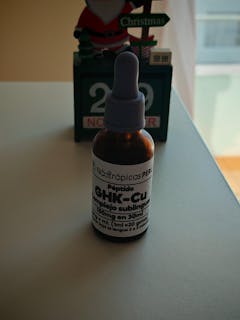
GHK-Cu Liposomal 5 mg ► 50 capsules
GHK-Cu Liposomal 5 mg ► 50 capsules
Couldn't load pickup availability
Share
Liposomal GHK-Cu is a naturally occurring tripeptide composed of glycine, histidine, and lysine chelated with copper and encapsulated in phospholipid liposomes. These liposomes protect the peptide from digestive enzyme degradation and facilitate its intestinal absorption and cellular delivery. This peptide complex, which occurs naturally in human blood plasma at levels that decline with age, has been extensively researched for its role in modulating gene expression related to tissue repair, collagen and elastin synthesis, angiogenesis, antioxidant activity via enzymes such as superoxide dismutase, and cell regeneration processes. Liposomal technology significantly increases the oral bioavailability of the peptide compared to unprotected forms, allowing GHK-Cu to reach systemic circulation more effectively. This contributes to defense against oxidative stress, supports stem cell function, promotes the resolution of inflammatory processes, and may support the modulation of thousands of genes associated with tissue maintenance, mitochondrial metabolism, and mechanisms related to cellular aging.
Supports collagen synthesis and extracellular matrix regeneration
• Dosage : During the first 3-5 days (adaptation phase), it is suggested to start with 5 mg daily (1 capsule) to assess individual tolerance to liposomal GHK-Cu and observe any digestive or systemic responses without introducing abrupt changes. This initial dose also allows the body to become familiar with the liposomal phospholipids and the encapsulated peptide. Subsequently, the most commonly used maintenance dose for supporting collagen synthesis and extracellular matrix remodeling ranges from 5-10 mg daily, equivalent to 1-2 capsules. Research exploring the effects of GHK-Cu on collagen production, extracellular matrix-related gene expression, and fibroblast activity has used doses in this range when administered via a route that allows systemic absorption. For users seeking more intensive support during recovery from physical challenges or during periods of more demanding tissue renewal, protocols may consider up to 15 mg daily (3 capsules divided into 2 doses) temporarily for 4-8 weeks, although this higher dosage should be evaluated based on individual response and tolerance. The product's liposomal technology means that bioavailability is significantly higher than unprotected forms of the peptide, so seemingly modest milligram doses can provide systemic exposure comparable to much higher oral doses of unencapsulated peptide.
• Administration Frequency : For collagen synthesis support, taking liposomal GHK-Cu on an empty stomach or fasting has been observed to promote optimal liposome absorption, as the presence of large amounts of dietary fat can compete with liposomal phospholipids for lymphatic absorption pathways. A common strategy is to take 1 capsule in the morning approximately 20-30 minutes before breakfast, allowing the liposomes to pass through the stomach before food digestion is fully activated. If using a daily dose of 2 capsules, taking the second dose in the mid-afternoon (at least 2-3 hours after lunch and 1-2 hours before dinner) can provide a second peptide pulse, maintaining a more distributed level of signaling throughout the day. For doses of 3 capsules, distributing the dose across morning, afternoon, and early evening optimizes temporal exposure. Taking liposomal GHK-Cu with plenty of water (at least 250 ml) facilitates the passage of the capsules and the dispersion of the liposomes. Combining supplementation with adequate dietary intake of vitamin C (an essential cofactor for collagen-synthesizing enzymes) and high-quality protein (which provides amino acids such as glycine and proline necessary for collagen structure) maximizes the context in which GHK-Cu can exert its effects on collagen production.
• Cycle Duration : For targeted use supporting collagen synthesis and extracellular matrix regeneration, liposomal GHK-Cu can be used continuously for 12-16 weeks, allowing sufficient time for the cumulative effects on gene expression to translate into observable structural changes in connective tissues. Following this period, a 3-4 week break is recommended to allow the body to demonstrate its capacity for endogenous collagen synthesis without continuous supplemental support and to prevent any cellular adaptation that could reduce sensitivity to the peptide. Some users implement cycles that correspond to specific goals: for example, 14-16 weeks of supplementation during phases where tissue regeneration is a priority (recovery from intense workouts, after physical challenges, or during natural tissue renewal processes), followed by 4 weeks of rest during maintenance periods. For those seeking more continuous, long-term support, an alternative pattern is 3–4 months of active use followed by a 4–6 week break, with periodic assessments of whether the perceived benefits justify continued use. Continuous, uninterrupted use beyond 6 months without at least 4–6 weeks of complete rest is not recommended.
Systemic antioxidant support and protection against oxidative stress
• Dosage : The initial adaptation phase with 5 mg daily (1 capsule) for 3-5 days allows for the gradual introduction of GHK-Cu as a component of the body's antioxidant defense system. This is especially important given that the peptide can modulate the expression of endogenous antioxidant enzymes. For systemic antioxidant protection, the typical maintenance dose is in the range of 5-10 mg daily (1-2 capsules), providing background support for the neutralization of reactive oxygen species and the modulation of enzymatic antioxidant systems such as superoxide dismutase. GHK-Cu exerts antioxidant effects through multiple mechanisms, including chelation of free transition metals (unbound iron and copper that catalyze Fenton reactions), increased expression of antioxidant genes, and modulation of mitochondrial function to reduce the production of reactive species. For periods of increased anticipated oxidative stress (exposure to environmental pollutants, frequent intense exercise, high UV radiation, or contexts of high metabolic demand), temporary doses of up to 15 mg daily (3 capsules divided into 2-3 doses) for 6-8 weeks may be considered, although always within total cycles that respect appropriate breaks to prevent suppression of endogenous antioxidant systems.
• Administration frequency : To optimize continuous antioxidant support, distributing liposomal GHK-Cu doses across 1-2 daily administrations may promote more consistent circulating levels of the peptide. A practical distribution would be 1 capsule on an empty stomach in the morning (when metabolic processes are activated and reactive oxygen species production increases with daytime metabolism), and if using a second dose, taking it in the mid-afternoon before periods of increased exposure to oxidative stress or before physical exercise. For athletes or physically active individuals, taking a dose approximately 1-2 hours before training could position GHK-Cu to help modulate reactive oxygen species generated during intense exercise, although this should be balanced with the fact that certain levels of reactive oxygen species are important signals for adaptation to training. Combining liposomal GHK-Cu with other complementary antioxidants such as vitamin C (water-soluble) and CoQ10 (fat-soluble) can create a multi-level antioxidant defense system that operates in different cellular compartments, although this combination should be used in moderation since an excess of antioxidants can interfere with important physiological redox signaling. Maintaining excellent hydration (at least 2.5–3 liters of water daily) supports antioxidant function by facilitating the elimination of oxidized metabolites.
• Cycle duration : For antioxidant goals, cycles of 12–14 weeks of continuous use followed by 3–4 weeks of rest allow GHK-Cu to support antioxidant defense without creating dependence or excessively suppressing the body's endogenous antioxidant systems, which require a certain level of exposure to reactive species to maintain their adaptive capacity. Some users implement seasonal cycles, using liposomal GHK-Cu during months of higher exposure to oxidative stressors (summer with high UV radiation, seasons of high environmental pollution, or phases of intense training) and resting during periods of lower oxidative stress. For individuals with chronic exposure to oxidative stressors (smokers quitting, people with occupational exposure to pollutants, or endurance athletes), alternating 12–14 weeks of supplementation with 4 weeks of rest, periodically assessing whether lifestyle habits can be modified to reduce oxidative stress exposure in the first place, is a balanced strategy. Continuous use beyond 4-5 months without breaks is not recommended, as cellular redox balance is delicate and antioxidant support should allow periods of endogenous function without external support.
Modulation of the inflammatory response and support for recovery
• Dosage : For use during periods when support is sought for modulating inflammatory processes and tissue recovery, starting with 5 mg daily (1 capsule) for the first 3-5 days allows for a gradual introduction of the peptide when the body may be in a metabolic state where the inflammatory response is active. The maintenance dose during recovery phases is typically in the range of 10-15 mg daily (2-3 capsules), based on research that has explored the role of GHK-Cu in polarizing macrophages toward anti-inflammatory phenotypes, modulating cytokines, and promoting the transition from initial inflammatory phases toward resolution and repair. During the first 6-8 weeks of recovery, when the demands of immune modulation and tissue repair are highest, doses of up to 15 mg daily (3 capsules divided into 2-3 doses) may be considered, with a gradual reduction to lower maintenance doses (5-10 mg or 1-2 capsules) as recovery progresses and inflammatory markers normalize. It is important not to exceed these doses, as appropriate modulation of inflammation requires balance: too little inflammatory activity impedes the removal of damaged tissue, while too much suppression could interfere with normal healing processes.
• Administration Frequency : During periods of recovery and inflammatory modulation, distributing liposomal GHK-Cu doses across 2-3 daily administrations (morning, afternoon, and optionally early evening if using 3 capsules) may provide more consistent support for the ongoing resolution processes. Taking the capsules with nutritious meals that include adequate protein (to provide amino acids for tissue repair), long-chain omega-3 or C15 fatty acids (which have inflammation-resolving properties), and abundant antioxidant phytonutrients creates a favorable metabolic environment where GHK-Cu can exert its effects on immune modulation and repair. Avoid taking doses very late at night to prevent potential interference with sleep, which is critical for recovery. Maintaining excellent hydration during recovery (at least 3 liters of water daily) is particularly important when using GHK-Cu, as tissue remodeling generates metabolites that must be efficiently eliminated, and the copper in the complex requires adequate hydration for proper excretion.
• Cycle Length : For use during recovery, the cycle length should correspond to the active recovery period, typically 8-12 weeks depending on the nature and magnitude of the physical challenge from which you are recovering. Once recovery is well established and functional markers have returned to baseline levels, gradually reducing the dosage over 1-2 weeks (from 3 capsules to 2, then to 1) before completely discontinuing allows for a smooth transition and minimizes any potential rebound effect. After completing a recovery cycle with GHK-Cu, take a complete break of at least 4-6 weeks before considering any future use, allowing the body's endogenous repair systems to operate independently. If recovery requires more than 12-14 weeks of support, implement a 2-3 week break midway through the period to prevent cellular adaptation and allow for assessment of recovery capacity without supplemental support. The use of GHK-Cu during recovery should be viewed as temporary and specific support to a healing process, not as indefinite supplementation, and once recovery is complete, the focus should shift to optimal nutrition, appropriate rest, and gradual reintegration into normal activities without continued dependence on the peptide.
Support for mitochondrial function and cellular energy metabolism
• Dosage : Starting with 5 mg daily (1 capsule) for the first 3-5 days is appropriate to assess the individual metabolic response to liposomal GHK-Cu, particularly how the peptide may influence mitochondrial function, ATP production, and perceived energy levels. GHK-Cu has shown in research the ability to modulate the expression of genes related to mitochondrial function, promote mitophagy (selective removal of dysfunctional mitochondria), and increase the expression of mitochondrial sirtuins such as SIRT3, which optimize energy metabolism. For the purpose of supporting mitochondrial function and energy metabolism, the typical maintenance dose is in the range of 5-10 mg daily (1-2 capsules). Individuals with high energy demands due to intense physical activity, demanding mental work, or contexts where mitochondrial function may be compromised (aging, exposure to mitochondrial toxins) could benefit from doses at the higher end of this range. More intensive protocols during specific phases of metabolic optimization may include up to 15 mg daily (3 capsules) for periods no longer than 8-10 weeks, although this dosage should be reserved for temporary use.
• Administration frequency : For goals related to mitochondrial function and cellular energy, distributing the doses into 1-2 administrations during peak activity times may optimize the potential effects. One strategy is to take 1 capsule in the morning on an empty stomach approximately 30 minutes before breakfast (when metabolism is activated after the overnight fast), and if using a second dose, take it mid-morning or early afternoon before periods of high cognitive or physical demand. Avoid taking doses at night or close to bedtime if GHK-Cu is perceived to affect energy levels or alertness, as optimizing mitochondrial function could theoretically increase ATP production and metabolic state in a way that interferes with the transition to sleep in sensitive individuals. Combining liposomal GHK-Cu supplementation with other nutrients that support mitochondrial function such as CoQ10 (a component of the electron transport chain), PQQ (which stimulates mitochondrial biogenesis), magnesium (a cofactor for ATP production), and B vitamins (cofactors for energy metabolism) can create synergistic effects, although combining multiple mitochondrial supplements should be done with attention to individual tolerance.
• Cycle duration : For use focused on supporting mitochondrial function, cycles of 10–14 weeks followed by 3–4 weeks of rest allow for the assessment of whether GHK-Cu is providing sustained benefits on energy levels, resistance to metabolic stress, or recovery from fatigue. Some users implement cycles that coincide with periods of increased energy demand: for example, 12 weeks during periods of high work activity, intense athletic training, or particularly demanding life phases, followed by breaks during periods of lower metabolic stress. For individuals interested in long-term preventive mitochondrial support, especially in the context of healthy aging where mitochondrial function tends to decline, alternating 12–14 weeks of use with 4 weeks of rest, periodically assessing using subjective markers of energy and recovery, is a sustainable strategy. Continuous use beyond 4-5 months without appropriate breaks is not recommended, as mitochondria need to maintain their endogenous adaptive capacity and respond to natural metabolic signals without continuous external modulation.
Neuroprotective support and optimization of cognitive function
• Dosage : Starting with 5 mg daily (1 capsule) for the first 3-5 days allows for an assessment of how liposomal GHK-Cu influences aspects of cognitive function, mental clarity, and concentration without introducing overly pronounced changes. GHK-Cu's ability to cross the blood-brain barrier (potentially facilitated by liposomal encapsulation, which can leverage receptor-mediated transcytosis) means that the peptide can reach the central nervous system, where it can modulate the expression of genes related to neuroprotection, synaptic function, and resistance to neuronal oxidative stress. For neuroprotective and cognitive support, the typical maintenance dose is in the range of 5-10 mg daily (1-2 capsules), providing a consistent flow of the peptide that can influence neural processes. More intensive protocols for users seeking more robust cognitive support during periods of high mental demand may consider up to 15 mg daily (3 capsules divided into 2-3 doses) temporarily for 6-10 weeks, although specific evidence for GHK-Cu in human cognitive function is more limited than for other purposes and expectations should be realistic.
• Administration Frequency : For cognitive and neuroprotective goals, distributing the doses into 1-2 administrations during peak mental demands of the day may support neural function when it is most needed. A common strategy is to take 1 capsule in the morning on an empty stomach, 20-30 minutes before breakfast (establishing peptide levels before the start of the day's cognitive activities), and if using a second dose, take it mid-morning or early afternoon before periods of intense mental work. Avoid nighttime doses to prevent any potential interference with sleep. Combining liposomal GHK-Cu with other nutrients that support cognitive function, such as activated B vitamins (cofactors for neurotransmitter synthesis and brain energy metabolism), additional phospholipids like phosphatidylserine (a structural component of neuronal membranes), and antioxidants that cross the blood-brain barrier, can create a more comprehensive approach to cognitive support. Maintaining lifestyle practices that support brain health (quality sleep, regular exercise that promotes cerebral blood flow, cognitive stimulation, stress management) maximizes the context where GHK-Cu can exert any potential neuroprotective effect.
• Cycle Length : For use focused on neuroprotective and cognitive support, cycles of 10–12 weeks followed by 3–4 weeks of rest allow for an assessment of whether GHK-Cu is providing noticeable benefits on mental clarity, memory, or concentration. Since neuroprotective effects are typically subtle and cumulative rather than dramatic and immediate, patience is required to properly evaluate effectiveness. Some users implement cycles that coincide with periods of high cognitive demand (academic terms, complex work projects, intensive learning phases) using GHK-Cu for 10–12 weeks of the active phase and resting during periods of lower mental demand. For those seeking long-term preventative neuroprotective support, especially in the context of healthy brain aging, continuous use at moderate doses (5–10 mg or 1–2 capsules daily) for 12 weeks followed by a 4-week break, with periodic assessments of subjective cognitive function, is a reasonable strategy. Continuous use beyond 4 months without breaks is not recommended, and if after 12 weeks of consistent use no noticeable improvements in cognitive aspects are observed, it may indicate that GHK-Cu is not the most appropriate approach for those specific individual goals.
Did you know that GHK-Cu was originally discovered in human blood plasma and that its natural concentration gradually decreases with age, from high levels in youth to significantly lower levels in old age?
The tripeptide GHK-Cu is an endogenous molecule that your body naturally produces and that circulates in the blood bound to albumin or associated with copper ions. During youth, plasma concentrations of GHK-Cu are relatively high, but as you age, the production and circulating levels of this tripeptide gradually decline. This age-related reduction is interesting because GHK-Cu has multiple functions in tissue maintenance and repair, and its decline may be related to changes in tissue repair capacity, extracellular matrix remodeling, and responses to injury that occur with advanced age. The fact that GHK-Cu is a molecule that your body recognizes as its own rather than a completely foreign compound suggests that GHK-Cu supplementation could be viewed as replenishing an endogenous peptide whose availability has naturally decreased—a concept similar to how certain hormones or cofactors decline with age and can be replaced. The liposomal formulation of GHK-Cu aims to optimize the delivery of this peptide by protecting it from degradation in the digestive tract and facilitating its absorption across cell membranes.
Did you know that GHK-Cu can modulate the expression of more than four thousand human genes, including genes involved in the synthesis and degradation of the extracellular matrix, antioxidant response, and repair of genetic material?
One of the most fascinating aspects of GHK-Cu is its ability to act as a pleiotropic modulator of gene expression, influencing the transcription of thousands of genes simultaneously through effects on multiple signaling pathways. Genomic microarray studies have identified that GHK-Cu can upregulate genes encoding beneficial extracellular matrix components such as collagen types I and III, fibronectin, and decorin, which provide structure and support to tissues, while downregulating genes encoding matrix metalloproteinases that degrade these components. This coordinated modulation of catabolic versus anabolic genes in the extracellular matrix promotes a balance toward the synthesis and maintenance of connective tissues. Additionally, GHK-Cu can increase the expression of antioxidant genes and genes involved in DNA repair, while reducing the expression of pro-inflammatory genes. This ability to modulate the entire transcriptional program, rather than affecting only a single enzyme or receptor, explains GHK-Cu's broad effects on multiple aspects of cellular function. The mechanisms by which small tripeptide can influence the expression of so many genes likely involve effects on master transcription factors and on signaling pathways that converge on gene regulation.
Did you know that copper in GHK-Cu is not only a structural component but is critical for the peptide's biological activity, and that the tripeptide-chelated form of copper is more bioavailable and less toxic than free ionic copper?
GHK-Cu is a coordination complex where the cupric ion is bound to the tripeptide via bonds with the amino and carboxyl groups of its component amino acids, particularly the histidine nitrogen, which has a high affinity for copper. This chelation of copper by GHK has several important functional implications. First, copper is essential for the full biological activity of GHK-Cu, and while the tripeptide without copper may have some effects, it does not exhibit the full spectrum of activities possessed by the GHK-Cu complex. Second, the chelated form of copper is more bioavailable than free ionic copper because the tripeptide acts as a carrier molecule, facilitating copper entry into cells through peptide uptake processes. Third, chelation protects copper from participation in Fenton reactions, which generate highly damaging hydroxyl radicals, making the copper in the GHK-Cu complex less pro-oxidant than free copper. Simultaneously, when copper is required for the function of copper-dependent enzymes such as superoxide dismutase, a critical antioxidant, GHK-Cu can act as a copper donor, providing this mineral to the apoenzymes that require it. This dual ability to protect chelation and deliver functional copper makes GHK-Cu a unique form of copper supplementation that avoids toxicity while providing benefits.
Did you know that GHK-Cu can stimulate angiogenesis by increasing the expression of vascular endothelial growth factor, which promotes the formation of new blood vessels in tissues?
Angiogenesis is the process by which new blood capillaries form from existing vessels and is critical for the delivery of oxygen and nutrients to tissues, particularly during injury repair where damaged tissue requires a robust blood supply to heal properly. GHK-Cu has been investigated for its ability to promote angiogenesis through multiple mechanisms. First, GHK-Cu increases the expression and secretion of vascular endothelial growth factor (VEGF) by cells, and this factor is the primary signal that stimulates endothelial cells lining blood vessels to proliferate, migrate, and organize into tubular structures that become new capillaries. Second, GHK-Cu can increase the expression of VEGF receptors on endothelial cells, increasing their sensitivity to angiogenic signals. Third, GHK-Cu can modulate the production of other pro-angiogenic factors and can reduce the production of angiogenesis inhibitors, creating a favorable environment for the formation of new blood vessels. The promotion of angiogenesis by GHK-Cu is particularly relevant in the context of wound repair where revascularization of injured tissue is a critical step in the healing process, and may be relevant for maintaining the health of tissues that depend on an appropriate vascular network for optimal function.
Did you know that the liposomal formulation of GHK-Cu uses phospholipid vesicles that protect the peptide from enzymatic degradation in the digestive tract and facilitate its absorption through cell membranes?
Peptides like GHK-Cu face a significant challenge when administered orally because they are susceptible to degradation by proteolytic enzymes in the stomach and intestines, which normally digest dietary proteins into individual amino acids. Peptidases in gastric juice, pancreatic enzymes such as trypsin and chymotrypsin, and brush border peptidases in enterocytes can all cleave peptide bonds, fragmenting GHK-Cu before it can be absorbed intact. Liposomal technology addresses this challenge by encapsulating GHK-Cu within spherical vesicles composed of a phospholipid bilayer similar to cell membranes. This lipid layer protects the peptide from access by aqueous enzymes as it travels through the digestive tract. When liposomes reach the small intestine, they can be absorbed through multiple mechanisms, including fusion with enterocyte membranes, which releases liposomal contents directly into the cell cytoplasm; transcytosis, where the entire liposome is transported across the intestinal cell; or uptake via Peyer's patches in the gut-associated immune system. Once absorbed, liposomes can circulate in the bloodstream and be taken up by cells in target tissues. This protected and facilitated delivery via liposomes increases the bioavailability of GHK-Cu compared to the unencapsulated peptide, allowing more of the peptide to reach tissues where it can exert biological effects.
Did you know that GHK-Cu can modulate the activity of matrix metalloproteinases, which are enzymes responsible for the degradation of collagen and other structural proteins in the extracellular matrix?
The extracellular matrix is a complex network of proteins and polysaccharides that provides structural support to tissues and regulates cell behavior. Proper matrix maintenance requires a balance between the synthesis of new components and the degradation of old or damaged components. Matrix metalloproteinases (MMPs) are a family of zinc-dependent enzymes that cleave matrix proteins, including collagen, elastin, fibronectin, and laminin. Although these enzymes are necessary for normal tissue remodeling, excessive activity can result in matrix degradation that compromises tissue structural integrity. GHK-Cu modulates the matrix metalloproteinase system through multiple mechanisms. In contexts where matrix degradation is excessive, GHK-Cu can reduce the expression of certain matrix metalloproteinases, particularly matrix metalloproteinase-one (MMP-1), which degrades fibrillar collagen, while increasing the expression of tissue inhibitors of matrix metalloproteinases (TIMPs), which are proteins that bind to matrix metalloproteinases and inhibit their activity. This modulation creates an environment that favors the accumulation and maintenance of matrix components. However, GHK-Cu modulation is not simply a universal suppression of matrix metalloproteinases, but rather contextual modulation where certain metalloproteinases can be increased if their activity is required for appropriate remodeling. This fine balance between matrix synthesis and degradation is critical for maintaining tissue architecture and proper function.
Did you know that GHK-Cu can stimulate proliferation and migration of keratinocytes, which are the main cells of the epidermis and are critical for re-epithelialization during skin injury repair?
Keratinocytes constitute more than 90 percent of the cells in the epidermis and are responsible for forming the skin's protective barrier. During the skin wound repair process, keratinocytes at the wound edges must proliferate to generate enough cells to then migrate across the wound bed in a process called re-epithelialization, which covers the damaged area with a new epithelial layer. GHK-Cu has been investigated for its ability to stimulate both of these critical processes. For proliferation, GHK-Cu can increase the expression and activity of growth factors and kinases involved in cell cycle progression, driving keratinocytes from a quiescent to a proliferative state. For migration, GHK-Cu can modulate the expression of integrins, which are adhesion receptors that allow keratinocytes to adhere to and move on the extracellular matrix; it can increase the production of specific metalloproteinases that are necessary for migrating cells to remodel the matrix as they move; and it can influence the reorganization of the actin cytoskeleton that drives cell movement. Additionally, GHK-Cu can increase the production of factors by keratinocytes that recruit other cells, such as fibroblasts and endothelial cells, which are necessary for complete tissue repair. This ability to coordinate multiple aspects of keratinocyte behavior makes GHK-Cu a comprehensive modulator of epithelial function during repair.
Did you know that GHK-Cu can activate fibroblasts, which are cells responsible for synthesizing collagen, elastin, and other extracellular matrix components in connective tissues?
Fibroblasts are mesenchymal cells that reside in connective tissues and whose primary function is to produce and maintain the extracellular matrix through the continuous synthesis of structural proteins. During aging or in response to injury, fibroblast function can decline, with a reduction in synthetic capacity. GHK-Cu can reactivate senescent fibroblasts or stimulate active fibroblasts to increase the production of matrix components. Mechanisms include increased transcription of collagen genes, particularly collagen types I and III, which are the main fibrillar collagens in skin and connective tissues; increased expression of elastin, which provides elasticity to tissues; and increased production of proteoglycans and glycosaminoglycans, which retain water and provide viscoelastic properties to the matrix. GHK-Cu can also increase fibroblast proliferation, generating a greater number of matrix-producing cells. Additionally, GHK-Cu can modulate fibroblast differentiation, preventing transformation into myofibroblasts, which are a contractile phenotype associated with the formation of fibrotic scars. By maintaining fibroblasts in an appropriate synthesizing state and preventing pathological differentiation, GHK-Cu supports the maintenance of a healthy extracellular matrix that provides structural and functional support to tissues.
Did you know that GHK-Cu can modulate inflammatory responses by affecting the production of pro-inflammatory and anti-inflammatory cytokines by immune cells?
Inflammation is a complex response involving multiple cell types and chemical mediators, and it must be appropriately regulated to allow for pathogen elimination and tissue repair without causing excessive damage to the body's own tissues. GHK-Cu can modulate key aspects of the inflammatory response. In contexts of acute inflammation necessary for repair, GHK-Cu can support appropriate immune cell recruitment by modulating chemokines. In contexts where inflammation is excessive or prolonged, GHK-Cu can reduce the production of pro-inflammatory cytokines such as tumor necrosis factor-alpha and interleukin-1-beta by macrophages and other cells, while increasing the production of anti-inflammatory or modulatory cytokines. GHK-Cu can also influence macrophage polarization, favoring phenotypes that support inflammation resolution and tissue repair over phenotypes that perpetuate inflammation. Additionally, the antioxidant properties associated with copper chelation by GHK can reduce oxidative stress, which can amplify inflammatory signals. This modulation of inflammation by GHK-Cu is not simple immune suppression but contextual regulation that supports appropriate inflammation for defense and repair while moderating excessive inflammation that can be destructive.
Did you know that GHK-Cu can increase the expression of antioxidant enzymes, including superoxide dismutase and catalase, which neutralize reactive oxygen species?
Oxidative stress occurs when the production of reactive oxygen species exceeds the capacity of antioxidant systems to neutralize them, resulting in damage to lipids, proteins, and deoxyribonucleic acid. GHK-Cu addresses oxidative stress through multiple mechanisms. First, copper chelation by GHK prevents free copper from participating in Fenton reactions that generate hydroxyl radicals, reducing the generation of pro-oxidant reactive species. Second, GHK-Cu can increase the gene expression of endogenous antioxidant enzymes. Superoxide dismutase is the enzyme that catalyzes the dismutation of superoxide anion to the less reactive hydrogen peroxide, and copper- and zinc-dependent forms of superoxide dismutase can benefit from the copper delivered by GHK-Cu. Catalase decomposes hydrogen peroxide into water and oxygen, preventing the accumulation of peroxide that can be converted into more damaging radicals. By increasing the expression and activity of these enzymes, GHK-Cu strengthens the endogenous antioxidant capacity of cells, providing sustained protection against oxidative stress that continues even after GHK-Cu itself has been metabolized. This activation of the body's own antioxidant defenses is a particularly effective strategy for long-term protection compared to simple direct neutralization of free radicals by exogenous antioxidants.
Did you know that GHK-Cu can influence the differentiation of mesenchymal stem cells, which are precursor cells capable of differentiating into multiple cell types, including fibroblasts, osteoblasts, and chondrocytes?
Mesenchymal stem cells reside in bone marrow, adipose tissue, and other tissues, and have the capacity for self-renewal and differentiation into multiple mesenchymal cell lineages that form connective, bone, cartilage, and adipose tissues. The differentiation of these stem cells into specific phenotypes is controlled by microenvironmental signals, including growth factors, cytokines, and extracellular matrix components. GHK-Cu has been investigated for its effects on mesenchymal stem cell differentiation. It has been observed that GHK-Cu can promote differentiation into the fibroblastic lineage that produces collagen and other connective tissue components, modulate osteogenic differentiation into bone-forming cells depending on the context and additional signals present, and influence the balance between adipogenic differentiation versus other lineages. The mechanisms by which GHK-Cu influences stem cell fate likely involve effects on signaling pathways that control the expression of master transcription factors that determine lineage commitment, and effects on the extracellular matrix that provides physical and biochemical cues influencing differentiation. This ability to modulate stem cell differentiation suggests that GHK-Cu may influence regenerative processes where precursor cells must differentiate appropriately to repair damaged tissues.
Did you know that GHK-Cu can modulate the activity of heat shock proteins, which are molecular chaperones that protect other proteins from damage and assist in proper folding?
Heat shock proteins are a family of molecular chaperones induced in response to cellular stress, including heat, oxidative stress, and other insults that can cause protein denaturation. These chaperones bind to unfolded or misfolded proteins, preventing aggregation and assisting in proper refolding or directing them toward proteasomal degradation if the protein is irreversibly damaged. GHK-Cu can increase the expression of certain heat shock proteins, including heat shock protein-70, a key chaperone involved in protein folding and stress protection. This increase in heat shock proteins can provide cytoprotection through multiple mechanisms: preventing the aggregation of damaged proteins, which can be toxic to cells; maintaining protein homeostasis or proteostasis by assisting in the proper folding of newly synthesized proteins; and facilitating the repair of proteins damaged by oxidative stress or other insults. Additionally, heat shock proteins have roles in cell signaling and apoptosis modulation, potentially protecting cells from inappropriate programmed cell death in response to stress. The ability of GHK-Cu to activate heat shock protein response represents an additional mechanism by which this peptide can provide cellular protection and support maintenance of proper cellular function under stress conditions.
Did you know that GHK-Cu can increase the production of glycosaminoglycans, including hyaluronic acid, which retains water and provides hydration and volume to the extracellular matrix?
Glycosaminoglycans are long-chain polysaccharides composed of repeating disaccharide units with negatively charged groups. This charge attracts water and cations, creating a hydrated gel in the extracellular matrix. Hyaluronic acid is a particularly important glycosaminoglycan that can retain up to a thousand times its weight in water, providing hydration, turgor, and viscoelastic properties to tissues. GHK-Cu can increase hyaluronic acid synthesis by stimulating hyaluronan synthase enzymes that catalyze the polymerization of hyaluronic acid from sugar precursors. This increase in hyaluronic acid has multiple functional consequences: first, it improves extracellular matrix hydration, which is important for proper cell function and tissue mechanical properties; second, hyaluronic acid acts as a signal that influences cell behavior by interacting with receptors such as CE44 on the cell surface, which mediate proliferation, migration, and differentiation; and third, hyaluronic acid can modulate inflammatory responses, with high-molecular-weight fragments having anti-inflammatory effects. Additionally, GHK-Cu can increase the production of other glycosaminoglycans such as chondroitin sulfate and dermatan sulfate, which are components of proteoglycans that have structural and signaling functions in the extracellular matrix. This modulation of glycosaminoglycan composition by GHK-Cu contributes to maintaining an extracellular matrix with appropriate properties.
Did you know that GHK-Cu can modulate the expression of decorin, a small proteoglycan that regulates collagen fibrillogenesis and sequesters growth factors, modulating their availability?
Decorin is an extracellular matrix proteoglycan with a core protein domain containing a single chain of chondroitin sulfate or dermatan sulfate. Despite its relatively small size compared to other proteoglycans, decorin has important regulatory functions in the extracellular matrix. First, decorin binds to collagen fibers via its protein domain, influencing fiber spacing and organization during fibrillogenesis, the process by which collagen molecules assemble into fibers. Proper regulation of fibrillogenesis by decorin results in collagen fibers with uniform diameter and spacing, providing optimal mechanical properties to tissues. Without decorin, collagen fibers may be irregular, and tissues may have compromised mechanical strength. Second, decorin can bind to and sequester transforming growth factor-beta (TGF-β), a cytokine that promotes fibrosis and scar formation when present at high levels. By sequestering this factor, decorin moderates fibrotic signaling. GHK-Cu can increase decorin expression, and this increase may contribute to proper collagen matrix organization and the prevention of excessive fibrosis during tissue repair. This decorin modulation represents an additional mechanism by which GHK-Cu influences extracellular matrix quality and the balance between regenerative repair versus scar formation.
Did you know that GHK-Cu can influence the expression of integrins, which are transmembrane receptors that mediate cell adhesion to the extracellular matrix and transmit bidirectional signals between the cell and its environment?
Integrins are a family of heterodimeric receptors composed of alpha and beta subunits that bind to extracellular matrix proteins such as collagen, fibronectin, and laminin. These proteins mediate not only the physical adhesion of cells to the matrix but also bidirectional signaling, where integrin-ligand binding in the matrix activates intracellular signaling pathways that influence cell proliferation, survival, differentiation, and migration. GHK-Cu can modulate the expression of specific integrins in cells, altering their ability to adhere to and respond to specific matrix components. For example, increased expression of collagen-binding integrins can enhance the ability of fibroblasts to adhere to the collagen matrix they are synthesizing, creating feedback that coordinates matrix production with appropriate adhesion. Increased expression of integrins involved in cell migration can facilitate the movement of keratinocytes during re-epithelialization or the movement of endothelial cells during angiogenesis. Additionally, integrin signaling activates focal adhesion kinase and other kinases that regulate the cytoskeleton, cell organization, and responses to mechanical forces. The modulation of integrins by GHK-Cu represents a mechanism by which peptides can influence how cells interact with their extracellular environment and how they translate information from the matrix into appropriate cellular responses.
Did you know that GHK-Cu can increase the production of fibronectin, which is an extracellular matrix glycoprotein that acts as a scaffold during tissue repair and mediates cell adhesion and migration?
Fibronectin is a large extracellular matrix glycoprotein that exists in a soluble form in plasma and an insoluble form in the tissue matrix. During wound repair, fibronectin is one of the first proteins deposited in the injured area, where it forms a temporary scaffold that provides a substrate for the adhesion and migration of cells involved in repair, including fibroblasts, keratinocytes, and endothelial cells. Fibronectin contains multiple domains that bind to different molecules, including integrins on the cell surface, collagen in the matrix, and heparin in proteoglycans, acting as an organizing molecule that connects different matrix and cell components. GHK-Cu can increase the expression and secretion of fibronectin by fibroblasts and other cells, facilitating the formation of a temporary matrix during the early stages of repair. This fibronectin matrix provides pathways for cell migration, signals for cell proliferation and differentiation through interaction with integrins, and a scaffold upon which a more permanent collagen matrix can be subsequently deposited. Additionally, fibronectin contains fragments generated during matrix remodeling that have their own biological activities, including effects on angiogenesis and immune responses. The increase in fibronectin mediated by GHK-Cu contributes to creating a matrix environment conducive to coordinated tissue repair.
Did you know that GHK-Cu can modulate the expression of laminin, which is a major component of the basement membrane that separates epithelia from underlying connective tissue and is critical for tissue organization?
Laminins are a family of large glycoproteins composed of three different chains that assemble into a cruciform structure. Laminins are major structural components of the basement membrane, a specialized layer of extracellular matrix that underlies epithelia and endothelia and separates them from connective tissue. The basement membrane provides structural support, acts as a selective barrier regulating the passage of molecules and cells, and provides signals that control the polarity, differentiation, and survival of epithelial cells. GHK-Cu can increase laminin expression by epithelial cells and by mesenchymal cells that contribute to basement membrane formation. During tissue repair, re-establishing a proper basement membrane is a critical step in restoring normal tissue architecture. Without a proper basement membrane, epithelia can lose organization and function. Additionally, laminins bind to receptors, including integrins and dystroglycans, on cells, transmitting signals that influence cell behavior. Different laminin isoforms have tissue-specific expression and specialized functions, and modulation of laminin expression by GHK-Cu can influence the specific type of basement membrane that is formed. This ability to modulate a key basement membrane component represents an additional mechanism by which GHK-Cu can influence the organization and function of epithelial tissues.
Did you know that GHK-Cu can influence the activity of the ubiquitin-proteasome system, which is cellular machinery responsible for the degradation of damaged or regulatory proteins marked for destruction?
The ubiquitin-proteasome system is the primary pathway by which cells selectively and controllably degrade intracellular proteins. Proteins destined for degradation are tagged by the covalent attachment of ubiquitin chains, a highly conserved small protein. These polyubiquitinated proteins are recognized by the proteasome, a large cylindrical protein complex containing multiple proteases that cleave substrate proteins into small peptides. This system is critical for protein quality control through the degradation of misfolded or damaged proteins, for cell cycle regulation through the degradation of regulatory proteins at appropriate times, and for cell signaling through the control of signaling protein levels. GHK-Cu can modulate the expression of components of the ubiquitin-proteasome system and can influence the system's activity. This modulation can enhance the cell's ability to eliminate damaged proteins that accumulate during oxidative stress or aging, maintaining appropriate proteostasis. Additionally, by modulating the degradation of specific regulatory proteins, GHK-Cu can indirectly influence signaling pathways controlled by these proteins. The ubiquitin-proteasome system is intimately connected with the heat shock protein response that GHK-Cu also modulates, and together these systems maintain the quality and homeostasis of the cellular proteome.
Did you know that GHK-Cu can modulate the expression of genes involved in DNA repair, including enzymes that detect and correct lesions in genetic material?
Deoxyribonucleic acid (DNA) is constantly exposed to damage from endogenous sources such as replication errors and reactive oxygen species generated by metabolism, and from exogenous sources such as ultraviolet radiation. Sophisticated DNA repair systems detect and correct lesions, maintaining genomic integrity. Key pathways include base excision repair, which corrects individual damaged bases; nucleotide excision repair, which removes bulky lesions such as UV-induced thymine dimers; and mismatch repair, which corrects replication errors. GHK-Cu has been investigated for its ability to increase the expression of genes involved in DNA repair. Enzymes whose expression can be increased include glycosylases that initiate base excision repair by removing damaged bases, endonucleases that cleave the DNA backbone near lesions, polymerases that synthesize new DNA to fill gaps after lesion removal, and ligases that seal breaks in the backbone. Increased DNA repair capacity can reduce mutation accumulation and protect cells from genomic instability that can contribute to cell transformation or senescence. This modulation of DNA repair machinery represents an additional cytoprotective mechanism of GHK-Cu that complements its antioxidant effects.
Did you know that GHK-Cu can influence extracellular matrix metabolism by modulating the balance between the synthesis of new components and the degradation of existing components through coordinated effects on anabolic and catabolic genes?
Extracellular matrix metabolism is a dynamic process where the continuous synthesis of new components is balanced by the degradation of old or damaged components, allowing tissue remodeling while maintaining structural integrity. This balance is controlled by the coordinated expression of genes encoding matrix structural proteins versus genes encoding matrix-degrading enzymes. GHK-Cu can modulate this balance through simultaneous effects on multiple genes. Anabolically, GHK-Cu increases the expression of genes encoding collagen, elastin, fibronectin, laminin, and proteoglycans, promoting matrix synthesis. Catabolically, GHK-Cu modulates the expression of matrix metalloproteinases and their tissue inhibitors, favoring a balance toward matrix preservation. This coordinated modulation results in an environment where matrix synthesis predominates over degradation in appropriate contexts, such as during tissue repair or when the matrix has been compromised. However, this modulation is not simply unidirectional but rather contextual regulation, where some degradation can be promoted if necessary for appropriate remodeling. This ability of GHK-Cu to regulate matrix metabolism in a coordinated and contextual manner explains its effects on the maintenance of tissue architecture and on the quality of connective tissues.
Did you know that GHK-Cu can modulate the expression of genes involved in apoptosis or programmed cell death, potentially protecting healthy cells from inappropriate apoptosis while facilitating the elimination of damaged cells?
Apoptosis is a form of programmed cell death characterized by orderly morphological changes, including chromatin condensation, nuclear fragmentation, and the formation of apoptotic bodies that are phagocytosed without causing inflammation. Apoptosis is critical for development, maintenance of tissue homeostasis through the elimination of excess or old cells, and the removal of irreversibly damaged cells. Regulation of apoptosis involves a balance between pro-apoptotic and anti-apoptotic signals, and its execution is mediated by a caspase cascade. GHK-Cu can modulate the expression of genes involved in the regulation of apoptosis. In normal cells under stress, GHK-Cu can increase the expression of anti-apoptotic genes of the βελδδ family, which prevent the release of cytochrome c from mitochondria—a critical event in apoptosis—thus providing cytoprotection. In cells with extensive damage, including severe genomic damage, GHK-Cu can facilitate appropriate apoptosis by modulating the balance of pro- and anti-apoptotic factors. This contextual modulation of apoptosis allows GHK-Cu to support the survival of healthy cells while facilitating the elimination of problematic cells, contributing to the maintenance of healthy cell populations in tissues. However, precise effects on apoptosis may depend on cell type, differentiation state, and the signaling context present.
Did you know that the liposomal formulation allows GHK-Cu to avoid degradation by plasma peptidases after absorption and that liposomes can preferentially accumulate in certain tissues through increased permeability and retention?
After liposomes containing GHK-Cu are absorbed from the intestine and enter the bloodstream, they face a new set of challenges, including plasma peptidases that could degrade the peptide if it were released prematurely from the liposomes. Liposomal encapsulation continues to provide protection during circulation, keeping GHK-Cu stable until the liposomes reach their target tissues. In certain tissues, particularly those undergoing active remodeling, inflammation, or wound repair, the vasculature may have increased permeability, with gaps between endothelial cells that allow extravasation of liposome-sized particles from the circulation into the tissues. Additionally, lymphatic drainage, which normally removes macromolecules from tissues, may be compromised in these areas. This combination of increased vascular permeability and reduced retention is called the increased permeability and retention effect, and it results in preferential accumulation of liposomes in these tissues compared to normal tissues. This passive targeting allows more GHK-Cu to be delivered to sites where it is most needed, such as areas of tissue repair or inflammation. Once in tissues, liposomes can be taken up by cells via endocytosis or can fuse with cell membranes releasing GHK-Cu intracellularly where it can exert effects on gene expression and cell function.
Support for remodeling and maintenance of the extracellular matrix by regulating the synthesis and degradation of structural components
Liposomal GHK-Cu contributes to the support of your extracellular matrix, the complex network of proteins and polysaccharides that provides structure and support to all your tissues. This matrix acts as the scaffolding and cement that holds together the cells of your skin, tendons, blood vessels, and virtually all the tissues in your body. GHK-Cu works within this matrix through two complementary actions: first, it can increase the production of important structural components such as type I and III collagen, which form the strong fibers that give tissues firmness; elastin, which provides elasticity, allowing tissues to stretch and return to their original shape; and fibronectin, which acts as an organizing glue connecting different components. Second, GHK-Cu can modulate enzymes called matrix metalloproteinases, which normally degrade these structural components. While some degradation is necessary to remodel and renew the matrix, excessive activity of these enzymes can compromise tissue integrity. GHK-Cu can reduce the activity of metalloproteinases when degradation is excessive, while increasing the natural inhibitors of these enzymes, creating a balance that favors the maintenance of the extracellular matrix. This coordinated modulation results in an extracellular matrix with improved structural quality, leading to more resilient and better-organized connective tissues. Its role in supporting tissue architecture during the body's natural renewal and repair processes has been investigated.
Support for skin cell proliferation and migration during tissue renewal processes
Liposomal GHK-Cu supports the function of your skin's main cells, particularly keratinocytes, which form the protective outer layer of your epidermis, and fibroblasts, which reside in the deeper dermis and produce collagen. For keratinocytes, GHK-Cu can stimulate proliferation, the process by which these cells divide to generate new cells that constantly replace the old cells shed from your skin's surface. This continuous cell renewal is essential for maintaining a healthy skin barrier that protects you from environmental aggressors, dehydration, and the entry of microorganisms. Additionally, GHK-Cu can enhance the ability of keratinocytes to migrate, which is particularly important during repair processes when these cells need to move to cover areas where skin integrity has been compromised. For fibroblasts, GHK-Cu can reactivate these cells by stimulating them to produce more collagen, elastin, and other extracellular matrix components. With aging or after injury, fibroblasts can become less active or even enter a state of senescence where they cease to function effectively. GHK-Cu can help maintain fibroblasts in a productive and functional state. This combination of effects on keratinocyte proliferation and migration, along with fibroblast activation, creates a favorable environment for healthy tissue renewal and for maintaining proper skin structure and function.
Antioxidant protection through copper chelation and activation of endogenous antioxidant enzymes
Liposomal GHK-Cu provides protection against oxidative stress through a clever dual mechanism that sets it apart from simple antioxidants. Oxidative stress occurs when free radicals and other reactive oxygen species damage important cellular components such as membrane fats, proteins that perform cellular functions, and genetic material. GHK-Cu's first protective mechanism is copper chelation, meaning the copper is tightly bound to the tripeptide in a form that prevents it from participating in damaging reactions. Normally, free copper in your body can catalyze Fenton reactions that generate extremely reactive hydroxyl radicals, which can damage virtually any molecule they encounter. By keeping the copper in a chelated form, GHK-Cu prevents this radical generation while keeping the copper available for beneficial functions. The second mechanism is even more sophisticated: GHK-Cu can increase the expression of your own endogenous antioxidant enzymes, particularly superoxide dismutase, which neutralizes the superoxide radical by converting it into the less reactive hydrogen peroxide, and catalase, which then breaks down hydrogen peroxide into harmless water. By activating these natural defense systems, GHK-Cu not only provides protection while it is present but also strengthens your antioxidant capacity in the long term. This protection is important because oxidative stress contributes to the normal aging process and is constantly generated by your metabolism, intense exercise, exposure to pollution, and numerous other environmental factors.
Support for the formation of new blood vessels through stimulation of angiogenesis
Liposomal GHK-Cu can support angiogenesis, the process by which new blood capillaries form from existing vessels. This formation of new vessels is essential to ensure that all tissues in your body receive sufficient oxygen and nutrients, and it is particularly important during tissue repair processes when damaged areas need a robust blood supply to heal properly. GHK-Cu promotes angiogenesis by increasing the production of vascular endothelial growth factor (VEGF), the primary chemical signal that tells the endothelial cells lining your blood vessels to proliferate, migrate, and organize into tubular structures that become new capillaries. Imagine you are creating new highways to deliver supplies to areas in need. In addition to increasing this angiogenic signal, GHK-Cu can make endothelial cells more sensitive to these signals by increasing their receptors, and it can modulate the balance between factors that promote versus inhibit angiogenesis, creating a favorable environment for the formation of new vessels. This ability to support angiogenesis is relevant not only during injury repair but also for maintaining the health of tissues that depend on a proper vascular network for optimal function, including skin, muscle, and virtually all organs. A healthy vascular network ensures that nutrients, oxygen, and chemical signals can efficiently reach all cells while waste products are properly removed.
Modulation of inflammatory responses, promoting a balance between necessary inflammation and appropriate resolution
Liposomal GHK-Cu can contribute to the modulation of your body's inflammatory responses, helping to maintain an appropriate balance between sufficient inflammation to defend and repair damage versus excessive inflammation that can cause collateral damage to your own tissues. Inflammation is a complex and necessary process that your body uses to respond to injury, infection, and other challenges, but this process must be carefully regulated. GHK-Cu can modulate the production of cytokines, which are signaling proteins that coordinate inflammatory responses. In contexts where acute inflammation is necessary for repair, GHK-Cu can support the appropriate recruitment of immune cells to the site where they are needed. In contexts where inflammation is becoming excessive or prolonged beyond what is helpful, GHK-Cu can help reduce the production of pro-inflammatory cytokines such as tumor necrosis factor-alpha and interleukin-one-beta, while promoting signals that encourage the resolution of inflammation and the transition to the repair phase. This modulation is not simply suppression of your immune system, which would be dangerous, but rather intelligent regulation that supports appropriate inflammatory responses in magnitude and duration. Additionally, GHK-Cu can influence the type of macrophages present in tissues, favoring phenotypes that support repair and resolution instead of phenotypes that perpetuate chronic inflammation. This ability to modulate inflammation contextually is particularly valuable given that many aspects of aging and physical stress involve inflammation that can be dysregulated.
Supports the production of hyaluronic acid and other glycosaminoglycans that retain water and hydrate the extracellular matrix
Liposomal GHK-Cu promotes the production of hyaluronic acid and other glycosaminoglycans, which are special molecules with an extraordinary capacity to retain water in the extracellular matrix of your tissues. Hyaluronic acid is particularly remarkable because it can retain up to a thousand times its weight in water, creating a hydrated gel within the matrix that provides multiple benefits. First, this hydration maintains your tissues with appropriate turgor and viscoelastic properties, which are important for mechanical function. Imagine the difference between a dry sponge versus a wet sponge—the hydrated one is more flexible, resilient, and functional. Second, the hydrated environment created by hyaluronic acid facilitates the diffusion of nutrients, oxygen, and chemical signals between blood vessels and cells, while also allowing for the removal of metabolic waste. Third, hyaluronic acid is not only a passive structural molecule but also acts as a signaling molecule that influences cell behavior by interacting with receptors on the cell surface, affecting proliferation, migration, and differentiation. GHK-Cu stimulates hyaluronan synthase enzymes, which produce hyaluronic acid from sugar precursors, increasing the levels of this valuable glycosaminoglycan. Additionally, GHK-Cu can increase the production of other glycosaminoglycans, such as chondroitin sulfate and dermatan sulfate, which are part of larger proteoglycans with structural and regulatory functions. The result is an extracellular matrix with improved hydration, enhanced mechanical properties, and a greater capacity to support proper cellular function.
Support for differentiation and function of mesenchymal stem cells that are precursors to multiple cell types
Liposomal GHK-Cu can influence the differentiation of mesenchymal stem cells, which are versatile precursor cells residing in your bone marrow, adipose tissue, and other tissues. These cells have a remarkable ability to differentiate into many different cell types, including collagen-producing fibroblasts, bone-forming cells, cartilage-forming cells, and other mesenchymal cell types. The fate of these stem cells—which cell type they will differentiate into—is determined by signals they receive from their environment, including growth factors, cytokines, and extracellular matrix components with which they interact. GHK-Cu can modulate these signals and directly influence signaling pathways within stem cells that control the expression of master transcription factors, which determine commitment to specific cell lineages. Research has shown that GHK-Cu can promote differentiation into the fibroblast lineage, which produces connective tissue, and can modulate differentiation into other lineages depending on the context. This ability to influence the fate of mesenchymal stem cells is relevant to regenerative processes where these precursor cells must differentiate appropriately to replace cells that have been lost or damaged. For example, during connective tissue repair, local mesenchymal stem cells or those recruited from bone marrow can differentiate into fibroblasts, which then produce collagen to repair the damaged area. By supporting this appropriate differentiation, GHK-Cu can contribute to tissue regenerative capacity. It is important to understand that this stem cell support does not mean the artificial creation of tissues but rather the facilitation of natural regenerative processes that your body already possesses.
Support for the expression of decorin and other proteoglycans that regulate the organization of collagen fibers
Liposomal GHK-Cu can increase the production of decorin, a small but functionally important proteoglycan in your extracellular matrix. Although its name suggests a purely decorative function, decorin has critical regulatory roles in collagen matrix organization. Decorin binds to collagen fibers via its protein domain, and this binding influences how individual collagen molecules assemble into fibers during fibrillogenesis. Without decorin or with insufficient levels, collagen fibers can form in a disorganized manner with irregular diameters and uneven spacing, resulting in a matrix with suboptimal mechanical properties. With adequate decorin, collagen fibers form with a more regular organization, more uniform diameters, and orderly spacing, giving connective tissues their optimal strength and flexibility. Imagine the difference between a carefully braided rope versus simply strung-together threads—organization makes all the difference in strength. Additionally, decorin can bind to and sequester transforming growth factor-beta, a cytokine that, when present at very high levels, can promote excessive scarring or fibrosis. By modulating the availability of this factor, decorin helps prevent excessive fibrotic responses. The increase in decorin mediated by GHK-Cu may contribute to the formation of collagen matrix with improved structural quality and may moderate tendencies toward fibrosis, resulting in tissue repair that maintains better architecture and function instead of forming dense, dysfunctional scars.
Support for basement membrane function through increased laminin that organizes epithelial tissues
Liposomal GHK-Cu promotes the production of laminin, a major structural component of the basement membrane, a specialized layer of extracellular matrix that underlies all epithelia and endothelia in your body. The basement membrane is a critical but often overlooked structure that separates epithelial tissues, such as your skin, the linings of internal organs, and the linings of blood vessels, from the underlying connective tissue. This thin membrane has multiple essential functions: it provides structural support that anchors epithelial cells, acts as a selective barrier that regulates which molecules and cells can pass between tissue compartments, and provides signals that control epithelial cell polarity, ensuring proper orientation with apical versus basal surface, influencing epithelial cell differentiation, and is necessary for cell survival. During tissue development and repair after injury, proper basement membrane formation is a critical step in establishing or restoring normal tissue architecture. Without proper basement membrane formation, epithelia lose organization and may not function correctly. GHK-Cu can increase the expression of laminins, which assemble into a network that forms the structural skeleton of the basement membrane. Different laminin isoforms have specific distributions in different tissues, and GHK-Cu can influence the expression of the appropriate isoforms. This ability to support basement membrane formation and maintenance contributes to the proper organization of epithelial tissues and the function of tissue barriers.
Support for heat shock protein response that protects other proteins from damage and denaturation
Liposomal GHK-Cu can increase the expression of heat shock proteins, which are molecular chaperones that act as a quality control and protection system for all other proteins in your cells. Proteins are complex molecules that must maintain a specific three-dimensional shape to function properly, but multiple types of stress, including heat, oxidative stress, altered pH, and other insults, can cause proteins to lose their proper shape or unfold. Unfolded proteins not only lose function but can also aggregate into clumps that are toxic to cells. Heat shock proteins prevent these problems through multiple mechanisms: they bind to proteins that are beginning to unfold, stabilizing them and giving them a chance to refold properly; they actively assist in the folding process using energy from adenosine triphosphate; they prevent the aggregation of damaged proteins by keeping them soluble; and they direct irreversibly damaged proteins to proteasomal degradation machinery for removal. The increase in heat shock proteins mediated by GHK-Cu can provide significant cytoprotection, allowing cells to maintain appropriate protein homeostasis, or proteostasis, even under stressful conditions. Additionally, heat shock proteins play roles in cell signaling and can modulate apoptosis, or programmed cell death, protecting cells from inappropriate death in response to stress while allowing the elimination of severely damaged cells. This activation of the heat shock protein response represents an additional mechanism by which GHK-Cu can support cellular resilience and proper function under challenging conditions.
Support for the integrity of genetic material through increased levels of deoxyribonucleic acid repair enzymes
Liposomal GHK-Cu can promote the expression of enzymes involved in repairing your genetic material, deoxyribonucleic acid (DNA), which contains the instructions for making all the proteins in your body. Your DNA is constantly being damaged by multiple sources: errors during replication when cells divide, free radicals generated by your normal metabolism, ultraviolet radiation from the sun, and other environmental factors. Fortunately, you have sophisticated DNA repair systems that constantly patrol your genome, detect lesions, and correct them before they can cause problems. These systems include base excision repair, which corrects individual bases that have been chemically damaged; nucleotide excision repair, which removes larger lesions such as thymine dimers induced by ultraviolet light; and mismatch repair, which corrects errors where the wrong base was incorporated during replication. GHK-Cu can increase the expression of key enzymes in these pathways, including glycosylases that detect and remove damaged bases, endonucleases that cleave the DNA backbone near sites of damage, polymerases that synthesize new DNA to fill gaps, and ligases that seal breaks. By increasing DNA repair capacity, GHK-Cu can help reduce the accumulation of mutations that occurs naturally over time and with exposure to damaging agents, contributing to the maintenance of genomic integrity. This protection of genetic material complements the antioxidant effects of GHK-Cu, which prevent oxidative damage to DNA in the first place.
The messenger tripeptide: three amino acids with extraordinary coordinating power
Imagine your body as a vast city with millions of buildings that require constant maintenance. Some buildings are old and need to be demolished and rebuilt, others need structural repairs, and cracks, weather damage, and general wear and tear are constantly forming. Now imagine a specialized supervisor who can roam the city, enter urban planning offices, and change building plans so that more high-quality construction materials are manufactured, excessive demolitions are reduced, and everything is coordinated to keep the city in better condition. GHK-Cu is exactly that molecular supervisor in your body. It's a tripeptide, meaning it's made of just three amino acids linked in a specific chain: glycine, histidine, and lysine, in that exact order. These three amino acids form a small but remarkably powerful molecule, especially when bound to a copper atom that acts as an essential cofactor. What's fascinating is that this tiny, simple molecule can enter the nuclei of your cells, influence the expression of thousands of genes, and coordinate complex tissue remodeling processes. The copper complex isn't there by chance—it's absolutely critical for the peptide to function properly, and the tripeptide-chelated form of copper is much safer and more effective than free copper, which can be toxic. The "liposomal" part of the name refers to how this peptide is delivered: it's encapsulated within tiny bubbles made of the same fats that form your cell membranes, protecting it as it travels through your digestive system and helping it arrive intact where it needs to work.
The architect of the extracellular matrix: regulating construction and demolition simultaneously
To understand how GHK-Cu works, you need to know that between all the cells in your body is a complex network called the extracellular matrix, which is like the cement, steel beams, and wiring that hold everything together and organized. This matrix is made primarily of proteins, including collagen, which forms strong fibers like steel cables; elastin, which provides elasticity like rubber bands; fibronectin, which acts as an organizing glue; and many other components. Your cells, particularly fibroblasts, which are like construction companies, are constantly making new matrix components and depositing them outside of cells. At the same time, other enzymes called matrix metalloproteinases act like demolition crews, cutting and breaking down old or damaged matrix components. The balance between building and demolition determines whether your extracellular matrix stays strong and healthy, weakens from excessive demolition, or becomes too rigid from buildup without proper remodeling. This is where GHK-Cu shows its elegance as a regulator. It doesn't simply increase building or decrease demolition blindly—it does both in a coordinated and contextual way. It enters the nucleus of fibroblasts and activates genes that encode collagen types I and III, elastin, fibronectin, laminin, and proteoglycans, essentially telling the cell, "We need more good-quality building blocks." Simultaneously, GHK-Cu reduces the expression of certain matrix metalloproteinases that would otherwise demolish these components, particularly collagen-degrading metalloproteinase-1, while increasing tissue inhibitors of metalloproteinases that act as brakes on the demolition machinery. The result is a coordinated shift in matrix metabolism toward synthesis and maintenance rather than degradation, but in a way that allows for appropriate remodeling when needed.
The guardian of copper: turning potentially dangerous metal into a useful tool
One of the most ingenious aspects of GHK-Cu is its relationship with copper, and to appreciate this, you need to understand the copper paradox in biology. On the one hand, copper is absolutely essential—it's a cofactor for multiple critical enzymes, including superoxide dismutase, which neutralizes free radicals; cytochrome c oxidase, the final component of the electron transport chain in mitochondria where energy is generated; and lysyl oxidase, which is necessary for the cross-linking of collagen and elastin. Without sufficient copper, these enzymes cannot function, and multiple metabolic processes fail. On the other hand, free or ionic copper is potentially very dangerous because it can catalyze Fenton reactions, where relatively harmless hydrogen peroxide is converted into a hydroxyl radical, one of the most damaging oxidants known, capable of destroying virtually any biological molecule it encounters. Imagine copper as a powerful tool like a chainsaw—in the right hands with appropriate protection, it's extremely useful, but if it's out of control, it can cause serious harm. GHK-Cu resolves this paradox through chelation, which is the strong chemical bonding of copper to the tripeptide via coordination with histidine nitrogen and other atoms. This chelation accomplishes three brilliant things: first, it protects copper from participating in harmful Fenton reactions by holding it in a form that cannot freely react with hydrogen peroxide; second, it makes copper more bioavailable because the tripeptide acts as a carrier molecule, facilitating copper entry into cells through peptide uptake processes; third, when copper is needed for the function of enzymes such as superoxide dismutase, GHK-Cu can act as a donor, providing copper to these apoenzymes. It's like having a mobile safe that protects a valuable tool during transport but can be opened when the tool is needed in the appropriate location.
The genetic conductor: influencing the expression of thousands of genes simultaneously
Now comes the truly fascinating part of how GHK-Cu works—its ability to act as a pleiotropic modulator of gene expression. Your genes are like a recipe book containing instructions for making every protein your body needs, but not all the recipes are being used all the time. Each cell needs to decide which genes to activate to produce proteins appropriate for its function and current situation. GHK-Cu can influence these gene expression decisions for thousands of genes simultaneously—studies have identified that it can modulate the expression of more than 4,000 human genes. How can such a small molecule have such broad effects? It doesn't act by changing the sequence of deoxyribonucleic acid—your genes themselves remain unchanged. Instead, GHK-Cu influences transcription factors and signaling pathways that control which genes are transcribed into messenger ribonucleic acid and then translated into proteins. Imagine that instead of rewriting a recipe book, GHK-Cu is putting bookmarks on certain pages and sticking on sticky notes that say "use more of this recipe" or "use less of that one." The genes that GHK-Cu upregulates—increasing their expression—include genes that encode beneficial components of the extracellular matrix, antioxidant enzymes, proteins involved in DNA repair, and factors that promote angiogenesis. The genes it downregulates—reducing their expression—include matrix metalloproteinases that degrade structural components, and pro-inflammatory genes that, when overexpressed, can cause problematic chronic inflammation. This ability to modulate the entire gene expression program, rather than affecting only a single enzyme, explains why GHK-Cu has such broad and coordinated effects on multiple aspects of tissue function.
The angiogenesis promoter: building supply highways where they are needed
One of the important jobs of GHK-Cu is to promote the formation of new blood vessels through a process called angiogenesis. To understand why this is valuable, imagine tissue as a city that needs a road system to deliver supplies and remove trash. Blood vessels are these roads—large arteries are like main highways, veins are return roads, and capillaries are small streets that go to every neighborhood, carrying oxygen and nutrients to cells while collecting carbon dioxide and waste. When an area of tissue has been damaged or when tissue is growing, it needs more blood vessels to support the repair or growth process. Without enough blood supply, cells cannot get the oxygen and nutrients they need, and waste accumulates. GHK-Cu promotes angiogenesis by increasing vascular endothelial growth factor (VEGF), which is a chemical signal that tells endothelial cells lining existing blood vessels to start sprouting and forming new vessels. Think of VEGF as a construction order that says, "We need more roads here." GHK-Cu not only increases this signal but also makes endothelial cells more receptive to the signal by increasing their receptors, and modulates the balance between factors that promote versus inhibit angiogenesis. The result is that in areas where blood supply is inadequate or where there is active repair, new capillaries can form more efficiently, ensuring that the tissue has the vascular infrastructure it needs for proper function and repair. It is important to understand that this promotion of angiogenesis is appropriately regulated—it is not creating blood vessels chaotically everywhere but rather supporting vessel formation where appropriate signals indicate they are needed.
The inflammation modulator: finding the perfect balance between defense and damage
Inflammation is one of the body's most misunderstood processes—it's not simply something bad that needs to be eliminated, but a complex and necessary response that must be carefully calibrated. Imagine inflammation as calling the fire department when a building is on fire. You need firefighters to come quickly and work aggressively to extinguish the fire, but once the fire is under control, you need them to clean up, leave, and allow rebuilding to begin. If firefighters don't come when needed, the fire destroys the building. If they come but never leave and continue spraying water indefinitely, they cause water damage that can be worse than the original fire. GHK-Cu acts as an intelligent coordinator of the inflammatory response. It modulates the production of cytokines, which are chemical signals that coordinate inflammation. In contexts where acute inflammation is necessary to eliminate pathogens or initiate repair, GHK-Cu can support the appropriate recruitment of immune cells. In contexts where inflammation is becoming excessive or chronic, GHK-Cu can reduce the production of pro-inflammatory cytokines such as tumor necrosis factor-alpha and interleukin-one-beta, while promoting an environment that fosters the resolution of inflammation and the transition to the repair phase. Additionally, GHK-Cu influences macrophage polarization. Macrophages are versatile immune cells that can adopt different phenotypes. Macrophages with a "one" phenotype are pro-inflammatory warriors that produce aggressive cytokines and destructive molecules, while macrophages with a "two" phenotype are repairers that help clear debris and rebuild tissue. GHK-Cu can influence this balance by favoring repair phenotypes when appropriate. This contextual modulation of inflammation—not simple suppression but intelligent regulation—is a sophisticated characteristic that allows GHK-Cu to support healthy inflammatory responses without compromising the body's ability to defend itself.
The cell activator: awakening dormant fibroblasts and energizing keratinocytes
To appreciate how GHK-Cu affects individual cells, imagine fibroblasts and keratinocytes as workers on a construction site. Over time or after stress, these workers can become sluggish, tired, or even enter a state of semi-retirement where they perform the minimum necessary work but are not operating at full capacity. Fibroblasts that produce collagen may dramatically reduce their output, and keratinocytes that form the outer layer of skin may divide more slowly. GHK-Cu acts as a motivating supervisor that can reactivate these workers and make them function more efficiently. For fibroblasts, GHK-Cu increases the transcription of collagen genes, essentially telling the cell, "We need you to make more collagen now," and the fibroblast responds by ramping up its synthetic machinery. For keratinocytes, GHK-Cu stimulates proliferation through effects on the cell cycle, increasing the number of cells available to renew the skin's surface. Additionally, GHK-Cu enhances keratinocyte migration, which is their ability to move across surfaces—crucial during processes where they need to cover areas. The mechanisms involve modulation of integrins, which are adhesion receptors that allow cells to adhere to and move on the extracellular matrix; reorganization of the actin cytoskeleton, which drives cell movement; and production of specific metalloproteinases that allow migrating cells to remodel the matrix as they move. This combination of effects on proliferation, migration, and synthetic activity of key cells creates an environment where tissue renewal can proceed more efficiently.
The two-level antioxidant protector: direct neutralization plus defense strengthening
The antioxidant protection system of GHK-Cu is like having both a portable fire extinguisher and an automatic sprinkler system in a building—immediate protection plus a sustained defense system. The first level of protection comes from copper chelation, which prevents copper from participating in reactions that would generate extremely damaging hydroxyl radicals. Think of it as removing fuel that would feed a free radical fire. The second, more sophisticated level is an increase in the expression of endogenous antioxidant enzymes, particularly superoxide dismutase and catalase. These enzymes are like a specialized cleaning crew that constantly patrols, neutralizing free radicals before they can cause damage. Superoxide dismutase converts the superoxide anion, which is inevitably generated during normal metabolism, into less reactive hydrogen peroxide, and catalase then breaks down hydrogen peroxide into completely harmless water. By increasing the expression of these enzymes, GHK-Cu not only provides protection while it is present but also strengthens the long-term antioxidant capacity of cells. It's the difference between giving someone an umbrella versus teaching them how to build a roof—both protect from the rain, but one provides sustained protection. Additionally, the copper delivered by GHK-Cu can be incorporated into superoxide dismutase, which requires copper as a cofactor, improving the function of this critical enzyme. This two-tiered antioxidant protection is important because oxidative stress is constantly generated by normal metabolism, exercise, exposure to pollution and ultraviolet light, and multiple environmental factors, and contributes to aging processes and stress responses.
In summary: the master molecular coordinator of tissue renewal
If we were to capture the entire function of the GHK-Cu in a comprehensive image, imagine your body as an old city requiring constant urban renewal. Old buildings need to be carefully demolished and rebuilt with better materials, infrastructure like water pipes and electrical wiring needs to be upgraded, streets need to be repaved, and everything must be coordinated so the city continues to function while improving. The GHK-Cu is like a master director of urban renewal that circulates throughout the city, enters planning offices in every district, and adjusts construction plans to optimize renewal. It doesn't do direct physical labor—it's not like an individual worker laying bricks or pouring cement. Instead, it modifies instructions in the planning office, activating certain construction plans while shelving others, ensuring that appropriate materials are ordered, that construction and demolition crews are balanced, and that supply infrastructure via new lifelines is upgraded where necessary. The copper it carries is like a specialized toolbox that provides critical components where needed while preventing these tools from causing harm when not used properly. Liposomal encapsulation is like an armored vehicle that protects the director and their plans as they travel through dangerous areas of the digestive system until they can reach the districts where they need to work. The end result is not artificial or forced construction, but rather the optimization of renewal and maintenance processes that the body already possesses naturally, coordinating them to function more efficiently and produce higher-quality results in connective tissues, skin, blood vessels, and virtually all tissues that depend on a healthy extracellular matrix for proper structure and function.
Modulation of cell migration through effects on integrins, cytoskeleton reorganization, and pericellular metalloproteinases
GHK-Cu facilitates cell migration during tissue repair by modulating multiple components of the cell migration machinery. Cell migration requires a coordinated cycle of leading membrane protrusion, formation of new focal adhesions that anchor the cell to the matrix, cell body contraction, and trailing detachment. Integrins are heterodimeric adhesion receptors that mediate cell-matrix binding and transmit mechanical forces between the cytoskeleton and matrix. They also activate signaling pathways, including focal adhesion kinase, which regulates adhesion dynamics and cytoskeleton reorganization. GHK-Cu increases the expression of specific integrins, particularly collagen-binding integrins such as alpha-two-beta-one integrin, enhancing the ability of cells to adhere to the collagen matrix over which they migrate. Additionally, GHK-Cu modulates actin cytoskeleton reorganization through its effects on Rho guanosine triphosphatases, which control actin polymerization and stress fiber formation. Activation of Rac-1 promotes lamellipodium formation in front of the leading cell, while activation of Rho-a promotes actomyosin contraction. GHK-Cu also increases the expression of specific matrix metalloproteinases such as matrix metalloproteinase-2 and matrix metalloproteinase-9, which are necessary for migrating cells to degrade matrix along their path, creating space for movement. These metalloproteinases are typically localized in front of the leading cell via directional secretion mechanisms. The coordinated increase in adhesion, cytoskeleton reorganization, and pericellular proteolysis creates a migratory phenotype that is crucial during re-epithelialization and during fibroblast infiltration into wounds.
Induction of heat shock proteins by activation of heat shock transcription factor and stabilization of proteins under stress
GHK-Cu increases the expression of heat shock proteins, which are critical molecular chaperones for proteostasis, by activating a stress response pathway. Heat shock proteins are induced in response to multiple stresses that cause the accumulation of unfolded or misfolded proteins, and their expression is regulated by heat shock transcription factors that are inactive under basal conditions through chaperone binding. When unfolded proteins accumulate, chaperones bind to these client proteins, releasing heat shock transcription factors that trimerize, translocate to the nucleus, and bind to heat shock elements in the promoters of heat shock protein genes. GHK-Cu can activate this pathway by generating low levels of reactive oxygen species that act as a signal to activate heat shock transcription factors, or by directly affecting chaperones and altering their interaction with transcription factors. Heat shock proteins whose expression is increased by GHK-Cu include heat shock protein-70, an adenosine triphosphate-dependent chaperone that binds to exposed hydrophobic regions of unfolded proteins, preventing aggregation and assisting in refolding; heat shock protein-90, a chaperone involved in the maturation of client proteins, including kinases and steroid receptors; and small heat shock proteins that act as adenosine triphosphate-independent chaperones. The increase in heat shock proteins provides cytoprotection by maintaining proteostasis under stress conditions, preventing the formation of toxic protein aggregates, and facilitating the degradation of irreversibly damaged proteins by targeting them to the ubiquitin-proteasome system.
Collagen synthesis and extracellular matrix remodeling
• Vitamin C Complex with Camu Camu: Vitamin C is an absolutely essential cofactor for prolyl-four-hydroxylase and lysyl hydroxylase, enzymes that catalyze the hydroxylation of proline and lysine residues in procollagen chains within the endoplasmic reticulum. These hydroxylations are critical for the thermal stability of the collagen triple helix, and without sufficient vitamin C, synthesized collagen is structurally deficient and susceptible to denaturation at body temperature. When GHK-Cu increases the transcription of collagen type I and III genes by stimulating fibroblasts to produce more procollagen, adequate vitamin C availability ensures that this collagen can be properly hydroxylated and processed into functional collagen with appropriate mechanical properties. The formulation with camu camu provides not only ascorbic acid but also natural bioflavonoids that have complementary antioxidant properties and can stabilize vitamin C. The synergy between GHK-Cu, which acts as a transcriptional inducer of collagen, and vitamin C, which acts as an enzymatic cofactor for post-translational processing, creates a situation where both the signal for synthesis and the machinery for appropriate processing are optimized.
• Glycine: Glycine is the simplest non-essential amino acid but a critical structural component of collagen, constituting approximately one-third of all amino acid residues in collagen molecules. The primary structure of collagen consists of glycine-x-y triplet repeats, where x is frequently proline and y is frequently hydroxyproline. This unique composition, with glycine in every third position, is necessary for three collagen chains to coil into their characteristic triple helix, as glycine is the only amino acid small enough to fit in the helix center where the chains converge. Although glycine can be synthesized endogenously from serine by serine hydroxymethyltransferase, endogenous synthesis may not be sufficient during periods of increased demand, such as when GHK-Cu is stimulating massive collagen synthesis. Glycine supplementation provides a pool of amino acids available for direct incorporation into procollagen chains, removing potential substrate limitations. Additionally, glycine has functions beyond being a structural component, including acting as an inhibitory neurotransmitter and as a precursor to glutathione.
• Proline and hydroxyproline: Proline is an imine amino acid that, together with its hydroxylated derivative hydroxyproline, constitutes approximately 20% of the residues in collagen. Proline confers rigidity to collagen chains by restricting rotation of the peptide backbone due to its cyclic structure, where the side chain is bonded to both a nitrogen atom and an alpha carbon. Hydroxyproline, generated from proline by prolyl-four-hydroxylase, is even more important for triple helix stability by forming additional hydrogen bonds. Although proline can be synthesized from glutamate, direct supplementation with proline or hydroxyproline can provide additional precursors during periods of active collagen synthesis induced by GHK-Cu. Hydroxyproline from hydrolyzed collagen is particularly interesting because it can be directly incorporated into new collagen without the need for hydroxylation, although the mechanisms of uptake and utilization of exogenous hydroxyproline are still being studied.
• Bamboo extract (silicon): Silicon is a trace element that has been investigated for its role in collagen and elastin cross-linking in the extracellular matrix. Although precise biochemical mechanisms are not fully elucidated, silicon may be involved in the activity of prolyl hydroxylase and lysyl oxidase, the latter being a copper-dependent enzyme that catalyzes the formation of cross-links between collagen and elastin molecules by oxidizing lysines and hydroxylysines to aldehydes, which then condense to form covalent bonds. These cross-links are critical for converting newly synthesized collagen into mature fibers with appropriate mechanical strength. When GHK-Cu increases collagen and elastin synthesis, sufficient silicon can support the proper maturation of these proteins by facilitating cross-linking. Bamboo extract is a natural source of silicon in the form of silicic acid, which has appropriate bioavailability. The combination of GHK-Cu, which provides copper necessary for lysyl oxidase, along with silicon, which can facilitate crosslinking, creates synergy for the formation of an extracellular matrix with optimal mechanical properties.
Mitochondrial function and cellular energy metabolism
• CoQ10 + PQQ: Coenzyme Q10 is a critical component of the mitochondrial electron transport chain, carrying electrons from complexes one and two to complex three, while pyrroloquinoline quinone has been investigated for its effects on mitochondrial biogenesis and its function as a redox cofactor. When GHK-Cu supports tissue repair and extracellular matrix synthesis, these anabolic processes require abundant adenosine triphosphate generated by mitochondria through oxidative phosphorylation. Active fibroblasts producing collagen have high energy demands, and proper mitochondrial function is critical for maintaining sustained production of matrix components. Coenzyme Q10 ensures that electron transfer through the respiratory chain proceeds efficiently without bottlenecks, while pyrroloquinoline quinone can increase the number of mitochondria by activating peroxisome proliferator-activated receptor gamma coactivator-one-alpha. The combination of GHK-Cu, which stimulates biosynthetic activity of cells, with coenzyme Q10 and pyrroloquinoline quinone, which optimize the capacity to generate the energy needed for this biosynthesis, creates a synergy where both the signal for production and the energy capacity to execute production are optimized.
• B-Active: Activated B-Complex Vitamins: B-complex vitamins are essential cofactors for multiple enzymes involved in energy metabolism. During the active synthesis of collagen and other matrix components, demands on metabolic pathways that generate adenosine triphosphate and biosynthetic intermediates are increased. Thiamine, as thiamine pyrophosphate, is a cofactor for pyruvate dehydrogenase and alpha-ketoglutarate dehydrogenase in the tricarboxylic acid cycle. Riboflavin, as flavin adenine dinucleotide, is a component of complexes I and II of the electron transport chain. Niacin, as nicotinamide adenine dinucleotide, is an electron acceptor for dehydrogenases in multiple metabolic pathways. Pyridoxine is involved in amino acid metabolism. When GHK-Cu increases protein synthesis and metabolic activity in fibroblasts and keratinocytes, sufficient B vitamins ensure that metabolic enzymes have the necessary cofactors to function at optimal capacity. The formulation of activated B vitamins provides forms that do not require further metabolic conversion, making them directly usable as cofactors.
• Eight Magnesiums: Magnesium is a cofactor for over three hundred enzymatic reactions, including all those involving adenosine triphosphate (ATP), forming a magnesium-ATP complex that is a substrate for enzymes. During collagen synthesis, multiple steps require ATP, including aminoacylation of transfer ribonucleic acids (TRA) during translation, and multiple enzymes involved in procollagen processing and secretion. Magnesium is also a cofactor for deoxyribonucleic acid (DNA) and ribonucleic acid (RNA) synthesis, processes that are active when GHK-Cu increases gene transcription. Additionally, magnesium regulates calcium channels and is involved in cell signaling that can modulate responses to GHK-Cu. The eight-magnesium formulation provides multiple chelated forms that can have optimized bioavailability and distribution to different cellular compartments.
Antioxidant protection and oxidative stress management
• Alpha-lipoic acid: Alpha-lipoic acid is a unique amphipathic antioxidant that functions in both water-soluble and fat-soluble compartments and has a remarkable ability to regenerate other antioxidants, including vitamin C, vitamin E, and glutathione, from their oxidized forms. When GHK-Cu increases cellular metabolic activity by stimulating protein synthesis and proliferation, this can increase the generation of reactive oxygen species as a byproduct of increased metabolism. Although GHK-Cu itself has antioxidant properties through copper chelation, alpha-lipoic acid provides an additional layer of antioxidant protection and can network with GHK-Cu. Furthermore, alpha-lipoic acid is a cofactor for mitochondrial dehydrogenase complexes, including pyruvate dehydrogenase, and enhances glucose uptake by stimulating glucose transporter-four translocation, supporting the provision of energy substrate for active cells. This combination creates a robust antioxidant protection system while supporting the energy metabolism necessary for active biosynthesis.
• Seven Zincs + Copper: Zinc is a cofactor for cytosolic superoxide dismutase I, which contains both zinc and copper in its active site and catalyzes the dismutation of superoxide anion to hydrogen peroxide. Although GHK-Cu provides copper, zinc is also essential for the function of this critical antioxidant enzyme. Additionally, zinc is a cofactor for multiple matrix metalloproteinases and is important for the structure of zinc-finger transcription factors that regulate gene expression. When GHK-Cu modulates the expression of thousands of genes, many transcription factors involved in these responses require zinc for proper folding and function. The formulation of seven zincs with copper provides an appropriate balance of these two metals, which compete for intestinal absorption via a shared transporter. The inclusion of copper in the formulation is particularly synergistic since GHK-Cu can act as a copper donor to copper-dependent enzymes, and combined zinc and copper supplementation ensures that both metals are available without creating a secondary deficiency of one due to an excess of the other.
Angiogenesis and vascular health
• C15 – Pentadecanoic Acid: Pentadecanoic acid is an odd-chain saturated fatty acid that has been investigated for its effects on cell membrane health and endothelial function. When GHK-Cu promotes angiogenesis by increasing vascular endothelial growth factor, the formation of new capillaries requires extensive proliferation of endothelial cells and synthesis of new membranes. Pentadecanoic acid can be incorporated into cell membrane phospholipids where it can influence membrane fluidity, lipid microdomain organization, and membrane protein function. Additionally, pentadecanoic acid activates peroxisome proliferator-activated receptor-alpha (PPAR-ALP), which regulates the expression of genes involved in lipid metabolism and has effects on endothelial function. The combination of GHK-Cu, which signals for new vessel formation, with pentadecanoic acid, which supports the membrane health of proliferating endothelial cells, creates a synergy for healthy angiogenesis.
• Arginine: Arginine is a semi-essential amino acid that serves as a substrate for endothelial nitric oxide synthase, which produces nitric oxide, a critical vasodilator and signaling molecule in the vascular endothelium. Nitric oxide not only regulates vascular tone by relaxing smooth muscle but also has effects on angiogenesis, platelet function, and leukocyte adhesion. When GHK-Cu promotes new vessel formation, appropriate nitric oxide availability supports endothelial cell function during proliferation and migration, and promotes vasodilation, which can improve tissue perfusion. Arginine is also a substrate for proline synthesis by converting it to ornithine and then to proline, providing an additional precursor for collagen synthesis, which is stimulated by GHK-Cu. This dual function of arginine as a nitric oxide precursor and as an indirect proline precursor creates multiple points of synergy with the effects of GHK-Cu.
Bioavailability and absorption
• Piperine: Piperine is an alkaloid derived from black pepper that may increase the bioavailability of liposomal GHK-Cu and several other nutraceuticals by modulating intestinal absorption pathways and hepatic first-pass metabolism. Although the liposomal formulation already provides significant protection for GHK-Cu during gastrointestinal transit, piperine can further enhance absorption through multiple mechanisms, including increased intestinal membrane permeability, modulation of tight junctions between enterocytes that regulate paracellular passage, and inhibition of pe-glycoprotein, an efflux pump that expels compounds from enterocytes back into the intestinal lumen. Additionally, in a protocol that includes multiple cofactors synergistic with GHK-Cu, such as vitamins, minerals, and amino acids, piperine can increase the bioavailability of these cofactors by inhibiting metabolizing enzymes and efflux transporters. For these reasons, piperine is used as a cross-enhancing cofactor that can increase the bioavailability of GHK-Cu and other nutraceuticals supplemented in combination, maximizing the effectiveness of an integrated supplementation protocol that supports collagen synthesis, mitochondrial function, antioxidant protection, and angiogenesis.
How long does it take to notice any effects after starting to take liposomal GHK-Cu?
The effects of liposomal GHK-Cu vary considerably depending on the intended use, age, baseline tissue condition, and multiple individual factors. For skin health-related effects such as improvements in hydration or surface texture, some users report subtle changes within two to four weeks of consistent use, although these initial changes are typically modest and may reflect effects on epidermal keratinocyte renewal, which has a cycle of approximately four weeks. However, deeper changes in dermal structure, including improvements in collagen density, fiber organization, and extracellular matrix architecture, require significantly more time, typically three to six months of continuous use, given that dermal remodeling is a slow process involving the gradual synthesis of new collagen, the degradation of old or damaged collagen, and matrix reorganization. For effects related to recovery from physical activity or connective tissue support, some athletes report improvements in recovery speed or the absence of discomfort in joints or tendons after four to eight weeks of use, although distinguishing the effects of GHK-Cu from the effects of other aspects of a recovery protocol can be challenging. For effects related to angiogenesis or improved tissue perfusion, measurable changes in capillary density would require specialized assessment techniques, and effects perceived as improved exercise tolerance or limb recovery are subtle and develop over several months. It is critical to maintain realistic expectations, understanding that GHK-Cu modulates fundamental biological processes that require time to translate into measurable structural changes, and that individual variability in response is considerable due to differences in liposomal formulation absorption, baseline tissue status, age, and multiple lifestyle factors that influence tissue remodeling.
Is it better to take liposomal GHK-Cu on an empty stomach or with food?
Taking liposomal GHK-Cu on an empty stomach at least thirty minutes before meals is strongly recommended to optimize absorption of the liposomal formulation. Liposomes are spherical vesicles composed of a phospholipid bilayer that encapsulate GHK-Cu, and their absorption depends on intact uptake by enterocytes in the small intestine through multiple mechanisms, including fusion with cell membranes or transcytosis. When liposomes are taken with food, particularly with meals containing significant amounts of fat, several factors can compromise absorption. First, dietary fats compete with liposomes for emulsification processes via bile salts and for uptake by enterocytes, reducing liposome absorption efficiency. Second, the presence of food in the stomach increases gastric residence time, where acidic pH and digestive enzymes can compromise the integrity of some liposomes, although quality formulations are designed to withstand the gastric environment. Third, food can form complexes with liposomes or dilute the liposome concentration in intestinal chyme. Taking on an empty stomach allows liposomes to pass quickly through the stomach when the pH may be less acidic due to the absence of food-stimulated gastric secretion, and allows them to reach the small intestine at a relatively high concentration without competition for absorption. Timing thirty minutes before a meal allows for complete absorption before food reaches the intestine. Taking with a full glass of plain water facilitates capsule transit and may help with liposome dispersion, but avoid taking with coffee, tea, or juices that could alter the pH or contain compounds that could interact with liposomes. If you experience mild gastric discomfort when taking on a completely empty stomach, which is rare with GHK-Cu, you can take it with a small amount of low-fat fruit such as an apple, although this may modestly reduce absorption.
Can I take all the capsules at once or should I spread them out throughout the day?
Distributing liposomal GHK-Cu capsules into two to three doses throughout the day is preferable to taking the entire dose at once, although the distribution advantage is less pronounced than with some other peptides since liposomes can provide somewhat more sustained release. Peptides typically have a relatively short plasma half-life measured in hours, after which they are degraded by peptidases or eliminated by the kidneys. Although liposomal encapsulation can extend half-life somewhat by protecting against immediate degradation and by providing gradual release from liposomes, dose distribution still provides more continuous exposure throughout the day. For a typical protocol with a maintenance dose of 10 milligrams daily using 5-milligram capsules, this means taking one capsule in the morning on an empty stomach and one capsule in the afternoon or evening before dinner. Separating doses by eight to 12 hours creates two exposure windows that cover most of the circadian cycle. For higher doses of 15 milligrams, distribution into three 5-milligram doses provides even more continuous coverage. An additional consideration is that collagen synthesis and extracellular matrix remodeling follow circadian rhythms, peaking during sleep when growth hormone and other anabolic signals are elevated. Therefore, including a nighttime dose before bed may synchronize with the natural repair window. However, for individuals who find a single dose convenient and have determined that splitting the dose is impractical in their routine, taking the full dose in the morning on an empty stomach is an acceptable, though potentially suboptimal, option. Individual experimentation with timing based on perceived response, convenience, and tolerance allows for personalized protocol optimization.
Do I need to do cycles with breaks or can I take it continuously?
Liposomal GHK-Cu can be taken continuously for extended cycles of three to six months without mandatory immediate breaks, but incorporating periodic evaluation breaks is prudent practice for several reasons. First, two- to four-week breaks after three to six months of use allow for assessment of whether improvements in connective tissue quality, skin appearance, recovery from physical activity, or other markers are maintained without supplementation or are entirely dependent on continuous use. If improvements are maintained during the break, this suggests that structural adaptations in tissues, such as increased collagen density or improved matrix organization, have been established and are persistent. If there is rapid deterioration during the break with a return to previous conditions, this indicates that GHK-Cu continues to provide valuable support and resuming use is appropriate. Second, although the development of true pharmacological tolerance to peptides like GHK-Cu is not well documented, taking periodic breaks as a general precaution against possible habituation or adaptation is reasonable. Third, breaks prevent GHK-Cu use from becoming automatic without ongoing assessment of genuine benefit versus placebo or expectation. Given that GHK-Cu is a relatively expensive supplement compared to basic vitamins or minerals, periodic cost-benefit evaluation is appropriate. For very long-term use over multiple years, alternating four- to six-month cycles with four-week breaks allows for sustained support with regular assessments. During breaks, maintain other pillars of connective tissue health, including proper nutrition with adequate protein, vitamin C, and dietary copper, appropriate sun protection for the skin, and regular physical activity that stimulates tissue remodeling. Careful observation of relevant markers during breaks, using standardized photographs, circumference measurements (if relevant), or a recovery diary from exercise, informs decisions about continuing or discontinuing use.
What should I do if I forget to take a dose?
If you forget to take a dose of liposomal GHK-Cu, the appropriate action depends on when you remember and your dosing schedule. If you remember within one to two hours of the planned time and your stomach is still relatively empty, take the dose immediately. If you remember several hours later, after you have eaten, or when it is very close to your next scheduled dose, it is best to skip the missed dose and continue with the next dose at its normal time without attempting to compensate by taking a double dose. Doubling the dose provides no compensatory benefits and may increase the likelihood of mild digestive discomfort without providing proportionally greater biological effects. If you miss multiple doses over several days, simply resuming your normal protocol is appropriate without needing to restart the adaptation phase, since GHK-Cu does not accumulate in tissues in a way that requires re-titration. To maximize adherence and reduce missed doses, establishing a consistent routine is helpful. Some effective strategies include placing capsules in a weekly pill organizer that allows for visual verification of whether you've taken the day's dose, setting alarms on your phone as reminders thirty minutes before your usual times when you plan to take GHK-Cu on an empty stomach, placing the GHK-Cu bottle in a visible location where you'll see it during your morning routine, such as next to the coffee maker or in the bathroom, or linking GHK-Cu intake to another established habit, such as waking up or getting ready for bed. Keeping a simple record in a calendar or habit-tracking app can also increase adherence by providing visual consistency. Since the effects of GHK-Cu develop gradually over weeks to months of consistent use, proper adherence is more important than absolute perfection, and an occasional missed dose won't compromise the overall effectiveness of the protocol as long as regular use is maintained on most days.
Can I combine liposomal GHK-Cu with other peptides or skin and connective tissue supplements?
Liposomal GHK-Cu can be combined with many other supplements that support skin health, collagen synthesis, or connective tissue function. In fact, synergistic combinations are often more effective than using a single compound because different supplements work through complementary mechanisms. Commonly used combinations include GHK-Cu with hydrolyzed collagen, which provides specific amino acids, including glycine, proline, and hydroxyproline, that are building blocks for new collagen synthesis. This creates a situation where GHK-Cu provides a transcriptional signal to produce collagen, while hydrolyzed collagen provides the substrate. GHK-Cu with vitamin C is a critical synergy, as vitamin C is an absolutely essential cofactor for enzymes that hydroxylate proline and lysine in collagen, ensuring that GHK-Cu-stimulated collagen is properly processed. GHK-Cu with oral hyaluronic acid can be complementary, as GHK-Cu increases endogenous hyaluronic acid synthesis, while oral supplementation provides additional hyaluronic acid, although the bioavailability of oral hyaluronic acid is debated. GHK-Cu combined with other skin-supporting peptides like palmitoyl pentapeptide may have additive effects, although evidence of specific synergy is limited and needs to be empirically evaluated. When combining multiple compounds, starting with moderate doses of each and gradually increasing them allows for assessment of tolerance and synergistic effects. Be mindful of the total protocol cost, as multiple peptides and specialized supplements can become expensive, and prioritize those with stronger evidence of synergy, such as vitamin C, over those with more speculative synergy. Avoid combining excessive amounts of supplements simultaneously without a clear reason, focusing instead on those with documented complementary mechanisms.
Can liposomal GHK-Cu cause digestive discomfort?
Liposomal GHK-Cu is generally very well tolerated when taken at appropriate doses, and adverse digestive effects are uncommon. In user-reported use and in studies where GHK-Cu has been administered orally, the digestive safety profile is favorable. However, some individuals may experience very mild digestive discomfort, particularly during the first few days of use when they are adjusting to the liposomal formulation or when doses are relatively high. Potential effects that are occasionally reported include very mild nausea, a slight feeling of abdominal fullness, or minor changes in stool consistency. These effects, when they occur, are typically transient and resolve with continued use for several days. Potential mechanisms for any mild digestive discomfort include adjustment to liposomes in the digestive tract, since phospholipids that make up liposomes can affect motility or the gut microbiota; release of GHK-Cu into the intestinal lumen, which could have local effects; or simply taking it on a very empty stomach in individuals with high gastric sensitivity. To minimize the likelihood of digestive discomfort, starting with a low dose of five milligrams during a five-day adaptation phase allows for individual tolerance assessment. Always take with a full glass of water to facilitate transit and may dilute the local concentration. If mild discomfort occurs, taking with a small amount of very light food such as apple or crackers may provide a buffering effect, although it may modestly reduce absorption. If digestive discomfort persists beyond the first week, or if it is moderate to severe with significant abdominal pain, intense nausea, vomiting, or significant diarrhea, discontinue use, as these symptoms are not expected with high-quality liposomal GHK-Cu and could indicate unusual individual sensitivity, a product quality issue, or an unrelated gastrointestinal problem requiring attention.
How do I know if liposomal GHK-Cu is working for me?
Evaluating the effectiveness of liposomal GHK-Cu requires careful and systematic observation of multiple indicators over an appropriate evaluation period, typically three to six months of consistent use, given that changes in connective tissue structure develop slowly. The indicators vary depending on the primary objective of use. For skin health, indicators include changes in texture assessed by touch, where skin may feel softer or smoother; changes in the appearance of fine lines or wrinkles assessed by visual inspection, particularly in areas such as the corners of the eyes or forehead; changes in firmness assessed by observing whether skin appears tighter or less sagging; changes in hydration assessed by observing whether skin appears less dry or more supple; and changes in skin tone or the appearance of blemishes. Standardized photographs taken under the same lighting, from the same angle, and at the same time of day each month provide objective documentation of changes that are difficult to appreciate on a daily basis because they occur gradually. For connective tissue support during physical activity, indicators include recovery speed between training sessions, assessed by the absence of persistent fatigue or muscle soreness; absence of discomfort in joints, tendons, or ligaments during and after activity; the ability to complete planned workload without limitation due to connective tissue discomfort; and a feeling of joint resilience. Maintaining a training log that includes notes on recovery and any discomfort allows for pattern identification. Keeping a structured record that includes weekly or monthly assessments of relevant indicators allows for comparison between weeks one to four and weeks twelve to twenty-four to identify gradual changes. It is important to have realistic expectations, understanding that the effects of GHK-Cu are typically subtle and gradual rather than dramatic, and that not all users experience noticeable improvements, given the considerable individual variability in response due to differences in absorption, baseline tissue status, age (younger individuals with already healthy tissues may see less benefit than older individuals with accumulated deterioration), and adherence to the complete protocol, including nutrition, sun protection, and other factors.
Can I use liposomal GHK-Cu occasionally, only when I need it, or should it be for daily use?
Liposomal GHK-Cu works significantly better with consistent daily use over extended cycles rather than intermittent, occasional use, due to the nature of the mechanisms by which it exerts effects on tissue remodeling. The modulation of gene expression that increases the synthesis of collagen, elastin, and other matrix components, the modulation of matrix metalloproteinases that degrade these components, and the promotion of angiogenesis are processes that require consistent exposure over weeks to months to result in measurable structural changes in tissues. Extracellular matrix remodeling is a slow process where new collagen is gradually synthesized, deposited in the matrix, cross-linked to form mature fibers, and organized into an appropriate architecture—a complete process that takes months. Occasional use only during perceived periods of increased need does not allow for the development of these cumulative structural changes. For the goal of supporting skin health, daily use for a minimum of three to six months is necessary to see improvements in dermal collagen density. For the goal of supporting connective tissues during training, daily use throughout a full training phase of two to four months allows for adaptations in tendons and ligaments. If your goal is simply to have GHK-Cu available for occasional use, it's important to understand that its effectiveness will be very limited compared to consistent use, and to consider whether the cost justifies occasional use versus committing to a proper cycle or not using it at all. Some users adopt a pattern where they use GHK-Cu consistently during defined periods when they have specific goals, such as preparing for a major event, during intense training phases, or during seasonal changes when the skin experiences increased environmental stress, then take extended breaks, creating seasonal cyclical use rather than truly occasional, day-to-day use.
Can liposomal GHK-Cu interact with medications I'm currently taking?
Liposomal GHK-Cu peptide has a relatively limited drug interaction profile compared to many other supplements, but careful consideration of potential interactions is important, particularly given that GHK-Cu has effects on gene expression and multiple biological pathways. GHK-Cu is not known to significantly inhibit or induce cytochrome P450 enzymes, so pharmacokinetic interactions through altered drug metabolism are unlikely. However, there are theoretical pharmacodynamic considerations. First, since GHK-Cu modulates angiogenesis and could theoretically affect coagulation through effects on endothelial function, combination with anticoagulants such as warfarin or direct oral anticoagulants, or with antiplatelet agents such as aspirin or clopidogrel, should be approached with caution, although clinically significant interactions are not documented. Second, since GHK-Cu modulates inflammatory responses and cytokine expression, a theoretical interaction with immunomodulatory or immunosuppressive drugs is possible, although evidence of clinical interference is lacking. Third, since GHK-Cu increases collagen synthesis, a theoretical interaction with drugs that affect connective tissue metabolism could occur. As a prudent practice, if you are taking prescription medications, particularly anticoagulants, immunosuppressants, or drugs with a narrow therapeutic window, informing the prescribing professional about GHK-Cu supplementation allows for the evaluation of potential interactions within the context of your overall medication regimen. Spacing the administration of GHK-Cu on an empty stomach and medications with food by at least thirty minutes may reduce potential interactions at the level of intestinal absorption. If you notice changes in medication effectiveness or side effects after starting GHK-Cu, document and evaluate the timing. Since well-documented interactions are rare, most users can use GHK-Cu with common medications without problems, but appropriate monitoring is prudent.
Is there any difference in effectiveness depending on the time of day I take liposomal GHK-Cu?
The optimal timing for administering liposomal GHK-Cu depends more on whether the stomach is empty or full than on the specific moment in the circadian cycle per se, although there are considerations regarding biological rhythms that may inform timing. For optimal absorption, taking it on an empty stomach is more important than the specific time of day. However, there are reasons to consider timing distribution based on circadian rhythms of tissue remodeling. Collagen synthesis and extracellular matrix remodeling have been shown to follow circadian rhythms with peaks during sleep when growth hormone is secreted in pulses that have anabolic effects, including stimulation of protein synthesis. Cell division of fibroblasts and keratinocytes also follows circadian rhythms with typically nocturnal peaks. Based on these rhythms, an argument can be made for including nighttime doses of GHK-Cu taken thirty minutes before dinner or, alternatively, two hours after the last meal before bedtime, to provide GHK-Cu during the nighttime repair window. Taking the first dose in the morning on an empty stomach provides exposure during the day when metabolic activity is high and oxidative stress from activity and environmental exposures may be greatest, making GHK-Cu's antioxidant protection relevant. For people who train in the morning, a morning dose before training can provide support during and after the session, although it's important to note that there should be at least 30 minutes between taking the dose and exercising to avoid digestive discomfort. For people with physically demanding jobs, a distribution that provides coverage during working hours may be optimal. Individual experimentation with timing based on personal activity patterns, meal schedules, and subjective response allows for optimization. Maintaining consistent timing from day to day facilitates the evaluation of effects and the establishment of a routine that promotes adherence.
Do I need to adjust my diet in any specific way when taking liposomal GHK-Cu?
Liposomal GHK-Cu does not require specific mandatory dietary adjustments for safety, but nutritional optimization can significantly complement the peptide's effects and maximize benefits. To support collagen synthesis, which is the primary effect of GHK-Cu, maintaining adequate protein intake is critical, as collagen is composed of amino acids and synthesis requires the availability of building blocks. A protein intake of 1 to 1.5 grams per kilogram of body weight daily provides sufficient amino acids, with an emphasis on sources containing glycine, proline, and lysine, which are particularly abundant in collagen. Sources such as bone broth, gelatin, and meats with connective tissue provide these amino acids in high proportions, while direct supplementation with glycine and proline can provide additional precursors. Vitamin C is absolutely essential as a cofactor for prolyl hydroxylase and lysyl hydroxylase, and deficiency compromises GHK-Cu-independent collagen synthesis. Consuming at least 100 milligrams of vitamin C daily from dietary sources such as citrus fruits, kiwifruit, strawberries, bell peppers, and broccoli, or from supplementation, ensures sufficiency. Dietary copper from sources such as seafood, nuts, seeds, legumes, and cocoa is important since lysyl oxidase, which catalyzes collagen cross-linking, requires copper, and although GHK-Cu provides copper, dietary intake supports overall copper levels. Silicon from sources such as whole grains or from bamboo extract supplementation can support cross-linking. Maintaining proper hydration with two to three liters of water daily supports extracellular matrix hydration and overall cellular function. For skin health specifically, a diet rich in antioxidants from colorful fruits and vegetables provides protection against photoaging, and avoiding excessive consumption of refined sugars, which can contribute to collagen glycation (where sugars bind to proteins, compromising function), is beneficial.
How much improvement in skin appearance or tissue quality can I expect with liposomal GHK-Cu?
Expectations regarding the magnitude of improvement with liposomal GHK-Cu should be realistic and modest, understanding that this is a supplement that supports physiological tissue remodeling processes rather than a cosmetic intervention or medical procedure that produces dramatic changes. For skin health, improvements typically reported by responding users include a subtle increase in firmness or a feeling that the skin is tighter, modest improvement in texture with a reduction in roughness or the appearance of pores, increased hydration where skin feels less dry and more supple, and slight attenuation of fine lines, particularly those related to collagen loss rather than deep lines related to repeated facial expressions. Changes in deep wrinkles are typically minimal since these require more aggressive interventions. Improvements in pigmentation spots or skin tone are variable and are not a primary effect of GHK-Cu. It is important to understand that the magnitude of improvement depends critically on baseline condition—people with significant skin aging and substantial collagen loss may see more noticeable improvements than younger people with already healthy skin where there is less room for improvement. Age is a critical factor, with individuals in their forties and fifties potentially seeing more noticeable benefits than those in their twenties. Comparing improvements from GHK-Cu with those from topical retinoids, laser procedures, or injectable treatments is not appropriate, given that these have much more aggressive mechanisms of action and produce more dramatic changes. For connective tissue during physical activity, expected improvements include somewhat faster recovery between sessions, a reduction in persistent discomfort in joints or tendons, and a feeling of improved resilience, although quantifying these changes is challenging. Assessment using standardized photographs allows for the documentation of gradual changes that may not be subjectively obvious from day to day. Individual variability in response is considerable, and some users may not experience perceptible improvements even with appropriate use for six months, while others report modest but valuable changes.
Can I use liposomal GHK-Cu along with topical retinoids or other skin treatments?
Liposomal GHK-Cu can be combined with topical retinoids and multiple other skin treatments, and in fact, combining oral supplementation with topical treatments can provide a comprehensive approach that addresses skin health from the inside out simultaneously. Topical retinoids such as tretinoin
Retinoids or retinol work by binding to retinoic acid receptors in the nucleus, which modulate gene expression similarly to how GHK-Cu modulates gene expression, but with different specificity for target genes. Retinoids increase epidermal cell turnover, improve dermal collagen production, reduce collagen degradation, and enhance pigmentation. Combining oral GHK-Cu, which increases collagen synthesis from within, with a topical retinoid, which increases synthesis from outside, can have additive effects on dermal collagen density. However, since both compounds extensively modulate gene expression, starting with moderate doses of each and assessing tolerance is prudent. Retinoids can cause skin irritation, particularly during the first few weeks of use, and if you are starting a retinoid and GHK-Cu simultaneously, distinguishing the source of any adverse effects can be challenging. Starting one at a time with a two- to four-week interval allows for clear assessment. GHK-Cu can be combined with sunscreen, which is absolutely essential during retinoid use since retinoids increase photosensitivity; with topical hyaluronic acid for hydration; with topical vitamin C for antioxidant protection and collagen synthesis (although vitamin C and retinoids should be applied at separate times of day because their optimal pH differs); and with topical peptides, although evidence of additional benefit beyond oral GHK-Cu is limited. Oral GHK-Cu can also be used before or after procedures such as microneedling, chemical peels, or laser treatments, where it can theoretically support recovery and repair. However, specific timing with respect to procedures should be considered, since GHK-Cu's modulation of inflammation could interfere with the procedure-induced repair response if used immediately afterward.
Does liposomal GHK-Cu affect my energy level or mood?
Liposomal GHK-Cu generally does not have significant direct effects on energy levels or mood because it does not act on central neurotransmission, receptors in the nervous system, or the hypothalamic-pituitary-adrenal axis that regulates stress responses. Unlike stimulants, adaptogens, or nootropic compounds that affect alertness or cognition, GHK-Cu is a peptide that primarily works on connective tissue remodeling, extracellular matrix synthesis, and angiogenesis in peripheral tissues. However, some users report a subtle feeling of enhanced vitality or general well-being after several weeks to months of use. This effect, if it occurs, is likely secondary to improvements in overall tissue health, recovery from physical activity, or the function of organs that depend on extracellular matrix health, rather than a direct effect on energy or mood. For example, if GHK-Cu improves angiogenesis and tissue perfusion, this could indirectly contribute to improved oxygen and nutrient delivery that supports energy metabolism. If GHK-Cu improves recovery from exercise by supporting connective tissue repair, this could reduce fatigue associated with overtraining. If GHK-Cu modulates low-grade chronic inflammation, this could improve feelings of well-being, given that systemic inflammation can contribute to fatigue. However, these effects, when they occur, are typically subtle and develop gradually rather than being immediate like those of stimulants. Most users do not report noticeable changes in energy or mood, and GHK-Cu should not be used with the expectation of effects on these areas. If you experience unusual fatigue or negative mood changes after starting GHK-Cu, evaluate other factors such as sleep quality, stress, and nutrition, and consider whether the timing is coincidental versus causal. In most cases, GHK-Cu is neutral with respect to its effects on energy and mood.
When should I stop taking liposomal GHK-Cu?
Deciding when to discontinue liposomal GHK-Cu depends on a benefit-versus-cost assessment, goal achievement, the development of any adverse effects, and changes in circumstances. Appropriate reasons to discontinue include completing a planned three- to six-month cycle with goal achievement, such as improved skin quality or connective tissue support during the training phase, and transitioning to a two- to four-week evaluation break as part of the cycling protocol. If improvements are maintained and tissue quality remains stable during the break, you may choose to extend the break or not resume if you feel you have achieved sustainable structural adaptations. A lack of perceived effectiveness, where after six months of consistent use with appropriate dosage, good adherence, and complementary nutrition you do not observe improvements in indicators relevant to your goal, suggests that GHK-Cu may not be effective for you individually. Since individual response is variable and some users are non-responders, continuing use without perceptible benefit is not prudent, particularly given the cost of GHK-Cu. The development of adverse effects, although rare, including persistent digestive discomfort, allergic reactions, or any concerning symptoms, requires immediate discontinuation. Changes in circumstances such as pregnancy, initiation of breastfeeding, starting medication with potential interactions, or the development of a condition requiring medical evaluation may also necessitate discontinuation. A cost-benefit reassessment where the financial cost of supplementation does not justify the perceived benefits is a valid reason to discontinue, particularly if budget is limited and prioritizing more essential supplements such as basic vitamins is appropriate. As a general practice, GHK-Cu should be viewed as a tool for specific periods when tissue remodeling, recovery, or skin health improvement goals are priorities, rather than as a supplement for indefinite, permanent use without ongoing evaluation.
Can liposomal GHK-Cu interfere with laboratory tests or medical examinations?
Liposomal GHK-Cu used in typical supplemental doses generally does not significantly interfere with common laboratory tests or medical examinations. GHK-Cu does not affect basic blood chemistry such as glucose, electrolytes, kidney function, or liver function in standard laboratory tests. It does not interfere with complete blood counts or coagulation studies. However, there are specific considerations. First, if testing includes serum copper measurement as part of a trace element panel, supplementation with copper-containing GHK-Cu may increase measurable copper levels, although the increase would typically be small given the modest copper dose from GHK-Cu. Informing a healthcare professional about supplementation allows for appropriate interpretation. Second, because GHK-Cu modulates gene expression and collagen synthesis, connective tissue remodeling markers, if measured as part of a specialized evaluation, may be altered, reflecting the actual biological effect of GHK-Cu. Third, because GHK-Cu modulates cytokines and inflammatory responses, inflammatory markers such as C-reactive protein could theoretically be affected, although dramatic changes are not expected with supplementation at typical doses. If you are scheduled for invasive medical procedures or surgery, some practitioners may recommend discontinuing supplements during the perioperative period as a general precaution, even though GHK-Cu specifically has no known mechanisms that would interfere with anesthesia or wound healing and could theoretically support postoperative tissue repair. As a general practice, informing healthcare professionals about all supplements you are taking, including liposomal GHK-Cu, allows for appropriate interpretation of laboratory results and consideration of potential interactions with procedures.
Can I take liposomal GHK-Cu if I am pregnant or breastfeeding?
During pregnancy and lactation, the safety of liposomal GHK-Cu supplementation has not been established through adequate studies in these populations, and therefore, its use is generally discouraged during these periods as a precaution. Although GHK-Cu is a naturally occurring peptide in human plasma that declines with age, supplementation with pharmacological doses that are significantly higher than endogenous levels represents exposure that has not been systematically evaluated during pregnancy or lactation. Theoretically, the effects of GHK-Cu on gene expression, angiogenesis, and extracellular matrix remodeling could have undesirable consequences during fetal development, where these processes occur in a highly coordinated manner according to a precise developmental program, and external modulation could interfere. During lactation, it is unknown whether GHK-Cu is excreted in breast milk in significant quantities, given that it is a peptide that would likely be degraded in the maternal digestive tract, but the possibility of secretion and effects on the infant cannot be ruled out. As a precautionary measure during pregnancy and breastfeeding, avoiding supplements that lack specific safety evidence in these populations is prudent practice, particularly for supplements like GHK-Cu, which broadly modulate fundamental biological processes. If you used GHK-Cu before discovering your pregnancy, discontinuing use is appropriate. To support skin and connective tissue health during pregnancy and breastfeeding, focusing on essential pillars such as proper nutrition rich in protein, vitamin C, and other micronutrients, adequate hydration, sun protection, and gentle topical care provides a solid foundation without the risks associated with unevaluated supplements. After breastfeeding, or if you decide not to breastfeed, GHK-Cu may be reconsidered.
How should I store liposomal GHK-Cu capsules to maintain their potency?
Proper storage of liposomal GHK-Cu capsules is critical to maintaining the stability of both the peptide and the liposomal formulation throughout the product's shelf life. Peptides and liposomes can be susceptible to degradation under adverse conditions. Storing in a cool, dry place protected from direct sunlight, heat, and moisture is essential. Room temperature of 15 to 25 degrees Celsius is typically appropriate, although some manufacturers may recommend refrigeration for optimal stability, particularly in warm climates. Check the product label for specific storage instructions, as requirements may vary depending on the specific formulation. If refrigeration is recommended, storing in a refrigerator at 2 to 8 degrees Celsius protects both the peptide and liposomes from thermal degradation, but avoid freezing, which can rupture liposomes and compromise encapsulation. If refrigerated, store in an area where the temperature is more stable, such as the back of the refrigerator, rather than the door, which experiences temperature fluctuations with frequent opening. Humidity is an important consideration, particularly for powdered formulations within capsules. Keeping the bottle tightly closed when not in use prevents moisture from entering, which can cause peptide degradation or powder clumping. Avoid storing in bathrooms where humidity from showers is high, or leaving the bottle open in a humid environment. Protection from light is important, as ultraviolet light can promote peptide degradation and phospholipid oxidation in liposomes. Storing in the original opaque bottle or in a closed cabinet provides protection from light. Check the expiration date on the bottle and use the product within the manufacturer's recommended shelf life. After opening the bottle, use within a reasonable period, typically three to six months, depending on specific recommendations. If you notice changes in the capsules' appearance, such as discoloration, stickiness, a rancid odor (which could indicate lipid oxidation), or a change in the color of the powder inside the clear capsules, consider which product may be compromised and replace it. Since liposomal GHK-Cu is typically an expensive product, proper storage to preserve potency throughout its full shelf life maximizes your investment value.
Usage recommendations
- Starting with a low adaptation dose of 5mg daily for the first five days allows for individual tolerance to the liposomal peptide formulation to be assessed and an initial response to be observed without suddenly introducing an excessive amount, minimizing the likelihood of mild digestive discomfort that, although rare, may occur during initial adaptation.
- Taking liposomal GHK-Cu on an empty stomach at least thirty minutes before main meals promotes optimal absorption of liposomes since the presence of food, particularly dietary fats, can interfere with the uptake of liposomes by enterocytes through competition or alteration of the intestinal environment.
- Distributing the daily dose into two separate doses eight to twelve hours apart when using a maintenance dose of 10mg or higher provides more continuous exposure throughout the day compared to taking the full dose at once, given that peptides' half-life is relatively short and distribution creates multiple windows of exposure.
- Maintaining proper hydration by consuming at least two to three liters of water daily supports overall cellular function and facilitates capsule transit, always taking with a full glass of pure water instead of coffee, tea, or juices that could affect liposome stability.
- Incorporating cycles with periodic breaks by taking GHK-Cu for three to six months followed by breaks of two to four weeks allows for evaluation of effectiveness by observing whether improvements in tissue quality are maintained without supplementation and prevents automatic use without reflection on genuine benefit.
- Maintaining standardized photographs taken in the same lighting and angle each month for skin health goals, or a recovery diary for connective tissue support goals during physical activity allows for objective evaluation of effectiveness during a three-to-six-month usage period.
- Combining GHK-Cu with synergistic cofactors, particularly vitamin C, which is an essential cofactor for collagen synthesis, with adequate protein intake that provides amino acids for collagen building, and with glycine and proline, which are structural components of collagen, optimizes effectiveness by providing both transcriptional signal and necessary substrates.
- Store capsules in a cool, dry place protected from direct sunlight, heat, and humidity, following specific manufacturer instructions regarding refrigeration if recommended, and keeping the bottle tightly closed when not in use to preserve peptide and liposome stability throughout the product's shelf life.
- Integrating GHK-Cu into a comprehensive tissue health protocol that includes for skin daily sun protection through the use of broad-spectrum sunscreen, appropriate topical hydration, and avoiding smoking, or for connective tissues appropriate physical activity with gradual progression of volume and intensity optimizes effects by supporting fundamental structural health.
- Verify product quality by selecting liposomal GHK-Cu from reputable manufacturers who provide third-party analysis verifying peptide content and purity, since liposomal and peptide formulation quality varies considerably among products on the market.
Warnings
- This product is a food supplement intended to complement the diet and should not be used as a substitute for a varied and balanced diet or as a replacement for appropriate skin care through sun protection and topical care, or for appropriate physical activity with adequate recovery.
- Do not exceed the recommended daily dose of 20mg without careful evaluation of individual response and cost-benefit ratio, as excessive doses do not provide proportionately greater benefits and may increase the likelihood of digestive discomfort without justification by increased effectiveness.
- Avoid taking liposomal GHK-Cu with food or immediately after eating, as this compromises liposome absorption by competing with dietary fats and by diluting it in food mass, significantly reducing effectiveness.
- People taking oral anticoagulants such as warfarin or direct oral anticoagulants, or antiplatelet agents such as aspirin or clopidogrel on chronic doses should be cautious since GHK-Cu modulates angiogenesis and could theoretically affect endothelial function or coagulation, although clinically significant interactions are not well documented.
- People taking immunosuppressant drugs, including high-dose corticosteroids, calcineurin inhibitors, or biologics, should be cautious because GHK-Cu modulates the expression of multiple genes, including those involved in immune responses, and its effects on immune function could theoretically interact with medication.
- If you experience persistent digestive discomfort beyond the first week of use, significant nausea, abdominal pain, or any other concerning gastrointestinal symptoms, discontinue use, as although liposomal GHK-Cu is generally very well tolerated, individual sensitivity may occur.
- During pregnancy and lactation, the use of liposomal GHK-Cu is discouraged due to insufficient specific safety evidence in these populations and because it is not known whether the peptide crosses the placenta or is excreted in breast milk in significant quantities that could affect fetal or infant development.
- People with a history of allergic reactions to peptides, phospholipids that make up liposomes, or capsule components should be cautious and assess tolerance by starting with a very low dose during an extended adaptation period.
- Avoid prolonged continuous use without periodic evaluation breaks to prevent automatic use without reflection on genuine effectiveness and to allow assessment of whether structural adaptations in tissues are maintained without continuous supplementation.
- If you are scheduled for surgical procedures, consider the timing of GHK-Cu use, since although there are no known contraindications and it could theoretically support postoperative repair, some practitioners may recommend discontinuing supplements during the peri-operative period as a general precaution.
- Do not use if the safety seal on the container is broken or missing, indicating that the product may have been compromised or adulterated before purchase, and verify the expiration date by using the product within the validity period recommended by the manufacturer.
- Keep the product out of the reach of small children and store in a secure place where accidental access cannot occur, particularly if stored in a refrigerator where children may have access.
- Individuals scheduled for laboratory tests that include serum copper measurement should report supplementation with copper-containing GHK-Cu to allow for appropriate interpretation of results, although the increase in serum copper from typical supplemental doses would be modest.
- If you notice any worrying changes after starting GHK-Cu, including skin changes such as rashes, itching, or swelling that could indicate an allergic reaction, discontinue immediately, since although allergy to GHK-Cu is rare, individual hypersensitivity can occur.
- This product is not intended to diagnose, prevent, or treat any health condition, and should not be used as a substitute for appropriate professional evaluation for conditions requiring medical attention or as a replacement for dermatological treatments or medical procedures when these are appropriate.
- People with expectations of dramatic or rapid changes in skin appearance or tissue quality should understand that liposomal GHK-Cu modulates physiological remodeling processes that require months of consistent use and typically produce subtle and gradual changes rather than dramatic transformations.
- The effects perceived may vary between individuals; this product complements the diet within a balanced lifestyle.
- Use during pregnancy and breastfeeding is discouraged due to insufficient safety evidence in these populations and the absence of controlled studies evaluating the effects of liposomal GHK-Cu on fetal development, transplacental passage, or excretion in breast milk.
- Avoid use in people with Wilson's disease or copper metabolism disorders where there is a pathological accumulation of this metal, as GHK-Cu provides additional copper to the body which could exacerbate the copper overload characteristic of these conditions.
- Use is discouraged in individuals with severely compromised liver function, as the liver is the primary organ for copper metabolism and storage, and reduced hepatic processing capacity could result in inadequate accumulation of the metal.
- Do not combine with high-dose copper supplements or other complexes containing significant copper, to prevent excessive total intake of this trace element, which in excess can have pro-oxidant effects and contribute to accumulation toxicity.
- Avoid concomitant use with therapeutically used metal chelators (such as penicillamine, trientine, or tetrathiomolybdate), as these agents are designed to remove copper from the body and their simultaneous use with a copper supplement is pharmacologically contradictory.
- Use is not recommended in people with severely compromised renal function, as the excretion of metabolized peptides and copper is partly dependent on renal function, and a reduced glomerular filtration capacity could affect appropriate elimination.
- Do not use in individuals with hemosiderosis, hemochromatosis, or other iron overload disorders, as copper and iron interact in transition metal metabolism, and copper supplementation in iron overload contexts may complicate metal balance management.
- Avoid concomitant use with zinc at very high doses (more than 50 mg elemental daily), as zinc and copper compete for intestinal absorption and for binding sites on transport proteins, and excess zinc can induce functional copper deficiency or vice versa, altering the appropriate balance between these essential minerals.
- Use is discouraged in people taking immunosuppressant drugs (such as systemic corticosteroids, cyclosporine, tacrolimus, azathioprine), as GHK-Cu has shown the ability to modulate the activity of the immune system and its combination with drugs that suppress immune function could result in contradictory or unpredictable pharmacodynamic interactions.
- Do not combine with oral anticoagulants or antiplatelet agents without careful supervision, as although evidence is limited, some in vitro studies suggest that copper-containing peptides could influence aspects of coagulation, and caution is appropriate until the definitive safety of this combination is established.
- Avoid use during scheduled surgical procedures, discontinuing supplementation at least two weeks prior to the intervention due to possible effects on immune modulation, coagulation, and potential interactions with anesthetic medications.
- Use is not recommended in people with a history of adverse reactions to liposomal supplements or known sensitivity to phospholipids (particularly phosphatidylcholine from soy or sunflower), as the product's liposomal technology includes these components which could trigger reactions in sensitive individuals.
Let customers speak for us
from 106 reviewsEmpezé con la dosis muy baja de 0.5mg por semana y tuve un poco de nauseas por un par de días. A pesar de la dosis tan baja, ya percibo algun efecto. Me ha bajado el hambre particularmente los antojos por chatarra. Pienso seguir con el protocolo incrementando la dosis cada 4 semanas.

Debido a que tengo algunos traumas con el sexo, me cohibia con mi pareja y no lograba disfrutar plenamente, me frustraba mucho...Probé con este producto por curiosidad, pero es increíble!! Realmente me libero mucho y fue la primera toma, me encantó, cumplió con la descripción 🌟🌟🌟

Super efectivo el producto, se nota la buena calidad. Lo use para tratar virus y el efecto fue casi inmediato. 100%Recomendable.

Desde hace algunos años atrás empecé a perder cabello, inicié una serie de tratamientos tanto tópicos como sistémicos, pero no me hicieron efecto, pero, desde que tomé el tripéptido de cobre noté una diferencia, llamémosla, milagrosa, ya no pierdo cabello y siento que las raíces están fuertes. Definitivamente recomiendo este producto.

Muy buena calidad y no da dolor de cabeza si tomas dosis altas (2.4g) como los de la farmacia, muy bueno! recomendado

Un producto maravilloso, mis padres y yo lo tomamos. Super recomendado!

Muy buen producto, efectivo. Los productos tienen muy buenas sinergias. Recomendable. Buena atención.

Este producto me ha sorprendido, yo tengo problemas para conciliar el sueño, debido a malos hábitos, al consumir 1 capsula note los efectos en menos de 1hora, claro eso depende mucho de cada organismo, no es necesario consumirlo todos los días en mi caso porque basta una capsula para regular el sueño, dije que tengo problemas para conciliar porque me falta eliminar esos habitos como utilizar el celular antes de dormir, pero el producto ayuda bastante para conciliar el sueño 5/5, lo recomiendo.

Con respecto a la atención que brinda la página es 5 de 5, estoy satisfecho porque vino en buenas condiciones y añadió un regalo, sobre la eficacia del producto aún no puedo decir algo en específico porque todavía no lo consumo.

Compre el Retrauide para reducir mi grasa corporal para rendimiento deportivo, realmente funciona, y mas que ayudarme a bajar de peso, me gusto que mejoro mi relacion con la comida, no solo fue una reduccion en el apetito, sino que directamente la comida "chatarra" no me llama la atencion como la hacia antes. Feliz con la compra.
Pedí enzimas digestivas y melón amargo, el proceso de envío fué seguro y profesional. El producto estaba muy bien protegido y lo recogí sin inconvenientes.
Estoy familiarizado con los nootrópicos hace algunos años, habiéndolos descubierto en EEUU a travez de ingenieros de software. Cada protocolo es distinto, cada organismo también y la meta de uno puede ser cognitiva, por salud, por prevención, etc... Nootrópicos Perú es una tienda que brinda la misma calidad y atención al cliente, que darían en una "boutique" de nootrópicos en San José, Silicon Valley; extremadamente profesionales, atención personalizada que raramente se encuentra en Perú, insumos top.
No es la típica tienda a la que la mayoría de peruanos estamos acostumbrados, ni lo que se consigue por mercadolibre... Se detallan muy bien una multiplicidad de protocolos con diferentes enfoques y pondría en la reseña 6/5, de ser posible. Lo único que recomiendo a todos los que utilicen nootrópicos: Es ideal coordinar con un doctor en paralelo, internista/funcional de ser posible, para hacerse paneles de sangre y medir la reacción del cuerpo de cada quién. Todos somos diferentes en nuestra composición bioquímica, si bien son suplementos altamente efectivos, no son juegos y uno debe tomárselo seriamente.
Reitero, no he leído toda la información que la web ofrece, la cual es vasta y de lo poco que he leído acierta al 100% y considera muchísimos aspectos de manera super profesional e informada al día. Es simplemente una recomendación en función a mi propia experiencia y la de otros conocidos míos que los utilizan (tanto en Perú, como en el extranjero).
6 puntos de 5.
Hace un tiempo decidí probar la semaglutida y descubrí esta página. Ha sido una experiencia muy positiva: todo es claro, confiable y seguro. Mi esposa, mi hermana y yo seguimos el tratamiento, y poco a poco hemos bajado de peso y encontrado un mejor equilibrio en nuestra salud y bienestar.
Excelente producto

⚖️ DISCLAIMER
The information presented on this page is for educational, informational and general guidance purposes only regarding nutrition, wellness and biooptimization.
The products mentioned are not intended to diagnose, treat, cure or prevent any disease, and should not be considered as a substitute for professional medical evaluation or advice from a qualified health professional.
The protocols, combinations, and recommendations described are based on published scientific research, international nutritional literature, and the experiences of users and wellness professionals, but they do not constitute medical advice. Every body is different, so the response to supplements may vary depending on individual factors such as age, lifestyle, diet, metabolism, and overall physiological state.
Nootropics Peru acts solely as a supplier of nutritional supplements and research compounds that are freely available in the country and meet international standards of purity and quality. These products are marketed for complementary use within a healthy lifestyle and are the responsibility of the consumer.
Before starting any protocol or incorporating new supplements, it is recommended to consult a health or nutrition professional to determine the appropriateness and dosage in each case.
The use of the information contained on this site is the sole responsibility of the user.
In accordance with current regulations from the Ministry of Health and DIGESA, all products are offered as over-the-counter food supplements or nutritional compounds, with no pharmacological or medicinal properties. The descriptions provided refer to their composition, origin, and possible physiological functions, without attributing any therapeutic, preventative, or curative properties.