Skip to product information

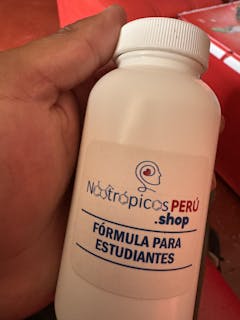
Ivermectin 12mg ► 100 and 200 capsules

Ivermectin 12mg ► 100 and 200 capsules

Regular price S/. 80.00
Sale price S/. 80.00 Regular price
Sale Sold out
Shipping calculated at checkout.
Presentation: 100 capsules

Ivermectin is a compound derived from macrocyclic lactones naturally produced by the bacterium Streptomyces avermitilis, widely recognized in the fields of public and veterinary health. Its role in supporting the body's response to various biological challenges has been investigated, and emerging studies suggest it may contribute to processes related to modulating the immune response and regulating certain cell signaling pathways. Research continues to explore its mechanisms of action and potential applications in supporting overall well-being, although informed and responsible use within a holistic health context is recommended.

View full details

The Safety of Ivermectin: A Natural Compound of Microbial Origin

A Metabolite Produced by Our Own Microbiome Ivermectin possesses a fascinating characteristic that underpins much of its safety profile: it is structurally identical to compounds naturally produced by bacteria of the genus Streptomyces, which inhabit soil and can also be...

Read More

A Metabolite Produced by Our Own Microbiome

Ivermectin possesses a fascinating characteristic that underpins much of its safety profile: it is structurally identical to compounds naturally produced by bacteria of the genus Streptomyces, which inhabit soil and can also be part of microbial ecosystems associated with higher organisms. Specifically, ivermectin is a semi-synthetic derivative of avermectins, secondary metabolites produced by Streptomyces avermitilis, an actinomycete found naturally in soil samples from various regions of the world. This connection to microorganisms that have coexisted with life on Earth for millions of years suggests an inherent compatibility with complex biological systems.

What is truly remarkable is that bacteria producing avermectins and related compounds can be found in diverse ecological niches, including some associated with the microbiomes of higher organisms. These metabolites function in nature as defense compounds and chemical communicators among microorganisms, participating in complex networks of ecological interactions. The fact that ivermectin is essentially an optimized version of these natural compounds means that it is not a molecule entirely foreign to biological systems, but rather one that reflects chemistry present in natural contexts.

This natural microbial connection is particularly significant when we consider that our own gut microbiome contains diverse species of Streptomyces and other actinomycetes capable of producing a wide range of bioactive secondary metabolites. While the endogenous production of specific avermectins in the human microbiome has not been fully characterized, the presence of microorganisms capable of synthesizing structurally related compounds suggests that our bodies may be naturally exposed to trace amounts of these molecules or their precursors through continuous interactions with our internal microbial ecosystem.

Recognition for its Global Security Profile

The international recognition of ivermectin's safety profile is reflected in its inclusion on the World Health Organization's List of Essential Medicines, a designation reserved for compounds that combine efficacy with a well-established safety profile. Since its development in the 1970s, billions of doses have been administered globally in public health programs, accumulating decades of data on its tolerability in diverse populations, including different age groups, underlying health conditions, and geographic contexts.

Extensive mass administration programs in Africa, Asia, and Latin America, where millions of people have received annual doses for decades as part of parasitic disease control campaigns, have generated an unparalleled safety database. This large-scale, real-world experience complements controlled clinical trial data, providing a comprehensive perspective on the compound's behavior under actual use conditions. The continuity of these programs over multiple decades demonstrates international confidence in its established safety profile.

Favorable Pharmacokinetics and Tissue Distribution

Ivermectin possesses pharmacokinetic characteristics that contribute to its safety profile. Its high lipophilicity allows it to be widely distributed in tissues, but this same property also facilitates its eventual elimination from the body. The compound is primarily metabolized in the liver through oxidation mediated by the cytochrome P450 system, generating metabolites that are subsequently eliminated mainly via feces. This hepatic metabolism pathway is a well-characterized mechanism common to many established compounds.

The elimination half-life of ivermectin in humans is relatively long, typically between 12 and 36 hours depending on various individual factors, allowing for infrequent dosing regimens. This pharmacokinetic characteristic means that continuous administration is not required to maintain tissue levels, reducing the cumulative exposure burden. The gradual but consistent elimination of the compound ensures that indefinite accumulation in tissues does not occur, an important factor in the long-term safety profile.

The tissue distribution of ivermectin shows a particular affinity for adipose and hepatic tissues, with more limited concentrations in the central nervous system due to the blood-brain barrier. This preferential distribution to certain tissues while maintaining lower levels in others contributes to a differentiated safety profile, where effects are concentrated in the compartments where they are needed while minimizing exposure to more sensitive tissues.

Molecular Selectivity and Specific Mechanism of Action

The molecular basis of ivermectin's safety lies in its selectivity for glutamate-dependent chloride channels, which are abundant in invertebrates but absent in mammals. This specific mechanism of action explains why ivermectin can exert potent effects in parasitic organisms while maintaining a favorable safety profile in humans. The ion channels that ivermectin primarily affects in invertebrates simply do not have direct structural equivalents in mammalian physiology.

In mammals, ivermectin can interact with GABA receptors, but this interaction occurs at significantly higher concentrations than those achieved with standard doses, and is further limited by the blood-brain barrier, which restricts the compound's access to the central nervous system. This dual protection—the difference in affinity for molecular targets and the physical barrier limiting access to sensitive neural tissues—constitutes an inherent safety mechanism at the molecular level.

The structural specificity of ivermectin for its molecular targets in invertebrates versus mammals is the result of millions of years of divergent evolution between these groups of organisms. Differences in the three-dimensional structure of ion channels and receptors between species provide a natural therapeutic window where the compound can be selectively active in target organisms while maintaining compatibility with mammalian physiology.

Accumulated Clinical Experience and Post-Marketing Safety Data

Extensive post-marketing experience with ivermectin has allowed for the identification and characterization of its adverse event profile, which is mostly mild and transient. Global pharmacovigilance systems have continuously monitored the compound's safety for decades, and the accumulated data confirm that serious adverse events are extremely rare when used at established doses and in established contexts.

The most commonly reported adverse events are typically related to reactions to parasite death rather than direct toxicity of the compound itself, a phenomenon known as the Mazzotti reaction in the context of certain parasitic infections. This distinction is important because it illustrates that many of the observed reactions are not toxic effects of the drug per se, but rather immune responses to parasitic antigens released during the elimination of the organisms.

Experience in special populations, including the elderly and individuals with various comorbidities, has demonstrated that the safety profile remains consistent across different demographic groups. Dose adjustments based on body weight and considerations of potential drug interactions allow for appropriate individualization of treatment when necessary, but overall experience confirms broad tolerability.

Safety Margins and Toxicology Studies

Preclinical and clinical toxicological studies have established wide safety margins for ivermectin. Acute, subacute, and chronic toxicity studies in multiple animal species have comprehensively characterized the compound's toxicological profile. These studies have identified that the doses required to produce significant toxicity are considerably higher than the therapeutic doses used in humans, providing a substantial safety margin.

Long-term genotoxicity and carcinogenicity studies have revealed no significant concerns, an important finding considering the compound's prolonged use in public health programs that may involve repeated dosing over years. The absence of mutagenic or carcinogenic effects in extensive test batteries further reinforces the long-term safety profile.

Animal reproduction and development studies have been extensive, evaluating potential effects on fertility, embryonic development, and postnatal health. While these studies inform recommendations for cautious use in certain populations, such as pregnant women, they have also provided detailed data on safe exposure levels, allowing for informed risk-benefit assessments in specific clinical settings.

Compatibility with Human Biological Systems

Ivermectin's compatibility with human biological systems extends beyond its natural microbial origin. The molecule does not require metabolic activation to exert its effects, meaning it does not generate reactive metabolites that could interact non-specifically with cellular macromolecules. This characteristic significantly reduces the potential for metabolite-mediated toxicity, a common mechanism of adverse effects with other compounds.

The chemical structure of ivermectin, being a naturally occurring macrocyclic lactone, shares characteristics with other microbial secondary metabolites that have demonstrated compatibility with higher biological systems. This class of compounds has been optimized by evolution to function in complex biological contexts, which may partly explain its ability to selectively interact with specific targets while maintaining general compatibility with mammalian physiology.

The absence of highly reactive functional groups in ivermectin's structure means that the compound does not tend to form covalent adducts with proteins or nucleic acids, mechanisms that underlie many forms of chemical toxicity. Instead, ivermectin's interactions with its molecular targets are non-covalent and reversible, allowing for more controlled modulation of biological functions.

Considerations on Responsible Use and Contextualization

The safety of any bioactive compound must always be considered within the context of appropriate and informed use. Ivermectin, like any substance with biological activity, requires consideration of individual factors, including pre-existing health conditions, concomitant medications, and particular physiological characteristics. The established favorable safety profile is based on use within appropriate dosage parameters and clinical context.

Potential drug interactions, particularly with medications that affect the cytochrome P450 system, should be considered within the context of individual medication regimens. While these interactions are generally manageable, recognizing them is part of a responsible approach to the use of any bioactive compound. Consultation with healthcare professionals allows for a personalized assessment of these factors in each individual case.

Experience with ivermectin demonstrates that adhering to established dosages, appropriate administration intervals, and considerations for special populations maximizes the benefit-safety profile. Decades of use and ongoing safety monitoring provide a solid knowledge base that informs the responsible and contextualized use of this compound.

Read Less

Parasites and their impact on mental and emotional health

Intestinal and systemic parasites can have a significant impact on mental and emotional health, and this relationship is being increasingly recognized in studies of microbiota, neuroimmunology, and psychoneuroimmunology. Below, I explain in detail how they can affect you psychologically: 1....

Read More

Intestinal and systemic parasites can have a significant impact on mental and emotional health, and this relationship is being increasingly recognized in studies of microbiota, neuroimmunology, and psychoneuroimmunology. Below, I explain in detail how they can affect you psychologically:

1. Chronic low-grade inflammation and neuroinflammation

Parasites trigger a sustained immune response in the body. This chronic inflammatory process, especially in the gut, can lead to an increase in pro-inflammatory cytokines (such as TNF-α, IL-1β, and IL-6), which cross the blood-brain barrier or induce an indirect neuroinflammatory reaction.

Psychological impact:

  • Depression
  • Anxiety
  • Irritability
  • Difficulty concentrating

This is because cytokines directly affect the production of neurotransmitters such as serotonin and dopamine.

2. Alteration of the intestinal microbiota

Many intestinal parasites negatively alter the composition of the microbiota, reducing the diversity of beneficial bacteria (such as Lactobacillus and Bifidobacterium ) and favoring pathogenic bacteria.

Psychological impact:

  • Intestinal dysbiosis = decreased production of GABA, serotonin, butyrate, and other neuroprotective compounds
  • Changes in the gut-brain axis, altering emotional and cognitive perception
  • Greater reactivity to stress

3. Nutritional and metabolic deficiencies

Parasites compete for essential nutrients and impair intestinal absorption, leading to chronic deficiencies of:

  • B complex vitamins (B1, B6, B12)
  • Magnesium
  • Zinc
  • Essential amino acids

Psychological impact:

  • Mental fatigue
  • Brain fog
  • Apathy
  • Memory and learning problems
  • Increased risk of treatment-resistant depression

4. Production of neurotoxins

Some parasites release neurotoxic metabolites such as ammonia, phenols, skatoles, and other substances that are reabsorbed from the intestine and affect the nervous system.

Psychological impact:

  • Mental confusion
  • Personality changes
  • Sleep disorders
  • Feeling of "disconnection" or dissociation

5. Indirect effects on the endocrine system

Parasites can alter the production of cortisol and other hormones of the HPA (hypothalamic-pituitary-adrenal) axis, generating an adaptive dysfunction in the face of stress.

Psychological impact:

  • Emotional hypersensitivity
  • Extreme irritability
  • Anxiety crisis or panic attacks
  • Insomnia

6. Activation of "ancestral" behavioral patterns

Some studies in evolutionary biology suggest that parasites may influence host behavior to favor their transmission, generating symptoms such as:

  • Apathy or social withdrawal
  • Changes in sexual motivation
  • Avoidance of light or human contact

This is observed in chronic infections such as Toxoplasma gondii , which alters behavior in rodents and has been correlated with psychological changes in humans (higher risk of schizophrenia, suicidal behavior, obsessive disorders).

7. Connection with neuropsychiatric disorders

Recent studies have linked parasitic infections to:

  • Generalized anxiety disorder (GAD)
  • Obsessive-compulsive disorder (OCD)
  • Autism spectrum disorders (ASD)
  • Attention deficit hyperactivity disorder (ADHD)
  • Schizophrenia (in chronic and severe cases)

General conclusion

The presence of parasites not only affects the digestive system, but can also have profound consequences for emotional stability, neurotransmitter balance, mental clarity, and mood. This relationship occurs through multiple pathways: immunological, hormonal, toxic, nutritional, and neurochemical.

A well-designed antiparasitic protocol can, in many cases, alleviate mental symptoms that previously seemed inexplicable or labeled as "psychological", but whose real origin was an untreated chronic infection.

Read Less

Applications beyond deworming

• Investigated antiviral activity: In vitro studies have shown that ivermectin can inhibit the replication of various RNA viruses by interfering with the nuclear import of viral proteins through the blockade of the importin α/β1 heterodimer. This action has been...

Read More

Investigated antiviral activity: In vitro studies have shown that ivermectin can inhibit the replication of various RNA viruses by interfering with the nuclear import of viral proteins through the blockade of the importin α/β1 heterodimer. This action has been observed in cell cultures with dengue, Zika, West Nile, and chikungunya viruses, where the viral load was reduced by up to 99% within 48 hours of treatment. Proposed mechanisms include inhibition of viral helicase and interference with nucleocapsid proteins, although these findings require clinical validation to determine their therapeutic relevance in humans.

Systemic anti-inflammatory properties: Ivermectin modulates the innate immune response by inhibiting the production of pro-inflammatory cytokines such as IL-6, TNF-α, and IL-1β. It acts on the NF-κB pathway, reducing the nuclear translocation of this key transcription factor in the inflammatory cascade. In experimental models of allergic airway inflammation, it has been shown to reduce eosinophil infiltration and mucus production. This anti-inflammatory activity has been observed independently of its antiparasitic action, suggesting potential applications in chronic inflammatory conditions.

Emerging neuroprotective effects: Recent research suggests that ivermectin can cross the blood-brain barrier under certain conditions and exert neuroprotective effects by activating GABA-A receptors in the mammalian central nervous system. In animal models of neuronal injury, it has been shown to reduce oxidative damage and neuronal apoptosis. Furthermore, its ability to modulate neuroinflammation by reducing microglial activation has generated interest in its potential application in neurodegenerative diseases, although these uses remain in the experimental phase.

Investigational antitumor activity: Preclinical studies have identified multiple mechanisms by which ivermectin exhibits antitumor effects, including the induction of apoptosis through mitochondrial dysfunction, inhibition of the WNT/β-catenin pathway, and blockade of the PAX3 transcription factor. In colon, breast, and glioblastoma cancer cell lines, it has been shown to inhibit cell proliferation and reduce colony-forming capacity. Ivermectin also appears to reverse multidrug resistance by inhibiting P-glycoprotein in tumor cells, enhancing the efficacy of conventional chemotherapeutic agents.

Modulation of glucose metabolism: Preliminary research suggests that ivermectin may influence glucose metabolism by activating AMPK (AMP-activated protein kinase), a master regulator of cellular energy metabolism. In animal models of type 2 diabetes, improvements in insulin sensitivity and a reduction in hepatic gluconeogenesis have been observed. These metabolic effects could have implications for the management of metabolic disorders, although clinical studies are needed to validate these findings.

Selective antibacterial properties: Although not its primary indication, ivermectin has shown activity against certain bacteria, particularly Mycobacterium tuberculosis and Chlamydia trachomatis. The proposed mechanism involves interference with bacterial efflux pumps and disruption of bacterial membrane integrity. In methicillin-resistant Staphylococcus aureus (MRSA) infections, in vitro studies suggest that it may enhance the activity of conventional antibiotics by inhibiting resistance mechanisms.

Expanded dermatological applications: Beyond its established use in rosacea, topical ivermectin is being investigated for inflammatory dermatological conditions such as perioral dermatitis, demodectic blepharitis, and folliculitis. Its dual antiparasitic and anti-inflammatory action makes it particularly useful in conditions where Demodex may be a contributing factor. Recent studies are also exploring its potential in the treatment of papulopustular acne by reducing Propionibacterium acnes colonization and modulating the follicular inflammatory response.

Immunomodulatory effects in autoimmunity: Emerging research suggests that ivermectin may modulate autoimmune responses by upregulating regulatory T cells (Tregs) and reducing pathogenic autoantibodies. In animal models of experimental autoimmune encephalomyelitis (a model of multiple sclerosis), it has been shown to reduce disease severity and demyelination. These effects appear to be mediated by the suppression of Th17 cells and the increased production of IL-10, a key anti-inflammatory cytokine.

Read Less

General support for well-being and immune modulation

This protocol is designed for those seeking to support the natural processes of immune response and promote the balance of cell signaling pathways related to communication between cells of the immune system.

Dosage: It is recommended to begin with a 3- to 5-day adaptation phase using 12 mg (1 capsule) every other day to assess individual tolerance. Subsequently, a maintenance dose of 12 mg (1 capsule) every 3 to 4 days can be increased for the first two weeks. After this initial period, some users opt for a dose of 12–24 mg (1–2 capsules) once a week as a long-term maintenance protocol. Given ivermectin's pharmacokinetic profile, with a prolonged half-life (approximately 18 hours) and accumulation in adipose tissue with gradual release, continuous daily administration is neither necessary nor recommended. For individuals with a higher percentage of body fat, adjusting toward the higher end of the range may be considered, always within the context of responsible use.

Administration frequency: It is suggested to take the capsules with food, preferably with a meal containing healthy fats, as the lipophilic nature of ivermectin favors its intestinal absorption in the presence of lipids. Administration can be done at any time of day, although some users prefer to take it in the morning with breakfast to facilitate adherence to the protocol. It is important to maintain consistency in the administration schedule when establishing a weekly pattern. Since ivermectin is a substrate of intestinal P-glycoprotein, avoiding simultaneous administration with known inhibitors of this transporter (such as grapefruit juice) may be prudent unless specifically seeking to increase bioavailability.

Cycle duration: Typical cycles for this purpose range from 8 to 12 weeks of use with the established weekly protocol, followed by a 4- to 6-week break to allow for complete elimination of the compound and its metabolites from the body. After the break, the cycle can be restarted, again following the initial adaptation phase before resuming the maintenance protocol. Some users implement seasonal protocols, using 12-week cycles two or three times a year during periods when they seek greater immune support, always respecting the appropriate breaks between cycles.

Support for cell renewal processes and autophagy

This protocol is designed to support the natural mechanisms of cellular cleansing, recycling of damaged components, and maintenance of cellular homeostasis by modulating autophagic pathways.

Dosage: Begin with a conservative 5-day adaptation phase using 12 mg (1 capsule) every 4 days to assess individual response. After completing this initial phase, progress to a maintenance dose of 12 mg (1 capsule) every 3 days for the first two weeks of the active protocol. For users seeking more consistent support for cell renewal processes and who have confirmed good tolerance, a dose of 24 mg (2 capsules) once weekly may be considered as an alternative to the 12 mg twice-weekly protocol. The choice between these options may be based on personal preference regarding administration frequency, considering that both provide similar exposure over time given the compound's pharmacokinetic profile.

Administration frequency: To optimize the effects on autophagy and cell renewal, some protocols suggest taking ivermectin on an empty stomach or at least 2 hours after the last meal, as the fasted state can synergistically enhance the activation of autophagic pathways through the concurrent inhibition of mTOR by nutritional restriction and pharmacological action. However, this practice must be balanced with the needs for optimal absorption, so an alternative is to take the dose with a light meal containing moderate fat. Administration can be scheduled on specific days of the week (e.g., Mondays and Thursdays, or only Sundays for the weekly protocol) to facilitate adherence and consistency of the regimen.

Cycle duration: The recommended cycles for this goal range from 10 to 14 weeks of active use, implementing the established dosing protocol, followed by a 6- to 8-week rest period. This pattern allows the cellular renewal processes supported during the active cycle to stabilize, and the body to return to its baseline autophagic regulation patterns before restarting. For long-term maintenance goals related to healthy aging and cellular quality, some users implement 2 to 3 cycles per year with their respective rest periods, adjusting the schedule according to their individual wellness objectives.

Modulation of inflammatory responses and immune balance

This protocol is designed for those seeking to support the balance of the body's natural inflammatory processes and promote the modulation of signaling pathways related to cytokines and inflammatory transcription factors.

Dosage: Begin with a 3- to 5-day adaptation phase using 12 mg (1 capsule) every 5 days to establish a baseline tolerance. Subsequently, during the first two weeks of the active protocol, use 12 mg (1 capsule) every 3 days. For the sustained maintenance protocol, 12 mg (1 capsule) twice a week, evenly spaced (e.g., Tuesday and Friday), is suggested, or alternatively, 24 mg (2 capsules) once a week for greater convenience. In situations where more intensive support is sought during specific, limited periods, 12 mg (1 capsule) every 2 days for up to 2-3 weeks could be considered, followed immediately by a return to the standard maintenance protocol or the start of the rest period.

Frequency of administration: It is recommended to take the capsules with fatty foods to optimize absorption, preferably during the main meal of the day. Administration can be done at any time, although some protocols suggest nighttime administration based on the fact that certain repair and immune modulation processes intensify during the rest period. It is important to avoid simultaneous administration with supplements or compounds that may compete for the same hepatic metabolism pathways (CYP3A4 system) or intestinal transport, spacing their intake by at least 4-6 hours when possible.

Cycle duration: Cycles for this purpose typically extend from 8 to 12 weeks of continuous use with the established protocol, followed by a 4- to 6-week break. During the break, the body allows inflammatory signaling pathways to return to their endogenous regulatory patterns without pharmacological modulation. Some users implement shorter 6-week cycles with 3- to 4-week breaks when seeking support during specific periods of increased demand on the immune system, potentially completing up to 3-4 cycles per year with this structure. The adaptation phase should always be restarted after each break.

Support for cellular metabolism and mitochondrial function

This protocol is designed to support cellular bioenergetics processes, modulation of mitochondrial function, and support the mechanisms by which cells generate and manage their metabolic energy.

Dosage: Begin with an extended 5-day adaptation phase using 12 mg (1 capsule) every 5 days, allowing the body to adjust to the compound's effects on energy metabolism. After completing this phase, progress to 12 mg (1 capsule) every 4 days for the first two weeks of the active cycle. The standard maintenance protocol consists of 12 mg (1 capsule) twice a week with at least 3 days between doses (e.g., Monday and Friday). Since the effects on mitochondrial function can be cumulative and ivermectin accumulates in tissues with repeated use, maintaining a moderate and consistent dosage is preferable to higher, less frequent doses for this particular purpose.

Administration frequency: It is suggested to take the capsules with the first meal of the day containing healthy fats, as this promotes absorption and coincides with the period when cellular energy demands are increasing after the overnight fast. Some alternative protocols suggest administration in the early afternoon with a balanced meal, allowing the effects on metabolism to develop during the remaining active hours of the day and night. It is recommended to maintain adequate hydration throughout the protocol, as optimal metabolic processes require proper fluid balance. Avoid administration too close to bedtime in sensitive individuals who may experience changes in energy patterns.

Cycle Length: Recommended cycles range from 10 to 14 weeks of continuous use following the established dosing protocol, followed by a 6- to 8-week break. This pattern allows for the assessment of how changes in energy metabolism and mitochondrial function are maintained after discontinuing the compound and provides time for the body's enzyme systems to readjust. For long-term metabolic support, 2 to 3 cycles per year can be implemented with this structure, adjusting the schedule to coincide with periods of increased physical or mental demand where energy metabolism support might be particularly relevant.

Modulation of epithelial barriers and intestinal homeostasis

This protocol is designed for those seeking to support the integrity of the body's epithelial barriers, particularly the intestinal barrier, and to promote the balance of processes that regulate the selective permeability of these tissues.

Dosage: Begin with a conservative 5-day adaptation phase using 12 mg (1 capsule) every 6 days to allow the body to gradually adjust to the compound's effects on epithelial tight junctions and the intestinal microenvironment. After this initial phase, progress to 12 mg (1 capsule) every 4 days for the first two weeks. The maintenance protocol consists of 12 mg (1 capsule) once a week, as for this particular goal, less frequent but consistent doses over time may be sufficient given the compound's long half-life and tissue accumulation. In cases where more active support is sought for a limited period, 12 mg (1 capsule) every 3 days for 3-4 weeks may be considered before returning to the weekly protocol.

Administration frequency: It is recommended to take the capsule with food to minimize any direct effects on the gastrointestinal mucosa on an empty stomach, preferably with a meal containing soluble fiber and healthy fats that can promote both the absorption of the compound and provide substrate for the gut microbiome. Administration can be performed at any time of day, although some protocols suggest taking it with dinner to allow the effects on epithelial junctions to develop during the nighttime period of tissue repair and renewal. It is important to maintain a balanced diet rich in nutrients that support the integrity of the intestinal mucosa (such as zinc, vitamin A, L-glutamine) throughout the protocol.

Cycle duration: Typical cycles for this goal range from 8 to 12 weeks of continuous use with the established weekly dosing protocol, followed by a 6- to 8-week break. During the break, it is the ideal time to assess how the changes in barrier function are maintained without active pharmacological modulation and to implement complementary dietary and lifestyle strategies that support gut health. The cycle can be restarted after the break, always beginning again with the adaptation phase. For long-term support of intestinal homeostasis, some users implement 2 to 3 cycles per year with this structure.

Support for cellular quality control processes and apoptotic regulation

This protocol is designed to support the natural mechanisms by which the body eliminates damaged or dysfunctional cells, promoting a balance between survival signals and programmed cell death.

Dosage: Begin with a 3- to 5-day adaptation phase using 12 mg (1 capsule) every 5 days to establish tolerance to the compound's effects on apoptotic pathways. After completing this phase, progress to a dose of 12 mg (1 capsule) every 3 days for the first two weeks of the active cycle. The standard maintenance protocol consists of 12-24 mg (1-2 capsules) once a week, with the specific dose adjusted according to body weight, body composition (particularly body fat percentage, since the compound accumulates in adipose tissue), and individual response observed during the initial phase. For individuals with lower body weight or a lower percentage of body fat, maintain 12 mg weekly; for individuals with higher body mass or a higher percentage of body fat, consider 24 mg weekly.

Administration frequency: It is suggested to take the capsules with foods containing fats to optimize absorption and systemic bioavailability, preferably during a main meal. Administration can be performed at any time, although some protocols experiment with nighttime administration, considering that certain cell renewal processes and the elimination of senescent cells intensify during the rest period. It is important to maintain consistency in the chosen day of the week for administration (for example, always on Sundays) to facilitate adherence to the protocol and allow cellular response patterns to stabilize at a predictable rate.

Cycle duration: The recommended cycles for this purpose range from 10 to 14 weeks of continuous use following the established weekly dosing protocol, followed by a longer rest period of 8 to 10 weeks. This extended rest period allows the body's apoptotic regulatory systems to fully return to their baseline functioning patterns without external modulation and provides sufficient time for the complete elimination of the compound and its metabolites, given their long half-life and tissue accumulation. For long-term maintenance of cellular quality control, two annual cycles with this structure can be implemented, ideally spaced in opposite halves of the year.

Did you know that ivermectin can cross the blood-brain barrier at specific concentrations and modulate neuronal ion channels?

This compound interacts with glutamate receptors and ligand-gated chloride channels in the nervous system of various organisms. In mammals, the blood-brain barrier normally limits its passage into the brain thanks to efflux proteins such as P-glycoprotein, but under certain conditions or concentrations, it can reach peripheral nervous tissue and modulate GABAergic neurotransmission. This ability to interact with ion channels has sparked research interest in its potential to influence cell signaling pathways beyond its conventional applications.

Did you know that ivermectin comes from a bacterium discovered in the soil of a Japanese golf course?

The bacterium Streptomyces avermitilis, the natural source of avermectins (precursors to ivermectin), was first isolated from a soil sample collected near a golf course in Japan during the 1970s. Scientists were searching for new compounds with biological activity in soil microorganisms, and this bacterium produced macrocyclic lactones with unique properties. This discovery exemplifies how the microbial biodiversity of soil represents a valuable source of bioactive compounds that can subsequently be modified and studied for diverse applications in science and health.

Did you know that ivermectin selectively binds to glutamate-dependent chloride channels present in invertebrate cells but absent in mammals?

This biochemical selectivity explains why the compound exhibits a differential action profile among organisms. Glutamate-gated chloride channels are abundant in the nervous and muscular systems of invertebrates, where ivermectin induces sustained cellular hyperpolarization by increasing chloride ion permeability. In mammals, these specific channels are absent, and the compound primarily interacts with GABAergic and glycine receptors in the peripheral nervous system, contributing to its differential therapeutic window. This molecular specificity has been studied to better understand evolutionary differences in neurotransmission between species.

Did you know that ivermectin can accumulate in adipose tissue and be released gradually over several weeks?

Due to its lipophilic nature, this compound has a high affinity for body lipids and tends to be distributed and stored in adipose tissue after administration. This pharmacokinetic characteristic results in a prolonged half-life in the body, with gradual release from fat deposits into the systemic circulation over extended periods. Accumulation in adipose tissue also means that individuals with a higher percentage of body fat may experience different pharmacokinetics compared to leaner individuals, which has generated interest in studies on personalized dosing based on body composition.

Did you know that ivermectin inhibits importin-mediated nuclear transport, interfering with the movement of proteins between the cytoplasm and the cell nucleus?

Importins are transport proteins that facilitate the entry of specific molecules into the cell nucleus through nuclear pores. Ivermectin can bind to the importin alpha/beta complex and block its nuclear transport function, potentially affecting the localization of various regulatory proteins, transcription factors, and cell signaling components that rely on this mechanism to perform their functions. This property has sparked interest in research on the regulation of gene expression and cell signaling pathways, particularly in the context of cellular responses to various biological stimuli.

Did you know that ivermectin can modulate autophagy, a cellular process of recycling and degradation of damaged components?

Autophagy is a fundamental mechanism by which cells break down and recycle damaged proteins, dysfunctional organelles, and other cellular components, contributing to the maintenance of cellular homeostasis. In vitro studies have observed that ivermectin can influence the signaling pathways that regulate this process, particularly through the modulation of the mTOR (mechanistic target of rapamycin) pathway and the activation of autophagy-related proteins. This ability to interact with cell renewal processes has generated interest in research on cellular longevity and adaptive responses to metabolic stress.

Did you know that ivermectin can inhibit the helicase enzyme, which unwinds DNA during replication and transcription?

Helicases are essential enzymes that separate the two strands of the DNA double helix, allowing other molecular components to access the genetic information for replication, repair, and transcription processes. Biochemical studies have shown that ivermectin can interfere with certain helicases, potentially affecting these fundamental processes of genetic information management. This property has opened lines of research into how small compounds can modulate the activity of enzymes that manipulate nucleic acids, contributing to our understanding of cell cycle regulation and gene expression.

Did you know that ivermectin can affect mitochondrial function by altering the membrane potential of these energy-producing organelles?

Mitochondria maintain an electrochemical gradient across their inner membrane that is essential for ATP synthesis via oxidative phosphorylation. In vitro studies have shown that ivermectin can influence this mitochondrial membrane potential, affecting cellular energy production and potentially triggering signaling pathways related to metabolic stress. This interaction with mitochondrial function has also been linked to the generation of reactive oxygen species and the activation of cellular response mechanisms to changes in energy status—aspects relevant to understanding cellular metabolism in different physiological contexts.

Did you know that ivermectin can modulate the inflammatory response by interfering with the NF-κB signaling pathway?

Nuclear factor kappa B (NF-κB) is a central transcription factor in the regulation of genes related to the immune response and inflammatory processes. Studies have shown that ivermectin can inhibit the nuclear translocation of NF-κB, thereby reducing the expression of pro-inflammatory cytokines and other immune signaling molecules. This ability to modulate inflammatory pathways has generated interest in research on how naturally occurring compounds or derivatives can influence cell communication within the immune system and the body's responses to various stimuli that trigger inflammatory cascades.

Did you know that ivermectin is primarily metabolized in the liver by the cytochrome P450 enzyme system?

Cytochrome P450 is a family of liver enzymes responsible for metabolizing a wide variety of endogenous and exogenous compounds. Ivermectin is a substrate of the CYP3A4 and CYP3A5 isoforms, which carry out oxidation reactions that transform the compound into more water-soluble metabolites to facilitate its elimination. This dependence on the CYP450 system means that substances that inhibit or induce these enzymes can significantly alter the pharmacokinetics of ivermectin, prolonging or shortening its duration of action in the body. Understanding these metabolic interactions is relevant to comprehending how different factors can influence the bioavailability and elimination of the compound.

Did you know that ivermectin can inhibit the replication of certain viruses by blocking the nuclear transport of viral proteins?

Some viruses rely on the host cell's nuclear import mechanism to transport their proteins and genetic material to the nucleus, where they can complete their replication cycle. Since ivermectin interferes with the importins that facilitate this transport, in vitro studies have shown that the compound can hinder the replication of certain viruses dependent on this mechanism. This property has spurred research into the molecular mechanisms by which small compounds can interfere with specific viral processes that depend on the host cell's machinery, contributing to our understanding of virus-cell interactions.

Did you know that ivermectin has a dose-dependent effect on the permeability of the blood-brain barrier?

At conventional doses, P-glycoprotein in the endothelial cells of cerebral capillaries effectively pumps ivermectin out of the central nervous system, maintaining low brain concentrations. However, at higher doses or in the presence of P-glycoprotein inhibitors, saturation of this efflux mechanism allows greater penetration of the compound into brain tissue. This dose-dependent phenomenon illustrates how active transport systems protect the brain from lipophilic substances, and how these protective mechanisms have a limited capacity that can be exceeded under certain conditions—a relevant principle in central nervous system pharmacology.

Did you know that ivermectin can sensitize cells to apoptosis by modulating proteins of the Bcl-2 family?

The Bcl-2 family of proteins regulates the permeability of the outer mitochondrial membrane and determines whether a cell undergoes programmed cell death (apoptosis) or survives in response to stress stimuli. Research has shown that ivermectin can alter the balance between pro-apoptotic and anti-apoptotic proteins in this family, favoring, in certain contexts, the release of mitochondrial cytochrome c and the activation of caspases, enzymes that trigger apoptosis. This ability to influence cell survival or death decisions has motivated studies on the molecular mechanisms that determine cell fate in response to different bioactive compounds.

Did you know that ivermectin can affect the function of P-glycoprotein, an efflux pump that protects the body from foreign substances?

P-glycoprotein (P-gp) is an ABC transporter located in the membranes of intestinal, hepatic, renal, and blood-brain barrier cells. It actively pumps various compounds out of cells, limiting their absorption and tissue distribution. Ivermectin is both a substrate and a potential modulator of P-gp, and its interaction with this transporter can influence the bioavailability of other compounds that are also substrates of this efflux pump. This complex relationship between ivermectin and cellular transport systems illustrates how the body's defense mechanisms can be influenced by external compounds, an important aspect in the study of interactions between different substances.

Did you know that ivermectin can modulate the expression of genes related to lipid metabolism and cholesterol homeostasis?

Transcriptomic studies have revealed that exposure to ivermectin can alter the expression of genes involved in lipid synthesis, transport, and metabolism, as well as the regulation of nuclear receptors such as LXR (liver X receptor), which controls cholesterol homeostasis. These observations suggest that the compound may influence metabolic pathways related to lipid handling at the cellular and systemic levels. The ability to modulate gene expression related to lipid metabolism has generated interest in understanding how compounds with macrocyclic lactone structures can interact with metabolic regulatory systems.

Did you know that ivermectin can interfere with Wnt/β-catenin signaling, a crucial pathway for cell renewal and differentiation?

The Wnt/β-catenin pathway regulates fundamental processes such as cell proliferation, differentiation, and stem cell maintenance in various tissues. Ivermectin has demonstrated in experimental models the ability to modulate this signaling pathway, affecting the stability and localization of β-catenin, a key protein that, when it accumulates in the nucleus, activates the transcription of Wnt target genes. This interference with a signaling pathway so fundamental to tissue development and maintenance has opened lines of research into how small compounds can influence cell renewal and differentiation processes.

Did you know that ivermectin can enhance the effects of inhibitory neurotransmitters such as GABA and glycine in the peripheral nervous system?

In addition to its action on specific chloride channels in invertebrates, ivermectin can bind to GABAergic and glycinergic receptors in mammals, increasing the opening of chloride channels activated by these inhibitory neurotransmitters. This potentiating effect on inhibitory neurotransmission in the peripheral nervous system contributes to modifying neuronal excitability and signal transmission. The compound's ability to act as a positive allosteric modulator of these receptors illustrates how certain molecules can amplify endogenous neurochemical signals without directly activating the receptors.

Did you know that ivermectin undergoes enterohepatic recirculation, prolonging its presence in the body?

After being metabolized in the liver, ivermectin and its metabolites are excreted in the bile into the small intestine. A portion of these compounds can be reabsorbed from the intestine back into the bloodstream, creating a cycle of elimination and reabsorption known as enterohepatic recirculation. This process contributes to the compound's prolonged half-life in the body and explains why its effects can last for an extended period. Enterohepatic recirculation is a relevant pharmacokinetic phenomenon that affects the duration of action of various lipophilic compounds and their metabolites.

Did you know that ivermectin can modulate macrophage function by altering the polarization between M1 and M2 phenotypes?

Macrophages can adopt different functional states: the M1 phenotype promotes pro-inflammatory responses, while the M2 phenotype is associated with the resolution of inflammation and tissue repair. Research has suggested that ivermectin can influence macrophage polarization, favoring, in certain experimental contexts, changes in the expression of surface markers and in the cytokine profile secreted by these immune cells. This ability to modulate the function of phagocytic cells represents an additional mechanism by which the compound could influence complex immune responses and the resolution of inflammatory processes.

Did you know that ivermectin can affect intestinal permeability by modulating tight junction proteins between epithelial cells?

Tight junctions between intestinal epithelial cells regulate the selective permeability of the intestinal barrier, controlling the passage of molecules, ions, and microorganisms from the intestinal lumen into the bloodstream. In vitro studies have shown that ivermectin can influence the expression and organization of proteins such as claudins, occludins, and ZO-1 that form these tight junctions, potentially altering the integrity of the intestinal barrier. This interaction with structural components of the epithelial barrier illustrates how compounds can modulate tissue permeability and the defense mechanisms that separate different compartments of the body.

Support for the natural immune response

Ivermectin has been investigated for its ability to modulate various aspects of the body's immune function. This compound can influence communication between immune system cells by interacting with signaling pathways such as nuclear factor kappa B (NF-κB), a central regulator of the expression of genes related to the immune response. By modulating the activity of this transcription factor, ivermectin could help balance the production of messenger molecules that coordinate the body's defensive responses. Additionally, studies have observed that this compound can influence the function of macrophages, cells specialized in detecting and responding to various biological stimuli. Ivermectin's ability to support immune cell communication processes is one of the most studied aspects of this compound, particularly in the context of how the body coordinates its natural defense mechanisms against different biological challenges.

It promotes cell renewal and cleansing processes

Research has shown that ivermectin can modulate autophagy, a fundamental process by which cells break down and recycle damaged components, misfolded proteins, and dysfunctional organelles. This "cellular cleanup" mechanism is essential for maintaining cell health and function, allowing cells to eliminate defective material and renew their internal components. Ivermectin can influence the signaling pathways that regulate this process, particularly through its interaction with the mTOR pathway, a central sensor of cellular nutritional and energy status. By promoting these cell renewal processes, the compound could support the natural mechanisms by which the body maintains the quality and function of its cells over time. This support for cellular homeostasis represents an important aspect of overall well-being at the molecular level.

It contributes to the balance of inflammatory processes.

Research has revealed that ivermectin can participate in modulating the body's inflammatory responses through multiple molecular mechanisms. This compound can interfere with pro-inflammatory signaling pathways, reducing the expression of cytokines and other messenger molecules that amplify inflammatory responses. By modulating the NF-κB pathway and other transcription factors related to inflammation, ivermectin could contribute to maintaining an appropriate balance between activating and resolving responses. It is important to understand that inflammation is a natural and necessary process for the body's repair and defense, but its appropriate regulation is fundamental for overall well-being. Ivermectin's ability to support the balance of these processes, without completely suppressing them, represents a relevant aspect of its biological profile that has generated interest in the field of research on the modulation of physiological responses.

Supports mitochondrial function and communication

Mitochondria are the powerhouses of cells, responsible for producing most of the ATP that fuels cellular processes. Studies have shown that ivermectin can influence various aspects of mitochondrial function, including maintaining mitochondrial membrane potential and regulating signaling pathways related to energy metabolism. This compound can affect the production of mitochondrial reactive oxygen species, molecules that, at appropriate levels, function as important cell signaling pathways for metabolic adaptation. By modulating mitochondrial function, ivermectin could support cellular energy efficiency and the mechanisms by which cells respond to changes in metabolic demands. Mitochondrial health is fundamental to overall well-being, as virtually all cellular processes depend on an adequate energy supply.

It promotes cell cycle regulation mechanisms.

Ivermectin has demonstrated the ability to interact with various signaling pathways that regulate cell division, differentiation, and survival. This compound can modulate the Wnt/β-catenin pathway, a fundamental signaling system for tissue renewal and the maintenance of stem cell populations in various organs. Additionally, ivermectin can influence proteins of the Bcl-2 family, which determine the balance between cell survival and programmed cell death (apoptosis), a process essential for eliminating damaged or dysfunctional cells. By participating in the regulation of these cellular quality control mechanisms, ivermectin could contribute to the natural processes by which the body maintains tissue integrity. The compound's ability to influence fundamental cellular decisions represents an aspect of its biological action that has generated considerable interest in tissue homeostasis research.

It supports the integrity of the body's protective barriers.

Ivermectin can influence the function of epithelial barriers that separate different compartments of the body and regulate the selective exchange of substances. Research has shown that this compound can modulate the expression and organization of tight junction proteins that connect adjacent epithelial cells, particularly in the intestinal epithelium. These tight junctions are essential for maintaining the integrity of the intestinal barrier, controlling which substances can pass from the intestinal lumen into the bloodstream. By influencing structural components such as claudins, occludins, and ZO proteins, ivermectin may support the mechanisms by which the body maintains the selectivity of its protective barriers. Proper function of these barriers is essential to prevent the uncontrolled passage of potentially problematic substances and maintain the balance between different systems of the body.

It contributes to the modulation of lipid metabolism

Gene expression studies have revealed that ivermectin can influence the activity of genes related to lipid metabolism and cholesterol homeostasis. This compound can modulate the activity of nuclear receptors such as the liver X receptor (LXR), which acts as a sterol sensor and regulates the expression of genes involved in cholesterol transport, synthesis, and elimination. Additionally, ivermectin can affect the expression of genes related to fatty acid synthesis and oxidation, processes fundamental to cellular energy management. By participating in the regulation of lipid metabolic pathways, this compound could contribute to the mechanisms by which the body maintains balance in the levels of different types of lipids. It is important to understand that lipid metabolism is a complex and interconnected system, and ivermectin's ability to influence multiple aspects of this metabolism represents an area of ​​ongoing research.

It supports peripheral neuroprotective mechanisms.

Ivermectin can interact with components of the peripheral nervous system, particularly through its ability to modulate GABAergic and glycinergic receptors, which mediate inhibitory signaling in nervous tissue. By acting as a positive allosteric modulator of these receptors, ivermectin can potentiate the effects of natural inhibitory neurotransmitters, which could contribute to maintaining the balance between excitatory and inhibitory signals in peripheral nervous circuits. Additionally, this compound's ability to influence neuronal ion channels and modulate neurotransmission represents a mechanism by which it could support proper nervous system function. Importantly, these effects are primarily observed peripherally, as the blood-brain barrier significantly limits ivermectin's access to the central nervous system under normal conditions, providing a significant safety margin.

It promotes the modulation of nuclear protein transport

Ivermectin possesses the unique ability to interfere with the importin system, transport proteins that facilitate the movement of specific molecules from the cytoplasm to the cell nucleus. By binding to the importin alpha/beta complex, this compound can block the nuclear transport of various regulatory proteins, transcription factors, and cell signaling components that rely on this mechanism to perform their functions. This ability to modulate nucleocytoplasmic trafficking represents a sophisticated mechanism by which ivermectin can influence gene expression and cell signaling processes. Nuclear transport is a fundamental process for regulating cellular responses to various stimuli, and the ability to selectively modulate this mechanism has generated interest in understanding how compounds can influence the subcellular localization of regulatory molecules.

It contributes to the balance of cellular oxidative stress

Ivermectin can influence the production and handling of reactive oxygen species (ROS) at the cellular level. These molecules, at appropriate concentrations, function as important signaling molecules, but in excess, they can contribute to oxidative stress. This compound can modulate the generation of mitochondrial ROS by affecting the function of the electron transport chain and can also influence signaling pathways that respond to cellular redox status. By participating in the regulation of oxidative balance, ivermectin could contribute to the mechanisms by which cells maintain an appropriate equilibrium between the production of oxidizing molecules and endogenous antioxidant systems. It is important to understand that ROS are not simply harmful molecules, but rather important signals for cellular adaptation processes, and their proper regulation is fundamental for normal cellular function.

It supports the function of cellular defense and transport systems.

Ivermectin interacts with P-glycoprotein (P-gp), an efflux pump located in cell membranes of various tissues that actively expels foreign substances from cells. This transporter is part of the body's defense system against potentially problematic compounds and is found in strategic locations such as the intestine, liver, kidneys, and blood-brain barrier. Ivermectin is both a substrate and a potential modulator of P-gp, meaning it can influence the function of this transport system. This interaction with cellular defense mechanisms illustrates the complex relationship between foreign compounds and the systems the body has developed to regulate which substances can accumulate in different tissues. Modulating transporters like P-gp represents an important aspect of how the body controls the distribution and elimination of various molecules.

It promotes cell signaling processes and intercellular communication

Ivermectin can influence multiple signaling pathways that cells use to communicate with each other and respond to changes in their environment. Beyond its effects on the specific pathways already mentioned, this compound can modulate the activity of kinases, phosphatases, and other regulatory enzymes that control cell signaling cascades. By affecting the phosphorylation of key proteins and the activity of second messengers, ivermectin can influence how cells interpret and respond to extracellular signals. This ability to modulate cell communication networks represents one mechanism by which the compound can have broad effects on cell and tissue function. Appropriate cell signaling is essential for coordinating complex physiological responses involving multiple cell types and systems in the body.

It contributes to the modulation of DNA enzymatic activity

Ivermectin has demonstrated the ability to inhibit certain helicases, enzymes that unwind the DNA double helix to allow access to genetic information during replication, transcription, and repair processes. By interfering with these nucleic acid-manipulating enzymes, ivermectin can influence fundamental processes of genetic information management at the cellular level. This interaction with DNA enzymes represents a molecular mechanism by which the compound can affect gene expression and cell division processes. It is important to understand that the regulation of helicase activity is a complex aspect of cell cycle control and genomic stability, and the ability of compounds to modulate these enzymes has generated interest in the field of molecular and cellular biology.

Supports the homeostasis of the peripheral nervous system

Ivermectin may contribute to maintaining functional balance in the peripheral nervous system through its interaction with various components of neurotransmission. By modulating ligand-gated ion channels and potentiating the action of inhibitory neurotransmitters such as GABA and glycine, this compound can influence neuronal excitability and signal transmission in peripheral nerves. This ability to modulate inhibitory neurotransmission represents a mechanism by which ivermectin could support the proper function of neural circuits that control various bodily functions. The balance between excitatory and inhibitory signals is fundamental to the coordinated functioning of the nervous system, and compounds that can influence this balance have been the subject of considerable research in neuroscience.

It promotes cellular adaptation to metabolic changes

Ivermectin can influence the ability of cells to adapt to changes in their metabolic and nutritional environment. Through its interaction with the mTOR pathway, a central sensor of cellular energy and nutrient status, this compound can modulate adaptive responses that cells implement in response to variations in the availability of energy and building blocks. The mTOR pathway integrates signals from multiple sources, including growth factors, amino acids, and cellular energy status, to coordinate processes such as protein synthesis, cell growth, and metabolism. By modulating this signaling pathway, ivermectin could contribute to the mechanisms by which cells adjust their metabolism to maintain homeostasis in the face of changing conditions. This ability to influence cellular adaptive responses represents an important aspect of how the compound can affect metabolism at a fundamental level.

A molecule with multiple keys for cell doors

Imagine your body as a vast and complex city, with millions of buildings that are your cells. Each cell has special doors called receptors and channels, which only open when the correct key arrives. Ivermectin is like a set of master keys that can open several different types of doors in this cellular city. When this molecule enters your body, it travels through the bloodstream like a special messenger, carrying these keys to different locations. What's fascinating is that these keys don't work the same way in all living things: in some small organisms, such as certain invertebrate parasites, ivermectin's keys open doors that cause a flood of charged particles called chloride ions, which paralyzes their nerve and muscle cells. But in mammals like us, these same keys interact with different doors and in a more subtle way, because our cellular city has a different architecture. This selectivity is as if ivermectin knows exactly which doors to open depending on the type of building it's in.

The guardian of the brain's border

Our brain is like the command center of the body's city, protected by a special barrier called the blood-brain barrier. This barrier isn't a simple brick wall, but rather a smart filter with microscopic security guards called P-glycoproteins, acting as very strict gatekeepers. These gatekeepers have an important job: when they detect certain foreign substances, including ivermectin, they immediately expel them before they can enter the brain's command center. It's as if the guards say, "This molecule isn't authorized to enter here," and send it back to the rest of the city. That's why, under normal conditions, ivermectin works primarily in the peripheral neighborhoods of the nervous system, not in the control center. However, if too many ivermectin molecules arrive at the same time, or if the guards are busy with other tasks, some can slip through. This is one of the reasons why dosages are so important: maintaining the correct number of molecules ensures that the guards can do their protective job effectively.

The internal mail system that connects the cytoplasm to the nucleus

Within each cell, there is a highly organized mail system. The cell nucleus, where all genetic information is stored like a central library, is separated from the rest of the cell by a membrane with special gates. For instructions from the nucleus to reach the rest of the cell, or for messages from the outside to reach the nucleus, molecular messengers called importins are needed. These importins are like postal workers carrying important packages (proteins and other molecules) through the nuclear gates. Here's the interesting part: ivermectin can act as an obstacle in the path of these messengers. When ivermectin binds to importins, it's as if it puts an extra lock on their backpacks, preventing them from delivering their cargo to the nucleus. This means that certain instructions and signals that would normally enter the central library to modify what information is read and used are now stranded outside. By blocking this mail system, ivermectin can influence which genes are turned on or off, subtly changing how the entire cell functions.

The power plant and its smoke signals

Mitochondria are the power plants of our cells, tiny energy factories that convert the fuel we eat into ATP, the energy currency that everything in our body needs to function. Think of these power plants as factories that keep the lights on throughout the cellular city. Ivermectin can enter these power plants and adjust some of their controls, affecting how they maintain their internal voltage—that special electrical gradient they need to produce energy efficiently. When ivermectin modifies this voltage, it's like adjusting the power plant's thermostats, which can change not only how much energy is produced but also how many "smoke signals" are released. These smoke signals are reactive oxygen molecules, which, in the right amounts, act as important messages telling the cell how its metabolism is functioning and whether it needs to make adjustments. By influencing mitochondrial function, ivermectin participates in fundamental conversations about the cell's energy status and how it should respond to different demands.

The cellular cleaning team that recycles and renews

Inside every cell is a fascinating recycling and cleaning system called autophagy, which literally means "self-eating." But don't worry, this is a good thing. Imagine that each cell has a team of workers with special garbage trucks that constantly patrol, looking for things that are old, broken, or no longer useful: damaged proteins, pieces of worn-out membranes, or even mitochondria that no longer function properly. This team collects all this waste, takes it to cellular recycling centers called lysosomes, where everything is broken down into basic parts that can be reused to build new things. It's like a circular economy system inside each cell. Ivermectin can modify the signals that control when and how much this cleaning team works, particularly by influencing a signaling pathway called mTOR, which acts as the supervisor that decides whether it's time to build new things or clean up and recycle the old. By modulating this pathway, ivermectin could help cells keep their interiors cleaner and more organized, eliminating damaged components before they cause problems.

The messengers of the immune system and its molecular megaphone

The immune system is like a defense force with many different types of cellular soldiers that constantly communicate with each other using chemical messengers called cytokines. These cytokines are like text messages that immune cells send to coordinate their responses. Some messages say, "Something's wrong here, we need more troops," while others say, "Everything's fine, you can relax." For these messages to occur, the cell needs to activate certain molecular commanders, one of the most important being nuclear factor kappa B, or NF-κB for short. This commander normally lives in the cytoplasm, but when it detects something that requires attention, it travels to the nucleus to activate the genes that produce alarm messages. Ivermectin can interfere with this journey of the commander to the nucleus, preventing it from activating as many alarm genes. It's as if it turns down the volume of the megaphone that broadcasts the alarm signals, helping to keep immune responses at a balanced level instead of turning into an overreaction involving too many cells and too many inflammatory messages.

The close ties that protect internal borders

Imagine the lining of your intestine as a brick wall, where each brick is a cell. But unlike a normal wall, this one needs to let certain good things in (nutrients, water, vitamins) while keeping out other things that could be problematic (bacteria, toxins, undigested food fragments). To accomplish this, the cell-bricks are held together with a special molecular cement called tight junctions, made up of proteins with names like claudins, occludins, and ZO proteins. These junctions determine how tight or permeable the wall is. Ivermectin can modify how these junction proteins are organized and expressed, potentially changing how selective the intestinal barrier is. It's as if it adjusts the amount and quality of cement between the bricks, which could influence how many substances can slip between the cells instead of having to pass through them. This ability to modulate the integrity of protective barriers represents one way ivermectin can influence how the body controls what goes in and what stays out in its different compartments.

The molecular ballet of cell survival or sacrifice

Every cell in your body constantly faces an existential decision: continue living or self-destruct for the good of the organism? This process of controlled self-destruction is called apoptosis, and it's essential for eliminating damaged, infected, or simply outdated cells. It's not a bad thing; it's like urban renewal for the cellular city, where old buildings are demolished in a controlled manner to make room for new and better ones. Cells have a committee of proteins from the Bcl-2 family that votes on this decision: some proteins vote for survival, while others vote for self-destruction. Ivermectin can influence this molecular committee, shifting the balance between votes for survival and votes for sacrifice. In particular, it can affect how these proteins control the membranes of mitochondria, those powerhouses we mentioned earlier. If the vote favors sacrifice, the mitochondrial membranes become permeable and release molecules that activate the "molecular scissors" called caspases, which systematically dismantle the entire cell. By participating in these fundamental cellular decisions, ivermectin contributes to the quality control mechanisms that maintain healthy cell populations.

The roadmap that guides tissue development and renewal

There is an ancient signaling pathway called Wnt/β-catenin that acts like a GPS navigation system for cells, telling them when to divide, differentiate into specialized cell types, or maintain their juvenile stem cell state. At the heart of this system is a protein called beta-catenin, which is normally rapidly broken down in the cytoplasm. But when the correct Wnt signals arrive, it stabilizes and travels to the nucleus, where it activates genes important for cell growth and renewal. Ivermectin can interfere with this navigation system, affecting how much beta-catenin accumulates and where it ends up in the cell. It's as if it modifies the GPS instructions, potentially changing where cells are headed on their developmental journey. This ability to modulate the Wnt pathway has fascinating implications for tissue renewal processes, stem cell maintenance, and how tissues decide when they need to create new cells to replace old ones or repair damage.

The amplifiers of tranquilizing signals of the nervous system

The nervous system functions with a delicate balance between "go!" (excitatory) and "stop!" (inhibitory) signals. Two of the main neurotransmitters that send "stop" signals are GABA and glycine, which open special gates in neurons to allow chloride ions to enter, making it harder for the neuron to fire. Ivermectin acts as an amplifier of these calming signals, not by directly activating them, but by causing the gates that GABA or glycine open to remain open a little longer. It's as if it turns up the volume of a calming message that was already being transmitted. This occurs primarily in the peripheral nervous system, the network of nerve fibers that runs throughout the body, connecting the brain and spinal cord to the rest of the body. By enhancing these natural inhibitory signals, ivermectin can influence the balance between excitation and inhibition in nerve circuits that control various bodily functions, promoting the transmission of electrical signals in a more regulated and balanced manner.

Lipid metabolism and its master regulators

The fats in your body aren't just stored as energy reserves; they participate in complex molecular conversations about the body's overall metabolic state. Molecular sensors called nuclear receptors, such as the liver's X receptor (LXR), detect levels of cholesterol and other lipids and respond by turning genes on or off that control how cholesterol is produced, transported, and eliminated. It's like a thermostat that measures fat levels and adjusts production and elimination to maintain the right balance. Ivermectin can influence these sensors and the genes they control, potentially altering how cells handle different types of fat. This includes genes that determine how much cholesterol is produced inside cells, how much is transported out, and how fatty acids are metabolized for energy. By participating in the regulation of these lipid metabolic pathways, ivermectin could contribute to the complex systems by which the body maintains balance in its fat and cholesterol economy.

The molecular gatekeepers who decide what goes in and what goes out

In the membranes of your cells are incredible molecular pumps called ABC transporters, with P-glycoprotein (P-gp) being one of the most important. Imagine these pumps as special revolving doors that only swing in one direction: outward. Their job is to recognize foreign or potentially problematic substances that have entered the cell and actively expel them, using energy in the form of ATP. These pumps are strategically located in places like the gut (reducing how much you absorb of certain substances), the liver and kidneys (helping to eliminate them from the body), and the blood-brain barrier (protecting the brain). Ivermectin has a complex relationship with these pumps: it's both a passenger that the pumps try to expel and a modulator that can affect their function. It's as if ivermectin can sometimes occupy the gatekeepers, giving other substances that are also passengers on these pumps a better chance of staying inside. This interaction with cellular transport systems illustrates the sophisticated defense mechanisms the body has developed to control which substances can accumulate in different tissues.

A molecular orchestra with multiple instruments

If we had to summarize how ivermectin works with a single image, it would be that of a molecular conductor who doesn't play just one instrument, but rather modulates the volume and rhythm of multiple sections of the orchestra simultaneously. It doesn't replace the body's natural musicians—its own hormones, neurotransmitters, and signaling molecules—but instead adjusts how and when they play. It lowers the volume of some inflammatory signals while boosting the calming whispers of the peripheral nervous system. It interferes with the messengers that carry messages to the cell nucleus, changing which genetic instructions are executed. It adjusts the thermostats of the mitochondrial power plants and oversees the cleanup crew that recycles old cellular components. It modulates the guards at the borders between different compartments of the body and participates in decisions about when a cell should renew itself or retire. This entire symphony of molecular effects works together, creating a complex pattern of modulation that affects multiple systems simultaneously, from energy metabolism to cell communication, from the integrity of protective barriers to the regulation of immune responses, demonstrating that the most fascinating molecules are those that can play multiple notes in the complex composition that is cellular life.

Modulation of glutamate-dependent chloride channels and GABAergic receptors

Ivermectin exerts its primary action by selectively and with high affinity binding to glutamate-gated chloride channels present in nerve and muscle cells of invertebrates. These channels, belonging to the Cys-loop ionotropic receptor superfamily, are activated by the neurotransmitter glutamate in invertebrate organisms and mediate inhibitory neurotransmission through the influx of chloride ions. Ivermectin binds to allosteric sites at the interface between channel subunits, stabilizing their open conformation and significantly increasing the probability of opening and the time spent in the open state. This potentiation of chloride influx results in sustained hyperpolarization of the cell membrane, reducing neuronal excitability and synaptic transmission. In mammals, where glutamate-dependent chloride channels are absent, ivermectin interacts with GABAergic (gamma-aminobutyric acid type A) and glycinergic receptors in the peripheral nervous system, acting as a positive allosteric modulator that potentiates the chloride current mediated by these endogenous inhibitory neurotransmitters. Selectivity for peripheral versus central receptors is determined by the differential expression of P-glycoprotein in the blood-brain barrier, which actively limits ivermectin penetration into the central nervous system via ATP-dependent efflux transport. This substrate specificity and the tissue distribution of transporters contribute to the differential safety profile observed between species and explain the therapeutic window based on fundamental structural differences in neurotransmission between invertebrates and vertebrates.

Inhibition of nuclear transport mediated by importins alpha and beta

Ivermectin can interfere with the nucleocytoplasmic transport system by specifically inhibiting the importin alpha/beta complex, an essential component of the cellular machinery responsible for trafficking cargo proteins between the cytoplasm and the nucleus. Importins recognize nuclear localization sequences (NLS) on target proteins and facilitate their translocation through the nuclear pore complex, a fundamental process for regulating gene expression, cell signaling, and the response to external stimuli. Ivermectin binds to the cargo-binding domain of importin alpha, sterically blocking its interaction with proteins containing classical NLS signals. This competitive inhibition mechanism prevents the formation of the ternary importin alpha-cargo-importin beta complex necessary for nucleoporin recognition and passage through the nuclear pore. The functional consequence of this inhibition is the cytoplasmic retention of transcription factors, cell cycle regulatory proteins, signaling pathway components, and viral proteins that depend on nuclear import to perform their functions. Structural studies have revealed that ivermectin occupies the NLS-binding groove of importin alpha, establishing hydrophobic interactions and hydrogen bonds with critical residues of the recognition site. This inhibition of nuclear transport represents a versatile mechanism of action that can affect multiple cellular processes simultaneously, from the activation of transcriptional responses to the replication of intracellular pathogens that utilize the host's import machinery.

Modulation of the NF-κB signaling pathway and inflammatory response

Ivermectin interferes with the activation and function of nuclear factor kappa B (NF-κB), a pleiotropic transcription factor that regulates the expression of more than 500 genes involved in immune responses, inflammation, cell survival, and proliferation. In its basal state, NF-κB remains sequestered in the cytoplasm by binding to inhibitory IκB proteins. Upon stimulation with various pro-inflammatory stimuli, the IKK (IκB kinase) complex phosphorylates IκB, marking it for proteasomal degradation and releasing NF-κB for nuclear translocation. Ivermectin can modulate this pathway through multiple convergent mechanisms: first, by inhibiting importin-mediated nuclear transport, it directly blocks the entry of NF-κB into the nucleus even after its release from IκB; Second, it can interfere with the phosphorylation and activation of the IKK complex, reducing IκB degradation and maintaining NF-κB in a cytoplasmic inactive state; third, it modulates the expression of negative regulators of the pathway such as A20 and CYLD, establishing a negative feedback loop. The functional consequence of this multilevel modulation is the reduction in the transcription of NF-κB target genes, including proinflammatory cytokines such as TNF-α, IL-1β, IL-6, and IL-8, chemokines, adhesion molecules, inducible enzymes such as COX-2 and iNOS, and anti-apoptotic factors of the Bcl-2 family. This ability to modulate the NF-κB pathway without completely suppressing it allows for fine-tuning of inflammatory responses, promoting the resolution of excessive inflammatory processes while preserving essential immune responses.

Interference with mitochondrial function and energy homeostasis

Ivermectin exerts pleiotropic effects on mitochondrial function, affecting multiple aspects of cellular bioenergetics and redox signaling. The compound can accumulate in the mitochondrial membrane due to its lipophilic nature and the negative electrochemical gradient of the mitochondrial matrix, where it interferes with components of the electron transport chain. Specifically, ivermectin partially inhibits complexes I and III of the respiratory chain, reducing the efficiency of oxidative phosphorylation and altering the mitochondrial membrane potential (ΔΨm). This mitochondrial depolarization has multiple consequences: first, it reduces ATP synthesis by activating energy stress sensors such as AMPK (AMP-activated protein kinase); second, it increases the production of reactive oxygen species (ROS) by promoting electron leakage from the respiratory chain, particularly at complex I; and third, it disrupts mitochondrial calcium homeostasis, which is closely linked to the membrane potential. The generated ROS act as oxidative stress signals that activate adaptive response pathways, including the induction of endogenous antioxidants through activation of the transcription factor Nrf2. Furthermore, ivermectin-induced mitochondrial dysfunction can trigger the activation of selective mitochondrial autophagy (mitophagy), a process by which damaged mitochondria are secreted and degraded to maintain the quality of the mitochondrial pool. Modulation of mitochondrial function also affects signaling pathways dependent on mitochondrial metabolites, such as the NAD+/NADH ratio that regulates sirtuin activity, and the production of Krebs cycle intermediate metabolites that function as epigenetic signals.

Induction and modulation of autophagy by mTOR regulation

Ivermectin acts as a modulator of macroautophagy, a catabolic process by which cytoplasmic components, aggregated proteins, and dysfunctional organelles are sequestered in double-membrane vesicles called autophagosomes and delivered to lysosomes for degradation and recycling. The primary mechanism by which ivermectin induces autophagy involves the inhibition of the mTOR (mechanistic target of rapamycin) signaling pathway, a central regulator of cellular metabolism that integrates signals for nutrient availability, growth factors, and energy status. mTOR exists in two distinct complexes: mTORC1, which primarily regulates protein synthesis, lipogenesis, and autophagy; and mTORC2, which controls cytoskeleton organization and cell survival. Ivermectin preferentially inhibits mTORC1, resulting in the dephosphorylation and activation of ULK1 (Unc-51-like kinase 1), a key initiator of the autophagic process that phosphorylates components of the PI3K class III complex necessary for phagophore nucleation. Simultaneously, mTORC1 inhibition derepresses the transcription of autophagy-related genes by activating the transcription factor TFEB (transcription factor EB), which translocates to the nucleus and induces the expression of genes encoding ATG proteins (autophagy-related genes), lysosomal components, and degradative enzymes. Ivermectin also activates AMPK through its effect on mitochondrial energy metabolism, and activated AMPK directly phosphorylates ULK1 and TSC2, indirectly inhibiting mTORC1 via a feedback loop. This induction of autophagy has implications for protein quality control, the elimination of toxic aggregates, organelle renewal, and the cellular response to metabolic and nutritional stress.

Modulation of Bcl-2 family proteins and regulation of apoptosis

Ivermectin influences programmed cell death, or apoptosis, by modulating the balance between pro-apoptotic and anti-apoptotic proteins of the Bcl-2 family, which control outer mitochondrial membrane permeabilization (MOMP), an event involved in the intrinsic pathway of apoptosis. The Bcl-2 family includes anti-apoptotic members such as Bcl-2, Bcl-xL, and Mcl-1, which reside in the outer mitochondrial membrane and prevent MOMP, as well as pro-apoptotic members such as Bax and Bak, which oligomerize to form pores in the membrane, and BH3-only proteins such as Bid, Bim, and Puma, which act as stress sensors and activators of Bax/Bak. Ivermectin alters this balance through multiple mechanisms: it induces the expression of BH3-only proteins through stress pathways, including p53, which responds to mitochondrial and genotoxic stress induced by the compound; It reduces the expression of anti-apoptotic proteins by inhibiting NF-κB and modulating mRNA stability; and it facilitates the conformational activation of Bax, promoting its insertion into the mitochondrial membrane and oligomerization. When the balance shifts toward pro-apoptotic signals, MOMP occurs, resulting in the release of cytochrome c from the mitochondrial intermembrane space into the cytosol. The released cytochrome c associates with Apaf-1 and procaspase-9 to form the apoptosome, a complex that activates initiator caspase-9, which in turn activates effector caspases 3 and 7 that carry out cell dismantling by cleaving hundreds of protein substrates. This mechanism of apoptotic sensitization may be particularly relevant in cells with a high proliferative rate or with dysregulated anti-apoptotic systems.

Interference with the Wnt/β-catenin signaling pathway

Ivermectin modulates the canonical Wnt/β-catenin pathway, an evolutionarily conserved signaling system that regulates fundamental processes of development, tissue homeostasis, stem cell renewal, and cell proliferation. In the absence of Wnt signals, cytoplasmic β-catenin is sequentially phosphorylated by the destruction complex composed of the scaffold proteins Axin and APC, along with the kinases CK1α and GSK3β. This phosphorylation marks β-catenin for ubiquitination by the E3 ligase β-TrCP complex and subsequent proteasomal degradation. When Wnt ligands bind to Frizzled receptors and LRP5/6 coreceptors, a cascade is initiated that inhibits the destruction complex, allowing the accumulation and nuclear translocation of β-catenin, where it interacts with TCF/LEF transcription factors to activate target genes, including c-Myc, cyclin D1, and Axin2. Ivermectin interferes with this pathway through multiple checkpoints: it stabilizes the destruction complex and promotes GSK3β-mediated phosphorylation of β-catenin, increasing its degradation; it inhibits the nuclear translocation of β-catenin both by increased degradation and by blocking importin-mediated nuclear transport; and it can modulate the expression of negative regulators of the pathway such as Dickkopf-1 (DKK1). The functional consequence of this multilevel inhibition is a reduction in the transcription of Wnt/β-catenin target genes, affecting cell proliferation, stemness maintenance, epithelial-mesenchymal transition, and cell metabolism. This modulation of Wnt signaling has implications for tissue renewal, cell differentiation, and cell cycle control in various physiological contexts.

Modulation of ABC transporters and P-glycoprotein

Ivermectin interacts in a complex manner with the ABC (ATP-binding cassette) transporter superfamily, particularly with P-glycoprotein (P-gp/MDR1/ABCB1), an ATP-dependent efflux transporter located in the plasma membranes of various tissues with barrier and excretory functions. P-gp recognizes a broad spectrum of hydrophobic and amphipathic substrates, extracting them from the cell membrane or cytoplasm and expelling them to the extracellular space, a process that consumes energy through ATP hydrolysis. Ivermectin is both a substrate and a modulator of P-gp: as a substrate, it is recognized and transported by P-gp, which limits its intracellular accumulation in tissues that express high levels of the transporter, particularly endothelial cells of the blood-brain barrier, intestinal enterocytes, and renal tubular epithelial cells. The functional expression of P-gp at these biological barriers determines the pharmacokinetics of ivermectin, limiting its intestinal absorption, promoting its biliary secretion, and restricting its access to the central nervous system. As a modulator, ivermectin can alter P-gp activity, potentially affecting the transport of other substrates that share this efflux system. The mechanism of this modulation may involve prolonged occupation of the substrate-binding site, alteration of ATPase activity, or conformational changes that affect transport kinetics. Additionally, ivermectin can affect ABCB1 gene expression by modulating transcription factors such as PXR (pregnane X receptor), which regulates the transcription of transporter genes in response to xenobiotics. This bidirectional interaction with efflux transport systems has important implications for the bioavailability, tissue distribution, and elimination of ivermectin, as well as for potential pharmacokinetic interactions with other compounds that are substrates, inhibitors, or inducers of P-gp.

Inhibition of helicases and modulation of nucleic acid processes

Ivermectin exhibits the ability to inhibit the activity of certain helicases, essential enzymes that catalyze the ATP-dependent separation of complementary nucleic acid strands during DNA replication, transcription, repair, and recombination. Helicases translocate along the nucleic acid chain in a defined direction, using ATP hydrolysis energy to break the hydrogen bonds between complementary bases and unwind the double helix. Ivermectin can bind to the ATP-binding site or motor domain of certain helicases, competitively inhibiting their catalytic activity. This inhibition has multiple potential consequences: during replication, the inhibition of helicases such as MCM2-7 can slow the progression of replication forks; during transcription, it can impair the unwinding of DNA necessary for RNA polymerase access; and in repair processes, it can compromise the processing of DNA structures that require unwinding for resolution. Furthermore, certain viral helicases, which are essential for the replication of viral DNA or RNA genomes, may be sensitive to inhibition by ivermectin, providing a potential mechanism for interfering with viral replication cycles. The specificity of this inhibition depends on particular structural characteristics of each helicase, including the sequence and conformation of its catalytic site, the presence of accessory domains, and its coupling mechanism between ATP hydrolysis and translocation. This ability to modulate the activity of enzymes that manipulate nucleic acids represents a mechanism of action that can influence gene expression, genomic integrity, and potentially the replication of certain intracellular pathogens.

Modulation of lipid metabolism and nuclear receptors

Ivermectin influences metabolic pathways related to lipid and cholesterol metabolism by modulating nuclear receptors, ligand-activated transcription factors that regulate the expression of metabolic genes in response to lipids and other metabolites. Specifically, ivermectin can modulate the activity of the liver X receptor (LXR), an oxysterol sensor that regulates cholesterol homeostasis, fatty acid metabolism, and inflammatory responses. LXR exists in two isoforms, LXRα (predominant in the liver, intestine, kidney, and adipose tissue) and LXRβ (ubiquitously expressed), which, upon activation by endogenous oxysterols, form heterodimers with the retinoid X receptor (RXR) and bind to LXR response elements (LXREs) in the promoters of target genes. The target genes of LXR include ABCA1 and ABCG1 (cellular cholesterol transporters involved in cholesterol efflux), SREBP-1c (master regulator of lipogenesis), ApoE (a lipoprotein component), and CYP7A1 (the rate-limiting enzyme in bile acid synthesis from cholesterol). Ivermectin can act as an LXR modulator, altering the transcription of these genes and consequently affecting multiple aspects of lipid metabolism: reverse cholesterol transport from peripheral tissues, de novo fatty acid synthesis in the liver, the production and secretion of triglyceride-rich lipoproteins, and the conversion of cholesterol to bile acids. Additionally, LXR modulation can have anti-inflammatory effects independent of its metabolic effects, through the transrepression of inflammatory genes via mechanisms involving SUMOylation of LXR and its interference with NF-κB. Ivermectin can also affect other nuclear receptors such as PPARs (peroxisome proliferator-activated receptors), which regulate fatty acid oxidation, insulin sensitivity, and adipocyte differentiation, thus expanding its metabolic modulation profile.

Alteration of the permeability of epithelial tight junctions

Ivermectin modulates the structural and functional integrity of tight junctions, multiprotein complexes that seal the intercellular space between adjacent epithelial cells and regulate the paracellular transport of ions, solutes, and water. Tight junctions are composed of transmembrane proteins (claudins, occludin, JAMs) that form the intercellular seal, and cytoplasmic scaffolding proteins (ZO-1, ZO-2, ZO-3) that connect the transmembrane proteins to the actin cytoskeleton and signaling pathways. The specific composition of claudin isoforms determines the selective permeability properties of each epithelium. Ivermectin can alter epithelial barrier function through multiple mechanisms: it modulates the transcriptional expression of tight junction proteins, particularly by reducing the expression of barrier-forming claudins and increasing the expression of pore-forming claudins; It induces changes in the phosphorylation of tight junction proteins mediated by kinases such as PKC and MLCK, affecting their assembly and stability; it alters the organization of the actin cytoskeleton to which tight junctions are anchored, by modulating Rho GTPases that regulate actin dynamics; and it can promote the internalization of tight junction proteins from the plasma membrane via clathrin- or caveolin-dependent endocytosis. These effects on tight junctions have implications for the paracellular permeability of epithelial barriers in various tissues, particularly the intestinal epithelium, where they can affect nutrient absorption and the exclusion of luminal antigens, the blood-brain barrier, where they regulate the access of substances to the brain parenchyma, and renal and pulmonary epithelial barriers that control the movement of fluids and solutes between compartments.

Modulation of kinase-dependent signaling pathways

Ivermectin interferes with multiple signaling cascades mediated by protein kinases, enzymes that catalyze the transfer of phosphate groups from ATP to serine, threonine, or tyrosine residues in substrate proteins, modifying their activity, location, or interactions. Reversible protein phosphorylation is a fundamental regulatory mechanism for virtually all cellular processes. Ivermectin can modulate the activity of several key kinases: it inhibits Akt (PKB), a central kinase in the PI3K/Akt pathway that regulates cell survival, glucose metabolism, and protein synthesis, through multiple mechanisms, including the inhibition of mTORC2, which phosphorylates Akt at Ser473, and the activation of phosphatases such as PHLPP, which dephosphorylate Akt; it activates AMPK in response to the mitochondrial energy stress it induces, and activated AMPK phosphorylates numerous substrates, including ACC, TSC2, and ULK1, coordinating a metabolic shift toward catabolism and energy conservation. It modulates MAP kinases (ERK, JNK, p38) that transduce signals from cell surface receptors to the nucleus, affecting proliferation, differentiation, and apoptosis; and it can influence cell cycle checkpoint kinases such as CDKs (cyclin-dependent kinases), affecting progression through specific cell cycle phases. Modulation of these phosphorylation networks has pleiotropic effects that propagate through interconnected signaling circuits, altering gene expression patterns, protein localization, protein complex stability, and flux through metabolic pathways, illustrating how a single molecule can generate complex and context-dependent effects by perturbing critical nodes in cell signaling networks.

Effective treatment against intestinal parasites

Ivermectin has demonstrated over 95% efficacy in eliminating various intestinal nematodes, including Strongyloides stercoralis, Ascaris lumbricoides, and Enterobius vermicularis. It works by paralyzing the parasites' neuromuscular system, leading to their death and subsequent elimination from the body. Treatment typically requires a single oral dose, significantly improving adherence compared to other antiparasitic drugs that require multiple doses. Clinical studies have shown that patients experience relief from gastrointestinal symptoms such as abdominal pain, diarrhea, and nausea within the first 48–72 hours after administration. Complete elimination of the parasites is verified by stool examinations performed 2–4 weeks after treatment.

Control of ectoparasites and dermatological conditions

In the treatment of scabies, oral ivermectin is a highly effective alternative, especially in cases of crusted scabies or when topical treatments have failed. The drug acts systemically, reaching all sites of infestation, including areas difficult to treat with topical preparations. For pediculosis (lice), both scalp and body, it offers a practical solution that eliminates both adult parasites and larvae. In cases of rosacea with an inflammatory component associated with Demodex folliculorum, topical ivermectin formulations have shown a significant reduction in erythema, papules, and pustules. Patients report visible improvements in skin texture and appearance after 8–12 weeks of continuous treatment.

Prevention of river blindness (Onchocerciasis)

Ivermectin is the cornerstone of onchocerciasis elimination programs worldwide, preventing irreversible blindness caused by Onchocerca volvulus. Annual or semi-annual treatment with ivermectin drastically reduces the microfilariae load in the skin and eyes, interrupting parasite transmission. Mass distribution programs have eliminated transmission in multiple regions of Latin America and Africa, benefiting millions of people at risk. In addition to preventing blindness, the treatment alleviates severe itching and disfiguring skin lesions associated with the disease. Community administration has proven to be safe and well-tolerated, with generally mild and transient adverse effects.

Treatment of lymphatic filariasis

In combination with other antiparasitic drugs such as albendazole or diethylcarbamazine, ivermectin is part of the standard regimen for the mass treatment of lymphatic filariasis. This strategy significantly reduces the density of circulating microfilariae, interrupting the parasite's transmission cycle. Treatment prevents the development of devastating chronic complications such as lymphedema, hydrocele, and elephantiasis. Patients in the early stages of the disease experience a reduction in edema and an improvement in lymphatic function. Annual administration for 4–6 years in endemic areas has reduced the prevalence of the disease below the transmission threshold.

Established security profile

Ivermectin has been used clinically for over 40 years, with billions of doses administered globally, establishing a well-documented safety profile. Adverse effects are generally mild and transient, including dizziness, nausea, or mild diarrhea that resolve without intervention. The drug has minimal significant drug interactions, allowing its use in patients taking multiple medications. It is well-tolerated in special populations, including the elderly and children weighing over 15 kg. The absence of significant resistance after decades of widespread use demonstrates its sustained effectiveness. Long-term pharmacovigilance studies have not identified any serious adverse effects when used at recommended doses.

Ease of administration and compliance

The simple, single-dose regimen for most parasitic indications significantly improves treatment adherence. The oral formulation eliminates the need for invasive procedures or extensive and repeated topical applications. The medication can be taken with or without food, although absorption is enhanced with fatty meals. It requires no special storage conditions beyond protection from light and excessive humidity. The duration of therapeutic effect allows for extended intervals between doses in preventive treatments. For pediatric patients, the availability of liquid formulations facilitates precise dosing based on body weight.

Impact on global public health

Mass distribution programs of ivermectin have transformed the health of entire communities in tropical and subtropical regions. Reducing parasitic loads improves nutritional status, especially in children, promoting proper growth and cognitive development. Controlling parasitic infections reduces school and work absenteeism, improving the economic productivity of communities. Preventing serious complications such as blindness and deformities reduces the burden on local health systems. The cost-effectiveness of the treatment makes it accessible for public health programs in resource-limited countries. Integration with other public health interventions amplifies the community benefits.

Veterinary therapeutic versatility with human implications

Although veterinary use differs from human use, parasite control in domestic and farm animals with ivermectin reduces the risk of parasitic zoonoses. Eliminating ectoparasites in pets decreases the possibility of vector-borne disease transmission to humans. In livestock farming, appropriate use improves animal health and food safety, although withdrawal periods before consumption must be respected. Parasite control in companion animals improves coexistence and reduces health risks in the home. Veterinary experience has contributed to a better understanding of the compound's pharmacology and safety.

As parasites die, they release toxins, heavy metals, metabolic waste, and potentially pathogenic fragments that can cause temporary symptoms known as a Herxheimer reaction . This can include fatigue, brain fog, headache, digestive discomfort, and even skin rashes. Binders help to:

  • To capture and eliminate toxins before they are reabsorbed in the intestine.
  • Reduce detoxification symptoms by minimizing inflammation and liver overload.
  • Optimize the excretion of heavy metals and biotoxins , since some parasites can accumulate and release toxins stored in the body.
  • Restoring intestinal balance , preventing the overgrowth of opportunistic microorganisms after parasite elimination.

The best binders to complement Ivermectin

Activated carbon

One of the most effective binders for capturing parasite toxins, heavy metals, and inflammatory compounds in the digestive tract. Its porous structure allows it to trap toxic substances and eliminate them through feces.

  • How to use: 500mg to 1g, 1 hour after taking Ivermectin or before bedtime. Always take with plenty of water to avoid constipation.
  • Best for: Reducing intestinal inflammation, absorbing toxins, and relieving digestive symptoms.

Zeolite

Natural minerals with a high adsorption capacity help trap toxins, heavy metals, and ammonia produced by parasites. They are especially useful for reducing the toxin load on the liver.

  • How to use: 1 teaspoon in water, separated by at least 1-2 hours from Ivermectin to avoid interference with the absorption of the active ingredients.
  • Best for: Removal of heavy metals and water-soluble toxins.

Spirulina

A highly effective algae for eliminating heavy metals and biotoxins that parasites can release into the body. Its chelating action helps prevent the reabsorption of toxins in the intestines.

  • How to use: 1 to 2 grams per day, preferably with meals.
  • Best for: Heavy metal detoxification and liver function optimization.

Diatomaceous Earth

It acts as a microabrasive in the digestive tract, helping to eliminate parasitic waste and trapping toxins efficiently.

  • How to use: 1/2 teaspoon in water on an empty stomach or before bed.
  • Best for: Elimination of parasitic waste and improvement of digestive function.

Modified Citrus Pectin

A binder of natural origin that helps eliminate toxins without affecting the absorption of essential minerals.

  • How to use: 5 to 10 grams per day in water or juice, preferably in the morning.
  • Best for: Liver support and reduction of systemic inflammation.

How to integrate binders into an Ivermectin protocol

To maximize the effectiveness of Ivermectin without interfering with its absorption, it is recommended to take the binders at a strategic time:

  • Ivermectin: Take the dose as directed.
  • Binders: Take at least 1 to 2 hours after Ivermectin , or before bed, to capture toxins released during the elimination process.
  • Hydration: Ensure adequate intake of water and electrolytes to facilitate the elimination of toxins and prevent constipation.

Conclusion

The use of binders is a crucial step in enhancing the effectiveness of ivermectin , ensuring that toxins released during parasite elimination are captured and safely removed. Their integration into the protocol not only minimizes side effects but also promotes a deeper and more effective detoxification, optimizing intestinal and overall health.

Bioavailability and absorption

Quercetin : Quercetin is a flavonoid that has been investigated for its ability to modulate membrane transporters such as P-glycoprotein, which could influence the bioavailability of various lipophilic compounds. In the context of ivermectin, some studies suggest that quercetin may support its retention in the system by interacting with the same cellular efflux pathways, thus promoting greater tissue availability. Furthermore, quercetin contributes to the stability of cell membranes and may support the integrity of intestinal absorption barriers, optimizing the utilization of the compound.

Vitamin D3 + K2 : Vitamin D plays a fundamental role in regulating the innate and adaptive immune response, modulating the expression of antimicrobial peptides and the function of antigen-presenting cells. Vitamin K2 complements this effect by supporting the proper carboxylation of vitamin K-dependent proteins, some of which are involved in cell signaling processes. The combination of both vitamins could support the immune system by promoting a more balanced cellular environment for ivermectin's action.

Zinc (Seven Zincs + Copper) : Zinc is an essential cofactor for more than 300 enzymes and plays a critical role in immune function, protein synthesis, and cell membrane stability. Its role in modulating ion channels and regulating signaling pathways that could interact with ivermectin's mechanisms of action has been investigated. The inclusion of copper in the formula is important because both minerals compete for absorption, and copper supports the function of antioxidant enzymes such as superoxide dismutase, complementing the support for cellular balance.

Piperine : Piperine, an alkaloid derived from black pepper, has been extensively studied for its ability to modulate the bioavailability of various nutraceuticals and bioactive compounds. It acts by inhibiting phase I and II enzymes of hepatic metabolism, particularly cytochrome P450 and glucuronidation, which could prolong the plasma half-life of certain compounds. Furthermore, piperine promotes intestinal motility and may improve intestinal mucosal permeability, thereby increasing the absorption of nutrients and lipophilic compounds. For these reasons, it is considered a cross-enhancing cofactor that could increase the bioavailability of ivermectin and other nutraceuticals.

Immune support and cellular response

Selenium (Essential Minerals) : Selenium is an essential component of selenoproteins, including glutathione peroxidases and thioredoxin reductase, key enzymes in cellular antioxidant defense. Its role in modulating the immune response has been investigated, supporting both innate and adaptive immunity through the regulation of cytokines and the function of NK cells and T lymphocytes. In synergy with ivermectin, selenium may contribute to maintaining proper redox balance in immune cells, thereby promoting the body's ability to respond to external agents and supporting the integrity of cell membranes.

B-Active: Activated B Vitamin Complex : B vitamins, especially B6 (pyridoxal-5-phosphate), B9 (methylfolate), and B12 (methylcobalamin), are essential cofactors for nucleotide synthesis, DNA methylation, and immune cell production. The activated form of these vitamins allows for their direct utilization without the need for metabolic conversion, which is especially relevant for individuals with genetic variants that affect these conversions. The B complex supports mitochondrial function and cellular energy production, processes fundamental to an active immune response, and may complement the role of ivermectin in supporting optimal cellular function.

Vitamin C Complex with Camu Camu : Vitamin C is an essential cofactor for collagen synthesis, leukocyte function, and the production of interferons, key molecules in the innate antiviral response. Camu camu provides bioflavonoids and polyphenols that enhance the activity of vitamin C and offer additional antioxidant protection. This complex may support the function of ivermectin by promoting the integrity of epithelial barriers, improving immune cell function, and contributing to the recycling of other antioxidants such as glutathione and vitamin E.

Antioxidant protection and cellular balance

CoQ10 + PQQ : Coenzyme Q10 is an essential component of the mitochondrial electron transport chain and acts as a lipophilic antioxidant in cell membranes. Pyrroloquinoline quinone (PQQ) supports mitochondrial biogenesis and acts as a redox cofactor in various enzymatic reactions. Together, these compounds promote cellular energy production and protection against oxidative stress, processes that could be relevant for optimizing the cellular environment in which ivermectin acts. In addition, CoQ10 participates in membrane stabilization and may support the function of cellular transporters.

Magnesium (Eight Magnesiums) : Magnesium is a cofactor for more than 600 enzymes and participates in ATP synthesis, cell membrane stability, and the regulation of ion channels. Its role in modulating the inflammatory response and protecting against oxidative stress through its participation in endogenous antioxidant systems has been investigated. The multi-form magnesium formulation ensures optimal absorption and may support various cellular compartments. In synergy with ivermectin, magnesium contributes to cellular ionic balance and supports mitochondrial function, both fundamental aspects for maintaining cellular homeostasis.

N-Acetylcysteine ​​(NAC) : NAC is a direct precursor of glutathione, the body's main intracellular antioxidant. It promotes glutathione synthesis by providing bioavailable cysteine, the limiting amino acid in its production. In addition, NAC has mucolytic properties and its role in modulating redox-sensitive signaling pathways has been investigated. It may support the function of ivermectin by maintaining a balanced cellular redox state, protecting cell membranes from oxidative damage, and supporting phase II detoxification systems involved in the metabolism of various compounds.

What is the recommended dosage of ivermectin as a supplement?

The dosage of ivermectin can vary considerably depending on the context of use, body weight, and individual goals. In supplementation protocols explored in research, doses are usually calculated based on body weight, typically in the range of 0.2 to 0.4 mg per kilogram of body weight. For a 70 kg person, this would equate to approximately 14–28 mg per dose. However, some protocols suggest more conservative doses for preventive or general supportive use, while other contexts have explored higher doses. It is important to consider that ivermectin has a long half-life in the body, so the frequency of administration can vary from a single dose to weekly or bi-weekly regimens, depending on the specific goal and individual characteristics.

What is the best time of day to take ivermectin?

Ivermectin is best absorbed when taken on an empty stomach, ideally at least one hour before or two hours after meals, as food, especially high-fat foods, can significantly increase its absorption by up to 250%. This characteristic can be used strategically: to maximize bioavailability, it can be taken with a meal containing healthy fats; for more moderate and predictable absorption, it is recommended to take it on an empty stomach. Regarding the time of day, there is no single best time, although some people prefer to take it in the morning to better monitor their body's response. Consistency in timing can help maintain more stable levels in the system.

Should I take ivermectin with or without food?

The decision to take ivermectin with or without food depends on the desired outcome. When taken with food, especially fatty foods (such as avocado, nuts, olive oil, or fish), absorption can increase considerably because ivermectin is a lipophilic compound that dissolves more readily in the presence of fats. This can be advantageous when the goal is to maximize the amount of the compound that enters the bloodstream. On the other hand, taking it on an empty stomach results in lower but more predictable absorption, which may be preferable for those who want a more moderate effect or have digestive sensitivities. Some protocols suggest alternating between these two methods of administration depending on the specific needs at any given time.

How long does it take for ivermectin to take effect?

Ivermectin reaches peak plasma concentrations approximately 3 to 5 hours after oral administration. However, the time it takes for the body to perceive any response can vary considerably depending on multiple individual factors and the specific purpose of supplementation. Some people report a change in their overall condition within the first 24–48 hours, while other usage contexts suggest that supportive effects may manifest more gradually over several days or weeks. It is important to consider that ivermectin has a long half-life in the body (approximately 18 hours in plasma, but it can accumulate in tissues for longer), so its effects are not necessarily immediate or linear with respect to the dose.

How often can I take ivermectin?

The frequency of ivermectin administration varies widely depending on the specific protocol followed and individual goals. Some exploratory use regimens suggest a single dose followed by an observation period, while other protocols have investigated repeated administrations with intervals ranging from daily doses for short periods (3–5 days) to more spaced-out regimens with weekly, bi-weekly, or monthly doses. The compound's relatively long half-life means that it does not need to be taken continuously every day to maintain detectable levels in the body. Preventative or general supportive protocols tend to use less frequent administrations (once a week or every two weeks), while more intensive approaches may opt for closer administrations over limited periods.

Can I take ivermectin continuously or should I take breaks?

Patterns of ivermectin use vary considerably in the exploratory literature, and there is no single consensus on the need for rest periods. Some protocols suggest cycles of use with interspersed rest periods, for example, taking it for several days or weeks followed by a period without supplementation. Other approaches have explored intermittent but sustained administration, with doses spaced weekly for months. The compound's cumulative tendency in certain tissues suggests that rest periods could allow the body to rebalance, although this depends largely on the dose and frequency used. A prudent approach would be to assess the individual response after an initial period of use (e.g., 4–8 weeks) and consider whether it is appropriate to continue with the same regimen, adjust it, or introduce a rest period.

What effects can I expect when I start taking ivermectin?

Experiences when starting ivermectin supplementation are variable and depend on multiple individual factors, including overall health, dosage, the presence of nutritional cofactors, and the specific context of use. Some people report no noticeable changes in their general condition, which is completely normal and does not necessarily indicate a lack of activity of the compound at the cellular level. Other users have described subtle sensations such as changes in energy levels, slight modifications in digestive patterns, or a general feeling of well-being that develops gradually. It is important to maintain realistic expectations and understand that nutraceuticals work by supporting physiological processes in a subtle and gradual way, not producing immediate dramatic effects. Individual responses may require several weeks of consistent use to become noticeable.

Can ivermectin cause digestive discomfort?

Ivermectin is generally considered well-tolerated by the digestive system when used at the doses typically explored in supplementation settings. However, some people may experience mild digestive sensitivity, especially when taken on an empty stomach or at higher doses. Occasionally reported discomfort includes mild nausea, a feeling of heaviness in the stomach, or transient changes in bowel habits. These effects are usually temporary and tend to lessen with continued use as the body adjusts. To minimize any digestive discomfort, it may be helpful to start with lower doses and gradually increase them, take the supplement with a small amount of food containing healthy fats, or adjust the timing of administration. Staying well-hydrated also contributes to better digestive tolerance.

Should I adjust the dose according to my body weight?

Yes, body weight is a relevant factor when considering ivermectin dosage, as most exploratory protocols calculate amounts based on milligrams per kilogram of body weight. This approach allows for dosage customization to be proportional to body size and the compound's volume of distribution. For example, a 50 kg person would require a lower dose than a 90 kg person to achieve similar plasma concentrations. Using weight-based calculations (typically between 0.2 and 0.4 mg/kg in exploratory settings) aims to balance potential effectiveness with individual tolerability. However, factors beyond weight can also influence the optimal dose, including body composition, individual metabolism, liver and kidney function, and specific supplementation goals. Some individuals may benefit from adjustments that are not strictly weight-based.

Can I combine ivermectin with other supplements?

Ivermectin can be combined with various supplements, and in fact, certain nutritional cofactors can support or enhance its mechanisms of action. Frequently explored combinations include zinc, vitamin D, vitamin C, quercetin, NAC, and various antioxidants that complement the metabolic pathways in which ivermectin participates. It is important to consider the timing of administration when combining multiple supplements: some can be taken simultaneously, while others might benefit from spaced intervals to optimize individual absorption. Quercetin, for example, has been specifically investigated in combination with ivermectin for its potential to modulate cellular transporters. Zinc and vitamin D are cofactors that support immune functions that may be synergistic with ivermectin. When designing a regimen that includes multiple supplements, it is advisable to introduce them gradually to identify individual responses to each component.

Does ivermectin interact with common medications?

Ivermectin can interact with certain medications due to its hepatic metabolism via the cytochrome P450 system (primarily CYP3A4) and its interaction with membrane transporters such as P-glycoprotein. Medications that inhibit or induce these enzymes and transporters can affect ivermectin levels in the body. Examples of potentially interacting medications include certain anticoagulants, immunosuppressants, antifungals, macrolide antibiotics, and some central nervous system medications. Ivermectin could also theoretically potentiate the effects of substances that act on the nervous system due to its mechanism of action on chloride channels. If you are taking medications regularly, especially those with narrow therapeutic indexes or that require careful monitoring, it is important to consider potential drug interactions before incorporating ivermectin into your supplementation routine.

Can I take ivermectin if I am taking anticoagulants?

The relationship between ivermectin and anticoagulant medications requires careful consideration. Although no absolute contraindication has been documented, ivermectin has been observed in some contexts to affect certain coagulation parameters, and its metabolism may be affected by some anticoagulants that are also processed via the cytochrome P450 system. Warfarin, in particular, is a drug with a narrow therapeutic index that requires regular monitoring using INR testing, and any supplement that potentially affects its metabolism should be used with caution and with the knowledge of the healthcare professional overseeing the anticoagulant therapy. Direct oral anticoagulants (DOACs) may also have potential interactions due to shared metabolic pathways. If any type of anticoagulant therapy is being used, the introduction of ivermectin should be carefully considered and, ideally, with appropriate monitoring of coagulation parameters.

Is it safe to take ivermectin during pregnancy or breastfeeding?

Information on the use of ivermectin during pregnancy and breastfeeding comes primarily from contexts where it has been used for antiparasitic indications in certain populations. The available data are limited and do not allow for definitive conclusions regarding its complete safety profile during these periods. Ivermectin can cross the placenta and has been detected in breast milk, although generally at low concentrations. Different health organizations have classified ivermectin into various gestational risk categories, reflecting the existing uncertainty. During pregnancy, especially in the first trimester when organogenesis occurs, there is a general consideration of caution with any non-essential substance. During breastfeeding, although the amounts that pass into breast milk are relatively small, the potential effect on the infant has not been fully characterized. In these contexts, the decision to use ivermectin should be based on a careful individual assessment of each particular situation.

What happens if I forget to take a dose?

If a dose of ivermectin is missed, the action to take depends on the specific protocol being followed and the time elapsed. Because ivermectin has a relatively long half-life and accumulates in tissues, an occasional missed dose does not necessarily completely disrupt the levels of the compound in the body. If the missed dose occurs within the first few hours of the usual schedule, it can generally be taken as soon as remembered. However, if it is almost time for the next scheduled dose, it is preferable to skip the missed dose and continue with the regular schedule, avoiding doubling the dose to "make up" for the missed one. In protocols using weekly or bi-weekly dosing, a missed dose can be taken as soon as remembered, adjusting the subsequent schedule if necessary. Consistency in administration is important to maintain stable levels, but an occasional missed dose rarely has significant consequences given the pharmacokinetics of the compound.

Can ivermectin affect my energy or alertness levels?

Reports on how ivermectin affects energy and alertness levels vary among individuals. Some people perceive no change in these parameters, while others have reported experiences ranging from a subtle feeling of increased vitality to, less frequently, a slight feeling of drowsiness or transient fatigue, especially in the first few days of use. These effects, when they occur, are usually mild and tend to normalize with continued use as the body adapts. The variability in responses may be related to individual differences in metabolism of the compound, the dosage used, the timing of administration, and baseline nutritional and general health status. Some people find that taking ivermectin at night minimizes any feelings of drowsiness during the day, while others prefer morning administration. Self-observation during the first few weeks of use helps to identify individual response patterns.

How long can I store ivermectin?

The stability of ivermectin depends on storage conditions and the specific product formulation. As a relatively stable compound, ivermectin in capsule or tablet form generally maintains its potency for an extended period when stored properly. Optimal storage conditions include keeping the product in a cool, dry place away from direct sunlight, heat, and excessive humidity. Controlled room temperature (between 15-25°C) is ideal, and it is important to keep the container tightly sealed to minimize exposure to air and moisture. Bathrooms and kitchens, due to their fluctuating temperature and humidity, are not the most suitable storage locations. The expiration date printed on the packaging provides guidance on the period during which the manufacturer guarantees the product's full potency. After this date, while the compound does not necessarily become dangerous, there may be a gradual degradation of its potency.

Do I need to take ivermectin on a full stomach to avoid discomfort?

Not necessarily. Unlike some supplements that require food to minimize gastric irritation, ivermectin is generally well-tolerated both on an empty stomach and with food. The decision to take it with or without food should be based primarily on bioavailability goals rather than digestive tolerance. If you experience stomach sensitivity when taking it on an empty stomach, consuming it with a small amount of food containing healthy fats may help, with the added benefit of enhancing absorption. However, many people experience no digestive discomfort when taking it on an empty stomach. A useful middle ground is to take ivermectin with a small handful of nuts, a tablespoon of coconut oil, or some avocado—enough fat to facilitate absorption without constituting a full meal. Individual response to different administration methods can be determined through observation during the first few doses.

Can ivermectin affect my appetite?

The effects of ivermectin on appetite are not widely documented in the context of nutritional supplementation, and most people do not report significant changes in their hunger or satiety patterns. However, some users have occasionally reported experiencing subtle changes, ranging from a slight decrease in appetite to, less frequently, an increase in hunger cues. These effects, when they occur, are usually temporary and tend to normalize after an adjustment period. Any change in appetite could also be indirectly related to changes in overall digestive well-being or perceived energy levels. If you experience a persistent change in appetite that affects adequate nutritional intake, it may be advisable to adjust the dosage, the timing of administration, or assess whether other factors are contributing to this change. Maintaining a balanced diet and listening to your body's natural signals is important during any period of supplementation.

Can I take ivermectin if I have liver sensitivity?

Ivermectin is primarily metabolized in the liver via the cytochrome P450 system, making liver function a relevant factor to consider. In individuals with impaired liver function, the metabolism of the compound may be altered, potentially leading to greater accumulation or slower elimination than usual. This could theoretically increase both the duration of the compound's presence in the body and the risk of dose-related adverse effects. However, it is important to distinguish between different degrees of liver function: a slight variation in liver enzymes is not equivalent to established liver disease. For individuals with a history of significant liver impairment, ivermectin use requires careful consideration, possibly starting with more conservative doses and monitoring individual response. Cofactors that support liver function and detoxification pathways, such as NAC, B vitamins, and glutathione-promoting compounds, may be particularly relevant in these contexts.

When is the best time to evaluate whether ivermectin is working for me?

The appropriate timeframe for assessing an individual's response to ivermectin depends on the specific goals of supplementation and the nature of the physiological processes being supported. In some contexts, subtle changes may be noticeable within the first few days or weeks, while other goals may require a longer period of consistent use (4–8 weeks or more) before appreciable effects become apparent. It is important to set realistic expectations: nutraceuticals generally work by supporting physiological processes gradually and cumulatively, not by producing immediate or dramatic transformations. A helpful assessment involves paying attention not only to obvious changes but also to subtle modifications in overall well-being, vitality, sleep quality, or perceived resilience to everyday challenges. Keeping a simple log during the first 6–8 weeks can help identify patterns that may not be immediately apparent. If after 2-3 months of consistent use no appreciable benefit is perceived, it may be appropriate to reassess the dosage, protocol, or suitability of the compound for individual goals.

Does the effectiveness of ivermectin decrease with prolonged use?

There is no clear evidence that significant tolerance to ivermectin develops with continued use in supplementation contexts, unlike what occurs with some substances that act on receptors in the central nervous system. Ivermectin's mechanism of action, related to glutamate-dependent chloride channels and potential immunomodulatory effects, does not suggest that the body develops resistance or adaptations that neutralize its effects over time. However, the subjective perception of its effects may change with prolonged use, simply because what is initially perceived as a novel change becomes the new normal. This phenomenon does not necessarily indicate that the compound has stopped acting at the cellular level, but rather that the personal reference point has been adjusted. Alternating between periods of active use and periods of rest can help maintain a clearer perspective on the supplement's effects. If a genuine decrease in response is perceived after months of continuous use, adjusting the dosage, optimizing nutritional cofactors, or implementing a rest period are reasonable strategies to consider.

RECOMMENDATIONS

  • This supplement should be stored in a cool, dry place, away from direct sunlight and heat sources. A controlled room temperature between 15-25°C is optimal for maintaining product stability.
  • Keep the container tightly closed after each use to protect the contents from moisture and oxidation, which helps preserve the quality of the product throughout its shelf life.
  • The dosage can be adjusted according to individual body weight, following exploratory protocols that typically calculate between 0.2 and 0.4 mg per kilogram of body weight. It is recommended to start with conservative doses and adjust gradually according to individual response.
  • To optimize absorption, it can be taken with a small amount of food containing healthy fats, such as avocado, nuts, or olive oil. Alternatively, it can be taken on an empty stomach for more moderate and predictable absorption.
  • Combining it with synergistic cofactors such as zinc, vitamin D, quercetin, or NAC may support the physiological processes in which this compound participates. Consider introducing complementary supplements gradually.
  • Maintaining adequate hydration while using this supplement supports overall metabolic processes and may contribute to better digestive tolerance.
  • If you miss a dose, take it as soon as you remember, unless it is almost time for your next scheduled dose. Do not double the dose to make up for a missed dose.
  • Observing the individual response during the first few weeks of use helps to identify the optimal time of administration and the most appropriate dose for each person.

WARNINGS

  • This product is a food supplement and should not be used as a substitute for a balanced and varied diet or a healthy lifestyle.
  • Do not exceed the suggested dose without careful individual assessment. Higher doses do not necessarily produce better results and may increase the risk of unwanted effects.
  • People who regularly take medications, especially anticoagulants, immunosuppressants, or drugs metabolized by the cytochrome P450 system, should consider potential drug interactions before incorporating this supplement.
  • Ivermectin is primarily metabolized in the liver. Individuals with a history of impaired liver function should consider starting with conservative doses and monitoring their individual response.
  • This supplement may interact with cellular transporters such as P-glycoprotein. People taking multiple medications should carefully evaluate potential interactions.
  • Some people may experience mild digestive sensitivity, especially during the first few days of use. If discomfort persists, consider adjusting the dose, timing of administration, or method of consumption.
  • In rare cases, transient drowsiness or changes in energy levels may occur during initial adaptation. Observe individual responses before engaging in activities requiring sustained alertness.
  • During pregnancy and breastfeeding, information on the use of ivermectin as a supplement is limited. This compound can cross the placenta and be detected in breast milk, so its use during these periods requires careful individual evaluation.
  • Keep out of reach. Store in the original packaging to protect from light and moisture.
  • Do not use if the safety seal is broken or missing. Observe the expiration date indicated on the packaging.
  • People with known sensitivity to macrocyclic lactones or any component of the formulation should avoid using this product.
  • Individual response to this supplement may vary considerably depending on multiple factors including baseline nutritional status, individual metabolism, and the presence of complementary cofactors.
  • This product is not intended to diagnose, treat, cure, or prevent any health condition. Its purpose is to complement dietary intake within a comprehensive wellness program.
  • The effects perceived may vary between individuals; this product complements the diet within a balanced lifestyle.
  • The use of this supplement is not recommended in people with known hypersensitivity to macrocyclic lactones or any component derived from the Streptomyces avermitilis bacteria, as individual sensitivity reactions may occur.
  • Avoid concomitant use with anticoagulant medications, especially those with a narrow therapeutic margin such as warfarin, because ivermectin is metabolized through the cytochrome P450 system and could affect plasma levels of these drugs, potentially altering coagulation parameters.
  • Do not combine with potent inhibitors of cytochrome P450 3A4, including certain azole antifungals, macrolide antibiotics, and some protease inhibitors, as these drugs can significantly increase plasma concentrations of ivermectin and prolong its stay in the body.
  • Simultaneous use with potent CYP3A4 inducers, such as rifampicin, phenytoin, or St. John's wort, is not recommended, as they could reduce the bioavailability and effectiveness of the compound by accelerating its hepatic metabolism.
  • Avoid combining with drugs that act as substrates or inhibitors of P-glycoprotein, including certain immunosuppressants, some antiarrhythmics, and certain chemotherapeutic agents, due to potential interactions in membrane transporters that could alter the tissue distribution of the compound.
  • Do not use in people with severe hepatic dysfunction or established hepatic insufficiency, as the metabolism of the compound depends primarily on adequate hepatic function and excessive accumulation with compromised elimination could occur.
  • Use during pregnancy is not recommended due to insufficient safety evidence during this period. Ivermectin can cross the placental barrier, and available data on its use during pregnancy are limited, particularly during the first trimester.
  • Avoid use during breastfeeding, as ivermectin is excreted in breast milk and the potential effects on the infant have not been fully characterized in the context of supplementation.
  • Do not combine with central nervous system depressants, including benzodiazepines, barbiturates, or alcohol in significant amounts, because ivermectin acts on chloride channels and could theoretically potentiate sedative or neurodepressant effects.
  • Use is not recommended in people with a history of neurological disorders affecting the blood-brain barrier, as ivermectin does not normally cross this barrier in significant concentrations, but under conditions of altered permeability could access the central nervous system.
  • Avoid concomitant use with serotonergic drugs or drugs that affect GABAergic neurotransmission without careful assessment of potential interactions, considering the mechanism of action of ivermectin on ion channels.
  • Do not use in people with severe renal impairment without dose adjustment, as although the compound is mainly metabolized in the liver, the elimination of metabolites may be compromised in cases of significantly reduced renal function.

⚖️ DISCLAIMER

The information presented on this page is for educational, informational and general guidance purposes only regarding nutrition, wellness and biooptimization.

The products mentioned are not intended to diagnose, treat, cure or prevent any disease, and should not be considered as a substitute for professional medical evaluation or advice from a qualified health professional.

The protocols, combinations, and recommendations described are based on published scientific research, international nutritional literature, and the experiences of users and wellness professionals, but they do not constitute medical advice. Every body is different, so the response to supplements may vary depending on individual factors such as age, lifestyle, diet, metabolism, and overall physiological state.

Nootropics Peru acts solely as a supplier of nutritional supplements and research compounds that are freely available in the country and meet international standards of purity and quality. These products are marketed for complementary use within a healthy lifestyle and are the responsibility of the consumer.

Before starting any protocol or incorporating new supplements, it is recommended to consult a health or nutrition professional to determine the appropriateness and dosage in each case.

The use of the information contained on this site is the sole responsibility of the user.

In accordance with current regulations from the Ministry of Health and DIGESA, all products are offered as over-the-counter food supplements or nutritional compounds, with no pharmacological or medicinal properties. The descriptions provided refer to their composition, origin, and possible physiological functions, without attributing any therapeutic, preventative, or curative properties.