-
 ⚡️ Reduced Price ⚡️ Take advantage ⚡️ Reduced Price ⚡️ Take advantage

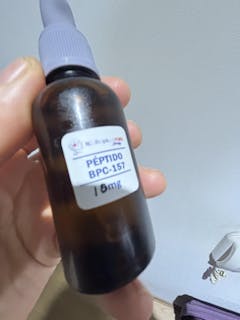
BPC-157 Peptide (Arginine Salts) 30mg (Sublingual Complex) - 30ml
BPC-157 Peptide (Arginine Salts) 30mg (Sublingual Complex) - 30ml
Couldn't load pickup availability
Share
The BPC-157 peptide in a sublingual complex is a 15-amino-acid sequence derived from a human gastric protective protein, formulated as an arginine salt for sublingual administration to promote mucosal absorption. This peptide has been investigated for its ability to support natural tissue repair processes, promote connective tissue integrity, contribute to the maintenance of gastrointestinal function, and support physiological angiogenesis. The sublingual formulation offers a convenient alternative to injectable administration, allowing the peptide to be absorbed directly through the capillary-rich oral mucosa into the systemic circulation, bypassing the hepatic first-pass metabolism that would occur with conventional oral administration.
Support for connective tissue recovery and joint health
BPC-157 has been investigated for its ability to support repair processes in connective tissues, including tendons, ligaments, cartilage, and joint structures, by modulating angiogenesis and activating signaling pathways that promote tissue regeneration. This protocol is designed for individuals seeking to support connective tissue recovery after intense physical activity, mechanical overload, or as general joint health support.
• Dosage: Begin with a 5-day adaptation phase using 250 mcg of BPC-157, equivalent to approximately 8 drops (0.4 ml) of the sublingual complex administered once daily. Place the drops directly under the tongue and hold for 90–120 seconds to optimize sublingual absorption of the peptide through the highly vascularized mucous membranes before swallowing. This conservative starting dose allows for assessment of individual tolerance to the peptide and observation of any initial response before increasing the dose. After completing the adaptation phase and confirming good tolerance, increase to the maintenance dose of 500 mcg daily, equivalent to approximately 17 drops (0.85 ml), which can be administered as a single dose or divided into two 250 mcg doses (approximately 8–9 drops each) administered in the morning and afternoon or evening. For users seeking more robust support for connective tissue recovery who have tolerated the maintenance dose well for at least two weeks, an advanced dose of 750–1000 mcg daily, equivalent to approximately 25–33 drops (1.25–1.65 ml), may be considered. This can be divided into two or three administrations throughout the day to maintain more consistent peptide levels. Dividing higher doses into multiple daily administrations may optimize bioavailability and effects on target tissues.
• Administration frequency: BPC-157 can be administered on an empty stomach or with food, although administration on an empty stomach, at least 30–45 minutes before meals, has been observed to promote more complete and predictable sublingual absorption. For once-daily protocols, morning administration on an empty stomach after waking may be optimal, allowing the peptide to exert its effects during waking hours when there is greater activity and demand on connective tissues. For split-dose protocols, a common strategy is to administer the first dose in the morning on an empty stomach and the second dose in the afternoon or early evening, also on an empty stomach if possible. After sublingual administration and retention under the tongue for 90–120 seconds, avoid eating or drinking for at least 15–20 minutes to maximize absorption. If BPC-157 is being used specifically to support recovery after intense physical training, one strategy is to administer a dose within 1-2 hours after training when tissue repair processes are most active, although this can be combined with a morning dose for all-day coverage.
• Cycle Duration: For connective tissue recovery support, BPC-157 can be used continuously for 4-8 week cycles, which is an appropriate period to observe effects on tissue repair and regeneration processes that develop over several weeks. After completing a 4-8 week cycle, implement a 2-4 week rest period to allow the body to operate without continuous exogenous modulation of tissue repair signaling pathways and to assess whether the benefits developed during the active cycle persist. During the rest period, monitor joint function, comfort during movement, and recovery after physical activity. If continued support is desired after the rest period, another cycle can be initiated, starting again with the maintenance dose, without needing to repeat the entire adaptation phase unless several months have passed since the last use. Two to three cycles per year can be implemented as needed, with the possibility of longer cycles of up to 12 weeks in situations where sustained support is sought for more extensive tissue recovery processes, always followed by appropriate rest periods.
Support for gastrointestinal health and integrity
BPC-157 is derived from a sequence of the gastric protective protein BPC, which is naturally found in human gastric juice and has been extensively researched for its ability to support gastrointestinal mucosal integrity, promote intestinal barrier function, and modulate repair processes in the digestive tract. This protocol is designed for individuals seeking to support gastrointestinal function, digestive mucosal health, and intestinal barrier integrity.
• Dosage: Begin with a 5-day adaptation phase using 250 mcg of BPC-157, equivalent to approximately 8 drops (0.4 ml) of the sublingual complex, administered once daily, preferably in the morning on an empty stomach. During this initial phase, observe how the peptide affects digestive function, gastrointestinal comfort, and any aspects of digestive health relevant to individual goals. After adaptation, increase to the maintenance dose of 500 mcg daily, equivalent to approximately 17 drops (0.85 ml), which can be administered as a single morning dose or divided into two 250 mcg doses (approximately 8-9 drops) administered in the morning and at bedtime. For users seeking more robust gastrointestinal health support and who have assessed their tolerance for at least two weeks, a dose of 750 mcg daily, equivalent to approximately 25 drops (1.25 ml), divided into two or three administrations, may be considered. Sublingual administration is particularly appropriate for gastrointestinal targets because it allows the peptide to be absorbed systemically and then distributed to gastrointestinal tissues via the circulation, in addition to the fact that any peptide that is eventually swallowed can have direct local effects on the mucosa of the upper digestive tract.
• Administration Frequency: For gastrointestinal support purposes, administration on an empty stomach is particularly recommended to optimize both sublingual absorption and the potential effects of the peptide on the gastric mucosa once it reaches the stomach after swallowing. An effective strategy is to administer the first dose immediately upon waking, at least 30–45 minutes before breakfast, allowing BPC-157 to interact with the gastrointestinal tract in a fasted state. If a second dose is used, it can be administered at bedtime, at least 2–3 hours after the last meal, again on an empty stomach. This twice-daily dosing on an empty stomach provides coverage throughout the circadian cycle and can support mucosal repair and maintenance processes that occur both during periods of activity and during nighttime rest. After sublingual administration with retention for 90–120 seconds, it can be swallowed, and then 20–30 minutes should elapse before consuming food or beverages.
• Cycle Duration: For gastrointestinal health support, BPC-157 can be used for 6-8 week cycles, which is an appropriate period to observe effects on mucosal integrity, intestinal barrier function, and overall digestive health. Some protocols for more intensive gastrointestinal support may be extended to 10-12 weeks under appropriate supervision if sustained support for mucosal repair processes is desired. After completing the active cycle, implement a 3-4 week break during which it is assessed whether improvements in gastrointestinal function are maintained without the peptide. During the break, continue digestive health support practices, including appropriate nutrition that promotes gut health, stress management that affects gastrointestinal function, and any other digestive support supplements you are using. If continued support is desired after the break, another cycle may be initiated. For long-term maintenance of gastrointestinal health, 2-3 cycles per year can be implemented, or in some cases, more frequent use with regular cycles and breaks depending on individual need and response to the protocol.
Support for muscle recovery and optimization of physical performance
BPC-157 has been investigated for its ability to support skeletal muscle recovery processes after intense exercise, promote the repair of muscle microdamage that occurs with training, and potentially modulate aspects of muscle metabolism and angiogenesis that may contribute to optimizing physical performance. This protocol is designed for athletes and physically active individuals seeking to support muscle recovery and improve adaptation to training.
• Dosage: Begin with a 5-day adaptation phase using 250 mcg of BPC-157, equivalent to approximately 8 drops (0.4 ml), administered once daily. This phase allows you to assess how the peptide affects recovery after training sessions and observe any effects on performance, muscle fatigue, or comfort during movement. After adaptation, increase to the maintenance dose of 500-750 mcg daily, equivalent to approximately 17-25 drops (0.85-1.25 ml), divided into two administrations to maintain more consistent peptide levels throughout the day. A common strategy is to administer 250-375 mcg (approximately 8-12 drops) in the morning and the same amount in the afternoon or evening. For athletes during periods of particularly intense training or to support recovery from significant muscle overload, an advanced dose of up to 1000 mcg daily, equivalent to approximately 33 drops (1.65 ml), divided into two or three administrations, may be considered. However, it is important to carefully assess individual response and not assume that higher doses always produce better results; the optimal dose varies depending on the individual and their specific goals.
• Administration Frequency: For muscle recovery and physical performance goals, the timing of doses in relation to training can be relevant. An effective strategy is to administer one dose in the morning on an empty stomach to provide peptide levels throughout the day when training typically occurs, and a second dose within 1-2 hours after completing the training session when muscle repair processes are most active and when there is greater blood flow to the exercised muscles, which could facilitate the delivery of the peptide to target tissues. Alternatively, if training in the morning, one dose can be administered before training (30-60 minutes before) and another dose at night before bed when muscle repair and growth processes occur during sleep. BPC-157 can be taken on an empty stomach to optimize sublingual absorption, although if administered post-workout when consuming a recovery meal, it can be taken immediately before the meal using the appropriate sublingual technique. On rest days without training, continue with the scheduled doses to maintain consistent peptide levels that support ongoing recovery processes.
• Cycle Duration: For muscle recovery and performance support, BPC-157 can be used during cycles that align with periods of intensive training or specific preparation blocks. Typical cycles are 6-10 weeks, corresponding to common mesocycles in training periodization. Athletes can time BPC-157 cycles to coincide with high-intensity or high-volume training blocks where the demand on muscle recovery is greatest, followed by 2-4 week off-peptide periods that can coincide with deload or active recovery phases in the training program. After the off-peptide period, assess recovery, performance, and adaptation to training without the peptide. If continued support for another intensive training block is desired, another cycle can be initiated. Some athletes implement 2-4 cycles per year aligned with their annual training periodization, using the BPC-157 during specific or competitive preparation blocks where optimal recovery is crucial, and taking breaks during periods of lower-intensity training or during the off-season.
Support for vascular health and promotion of angiogenesis
BPC-157 has been investigated for its ability to modulate vascular endothelial growth factor and other mediators of angiogenesis, the process of forming new blood vessels from existing vasculature. Proper angiogenesis is essential for the health of multiple tissues, including wound healing, cardiovascular health, and the adequate delivery of oxygen and nutrients to active tissues. This protocol is designed for individuals seeking to support overall vascular health and vascular endothelial function.
• Dosage: Begin with a 5-day adaptation phase using 250 mcg of BPC-157, equivalent to approximately 8 drops (0.4 ml), administered once daily. During this phase, observe any effects on aspects of circulatory function such as sensations of blood flow, extremity temperature, or any other relevant aspects of vascular health. After adaptation, increase to the maintenance dose of 500 mcg daily, equivalent to approximately 17 drops (0.85 ml), which can be administered as a single dose or divided into two 250 mcg doses (approximately 8-9 drops) in the morning and evening. For users seeking more robust support for angiogenesis and vascular health, a dose of 750 mcg daily, equivalent to approximately 25 drops (1.25 ml), divided into two administrations, may be considered. Split dosing may provide more consistent stimulation of VEGF-related signaling pathways and angiogenesis throughout the day.
• Frequency of administration: For vascular health support purposes, BPC-157 can be administered at any time of day, although many users prefer a morning and an evening dose if they are splitting the daily dose. Administration can be done on an empty stomach to optimize sublingual absorption, holding the drops under the tongue for 90–120 seconds before swallowing. If BPC-157 is combined with cardiovascular exercise, which is also a potent stimulus for angiogenesis, it may be strategic to administer a dose within 1–2 hours post-exercise when signaling pathways related to blood vessel formation are actively upregulated. Maintaining good hydration while using BPC-157 can support optimal vascular function and peptide delivery to target tissues.
• Cycle Duration: For vascular health and angiogenesis support, BPC-157 can be used in 6- to 8-week cycles, followed by 3- to 4-week rest periods. Angiogenesis and vascular remodeling are processes that occur over weeks, so cycles of this duration allow for observation of effects on vascular function. During the rest period, assess for any persistent changes in aspects of circulatory function or vascular health. Two to three cycles per year can be implemented as needed. For individuals seeking sustained vascular health support as part of a comprehensive cardiovascular health approach, BPC-157 can be integrated with other vascular health-promoting practices, including regular exercise, appropriate nutrition rich in compounds that support endothelial function, and stress management.
Support for nervous system health and neuroprotection
BPC-157 has been investigated for potential effects on the nervous system, including support for enteric nervous system function, modulation of gut-brain communication, and potential neuroprotective effects through mechanisms that may include modulation of oxidative stress, promotion of angiogenesis in neural tissue, and effects on blood-brain barrier integrity. This protocol is designed for individuals seeking to support nervous system function and overall neurological health.
• Dosage: Begin with a 5-day adaptation phase using 250 mcg of BPC-157, equivalent to approximately 8 drops (0.4 ml), administered once daily. During this initial phase, observe any effects on cognitive function, mental clarity, mood, or aspects of nervous system function that are relevant to individual goals. After adaptation, increase to the maintenance dose of 500 mcg daily, equivalent to approximately 17 drops (0.85 ml), administered as a single morning dose or divided into two doses. For users seeking more robust support for nervous system function, a dose of 750 mcg daily, equivalent to approximately 25 drops (1.25 ml), divided into two administrations of approximately 12-13 drops each, may be considered.
• Administration frequency: For nervous system-related goals, administration can be done at any time of day according to personal preference, although some users prefer morning and evening dosing to maintain more consistent peptide levels. Sublingual administration on an empty stomach, at least 30 minutes before meals, may optimize absorption. If BPC-157 is being used specifically to support enteric nervous system function and gut-brain communication, combining the protocol with practices that support gut health may create synergy.
• Cycle Duration: For nervous system support purposes, BPC-157 can be used in 6-10 week cycles, followed by 3-4 week rest periods. The effects on nervous system function and neuroprotective processes develop over several weeks of consistent use. After the rest period, assess cognitive function, mood, and other relevant aspects of nervous system function to determine if another cycle is appropriate. Two to three cycles per year can be implemented as needed, integrating BPC-157 with other practices that support neurological health, including appropriate nutrition with nutrients that support brain function, regular exercise that promotes neurogenesis and plasticity, adequate sleep, and stress management.
Step 1: Choose the right time
Choose a time when you don't have to eat, drink, or talk for at least 5 minutes. Ideally, apply it in the morning or before an activity that requires concentration, always with a clean mouth and no food debris.
Step 2: Make sure your mouth is well hydrated
A dry mouth reduces absorption. If you have a dry mouth, rinse with a little water, spit it out, and wait about 2 minutes before applying. This keeps the mucous membrane hydrated without diluting the compound.
Step 3: Place the exact dose under the tongue
Place the desired number of drops of the solution directly into the sublingual area (under the tongue), without touching the tongue with the dropper to avoid contamination.
Step 4: Keep the liquid under your tongue without swallowing
Remain silent, without speaking or moving your tongue. Let the liquid sit for at least 2 to 3 minutes . During this time, the compound passes through the mucous membrane and enters directly into the bloodstream. Do not swallow your saliva during this time, as it can draw the compound into the stomach and reduce its effectiveness.
Step 5: Swallow or spit out the excess (optional)
After 3 minutes, you can swallow the remaining liquid or spit it out if you prefer to avoid any secondary gastrointestinal absorption. Most of the compound will have already been absorbed sublingually.
Step 6: Do not eat or drink for the next few minutes
Avoid eating, drinking, or rinsing your mouth for the next 10 to 15 minutes , so as not to interfere with residual absorption or alter the sublingual environment.
Did you know that sublingual BPC-157 can cross the blood-brain barrier to influence brain systems?
Unlike most peptides, which cannot cross the protective barrier surrounding the brain, BPC-157 possesses unique structural features that allow it to cross this selective barrier and access the central nervous system. This extraordinary ability means that when administered sublingually, the peptide can reach the brain and modulate neurotransmitter systems such as dopamine, serotonin, and GABA, which are critical for mood, motivation, and cognitive function. Sublingual absorption allows the peptide to enter directly into the bloodstream without being degraded in the stomach, maximizing the amount that can reach the brain. This property of crossing normally impermeable biological barriers is what makes BPC-157 particularly interesting for researchers studying the gut-brain connection.
Did you know that sublingual administration prevents the peptide from being destroyed by digestive enzymes?
When you take BPC-157 by placing it under your tongue, the peptide is absorbed directly through the thin oral mucosa, which is densely populated with blood capillaries, allowing it to enter the bloodstream within minutes without having to pass through the stomach. This is crucial because the stomach contains powerful digestive enzymes specifically designed to break down proteins and peptides into individual amino acids. Although BPC-157 is more resistant to degradation than most peptides due to its unique amino acid sequence, the sublingual route completely eliminates this challenge and ensures that a greater proportion of the peptide reaches the circulation intact. The oral mucosa, being a permeable membrane without the aggressive digestive enzymes of the gastrointestinal tract, acts as a direct entry point that preserves the peptide's complete molecular structure.
Did you know that BPC-157 can simultaneously modulate multiple cell signaling systems throughout the body?
BPC-157 does not act like most compounds that bind to a specific receptor and activate a single signaling pathway. Instead, this peptide functions as a pleiotropic modulator, meaning it can influence dozens of different cell communication pathways simultaneously, including the vascular endothelial growth factor (VEGF) pathway that controls blood vessel formation, the protein kinase pathway that regulates cell growth, and the neurotrophic factor pathway that supports neuronal health. This ability to "speak multiple cellular languages" simultaneously explains why BPC-157 has been investigated in such diverse contexts, from supporting connective tissue to brain function. When the peptide enters the bloodstream sublingually, it can travel to different tissues and organs, carrying specific messages to each cell type it encounters.
Did you know that BPC-157 is derived from a molecule that your own stomach produces naturally?
BPC-157 is based on a protective protein that the cells in your stomach continuously produce to protect themselves from the extremely acidic environment necessary for digestion. Think of your stomach as a chemical reactor that uses acid strong enough to dissolve metal, yet the cells lining this organ survive thanks to special protective proteins. Scientists identified the most active section of one of these natural protective proteins—a chain of exactly 15 amino acids—and replicated it to create BPC-157. This means it's not a completely foreign molecule to your body, but a concentrated and stabilized version of something your body already recognizes and produces. The formulation as an arginine salt further enhances its stability and absorption when administered sublingually.
Did you know that sublingual absorption allows the peptide to reach blood levels in minutes instead of hours?
When you place the BPC-157 sublingual complex under your tongue, it begins to be absorbed almost instantly through the rich network of capillaries that supply the oral mucosa. In just 5-10 minutes, significant amounts of the peptide are already circulating in your bloodstream and traveling to the target tissues. This contrasts dramatically with conventional oral administration, where you would have to wait 1-2 hours for the compound to be processed through the stomach and intestines, during which time a significant portion would be broken down by digestive enzymes and metabolized by the liver. The rate of sublingual absorption is comparable to that of an injection, but without the need for needles, syringes, or special refrigeration of the product. This rapid action is particularly relevant when you are looking to support physiological processes that benefit from more immediate responses.
Did you know that BPC-157 can stimulate the formation of new blood vessels in tissues that need better circulation?
One of the most studied mechanisms of BPC-157 is its ability to promote angiogenesis, the process by which your body creates new blood capillaries from existing vessels. Every cell in your body needs to be near a blood vessel to receive oxygen and nutrients, and when a tissue is under stress, demand, or remodeling, it needs to expand its vascular network to support its increased needs. BPC-157 signals the endothelial cells that form the inner lining of blood vessels, telling them to multiply, migrate, and organize into new tubular structures that connect to the existing circulation. This process of building new vascular "highways" is critical for any tissue that is adapting, renewing itself, or requiring a greater supply of nutrients and oxygen. Sublingual administration ensures that the peptide quickly reaches the circulation, where it can travel to the areas that need it most.
Did you know that the arginine salt in the formulation is not just a carrier but an active contributor to the effects?
The arginine combined with BPC-157 in this sublingual formulation is not simply an inert carrier to stabilize the peptide. L-arginine is the amino acid your body uses as a raw material to produce nitric oxide, a gaseous signaling molecule essential for vascular health, endothelial function, and vasodilation. When the BPC-157/arginine complex is absorbed sublingually, you are simultaneously providing a peptide that promotes the formation of new blood vessels along with the substrate necessary for those new vessels to function properly by producing nitric oxide. This synergy between the two components of the complex creates effects that are greater than the sum of their individual parts. Arginine also enhances the peptide's solubility and stability, allowing more of it to remain active during sublingual absorption.
Did you know that BPC-157 can influence the expression of genes related to tissue repair?
BPC-157 doesn't just act as a temporary chemical signal that disappears after a few hours. Research has shown that it can enter cells and influence which genes are "switched on" or "switched off," particularly genes related to collagen synthesis, the production of growth factors, and proteins involved in remodeling the extracellular matrix that forms the structure of tissues. When the peptide modulates gene expression, it is essentially reprogramming how cells behave for days or even weeks after exposure. This means that the effects of BPC-157 can extend far beyond the time the peptide itself remains in your system, as changes in gene expression result in the production of new proteins that continue to exert functional effects. Sublingual administration allows the peptide to quickly reach the tissues where it can exert these effects at the genetic level.
Did you know that the oral mucosa absorbs peptides more efficiently than the small intestine?
The surface under your tongue and inside your cheeks is lined with a special type of tissue called oral mucosa, which is specifically designed to allow the rapid passage of molecules between your mouth and your bloodstream. Unlike the small intestine, which has multiple layers of cells and tight junctions that limit what can pass through, the oral mucosa is more permeable and has an exceptionally high density of blood capillaries just beneath its surface. This makes it one of the best absorption routes for peptides and other molecules that would normally have difficulty crossing the intestinal barrier. Furthermore, the saliva in your mouth has a relatively neutral pH, which doesn't break down peptides the way stomach acid would. When you keep the BPC-157 sublingual complex under your tongue for several minutes, you are taking advantage of this direct absorption pathway.
Did you know that BPC-157 can modulate the activity of immune cells that coordinate tissue remodeling?
Macrophages are versatile immune cells that do much more than simply fight infections. They also act as master coordinators of tissue remodeling and maintenance processes, releasing chemical signals that direct other cells on what to build, what to break down, and how to organize themselves. BPC-157 has been investigated for its ability to influence the macrophage "phenotype," essentially determining whether these cells behave more like aggressive sentinels or collaborative construction workers. By modulating the cytokine profile that macrophages produce, the peptide can create a tissue environment that favors constructive rather than destructive processes. This ability to influence the immunological orchestration of tissue remodeling is part of why BPC-157 has been so extensively studied in contexts involving tissue adaptation and renewal.
Did you know that sublingual BPC-157 avoids the "first-pass effect" that destroys many oral compounds?
When you take something orally in the traditional way (by swallowing it), it first passes through your stomach and then through your small intestine, where it is absorbed into the portal vein, which leads directly to your liver. The liver acts like a massive chemical processing plant, metabolizing (breaking down) a significant portion of what you absorb before it can reach systemic circulation. This "hepatic first-pass effect" is why many medications and supplements have poor oral bioavailability. The sublingual route completely avoids this problem because blood from the oral mucosa drains into the jugular veins, which lead directly to the heart and then to the general circulation, without passing through the liver first. For peptides like BPC-157, which might be partially metabolized by liver enzymes, this bypass means that more intact, functional peptide reaches the tissues where it can exert its effects.
Did you know that BPC-157 can influence the production of brain-derived neurotrophic factor (BDNF)?
BDNF is a protein that acts as a fertilizer for neurons, promoting their growth, survival, and the formation of new synaptic connections that are the physical basis of learning and memory. Research has explored how BPC-157 can increase BDNF expression in the brain, which has profound implications for neuroplasticity—the brain's ability to reorganize and adapt. When the peptide is absorbed sublingually and crosses the blood-brain barrier, it can influence brain cells to produce more of this crucial neurotrophic factor. Elevated BDNF levels are associated with improved cognitive function, better mood, and a greater capacity for the brain to form new memories and adapt to new experiences. This connection between a stomach-derived peptide and brain health is a fascinating example of how bodily systems are interconnected in ways we are only beginning to understand.
Did you know that BPC-157 can modulate intestinal barrier permeability without being in the intestine?
Although BPC-157 is administered sublingually and does not pass through the lower gastrointestinal tract, once in the bloodstream it can travel to the blood vessels that supply the intestine and exert effects on the intestinal barrier from the bloodstream. The integrity of the intestinal barrier depends on tight junctions between the epithelial cells lining the intestine, and these junctions are regulated by signals from both the luminal (inside the intestine) and basolateral (from the blood) sides. Circulating BPC-157 can influence the expression of tight junction proteins such as occludin and ZO-1 from the circulation, strengthening these cellular connections even without direct contact with the intestinal surface. This ability to modulate the intestinal barrier systemically is particularly relevant to the gut-brain axis, as a healthy intestinal barrier prevents unwanted substances from the intestine from entering the circulation and potentially affecting brain function.
Did you know that sublingual administration creates more stable blood levels of the peptide than injections?
When a subcutaneous or intramuscular injection is administered, the entire peptide is deposited at a single site from which it is gradually absorbed, creating a high initial peak in blood concentration followed by a gradual decline. Sublingual absorption, on the other hand, occurs across a broad surface area (the entire mucosa under the tongue and cheeks) over the several minutes the complex remains in the mouth, resulting in a smoother, more gradual absorption curve. This creates blood levels that rise more rapidly than with oral administration but are more stable and sustained than the sharp peaks of injections. For many physiological effects, especially those related to the modulation of gene expression and cell signaling, more stable and sustained levels can be more effective than sharp pulses, as they provide continuous signaling to target cells over a longer period.
Did you know that BPC-157 can influence mitochondrial metabolism to optimize cellular energy production?
Mitochondria are the powerhouses of cells, producing ATP, the energy currency that drives all cellular processes. BPC-157 has been investigated for its ability to optimize the function of the electron transport chain in mitochondria, improving the efficiency with which cells convert nutrients into usable energy. When mitochondria operate more efficiently, they produce more ATP per molecule of fuel consumed and generate fewer reactive oxygen species as harmful byproducts. This effect on cellular energy metabolism is particularly relevant for metabolically active tissues such as muscle, heart, and brain, which have very high energy demands. Sublingual administration allows the peptide to rapidly reach these tissues via the bloodstream, where it can enter cells and directly influence mitochondrial function.
Did you know that the sublingual formulation maintains its potency at room temperature, unlike the injectable peptide?
One of the significant practical advantages of the BPC-157 sublingual complex is its improved stability compared to injectable formulations that typically require constant refrigeration to maintain peptide integrity. The combination with the arginine salt and the formulation within a specific sublingual matrix protects the peptide from oxidative and thermal degradation, allowing it to be stored at room temperature without significant loss of potency over its shelf life. This not only makes the product more convenient for daily use and travel, but also ensures that the peptide reaching your oral mucosa is in its most active and structurally intact form. The improved stability also reduces the need for additional preservatives that could irritate the delicate oral mucosa.
Did you know that BPC-157 can modulate nitric oxide signaling beyond the contribution of arginine?
In addition to providing arginine as a substrate for nitric oxide synthesis, BPC-157 itself can influence the expression and activity of nitric oxide synthase enzymes that produce this crucial signaling molecule. The peptide can increase levels of endothelial nitric oxide synthase (eNOS) in the cells lining blood vessels, amplifying their capacity to produce nitric oxide even without increasing arginine availability. Nitric oxide not only causes vasodilation but also acts as a signal that promotes angiogenesis, protects against vascular oxidative stress, and regulates platelet function. This dual action of the BPC-157/arginine complex—providing both the substrate and enhancing the enzymatic machinery for nitric oxide production—creates a potentiation of vascular effects that neither component could achieve alone.
Did you know that sublingual absorption allows for more flexible and adjustable dosing than other methods?
With the sublingual formulation, you can easily adjust your dosage simply by modifying the amount of complex you place under your tongue, and you can do this multiple times a day without the discomfort or inconvenience of repeated injections. This dosing flexibility allows for more sophisticated protocols where you could, for example, take smaller doses spread throughout the day to maintain more consistent blood levels, or quickly adjust up or down based on your changing needs or observed response. Furthermore, if you experience any unwanted sensations, you can simply rinse your mouth and discontinue absorption—something impossible with an injection where the entire peptide is already in your system. This ability to precisely titrate and control exposure makes the sublingual form particularly user-friendly for those exploring their optimal individual response to the compound.
Did you know that BPC-157 can influence the three-dimensional organization of collagen in connective tissues?
It is not enough for cells to produce collagen; collagen fibers must organize themselves into specific patterns that correspond to the mechanical forces the tissue will experience. BPC-157 has been investigated for its ability to influence not only how much collagen is synthesized but also how these fibers align, intertwine, and cross-link to form functionally effective structures. In tendons, for example, collagen fibers must be aligned parallel to the direction of tension; in ligaments, they need a certain degree of cross-linking organization; and in skin, they require a more random mesh architecture. The peptide can modulate the expression of proteins that act as organizing scaffolds during collagen deposition, helping to ensure that the new tissue is not only abundant but also functionally organized. This influence on tissue architecture is what distinguishes quality remodeling from simple disorganized scarring.
Did you know that the oral mucosa has fewer peptidase enzymes than the lower gastrointestinal tract?
The oral mucosa has evolved to allow the rapid absorption of nutrients and chemical signals without extensive degradation, as it is the first surface food encounters and needs to be able to transmit information about what you are eating to the rest of the system. As a result, it contains much lower levels of peptidase enzymes (enzymes that break down peptides) compared to the stomach and small intestine, which are specifically designed for the complete digestion of proteins. This relative lack of degradative enzyme activity in the mouth means that peptides like BPC-157 have a much better chance of remaining intact while being absorbed through the mucosa. Combined with the short transit time (you only need to keep the complex under your tongue for a few minutes), this maximizes the proportion of the peptide that enters your bloodstream in its fully active form.
Did you know that BPC-157 can modulate the stress response through the hypothalamic-pituitary-adrenal axis?
The HPA axis is the body's stress response system that coordinates how you react to physical and psychological challenges. BPC-157, by crossing the blood-brain barrier after sublingual absorption, can influence this axis at multiple levels, including the hypothalamus, which initiates the stress cascade; the pituitary gland, which amplifies the signals; and the adrenal glands, which produce cortisol and other stress hormones. Research has explored how the peptide can modulate HPA axis reactivity, not by completely suppressing stress responses (which are necessary and adaptive), but potentially by helping to keep them within ranges that are beneficial rather than harmful. This ability to influence the stress response is yet another example of how a peptide derived from gastric protection can have far-reaching effects on multiple body systems, including those involved in mood regulation and resilience to challenges.
Convenience and ease of use without the need for injections
The BPC-157 peptide in a sublingual complex offers a significant practical advantage by completely eliminating the need for injections, syringes, needles, and the complexities associated with parenteral administration. This presentation allows anyone to use the peptide simply and discreetly by placing the complex under the tongue for a few minutes, where it is absorbed directly through the rich capillary network of the oral mucosa. Constant refrigeration, as with injectable formulations, is not required, making the product ideal for people with active lifestyles, frequent travelers, or simply those who prefer to avoid the discomfort and anxiety associated with needles. Sublingual administration also eliminates the risks of infection at the injection site, the need to rotate application sites, and the generation of medical waste such as used needles requiring special disposal. This accessibility makes BPC-157 available to a much wider audience who could benefit from its effects but would be deterred by the complexity or discomfort of injections.
Rapid and direct absorption into the systemic circulation
Sublingual administration of the BPC-157 complex allows the peptide to be absorbed directly through the oral mucosa into the bloodstream within minutes, bypassing the digestive tract where it could be degraded by enzymes or processed by the liver before reaching systemic circulation. The mucosa under the tongue and inside the cheeks is densely vascularized with capillaries that drain directly into the jugular veins, providing a rapid entry route into the bloodstream. This absorption rate means the peptide can begin exerting its modulatory effects on target tissues much more quickly than with conventional oral administration. Furthermore, by avoiding the "hepatic first-pass effect," where the liver metabolizes compounds before they reach systemic circulation, a greater proportion of the peptide remains intact and biologically active, optimizing its bioavailability and effectiveness. This absorption efficiency allows for the use of lower doses to achieve effects comparable to those of other routes of administration.
Support for the integrity and recovery of connective tissues
The peptide BPC-157, administered sublingually, can support the natural maintenance and remodeling processes of connective tissues such as tendons, ligaments, fascia, and cartilage through its influence on multiple cellular pathways involved in extracellular matrix synthesis. The peptide promotes the activity of fibroblasts, the cells responsible for producing collagen and other structural components that form the framework of these tissues. By modulating the expression of genes related to collagen and proteoglycan synthesis, BPC-157 helps connective tissues maintain their structural integrity and optimal mechanical properties, such as tensile strength and elasticity. For physically active individuals, athletes, or those who regularly subject their joints and soft tissues to mechanical stress, this peptide could support the ongoing processes of tissue adaptation and renewal. Research has explored how BPC-157 can influence not only the amount of collagen produced but also how collagen fibers are spatially organized to form functionally effective structures, distinguishing quality remodeling from simple disorganized tissue buildup.
Support for the formation of new blood vessels
One of the most studied capabilities of sublingual BPC-157 is its influence on angiogenesis, the process by which new blood vessels form from the existing vascular network. This peptide modulates the expression of vascular endothelial growth factor (VEGF) and other pro-angiogenic factors that stimulate the proliferation and migration of endothelial cells, the cellular components that form the inner lining of blood vessels. A well-developed and functional vascular network is essential to ensure that all body tissues receive an adequate supply of oxygen and nutrients while efficiently removing metabolic waste products. BPC-157 promotes these vascular development processes, which are especially important in tissues undergoing remodeling, adapting to new functional demands, or experiencing increased metabolic needs. The ability of the sublingually absorbed peptide to promote the formation of new capillaries has implications for maintaining the health of organs and systems that critically depend on optimal blood perfusion for their normal function.
Contribution to gastrointestinal health from the circulation
Although sublingual BPC-157 does not pass through the gastrointestinal tract during absorption, once in the bloodstream it can travel to the vessels that supply the stomach and intestines and exert effects on the gastrointestinal mucosa from the vascular side. Since this peptide is derived from human gastric protective proteins, it has a special affinity for supporting the health of the digestive tract. Circulating BPC-157 contributes to maintaining the integrity of the intestinal barrier by modulating the expression of tight junction proteins such as occludin and ZO-1, which maintain the connections between intestinal epithelial cells. This selective barrier is crucial for allowing nutrient absorption while preventing the passage of unwanted substances into the bloodstream. Additionally, the peptide supports the natural processes of continuous renewal of the intestinal epithelium, which has one of the highest cell turnover rates in the body. For people with stressful lifestyles, diets that may challenge digestive integrity, or who experience stress-related gastrointestinal discomfort, sublingual BPC-157 could support the maintenance of optimal digestive function and a healthy intestinal barrier.
Support for cognitive function and neurological balance
Sublingual BPC-157 has the remarkable ability to cross the blood-brain barrier and influence various aspects of central nervous system function. Once absorbed through the oral mucosa and into the bloodstream, the peptide can reach the brain, where it modulates neurotransmitter systems, particularly the dopaminergic, serotonergic, and GABAergic pathways, which are fundamental for regulating mood, motivation, cognition, and multiple aspects of behavior. Studies have explored how BPC-157 can influence the synthesis, release, and reuptake of neurotransmitters, as well as the sensitivity of the receptors that mediate their effects. The peptide also supports the expression of brain-derived neurotrophic factor (BDNF), a protein crucial for neuronal survival, neurite growth, the formation of new synapses, and the neuroplasticity processes that underlie learning and memory. Additionally, BPC-157 can influence the integrity of the myelin sheath that covers neuronal axons and accelerate the transmission of electrical impulses, thus contributing to the maintenance of efficient neuronal communication. For individuals interested in supporting cognitive function, emotional well-being, and overall neurological health, sublingual BPC-157 offers multiple mechanisms through which it may support these fundamental aspects of brain health.
Promoting balance in oxidative processes
Sublingually administered BPC-157 has been investigated for its ability to modulate the balance between reactive oxygen species (ROS) production and the endogenous antioxidant systems the body uses to neutralize them. This peptide can influence the expression and activity of antioxidant enzymes such as superoxide dismutase, catalase, and glutathione peroxidase, which form the body's first line of defense against oxidative stress. Additionally, BPC-157 can affect mitochondrial function, optimizing the efficiency of the electron transport chain and thus reducing ROS production as byproducts of energy metabolism. This ability to support cellular redox balance has implications for preserving cell membrane integrity, maintaining the function of oxidation-sensitive proteins, and protecting DNA from oxidative damage. For individuals exposed to factors that can increase oxidative stress, such as intense exercise, stress, environmental pollution, or certain dietary patterns, sublingual BPC-157 may help maintain oxidative balance, which is essential for healthy aging and optimal cellular function.
Support for the musculoskeletal system and joint function
Sublingual BPC-157 offers multiple pathways through which it can support the overall health of the musculoskeletal system. This peptide promotes not only the integrity of soft tissues such as tendons and ligaments, but also the health of articular cartilage, the specialized tissue that covers bone surfaces in joints and allows for smooth movement with minimal friction. Research has explored how BPC-157 can influence the activity of chondrocytes, the cells responsible for maintaining the cartilage matrix, and the balance between the synthesis and degradation of cartilage components such as proteoglycans and type II collagen. Additionally, this peptide can modulate the activity of matrix metalloproteinases (MMPs), enzymes that degrade cartilage components, and increase the expression of tissue inhibitors of metalloproteinases (TIMPs), helping to maintain an appropriate balance between the building and degradation of the extracellular matrix in joints. For individuals who experience regular mechanical demands on their joints, whether from sports activity, physical work, or simply the natural aging process, sublingual BPC-157 could support the maintenance of optimal joint function and the ability to move without restrictions.
Support for cardiovascular health and endothelial function
Sublingually administered BPC-157 may contribute to multiple aspects of cardiovascular health through mechanisms that extend beyond its influence on angiogenesis. This peptide has been investigated for its ability to modulate endothelial function, the inner lining of blood vessels that regulates vascular tone, permeability, and interaction with circulating blood cells. A healthy endothelium produces nitric oxide, a signaling molecule that promotes relaxation of vascular smooth muscle and has beneficial properties for circulatory function. BPC-157, especially when formulated with arginine (the precursor of nitric oxide), can influence the nitric oxide pathway in multiple ways, supporting its production and bioavailability, thus promoting optimal vascular function. Additionally, this peptide may modulate processes related to vascular wall integrity, including maintaining the appropriate balance between vascular smooth muscle cell proliferation and the production of extracellular matrix, which provides structure and elasticity to blood vessels. For individuals interested in supporting their long-term cardiovascular health, sublingual BPC-157 offers a multifaceted profile of effects that could contribute to the maintenance of a healthy and functionally efficient circulatory system.
Promotes cellular energy metabolism
Sublingually absorbed BPC-157 has shown in research the ability to influence various aspects of cellular energy metabolism, particularly at the mitochondrial level. These organelles are responsible for ATP production through oxidative phosphorylation, and their optimal function is crucial for metabolically active tissues such as muscle, heart, and brain. This peptide can affect the efficiency of the electron transport chain, optimizing ATP production while minimizing the generation of reactive oxygen species as byproducts. Additionally, BPC-157 can influence the integrity of mitochondrial membranes and mitochondrial biogenesis, the process by which cells generate new mitochondria to meet increased energy demands. For individuals seeking to optimize their energy levels, whether for athletic performance, cognitive function, or simply to maintain vitality throughout the day, sublingual BPC-157 could support the fundamental cellular energy production processes that underpin all bodily activities.
Contribution to the regulation of the gut-brain axis
The gut-brain axis represents the complex bidirectional communication between the gastrointestinal tract and the central nervous system, involving hormonal, immunological, metabolic, and neuronal signals. Sublingual BPC-157, given its origin in gastric proteins and its ability to cross the blood-brain barrier, is uniquely positioned to influence multiple aspects of this fundamental connection. This peptide can modulate signaling via the vagus nerve, the main neural communication channel between the gut and the brain, influencing how signals from the digestive tract are interpreted by the central nervous system and vice versa. Additionally, BPC-157 can affect neurotransmitter production in the gut, where specialized cells synthesize significant amounts of serotonin, dopamine, and other chemical messengers. The integrity of the intestinal barrier, which the peptide also supports, is crucial for preventing substances from the intestinal lumen from inappropriately entering the bloodstream, where they could influence brain function. For people interested in integrated digestive and emotional well-being, sublingual BPC-157 offers a multidimensional approach that recognizes the deep interconnection between these systems.
Support for recovery and adaptation after exercise
For physically active individuals and athletes, sublingually administered BPC-157 can offer valuable support for recovery processes after intense training and for ongoing adaptation to exercise stress. This peptide supports multiple aspects of recovery physiology, from the remodeling of connective tissues that experience microtrauma during exercise to the optimization of the metabolic environment that enables protein synthesis and cellular repair. BPC-157's ability to promote angiogenesis is particularly relevant in the sports context, as the development of new vasculature in skeletal muscle is a key adaptation to endurance training that improves the delivery of oxygen and nutrients to active muscles. Additionally, the peptide can modulate the balance between catabolic and anabolic processes by influencing the expression of growth factors and cytokines that coordinate recovery responses. Sublingual administration offers the convenience of easily taking the peptide before or after training without complex preparation, facilitating adherence to long-term recovery support protocols.
Support for skin health and skin renewal
The skin, being the body's largest organ, is constantly exposed to environmental challenges and undergoes continuous renewal of its cellular layers. BPC-157, administered sublingually and circulating in the bloodstream, has been investigated for its ability to support various aspects of skin health through multiple mechanisms. This peptide can influence the proliferation and migration of keratinocytes, the main cells of the epidermis, promoting the continuous renewal process that maintains the integrity of the skin barrier. Additionally, BPC-157 can affect the function of dermal fibroblasts, the cells responsible for producing collagen, elastin, and other components of the extracellular matrix that provide structure, elasticity, and firmness to the skin. The peptide's ability to promote angiogenesis also has skin relevance, ensuring that the skin receives an adequate supply of nutrients and oxygen through its capillary network. For individuals interested in maintaining the health, appearance, and function of their skin, sublingual BPC-157 could support the natural processes of skin maintenance and renewal systemically.
Support for adaptive and balanced immune function
The immune system is a complex network of cells and molecules that protects the body while maintaining tolerance to its own components. Sublingual BPC-157 has been the subject of research for its ability to modulate various aspects of immune function, particularly how immune responses are coordinated with tissue remodeling and maintenance processes. This peptide can influence the activity of different immune cell populations, including macrophages, which play crucial roles in both immune surveillance and the coordination of tissue repair processes. BPC-157 can modulate the macrophage phenotype, influencing whether these versatile cells express profiles more oriented toward surveillance responses or toward functions that support tissue remodeling. Additionally, this peptide can affect the production of immunoregulatory cytokines that determine the magnitude and duration of immune responses. For individuals interested in supporting a balanced immune function that is effective in its protective roles while avoiding excessive responses, sublingual BPC-157 offers mechanisms through which it could contribute to this delicate balance.
Support for mood stability and resilience to stress
Sublingually administered BPC-157, with its ability to cross the blood-brain barrier and modulate neurotransmitter systems, may contribute to emotional balance and the body's capacity to manage stress adaptively. This peptide influences the hypothalamic-pituitary-adrenal (HPA) axis, the body's central stress response system, not by completely suppressing necessary responses but by potentially helping to maintain them within beneficial rather than counterproductive ranges. By modulating the production and signaling of neurotransmitters such as serotonin, dopamine, and GABA, which are deeply involved in regulating mood, anxiety, and emotional responses, BPC-157 may support a more balanced neurological state. Additionally, the peptide's influence on the production of BDNF and other neurotrophic factors contributes to neuroplasticity, the brain's ability to reorganize and adapt to new experiences and challenges—a fundamental characteristic of psychological resilience. For people facing significant emotional demands, periods of heightened stress, or simply seeking to maintain a stable and positive mood, sublingual BPC-157 could offer support through its neuromodulatory effects.
The sublingual complex based on HP-β-CD (hydroxypropyl-beta-cyclodextrin) , SNAC (sodium salcaprozate) , and USP glycerin is designed to enhance the absorption, stability, and bioavailability of peptides through the sublingual mucosa. This formulation allows the active compound to bypass the digestive and hepatic systems (first-pass effect), resulting in faster and more efficient systemic and cerebral action.
The specific and detailed role of each component of the complex is explained below:
HP-β-CD (Hydroxypropyl-beta-cyclodextrin)
Cyclodextrins are ring-shaped molecules derived from starch that can form inclusion complexes with hydrophobic or sensitive substances such as peptides. HP-β-CD is a modified, more soluble version of beta-cyclodextrin, which:
• It partially encapsulates the peptide, protecting it from chemical or enzymatic degradation in the oral environment.
• Its solubility in water increases, allowing it to remain stable in solution without precipitating.
• It facilitates its passage through the sublingual mucosa by improving the interaction of the compound with the epithelial surface
• It extends the shelf life of the solution, as it acts as a physicochemical stabilizer of the active compound.
Thanks to its ability to form a protective microenvironment around the peptide, HP-β-CD significantly improves the bioavailability and absorption rate of the sublingual compound.
SNAC (Sodium salcaprozate)
SNAC is a permeability and absorption enhancer , originally developed to facilitate the oral administration of peptides and other difficult-to-absorb molecules. In a sublingual formulation, it performs key functions:
• It increases the permeability of the sublingual mucosa, temporarily modifying the fluidity of cell membranes, which allows the peptide to enter the bloodstream more easily.
• It acts as a transport vector, helping the peptide to quickly cross biological barriers without degrading
• It facilitates direct entry into the venous system, maximizing brain concentration without relying on the digestive tract.
• It also has a mild buffering effect, helping to maintain a pH suitable for peptide stability
SNAC has been used in advanced pharmaceutical technologies for its unique ability to transport intact peptides across physiological barriers without the need for injections.
Glycerin USP (pharmaceutical grade)
Glycerin is a natural carrier and humectant , widely used in sublingual solutions. Its role is crucial in this formula:
• It improves the viscosity of the solution, allowing the liquid to remain under the tongue for longer, which prolongs contact with the mucosa and improves absorption
• It prevents rapid evaporation of the compound, helping to maintain sustained release in the oral cavity
• It has a moisturizing and softening effect on the sublingual mucosa, reducing the risk of irritation even with prolonged use.
• It is chemically stable and compatible with peptides and bioactive excipients, ensuring the integrity of the entire system
Furthermore, its slightly sweet taste and pleasant texture make sublingual use more comfortable and tolerable , especially in repeated-use formulas.
Functional summary of the complex
This sublingual complex acts as a synergistic system:
• HP-β-CD encapsulates and stabilizes the peptide
• The SNAC facilitates the passage of the compound through the mucosa
• Glycerin keeps the solution in contact with the mucosa for the time necessary for efficient absorption.
The result is a fast, efficient and safe delivery of the peptide directly to the circulatory system, optimizing its neuroactive effects without compromising its structure or efficacy.
The magic gateway under your tongue
Imagine your mouth as a special fast-track entry point to the vast and complex city that is your body. Under your tongue lies an extraordinary zone, like an express customs checkpoint where certain special travelers can pass directly without having to go through the long and complicated security process that is your digestive system. When you place the BPC-157 sublingual complex under your tongue, you are using this secret highway directly into your bloodstream. The skin under your tongue is incredibly thin and filled with tiny tubes called capillaries, which are like thousands of microscopic straws filled with constantly flowing blood. The BPC-157 peptide, being a special chain of 15 building blocks called amino acids, can pass through this thin skin and enter these capillaries directly in a matter of minutes. It's as if the peptide takes an express elevator directly into the bloodstream, whereas if you swallowed it normally, it would have to take the long way around: down the esophagus, through the stomach where powerful acids would try to break it down, through the intestines where digestive enzymes would try to cut it into pieces, and then through the liver, which acts like a chemical processing plant that transforms everything you absorb before letting it enter the bloodstream. This special sublingual route is like having a VIP pass that allows you to bypass all those barriers and arrive intact and quickly where you need to go.
The messenger who speaks all the body's languages
BPC-157 is like a special ambassador who can speak multiple languages at once, and every cell type in your body understands at least one of them. Once the peptide enters your bloodstream through the sublingual mucosa, it begins traveling throughout your body like a messenger delivering important letters to different parts of the city. When it reaches the cells that build connective tissue (fibroblasts), it delivers a message: "It's time to make more collagen and organize these fibers to form strong, flexible structures." When it encounters cells that line the inside of your blood vessels (endothelial cells), the message is different: "Multiply and organize yourselves to form new capillaries that can carry blood to areas that need it." If the peptide travels to your brain—which it can because it has a special passport to cross the security barrier protecting your brain—it carries entirely different messages to the neurons about how to produce neurotransmitters and factors that support brain health. What's fascinating is that BPC-157 doesn't just carry a message; it's as if it has a briefcase full of different cards, and it automatically pulls out the right card for each cell type it encounters. This ability to communicate with so many different cell types occurs because the peptide can interact with multiple receptors and signaling systems on cell membranes. It's like having a collection of master keys where each key opens a different lock, and each lock you open initiates a cascade of events within the cell that changes how it behaves, what proteins it makes, and how it interacts with its neighbors.
The architect of new vascular highways
To understand one of BPC-157's most important superpowers, imagine your network of blood vessels as the entire system of roads, highways, and alleyways of a giant city. Every cell in your body needs to live near a "highway" (a blood capillary) to receive deliveries of oxygen and nutrients and to get rid of its waste. When an area of your body is working hard, growing, or adapting to new demands, it needs more roads to handle the increased traffic. BPC-157 acts like a skilled urban planner that can stimulate the construction of new vascular highways in areas that need them. It does this by sending special chemical signals to the endothelial cells that form the inner lining of existing blood vessels. These signals tell them to begin a fascinating process: First, the endothelial cells produce special enzymes that can temporarily dissolve small portions of the extracellular matrix surrounding them, creating space to move. These cells then begin to migrate in a specific direction, following chemical gradients like breadcrumbs that guide them to where new vessels are needed. As they migrate, they multiply, and here's the magic: they automatically begin to organize themselves into hollow tubular structures, forming perfect microscopic tubes. It's as if you have building blocks that automatically know how to stack up to form pipes. Once formed, these new capillaries connect to the existing vascular network, and suddenly you have an expanded delivery system that can better nourish the tissue. BPC-157 orchestrates this entire complex process by modulating growth factors like VEGF, which is like the construction manager coordinating the whole vascular building project.
The guardian of bodily boundaries
Your body has several important boundaries that separate different compartments and carefully control what can pass from one side to the other. One of the most important is the intestinal barrier, which is like a clever medieval wall made of living cells holding hands tightly. This wall has to perform a paradoxical and difficult task: it must be porous enough to allow good nutrients from your food to pass into your bloodstream, yet selective enough to block bacteria, toxins, and undigested particles that shouldn't get in. Imagine the cells that make up this wall (enterocytes) as guards shaking hands in a human chain, and the "hands" are special structures called tight junctions made of proteins like occludin and ZO-1. When these junctions loosen, the wall develops cracks through which unwanted things can pass. BPC-157, even when it doesn't pass directly through the intestine but gets there via the bloodstream after being absorbed sublingually, can send signals from the vascular side that strengthen these tight junctions. It's as if the peptide were a supervisor walking on the other side of the wall, checking that all the guards are holding hands properly and providing reinforcement where needed. The peptide does this by increasing the production of the proteins that form these junctions, ensuring that intestinal cells have enough "molecular glue" to stay securely connected. Additionally, BPC-157 supports the continuous renewal process of these cells, which are completely replaced every few days in one of the body's fastest renewal processes. Keeping this barrier functioning properly is critical not only for digestive health but also for the gut-brain connection, because unwanted substances that leak from the gut can travel through the bloodstream and potentially affect how you feel mentally and emotionally.
The secret passenger who arrives in the brain
Most large molecules, especially peptides and proteins, are trapped outside the brain by an extraordinarily strict security barrier called the blood-brain barrier. Imagine your brain as an ultra-protected fortress surrounded by the world's tightest security checkpoint, where microscopic guards (specialized endothelial cells) are attached so tightly that they create a nearly impenetrable seal. This seal protects your brain from toxins, pathogens, and potentially harmful chemicals circulating in your blood, but it also means that many compounds that could be beneficial simply can't get in. BPC-157, however, has a special trick up its sleeve: it possesses unique structural features in its 15-amino-acid sequence that allow it to cross this barrier. It's as if it has a molecular diplomatic passport that the security guards recognize and allow to pass through. Scientists are still investigating exactly how it accomplishes this, but it likely involves special transporters that recognize its structure or the peptide's ability to change its shape slightly to slip through cell membranes. Once inside the brain, BPC-157 can influence neurotransmitter systems, the chemical messaging systems that determine your mood, motivation, mental clarity, and emotional well-being. It can modulate how neurotransmitters like dopamine, serotonin, and GABA are produced, how they are released at synapses (the spaces between neurons where communication occurs), and how sensitive the receptors that receive these messages are. Additionally, the peptide can stimulate the production of brain-derived neurotrophic factor (BDNF), which acts like fertilizer for neurons, helping them grow, form new connections, and maintain their health over time. This ability to reach the brain after sublingual absorption is what makes BPC-157 particularly interesting for supporting not only physical health but also cognitive function and emotional balance.
The conductor of the fabric construction orchestra
Imagine that when tissue needs to be renewed or repaired, it's like a highly complex construction site where multiple teams of specialized workers must coordinate perfectly: some clear debris, others bring in new materials, some build structures, and still others ensure everything connects properly with the surrounding structures. BPC-157 acts as the conductor of this entire process, ensuring that each musician (each cell type) plays its part at the right time and in harmony with the others. The process begins with cell migration: the peptide sends out chemical signals that act like a beacon or a trail of crumbs, attracting builder cells (fibroblasts) to the area that needs attention. Once these cells reach their destination, BPC-157 gives them further instructions: multiply to increase the number of available workers, and begin manufacturing structural components like collagen, elastin, and proteoglycans that will form the new tissue. But here's the truly clever part: BPC-157 not only stimulates collagen production but also influences how it's organized. Collagen is only useful if its fibers align in the correct directions that correspond to the mechanical forces the tissue will experience. It's the difference between stacking blocks randomly versus building a well-designed architectural structure. The peptide modulates the expression of proteins that act as organizing scaffolds during collagen deposition, helping to ensure that the fibers align properly and form cross-links that give the tissue its mechanical properties of strength and elasticity. Simultaneously, BPC-157 is coordinating the construction of new blood vessels so that the renewed tissue has the blood supply it needs. All of this occurs while the peptide also modulates the balance between building and breaking down, regulating the enzymes (matrix metalloproteinases) that break down old components of the extracellular matrix to make room for new material, ensuring that the process is orderly renewal rather than simply disorganized accumulation of material.
The best-performing cellular power plants
Inside each of your cells are hundreds or thousands of tiny bean-shaped structures called mitochondria, which are like mini power plants that take nutrients from your food and convert them into ATP, the energy currency that powers absolutely everything your body does. Imagine each mitochondria as a tiny power plant with a complex assembly line (the electron transport chain) where electrons move from one station to the next, generating energy in the process. BPC-157 can act as an energy-efficiency engineer, optimizing how these power plants operate. The peptide can influence how efficiently electrons flow through the transport chain, improving the amount of ATP produced for each molecule of oxygen and nutrient consumed. When mitochondria operate more efficiently, they produce not only more energy but also less "toxic smoke" in the form of reactive oxygen species (free radicals), which are unavoidable but potentially harmful byproducts of energy metabolism. It's like tuning an engine to burn fuel more cleanly and produce fewer polluting emissions. BPC-157 can also stimulate mitochondrial biogenesis, the process by which cells build new mitochondria when they need more energy production capacity. This is particularly important for metabolically active tissues like muscle when you're working out, the brain when you're thinking intensely, or any tissue undergoing active remodeling that requires a lot of energy for protein synthesis and building new structures. The peptide does this by activating special transcription factors that coordinate the expression of genes needed to build new mitochondria—genes both in the cell nucleus and within the mitochondria themselves (yes, mitochondria have their own separate DNA, a vestige of their evolutionary origin as independent bacteria that were incorporated into cells billions of years ago).
The complete molecular symphony
To truly appreciate how sublingual BPC-157 works, you need to visualize all these mechanisms not as separate processes but as a perfectly coordinated symphony where each instrument contributes to the overall harmony. When you place the complex under your tongue, the first violins begin to play: the peptide dissolves and begins to be absorbed through the capillary-rich mucosa. Within minutes, the violas join in as the peptide enters the bloodstream and begins to circulate throughout your body. The wind instruments add their voices as the peptide reaches different tissues and begins to interact with cell-surface receptors and enter cells. The brass instruments chime in as the peptide modulates gene expression, activating genes that code for growth factors, structural components, and metabolic enzymes. The percussion provides the rhythm as the processes of cell proliferation, migration, and differentiation begin to occur in a coordinated manner. The string instruments add texture as new blood vessels begin to form and extend into tissues that need them. And finally, the whole system comes together when the peptide has simultaneously modulated connective tissue remodeling, vascular function, energy metabolism, barrier integrity, neurological function, and immune balance, creating a comprehensive effect that supports homeostasis and optimal function. The beauty of this symphony is that each "musician"—each signaling pathway, each cell type, each metabolic process—is playing its part at the precise moment and in harmony with the others, and BPC-157 acts as the conductor ensuring everyone is in sync. The result is not a single, dramatic effect, but a subtle yet profound optimization of multiple bodily systems working together to maintain your health, vitality, and ability to adapt to life's changing demands.
Transmucosal absorption and improved bioavailability via the sublingual route
Sublingual administration of the BPC-157/arginine complex leverages the unique properties of the oral mucosa to optimize peptide bioavailability, avoiding the challenges of the conventional oral route. The sublingual mucosa has anatomical and physiological characteristics that make it a highly efficient absorption surface: it is thin (approximately 100–200 μm epithelial thickness), densely vascularized with an extensive capillary network that drains directly into the lingual and sublingual veins, and possesses a higher relative permeability than many other mucosal surfaces due to reduced expression of tight junctions compared to intestinal epithelium. When the sublingual complex is placed under the tongue, the BPC-157 peptide dissolves in the oral fluid and begins to diffuse through the non-keratinized stratified squamous epithelium that characterizes this region. The relatively neutral salivary pH (6.5–7.4) provides a favorable environment for peptide stability, in contrast to the extremely acidic gastric pH (1.5–3.5) which can cause acid hydrolysis of peptide bonds. Absorption occurs primarily through passive transcellular diffusion, where the peptide crosses epithelial cells, and paracellular diffusion, where it passes between cells through intercellular junctions. The formulation as an arginine salt contributes to improved solubility and permeability of the complex, as arginine can form salt bridges with anionic residues in the peptide, enhancing its water solubility while maintaining sufficient lipophilicity for transmembrane passage. Once BPC-157 crosses the sublingual epithelium, it immediately accesses the rich underlying capillary network in the lamina propria. Venous blood from this region drains into the lingual veins, which empty into the internal jugular vein, providing direct access to the systemic circulation via the superior vena cava to the heart, bypassing the hepatic portal system. This bypass of the hepatic first-pass effect is critical for peptides, which would otherwise be extensively metabolized by phase I and II hepatic enzymes before reaching systemic circulation. The kinetics of sublingual absorption result in detectable plasma levels of the peptide within 5–15 minutes, with peak concentrations typically reached between 15–30 minutes post-administration, significantly faster than oral administration, where peak levels would require 1–3 hours. The absolute bioavailability of sublingual BPC-157, although not exhaustively characterized in formal pharmacokinetic studies in humans, is theoretically superior to the oral route due to the avoidance of degradation by gastric pepsin, pancreatic trypsin and chymotrypsin, and intestinal brush border aminopeptidases, all of which can hydrolyze specific peptide bonds in the BPC-157 sequence.
Modulation of angiogenesis through regulation of endothelial growth factors
BPC-157 exerts robust proangiogenic effects through the coordinated modulation of multiple signaling pathways that converge on the formation of new blood vessels. The central mechanism involves the upregulation of vascular endothelial growth factor (VEGF) expression, particularly the VEGF-A (especially VEGF165) and VEGF-C isoforms, which are the primary inducers of physiological angiogenesis. BPC-157 influences VEGF transcription by modulating key transcription factors, particularly hypoxia-inducible factor 1-alpha (HIF-1α), although interestingly, this regulation can occur independently of hypoxic conditions, suggesting alternative pathways for HIF-1α stabilization. The peptide also modulates the expression of VEGF receptors on endothelial cells, specifically VEGFR-1 (Flt-1) and VEGFR-2 (KDR/Flk-1), increasing the density of these tyrosine kinase receptors on the cell surface and thus enhancing the sensitivity of endothelial cells to angiogenic signals. The binding of VEGF to VEGFR-2 initiates a phosphorylation cascade that activates multiple downstream pathways, including PI3K/Akt/mTOR, which regulates cell survival and proliferation, and PLCγ/PKC/MAPK (ERK1/2), which promotes endothelial migration and differentiation. BPC-157 also modulates the expression of basic fibroblast growth factor (bFGF/FGF-2), which acts synergistically with VEGF to promote angiogenesis through complementary mechanisms, including the destabilization of existing vascular structures (initiation phase) and the recruitment of mural cells such as pericytes to stabilize new vessels (maturation phase). The angiogenic process mediated by BPC-157 sequentially involves the activation of matrix metalloproteinases, particularly MMP-2 (gelatinase A) and MMP-9 (gelatinase B), which degrade components of the vascular basement membrane and the surrounding extracellular matrix, allowing endothelial cells to invade the perivascular space. Simultaneously, the peptide modulates the expression of cell adhesion molecules, specifically integrins such as αvβ3 and α5β1, which mediate the adhesion of endothelial cells to extracellular matrix components such as fibronectin, vitronectin, and fibrin, facilitating targeted cell migration. BPC-157 also influences the expression of endothelial adhesion molecules such as VE-cadherin, which regulates adherens junctions between adjacent endothelial cells and is critical for the formation of stable tubular structures during vascular morphogenesis. The final stabilization of new vessels involves the recruitment of mural cells (pericytes and vascular smooth muscle cells) mediated by factors such as PDGF-BB and angiopoietins, whose expression can also be modulated by the peptide.
Influence on the synthesis, organization and cross-linking of the extracellular matrix
BPC-157 exerts profound effects on extracellular matrix metabolism through the coordinated modulation of the synthesis, deposition, organization, and degradation of matrix components. At the transcriptional level, the peptide stimulates the expression of genes encoding fibrillar collagens, particularly type I collagen, which is the predominant structural component in tendons, ligaments, and skin; type III collagen, which provides elasticity and is abundant in blood vessels and retractile organs; and type V collagen, which regulates the diameter of type I collagen fibrils by acting as a nucleation site. This transcriptional regulation involves the activation of TGF-β/Smad signaling pathways, where BPC-157 can modulate the expression or activation of TGF-β receptors (TβR-I and TβR-II) on fibroblasts, resulting in the phosphorylation of Smad2/3 proteins, their complex with Smad4, and nuclear translocation where they act as transcription cofactors for collagen genes. The peptide also influences the synthesis of proteoglycans and glycosaminoglycans that form the matrix ground substance, particularly decorin and biglycan (small leucine-rich proteoglycans) that regulate collagen fibrillogenesis by interacting with collagen fibers during assembly, and versican and aggrecan (large aggregating proteoglycans) that contribute to the matrix's hydration and compressive strength properties. Beyond simply increasing the production of matrix components, BPC-157 critically influences post-translational modifications that determine collagen functionality. The peptide can modulate the activity of prolyl-4-hydroxylase and lysyl-hydroxylase, endoplasmic reticulum enzymes that catalyze the hydroxylation of proline and lysine residues in procollagen chains—modifications absolutely essential for the thermal stability of the collagen triple helix. Additionally, BPC-157 influences the expression and activity of lysyl oxidase, a copper-dependent enzyme that catalyzes the oxidative deamination of lysine and hydroxylysine residues in extracellular collagen and elastin, generating reactive aldehydes (allylin and allylisine) that subsequently form covalent crosslinks (aldols, Schiff bases, and mature crosslinks such as desmosine and isodesmosine) that stabilize fibers and confer tensile strength to the tissue. The spatial organization of collagen fibers, which determines the anisotropic mechanical properties of connective tissues, is influenced by BPC-157 through the modulation of the expression of matrix-organizing proteins such as tenascins, thrombospondins, and COMP (cartilage matrix oligomeric protein), which act as molecular templates during fibrillogenesis. The peptide also regulates the balance between matrix synthesis and degradation by modulating matrix metalloproteinases (MMPs) and their tissue inhibitors (TIMPs), particularly the MMP-2/TIMP-2, MMP-9/TIMP-1 and MMP-13/TIMP-3 ratios, which determine the net rate of matrix remodeling.
Modulation of central and peripheral neurotransmission systems
BPC-157, with its documented ability to cross the blood-brain barrier after systemic administration (including the sublingual route), exerts complex neuromodulatory effects by influencing multiple neurotransmitter systems. In the dopaminergic system, the peptide modulates both dopamine synthesis and release by influencing the expression of tyrosine hydroxylase (TH), the rate-limiting enzyme in catecholamine biosynthesis that catalyzes the conversion of L-tyrosine to L-DOPA. Studies have shown that BPC-157 can modulate dopamine levels in specific brain regions, including the striatum, nucleus accumbens, and prefrontal cortex—areas crucial for motor function, motivation, reward, and executive cognition. The peptide also influences the density and sensitivity of dopaminergic receptors, particularly D2 receptors of the D2-like family, through mechanisms that may involve modulation of receptor trafficking to and from the plasma membrane, as well as effects on downstream signaling pathways such as the Gαi/o pathway, which inhibits adenylyl cyclase and reduces cAMP levels. In the serotonergic system, BPC-157 modulates the expression of tryptophan hydroxylase (TPH), particularly the neuron-specific TPH2 isoform, the rate-limiting enzyme in serotonin synthesis that catalyzes the hydroxylation of L-tryptophan to 5-hydroxytryptophan. The peptide may also influence the function of the serotonin transporter (SERT/5-HTT), the protein responsible for reuptake of serotonin from the synaptic cleft back into the presynaptic terminal, thereby modulating the duration and intensity of serotonergic signaling. The GABAergic system, the main inhibitory neurotransmission system in the brain, is also modulated by BPC-157, affecting the expression of glutamic acid decarboxylase enzymes (GAD65 and GAD67) that catalyze the synthesis of GABA from glutamate, and the expression of GABA-A receptor subunits that mediate rapid inhibitory responses. The peptide also interacts with the nitric oxide system in the nervous system, modulating the expression and activity of neuronal nitric oxide synthase (nNOS), influencing the production of nitric oxide, which acts as a retrograde messenger in synaptic plasticity and as a modulator of neurotransmitter release. At the level of structural and functional neuroplasticity, BPC-157 stimulates the expression of neurotrophic factors, particularly brain-derived neurotrophic factor (BDNF) and its receptor TrkB, a critical pathway for neuronal survival, neurite growth, synaptogenesis, and long-term potentiation (LTP) that underlies learning and memory. The peptide also modulates the expression of nerve growth factor (NGF), glial cell-derived neurotrophic factor (GDNF), and other members of the neurotrophin family that support different neuronal populations.
Regulation of the gut-brain axis and permeability of epithelial barriers
BPC-157 exerts significant effects on the gut-brain axis, the bidirectional communication network involving neural (especially the vagus nerve), endocrine (gut hormones), immune (cytokines), and metabolic (microbial metabolites) pathways. Although the sublingual formulation avoids direct contact with the gastrointestinal mucosa during absorption, the circulating peptide can access the intestine from the vascular side and modulate intestinal barrier function by affecting intercellular tight junctions. BPC-157 upregulates the expression of tight junction proteins, including occludin, an integral transmembrane protein that interlocks with occludin from adjacent cells to form the primary seal of the junctions; claudins, particularly claudin-1, claudin-3, and claudin-5, which form the main filaments of the tight junction; and zonula occludens proteins (ZO-1, ZO-2, ZO-3) that anchor transmembrane proteins to the intracellular actin cytoskeleton. This transcriptional regulation involves the activation of signaling pathways including protein kinase C (PKC) and the Wnt/β-catenin pathway, where BPC-157 can influence the phosphorylation and degradation of β-catenin, affecting its availability for nuclear translocation and transcriptional activation of genes encoding attachment proteins. The peptide also modulates the expression of E-cadherin, a cell-cell adhesion molecule critical for epithelial integrity, whose function depends on its connection to the cytoskeleton via catenins. The proliferation and migration of intestinal epithelial cells is stimulated by BPC-157 through the activation of the epidermal growth factor (EGF) pathway and its receptor EGFR, as well as the transforming growth factor-alpha (TGF-α) pathway, promoting epithelial turnover, which is crucial given that intestinal cells are completely renewed every 3–5 days. At the level of the enteric nervous system, the peptide modulates the function of enteric neurons and the expression of neurotransmitters and neuropeptides, including vasoactive intestinal peptide (VIP), substance P, and calcitonin gene-related peptide (CGRP). Vagal signaling, particularly through muscarinic and nicotinic cholinergic receptors, is modulated by BPC-157, influencing bidirectional neural communication between the gut and the brain. The peptide can also influence intestinal neurotransmitter production, particularly serotonin produced by enterochromaffin cells, which acts locally as a regulator of motility and secretion, and systemically as a hormone that can signal to the brain. The modulation of the gut microbiome by BPC-157, although less characterized, may contribute to its effects on the gut-brain axis, given that microbial metabolites such as short-chain fatty acids (acetate, propionate, butyrate) profoundly influence intestinal function, metabolism, and brain signaling.
Modulation of oxidative stress through endogenous antioxidant defense pathways
BPC-157 significantly influences cellular redox balance by modulating the expression and activity of endogenous antioxidant systems rather than acting as a direct antioxidant through electron donation. The central mechanism involves the activation of the transcription factor Nrf2 (erythroid nuclear factor 2-related factor 2), the master regulator of the cellular response to oxidative stress. Under basal conditions, Nrf2 is sequestered in the cytoplasm by the protein Keap1 (Kelch-like ECH-associated protein 1), which facilitates its ubiquitination and ongoing proteasomal degradation. BPC-157 can modulate this Keap1-Nrf2 interaction, promoting the release of Nrf2, its nuclear translocation, and its binding to antioxidant response elements (AREs) in the promoter regions of genes encoding antioxidant enzymes. This transcriptional activation results in increased expression of superoxide dismutase 1 (SOD1, cytosolic copper-zinc dependent) and superoxide dismutase 2 (SOD2, mitochondrial manganese-dependent) that catalyze the dismutation of superoxide anion to hydrogen peroxide; catalase that breaks down hydrogen peroxide into water and oxygen; glutathione peroxidases (GPx1-4) that catalyze the reduction of peroxides using glutathione as a substrate; glutathione reductase that regenerates reduced glutathione (GSH) from oxidized glutathione (GSSG) using NADPH; and enzymes of the thioredoxin pathway including thioredoxin and thioredoxin reductase. BPC-157 also influences cellular levels of glutathione, the main non-protein antioxidant thiol, by modulating the expression of glutamate-cysteine ligase (GCL), the rate-limiting enzyme in glutathione biosynthesis that catalyzes the formation of the γ-peptide bond between glutamate and cysteine. At the mitochondrial level, where most reactive oxygen species (ROS) are generated as byproducts of oxidative phosphorylation, BPC-157 optimizes the function of the electron transport chain by reducing electron leakage that results in superoxide formation at complexes I and III. This optimization involves effects on the stoichiometry and assembly of respiratory complexes, on the expression of uncoupling proteins (UCPs) that dissipate the proton gradient, reducing the proton motive force and consequently ROS generation, and on the maintenance of mitochondrial membrane integrity. The peptide also modulates enzymes that generate ROS, particularly NADPH oxidases (NOX), regulating their expression and activation in response to inflammatory stimuli. Protection against oxidative damage to macromolecules is mediated not only by increased antioxidant capacity but also by the effects of BPC-157 on oxidative damage repair systems, including DNA repair enzymes such as 8-oxoguanine DNA glycosylase (OGG1), which repairs oxidized guanine bases, and systems for degrading oxidized proteins such as the proteasome.
Influence on mitochondrial function and bioenergetic metabolism
BPC-157 exerts multifaceted effects on mitochondrial function that extend beyond its influence on mitochondrial oxidative stress. The peptide modulates mitochondrial biogenesis, the process by which cells generate new mitochondria in response to increased energy demands, through the regulation of transcription factors such as peroxisome proliferator-activated receptor gamma coactivator 1-alpha (PGC-1α), which coordinates the expression of nuclear and mitochondrial genes necessary for the formation of new mitochondria. This regulation involves the activation of signaling pathways that include AMPK (AMP-activated protein kinase), a metabolic sensor that is activated in response to low ATP/AMP ratios and phosphorylates PGC-1α, increasing its transcriptional activity, and SIRT1 (sirtuin 1), an NAD+-dependent deacetylase that deacetylates PGC-1α, also increasing its activity. BPC-157 also influences mitochondrial dynamics, the balance between fusion and fission of these organelles that determines their morphology, distribution, and function. The expression of fusion proteins such as mitofusin 1 and 2 (Mfn1, Mfn2), which mediate the fusion of outer mitochondrial membranes, and OPA1, which mediates the fusion of inner membranes, is modulated by the peptide, as is the expression of fission proteins such as Drp1 (dynamin-related protein 1), which is recruited to the outer mitochondrial membrane where it oligomerizes and constricts mitochondria for division. The appropriate balance between fusion and fission is critical for mitochondrial quality control, allowing damaged mitochondria to be segregated and eliminated by mitophagy while healthy mitochondria fuse to share components and optimize function. At the level of oxidative phosphorylation, BPC-157 optimizes the function of respiratory chain complexes, improving the coupling between electron transport and ATP synthesis. The expression of subunits of complexes I (NADH dehydrogenase), II (succinate dehydrogenase), III (cytochrome bc1), IV (cytochrome c oxidase), and V (ATP synthase) can be influenced by the peptide through its effects on both nuclear (NRF-1, NRF-2) and mitochondrial (TFAM) transcription factors. The mitochondrial membrane potential (ΔΨm), which drives ATP synthesis and is critical for multiple mitochondrial functions, including protein import and the maintenance of calcium homeostasis, is stabilized by BPC-157 through its effects on mitochondrial ion channels, particularly mitochondrial ATP-sensitive potassium channels (mitoK_ATP). The function of the Krebs cycle is also subject to modulation, with effects on the expression and activity of key enzymes such as isocitrate dehydrogenase, α-ketoglutarate dehydrogenase, and succinate dehydrogenase.
Modulation of growth factor and tyrosine kinase receptor signaling pathways
BPC-157 interacts with multiple growth factor signaling pathways that are fundamental for cell proliferation, differentiation, migration, and survival. The insulin-like growth factor-1 (IGF-1) pathway and its receptor (IGF-1R), a receptor tyrosine kinase, are modulated by the peptide, influencing the PI3K/Akt/mTOR signaling cascade that integrates growth and nutrient signals to regulate protein synthesis, glucose and lipid metabolism, and cell survival. Activation of Akt (also known as protein kinase B) results in the phosphorylation of multiple downstream substrates, including mTOR (mechanistic target of rapamycin), which exists in two distinct complexes: mTORC1, which regulates protein translation by phosphorylating S6K and 4E-BP1, and mTORC2, which regulates cytoskeleton organization and cell survival. GSK-3β (glycogen synthase kinase 3 beta), whose inhibition by phosphorylation promotes glycogen synthesis and β-catenin stabilization; and pro-apoptotic proteins of the Bcl-2 family, such as Bad, whose phosphorylation sequesters them in the cytoplasm, preventing their mitochondrial localization. BPC-157 also modulates the transforming growth factor beta (TGF-β) pathway and its serine/threonine kinase receptors (TβR-I and TβR-II), influencing the phosphorylation of Smad proteins that translocate to the nucleus to regulate the transcription of genes involved in extracellular matrix production, epithelial-mesenchymal transition, and other tissue remodeling processes. The platelet-derived growth factor (PDGF) pathway and its tyrosine kinase receptors (PDGFR-α and PDGFR-β) are also modulated, with implications for the proliferation and migration of fibroblasts, pericytes, and vascular smooth muscle cells. BPC-157 influences the expression of hepatocyte growth factor (HGF) and its receptor c-Met, a critical pathway for tissue regeneration that promotes proliferation, cell motility, morphogenesis, and angiogenesis by activating pathways such as Ras/MAPK and PI3K/Akt. Mitogen-activated kinase (MAPK) pathways, including ERK1/2 (extracellular signal-regulated kinases), JNK (c-Jun N-terminal kinase), and p38, which translate growth factor and stress signals into changes in gene expression and cell behavior, are modulated by the peptide in a contextual manner depending on cell type and tissue state. BPC-157 also influences the expression and function of the epidermal growth factor receptor (EGFR), modulating downstream signaling that includes the Ras/Raf/MEK/ERK and PI3K/Akt pathways. The regulation of tyrosine kinase receptors also involves the peptide's effects on phosphatases that dephosphorylate these receptors, thereby modulating the duration and intensity of signaling. These effects include protein tyrosine phosphatases such as PTP1B and lipid phosphatases such as PTEN, which antagonizes PI3K by dephosphorylating PIP3 to PIP2.
Collagen synthesis and organization in connective tissues
• Vitamin C Complex with Camu Camu: Vitamin C acts as an essential cofactor for the enzymes prolyl-4-hydroxylase and lysyl-hydroxylase, which catalyze the hydroxylation of proline and lysine residues in procollagen chains during their synthesis in the endoplasmic reticulum. Without these vitamin C-dependent post-translational modifications, collagen chains cannot fold properly into the characteristic triple helix that defines their functional structure. Since BPC-157 stimulates collagen gene expression and promotes fibroblast proliferation, adequate vitamin C availability ensures that the collagen synthesized in response to the peptide is structurally competent. Additionally, vitamin C is a cofactor for lysyl oxidase, an enzyme that catalyzes the formation of cross-links between collagen fibers, a critical process for the tensile strength of connective tissues. The combination of BPC-157 (which stimulates synthesis) with vitamin C (which ensures structural quality and cross-linking) creates synergy where the tissue formed is both abundant and functionally robust.
• Seven Zincs + Copper: Zinc acts as a cofactor for matrix metalloproteinases (MMPs) that degrade components of the extracellular matrix, enabling tissue remodeling, while also being a cofactor for tissue inhibitors of metalloproteinases (TIMPs), creating a dual role in the balance between building and degradation that BPC-157 modulates. Zinc is also a structural component of zinc finger transcription factors that regulate the expression of genes for collagen, proteoglycans, and other extracellular matrix proteins. Copper, for its part, is an absolutely essential cofactor for lysyl oxidase, the copper-dependent enzyme that catalyzes the oxidative deamination of lysine residues in collagen and elastin, generating the reactive aldehydes that form covalent cross-links between polypeptide chains. Since BPC-157 increases collagen synthesis, adequate copper availability ensures that this newly synthesized collagen is properly cross-linked to form stable and mechanically functional structures. Copper deficiency results in subreticulated collagen that lacks appropriate tensile strength, potentially neutralizing the benefits of peptide-induced increased synthesis.
• L-Proline and Glycine: These two amino acids constitute approximately 25% of the amino acid residues in collagen, with glycine appearing every third residue (Gly-XY) in the primary sequence of all collagen chains, an absolutely conserved structural feature that allows for the compact packing of the triple helix. Proline and hydroxyproline (derived from proline by hydroxylation) frequently occupy the X and Y positions, and their rigid ring structures stabilize the triple helix conformation through steric constraints. When BPC-157 stimulates collagen gene expression and increases fibroblast biosynthetic activity, the cellular demand for proline and glycine increases proportionally. Supplementation with these precursor amino acids ensures that there is no substrate limitation for collagen synthesis, allowing the peptide-induced transcriptional increase to be fully translated into the production of functional collagen protein. This combination is particularly relevant during periods of intense tissue remodeling when collagen synthesis rates can significantly exceed basal rates.
• Copper gluconate: Beyond its role as a lysyl oxidase cofactor mentioned above, copper participates in the synthesis of elastin, another critical structural protein in connective tissues that provides elastic and retractile properties. Copper is a cofactor for ceruloplasmin, a ferroxidase that oxidizes ferrous iron (Fe²⁺) to ferric iron (Fe³⁺), facilitating its incorporation into transferrin for systemic transport. Since iron is a cofactor for prolyl-4-hydroxylase, proper copper-mediated iron metabolism indirectly supports proline hydroxylation in collagen. Copper also has functions in angiogenesis through its role in the function of enzymes such as copper-zinc superoxide dismutase (SOD1), which protects endothelial cells from oxidative stress during the proliferation and migration that characterize the formation of new blood vessels, a process that BPC-157 actively promotes. The combination of BPC-157 (stimulating angiogenesis and matrix synthesis) with copper (allowing the proper functionality of the enzymes that process these components) creates a complete metabolic synergy.
Angiogenesis and vascular endothelial function
• L-Arginine: Although the BPC-157 sublingual complex already includes arginine as a stabilizing salt, additional L-arginine supplementation can provide additional substrate for nitric oxide (NO) synthesis, a critical vasoactive mediator produced by nitric oxide synthases (NOS), particularly the endothelial isoform (eNOS) expressed in endothelial cells. Nitric oxide not only causes vasodilation by activating soluble guanylate cyclase in vascular smooth muscle cells, but also has antiplatelet, vascular antioxidant, and angiogenesis-promoting properties. Since BPC-157 upregulates eNOS expression and promotes angiogenesis by modulating VEGF and other factors, ensuring optimal arginine availability enhances both effects: new vessels formed in response to BPC-157 will have a greater capacity to produce nitric oxide and respond appropriately to vasoactive signals. Additionally, arginine is a substrate for arginases that compete with NOS for this amino acid, and under conditions of limited availability, the balance can shift towards ornithine production instead of nitric oxide, a scenario that supplementation helps to prevent.
• CoQ10 + PQQ: Coenzyme Q10 (ubiquinone/ubiquinol) functions as an electron carrier in the mitochondrial respiratory chain, specifically transferring electrons from complexes I and II to complex III, a fundamental process for generating the proton gradient that drives ATP synthesis. Since angiogenesis is a metabolically demanding process requiring endothelial cells to proliferate, migrate, and form tubular structures—all activities that consume large amounts of ATP—optimizing mitochondrial function with CoQ10 supports the ability of endothelial cells to respond to pro-angiogenic signals such as those induced by BPC-157. CoQ10 also functions as a lipid-soluble antioxidant in cell membranes, protecting membrane lipids against lipid peroxidation, an effect particularly important in endothelial cells that are exposed to constant blood flow and potential reactive oxygen species. Pyrroloquinoline quinone (PQQ) is a redox cofactor that acts as a cofactor for bacterial dehydrogenases and has also been investigated for its ability to stimulate mitochondrial biogenesis in mammalian cells, increasing the total number of mitochondria and thus cellular bioenergetic capacity. The combination of BPC-157 (stimulating angiogenesis and endothelial function) with CoQ10 + PQQ (optimizing bioenergetic capacity to sustain these processes) creates metabolic synergy.
• Essential Minerals (Magnesium, Potassium, Selenium): Magnesium is a cofactor for more than 300 enzymes, including all enzymes that utilize or synthesize ATP, DNA and RNA polymerases, and antioxidant enzymes such as glutathione synthase. In the cardiovascular context, magnesium regulates vascular smooth muscle tone by antagonizing calcium in voltage-gated calcium channels, promoting vasodilation. Potassium is the main intracellular cation and is critical for maintaining membrane potential in all cells, including endothelial and vascular smooth muscle cells, and plays a role in regulating vascular tone. Selenium is an essential component of the active site of glutathione peroxidases, particularly cytosolic GPx1 and GPx4, which protect against lipid peroxidation in membranes; these enzymes are critical for protecting endothelial cells against oxidative stress. Since BPC-157 modulates angiogenesis and endothelial function, ensuring optimal levels of these minerals that support basal vascular function creates a favorable environment for the full expression of the peptide's pro-angiogenic effects.
Neurotransmission and neuroprotection
• B-Active: Activated B Vitamin Complex: Activated B vitamins are essential cofactors for multiple enzymes involved in neurotransmitter synthesis and metabolism. Vitamin B6 in its active form of pyridoxal-5'-phosphate (PLP) is a cofactor for aromatic amino acid decarboxylase (AADC), which catalyzes the conversion of L-DOPA to dopamine and 5-hydroxytryptophan to serotonin, two neurotransmitters whose systems are modulated by BPC-157. PLP is also a cofactor for glutamate decarboxylase (GAD), which synthesizes GABA from glutamate. Vitamin B9 as methylfolate and B12 as methylcobalamin are cofactors in the one-carbon methylation cycle that regenerates tetrahydrobiopterin (BH4), an essential cofactor for tyrosine hydroxylase (dopamine synthesis) and tryptophan hydroxylase (serotonin synthesis). Vitamin B3, as NAD+, is a substrate for sirtuins and poly(ADP-ribose) polymerases that regulate gene expression and DNA repair, including genes for neurotrophic factors such as BDNF, whose expression is stimulated by BPC-157. Since this peptide modulates neurotransmitter systems and stimulates the expression of neurotrophic factors, ensuring optimal availability of these B vitamins as cofactors allows these transcriptional and modulatory effects to fully translate into functional changes in neurotransmitter synthesis and signaling.
• Eight Magnesium Forms: Magnesium acts as a voltage-dependent blocker of the NMDA glutamate receptor channel, regulating the calcium influx that mediates glutamatergic excitotoxicity when excessive. This cation is also a cofactor for enzymes that synthesize and degrade neurotransmitters, and it regulates neurotransmitter release into the synaptic cleft by influencing synaptic vesicle fusion. Magnesium is a cofactor for adenylate cyclase, which synthesizes cAMP, a ubiquitous second messenger involved in signaling multiple neurotransmitter receptors, including dopamine D1 receptors and β-adrenergic receptors. The formulation of eight magnesium forms (including magnesium L-threonate, which crosses the blood-brain barrier with particular efficiency; magnesium taurinate, which combines magnesium with the neuromodulatory amino acid taurine; and magnesium glycinate) ensures optimal absorption and availability to neurological tissues. Since BPC-157 modulates neurotransmitter systems and crosses the blood-brain barrier to exert neuromodulatory effects, combining it with magnesium optimizes the function of the signaling systems that the peptide is modulating.
• Choline (Alpha-GPC or CDP-Choline): Choline is a precursor to acetylcholine, the main neurotransmitter of the cholinergic system, which mediates multiple functions including attention, memory, and motor control. Choline is also a precursor to phosphatidylcholine, the most abundant phospholipid in cell membranes, and to sphingomyelin, a component of the myelin sheath that insulates axons and accelerates the conduction of nerve impulses. Alpha-GPC (L-alpha-glycerylphosphorylcholine) and CDP-choline (cytidine-5'-diphosphocholine) are forms of choline that efficiently cross the blood-brain barrier and have been investigated for their ability to support the synthesis of acetylcholine and neuronal membrane phospholipids. Given that BPC-157 has been investigated for its effects on myelin sheath integrity and its modulation of neurotransmitter systems, choline supplementation could enhance these effects by providing substrate for the synthesis of both neurotransmitters and structural components of neuronal membranes and myelin. This combination is particularly relevant given BPC-157's role in supporting neuroplasticity processes involving synaptic membrane remodeling and the formation of new neuronal connections.
• Phosphatidylserine: This amino phospholipid is the second most abundant phospholipid in neuronal membranes after phosphatidylcholine, and it is particularly enriched on the inner face of the plasma membrane where it plays critical roles in cell signaling. Phosphatidylserine is a cofactor or activator of multiple signaling enzymes, including protein kinase C (PKC), which mediates the effects of neurotransmitters and growth factors, and Akt/PKB, which mediates neuronal survival signaling downstream of neurotrophic factor receptors such as TrkB (BDNF receptor). Since BPC-157 stimulates BDNF expression and activates signaling pathways involving PKC and Akt, ensuring optimal levels of phosphatidylserine in neuronal membranes could enhance the transduction of these signals. Phosphatidylserine is also involved in the fusion of synaptic vesicles with the presynaptic membrane during neurotransmitter release, and in the phagocytosis of apoptotic neurons by microglia (where externalized phosphatidylserine acts as an "eat me" signal), a process relevant to maintaining nervous tissue homeostasis.
Redox balance and cellular protection
• Vitamin C Complex with Camu Camu: Beyond its role as a cofactor in collagen synthesis, vitamin C (ascorbic acid) is a potent water-soluble antioxidant that donates electrons to neutralize reactive oxygen species and regenerate oxidized vitamin E (α-tocopheroxyl radical) back to its active reduced form. Vitamin C also regenerates oxidized glutathione (GSSG) to reduced glutathione (GSH) by reducing dehydroascorbate to ascorbate using glutathione as an electron donor, a process that indirectly preserves the pool of reduced glutathione. Since BPC-157 modulates the expression of antioxidant enzymes such as superoxide dismutase, catalase, and glutathione peroxidases via the Nrf2 pathway, its combination with vitamin C creates a multilevel antioxidant system where endogenous enzymatic defenses (stimulated by the peptide) work synergistically with direct antioxidants (vitamin C) to maintain redox balance. Vitamin C is also a cofactor for the enzyme peptidylglycine α-amidating monooxygenase, which catalyzes the C-terminal amidation of neuropeptides, a post-translational modification necessary for the biological activity of multiple neuroactive peptides.
• Essential Minerals (Selenium, Zinc, Copper, Manganese): These trace minerals are structural and/or catalytic components of the main endogenous antioxidant enzymes. Selenium is a component of the active site of all glutathione peroxidases (GPx) and thioredoxin reductases (TrxR), where the selenocysteine residue in the active site is absolutely required for the catalytic activity of these peroxide-reducing enzymes. Zinc and copper are structural and catalytic components of cytosolic superoxide dismutase 1 (Cu/Zn-SOD), where copper in the active site catalyzes superoxide dismutation while zinc plays a structural role. Manganese is the metal cofactor of mitochondrial superoxide dismutase 2 (Mn-SOD), the enzyme that dismutates superoxide generated as a byproduct of the electron transport chain. Zinc also modulates the activity of the transcription factor Nrf2 by influencing the Keap1-Nrf2 interaction and has direct antioxidant properties through its ability to displace redox-active transition metals such as iron and copper from binding sites where they could catalyze the generation of hydroxyl radicals via Fenton reactions. Since BPC-157 activates the Nrf2 pathway to upregulate the expression of antioxidant enzymes, ensuring optimal availability of these mineral cofactors is critical for the transcriptional increase to translate into increased functional enzyme activity.
• CoQ10 + PQQ: Beyond their roles in mitochondrial bioenergetics, these compounds have significant antioxidant functions. The reduced form of CoQ10 (ubiquinol) is a potent fat-soluble antioxidant in mitochondrial and other cell membranes, where it can intercept lipid radicals and prevent the propagation of lipid peroxidation chains. Ubiquinol can also reduce and regenerate oxidized vitamin E. Since BPC-157 optimizes mitochondrial function and reduces the generation of reactive oxygen species in the respiratory chain, its combination with CoQ10, which acts both as a component of the chain (bioenergetic function) and as a membrane antioxidant (protective function), creates synergy. PQQ has been investigated for its ability to modulate the expression of genes involved in mitochondrial biogenesis and antioxidant defense through effects on signaling pathways, including the activation of CREB (cAMP response element-binding protein), which regulates PGC-1α expression.
Energy metabolism and mitochondrial function
• B-Active: Activated B Vitamin Complex: B vitamins are essential cofactors in multiple steps of energy metabolism. Vitamin B1 (thiamine) as thiamine pyrophosphate (TPP) is a cofactor for three enzyme complexes of energy metabolism: pyruvate dehydrogenase (which converts pyruvate to acetyl-CoA, linking glycolysis to the Krebs cycle), α-ketoglutarate dehydrogenase, and the branched-chain α-keto acid dehydrogenase complex. Vitamin B2 (riboflavin) forms FAD and FMN, the prosthetic groups of flavoproteins, including components of the electron transport chain (complexes I and II), and enzymes of fatty acid metabolism (acyl-CoA dehydrogenases). Vitamin B3 (niacin) forms NAD+ and NADP+, ubiquitous redox cofactors in hundreds of reactions, including all the dehydrogenases of the Krebs cycle, the electron transport chain, and β-oxidation of fatty acids. Vitamin B5 (pantothenic acid) is a precursor of coenzyme A (CoA), which is absolutely required for the metabolism of carbohydrates, lipids, and proteins. Since BPC-157 optimizes mitochondrial function, increases the efficiency of the electron transport chain, and stimulates mitochondrial biogenesis, ensuring optimal availability of these B vitamins as cofactors allows new or optimized mitochondria to function at their maximum capacity.
• CoQ10 + PQQ: As detailed above, CoQ10 is an essential component of the electron transport chain, transferring electrons from complexes I and II to complex III. Approximately 95% of cellular ATP is generated through oxidative phosphorylation, which is entirely dependent on the electron transport chain, making CoQ10 a critical cofactor for bioenergetics. CoQ10 levels can decline with age, oxidative stress, and certain lifestyle factors, and supplementation has been investigated for its ability to support cellular energy production, particularly in metabolically active tissues. PQQ stimulates mitochondrial biogenesis by modulating PGC-1α, increasing the number of mitochondria per cell. Since BPC-157 also influences mitochondrial biogenesis and optimizes the function of existing mitochondria, the combination with CoQ10 + PQQ creates synergy where more mitochondria are being generated (shared effect of BPC-157 and PQQ) that function more efficiently (shared effect of BPC-157 and CoQ10).
• Chelated Chromium: Chromium is a trace mineral that enhances the action of insulin by influencing insulin receptor signaling. Chromium forms an oligomeric complex called chromodulin, which binds to and activates the insulin receptor, increasing its tyrosine kinase activity and the translocation of GLUT4 transporters to the plasma membrane for glucose uptake. Optimizing insulin sensitivity with chromium has implications for energy metabolism because insulin regulates glucose storage as glycogen, lipid synthesis, and protein synthesis, and coordinates the metabolic shift between postprandial (anabolic) and fasting (catabolic) states. Since BPC-157 optimizes mitochondrial metabolism and the utilization of energy substrates, combining it with chromium, which optimizes insulin signaling and glucose availability for mitochondrial oxidation, creates metabolic coordination. This is particularly relevant for physically active individuals, where insulin-mediated muscle glycogen replenishment is critical for recovery and subsequent performance.
Barrier integrity and gastrointestinal function
• L-Glutamine: This conditionally essential amino acid is the preferred metabolic fuel of enterocytes, the epithelial cells lining the small intestine and colon. Enterocytes metabolize glutamine at extraordinarily high rates, oxidizing it to generate ATP that powers cellular processes, including the maintenance of tight junctions, active nutrient absorption, and the secretion of protective mucus. Glutamine is also a precursor for glutathione synthesis in enterocytes, supporting their endogenous antioxidant capacity. During periods of physiological stress, high physical demand, or when intestinal integrity is compromised, glutamine can become "conditionally essential" because utilization rates exceed endogenous synthesis rates. Since BPC-157 modulates the expression of tight junction proteins (occludin, claudins, ZO-1) and stimulates enterocyte proliferation, supplementation with glutamine, which provides the metabolic fuel that these proliferating enterocytes need, creates a synergy where both the signaling to maintain the barrier (BPC-157) and the energy to carry out this maintenance (glutamine) are optimized.
• Zinc-Carnosine: This zinc-carnosine chelated complex has been specifically investigated in the context of gastrointestinal health. Zinc is a cofactor for multiple enzymes involved in DNA synthesis and cell division, critical processes given that the intestinal epithelium has one of the fastest turnover rates in the body (3-5 days). Zinc also modulates the expression of metallothioneins, which have antioxidant properties, and the expression of tight junction proteins. Carnosine has antioxidant properties through its ability to chelate transition metal ions and neutralize reactive oxygen species and advanced glycation end products. The zinc-carnosine complex gradually dissociates in the gastrointestinal tract, allowing sustained release of both components directly to the site where BPC-157 (although administered sublingually and acting from the circulation) is modulating mucosal integrity. This combination provides multimodal support to the intestinal barrier.
• Deglycyrrhizinated licorice extract (DGL): Glycyrrhiza glabra extract, from which glycyrrhizic acid has been removed (to avoid mineralocorticoid effects), contains multiple bioactive compounds, including flavonoids such as liquiritigenin and isoliquiritigenin, which have been investigated for their gastrointestinal mucosa-supporting properties. These compounds can modulate the production of mucins (glycoproteins that form the protective mucus layer lining the gastrointestinal mucosa), inhibit the adhesion of certain pathogenic microorganisms to the mucosa, and modulate local immune responses in the mucosa. Since BPC-157 supports epithelial barrier integrity through effects on tight junctions and cell proliferation, the combination with DGL, which supports the protective mucus layer (a complementary barrier), creates multi-layered defense for the gastrointestinal mucosa.
Bioavailability and absorption
• Piperine: This alkaloid, derived from Piper nigrum (black pepper), has been extensively researched for its ability to increase the bioavailability of various nutraceuticals and bioactive compounds through multiple mechanisms. Piperine inhibits phase I metabolizing enzymes in the liver and intestine, particularly cytochrome P450 isoforms such as CYP3A4, reducing first-pass metabolism, which normally reduces the oral bioavailability of many compounds. It also inhibits glucuronosyltransferases, phase II enzymes that conjugate compounds with glucuronic acid for excretion. Additionally, piperine modulates efflux transporters such as P-glycoprotein, which pump compounds out of enterocytes and back into the intestinal lumen, and can increase intestinal permeability by affecting cell membrane fluidity. Although sublingual BPC-157 already bypasses much of the first-pass metabolism, the addition of piperine could enhance the absorption of any fraction that is swallowed and enters the gastrointestinal tract, as well as enhance the bioavailability of other cofactors taken concurrently. For these reasons, piperine is frequently used as a cross-enhancing cofactor that could increase the effectiveness of complex supplementation protocols involving multiple compounds.
How should I properly administer sublingual BPC-157?
Sublingual administration of BPC-157 requires a specific technique to maximize absorption through the oral mucosa and minimize the amount that passes into the digestive tract where it could be degraded. The process begins by gently shaking the bottle before each use to ensure a homogeneous distribution of the peptide in the solution. Using the included dropper, draw up the amount corresponding to your dose (e.g., 10–12 drops for approximately 0.5 ml if each drop is about 0.04–0.05 ml, although this varies depending on the dropper design). Place the drops directly under the tongue, in the space between the tongue and the floor of the mouth, and then lift the tongue to close this space, keeping the liquid contained. It is crucial to maintain the liquid in this sublingual position for at least 60–90 seconds without swallowing, allowing the peptide to be absorbed through the thin mucosa, which is densely vascularized with blood capillaries. During this retention time, avoid excessive tongue movement or mixing the liquid with saliva more than necessary. After 60-90 seconds, you can swallow any remaining liquid. Some users prefer to extend the sublingual retention time to up to 2 minutes to maximize absorption, although the additional benefit beyond 90 seconds is likely marginal. It is advisable not to eat, drink, or rinse your mouth for at least 10-15 minutes after administration to allow any remaining peptide in the oral mucosa to complete its absorption. If you experience an unpleasant taste or a slight burning sensation (uncommon but possible for some users), this usually resolves after a few seconds and does not indicate a problem. Consistency in your administration technique from day to day helps ensure you are receiving consistent doses and allows for a better assessment of your response to the supplement.
How long does it take for sublingual BPC-157 to take effect?
The time to noticeable effects of sublingual BPC-157 varies considerably depending on the specific use, the dosage, your baseline health status, and individual metabolic and sensitivity factors. In terms of immediate pharmacokinetics, the sublingually absorbed peptide reaches detectable blood levels within 5–15 minutes, with peak concentrations typically occurring between 15–30 minutes post-administration. However, these early blood levels do not necessarily correlate with noticeable effects, as many of the effects of BPC-157 involve changes in gene expression, protein synthesis, and tissue remodeling that require time to manifest. For goals related to digestive wellness, some users report subtle changes in gastrointestinal comfort or bowel regularity within the first week of consistent use, although full optimization of intestinal barrier integrity typically requires 2–4 weeks, given the time needed for complete turnover of the intestinal epithelium and reorganization of tight junctions. For goals related to connective tissue and physical recovery, noticeable effects such as reduced post-workout recovery time or improved joint sensation may begin to appear within 1-2 weeks, although more significant improvements in the structural integrity of tendons, ligaments, or cartilage require 4-8 weeks of consistent use, reflecting the time needed for the synthesis, deposition, and organization of new collagen fibers and extracellular matrix components. For neurocognitive or emotional balance goals, when these effects occur, they typically begin to be perceived within 1-3 weeks, with effects that may continue to develop for 4-6 weeks as neurotransmitter systems are modulated and the expression of neurotrophic factors influences neuroplasticity. It is important to maintain realistic expectations: BPC-157 does not produce instant, dramatic transformations but rather supports gradual physiological processes that accumulate over time. Keeping a journal where you record subjective markers relevant to your goals (energy level, sleep quality, digestive wellness, sensations during exercise, mental clarity) can help you identify subtle changes that might not be immediately obvious day to day but become evident when you review records from previous weeks.
Should I take BPC-157 on an empty stomach or with food?
Since sublingual administration of BPC-157 means the peptide is absorbed directly through the oral mucosa into the bloodstream without passing through the stomach and intestines, the presence or absence of food in your digestive tract does not directly affect peptide absorption as it would with supplements that are swallowed and absorbed intestinally. From a purely bioavailability perspective, you can administer BPC-157 sublingually on an empty stomach or with food without significant impact on how much peptide reaches your circulation. However, there are practical considerations that may influence your preference. Many users find that administering the peptide on a relatively empty stomach (e.g., upon waking in the morning before breakfast, or at least 2 hours after a meal) is more convenient because you can keep your mouth cleaner and free of food residue during the 60-90 second sublingual retention period, and you avoid dilution of the peptide with saliva produced in response to thinking about food or having food flavors in your mouth. Administering on an empty stomach also establishes a consistent routine that is easy to remember and repeat daily. For people with sensitive stomachs who occasionally experience mild nausea with supplements (though this is rare with sublingual administration since the peptide isn't initially in the stomach), taking BPC-157 after a small snack may provide greater comfort. For specific gastrointestinal goals, some users theorize that taking the peptide on an empty stomach in the morning allows peak blood levels to coincide with the period when the digestive tract is preparing to receive food, although there is no conclusive evidence that this timing is superior to others. If you are taking other supplements or medications, consider the timing of those as well: it is generally practical to take sublingual BPC-157 first (since it only requires 60-90 seconds of retention) and then take other supplements that are swallowed with water. Most importantly, establish a consistent routine that you can maintain day after day, as consistency in use is more important for long-term results than precise timing relative to meals.
Can I combine sublingual BPC-157 with other supplements?
Sublingual BPC-157 can be combined with most other nutritional supplements without any known problematic interactions, and in fact, certain combinations can create synergies that enhance the effects of both compounds. As detailed in the Synergistic Cofactors section, supplements such as vitamin C, choline, specific amino acids (L-proline, glycine, L-glutamine), essential minerals (zinc, copper, magnesium, selenium), activated B vitamins, and CoQ10 + PQQ can work complementaryly with BPC-157 by providing cofactors for the enzymes and processes that the peptide modulates. For example, if you are using BPC-157 to support connective tissue, combining it with vitamin C (a cofactor for collagen-synthesizing enzymes) and zinc-copper (cofactors for collagen cross-linking) creates a more comprehensive protocol where you are providing both the signaling (BPC-157) and the building blocks and enzymatic cofactors (supplements) necessary for optimal connective tissue synthesis. If your goal is neurocognitive support, combining BPC-157 with activated B vitamins (cofactors for neurotransmitter synthesis), magnesium (a regulator of NMDA receptors and neuronal signaling), and choline (a precursor to acetylcholine and membrane phospholipids) can enhance neuromodulatory effects. For gastrointestinal goals, L-glutamine, zinc-carnosine, and probiotics may work synergistically with BPC-157. A prudent approach is to start with BPC-157 alone for 1-2 weeks to establish your baseline response to the peptide, and then gradually add cofactors one at a time every 5-7 days, allowing you to assess each component's contribution. In terms of timing, sublingual BPC-157 should be administered first (with its 60-90 second sublingual retention) before taking other supplements that are swallowed with water. If you're taking multiple supplements, consider splitting them into morning and evening doses to improve absorption and reduce any potential interactions in the digestive tract. There are few absolute contraindications to combining BPC-157 with standard supplements, although if you're taking high doses of multiple compounds simultaneously, it's wise to be more conservative with the dosages of each.
Is it normal for the taste or appearance of the liquid to vary slightly between bottles?
Slight variations in taste, color, or viscosity between different bottles of sublingual BPC-157 are relatively normal and generally do not indicate problems with the product's quality or potency. These variations may result from minor differences between production batches in factors such as the exact pH of the solution, processing temperature and duration, or natural variations in the formulation ingredients. BPC-157 itself is a peptide that typically produces clear to slightly opalescent solutions, and the arginine salt contributes certain organoleptic characteristics. The taste may be slightly bitter or amino acidic (a characteristic taste of many peptides and amino acids) with notes that some users describe as slightly salty or umami. Slight variations in the intensity of this taste between bottles are normal. The solution's color should be clear to slightly yellowish, and any dramatic color change (e.g., development of dark brown, green, or gray) would be unusual and warrant contacting the supplier. The viscosity should be similar to water or slightly more viscous, but should not be gelatinous or excessively thick. It is normal to see a few small bubbles on the surface after shaking the bottle; these will quickly disappear. What is NOT normal and warrants concern includes: significant cloudiness developing, where the solution changes from clear to noticeably cloudy; the presence of visible particles floating or settling at the bottom (beyond the occasional micro-particles); a dramatic color change; a noticeably unpleasant or putrid odor; or any signs of microbial contamination, such as visible mold growth or bacterial film. If you observe any of these problematic signs, do not use the product and contact the supplier for a replacement. To minimize variations and maximize stability, store the bottle in a cool, dry place away from direct sunlight and close the cap tightly after each use. Although the sublingual formulation is more stable at room temperature than the injectable formulations of BPC-157, refrigerated storage (2-8°C) may further extend the shelf life, although it is not strictly necessary if you plan to use the bottle within its recommended shelf life.
How long can I use the BPC-157 continuously before needing a break?
The optimal duration of continuous use of sublingual BPC-157 before taking a break depends on your specific goals, the dosage used, and general principles of peptide cycling that aim to maintain the sensitivity of the body's regulatory systems. As a general guideline, 8-12 week cycles of active use followed by 2-4 week breaks represent a prudent balance between allowing sufficient time for the peptide's effects to fully manifest while avoiding the potential desensitization of cell signaling systems that could occur with indefinite continuous stimulation. For connective tissue-related goals where structural remodeling, which inherently requires time (synthesis, deposition, and organization of collagen and other extracellular matrix components), is sought, longer 10-12 week cycles may be appropriate to allow these processes to complete before taking a break. After 12 weeks, taking a 3-4 week break allows for an assessment of whether the improvements achieved persist regardless of the peptide, which would suggest lasting structural changes in the tissue. For gastrointestinal or neurocognitive goals, slightly shorter 8-10 week cycles followed by 2-3 week breaks may be sufficient, with the break serving as an evaluation period where you can observe whether the benefits are maintained, gradually decline, or reverse. Persistent benefits during the break suggest that BPC-157 has facilitated improvements in the system's intrinsic function (e.g., improved, self-maintaining intestinal barrier integrity or lasting neuroplastic changes) that are not entirely dependent on the peptide's continued presence. If the benefits significantly decrease during the break, this indicates that continued peptide support is necessary to maintain the effects, and you may consider more frequent cycles or shorter break periods. A common pattern employed by long-term users is 10 weeks of active use followed by 3 weeks of rest, repeated cyclically. During breaks, it's important to maintain other aspects of your support protocol consistent (nutrition, cofactor supplementation, exercise, stress management) so that any observed changes can be more clearly attributed to the absence of BPC-157. Some users implement tapering protocols where they reduce the dose by 50% during the last week of the cycle before discontinuing completely, although there is no clear evidence that this is superior to abrupt discontinuation.
Can I travel with sublingual BPC-157 and how should I handle it during travel?
BPC-157 in sublingual form is considerably more convenient for travel than injectable formulations due to its greater stability at room temperature and the absence of need for syringes, needles, and other injection materials. For short trips of 1-3 days within your country, simply carrying the bottle in your hand luggage or personal bag is sufficient. The small bottle (30 ml) complies with the liquid carry-on baggage regulations at most airports (which typically allow containers up to 100 ml in a 1-liter clear bag). Although the formulation is stable at room temperature, if you are traveling to destinations with extreme heat (sustained >35°C), consider carrying the bottle in a small insulated bag with a gel ice pack to keep it cool, although this is not strictly necessary for short periods. For longer or international trips, there are additional considerations. First, clearly labeling the bottle can be helpful if your luggage is inspected, although this is rare for ordinary-looking liquid nutritional supplements. Sublingual BPC-157 is a nutritional supplement and not a controlled substance, so it generally does not require a prescription or special documentation for personal transport. However, supplement regulations vary from country to country, and some countries have restrictions on importing certain nutraceuticals. For international travel to destinations with strict or uncertain customs regulations, researching the specific regulations of your destination country before traveling can prevent problems. Alternatively, for complex international travel, some users prefer to pause their use of the supplement during the trip to avoid any logistical or regulatory complications. If you are traveling during an active cycle and wish to continue use, calculating how many days you will be away and how much product you will need can help you decide whether to take the entire bottle or transfer a portion to a smaller bottle (although transfers introduce a risk of contamination, so if you do this, use sterile technique). While traveling, keeping the bottle in your carry-on luggage rather than checked baggage protects against lost luggage and exposure to extreme temperatures in aircraft cargo holds. Once you arrive at your destination, store the jar in a cool, dry place away from direct sunlight. If your destination experiences extreme heat and there is no air conditioning, a refrigerator is ideal, though not essential, for periods of up to 2-3 weeks.
What should I do if I forget a dose?
Forgetting occasional doses of sublingual BPC-157 is not a cause for significant concern and is a common situation that can be handled flexibly. If you realize you missed your dose within 4-6 hours of your usual time, you can take it then without issue. However, if more time has passed and you are approaching your next scheduled dose (if you take two doses per day), or if it is late in the day and you normally take a morning dose, it is generally best to simply skip that dose and continue with your regular schedule the following day. Do not take a double dose to make up for the missed dose, as this does not provide proportionate additional benefits and simply results in higher-than-necessary blood levels of the peptide without improving long-term effects. BPC-157 exerts many of its effects by modulating gene expression and cell signaling processes that have some temporal inertia, so an occasional missed dose does not immediately reverse the cumulative effects of weeks of consistent use. Think of using BPC-157 as a "signal stacking" process where consistency over weeks is far more important than day-to-day perfection. That said, if you find yourself frequently missing doses (more than 2-3 times per week), this can impact your results, as consistency is important for maintaining relatively stable levels of peptide signaling. In this case, consider strategies to improve adherence, such as setting alarms on your phone for designated dosing times, associating taking the supplement with established daily habits (e.g., always immediately after brushing your teeth in the morning), keeping the bottle in a visible location where you'll naturally see it at the appropriate time, or preparing a reminder sticky note on your bathroom mirror or refrigerator. If you miss multiple consecutive days (3-4 days or more), when resuming use, some users prefer to start with a slightly reduced dose for 1-2 days to gradually reintroduce the peptide, although this is probably unnecessary, and you can simply resume with your regular dosage. If forgetting results in an extended break of a week or more, when you resume, it might be wise to restart with the low-dose adaptation phase for 3-5 days before returning to your maintenance dose.
Does sublingual BPC-157 require refrigeration?
BPC-157 in a sublingual formulation has improved stability at room temperature compared to injectable formulations of the peptide, which is one of the significant practical advantages of this presentation. The combination of the peptide with an arginine salt and the formulation in a specific sublingual matrix provides protection against oxidative and thermal degradation, allowing for storage at room temperature (15-25°C) without significant loss of potency over the product's shelf life. This means that for normal daily use, you can keep the bottle in a cabinet, drawer, or on your countertop (away from direct sunlight) without refrigeration. This convenience eliminates the need to coordinate access to the refrigerator, worry about temperature fluctuations when taking out and putting back the product, or deal with cold liquid in your mouth. However, while refrigeration is not strictly necessary, storing the bottle in the refrigerator (2-8°C) can further extend the product's shelf life beyond its standard expiration date, which can be valuable if you purchase multiple bottles at once and plan to store some for extended periods before use. If you choose to refrigerate, allow the bottle to reach room temperature (wait 10–15 minutes after removing it from the refrigerator) before administering the dose, as the cold liquid may be less comfortable under sublingual administration, and theoretically, the slightly higher viscosity of the cold liquid could marginally affect sublingual dispersion, although this effect is likely minimal. More important than refrigeration is protecting the product from adverse conditions: avoid exposure to extreme heat (sustained >35°C), particularly in parked cars in summer where temperatures can exceed 50–60°C; avoid direct sunlight, which can degrade certain amino acids through photo-oxidation; and avoid freezing (although this is rare under normal storage conditions), which can compromise the integrity of the formulation. After each use, closing the cap tightly minimizes exposure to oxygen in the air, which could cause gradual oxidation of the peptide. If you notice any changes in the product's appearance (cloudiness, color change, phase separation, particles) that were not present when you first opened the bottle, this could indicate degradation or contamination, and it would be wise to discontinue use of that bottle and obtain a replacement.
Can I use BPC-157 sublingually during pregnancy or breastfeeding?
The use of any supplement during pregnancy and lactation requires extremely careful consideration due to the unique nutritional needs and safety considerations during these periods. There are no specific studies on the safety of BPC-157 during human pregnancy or lactation, meaning there is no definitive data on how the peptide might affect fetal development or whether it is excreted in breast milk in significant amounts. BPC-157, being a 15-amino-acid sequence derived from human gastric protective proteins, occurs naturally in the body, theoretically suggesting a favorable safety profile. However, the lack of specific data makes it impossible to make definitive statements about its safety in these special populations. During pregnancy, the body undergoes profound changes in all physiological systems, and the introduction of any bioactive compound that modulates cell signaling pathways, angiogenesis, or immune function could theoretically interfere with developmental processes that depend on these same pathways operating in very specific and temporally coordinated patterns. Placental angiogenesis, fetal nervous system development, and fetal connective tissue organization are critical processes during gestation that involve the same pathways (VEGF, growth factors, collagen synthesis) that BPC-157 modulates. During lactation, although the peptides are generally degraded in the infant's digestive tract, reducing the potential for systemic effects even if excreted in breast milk, the lack of specific data on milk excretion or effects in infants makes caution appropriate. From a conservative precautionary perspective, sublingual BPC-157 should be avoided during pregnancy and lactation unless there is an extraordinarily compelling reason for its use that has been carefully evaluated. For individuals using BPC-157 who discover they are pregnant, discontinuing use immediately would be the most prudent course of action. For people who are planning a pregnancy, discontinuing use at least 1-2 months before trying to conceive would provide an extra margin of safety, allowing any remaining peptide to be completely eliminated from the system.
How do I know if the BPC-157 is working for me?
Assessing whether sublingual BPC-157 is producing noticeable effects requires a systematic approach to self-monitoring because many of the peptide's effects are subtle, gradual, and may not be immediately obvious without deliberate comparison to your baseline state. The most effective strategy involves establishing specific subjective metrics relevant to your goals before starting the supplement and then evaluating these metrics regularly during use. If your goal is connective tissue support and physical recovery, consider metrics such as: subjective recovery time between intense training sessions (do you feel ready to train again faster?), level of joint or soft tissue discomfort during and after activity (does movement feel more comfortable?), range of motion in previously stiff joints (can you move through greater ranges without restriction?), and perceived "integrity" or "solidity" of joints and connective tissues during loading (do they feel more stable?). If your goal is gastrointestinal well-being, monitor: bowel movement regularity and consistency, comfort versus bloating or discomfort after meals, frequency of digestive discomfort related to stress or specific foods, and overall digestive well-being. For neuro-cognitive goals, assess: mental clarity and ease of concentration during cognitive work, mood stability throughout the day, sleep quality and continuity, and motivation to undertake tasks. The most effective method is to keep a simple journal where every 3-4 days you record ratings on a scale of 1-10 for each of your relevant metrics, along with brief qualitative notes. This longitudinal record allows you to identify trends that aren't immediately apparent but become clear when you compare your ratings from week 1, week 4, and week 8. Alternatively, some users prefer to conduct more formal assessments at specific intervals: establishing a detailed baseline before starting, reassessing at the end of week 2, week 4, week 8, and during the rest period. It's important to have realistic expectations: BPC-157 typically doesn't produce instant, dramatic transformations but rather gradual, modest improvements that accumulate over time. If, after 4-6 weeks of consistent use at appropriate doses, you don't perceive any change in any of your metrics, this could suggest several possibilities: the dose may be suboptimal for your individual physiology, and gradually increasing it might be appropriate; your baseline status in the target areas may already be highly optimized, leaving little room for noticeable improvement; or there may be issues with product quality or storage. Factors such as inadequate sleep, chronic high stress, suboptimal nutrition, or cofactor deficiencies can also limit your ability to respond to the peptide.
Can I mix sublingual BPC-157 with water or other liquids before taking it?
Mixing or diluting sublingual BPC-157 with water or other liquids before administration is not recommended, as this significantly compromises the effectiveness of the sublingual absorption route. The sublingual formulation is specifically designed to be administered in its concentrated form directly under the tongue, where the relatively small volume (typically 0.3–0.8 ml depending on your dose) can be easily retained in the sublingual space for the 60–90 seconds required for optimal absorption. If you mix the peptide with water or another liquid, several problems arise: first, the increased volume makes it difficult or impossible to retain all the liquid sublingually without swallowing, and any liquid you do swallow passes into the digestive tract where the peptide may be degraded by digestive enzymes instead of being absorbed intact; second, dilution reduces the concentration of the peptide in contact with the sublingual mucosa, which can reduce the concentration gradient that drives the diffusion of the peptide across the epithelium into the capillaries. Third, adding water introduces dilution, which could affect the stability of the formulation. The product as it comes in the bottle is already in the optimal form and concentration for sublingual administration, and modifying this offers no benefit while potentially compromising absorption. If you find the taste unpleasant or the oral sensation uncomfortable, some strategies that maintain effectiveness include: taking a small sip of water before administration to rinse your mouth and create a clean, neutral oral environment; administering the sublingual peptide as directed and retaining it for 60–90 seconds; and then, after swallowing the remaining liquid, drinking water or rinsing your mouth to remove any residual taste. Some users place a small mint or sugar-free gum in their mouth 1–2 minutes after administration (not during sublingual retention) to mask any residual taste. Another option to improve tolerance is to ensure your mouth is well-hydrated before administration by drinking water 5–10 minutes beforehand, as a dry mouth can make the sensation of the sublingual liquid more noticeable or less comfortable. If you truly cannot tolerate sublingual administration and are considering mixing with water to swallow, it would be more honest to acknowledge that you are effectively switching to oral administration, which will have reduced bioavailability compared to the sublingual route, and consider whether increasing the dose to compensate for the reduced oral bioavailability would be appropriate.
Can BPC-157 cause tolerance if used for a long time?
The question of whether sublingual BPC-157 can cause tolerance (decreased effects with repeated exposure due to compensatory adaptations by the body) with prolonged use is theoretical and has not been thoroughly studied in long-term formal human research. However, we can apply general pharmacological principles and anecdotal user experience to provide reasonable guidance. The phenomenon of tolerance typically occurs with compounds that continuously and supraphysiologically activate specific receptors, resulting in downregulation of those receptors, desensitization of downstream signaling pathways, or upregulation of compensatory antagonist systems. BPC-157, being a modulating peptide with pleiotropic effects on multiple signaling pathways rather than a selective agonist of a specific receptor, theoretically has less potential for classic tolerance compared to, for example, adrenergic agonists or drugs that sustainably elevate neurotransmitters. Furthermore, many effects of BPC-157 involve changes in gene expression and structural tissue remodeling (collagen synthesis, angiogenesis, extracellular matrix reorganization) that do not depend on continuous receptor stimulation but rather represent relatively long-lasting changes in tissue structure. That said, the precautionary principle suggests that cycling with periods of active use followed by breaks is prudent. This approach, as described in usage protocols, typically involves 8–12 weeks of active use followed by 2–4 weeks of rest. The breaks serve multiple purposes: they allow any potential compensatory adaptations to reverse, provide an opportunity to assess whether the benefits persist independently of the peptide (suggesting lasting structural changes), and "reset" the sensitivity of the signaling systems that the peptide modulates. In the anecdotal experience of long-term users who follow cycling protocols appropriately, most do not report a noticeable decrease in effects in subsequent cycles after appropriate breaks, suggesting that significant tolerance is not a common problem when cycling. If, during prolonged use within a cycle (for example, after 8-10 weeks of continuous use), you feel that the effects have diminished or plateaued, this could indicate that you have reached the limit of possible improvement given your current condition and limiting factors (nutrition, sleep, stress, presence of cofactors), rather than true tolerance. In this case, taking a break and then restarting may be more productive than simply increasing the dosage indefinitely.
What happens if I experience unwanted effects such as nausea or digestive discomfort?
Although sublingual BPC-157 is generally well-tolerated, some people may experience mild side effects, the most common being gastrointestinal sensations such as mild nausea, digestive discomfort, or changes in bowel movements. It is important to first distinguish between direct effects of the peptide versus effects related to the method of administration or other factors. Nausea related to sublingual administration could result from the taste of the product, the sensation of the liquid in the mouth, or, in some sensitive individuals, a gag reflex triggered by holding liquid in the mouth. If you suspect this is the case, strategies that may help include: taking a small sip of cold water before administration to settle your stomach; ensuring your stomach is not completely empty by administering the peptide 30–60 minutes after a small snack rather than on an empty stomach; using deep breathing techniques during sublingual retention to activate the parasympathetic nervous system and reduce nausea; or changing the timing of administration to a time of day when you generally feel your best. If nausea persists and is clearly related to the peptide itself rather than the method of administration, this could suggest that the dose is too high for your individual sensitivity. Reducing the dose by 30-50% for 5-7 days and then increasing it very gradually in small increments may allow your system to adjust. For general digestive discomfort or changes in bowel movements (such as looser stools), remember that BPC-157 modulates gastrointestinal function and the intestinal barrier, and some transient changes in digestive patterns during the first week of use may represent normal adjustments. These typically resolve on their own within 5-7 days as your gastrointestinal system adapts. Maintaining excellent hydration (2.5-3 liters of water daily) and consuming adequate fiber can help normalize bowel movements. If digestive discomfort is persistent and troublesome, consider temporarily reducing the dose, taking the peptide with a small snack containing some fat and protein to buffer any gastrointestinal effects, or adding supplements that support digestive function, such as L-glutamine or probiotics. More significant adverse effects, such as severe abdominal pain, severe nausea that interferes with eating, repeated vomiting, or any signs of an allergic reaction (hives, difficulty breathing, swelling of the face or throat), warrant immediate discontinuation of use. Fortunately, these severe effects are extremely rare with BPC-157. If you decide to discontinue use due to unwanted effects, these effects generally resolve within 24–48 hours after the last dose as the peptide is cleared from your system.
Can I use BPC-157 if I take prescription medications regularly?
The compatibility of sublingual BPC-157 with pharmaceutical drugs is an area with limited information, given the scarcity of formal drug interaction studies with investigational peptides. However, we can apply general pharmacological principles to provide reasonable guidance. BPC-157, being an amino acid sequence that functions primarily by modulating gene expression and cell signaling pathways, does not directly interact with the same molecular targets (specific receptors, enzymes, ion channels) as most pharmaceutical drugs, suggesting that direct pharmacodynamic interactions are less likely than with drug combinations. Furthermore, the sublingual route minimizes pharmacokinetic interactions related to intestinal absorption or hepatic first-pass metabolism that can occur when multiple compounds compete for the same pathways. That said, there are important considerations for specific drug classes. For medications that affect blood clotting (anticoagulants such as warfarin, antiplatelet agents such as clopidogrel, or high-dose aspirin), although there are no documented interactions with BPC-157, the peptide modulates angiogenesis and potentially aspects of platelet function, creating a theoretical potential for interaction. If you are taking these medications and decide to use BPC-157, be alert for any unusual signs of bleeding, easy bruising, or any changes in clotting parameters if these are regularly monitored. For immunosuppressant medications used in transplant settings or for autoimmune conditions, BPC-157 may modulate aspects of immune function, creating a theoretical potential for interaction, although again, there are no specific data. For medications that affect neurotransmitter systems (including many used for neurological or psychiatric conditions), BPC-157 modulates dopamine, serotonin, and GABA, creating a potential for modulatory interactions. These would likely be subtle rather than dramatic, but require attention to any changes in drug effects or new unwanted effects. For gastrointestinal medications, BPC-157 can influence intestinal permeability, potentially affecting the absorption of oral medications, particularly those with narrow absorption windows. A general rule of thumb is that if you are taking any prescribed medication, especially for serious conditions or medications with narrow therapeutic indexes (where small changes in levels can have consequences), use BPC-157 with extra caution: start with the lowest dose and increase very gradually, carefully monitor for any changes in medication effects or the appearance of new effects, and communicate with your healthcare providers about all supplements you use. If you notice any changes in the effectiveness of your medications after starting BPC-157, consider pausing the peptide to determine if the changes are related.
Is there a difference in effectiveness between taking BPC-157 once a day versus dividing it into two doses?
The decision between administering your total daily dose of sublingual BPC-157 in a single dose versus splitting it into two administrations involves pharmacokinetic and practical considerations, and the optimal response may vary depending on your specific goals and preferences. From a pharmacokinetic perspective, sublingually absorbed BPC-157 reaches peak plasma concentrations within 15–30 minutes, and these concentrations then gradually decline as the peptide is distributed to tissues and eventually metabolized or excreted, with an estimated (though not exhaustively characterized in humans) half-life of several hours. Once-daily administration creates a concentration pattern with a distinct peak followed by a gradual decline throughout the rest of the day, with lower concentrations just before the next dose 24 hours later. Splitting the same total dose into two administrations (e.g., morning and evening) creates a more stable concentration profile with two smaller peaks and levels that remain within a narrower range throughout the day. For effects that depend on the continuous modulation of signaling pathways (such as gene expression modulation, where sustained levels of the peptide could provide more consistent signaling), splitting into two doses could theoretically be superior. For athletic performance goals, some people prefer strategic timing, taking one dose before training to support activity and another after training or before bed to support recovery. For neurocognitive goals, splitting may provide more consistent support to neurotransmitter systems throughout the day and night. From a practical perspective, taking a single dose is simpler, requires less planning and reminders, and reduces the risk of missed doses. If your daily schedule is unpredictable or you are frequently in situations where sublingual administration is inconvenient, a single morning dose may be more sustainable in the long run. Anecdotal evidence from users does not suggest dramatic differences in end results between these approaches when the total daily dose is equivalent, suggesting that consistency in overall use is likely more important than the specific administration pattern. A reasonable approach is to start with a single daily administration for 2-3 weeks to establish your baseline response and facilitate adherence to the protocol, and then experiment with splitting into two doses if you have specific reasons to believe that this would optimize your results for your particular goals.
How long after discontinuing BPC-157 do the effects remain?
The duration of effects after discontinuing sublingual BPC-157 varies considerably depending on the nature of the effects, with an important distinction between effects that depend on the continued presence of the peptide versus effects that represent relatively long-lasting structural or functional changes facilitated by the peptide but which are self-maintained after its discontinuation. For acute effects that depend on the continuous modulation of signaling pathways, such as optimized neurotransmitter levels or active modulation of growth factor systems, these effects typically begin to diminish within days after the last dose as the peptide is cleared from circulation and the systems return to their baseline regulatory states. Users report that effects on mood, mental clarity, or energy, when these were clearly related to the peptide, may begin to diminish within 3–7 days of discontinuation. For effects on connective tissues involving structural changes (synthesis, deposition, and organization of new collagen fibers and extracellular matrix components), these physical changes in tissue architecture can persist for weeks or months after discontinuing the peptide, particularly if use was prolonged (8–12 weeks), allowing for substantial tissue remodeling. Collagen, once synthesized, cross-linked, and organized into fibrillar structures, has a relatively slow turnover (with a half-life ranging from weeks to months depending on the specific tissue). Therefore, improvements in the integrity of tendons, ligaments, or cartilage achieved during a BPC-157 cycle can persist significantly after discontinuation, although they will eventually undergo normal tissue remodeling. Regarding angiogenesis, the new blood vessels formed during peptide use, once mature and stabilized with pericytes and smooth muscle cells, can persist indefinitely as a permanent part of the tissue's vascular architecture. For intestinal barrier integrity effects, persistence depends on whether BPC-157 was simply providing ongoing support to a barrier that would rapidly degrade without it, versus whether it facilitated more lasting structural improvements in tight junctions and enterocyte health. Many users report that gastrointestinal benefits persist partially for 2–4 weeks after discontinuation, with a gradual decline if the peptide is not resumed. For neurological effects related to neuroplasticity and changes in synaptic connectivity mediated by neurotrophic factors such as BDNF, these changes in neural architecture may have some durability as they represent physical remodeling of neural circuits, although without continued support they may gradually reverse. In general, after a standard 8–12 week cycle, taking a 2–4 week break allows you to assess what proportion of the effects persists regardless of the peptide, and this assessment informs whether you need more frequent or longer cycles.
Does sublingual BPC-157 have an expiration date, and how do I know if it's still effective?
BPC-157 in sublingual formulation, like all peptide products, has a finite shelf life determined by the peptide's stability under specified storage conditions. The bottle must have an expiration date printed on it, representing the period during which the manufacturer guarantees that the product maintains at least 90-95% of its stated potency when stored as directed. This expiration date is typically 12-24 months from the date of manufacture for sublingual formulations, which have greater stability than injectable formulations. The expiration date assumes proper storage: room temperature (15-25°C), away from direct sunlight, with the cap tightly closed when not in use. Storage under suboptimal conditions (excessive heat, exposure to light, oxidation by air if the cap is frequently left open) can accelerate degradation and reduce the effective shelf life. Refrigeration, although not required, can extend the shelf life beyond the standard expiration date. After the expiration date, the product doesn't suddenly become ineffective or dangerous; instead, its potency begins to gradually decrease. A product that is 2-3 months past its expiration date but has been stored properly likely still retains 80-90% of its potency and can be used, although you might consider slightly increasing the dosage to compensate. However, using product significantly past its expiration date (>6 months) is not recommended, as the potency may be substantially reduced, and there is no way to know exactly how much active peptide remains. Signs that the product may have lost effectiveness or degraded include: a visible change in appearance, such as cloudiness, a dark yellow-brown discoloration, or the presence of particles or sediment; a noticeable change in viscosity, where the liquid becomes significantly thicker or thinner; a dramatic change in odor (although the peptide should not have a strong smell initially); or a complete lack of any perceptible effect after 3-4 weeks of use at appropriate dosages when you previously responded to the product. If you have any doubts about the product's integrity, it's best to get a fresh bottle. To maximize the shelf life of your stored product, consider the following: keep unopened bottles in the refrigerator until you're ready to use them; once opened, use a bottle within 3-4 months, even if the expiration date is further away; minimize exposure to room temperature by only removing the bottle long enough to dispense your dose; and always close the lid tightly immediately after use. If you buy multiple bottles at once, using the FIFO (first in, first out) principle—using the oldest bottle first—ensures that no product is stored beyond its optimal shelf life.
Can I combine sublingual BPC-157 with alcohol, or should I avoid it completely?
The relationship between sublingual BPC-157 use and alcohol consumption involves considerations of potential drug interactions, effects on gastrointestinal integrity, and whether alcohol might interfere with the goals for which you are using the peptide. From a direct interaction perspective, there is no documented absolute contraindication between BPC-157 and alcohol, and there is no evidence that combining them produces dangerous acute adverse effects. Alcohol does not directly inhibit sublingual absorption of the peptide if it is administered before drinking, although consuming alcohol immediately before or during sublingual administration could dilute the peptide in the oral mucosa or cause you to swallow the peptide prematurely before completing the 60-90 second sublingual retention period. If you plan to consume alcohol, administering sublingual BPC-157 at least 30-60 minutes beforehand would be prudent to ensure complete absorption. From a therapeutic goals perspective, alcohol has effects that may partially counteract some of the goals for which you are using BPC-157. If you are using the peptide for gastrointestinal support and intestinal barrier integrity, alcohol, particularly in moderate to high amounts, is known to increase intestinal permeability and can damage the gastrointestinal mucosa—effects opposite to what BPC-157 is supporting. Chronic alcohol consumption negatively affects collagen synthesis and connective tissue remodeling, counteracting connective tissue support goals. Alcohol interferes with sleep quality, particularly REM and slow-wave sleep, which are critical for recovery and tissue remodeling processes, negatively impacting athletic recovery goals. Alcohol also affects neurotransmitter systems that BPC-157 is modulating, particularly the GABAergic and glutamatergic systems, creating potential for interference with neurocognitive goals. A balanced approach might be to avoid alcohol completely during the first 2–3 weeks of BPC-157 use, when you are establishing your baseline response to the peptide and when many of the initial adaptation processes are occurring; After this initial period, if you consume alcohol, keep it occasional (no more than 2-3 times per week) and moderate (1-2 drinks); avoid alcohol within 2-3 hours of administering BPC-157; and on days when you do consume alcohol, ensure excellent hydration and quality nutrition to mitigate negative impacts. If your goals with BPC-157 are serious and you are investing in strategic supplementation, recognizing that regular moderate to high alcohol consumption works against these goals is important for making informed decisions about priorities.
Do I need to have any blood tests done before or during the use of BPC-157?
Unlike some pharmaceutical compounds that require specific laboratory monitoring due to known effects on blood parameters or organ function, sublingual BPC-157 does not require mandatory blood tests before or during use for most users. The peptide has not been associated with significant alterations in standard laboratory markers when used at appropriate doses, and there are no specific parameters that need to be routinely monitored. That said, if you are particularly proactive about your health or have specific reasons to monitor certain markers, performing a baseline laboratory panel before starting BPC-157 and repeating it after 8–12 weeks of use can provide interesting information about how your body is responding. A comprehensive panel could include: a complete metabolic panel (electrolytes, kidney function with creatinine and BUN, liver function with ALT/AST/alkaline phosphatase); a complete blood count (CBC) assessing red blood cells, white blood cells, and platelets; and a lipid panel (total cholesterol, LDL, HDL, triglycerides). Inflammatory markers such as C-reactive protein (CRP) are relevant if you're interested in anti-inflammatory effects; and potentially bone turnover markers such as bone-specific alkaline phosphatase are relevant if your goal is connective tissue support and you want indirect markers of remodeling activity. If you observe changes in these markers after using BPC-157, interpretation should be cautious: many factors besides the peptide influence laboratory markers (diet, exercise, stress, sleep, other supplements), and changes within normal ranges are not necessarily problematic. For example, if alkaline phosphatase increases slightly but remains within the normal range, this could reflect increased bone and connective tissue remodeling activity, which would be expected and not problematic. If liver function markers (ALT/AST) increase, this would warrant attention and possibly a pause in use to determine if they are related, although changes in these markers have not been commonly reported with BPC-157. For most recreational and general wellness users, self-monitoring of subjective effects and overall well-being is likely more relevant and practical than regular blood tests. However, if you have pre-existing health conditions, take regular medications, or simply prefer a more data-driven approach to evaluating health interventions, baseline and follow-up blood tests can provide reassurance and additional objective data.
RECOMMENDATIONS
- Gently shake the bottle before each use to ensure homogeneous distribution of the BPC-157 peptide in the solution and guarantee consistent dosing.
- Administer the product by placing the drops directly under the tongue and holding in a sublingual position for 60-90 seconds without swallowing to maximize absorption through the capillary-rich oral mucosa.
- Avoid eating, drinking, or rinsing your mouth for at least 10-15 minutes after sublingual administration to allow any remaining peptide in the oral mucosa to complete its absorption.
- Store the bottle in a cool, dry place at room temperature (15-25°C), away from direct sunlight and excessive heat sources to preserve the stability of the peptide.
- Close the bottle cap tightly immediately after each use to minimize exposure to oxygen in the air that could cause gradual oxidation of the peptide.
- Start with the lowest recommended dose during a 5-day adaptation phase to assess individual tolerance before gradually increasing according to the specific protocol for the desired goal.
- Maintain adequate hydration of at least 2.5-3 liters of water daily while using the product to support optimal kidney function and the physiological processes that the peptide is modulating.
- Follow cycling protocols with periods of active use of 8-12 weeks followed by breaks of 2-4 weeks to allow the body's regulatory systems to operate independently and prevent potential desensitization.
- Keep a record of dosage, perceived effects, and any observed changes in a personal diary to facilitate individual response assessment and protocol optimization over time.
- Combine the use of the product with balanced nutrition that includes adequate proteins, vitamins, and minerals that act as cofactors in the physiological processes that the peptide supports.
- Ensure quality sleep of 7-9 hours per night, as many of the remodeling, protein synthesis and recovery processes that the peptide supports occur predominantly during deep sleep.
- Consider supplementation with synergistic cofactors such as vitamin C, zinc-copper, specific amino acids, or activated B-complex vitamins depending on the specific objective of use to enhance the effects of BPC-157.
- Allow the bottle to reach room temperature if it has been refrigerated before administering the dose, as body temperature liquid optimizes comfort and sublingual dispersion.
- Establish a consistent administration routine at the same time each day to maintain relatively stable levels of the peptide and facilitate long-term adherence to the protocol.
- If you miss a dose, take it within 4-6 hours of the usual time; if more time has passed, skip that dose and continue with the regular schedule without doubling the dose.
WARNINGS
- Do not exceed the doses suggested in the usage protocols; excessive amounts do not provide proportionate additional benefits and may increase the risk of unwanted effects.
- Discontinue use immediately if significant adverse effects develop, such as persistent severe nausea, severe abdominal pain, repeated vomiting, or any signs of allergic reaction such as hives or difficulty breathing.
- Do not use if the solution shows signs of degradation such as significant cloudiness, dramatic color change to dark brown or gray, presence of visible floating particles, or development of an unpleasant odor.
- Do not freeze the product, as the formation of ice crystals may affect the integrity of the formulation and compromise the stability of the peptide.
- Avoid use during pregnancy and breastfeeding due to the lack of specific safety data in these populations and the complex physiological changes during these periods that involve the same pathways that the peptide modulates.
- People taking anticoagulants or antiplatelet drugs should exercise special caution and be alert to any signs of unusual bleeding or bruising due to theoretical effects on angiogenesis and vascular function.
- People taking immunosuppressant drugs should be aware that the peptide can modulate aspects of immune function and cellular response, creating the potential for unpredictable interactions.
- This product is on the World Anti-Doping Agency's (WADA) list of prohibited substances under the category of growth factors and related modulators; athletes subject to anti-doping tests should not use it.
- Do not mix or dilute the product with water or other liquids before sublingual administration, as this significantly compromises the effectiveness of the absorption route and the bioavailability of the peptide.
- Discontinue use at least 1-2 weeks before any scheduled surgery or invasive medical procedure due to theoretical effects on angiogenesis, coagulation, and healing processes.
- Keep the product out of reach of children and pets, storing it in a safe place separate from food and drinks.
- Do not use as the sole strategy for health or wellness goals; the peptide should be integrated as part of a holistic approach that includes nutrition, exercise, adequate sleep, and stress management.
- People with a history of hypersensitivity to peptides or benzyl alcohol (if present as a preservative in the formulation) should proceed with extreme caution or avoid use.
- Do not use the product significantly after its expiration date (more than 6 months), as the potency may be substantially reduced and there is no way to determine exactly how much active peptide remains.
- This product has not been evaluated by drug regulatory authorities for the diagnosis or support of any specific health condition and should be used only as a dietary supplement.
- Avoid alcohol consumption within 2-3 hours of administering the product, and maintain occasional and moderate alcohol consumption if used during periods of high demands for recovery or tissue remodeling.
- If unexpected changes are observed in clinical laboratory markers or general well-being after starting use, consider pausing to determine if they are related to the product.
- People with multiple complex health conditions or taking multiple medications with narrow therapeutic indexes should use the product with extra caution, starting with very low doses.
- Do not share the bottle with other people, as the use of the dropper by multiple individuals may introduce cross-contamination into the solution.
- The effects perceived may vary between individuals; this product complements the diet within a balanced lifestyle.
- The use of sublingual BPC-157 is not recommended in individuals with a documented history of hypersensitivity to benzyl alcohol or other preservatives that may be present in the liquid formulation, as this could result in local reactions in the oral mucosa or unwanted systemic reactions.
- Avoid concomitant use with oral anticoagulants such as warfarin or heparins, as well as with antiplatelet agents such as clopidogrel, since BPC-157 may influence angiogenesis processes and vascular endothelial function that could theoretically interact with the hemostatic mechanisms that these drugs modulate.
- It is not recommended for people taking immunosuppressant drugs such as cyclosporine, tacrolimus, or high doses of systemic corticosteroids, as the peptide may modulate aspects of the cellular immune response and cytokine signaling in ways that could unpredictably interact with pharmacological immunosuppression.
- Do not combine with other peptides that modulate angiogenesis or vascular growth factors without careful consideration of potential synergistic interactions, particularly when using high doses of multiple compounds that act on VEGF, FGF, or PDGF pathways simultaneously.
- Use during pregnancy is discouraged due to the lack of specific safety data in this population and the nature of the complex physiological changes during gestation involving placental angiogenesis, development of the fetal nervous system and organization of fetal connective tissues, all processes that depend on the same pathways that BPC-157 modulates.
- Use during breastfeeding is discouraged due to insufficient safety evidence regarding the possible excretion of the peptide in breast milk and its potential effects on infants, although the probability of systemic effects in the infant is theoretically low since peptides are generally degraded in the digestive tract.
- Avoid in people with uncontrolled cell proliferation processes or a history of such processes, since BPC-157 stimulates cell proliferation, synthesis of growth factors and angiogenesis as part of its normal mechanism of action in supporting tissue remodeling.
- Do not use in people with documented coagulation disorders or a tendency to excessive bleeding, as sublingual administration may occasionally cause minor bleeding of the oral mucosa, and the effects of the peptide on endothelial function could theoretically influence hemostatic processes.
- Avoid use in professional or competitive athletes subject to anti-doping tests, as BPC-157 is specifically listed as a prohibited substance by the World Anti-Doping Agency under the category of growth factors and related modulators, and its detection may result in sports sanctions.
- It is not recommended for people with known hypersensitivity to peptide or protein products, although BPC-157, being derived from endogenous human protein sequences, has a low theoretical allergenic potential compared to peptides of non-human origin.
- Do not use immediately before or after surgical procedures or invasive interventions without an appropriate washout period of at least 1-2 weeks, as the peptide may influence angiogenesis, extracellular matrix remodeling and vascular function processes that must be carefully monitored in the perioperative context.
- Avoid in people with severe renal impairment, since the appropriate excretion of peptides and metabolites depends on adequate renal function, and accumulation in the context of severe renal insufficiency could theoretically result in prolonged or increased exposure.
- It is not recommended for people who cannot or do not wish to follow the appropriate sublingual administration technique with retention of the liquid under the tongue for 60-90 seconds, as premature swallowing significantly compromises the bioavailability of the peptide by exposing it to digestive degradation.
- Avoid use in people with active lesions, ulcers, or infections in the oral mucosa, as sublingual administration into compromised oral tissue may cause additional irritation and potentially interfere with proper absorption of the peptide.
Let customers speak for us
from 108 reviewsLuego se 21 días sin ver a mi esposo por temas de viaje lo encontré más recuperado y con un peso saludable y lleno de vida pese a su condición de Parkinson!
Empezó a tomar el azul de metileno y
ha mejorado SIGNIFICATIVAMENTE
Ya no hay tantos temblores tiene más equilibrio, buen tono de piel y su energía y estado de ánimo son los óptimos.
Gracias por tan buen producto!
Empezé con la dosis muy baja de 0.5mg por semana y tuve un poco de nauseas por un par de días. A pesar de la dosis tan baja, ya percibo algun efecto. Me ha bajado el hambre particularmente los antojos por chatarra. Pienso seguir con el protocolo incrementando la dosis cada 4 semanas.

Debido a que tengo algunos traumas con el sexo, me cohibia con mi pareja y no lograba disfrutar plenamente, me frustraba mucho...Probé con este producto por curiosidad, pero es increíble!! Realmente me libero mucho y fue la primera toma, me encantó, cumplió con la descripción 🌟🌟🌟

Super efectivo el producto, se nota la buena calidad. Lo use para tratar virus y el efecto fue casi inmediato. 100%Recomendable.

Desde hace algunos años atrás empecé a perder cabello, inicié una serie de tratamientos tanto tópicos como sistémicos, pero no me hicieron efecto, pero, desde que tomé el tripéptido de cobre noté una diferencia, llamémosla, milagrosa, ya no pierdo cabello y siento que las raíces están fuertes. Definitivamente recomiendo este producto.

Muy buena calidad y no da dolor de cabeza si tomas dosis altas (2.4g) como los de la farmacia, muy bueno! recomendado

Un producto maravilloso, mis padres y yo lo tomamos. Super recomendado!

Muy buen producto, efectivo. Los productos tienen muy buenas sinergias. Recomendable. Buena atención.

Este producto me ha sorprendido, yo tengo problemas para conciliar el sueño, debido a malos hábitos, al consumir 1 capsula note los efectos en menos de 1hora, claro eso depende mucho de cada organismo, no es necesario consumirlo todos los días en mi caso porque basta una capsula para regular el sueño, dije que tengo problemas para conciliar porque me falta eliminar esos habitos como utilizar el celular antes de dormir, pero el producto ayuda bastante para conciliar el sueño 5/5, lo recomiendo.

Con respecto a la atención que brinda la página es 5 de 5, estoy satisfecho porque vino en buenas condiciones y añadió un regalo, sobre la eficacia del producto aún no puedo decir algo en específico porque todavía no lo consumo.

Compre el Retrauide para reducir mi grasa corporal para rendimiento deportivo, realmente funciona, y mas que ayudarme a bajar de peso, me gusto que mejoro mi relacion con la comida, no solo fue una reduccion en el apetito, sino que directamente la comida "chatarra" no me llama la atencion como la hacia antes. Feliz con la compra.
Pedí enzimas digestivas y melón amargo, el proceso de envío fué seguro y profesional. El producto estaba muy bien protegido y lo recogí sin inconvenientes.
Estoy familiarizado con los nootrópicos hace algunos años, habiéndolos descubierto en EEUU a travez de ingenieros de software. Cada protocolo es distinto, cada organismo también y la meta de uno puede ser cognitiva, por salud, por prevención, etc... Nootrópicos Perú es una tienda que brinda la misma calidad y atención al cliente, que darían en una "boutique" de nootrópicos en San José, Silicon Valley; extremadamente profesionales, atención personalizada que raramente se encuentra en Perú, insumos top.
No es la típica tienda a la que la mayoría de peruanos estamos acostumbrados, ni lo que se consigue por mercadolibre... Se detallan muy bien una multiplicidad de protocolos con diferentes enfoques y pondría en la reseña 6/5, de ser posible. Lo único que recomiendo a todos los que utilicen nootrópicos: Es ideal coordinar con un doctor en paralelo, internista/funcional de ser posible, para hacerse paneles de sangre y medir la reacción del cuerpo de cada quién. Todos somos diferentes en nuestra composición bioquímica, si bien son suplementos altamente efectivos, no son juegos y uno debe tomárselo seriamente.
Reitero, no he leído toda la información que la web ofrece, la cual es vasta y de lo poco que he leído acierta al 100% y considera muchísimos aspectos de manera super profesional e informada al día. Es simplemente una recomendación en función a mi propia experiencia y la de otros conocidos míos que los utilizan (tanto en Perú, como en el extranjero).
6 puntos de 5.
Muy recomendable para cualquier deportista que quiera recuperarse rápidamente. Noté una gran diferencia en mi recuperación. Acabo de pedir mi segunda botella.
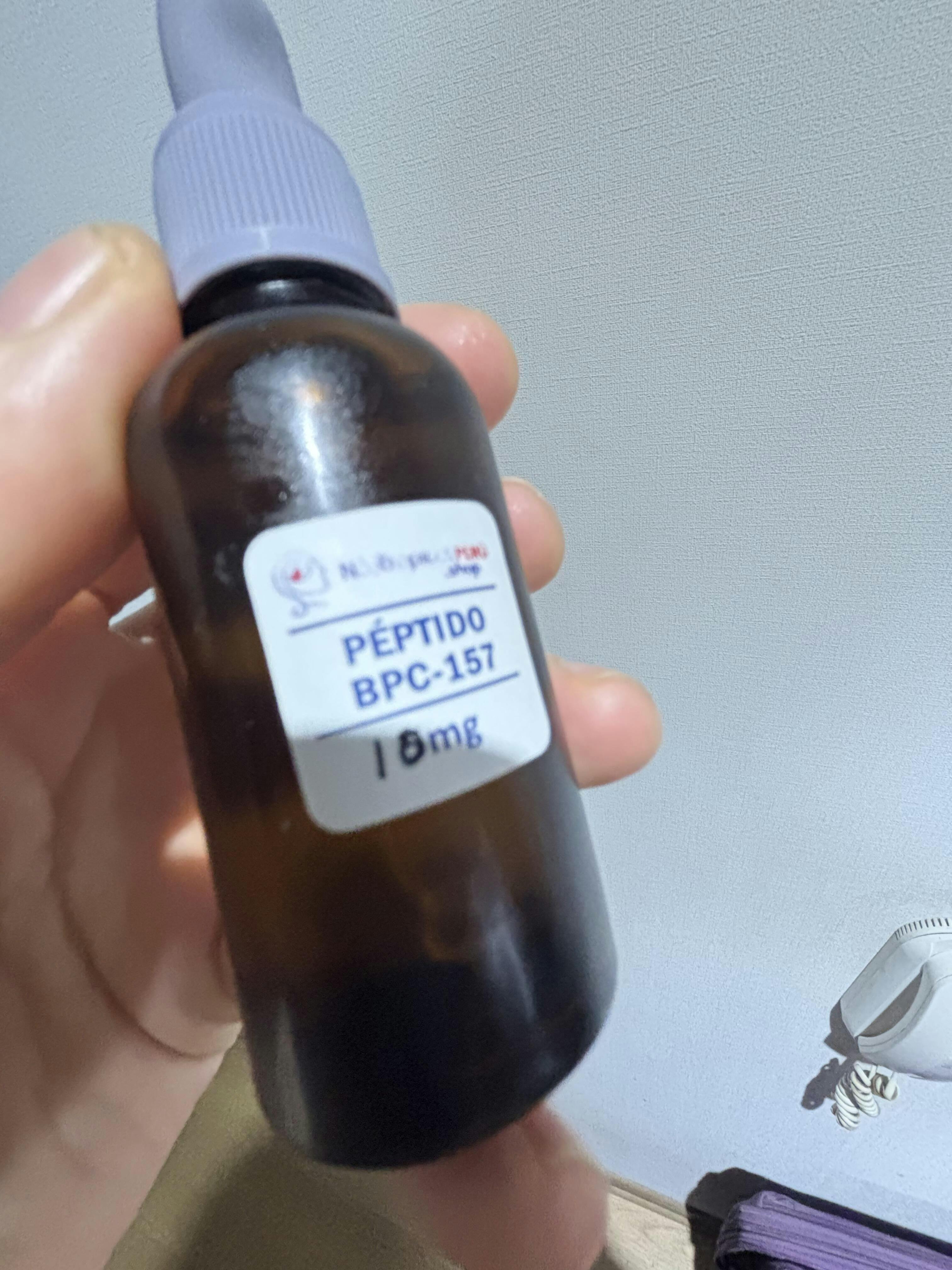
⚖️ DISCLAIMER
The information presented on this page is for educational, informational and general guidance purposes only regarding nutrition, wellness and biooptimization.
The products mentioned are not intended to diagnose, treat, cure or prevent any disease, and should not be considered as a substitute for professional medical evaluation or advice from a qualified health professional.
The protocols, combinations, and recommendations described are based on published scientific research, international nutritional literature, and the experiences of users and wellness professionals, but they do not constitute medical advice. Every body is different, so the response to supplements may vary depending on individual factors such as age, lifestyle, diet, metabolism, and overall physiological state.
Nootropics Peru acts solely as a supplier of nutritional supplements and research compounds that are freely available in the country and meet international standards of purity and quality. These products are marketed for complementary use within a healthy lifestyle and are the responsibility of the consumer.
Before starting any protocol or incorporating new supplements, it is recommended to consult a health or nutrition professional to determine the appropriateness and dosage in each case.
The use of the information contained on this site is the sole responsibility of the user.
In accordance with current regulations from the Ministry of Health and DIGESA, all products are offered as over-the-counter food supplements or nutritional compounds, with no pharmacological or medicinal properties. The descriptions provided refer to their composition, origin, and possible physiological functions, without attributing any therapeutic, preventative, or curative properties.