-
 ⚡️ Reduced Price ⚡️ Take advantage ⚡️ Reduced Price ⚡️ Take advantage
 -

-


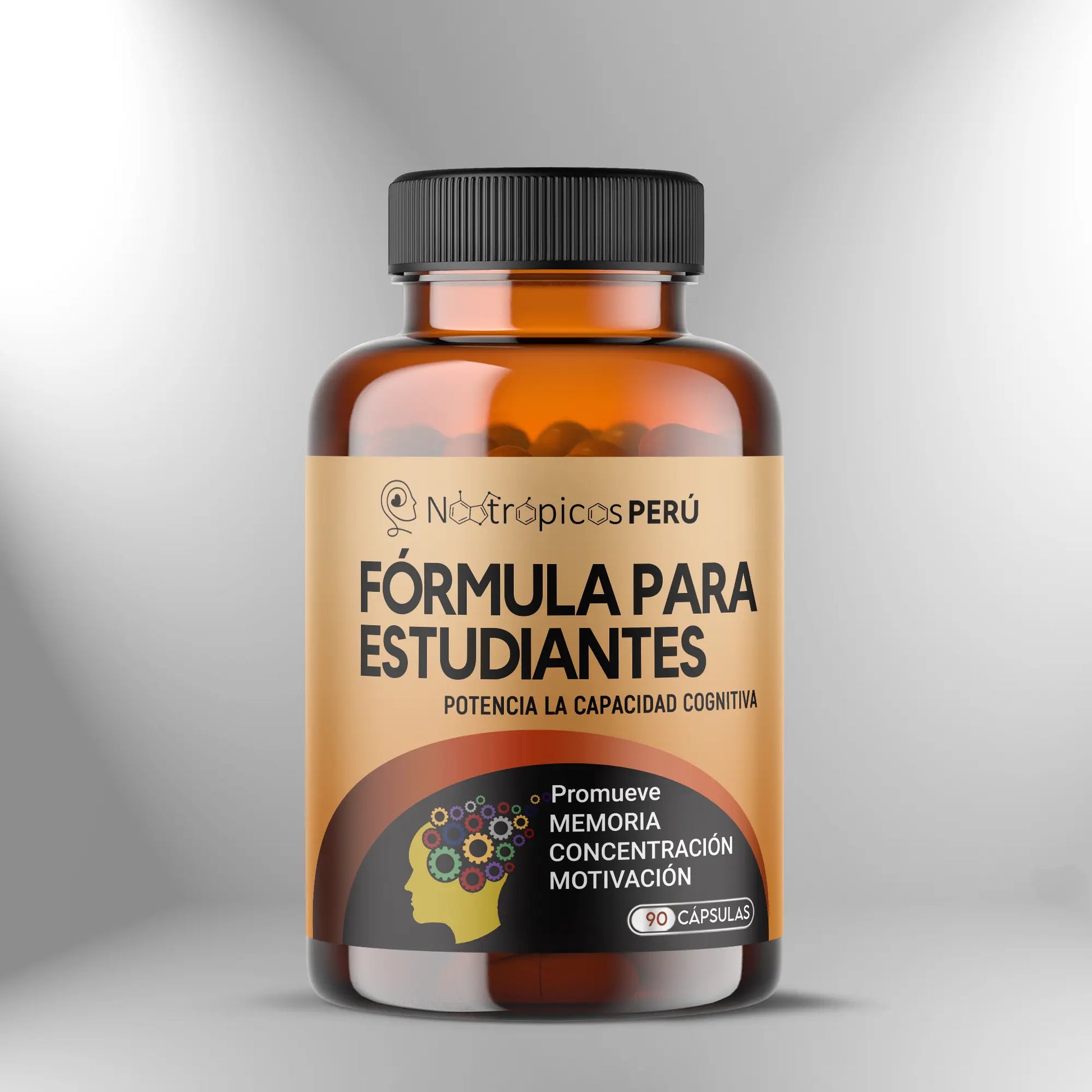
Student Formula ► 100 capsules
Student Formula ► 100 capsules
Couldn't load pickup availability
Share
Student Formula is an advanced nutritional composition designed to support cognitive function, neuronal plasticity, and brain energy metabolism through the synergistic integration of next-generation synthetic nootropics, standardized botanical extracts, structural phospholipids, neurotransmitter precursors, and activated B vitamins that converge to optimize memory, sustained attention, processing speed, and resistance to mental fatigue during periods of intense academic demand, prolonged intellectual work, or accelerated learning where consolidation of new information and maintenance of appropriate executive function are critical for optimal cognitive performance.
Initial dose - 1 capsule
Begin with a mandatory three-day adaptation phase using one capsule daily to assess individual tolerance to nootropics. This phase allows for the identification of individual sensitivity to neurotransmission modulation, which may manifest as a pronounced increase in mental energy, changes in alertness, or, in particularly sensitive users, effects on sleep. Administer the capsule early in the morning between 7:00 and 8:00 AM with a breakfast that includes quality protein and healthy fats to enhance the absorption of lipophilic components. Observe any changes in mental clarity, motivation, attention span, appetite, sleep quality, or gastrointestinal effects to inform subsequent adjustments in dosage or timing. Document responses during these three days, including perceived mental energy, ease initiating cognitive tasks, concentration levels during work or study, and any effects that cause concern. This will allow for informed decision-making regarding increasing the dosage to the standard level. If tolerance is appropriate without significant adverse effects during the initial adaptation, proceed to increase the dosage according to the standard protocol after completing the three-day evaluation.
Standard dose - 2 to 3 capsules
After successfully completing the adaptation phase without adverse effects, increase to the standard dosage of two to three capsules daily, strategically divided into one or two doses depending on specific academic goals and individual response observed during adaptation. The dosage of two capsules daily, divided into two doses of one capsule each, with the first dose in the early morning between 7:00 and 8:00 AM and the second dose in the early afternoon between 1:00 and 2:00 PM, provides distributed cognitive support throughout the academic day. This is appropriate for students with a moderate workload who require sustained cognitive function from morning to evening without pronounced peaks in stimulation. A dosage of three capsules daily may be considered during periods of particularly intense academic demand, including final exam weeks, preparation for comprehensive assessments, completing projects with tight deadlines, or accelerated learning of extensive material where memory, processing speed, and resistance to cognitive fatigue are most critical. This dosage is preferably divided into two capsules in the early morning and one capsule in the early afternoon, maintaining a supply of nootropics, neurotransmitter precursors, and cofactors throughout the entire window of intensive study. Taking the medication in two doses five to six hours apart promotes more stable plasma levels of components with short half-lives, avoiding excessive peak concentrations that could cause overly pronounced mental activation in sensitive users. Do not exceed six capsules daily.
Maintenance dose - 1 to 2 capsules
After six to eight weeks of consistent use with the standard dosage during a particularly demanding academic period, when neurobiological adaptations, including receptor upregulation, improvements in neurotransmission efficiency, dendritic branching, and strengthening of synaptic connections, have been appropriately consolidated, a transition to a reduced maintenance dosage of one to two capsules daily can be made. This provides continuous support without indefinitely sustained peak exposure. The maintenance dosage of one capsule daily, administered in the morning between 7:00 and 8:00 AM with breakfast, is appropriate during periods of normal academic workload following weeks of intensive exams or the completion of major projects. It provides baseline support for memory, attention, and processing speed without the need for peak modulation once cognitive demand has returned to typical levels. Alternatively, two capsules daily, divided into two doses, can be used for maintenance if objectives include continuous preparation for assessments spread throughout the semester, extended research projects requiring consistent cognitive function for months, or for students in particularly rigorous academic programs where high cognitive demand is sustained for extended periods without clear periods of lower intensity. The transition to maintenance allows the nervous system to operate with appropriate support without relying on continuous maximum dosage, which could eventually lead to attenuated response through receptor downregulation or compensatory adaptations. This maintains established benefits while reducing exposure. Users can return to the standard dosage of three capsules when academic demands increase again before midterms or finals, creating flexibility to adjust supplementation according to the natural cycle of cognitive demand during the academic semester.
Frequency and timing of administration
Administer the capsules in one to two doses daily with strategic timing that optimizes bioavailability while minimizing potential interference with sleep. Timing is critical considering that multiple components can interfere with sleep onset if administration occurs too late. For a dosage of two to three capsules daily, divide into two administrations: the first dose of one to two capsules in the early morning between 7:00 and 8:00 a.m., which synchronizes with the start of the academic day, providing cognitive support from the early hours when classes, readings, or project work typically occur; and the second dose of one capsule in the early afternoon between 1:00 and 2:00 p.m., which maintains a supply of nootropics during the afternoon period when additional study sessions or work on assignments may extend into the late afternoon. The medication can be administered on an empty stomach thirty minutes before breakfast or lunch to maximize the absorption of chelated zinc, which competes with other dietary minerals when taken with food. However, users with gastrointestinal sensitivity who experience nausea or discomfort when administered on an empty stomach must take it with food that includes quality protein such as eggs, Greek yogurt, or whey protein, and healthy fats such as avocado or nuts, which improve the absorption of lipophilic components and buffer gastric mucosa. Strictly avoid administration after fifteen or sixteen hours, as some compounds may promote alertness that interferes with the natural transition to GABAergic and melatonin predominance necessary for sleep initiation at twenty-two or twenty-three hours. This time restriction is particularly important for users who are sensitive to the sleep effects of stimulants. Drink three hundred to four hundred milliliters of water with each administration. This facilitates capsule dissolution, proper gastrointestinal transit, and absorption of water-soluble components, including B vitamins, which require an aqueous environment for intestinal uptake.
Cycle duration and breaks
Follow a cycle structure that includes periods of active use followed by short breaks, allowing for the assessment of the consolidation of neurobiological adaptations and the prevention of down-regulation of responses with indefinite use without breaks. Use the standard dosage of two to three capsules daily for five days of continuous use, followed by a two-day break. These mini-cycles can be extended over an academic semester or a period of preparation for major exams. This duration is sufficient for consolidating improvements in neurotransmission, dendritic branching stimulated by neurotrophic factors, strengthening of synaptic membranes through the incorporation of phosphatidylcholine, and optimization of energy metabolism through the up-regulation of vitamin B-dependent enzymes. After completing the active use cycle for an academic semester, implement a seven- to ten-day break during the inter-semester recess or after exams, when cognitive demand is temporarily reduced. Discontinue supplementation while rigorously maintaining essential habits, including seven to nine hours of sleep at regular times each night, a balanced diet rich in quality protein that provides amino acids that are precursors to neurotransmitters, hydration of two and a half to three liters daily, regular exercise that stimulates endogenous BDNF, and reading or recreational learning that maintains cognitive stimulation without academic pressure. During the break, observe which improvements in mental clarity, processing speed, working memory, or resistance to cognitive fatigue are maintained as consolidated adaptations reflecting structural changes in synaptic connectivity versus effects that depend on the continuous presence of neurotransmission modulators, allowing for an objective evaluation of sustained benefits. Supplementation can be resumed after the break for the subsequent academic term, starting directly with the standard dosage without the need for a full gradual adaptation phase since tolerance is established, or transitioning to a maintenance dosage of one to two capsules daily if the following semester has lower cognitive demands. Continuous use for six months or more without breaks is not recommended due to the risk of response attenuation, where dopamine, acetylcholine, or glutamate receptors may downregulate in response to chronically increased signaling, reducing sensitivity to the effects of supplementation over time.
Adjustments according to individual sensitivity
Users who experience excessive mental activation manifested as nervousness, restlessness, difficulty relaxing in the afternoon or evening, or interference with sleep onset despite avoiding administration after fifteen hours, should consider reducing the dosage from three to two capsules daily or from two to one capsule daily. This allows the nervous system to gradually adapt to neurotransmission modulation without effects that interfere with well-being. Alternatively, the total dosage can be divided into three administrations of one capsule each, evenly spaced throughout the day at 7:00, 11:00, and 14:00. This results in more stable plasma levels of nootropics without the pronounced peaks that can cause more noticeable activation in users sensitive to catecholaminergic or glutamatergic modulation. Users who regularly consume coffee or other sources of caffeine should carefully observe combined effects, as some compounds may have synergistic effects with caffeine through shared antagonism of adenosine receptors. Mucuna pruriens increases the synthesis of catecholamines released by caffeine, which can result in additive sympathetic activation manifested as mild tachycardia, pronounced nervousness, or anxiety if combined doses are excessive. In these cases, reduce coffee consumption to one cup early in the morning or temporarily eliminate it while using the formula. Alternatively, reduce the formula dosage to two capsules daily, adjusting the balance between supplementation and exogenous caffeine according to individual tolerance. Temporarily separating administration of the formula and coffee by at least two hours may reduce maximum additive effects, although it does not completely eliminate synergy. Users with gastrointestinal sensitivity who experience nausea, epigastric discomfort, or changes in bowel movements must take this medication with food containing proteins and fats that buffer the gastric mucosa. Strictly avoid taking it on an empty stomach and consider a temporary dosage reduction until tolerance gradually improves over one to two weeks. If marked nervousness, significant anxiety, persistent insomnia, or any other adverse effect that causes concern occurs despite appropriate adjustments in dosage and timing, temporarily discontinue use and consider a very gradual reintroduction, starting with half a capsule during the first week and increasing by a quarter of a capsule weekly for a full month until the target dose is reached. This extremely gradual adaptation minimizes the likelihood of adverse effects.
Compatibility with healthy habits
Supplementation should be integrated with fundamental brain health practices that are essential pillars of optimal academic performance, regardless of nootropic use. Supplementation is a complementary tool that enhances the effects of appropriate habits rather than replacing them. Prioritizing seven to nine hours of sleep at night with regular sleep schedules, going to bed and waking up at the same times, including weekends, maintains circadian rhythm synchronization. Memory consolidation occurs during deep sleep, where information studied during the day is transferred from the hippocampus to the cortex for long-term storage—a process that cannot be replicated by supplementation and is absolutely critical for effective learning. Maintain a balanced diet that includes 1.2-1.6 grams of protein per kilogram of body weight daily from sources such as fatty fish rich in omega-3 fatty acids, which are structural components of neuronal membranes; eggs, which provide additional choline to complement the choline in the formula; lean meats and legumes; complex carbohydrates with a low glycemic index, including whole grains, tubers, and fruits, which provide sustained-release glucose for brain metabolism (consuming 120 grams daily); healthy fats from avocado, nuts, seeds, and olive oil, which promote the absorption of fat-soluble nutrients; and abundant vegetables, particularly cruciferous and leafy green vegetables rich in folate and antioxidants, which complement the protection provided by B vitamins. Maintain appropriate hydration of 2.5 to 3 liters of water daily, evenly distributed throughout the body, as this supports cerebral perfusion, metabolite clearance, and cognitive function. Even mild dehydration of 1 to 2 percent of body weight impairs attention and memory more profoundly than any supplementation can compensate for. Engaging in regular physical activity, including moderate aerobic exercise for 30 to 45 minutes three to five times per week, increases cerebral blood flow, stimulates the release of BDNF (which promotes neuroplasticity), and improves sleep quality, which is critical for memory consolidation. Implementing stress management techniques, such as diaphragmatic breathing, meditation, or active breaks, reduces chronic cortisol levels, which compromise hippocampal function and memory formation. Unmanaged academic stress can counteract the cognitive optimization benefits of supplementation. Maintaining appropriate cognitive stimulation through active study, including writing material in one's own words, generating questions, teaching others, and practicing retrieval, are more effective learning strategies than passive rereading. Nootropics can facilitate learning processes but are not substitutes for appropriate pedagogical strategies.
Lion's Mane Mushroom Extract
The standardized extract of Hericium erinaceus contains hericenones and erinacines, bioactive compounds capable of crossing the blood-brain barrier and stimulating NGF synthesis by activating signaling pathways that increase gene expression of this neurotrophic factor, which is critical for the maintenance, growth, and differentiation of cholinergic neurons in the basal forebrain that project to the hippocampus and cortex, regulating memory and attention. This extract also promotes appropriate myelination of axons by affecting oligodendrocytes that synthesize myelin, optimizing the conduction velocity of action potentials, which is crucial for the speed of cognitive processing and efficient communication between distant brain regions. The beta-glucan polysaccharides present in the extract also modulate immune function and have anti-inflammatory properties that can promote a favorable neuronal environment by reducing low-grade inflammation that compromises synaptic plasticity. When combined with other nootropics that modulate neurotransmission, it creates a synergistic effect where Lion's Mane supports neuronal infrastructure through trophic effects, while other components optimize signaling on this enhanced architecture.
Mucuna Pruriens Extract
Standardized Mucuna pruriens extract provides L-DOPA, an immediate precursor to dopamine. L-DOPA crosses the blood-brain barrier via large aromatic amino acid transporters and is converted to dopamine by aromatic amino acid decarboxylase, which requires vitamin B6 as a cofactor. Vitamin B6 is present in this formula as P5P. The dopamine synthesized from L-DOPA modulates prefrontal and striatal circuits that regulate executive function, including planning, organization, inhibition of inappropriate responses, and cognitive flexibility. This flexibility allows for switching between strategies when the initial approach fails, processes that are critical for complex problem-solving and academic decision-making. Dopamine also regulates motivation and the reward system through projections from the ventral tegmental area to the nucleus accumbens and prefrontal cortex. This promotes the initiation of cognitively demanding tasks without excessive procrastination and the maintenance of effort during activities that do not provide immediate gratification, such as studying abstract material. The provision of L-DOPA complements endogenous synthesis of dopamine from tyrosine particularly during periods of high demand when neurotransmitter depletion can occur with sustained neuronal activity.
Theacrine (Camellia Assamica Extract)
Theacrine is a purine alkaloid structurally similar to caffeine but with distinct pharmacokinetics and pharmacodynamics, exhibiting a longer half-life and a lower tendency to generate tolerance with regular use compared to conventional caffeine. This compound antagonizes adenosine A1 and A2A receptors, preventing adenosine accumulated during intense neuronal activity from binding to receptors and inducing drowsiness, thus maintaining alertness and attentional capacity during prolonged periods of study or intellectual work. Theacrine also modulates dopaminergic neurotransmission through effects on release and reuptake that complement the increased dopamine synthesis by L-DOPA, generating a synergy where both dopamine production and signaling are optimized. Unlike caffeine, which can cause nervousness, anxiety, or an energy crash when its effects wear off, theacrine provides smoother, more sustained mental energy without excessive sympathetic activation, making it an appropriate pharmacological profile for use during study, where calm concentration rather than agitation is desirable.
Choline Bitartrate
It is an intermediate in the synthesis of phosphatidylcholine, the major phospholipid of neuronal membranes, constituting up to fifty percent of total phospholipids. Phosphatidylcholine is critical for the structural integrity of synaptic membranes, the function of neurotransmitter receptors embedded in membranes, and the maintenance of proper myelination. After oral administration, choline bitartrate is hydrolyzed in the intestine, releasing choline, which crosses the blood-brain barrier. Choline is a substrate for acetylcholine synthesis by choline acetyltransferase. The increase in acetylcholine in cholinergic neurons of the hippocampus, basal ganglia, and cortex promotes memory consolidation, attentional processing, and learning speed—critical functions during academic study, where new information must be encoded, consolidated, and subsequently retrieved during exams. The provision of precursors for both membrane and neurotransmitter synthesis generates synergy, where synaptic infrastructure and signaling are simultaneously optimized.
Vitamin B1
Thiamine crosses the blood-brain barrier. Once in the brain, it is converted to free thiamine, which is phosphorylated to thiamine pyrophosphate, a critical cofactor for pyruvate dehydrogenase, which converts pyruvate to acetyl-CoA, fueling the Krebs cycle; alpha-ketoglutarate dehydrogenase within the Krebs cycle; and transketolase in the pentose phosphate pathway, which generates NADPH necessary for reductive synthesis and antioxidant regeneration. Optimizing brain energy metabolism by ensuring appropriate activity of these thiamine-dependent enzymes supports ATP production necessary to maintain ion gradients via Na-K-ATPase, which consumes seventy percent of neuronal ATP, neurotransmitter synthesis, and synaptic plasticity processes that require intensive protein synthesis.
Vitamin B2 (Riboflavin)
Riboflavin is a precursor of FAD and FMN, which function as cofactors for flavoenzymes, including complexes I and II of the mitochondrial respiratory chain. These complexes transfer electrons from NADH and FADH2 to ubiquinone, which are critical for oxidative phosphorylation that generates ATP necessary for neuronal function. Riboflavin is also a cofactor of glutathione reductase, which catalyzes the regeneration of oxidized glutathione to reduced glutathione using NADPH as an electron donor. This maintains a pool of reduced glutathione available for glutathione peroxidases, which neutralize peroxides. This antioxidant system is the main antioxidant in neurons, protecting against oxidative stress generated during intense energy metabolism. Without an adequate supply of riboflavin, glutathione reductase remains an inactive apoprotein, unable to regenerate glutathione. This results in the accumulation of oxidized glutathione and a depletion of antioxidant capacity, compromising the protection of membrane lipids, proteins, and DNA against oxidative damage. Riboflavin also participates in homocysteine metabolism as a cofactor of methylenetetrahydrofolate reductase, which generates 5-methyltetrahydrofolate necessary for the remethylation of homocysteine to methionine, preventing the accumulation of homocysteine that can compromise cerebral vascular function.
Vitamin B5 (Pantothenic Acid)
Pantothenic acid is a precursor of coenzyme A, a central molecule in energy metabolism that transports acetyl groups to the Krebs cycle, where they are completely oxidized, generating NADH and FADH2, which fuel the respiratory chain for ATP synthesis. CoA, along with choline, is also a substrate for acetylcholine synthesis by choline acetyltransferase. Therefore, adequate pantothenate availability is critical for the efficient conversion of choline, provided by citicoline, into a functional neurotransmitter, preventing a metabolic bottleneck where the precursor is present but the necessary cofactor for its utilization is insufficient. Pantothenate also participates in the synthesis of fatty acids, which are structural components of neuronal membranes. The continuous renewal of these fatty acids during plasticity requires an adequate supply of lipid precursors. Furthermore, it participates in the synthesis of steroid hormones and neurotransmitters that require acylation through CoA-dependent reactions. The provision of pantothenate ensures that CoA is appropriately available for multiple metabolic pathways that converge on optimization of energy metabolism, synthesis of neurotransmitters, and maintenance of membranes that are fundamental to sustained cognitive function.
Vitamin B6 P5P (Pyridoxal-5-Phosphate)
Pyridoxal-5-phosphate is the active form of vitamin B6 that functions as a cofactor for over 140 enzymes, including aromatic amino acid decarboxylase, which converts L-DOPA to dopamine. This is absolutely critical for the conversion of the precursor provided by Mucuna extract into a functional neurotransmitter. P5P is also a cofactor for glutamate decarboxylase, which generates GABA; tryptophan hydroxylase and decarboxylase, which generate serotonin; and multiple transaminases that catalyze the transfer of amino groups between amino acids, which are essential for protein metabolism and the synthesis of non-essential amino acids. Providing the already activated form of P5P avoids the phosphorylation step of pyridoxine to pyridoxal-5-phosphate, which can be inefficient in some individuals due to genetic polymorphisms or deficiencies in ATP and zinc, both of which are necessary for the phosphorylation reaction. This ensures immediate bioavailability of the cofactor for dependent enzymes. Optimizing neurotransmitter synthesis through appropriate provision of P5P supports balanced neurotransmission where dopamine, serotonin, and GABA are at levels appropriate for cognitive function, balanced mood, and modulation of neuronal excitability.
Vitamin B12 (Methylcobalamin)
Methylcobalamin is the active form of vitamin B12 that functions as a cofactor for methionine synthase. This enzyme catalyzes the transfer of a methyl group from 5-methyltetrahydrofolate to homocysteine, generating methionine. This reaction is critical for one-carbon metabolism, regenerating tetrahydrofolate, which is necessary for nucleotide synthesis and prevents homocysteine accumulation that can compromise cerebral vascular function. The generated methionine is converted to S-adenosylmethionine, which acts as a universal methyl group donor for DNA methylation. This regulates gene expression through epigenetic modifications, phospholipid methylation (including the conversion of phosphatidylethanolamine to phosphatidylcholine), and neurotransmitter methylation (including the degradation of catecholamines and the synthesis of melatonin from serotonin). Methylcobalamin also participates in propionyl-CoA metabolism via methylmalonyl-CoA mutase, which converts methylmalonyl-CoA to succinyl-CoA, a pathway that feeds the Krebs cycle. This pathway is necessary for the metabolism of odd-chain fatty acids and branched-chain amino acids. Providing the methyl form instead of cyanocobalamin avoids the metabolic conversion that requires methyl groups, making it directly usable for methylation reactions.
Zinc Orotate
Zinc chelated with orotate provides this essential mineral with optimized bioavailability due to amino acid chelation, which facilitates intestinal absorption and reduces adverse gastrointestinal effects compared to inorganic salts. Zinc is a cofactor for over three hundred enzymes, including cytosolic superoxide dismutase, which neutralizes superoxide radicals, protecting neurons from oxidative stress; multiple zinc-finger-containing transcription factors necessary for proper gene expression; and enzymes involved in neurotransmitter metabolism and protein synthesis. Zinc also modulates NMDA receptor function, acting as a structural component of receptor subunits and modulating channel opening through effects on binding sites, thus promoting appropriate glutamatergic transmission necessary for synaptic plasticity without excitotoxic overactivation. Zinc deficiency impairs cognitive function through multiple mechanisms, including reduced activity of antioxidant enzymes, impaired neurogenesis in the hippocampus, and compromised neurotransmission, making adequate zinc intake critical for maintaining brain function during periods of high academic demand.
Huperzine A 1% (Huperzia Serrata Extract)
Huperzine A is an alkaloid derived from Huperzia serrata that selectively inhibits acetylcholinesterase, the enzyme that degrades acetylcholine in the synaptic cleft, terminating cholinergic signaling. It prolongs the half-life of acetylcholine, whose synthesis is supported by citicoline and uridine monophosphate in the formula. The synergy between increased acetylcholine synthesis through the provision of choline and CDP-choline precursors, and reduced degradation through acetylcholinesterase inhibition, generates a pronounced increase in cholinergic signaling. This promotes memory consolidation, attentional processing, and learning speed, particularly in the hippocampus, where acetylcholine modulates long-term potentiation. Huperzine A also exhibits neuroprotective properties, including antagonism of NMDA receptors at sites other than the glutamate binding site, preventing overactivation that can result in excessive calcium influx and excitotoxicity. It also has antioxidant effects that reduce oxidative stress, complementing the protection conferred by B vitamins that maintain endogenous antioxidant systems. The selectivity of huperzine A for cerebral acetylcholinesterase over peripheral butyrylcholinesterase minimizes peripheral cholinergic adverse effects, allowing for dosage that optimizes cognitive function without pronounced gastrointestinal effects.
Piperine (Black Pepper Extract)
Piperine is a black pepper alkaloid that increases the bioavailability of multiple nutraceuticals by inhibiting UDP-glucuronosyltransferases and sulfotransferases in enterocytes and the liver. These enzymes conjugate compounds with glucuronic acid or sulfate during first-pass metabolism, reducing their conversion to rapidly excreted hydrophilic metabolites. Piperine also inhibits P-glycoprotein, an efflux transporter in the intestinal and blood-brain barriers that pumps compounds back into the intestinal lumen or from the brain into the blood, reducing net absorption and cerebral access of substrates. These mechanisms allow a greater fraction of synthetic nootropics, botanical extracts, and cofactors in the formula to remain as pharmacologically active native forms in systemic circulation, reaching brain tissue at higher concentrations and amplifying effects on neurotransmission, synaptic plasticity, and energy metabolism. Piperine also transiently modulates intestinal permeability, facilitating paracellular absorption of compounds that normally depend on active transport. These effects are rapidly reversible without permanently compromising the barrier function that maintains appropriate selectivity.
Nutritional optimization for academic cognitive function
Nutrition provides neurotransmitter precursors, enzyme cofactors, and structural membrane components that determine the biochemical context in which the formula's components operate. Appropriate nutrition is an irreplaceable foundation for sustainable academic performance. Prioritize high-quality proteins that provide 1.4-1.8 grams per kilogram of body weight daily, distributed evenly across three to four meals. This includes whole eggs, which provide additional choline in addition to all essential amino acids, including tyrosine, a precursor to the endogenous synthesis of L-DOPA; fatty fish such as salmon, sardines, and mackerel, rich in omega-3 DHA fatty acids, which constitute forty percent of the polyunsaturated fatty acids in neuronal membranes and promote membrane fluidity necessary for proper receptor function; lean meats and poultry, which provide complete protein with all the amino acids necessary for neurotransmitter synthesis and the renewal of structural proteins; and legumes, which provide plant protein with complex carbohydrates and fiber that modulates glucose absorption. Include healthy fats from avocados, nuts (particularly walnuts, which contain alpha-linolenic acid, a precursor to omega-3, and polyphenols with neuroprotective properties), chia and flax seeds rich in plant-based omega-3s, and extra virgin olive oil rich in oleocanthal, which has anti-inflammatory properties that complement the antioxidant protection of B vitamins. Limit saturated fats to less than 10 percent of total calories and completely avoid trans fats, which promote inflammation and disrupt membrane fluidity, compromising the function of receptors embedded in the lipid bilayer. Prioritize low-glycemic-index complex carbohydrates, including oats, which release glucose gradually over several hours, providing sustained brain fuel without the spikes that cause mental energy fluctuations; brown rice, quinoa, sweet potatoes, and legumes, which provide glucose with a controlled absorption rate. The brain is absolutely dependent on a constant supply of glucose and consumes 120 grams daily without significant glycogen storage capacity. Consume plenty of vegetables, particularly cruciferous vegetables such as broccoli, cauliflower, and cabbage, which contain sulforaphane that activates Nrf2, inducing the expression of antioxidant enzymes that complement the protection of vitamin B-dependent systems; green leafy vegetables rich in folate, which participates with vitamin B12 in one-carbon metabolism; magnesium, which is a cofactor for all ATP reactions; and vitamin K, which participates in the synthesis of sphingolipids in the brain; and vibrantly colored vegetables rich in carotenoids and anthocyanins that provide complementary antioxidant protection. As a fundamental basis of the nutritional protocol, it is recommended to integrate Essential Minerals from Nootropics Peru , which provides selenium, a cofactor of glutathione peroxidases that neutralize peroxides, protecting neuronal membranes rich in polyunsaturated lipids vulnerable to peroxidation; magnesium, a cofactor of ATP synthase and all kinases that transfer phosphates from ATP; chromium, which improves insulin signaling, optimizing brain glucose uptake; iodine, necessary for the synthesis of thyroid hormones that regulate brain energy metabolism and the expression of genes involved in neuronal development and function; copper, a cofactor of superoxide dismutase, along with zinc provided in the formula; and molybdenum, a cofactor of sulfite oxidase, which metabolizes sulfur-containing amino acids. Limit consumption of refined sugars and processed carbohydrates, which cause glycemic spikes followed by reactive hypoglycemia that impairs cognitive function, manifesting as difficulty concentrating, irritability, and mental fatigue. Also limit alcohol, which interferes with thiamine metabolism and increases oxidative stress in the brain, counteracting the protective effects of antioxidant systems. Finally, avoid ultra-processed foods rich in additives, excessive sodium, and trans fats, which promote systemic inflammation that can affect the blood-brain barrier. Consider nutritional timing by administering the first feeding of formula with breakfast that includes quality protein, such as eggs or Greek yogurt, which provides amino acids for neurotransmitter synthesis throughout the day, and healthy fats that slow gastric emptying, optimizing absorption. Distribute protein evenly throughout the day to maintain amino acid levels that support the continuous renewal of neurotransmitters, whose reserves are depleted during intense neuronal activity.
Dream architecture and memory consolidation
Quality nighttime sleep is absolutely critical for consolidating information studied during the day. Memory transfer from the hippocampus to the cortex for long-term storage is a process that occurs predominantly during deep sleep and cannot be replicated or compensated for by supplementation. Establishing a strict sleep schedule by going to bed and waking up at the same times every day, including weekends, maintains synchronization of the master circadian clock in the suprachiasmatic nucleus. This clock coordinates the rhythmic expression of metabolic genes in all cells, including neurons, where energy metabolism, protein synthesis, and synaptic function exhibit circadian variation. Temporal consistency is more important than absolute duration for proper sleep architecture. Ensuring eight to nine hours of sleep per night during academically demanding periods allows for the completion of five to six sleep cycles of ninety minutes each, including multiple periods of deep sleep where slow delta waves synchronize the reactivation of neural patterns in the hippocampus. These patterns are transferred to the cortex via hippocampal-cortical dialogue, consolidating declarative memory. REM periods are also crucial, where procedural and emotional memory are processed and unnecessary synaptic connections are pruned through selective synaptic depression, optimizing the efficiency of neural networks. Creating an optimal sleep environment with complete darkness using blackout curtains or an eye mask is essential, as even dim light of five to ten lux suppresses melatonin secretion from the pineal gland, a critical hormonal signal for sleep initiation and maintenance. A cool temperature of seventeen to nineteen degrees Celsius facilitates the reduction of core body temperature necessary for sleep initiation through peripheral vasodilation, which dissipates heat. Finally, silence or uniform white noise masks intermittent acoustic disturbances that can cause micro-arousals, fragmenting sleep architecture without conscious awakening. Implement a sixty-to-ninety-minute pre-sleep routine that includes a gradual reduction of cognitive stimulation, avoiding intense studying or complex problem-solving within two hours of bedtime, which maintains prefrontal cortex activation and interferes with the transition to a predominance of slow-wave activity; reducing light, particularly the five-hundred-nanometer blue spectrum, which suppresses melatonin most pronouncedly through effects on intrinsically photosensitive retinal ganglion cells containing melanopsin and projecting to the suprachiasmatic nucleus; and relaxing activities such as reading non-academic material, taking a warm bath that facilitates subsequent heat dissipation promoting drowsiness, or practicing diaphragmatic breathing, which activates the parasympathetic nervous system by reducing heart rate and blood pressure. Avoid caffeine after fourteen hours considering a half-life of five to six hours, intense exercise within three hours before bedtime which increases body temperature and sympathetic activation interfering with sleep initiation, and large meals within two hours before bedtime which increase digestive metabolism and can cause reflux in the supine position compromising comfort.
Active study strategies and cognitive engagement
Nootropics facilitate learning processes by optimizing neurotransmission, energy metabolism, and synaptic plasticity, but they do not replace appropriate pedagogical strategies that determine the depth of processing and quality of encoding, which are critical for long-term retention. Implementing active study techniques that promote elaborative processing, including generation—where students attempt to retrieve information from memory before reviewing it—strengthens memory traces by reactivating associated neural circuits. This retrieval practice is more effective than passive rereading, which generates illusory familiarity without robust consolidation. Practicing elaboration, where new information is connected to prior knowledge by generating personal examples, analogies, or explanations in one's own words, increases the number of memory access pathways and the richness of representation. This deep processing, which involves meaning and relationships, is more effective than surface processing, which focuses on perceptual features. Utilize spacing, where study sessions are distributed over days or weeks instead of concentrated into a single intensive study session. This takes advantage of the fact that reactivating memory after a period of partial forgetting leads to more pronounced strengthening than immediate reactivation when information is still accessible. Optimal spacing, allowing for slight but not complete forgetting, maximizes the benefits of subsequent practice. Interleave the study of different topics or types of problems instead of blocked practice of the same material. This generates desirable difficulty by forcing discrimination between concepts and strengthening the ability to apply knowledge in varied contexts. Interleave is particularly effective for learning mathematics and science, where identifying the type of problem being faced is a critical part of the solution. Teach material to others or explain it aloud. This requires coherent organization of knowledge, identification of gaps in understanding, and the generation of clear explanations that reinforce and expand the teacher's understanding more effectively than silent study. Generate your own questions about the material. This promotes the identification of core concepts, relationships between ideas, and potential applications. Question generation is a metacognitive process that improves comprehension monitoring, allowing you to identify areas that require further review. Use concept maps or diagrams that visually represent relationships between concepts, promoting the integration of information into coherent schemes that facilitate retrieval and application, being particularly effective visual representations for complex material with multiple hierarchical or causal relationships.
Cognitive energy management and strategic micro-breaks
Attentional capacity and processing speed exhibit a gradual decline during periods of sustained concentration due to fatigue of attentional neural networks that experience neurotransmitter depletion and adenosine accumulation, which promotes drowsiness. Strategic micro-breaks are necessary for restoring optimal cognitive function. Structuring study sessions into blocks of forty-five to ninety minutes of intense concentration followed by ten- to fifteen-minute breaks allows for the recovery of attentional systems. The optimal block duration varies depending on the difficulty of the material, which may contain highly abstract or mathematically complex concepts and require shorter blocks than reading narrative material, which is less cognitively demanding. During breaks, avoid activities that require sustained attention, such as social media or video games, which do not allow for the recovery of prefrontal attentional systems. Instead, opt for activities that involve different processing modes, such as walking, which activates the motor system and spatial processing, freeing up executive attentional networks; stretching, which promotes body awareness; or simply closing your eyes and practicing deep breathing, which allows for a transition to a default resting state where consolidation of newly processed information can occur. Implement the Pomodoro Technique, where 25 minutes of intense concentration are followed by a 5-minute break, with a longer 15- to 30-minute break after four cycles. This rigid structure is appropriate for students who have difficulty maintaining a disciplined break schedule or who tend to study for hours without pauses, resulting in pronounced cognitive fatigue. Monitor for signs of cognitive fatigue, including increased errors, slowed reading speed, the need to reread passages repeatedly without comprehension, and a subjective feeling of mental effort that indicates a need for rest, regardless of the time elapsed. Responding to bodily signals is more appropriate than rigidly adhering to a timer when fatigue is pronounced. Schedule more demanding study sessions during circadian peak alertness, which typically occurs mid-morning (two to four hours after waking) and early afternoon. Avoid studying complex material during the circadian trough of alertness, which typically occurs in the late afternoon (between 2:00 and 4:00 PM) when postprandial sleepiness and circadian rhythm converge, reducing attentional capacity.
Brain hydration and cognitive function
Water constitutes approximately 78% of brain mass and is the medium in which all biochemical reactions, including neurotransmission, energy metabolism, and protein synthesis, occur. Even mild dehydration of 1 to 2% of body weight is sufficient to compromise attention, working memory, processing speed, and executive function more profoundly than any supplementation can compensate for. Maintaining hydration of 2.5 to 3 liters of water daily is recommended for sedentary students, increasing to 3.5 to 4 liters for physically active ones. This intake should be distributed evenly throughout the day rather than sporadic, massive consumption, which results in rapid excretion by the kidneys without proper cellular hydration, since intestinal water absorption capacity is limited to approximately 500 milliliters per hour. Consume 300 to 400 milliliters immediately upon waking to compensate for nocturnal dehydration that occurs due to insensible losses through respiration during eight hours without intake; 250 milliliters with each administration of capsules of a formula that facilitates dissolution and gastrointestinal transit, optimizing the absorption of water-soluble components, including B vitamins; 400 to 500 milliliters before, during, and after exercise sessions to maintain appropriate plasma volume and cerebral perfusion; and keep a clear water bottle visible on your desk as a reminder to drink frequently every 60 to 90 minutes. Monitor urine color as a practical indicator of hydration: pale yellow, similar to diluted lemonade, suggests adequate hydration; dark yellow, similar to apple juice, indicates a need to significantly increase intake; and completely clear suggests possible overhydration, which can dilute electrolytes, particularly sodium, compromising osmotic gradients necessary for neuronal function. Theacrine has a mild diuretic effect similar to caffeine, increasing urine production by inhibiting water reabsorption in the renal tubules. This requires slightly increased hydration to compensate for losses, although tolerance to its diuretic effects develops with regular use. Prioritize pure water as the primary source of hydration, limiting sugary drinks that provide calories without nutrients and cause glycemic fluctuations, beverages with artificial sweeteners whose impact on gut microbiota and metabolic signaling remains controversial, and excessive coffee consumption beyond one cup early in the morning, which can exacerbate the effects of theacrine on the cardiovascular system and sleep. During prolonged study sessions exceeding three hours in heated or air-conditioned environments that reduce relative humidity, increasing insensible losses through respiration, increase fluid intake to 400 milliliters per hour to ensure that dehydration does not develop gradually during the session, progressively compromising cognitive function without conscious awareness.
Academic stress management and autonomic regulation
Unmanaged chronic academic stress sustainably activates the hypothalamic-pituitary-adrenal axis, resulting in elevated cortisol release. This has deleterious effects on hippocampal function, including inhibition of neurogenesis in the dentate gyrus, induction of dendritic atrophy, particularly in the CA3 region, impairment of long-term potentiation (the cellular basis of learning), and disruption of memory consolidation during sleep. Implementing autonomic regulation techniques, including deep diaphragmatic breathing with a pattern of four seconds inhaling while expanding the abdomen, seven seconds holding, and eight seconds exhaling, activates the vagus nerve, stimulating a parasympathetic response that reduces heart rate and blood pressure, increases heart rate variability (a marker of autonomic flexibility and stress resilience), and reduces amygdala activation (which processes emotional responses to stressors). Practice mindfulness meditation for ten to twenty minutes daily. This has been studied for its effects on increasing cortical thickness in the prefrontal cortex, which regulates executive attention and emotional regulation; reducing amygdala volume, which correlates with reduced reactivity to stressors; and increasing functional connectivity between the prefrontal cortex and limbic regions, which improves the ability to regulate emotional responses through top-down mechanisms. Incorporate breaks between study sessions for brief mindfulness practices of three to five minutes, focusing on bodily sensations, breathing, or ambient sounds. These interrupt rumination on academic material and allow attentional systems to reset. Cultivate cognitive reappraisal, where stressful situations are reinterpreted as challenges that provide opportunities for growth rather than threats to be avoided. This change in the cognitive interpretation of stressors can modulate physiological responses, reducing activation of the hypothalamic-pituitary-adrenal axis without altering the objective situation. Maintaining quality social connections through small group study provides emotional support, facilitates learning through discussion and peer teaching, and modulates the stress response by releasing oxytocin during positive social interactions, which counteracts the effects of cortisol on the hippocampus. Practicing gratitude by documenting three positive aspects of the academic day daily modulates ventromedial prefrontal cortex activity and reduces amygdala activity, training the brain to detect positive stimuli present even during academically stressful periods, rather than focusing exclusively on challenges and difficulties, which perpetuates the stress response.
Physical exercise and neurogenesis
Regular aerobic exercise stimulates multiple brain adaptations that are synergistic with the formula's effects, including increased cerebral blood flow that improves oxygen and glucose delivery to metabolically active neurons; release of BDNF from skeletal muscle via the secretion of irisin and cathepsin B, which cross the blood-brain barrier and activate BDNF expression in the hippocampus, complementing the activation of TrkB receptors by 7,8-dihydroxyflavone; stimulation of neurogenesis in the dentate gyrus of the hippocampus, where new neurons are integrated into existing circuits, contributing to memory encoding; and improved insulin sensitivity that optimizes cerebral glucose metabolism. Incorporating moderate-intensity aerobic exercise for 30 to 45 minutes, performed four to six times weekly, that increases heart rate to 65 to 75 percent of maximum heart rate calculated as 220 minus age, including light jogging, cycling, swimming, rowing, or dance classes, stimulates the release of neurotrophic factors. The effects on cerebral BDNF are detectable for hours after a single session and cumulative with regular training over weeks. Incorporate resistance training of two to three sessions per week using bodyweight or external resistance. This stimulates the release of insulin-like growth factor 1, which has neurotrophic effects, improves systemic insulin sensitivity, optimizing brain metabolism, and increases mitochondrial protein synthesis, supporting mitochondrial biogenesis. Practice yoga or tai chi, which combine movement with breath control and attentional focus. This reduces activation of the hypothalamic-pituitary-adrenal axis, which compromises hippocampal function, improves balance and coordination (which require the integration of proprioceptive, vestibular, and visual information in the cerebellum and motor cortex), and promotes flexibility, preventing injuries that could disrupt regular exercise. Consider exercise timing by scheduling aerobic sessions in the morning or early afternoon, coinciding with circadian peaks of body temperature and aerobic capacity. Avoid intense exercise within three hours of bedtime, as this increases body temperature and sympathetic activation, interfering with sleep initiation. However, light exercise, such as walking in the afternoon, can facilitate the transition to sleep for some individuals. Avoid overtraining with excessive volume exceeding eight to ten hours per week of moderate- to high-intensity exercise, as this can chronically increase cortisol levels, compromise recovery (including memory consolidation during sleep, which is interfered with by sustained activation of the hypothalamic-pituitary-adrenal axis), and increase the risk of overuse injuries that interrupt consistent practice. Maintain light physical activity throughout the day by taking active breaks of five to ten minutes every ninety minutes during sedentary study. These breaks should include short walks, climbing stairs, or dynamic stretching, which increase cerebral blood flow, counteracting the reduction associated with prolonged sedentary behavior that can impair cognitive function during extended study sessions.
Consistency and periodization of the protocol
The effectiveness of supplementation depends critically on consistent adherence over a period sufficient for the consolidation of neurobiological adaptations, including receptor upregulation, improvements in neurotransmission efficiency, dendritic branching, and strengthening of synaptic connections, which require sustained exposure over weeks. Establish a fixed administration routine linked to consistent daily events, such as preparing breakfast or brushing teeth, that occur invariably, leveraging habit formation through association with established rituals that eventually trigger administration behavior automatically without conscious effort. Use reminders such as alarms synchronized with scheduled administration times—typically seven to eight hours for the first dose and thirteen to fourteen hours for the second—place the bottle in a highly visible location where it will inevitably be seen, such as on the nightstand next to the alarm clock or on a study desk, or use weekly pill organizers that allow visual verification of whether a dose has been taken, preventing duplication or omission. Maintaining a medication administration record using a habit-tracking app that documents consistency throughout the entire cycle allows for the identification of omission patterns that may correlate with declining academic performance, or a physical calendar with daily ticks provides a visual representation of adherence, motivating consistency. Avoid common errors, including frequent dose omissions, particularly on weekends when academic routines are disrupted and contextual cues that trigger administration are absent; doubling doses to compensate for previous omissions, which increases the risk of adverse effects without compensatory benefits since effects are cumulative and not dependent on single high doses; or premature discontinuation during the first two to three weeks when effects may not be dramatically evident before deeper neurobiological adaptations have consolidated. Consider a protocol periodization approach, increasing the dosage to two to three capsules daily during exam weeks or projects with tight deadlines when cognitive demand is at its peak, reducing to a maintenance dosage of one to two capsules during periods of normal academic workload, and implementing seven- to ten-day breaks during academic recesses when cognitive demand is minimal. This allows for the evaluation of consolidated improvements and the prevention of receptor downregulation with indefinite use without breaks. Be prepared for an initial period of two to four weeks where effects may be subtle while cellular adaptations are initiating. Patience during this initial phase is crucial to allow neuroplasticity, neurotransmission optimization, and the strengthening of metabolic systems to fully develop before evaluating the protocol's effectiveness.
Minimization of metabolic antagonists and interfering factors
Various dietary, pharmacological, and lifestyle factors can interfere with the absorption, metabolism, or effects of formula components. Identifying and minimizing these antagonists is important for optimizing results. Avoid alcohol consumption, as it interferes with the absorption and metabolism of multiple B vitamins, including thiamine. Thiamine deficiency compromises brain glucose metabolism enzymes, increases blood-brain barrier permeability (compromising the selectivity of molecules entering the body), induces oxidative stress through the generation of acetaldehyde (which is metabolized with the production of reactive oxygen species), compromises mitochondrial function by altering the NAD+/NADH ratio (which affects the respiratory chain), and interferes with memory consolidation during sleep by suppressing REM sleep, the phase in which procedural and emotional memory are processed. Limit coffee consumption to one cup early in the morning or eliminate it completely while using this formula, considering that theacrine has synergistic effects with caffeine through shared antagonism of adenosine receptors, and that L-DOPA increases the synthesis of catecholamines released by caffeine, potentially resulting in additive sympathetic activation manifested as tachycardia, pronounced nervousness, or anxiety if combined doses are excessive, particularly in users sensitive to stimulants. Avoid using supplements containing high doses of calcium (above 500 milligrams) or therapeutic doses of iron within two hours of formula administration, as these divalent cations can form complexes with zinc, reducing the bioavailability of both minerals. Temporal separation is preferable, allowing for optimal zinc absorption from the formula without interference from minerals competing for shared intestinal transporters. Limit exposure to blue light from electronic screens for two to three hours before bedtime, as it suppresses melatonin secretion and interferes with the sleep onset necessary for memory consolidation. This can be achieved by using blue light filters on devices, amber-filtered glasses, or apps that reduce screen color temperature after dark. Preserving adequate sleep is more important for academic performance than additional study time at night, which compromises consolidation. Reduce exposure to chronic psychosocial stress by setting appropriate limits on academic and extracurricular commitments, delegating or eliminating activities that do not significantly contribute to long-term academic goals, and cultivating protected time for recovery and recreational activities that modulate the stress response. Managing overall stress load is critical to preventing sustained activation of the hypothalamic-pituitary-adrenal axis, which compromises hippocampal function, independent of neurochemical optimization through supplementation. Consider that formula components optimize cognitive function through multiple mechanisms, but continuous exposure to factors that generate oxidative stress, inflammation, neurotransmission disruption, or metabolic interference works directly against these beneficial effects. Minimizing antagonists is as important as providing cofactors to achieve optimal academic performance that is sustainable throughout the semester without exhaustion.
Personalization based on individual response and cognitive phenotype
The response to formula components exhibits considerable heterogeneity among individuals due to genetic factors, including polymorphisms in genes encoding metabolizing enzymes such as COMT, whose activity determines the basal rate of catecholamine degradation, influencing sensitivity to dopaminergic modulation by L-DOPA; transporters such as LAT1, which determines brain uptake of L-DOPA; and receptors such as D2 dopamine receptors, whose density influences the response to increased dopamine. Carefully observe responses during the first two to four weeks of use, documenting effects on mental clarity, particularly in the morning after the first dose when acute effects on neurotransmission are most evident; processing speed during tasks requiring rapid reasoning or response generation; working memory, manifested as the ability to maintain multiple active concepts simultaneously during problem-solving; resistance to cognitive fatigue, assessing how long productive concentration can be maintained during study sessions before noticeable decline; and any adverse effects, including nervousness, difficulty sleeping, or gastrointestinal discomfort, that indicate a need for adjustments. Users who experience excessive mental activation, pronounced nervousness, or sleep interference despite avoiding administration after fifteen hours should consider reducing the dosage from three to two capsules daily or splitting the dosage into three one-capsule doses, which produces more stable levels without pronounced peaks. Increased sensitivity to catecholaminergic modulation is common in individuals with the COMT val/val genotype, who have elevated enzyme activity and reduced baseline prefrontal dopamine levels that are more responsive to increases in dosage. Users who do not perceive noticeable effects after four to six weeks of consistent use with standard dosage and strict adherence should evaluate lifestyle factors, particularly insufficient sleep that compromises memory consolidation independent of supplementation, unmanaged chronic academic stress that elevates cortisol, compromising hippocampal function, or poor nutrition that leads to cofactor deficiencies, limiting the activity of the enzymes the formula attempts to optimize. Optimization of these factors is frequently necessary to allow the effects of supplementation to manifest. Consider integrating additional cofactors, particularly essential minerals, if they are not already being used, as deficiencies in selenium, magnesium, or copper can limit the activity of antioxidant enzymes whose function is supported by B vitamins, or additional choline to maximize acetylcholine synthesis during periods of extraordinary cholinergic demand. Recognize that protocol optimization is an iterative process requiring responsible experimentation within recommended ranges, careful observation of objective and subjective responses, and gradual adjustments informed by experience accumulated over weeks. Self-awareness-guided flexibility is more effective than rigid adherence to a generic protocol that does not consider individual variability in pharmacogenetics, baseline cognitive phenotype, and specific academic context.
Initial effects during the first few weeks
During the first one to three weeks of consistent use, users frequently report noticeable changes in alertness and mental clarity, particularly during the morning hours after the first dose. This manifests as a more efficient transition from sleepiness upon waking to a functionally alert state, facilitating the initiation of academic activities without a prolonged period of cognitive inertia. These early effects may reflect acute modulation of dopaminergic neurotransmission by L-DOPA, which increases dopamine synthesis in the prefrontal cortex that regulates executive function and motivation; antagonism of adenosine receptors by theacrine, which prevents adenosine accumulation during intense neuronal activity that could induce drowsiness; and modulation of AMPA receptors by phenylpiracetam, which facilitates the rapid glutamatergic transmission necessary for fast cognitive processing. Some users note an improved ability to initiate academic tasks without excessive procrastination related to motivational resistance, a slightly increased ease in maintaining concentration during study sessions without pronounced distraction from irrelevant stimuli, and a reduced perception of mental effort while processing complex material. Reading speed and comprehension may be subtly increased, manifesting as the ability to process pages of academic text in less time while maintaining appropriate understanding. This reflects optimized processing in neural networks that integrate visual, linguistic, and semantic information during reading. It is important to recognize that initial effects are typically moderate rather than dramatic transformations. More common observations include academic tasks seeming to require slightly less cognitive effort, marginally increased mental stamina during prolonged work, or faster recovery of concentration after interruptions. Individual variability in the perception of early effects is considerable, with some users reporting noticeable changes from the first week, while others require two to three weeks of use before identifying subtle improvements. Patience during the initial phase is important, as deeper neurobiological adaptations, including dendritic branching, strengthening of synaptic connections, and upregulation of neurotransmitter systems, require sustained exposure for additional weeks.
Development of adaptations over four to eight weeks
With consistent use for four to eight weeks, deeper neurobiological adaptations begin to solidify, manifesting as more sustained improvements in cognitive function that are less dependent on precise dosage timing and reflect structural changes in neuronal architecture rather than acute neurotransmission modulation. During this period, users frequently report improved working memory, manifested as an increased ability to hold multiple active concepts, formulas, or arguments in mind simultaneously during complex problem-solving, mathematical reasoning, or information integration from multiple sources. This reflects the strengthening of prefrontal circuits through synaptic plasticity promoted by TrkB receptor activation by BDNF-mimicking 7,8-dihydroxyflavone and stimulation of endogenous NGF synthesis by Lion's Mane extract. Memory consolidation typically improves, manifesting as greater ease in recalling information studied days or weeks prior during exams or when applying knowledge to projects. This reflects facilitation of long-term potentiation through modulation of NMDA receptors by Noopept, optimization of cholinergic neurotransmission by citicoline and huperzine A, which support hippocampal processing, and strengthening of synaptic connections through dendritic branching that expands the surface area available for synaptic contacts. Mental processing speed can be noticeably increased, manifesting as reduced time to understand new concepts during readings, generate responses during academic discussions, or switch between different tasks. This reflects improved synaptic transmission efficiency through optimized myelination by Lion's Mane extract and modulation of AMPA receptors that accelerate postsynaptic depolarization. Users who employ active study techniques during this period, such as elaboration, recovery practice, and spacing, may notice that these strategies are more effective compared to the period prior to supplementation. This reflects that the formula's optimization of neurotransmission, energy metabolism, and synaptic plasticity facilitates learning processes triggered by appropriate practice. Resistance to cognitive fatigue during prolonged study sessions typically improves, allowing for longer periods of productive concentration with less performance decline as the session progresses. This reflects the optimization of energy metabolism through B vitamins, which ensure proper function of ATP-producing enzymes and provide antioxidant protection that prevents the accumulation of oxidative stress during intense neuronal activity.
Consolidation of benefits for three to six months
Sustained use for three to six months with consistent adherence and appropriate breaks allows for maximum consolidation of neurobiological adaptations that accumulate progressively with continuous exposure, manifesting as a more comprehensive optimization of cognitive function that integrates improvements across multiple domains, including memory, attention, processing speed, and executive function. During this extended period, structural changes in neuronal architecture, including increased dendritic branching in the hippocampus and prefrontal cortex stimulated by neurotrophic factors, the formation of new synapses that expand the capacity of neuronal networks to represent information, and the selective strengthening of connections that are used repeatedly during learning, are appropriately consolidated. Cerebral energy metabolism is optimized through the upregulation of vitamin B-dependent enzymes that increase ATP production efficiency, expansion of mitochondrial capacity, and improved metabolite clearance, allowing for the maintenance of cognitive function during sustained academic demands without pronounced energy depletion. Neurotransmission systems exhibit more balanced function, with the synthesis, release, signaling, and degradation of dopamine, acetylcholine, and glutamate optimized through a combination of precursor provision, receptor modulation, selective degradation inhibition, and metabolic support that ensures appropriate energy for all these processes. Users who simultaneously maintain fundamental habits, including eight to nine hours of sleep at regular times, a balanced diet rich in quality protein and healthy fats, hydration of two and a half to three liters daily, regular aerobic exercise that stimulates endogenous BDNF, and stress management practices that reduce cortisol, typically report more robust consolidation of cognitive improvements that are partially maintained even during breaks from supplementation. This suggests that structural changes induced by a combination of appropriate supplementation and an optimal lifestyle generate lasting adaptations in neuronal architecture. It is during this extended period that improvements in mental clarity, processing speed, and resistance to cognitive fatigue become part of the baseline experience rather than noticeable benefits, indicating that optimized function has been normalized as a new benchmark from which academic performance operates, this state of enhanced cognitive function being sustainable with reduced maintenance dosage after appropriate consolidation during initial cycles.
Individual variability and determining factors
The response to components of the formula exhibits considerable heterogeneity between individuals due to genetic factors including polymorphisms in COMT that determine basal rate of catecholamine degradation influencing the magnitude of response to dopaminergic modulation, variants in blood-brain barrier transporters that affect brain uptake of precursors such as L-DOPA, polymorphisms in neurotransmitter receptors that determine sensitivity to increased signaling, and variants in metabolizing enzymes that influence the half-life of synthetic nootropics. Lifestyle factors are critical determinants of response, including insufficient sleep, which can compromise cognitive function so profoundly that the effects of supplementation are completely masked by memory consolidation deficits during sleep that cannot be compensated for by optimized neurotransmission during wakefulness; poor nutrition, which leads to cofactor deficiencies limiting the activity of the enzymes the formula aims to optimize; dehydration, which compromises cerebral perfusion and synaptic transmission; sedentary behavior, which reduces endogenous BDNF release and cerebral perfusion; and unmanaged chronic academic stress, which elevates cortisol, compromising hippocampal function and neuroplasticity. The basal metabolic state, including insulin sensitivity, which determines cerebral glucose metabolism; thyroid function, which regulates energy metabolism and neuronal gene expression; and systemic inflammatory status, which can affect blood-brain barrier function, modulates the biochemical context in which formula components operate. Optimization of these fundamental factors is frequently necessary for supplementation to produce perceptible effects. It is absolutely critical to recognize that this formula is a complementary tool that optimizes neurobiological processes when fundamental brain health is properly in place, not a substitute for essential practices or an intervention that can compensate for severe deficits in sleep, nutrition, stress management, or appropriate study strategies. Users expecting dramatic transformations in academic performance or pronounced immediate effects should adjust their perspective, recognizing that cognitive optimization is a gradual process requiring the integration of multiple factors over weeks to months. Consistency in supplementation, adherence to essential habits, and patience during adaptation are more important than seeking immediate, spectacular effects, which are not characteristic of physiological neurobiological adaptations.
Initial adaptation period and transient responses
During the first three to seven days of use, the body undergoes an adaptation phase to multiple bioactive components that modulate neurotransmission, energy metabolism, and cell signaling. It is common to experience transient responses as the nervous and metabolic systems adjust to changes in the availability of neurotransmitter precursors and the activity of synthetic nootropics. Some users report an initial increase in alertness or mental energy, which may feel slightly pronounced, particularly if they are sensitive to catecholaminergic modulation by L-DOPA and theacrine. This may manifest as a subtle difficulty relaxing in the afternoon or evening if the dosing timing is not appropriate, or as a feeling of mental activation that may initially be unaccustomed but typically normalizes during the second week as the system adapts. Other users experience mild gastrointestinal effects, including transient nausea, particularly if capsules are taken on an empty stomach, changes in stool frequency or consistency, or a feeling of fullness, which typically resolve during the first week as the digestive tract adjusts to the components. The response to neurotransmitter precursors, particularly L-DOPA, is variable. Some users notice immediate improvements in motivation, mental clarity, and the ability to initiate tasks, while others require two to three weeks of consistent exposure before perceiving significant changes. This reflects individual differences in the expression of converting enzymes, the density of dopamine receptors, and the sensitivity of prefrontal circuits to dopaminergic modulation. If effects on alertness interfere with sleep despite avoiding administration after 15 hours, consider temporarily reducing the dosage to two capsules daily, both taken in the morning, or splitting the dose into three one-capsule doses, which produces more stable levels without pronounced peaks. If gastrointestinal discomfort occurs consistently, administer with food containing protein and fat to buffer the gastric mucosa, or temporarily reduce to one capsule daily, gradually increasing over two weeks. Users should carefully monitor their responses during the initial phase, documenting effects on mental energy, clarity of thought, sleep quality, digestion, and any effects of concern, informing appropriate adjustments to timing, dosage, or administration with food.
Temporary commitment and structure of academic cycles
Obtaining the full benefits of the formula requires sustained commitment throughout a complete eight- to twelve-week cycle with consistent administration of two to three capsules daily, divided into one or two doses according to an individualized protocol. This duration typically corresponds to an academic semester and is necessary for the consolidation of neurobiological adaptations, including dendritic branching stimulated by neurotrophic factors—a structural process requiring weeks of sustained signaling—strengthening of synaptic connections through long-term potentiation that accumulates with repeated activation during learning, optimization of neurotransmission through changes in the expression of receptors and synthesis and degradation enzymes, and improvement of energy metabolism through up-regulation of vitamin B-dependent enzymes. The administration frequency of one to two doses daily, with the first dose between seven and eight hours and an optional second dose between thirteen and fourteen hours, maintains a relatively constant supply of short-lived nootropics, neurotransmitter precursors, and cofactors throughout the academic day, avoiding pronounced fluctuations in availability that could compromise effects on processes requiring sustained supply. After completing the eight- to twelve-week cycle corresponding to an academic semester, implement a seven- to ten-day break during the inter-semester recess. During this break, supplementation is discontinued while maintaining essential habits such as proper sleep, balanced nutrition, regular exercise, and cognitive stimulation. This allows for the assessment of consolidated improvements that persist independently of the continued presence of neurotransmission modulators and prevents receptor downregulation, which can occur with indefinite use without breaks. During this break, many structural adaptations, including dendritic branching, strengthening of specific synapses used during semester-long learning, and optimization of metabolic systems, partially persist due to the prolonged half-life of these structures. This allows improvements in cognitive function to be maintained temporarily, although they may gradually diminish over weeks without replenishment of cofactors and precursors. Supplementation can be resumed after the break for the subsequent academic semester, starting directly with the standard dosage or transitioning to a reduced maintenance dosage of one to two capsules daily if the academic demands of the following semester are lower. Consistent adherence without frequent omissions is a critical determinant of results, with sporadic use and multiple days missed weekly being insufficient to generate sustained adaptations in gene expression, synaptic connectivity, and neurotransmitter systems. It requires a conscious commitment to daily administration throughout the entire academic cycle to allow neuroplasticity processes, metabolic optimization, and strengthening of cognitive circuits to develop appropriately, generating sustainable improvements in academic performance.
Immediate Benefits
In the first few weeks, improvements in mental clarity, processing speed, and concentration may be noticeable. Feelings of mental fatigue decrease, and focus becomes more sustained, allowing for more efficient cognitive tasks. Some users experience increased motivation and a sense of fluency in their thinking, which facilitates problem-solving and learning new information.
Medium-Term Benefits
After 4 to 8 weeks of continuous use, the effects become more pronounced, resulting in increased mental stamina and improved long-term information retention. Working memory is optimized, making it easier to multitask without feeling exhausted. Improvements are also seen in verbal agility and the speed of data retrieval from memory. The neuroprotection provided by the formula contributes to a reduction in oxidative stress in the brain, promoting greater stability in cognitive performance.
Long-Term Benefits
Between three and six months of use, profound changes in cognitive function are achieved. Neuronal plasticity improves significantly, allowing for greater adaptability and continuous learning. The balance of neurotransmitters promotes a more stable and resilient mental state in the face of stress, reducing mental fatigue in high-demand situations. Greater efficiency in the use of brain energy is also observed, optimizing performance in intellectual work without creating dependency.
Limitations and Realistic Expectations
The effects can vary depending on each person's metabolism, genetics, and lifestyle. Factors such as sleep quality, diet, and physical activity level can influence the speed and magnitude of the results. Although the formula provides significant cognitive improvements, its effectiveness is greater when combined with healthy habits and good sleep and nutrition management.
Adaptation Phase
During the first few weeks, you may experience slight changes in your perception of focus and mental energy. Some people may notice increased brain activity, which can translate into a greater sense of alertness. In isolated cases, there may be mild stimulation that stabilizes with continued use. Adjusting the dosage and timing of consumption can optimize the experience during this phase.
Required Commitment
To obtain maximum benefits, it is important to be consistent with the use of the formula and follow the recommended protocol. The most profound effects are achieved with 12- to 16-week cycles of continuous use, followed by short one-week breaks. The frequency of consumption and optimal timing should be adjusted according to daily cognitive workload to maximize its impact on mental performance.
Enhancement of synaptic plasticity and neurogenesis
• Omega-3 Fatty Acids DHA: Docosahexaenoic acid constitutes forty percent of the polyunsaturated fatty acids in neuronal membranes. It is a critical structural component that determines membrane fluidity, which is necessary for the proper function of neurotransmitter receptors, ion channels, and signaling proteins embedded in the lipid bilayer. DHA provision supports the continuous renewal of synaptic membranes, which undergo turnover during plasticity stimulated by neurotrophic factors. The signaling of these factors is activated by 7,8-dihydroxyflavone and Noopept in the formula. DHA is also necessary for the synthesis of new membranes, which is required for surface expansion during dendritic spine growth and the formation of additional synapses. Furthermore, DHA is a precursor to neuroprotectin D1, a lipid mediator with anti-inflammatory and neuroprotective properties. It modulates microglial activation, favoring an anti-inflammatory phenotype. The conversion of DHA to neuroprotectin D1 is induced by neural stress, providing adaptive protection during periods of intense cognitive demand. The integration of DHA into synaptic membranes further improves the function of TrkB receptors that are activated by 7,8-dihydroxyflavone in formula, since the lipid structure of the membrane influences the conformation and lateral mobility of receptors, affecting the dimerization capacity that is necessary for the appropriate activation of neurotrophic signaling cascades.
• Creatine monohydrate: Creatine is phosphorylated by creatine kinase, which requires magnesium as a cofactor, generating phosphocreatine. This phosphocreatine acts as a high-energy phosphate reservoir, donating its phosphate group to ADP to rapidly regenerate ATP during peak energy demands without requiring the slower oxidative metabolism. In neurons where energy demand fluctuates dramatically during intense synaptic activity, the phosphocreatine system provides a buffer that maintains a high ATP/ADP ratio during metabolic transitions before mitochondrial production, optimized by the formula's B vitamins, adjusts to the new demand. Creatine has been investigated for its direct effects on cognition, particularly working memory and processing speed, which are energy-intensive functions. Supplementation increases brain phosphocreatine content, expanding the available energy buffer capacity during intense cognitive processing. Creatine complements mitochondrial optimization by B vitamins, zinc, and phospholipids in the formula, providing a parallel energy supply system that operates on a timescale of seconds while oxidative phosphorylation operates in minutes, being particularly relevant during rapid switching between different cognitive tasks that require sudden recruitment of energy resources.
• Vitamin D3 + K2: Vitamin D, by binding to VDR nuclear receptors, modulates the expression of genes involved in neuronal differentiation, the synthesis of neurotrophic factors including NGF and BDNF (whose signaling is optimized by components of the formula), and the regulation of calcium homeostasis, which is critical for proper synaptic function. Vitamin D increases NGF expression in neurons and glial cells, complementing the effects of Lion's Mane extract, which stimulates NGF synthesis via hericenones. This synergy results in both transcriptional induction by vitamin D and stimulation of synthesis by botanical compounds, leading to a robust increase in neurotrophic factor available for TrkA receptor activation. Vitamin K2 activates vitamin K-dependent Gla proteins, including matrix Gla protein, which prevents calcification of cerebral vessels by maintaining appropriate perfusion, and Gas6, which activates TAM receptors in neurons, modulating survival, axonal growth, and myelination, thus complementing the effects of Lion's Mane on oligodendrocytes. The D3 + K2 combination optimizes the effects of both vitamins since vitamin D increases the synthesis of K-dependent proteins that require K2 for carboxylation and proper activation.
Support for intensive brain energy metabolism
• CoQ10 + PQQ: Coenzyme Q10 functions as a mobile electron carrier in the mitochondrial respiratory chain, accepting electrons from complexes I and II and transferring them to complex III. It is critical for coupling the oxidation of NADH and FADH2 generated by the Krebs cycle, optimized by the formula's B vitamins, and for proton pumping, which generates the electrochemical gradient used by ATP synthase. CoQ10 also functions as a lipophilic antioxidant in mitochondrial membranes, protecting cardiolipin from peroxidation that compromises the function of respiratory complexes. This mitochondrial protection is particularly critical during periods of intense cognitive demand when the production of reactive species as byproducts of oxidative metabolism is increased. PQQ stimulates the biogenesis of new mitochondria by activating PGC-1α, a master transcriptional coactivator that coordinates the expression of nuclear and mitochondrial genes necessary for mitochondrial synthesis. This expands the cellular mitochondrial pool, increasing the total capacity for generating ATP available to sustain intense neurotransmission during prolonged study sessions. The combination of CoQ10, which optimizes the function of existing mitochondria, with PQQ, which expands the number of mitochondria, creates a synergy where both efficiency and energy production capacity are increased, supporting the extraordinary metabolic demands of neurons during sustained cognitive processing.
• Eight Magnesiums: Magnesium is an absolutely necessary cofactor for all reactions involving ATP, including ATP synthase, which generates ATP from ADP using a proton gradient; kinases, which transfer phosphates from ATP to substrates by phosphorylating them; and ATPases, which hydrolyze ATP to power energy-requiring processes such as Na-K-ATPase, which maintains neuronal ion gradients by consuming up to seventy percent of neuronal ATP. Without adequate magnesium, ATP exists predominantly as the Mg-ATP complex, the catalytically active form recognized by enzymes. Magnesium deficiency compromises ATP utilization regardless of how much ATP is produced by mitochondria optimized by B vitamins and CoQ10. Magnesium is also a regulator of calcium channels, including NMDA receptors, where magnesium blocks the channel in the resting state, being expelled by depolarization. This allows calcium influx, which is necessary for the induction of long-term potentiation, the cellular basis of memory consolidation, as supported by the formula. The formulation of Eight Magnesiums provides multiple chelated forms with optimized bioavailability, including magnesium L-threonate, which efficiently crosses the blood-brain barrier, increasing brain magnesium concentrations that are typically transport-limited; magnesium glycinate, which is well-tolerated gastrointestinally; and magnesium taurate, which combines magnesium with taurine, modulating GABAergic neurotransmission and promoting a balance between excitation and inhibition.
• D-Ribose: D-ribose is a five-carbon sugar that is a direct precursor for the de novo synthesis of adenine nucleotides, including ATP, ADP, and AMP, via the pentose phosphate pathway and subsequent purine ring assembly. It is the rate-limiting step in the regeneration of the adenine nucleotide pool after depletion due to extraordinary metabolic demand. When neuronal activity during intensive study is so high that ATP production cannot keep pace with consumption, adenine nucleotides can be degraded to adenosine, inosine, and eventually uric acid, which are excreted, depleting the pool that must be regenerated through de novo synthesis, which is normally slow. Providing ribose accelerates regeneration, allowing ATP production to return to appropriate levels more quickly after periods of peak cognitive demand. This is particularly relevant during exam preparation, where multi-hour daily study sessions for weeks can cause cumulative nucleotide depletion. D-ribose complements respiratory chain optimization by CoQ10 and B vitamins, ensuring that both ATP generation machinery and substrate for ATP synthesis are appropriately supplied.
Antioxidant protection and modulation of neuronal inflammation
• Vitamin C Complex with Camu Camu: Vitamin C functions as the primary water-soluble antioxidant in the cytosolic and extracellular aqueous compartments, complementing the antioxidant protection provided by B vitamins present in the formula, which maintain glutathione and superoxide dismutase systems. Vitamin C regenerates oxidized vitamin E, which has neutralized lipid radicals in membranes, recycling it to a functional reduced form. This creates a redox recycling system where antioxidants work cooperatively, amplifying overall protective capacity. Vitamin C is also a cofactor of dopamine beta-hydroxylase, which converts dopamine (whose synthesis is increased by the formula's L-DOPA) into norepinephrine. This participates in the complete biosynthesis of catecholamines, which regulate attention, alertness, and executive function during academic study. The complex with Camu Camu also provides anthocyanins and flavonoids, which have complementary antioxidant activity and modulate vitamin C absorption, improving bioavailability. Bioflavonoids inhibit oxidases that degrade vitamin C, prolonging its half-life in circulation. Antioxidant protection by vitamin C is particularly critical during periods of intensive study when sustained neuronal activity increases the production of reactive species as byproducts of oxidative metabolism in mitochondria and during neurotransmission where increased calcium activates enzymes that generate radicals.
• Liposomal curcumin: Curcumin inhibits NF-κB by preventing the degradation of IκBα, which sequesters NF-κB in the cytoplasm, and by blocking IKK kinases that phosphorylate IκBα, marking it for degradation. This reduces the nuclear translocation of NF-κB, a transcription factor that coordinates the expression of pro-inflammatory genes, including cytokines, chemokines, and inflammatory enzymes. This inhibition of NF-κB complements the modulation of inflammation by zinc, which also modulates this pathway, generating a synergistic effect where multiple regulatory points are modulated simultaneously. Curcumin also activates Nrf2, which increases the transcription of antioxidant genes, complementing the effects of B vitamins on maintaining antioxidant systems, and inhibits cyclooxygenase-2, reducing the synthesis of pro-inflammatory prostaglandins. The liposomal formulation encapsulates curcumin in lipid vesicles that protect the compound from degradation in the gastrointestinal tract and facilitate intestinal absorption, overcoming the extremely low bioavailability of unformulated curcumin. Appropriate formulation is necessary for curcumin to reach sufficient systemic concentrations to modulate neuronal inflammation that can be exacerbated by chronic academic stress.
• Resveratrol: Resveratrol activates sirtuins, particularly SIRT1, an NAD+-dependent deacetylase that deacetylates PGC-1α, increasing its activity as a coactivator of mitochondrial biogenesis. This synergizes with the optimization of mitochondrial function by B vitamins and CoQ10, resulting in increased mitochondrial function and number. Resveratrol also activates AMPK, a metabolic sensor that detects the AMP/ATP ratio. When activated, AMPK improves glucose metabolism, stimulates mitochondrial biogenesis, and activates autophagy, which facilitates the clearance of damaged cellular components, including dysfunctional mitochondria and aggregated proteins. Resveratrol modulates inflammation by inhibiting NF-κB, complementing the effects of curcumin and zinc, and activates Nrf2, contributing to the upregulation of antioxidant enzymes. This multi-targeted modulation of inflammation is more effective than single-pathway inhibition. Activation of sirtuins has effects on cellular longevity by improving mitochondrial function, stabilizing DNA by maintaining heterochromatin, and modulating autophagy, these effects being synergistic with multiple neuroprotective mechanisms in formula particularly relevant during aging or prolonged academic stress that can compromise neuronal integrity.
Bioavailability and optimized absorption
• Piperine: Piperine, a black pepper alkaloid already included in this formula, increases the bioavailability of multiple nutraceuticals by inhibiting UDP-glucuronosyltransferases and sulfotransferases in enterocytes and the liver. These enzymes conjugate compounds with glucuronic acid or sulfate during first-pass metabolism, reducing conversion to more hydrophilic metabolites that are rapidly excreted. Piperine also inhibits P-glycoprotein, an efflux transporter in the intestinal and blood-brain barriers that pumps compounds back into the intestinal lumen or from the brain into the bloodstream, reducing net absorption and access to the brain. This mechanism is particularly relevant for synthetic nootropics such as phenylpiracetam and Noopept, which can be substrates of P-glycoprotein. Piperine transiently modulates intestinal permeability, facilitating paracellular absorption of compounds that normally depend on active transport. These effects are rapidly reversible without permanent impairment of barrier function. These mechanisms allow a greater fraction of botanical extracts, B vitamins, and zinc to remain as pharmacologically active native forms in systemic circulation, reaching brain tissue at higher concentrations, amplifying effects on neurotransmission, synaptic plasticity, energy metabolism, and antioxidant protection, which are the main benefits of the formulation, functioning as a transversal enhancer that optimizes the utilization of multiple components of the complete nutritional protocol.
What is this formula used for?
This formula was designed to support cognitive function during periods of intense academic demand, integrating synthetic nootropics that modulate glutamatergic and cholinergic receptors, precursors of dopaminergic and cholinergic neurotransmitters, botanical extracts that stimulate the synthesis of neurotrophic factors, B vitamins as cofactors for energy metabolism and neurotransmitter synthesis, and essential minerals for enzyme function. The components work together to optimize neurobiological processes, including neurotransmission through AMPA receptor modulation by phenylpiracetam, which accelerates synaptic transmission; increased acetylcholine levels through precursor provision with citicoline and reduced degradation with huperzine A, which supports memory and attention; stimulation of synaptic plasticity through TrkB receptor activation by 7,8-dihydroxyflavone, which promotes dendritic branching and strengthens connections; and support for energy metabolism through B vitamins, which ensure the proper function of ATP-producing enzymes. The formula is geared towards university students, academic professionals, or individuals in intensive learning programs who require sustained mental clarity, appropriate processing speed, resistance to cognitive fatigue during prolonged study sessions, and efficient consolidation of new information during academically demanding periods such as academic semesters, preparation for comprehensive exams, or completion of projects with tight deadlines.
Can I take this formula if I regularly consume coffee?
The simultaneous consumption of coffee and this formula requires careful consideration because the theacrine included in the formulation has synergistic effects with caffeine through shared antagonism of adenosine receptors, and because L-DOPA increases the synthesis of catecholamines, including dopamine, which is released by caffeine through multiple mechanisms. This convergence of effects may result in additive sympathetic activation, manifesting as mild tachycardia, pronounced nervousness, physical restlessness, increased anxiety, or difficulty relaxing in the late afternoon or evening if combined doses are excessive, particularly in users who are sensitive to the cardiovascular or alertness effects of stimulants. Users who regularly consume coffee should consider reducing their intake to one cup early in the morning, taken at least one hour before or after the first dose of the formula, to minimize the peak of combined activation, or eliminating coffee entirely during the first two to three weeks of formula use to assess the formulation's effects without interference from exogenous caffeine. Alternatively, the formula dosage can be reduced from three to two capsules daily, or from two to one capsule daily, adjusting the balance between supplementation and caffeine according to individual tolerance, manifested as absence of nervousness, maintenance of quality sleep without difficulty initiating sleep, and a feeling of appropriate mental energy without physical agitation. Separating formula administration from coffee consumption by at least two hours may reduce maximum additive effects, although it does not completely eliminate synergy, as theacrine has a prolonged half-life and remains in circulation for several hours. Users should monitor cardiovascular responses, including resting heart rate and blood pressure if a monitor is available, and effects on sleep by documenting sleep onset latency and number of nighttime awakenings, adjusting caffeine consumption or formula dosage if disturbances are evident.
Is it safe to combine this formula with other supplements?
Combining supplements with other supplements is generally appropriate, with specific considerations depending on the composition of the additional supplements and the potential for pharmacodynamic or pharmacokinetic interactions. Supplements containing high doses of calcium (above 500 milligrams) or therapeutic doses of iron should be administered at least two hours apart from the formula, as these divalent cations can form complexes with zinc, reducing the bioavailability of both minerals through competition for shared intestinal transporters, including DMT1 and ZIP14, which transport multiple metal cations. Standard multivitamins are typically compatible, although they may result in unnecessary duplication of B vitamins already included in the formula at doses appropriate for cognitive function. It is preferable to evaluate the multivitamin composition to determine whether additional B vitamin supplementation is necessary or if it results in combined doses exceeding established tolerable upper limits for some vitamins. Supplements containing additional neurotransmitter precursors such as L-tyrosine, L-tryptophan, or 5-HTP should be used with caution, considering that the formula already includes L-DOPA, which increases catecholamine synthesis, and that simultaneous modulation of multiple neurotransmitter systems can create imbalances where one system is excessively activated relative to others, compromising appropriate homeostatic regulation of neurotransmission.
How long should I wait to see results?
The timing of noticeable effects exhibits considerable variability depending on which aspects of cognitive function are monitored and individual sensitivity to neurotransmission modulation. Acute effects on alertness and mental clarity can be noticeable from the first dose or during the first week in users who are particularly responsive to dopaminergic modulation by L-DOPA and adenosine antagonism by theacrine, manifesting as a more efficient transition from morning sleepiness to functional alertness, a slightly increased ease in initiating academic tasks without excessive procrastination, or a subtle reduction in perceived mental effort during complex information processing. However, deeper neurobiological adaptations that generate more sustained and pronounced improvements require consistent use for two to four weeks. These include strengthening synaptic connections through long-term potentiation facilitated by modulation of NMDA receptors and provision of neurotrophic factors; dendritic branching stimulated by activation of TrkB receptors, a structural process requiring days to weeks of sustained signaling; optimization of neurotransmitter receptor expression, where density adjusts to increased levels of dopamine and acetylcholine; and up-regulation of vitamin B-dependent metabolic enzymes, which improve ATP production efficiency. The effects on memory and processing speed typically become more evident during weeks three to six, once synaptic plasticity stimulated by neurotrophic factors has been properly consolidated and when optimization of cholinergic neurotransmission through precursor provision and reduced degradation is fully established. Users should maintain realistic expectations, recognizing that improvements are typically gradual and cumulative rather than sudden, dramatic transformations. It is more common to perceive that academic tasks require slightly less cognitive effort during the initial weeks, with more pronounced improvements in resistance to mental fatigue and consolidation of new information emerging after a month or so of consistent use. Documenting academic performance by monitoring the time required to complete assignments, the quality of exam grades, or the ability to maintain concentration during study sessions provides a more objective assessment of effects than subjective impressions that can be influenced by expectations or normal daily fluctuations in cognitive function.
Can I take the capsules on an empty stomach?
Taking the supplement on an empty stomach thirty minutes before breakfast or lunch can maximize the absorption of chelated zinc, which competes with other dietary minerals, particularly calcium, iron, and magnesium, when taken with food. Intestinal zinc uptake is potentially reduced when multiple cations are present simultaneously in the intestinal lumen, saturating shared transporters. However, users with gastrointestinal sensitivity who experience nausea, epigastric discomfort, a feeling of fullness, or malaise after taking the supplement on an empty stomach must take the capsules with food that includes quality protein, such as eggs, Greek yogurt, or whey protein, and healthy fats, such as avocado, nuts, or olive oil. These foods provide a protective buffer for the gastric mucosa, reducing direct contact of components with tissue that can cause irritation. Foods containing fat also improve the absorption of lipophilic components, including huperzine A, which has increased lipid solubility compared to water-soluble B vitamins. The presence of fat in the digestive tract is necessary for proper emulsification and micelle formation, which facilitate the absorption of lipophilic molecules through enterocytes. The decision between fasting versus food administration should be individualized based on gastrointestinal tolerance, which varies among users. Maintaining consistent adherence should be prioritized over optimizing marginal zinc absorption if fasting administration causes discomfort that compromises compliance. Users who choose food administration should avoid extremely high-calcium foods, such as large amounts of dairy products or foods with calcium supplementation, which can significantly interfere with zinc absorption. Instead, they should opt for a balanced breakfast with eggs, avocado, and whole-wheat bread, or a lunch with lean protein, vegetables, and healthy fats that provide buffering without excessive competition for mineral transporters.
What do I do if I forget a dose?
Occasional missed doses do not significantly compromise the cumulative effects on synaptic plasticity and metabolic optimization that develop with sustained use over weeks. However, cognitive function on a specific missed day may not be as robustly supported as on days with appropriate dosing, particularly if the user has developed neurobiological adaptations, including receptor upregulation or changes in enzyme expression, that are being maintained by consistent supplementation. If a missed dose is identified within two to three hours of the scheduled dosing time, administer the missed dose immediately unless this results in dosing too close to the second dose of the day, which should be administered five to six hours after the first dose. In that case, omit the first dose entirely and administer the second dose at the scheduled time, maintaining appropriate timing to avoid administration more than fifteen hours later, which may interfere with sleep. Do not double subsequent doses to compensate for missed doses, as higher dosages do not accelerate neurobiological adaptations, which are gradual processes dependent on sustained exposure over days to weeks rather than high peak concentrations on a single day. Doubling the dose increases the risk of adverse effects, including pronounced nervousness, tachycardia, or sleep disturbance, without proportionate compensatory benefits. Frequent missed doses, defined as more than two to three doses missed per week, can compromise the consolidation of neurobiological adaptations, particularly improvements in receptor and enzyme expression that require relatively constant exposure for proper maintenance. Consistent adherence is a critical determinant of effectiveness. Users who have difficulty remembering to take their medication should implement reminders using alarms synchronized with scheduled times, placing the bottle in a highly visible location where it will inevitably be seen, such as on a bedside table next to an alarm clock or on a study desk, using weekly pill organizers that allow visual verification of whether a dose was taken, or linking administration with established daily rituals, such as preparing breakfast or brushing teeth, which invariably occur and provide a contextual cue that triggers the dosing behavior.
Can I use this formula indefinitely without breaks?
Continuous use for extended periods exceeding twelve weeks without breaks is not recommended due to the risk of receptor downregulation. Chronic exposure to increased dopamine, acetylcholine, or glutamate signaling can trigger a compensatory reduction in receptor density or response sensitivity, attenuating the effects of supplementation over time. Neurotransmitter systems exhibit homeostatic plasticity, adjusting sensitivity to maintain appropriate function despite changes in signaling levels. Receptor downregulation is the mechanism by which neurons reduce their response to neurotransmitter when concentrations are chronically elevated, manifesting as a need for increased doses to maintain effects or as a perception that initial benefits have diminished despite consistent administration. The recommended cycle structure includes eight to twelve weeks of active use, typically corresponding to an academic semester, followed by a seven- to ten-day break during the inter-semester recess or after exams, when cognitive demand is temporarily reduced. This allows neurotransmitter systems to return to baseline function without exogenous modulation and enables receptors that may have been downregulated during sustained use to regain appropriate expression and sensitivity. During the break, it is essential to rigorously maintain fundamental habits, including eight to nine hours of sleep at regular times, a balanced diet rich in quality protein that provides amino acids, precursors to neurotransmitters, hydration of two and a half to three liters daily, and regular aerobic exercise that stimulates the release of endogenous BDNF, supporting synaptic plasticity without dependence on exogenous supplementation. Evaluating during the break which improvements in mental clarity, processing speed, or resistance to cognitive fatigue remain as consolidated adaptations reflecting structural changes in synaptic connectivity versus effects dependent on the continuous presence of modulators allows for the objective determination of sustained benefits. Supplementation can be resumed after the break for the subsequent academic cycle, starting directly with standard dosage without the need for a gradual adaptation phase since tolerance is established, or transitioning to reduced maintenance dosage if the academic demand of the following semester is lower, creating flexibility to adjust the protocol according to the natural cycle of cognitive demand during the academic year.
Is it normal to feel more mental energy during the first few weeks?
The increased mental energy and alertness experienced during the initial phase of use is a common response, reflecting acute modulation of dopaminergic neurotransmission by L-DOPA, which increases dopamine synthesis in the prefrontal cortex and striatum, areas that regulate motivation and executive function; antagonism of adenosine receptors by theacrine, which prevents adenosine accumulated during neuronal activity from inducing drowsiness; and modulation of catecholamine release by phenylpiracetam, which promotes an alert state appropriate for intense cognitive processing. This increase in mental energy may be felt slightly more pronounced, particularly in users who are sensitive to catecholamine modulation or who have reduced baseline levels of prefrontal dopamine, making them more responsive to increases. This may manifest as a feeling of increased mental clarity, enhanced motivation to initiate academic tasks, or an increased ability to maintain concentration without pronounced conscious effort. The sensation of mental energy should be distinguished from excessive sympathetic activation, which manifests as nervousness, physical restlessness, tachycardia, or anxiety. These are signs that the dosage may be excessive for individual sensitivity and require reduction. Appropriate mental energy, on the other hand, is characterized by cognitive clarity, ease of concentration, and sustained motivation without uncomfortable physical activation. During the second to third week of consistent use, the perception of mental energy may become less dramatic, not because effects are diminishing, but because optimized function is normalizing as a new baseline from which cognitive performance operates. This normalization process is indicative of appropriate adaptation rather than a diminishing response. Users should recognize that the goal of supplementation is the optimization of sustainable cognitive function rather than continuous, pronounced mental activation. A state of calm mental clarity with the ability to concentrate for hours is more appropriate for effective academic study than intense activation that can cause agitation and interfere with the deep processing of complex information. If mental energy interferes with the ability to relax during the afternoon or evening, compromises the onset of sleep at an appropriate time, or generates a feeling of nervousness that is uncomfortable, reduce the dosage from three to two capsules daily or ensure that the second dose is not administered after fourteen hours, allowing appropriate clearance before typical bedtime.
Can this formula cause dependency?
The components of the formula do not have a pharmacological profile associated with the development of chemical dependence in the clinical sense, where abrupt discontinuation generates withdrawal syndrome with pronounced physiological symptoms. Their mechanisms of action are fundamentally different from those of addictive substances, which typically cause a massive, non-physiological release of dopamine in the nucleus accumbens, activating reward circuits in a way that exceeds natural signaling. However, prolonged use can generate neurobiological adaptations, including possible downregulation of receptors or adjustment of neurotransmitter systems to an increased level of signaling. When supplementation is abruptly discontinued after sustained use for months, it can result in a transient period of slightly reduced cognitive function compared to the state during active supplementation, reflecting the time required for systems to readjust to baseline function without exogenous modulation. This temporary adaptation does not constitute pharmacological dependence but represents a normal homeostatic adjustment where nervous systems require days to weeks to return to baseline operation after prolonged exposure to modulators. Psychological dependence, where the user perceives they cannot function academically without supplementation, is a particularly relevant risk, especially if improvements in academic performance during use generate expectations that discontinuation will result in a sharp decline. It is important to recognize that supplementation is a complementary tool that optimizes function when adequate sleep, balanced nutrition, and effective study strategies are in place, not a substitute for these fundamental factors. To minimize the risk of problematic adaptation, follow the recommended cycle structure with periodic breaks of seven to ten days every two to three months. These breaks allow for assessment of baseline function without supplementation and prevent profound adaptations of neurotransmitter systems. Maintain fundamental habits rigorously independent of supplementation use, ensuring that cognitive function is supported by multiple factors rather than solely dependent on pharmacological modulation. Cultivate realistic expectations, recognizing that improvements during supplementation reflect optimization of normal function rather than the induction of extraordinary abilities that would be completely lost upon discontinuation.
What side effects might occur?
Potential adverse effects reflect the mechanisms of action of the components, particularly the modulation of catecholaminergic and cholinergic neurotransmission, which, when excessive for individual sensitivity, can generate characteristic manifestations. Excessive sympathetic activation from dopaminergic and noradrenergic modulation may manifest as nervousness or restlessness, particularly during the first few weeks before full adaptation; mild tachycardia with an increase in resting heart rate of 10 to 20 beats per minute; a subtle increase in systolic blood pressure; increased anxiety, particularly in users with a baseline tendency toward anxiety; difficulty relaxing in the afternoon or evening; or interference with sleep initiation, manifesting as an increased sleep latency of 30 minutes or more compared to baseline. Gastrointestinal effects, particularly when administered on an empty stomach, may include transient nausea, typically during the first hour after administration; epigastric discomfort or a feeling of fullness; changes in stool frequency or consistency, which may include more frequent or softer bowel movements reflecting modulation of intestinal motility by the components; or, rarely, abdominal pain, which requires discontinuation if severe or persistent. Excessive cholinergic modulation, particularly from acetylcholinesterase inhibition by huperzine A, may rarely manifest as increased salivation, sweating, nausea, or, in cases of very high doses, abdominal cramps or diarrhea. However, these manifestations are infrequent with the recommended dosage and more common with doses that significantly exceed the protocol. Effects on sleep may include difficulty initiating sleep if administration occurs too late, particularly after sixteen hours when clearance before bedtime is insufficient; lighter sleep with increased nocturnal awakenings; or, rarely, vivid or unusual dreams reflecting modulation of neurotransmission during REM sleep. Users experiencing adverse effects should consider reducing the dosage from three to two capsules daily, or from two to one capsule daily, which typically attenuates symptoms by allowing for gradual adjustment. If gastrointestinal effects are prominent, administration with food is mandatory. Timing should be adjusted to ensure the last dose is not more than 14 hours after administration if sleep is compromised. If adverse effects are pronounced, temporary discontinuation for one week followed by very gradual reintroduction, starting with half a capsule daily, may be necessary. Severe adverse effects, including chest pain, pronounced palpitations, debilitating anxiety, severe abdominal pain, or any manifestation that causes significant concern, require immediate discontinuation and consultation with an appropriate healthcare professional.
Can I take this formula if I am taking prescription medication?
The potential interaction with prescription medications depends critically on the drug's pharmacological class and whether it shares or antagonistically interacts with other components of the formulation. Monoamine oxidase inhibitors, including non-selective MAOIs such as phenelzine or tranylcypromine, or selective MAOIs such as selegiline, can interact with L-DOPA, increasing the risk of hypertensive crisis through the accumulation of catecholamines that are normally metabolized by MAOIs. This combination is contraindicated without close medical supervision, including blood pressure monitoring. Prescribed dopaminergic medications, including pharmaceutical levodopa for neurological conditions, may have additive effects with L-DOPA from Mucuna pruriens, increasing dopamine concentrations and potentially resulting in adverse dopaminergic effects. Therefore, consultation with the prescribing neurologist is required before combining these medications. Prescribed stimulants, including methylphenidate, amphetamines, and modafinil, have mechanisms that converge with other formulation components on the modulation of catecholaminergic neurotransmission. These additive effects on the cardiovascular system, alertness, and potential sleep interference are considerations that require medical evaluation to determine if the combination is appropriate and what dosage adjustments may be necessary. Cholinergic medications, including acetylcholinesterase inhibitors prescribed for cognitive conditions, may have additive effects with huperzine A, which also inhibits acetylcholinesterase. This can potentially result in excessive cholinergic effects, including nausea, salivation, sweating, or gastrointestinal effects, requiring medical supervision if this combination is considered. Anticholinergic medications prescribed for multiple conditions may have antagonistic effects with the cholinergic modulation of the formulation, reducing the effects of both compounds. This combination is generally not recommended without evaluation by a prescribing physician. Anticoagulants, including warfarin, can interact with vitamin K2. Although the dose of K2 in the context of nutritional supplementation is typically insufficient to compromise anticoagulation control, consultation with a hematologist or cardiologist is appropriate. Medications metabolized by cytochrome P450 enzymes, particularly CYP3A4, can interact with piperine, which inhibits these enzymes, potentially increasing drug concentrations. This is relevant for a wide range of drugs, including some statins, immunosuppressants, and oral contraceptives. Users taking any prescribed medication should consult with their prescribing physician or clinical pharmacist, providing a complete list of formula components for a comprehensive evaluation of potential interactions before initiating supplementation. Transparency regarding the use of nutritional supplements is critical for appropriate medical management, particularly in users with chronic conditions requiring sustained pharmacotherapy.
Is it safe for people under 18?
The safety and appropriate dosage in pediatric and adolescent populations under eighteen years of age have not been established through systematic evaluation in this demographic. Neurobiological development during adolescence is a period of profound changes in brain connectivity, synaptic pruning, myelination of the prefrontal cortex, and maturation of neurotransmitter systems that continue until the mid-third decade of life. Modulation of these systems during this critical developmental period using nootropics, neurotransmitter precursors, and synaptic plasticity modulators has the theoretical potential to interfere with normal neurobiological developmental trajectories, although specific data on long-term effects are limited. Adolescents considering supplementation for academic performance should prioritize optimizing key factors, including getting nine to ten hours of sleep each night, a requirement that increases during adolescence compared to adults due to the demands of active neurobiological development; balanced nutrition that provides neurotransmitter precursors from natural dietary sources, including high-quality proteins rich in tyrosine and tryptophan; adequate hydration; regular aerobic exercise, which stimulates the release of endogenous BDNF and promotes appropriate plasticity; limiting screen time, particularly at night, as screens interfere with melatonin secretion, which is critical for brain development during sleep; and developing effective study strategies, including recovery and spacing techniques, which are more determinants of academic performance than neurochemical modulation. Parents or guardians of adolescents interested in cognitive supplementation should consult with a pediatrician or pediatric neurologist for an individualized evaluation that considers medical history, medication use, pre-existing conditions, and the appropriateness of supplementation in the context of adolescent development. This should be an informed decision rather than self-administration without proper supervision. The formula was primarily designed for young adults in university or professional settings where neurobiological development is mostly complete and where academic demand justifies optimization through supplementation when foundations are appropriately in place.
Can I drive or operate machinery after taking this formula?
The ability to drive or operate machinery is not compromised by any of the formula's components in users who tolerate appropriate dosages without pronounced adverse effects. Effects on mental clarity, reaction time, and concentration are typically favorable rather than detrimental. However, during the initial adaptation phase, particularly the first three to seven days when the nervous system is adjusting to neurotransmission modulation, some users may experience a feeling of increased mental activation, mild nervousness, or subtle perceptual alterations. While these do not objectively compromise cognitive function, they may feel unfamiliar and require some time to become accustomed to driving in complex traffic situations or operating machinery that demands sustained attention and precise coordination. Users experiencing paradoxical drowsiness, dizziness, blurred vision, or any impairment that compromises alertness or coordination should avoid driving until these effects have completely resolved. These manifestations are infrequent with recommended dosages and more common with doses exceeding the protocol or in users with exceptional sensitivity. Administering doses in the early morning typically results in effects on alertness that are peak during daylight hours when driving is most likely, with partial clearance occurring before late afternoon or evening, reducing the risk of impaired nighttime driving. Users should assess their individual response during the initial days of use in the context of activities that do not require driving, monitoring effects on coordination, reaction time, and concentration before operating vehicles. An honest self-assessment of ability is preferable to assuming that the absence of obvious adverse effects guarantees appropriate motor and cognitive function for safe driving. Combining this medication with alcohol is absolutely contraindicated, not only due to interference with the absorption and metabolism of B vitamins and effects on cognitive function, but also because alcohol impairs motor coordination, reaction time, and judgment in ways that can be exacerbated by neurotransmission modulation, making driving under the influence of this combination particularly risky.
What should I do if I experience insomnia?
Insomnia manifested as difficulty initiating sleep with an increased sleep latency of more than 30 minutes, frequent nighttime awakenings, or early awakening with an inability to fall back asleep may reflect inappropriate timing of administration. This is particularly relevant when components with effects on alertness, such as L-DOPA and theacrine, are present in concentrations that promote activation during the transition to GABAergic predominance and melatonin release, which are necessary for sleep initiation. The primary intervention is to ensure that the last dose of the day is not administered after 14 hours, allowing for the clearance of short-lived components for 8 to 10 hours before the typical bedtime of 10 to 11 p.m. Strict timing is more important than overall dosage adjustment if administration is occurring too late. If insomnia persists despite appropriate timing with the last dose before 14 hours, consider reducing the total dosage from three to two capsules daily or from two to one capsule daily, thus reducing overall exposure to stimulant components while maintaining daytime cognitive support. Reduction is preferable to complete discontinuation if cognitive benefits are pronounced but sleep interference is problematic. Administering both doses in the morning, with the first dose at 7:00 AM and the second at 11:00 AM, eliminates afternoon administration, which may contribute to insomnia. This concentrates exposure during the morning period and allows for maximum clearance before nighttime, although this protocol may result in less sustained cognitive support during the afternoon when some study sessions may occur. Users should rigorously implement sleep hygiene, including complete darkness in the bedroom using blackout curtains or an eye mask, a cool temperature of 17 to 19 degrees Celsius, reducing blue light from screens for two to three hours before bed by using amber-filtered glasses or color-reducing apps, a relaxing 60- to 90-minute pre-sleep routine that includes a gradual reduction of cognitive stimulation, and a consistent sleep schedule by going to bed and waking up at the same time each day to synchronize their circadian rhythm. Practicing relaxation techniques before bed, such as diaphragmatic breathing with a pattern of four seconds inhaling, seven seconds holding, and eight seconds exhaling (which activates the parasympathetic response), progressive body scanning, or mindfulness meditation, can facilitate the transition to sleep by counteracting residual activation of alertness systems. If severe insomnia persists for more than one week despite appropriate adjustments in timing, dosage, and sleep hygiene, temporarily discontinue supplementation for five to seven days to determine whether insomnia is attributable to the formula or whether other factors, including academic stress, caffeine consumption from other sources, or circadian disruption from nighttime screen exposure, are contributing. Gradual reintroduction after sleep normalization is appropriate if the determination is that the formula is contributing but the benefits justify use with more pronounced adjustments.
Can I take this formula if I have stimulant sensitivity?
Users with known stimulant sensitivity, including a history of adverse reactions to caffeine, stimulant medications, or catecholamine-modulating supplements, should approach this formula with increased caution due to the presence of L-DOPA, which increases dopamine and norepinephrine synthesis, and theacrine, which antagonizes adenosine receptors, promoting alertness similar to caffeine but with a milder pharmacological profile. Stimulant sensitivity can manifest as easy development of nervousness, tachycardia with pronounced increases in heart rate even with small doses of caffeine, increased anxiety, pronounced difficulty sleeping after exposure to stimulants, even in the morning, or a feeling of uncomfortable physical agitation that paradoxically interferes with concentration. Users with this sensitivity profile should start with a reduced dose of half a capsule daily, administered early in the morning during the first week to assess tolerance, gradually increasing to a full capsule during the second week if tolerance is appropriate without adverse effects, and potentially reaching the standard dosage of two capsules during the fourth to sixth week through very gradual increases of half a capsule every one to two weeks. This slow titration approach allows for gradual adaptation of neurotransmitter systems, minimizing the likelihood of the sudden activation characteristic of stimulant sensitivity. However, it is important to recognize that some users with extraordinary sensitivity may not tolerate the formula even with gradual titration, requiring discontinuation. Complete elimination of caffeine from other sources during use of this formula is critical for sensitive users, as synergistic effects between theacrine and caffeine can result in activation that is intolerable, even when each compound individually is tolerable at moderate doses. Sensitive users should carefully monitor resting heart rate by radial pulse palpation or using a heart rate monitor, blood pressure if a sphygmomanometer is available, sleep quality by documenting sleep onset latency and number of awakenings, and subjective manifestations of anxiety or nervousness using a scale of zero to ten, where an increase of two or more points from baseline suggests that the dosage is causing excessive activation. If sensitivity is pronounced despite gradual titration and caffeine elimination, consider using only certain protocol components that do not include direct modulation of catecholamines, such as using only B vitamins and huperzine A, which optimize cholinergic neurotransmission without pronounced stimulant effects. Fragmenting the protocol into components with different pharmacological profiles is an option for users who do not tolerate the full formulation but may benefit from selective modulation.
Does this formula affect appetite or body weight?
Appetite and body weight modulation is not the primary objective of this formula, although components that modulate dopaminergic neurotransmission may have side effects on appetite regulation because dopamine is involved in food reward processing and satiety signaling in the hypothalamus and nucleus accumbens. Some users report a subtle reduction in appetite, particularly in the hours following morning administration when L-DOPA and synthesized dopamine concentrations are elevated. This manifests as decreased interest in food or increased satiety with smaller portions. This effect is typically transient during the first few weeks of use and diminishes as adaptation occurs. Any reduction in appetite should not be interpreted as beneficial or promoted through intentional calorie restriction, as proper nutrition with adequate protein, complex carbohydrates, and healthy fats is critical for optimal cognitive function. A pronounced calorie deficit can compromise brain metabolism, neurotransmitter synthesis, and memory consolidation more profoundly than any supplementation can compensate for. Users experiencing reduced appetite should consciously maintain appropriate calorie intake by scheduling regular meals at set times regardless of hunger cues, prioritizing nutrient-dense foods that provide calories and nutrients in manageable volumes, and monitoring body weight weekly to ensure unintentional weight loss is not occurring. Users with a history of eating disorders or a problematic relationship with food should not use this formula without supervision from a mental health professional specializing in eating disorders due to the risk that appetite effects may exacerbate restrictive patterns or be misused to promote weight loss. Emotional and physical safety should take priority over cognitive optimization. Some users alternatively report a slight increase in appetite, particularly if improved cognitive function allows for longer study sessions that increase brain energy expenditure, requiring a slightly increased calorie intake to maintain energy balance. This effect is appropriate and should be accommodated by providing healthy snacks during study sessions, including nuts, fruit, Greek yogurt, or vegetables with hummus, which provide sustained energy without pronounced glycemic spikes.
How long after discontinuation do the effects disappear?
The clearance timeline for effects after discontinuation varies depending on which aspects of cognitive function are considered and how long the formula was used before discontinuation. Acute effects on alertness and mental clarity, reflecting direct modulation of neurotransmission by short-lived components, typically dissipate within 24 to 48 hours after the last dose as plasma and brain concentrations decline through hepatic metabolism and renal excretion. During this transition period, cognitive function is comparable to baseline levels prior to supplementation. Adaptations in neurotransmitter systems, including changes in receptor density or sensitivity, that may have occurred with sustained use for weeks to months require one to three weeks to fully reverse as gene expression and protein synthesis adjust to the absence of exogenous modulation. This period is potentially characterized by slightly reduced cognitive function compared to levels during active supplementation until baseline equilibrium is restored. Structural changes in neuronal architecture, including dendritic branching stimulated by neurotrophic factors, strengthening of specific synaptic connections used during academic learning, and improvements in myelination promoted by Lion's Mane extract, persist for weeks to months after discontinuation due to the prolonged half-life of these structures, which are stable once formed. These consolidated adaptations are responsible for benefits that are partially maintained after the supplementation cycle ends. Improvements in study habits, learning strategies, and academic discipline that were developed or reinforced during the period of use, with optimized cognitive function, persist indefinitely as learned skills that do not depend on continuous neurochemical modulation. These behavioral changes are potentially more valuable in the long term than transient pharmacological effects. Gradual discontinuation by reducing the dosage from two to three capsules to one to two capsules over a week before complete discontinuation can facilitate a smoother transition, allowing for gentler adaptation of neurotransmitter systems compared to abrupt discontinuation, although it is not strictly necessary considering that the components do not have a pronounced withdrawal profile. Users planning to discontinue should ensure that fundamental habits of appropriate sleep, balanced nutrition, hydration, and exercise are rigorously maintained during the transition, which provides support to cognitive function independent of supplementation while nervous systems readjust to baseline operation without exogenous modulation.
Is this formula safe to use during pregnancy or breastfeeding?
The use of this formula during pregnancy or breastfeeding is not recommended due to a lack of specific safety data evaluating the effects of individual components and the complete combination on fetal development, the course of pregnancy, or infant exposure through breast milk. Nootropics have not been systematically evaluated in pregnant or breastfeeding populations, and it is unknown whether they cross the placenta and reach fetal circulation or are secreted in breast milk at concentrations that could affect infant neurological development. L-DOPA, which increases catecholamine synthesis, has the theoretical potential to affect fetal neurodevelopment during critical windows of organogenesis and brain development that occur during the first and second trimesters. Modulation of neurotransmission during periods when neural circuits are forming could potentially alter normal developmental trajectories. B vitamins at doses exceeding dietary reference requirements, although generally considered safe, may have unknown effects when multiple activated forms are administered simultaneously during pregnancy; therefore, caution is appropriate in the absence of specific data. Pregnant or breastfeeding women who wish to optimize cognitive function should prioritize optimal nutrition through a balanced diet rich in quality protein, healthy fats including omega-3 DHA, which is critical for fetal brain development, complex carbohydrates, and micronutrients from whole foods; standard prenatal supplementation providing folic acid, iron, calcium, and vitamins in pregnancy-appropriate doses without exceeding tolerable upper limits; eight to nine hours of nightly sleep, which is critical for a healthy pregnancy; moderate exercise approved by an obstetrician; and stress management using pregnancy-appropriate techniques. Consultation with an obstetrician or maternal-fetal medicine physician before considering any supplementation beyond standard prenatal vitamins is absolutely critical. Transparency regarding the use of nutritional supplements during prenatal visits is necessary for appropriate monitoring of maternal and fetal health. Women trying to conceive should consider discontinuing formula at least one month before active attempts at conception to ensure complete clearance of all components before possible pregnancy, the preconception window being appropriate for optimization of nutrition through dietary sources and standard prenatal supplementation rather than cognitive formulations designed for non-pregnant populations.
Can I open the capsules and mix the contents with food or drinks?
Opening capsules and mixing the contents with food or beverages is technically possible, although it is not a recommended method of administration due to several factors that can affect bioavailability, palatability, and the user experience. The capsule contents include multiple components with characteristic flavors, including the pronounced bitterness of huperzine A, the metallic taste of zinc, and the distinctive flavors of botanical extracts. When mixed with food or beverages, these can create an unpleasant taste that compromises the palatability of the food or beverage, making consumption less enjoyable. The capsules are specifically designed to prevent the taste buds from being exposed to the flavors of these components. Some components, particularly B vitamins and botanical extracts, may experience accelerated degradation when exposed to light, oxygen, or the acidic pH of some foods before consumption. Encapsulation provides protection by minimizing exposure to environmental factors that compromise stability until dissolution in the gastrointestinal tract, where pH and conditions are more controlled. Mixing with hot beverages, including coffee or tea, can accelerate the degradation of heat-sensitive components, particularly some B vitamins and botanical extracts that are vulnerable to thermal denaturation. Administration with room temperature water or cold beverages is preferable if the contents must be mixed. Users who have difficulty swallowing standard-sized capsules may consider opening and mixing them with a small amount of yogurt, applesauce, or smoothie. This partially masks flavors and allows for ingestion without swallowing the capsule whole. Consume immediately after mixing to minimize exposure to oxygen and light, which can compromise stability. It is critical to consume the entire mixture, ensuring that all components adhering to the container are ingested without residue, which would result in sub-therapeutic dosing. Rinse the container with additional liquid and consume the rinse to capture any adhering components. Mixing with acidic beverages, including orange juice or carbonated drinks, is not recommended due to the potential for the acidic pH to interact with some components, altering solubility or stability. Water, milk, plant-based beverages, or smoothies are more neutral options if mixing is necessary. Users who consistently experience difficulty with capsules should consult with their supplier regarding the availability of alternative formulations, although they should recognize that capsules provide optimal component protection, accurate dosing, and an appropriate user experience, making them the preferred method of administration when tolerance allows.
- This product is a food supplement designed to complement the regular diet and should not be used as a substitute for a varied and balanced diet.
- Keep out of reach of children and store in a cool, dry place protected from direct sunlight to preserve the stability of the active components.
- Do not exceed the recommended daily dose of three capsules, as higher dosages do not provide proportionate additional benefits and may increase the risk of adverse effects including nervousness, tachycardia, or sleep interference.
- Discontinue use and wait at least seven days before considering reintroduction if you experience pronounced nervousness, persistent rapid heartbeat, significant anxiety, severe insomnia, severe abdominal pain, persistent nausea, or any other concerning symptoms.
- Do not use if the safety seal is broken or if the packaging shows signs of tampering, as this may indicate compromised product integrity.
- Avoid simultaneous use with other supplements containing neurotransmitter precursors, nootropics, or stimulants without careful evaluation of potential for additive effects on the central nervous system.
- This product contains L-DOPA derived from Mucuna pruriens, which increases catecholamine synthesis and may interact with medications that modulate dopaminergic or noradrenergic neurotransmission.
- The formula includes huperzine A, which inhibits acetylcholinesterase and may have additive effects with cholinergic drugs or antagonistic effects with anticholinergic drugs.
- Users taking prescription medications, including monoamine oxidase inhibitors, anticoagulants, dopaminergic drugs, stimulants, or any drug that modulates neurotransmission, should verify compatibility before use.
- Do not combine with alcohol, as it interferes with the metabolism of B vitamins, increases oxidative stress in the brain, compromises nutrient absorption, and can exacerbate effects on the central nervous system.
- Limit or eliminate the consumption of coffee and other sources of caffeine during use, considering that the theacrine included in the formula has synergistic effects with caffeine that may result in excessive sympathetic activation.
- Administer the last dose of the day no later than 2 p.m. to allow appropriate clearance of components with effects on alertness before the usual bedtime.
- Users with known sensitivity to stimulants should start with a reduced dose of half a capsule daily for the first week, gradually increasing according to individual tolerance.
- Separate the administration of supplements containing calcium or iron in high doses by at least two hours to avoid competition for intestinal transporters that can reduce zinc absorption.
- Do not use during pregnancy or breastfeeding due to a lack of safety data evaluating effects on fetal development or infant exposure through breast milk.
- Women who are trying to conceive should discontinue use at least one month before active attempts at conception to ensure complete clearance of components.
- Implement breaks of seven to ten days after each cycle of eight to twelve weeks of continuous use to prevent down-regulation of receptors and allow assessment of consolidated adaptations.
- Users with a history of eating disorders or a problematic relationship with food should use this product with caution because dopaminergic components may modulate appetite.
- Do not use as a strategy to compensate for chronic sleep deficits, inadequate nutrition, dehydration, or unmanaged stress, as these fundamental factors compromise cognitive function regardless of supplementation.
- Maintain appropriate hydration of two and a half to three liters of water daily during use to optimize absorption, gastrointestinal tolerance, and metabolite clearance.
- This product contains multiple B vitamins in activated forms, which may result in an intake that exceeds dietary reference requirements; consider the vitamin B content in other supplements or fortified foods to avoid excessive duplication.
- The piperine included in the formula may increase the bioavailability of drugs metabolized by cytochrome P450 enzymes, potentially altering drug concentrations including some statins, immunosuppressants, and oral contraceptives.
- Do not drive vehicles or operate machinery during the first few days of use until individual response is established and any effects on coordination or alertness have been properly assessed.
- Users who experience paradoxical drowsiness, dizziness, blurred vision, or impaired coordination should avoid activities requiring sustained attention until the effects have fully resolved.
- This product is not intended to diagnose, prevent, or address any specific medical condition; its function is to supplement the diet in the context of academic cognitive demands.
- The contents of the capsules should be consumed intact; although it is technically possible to open capsules, mixing them with food or drinks may compromise component stability and palatability.
- If a dose is missed, do not double the subsequent dose to make up for it; continue with the regular protocol at the next scheduled time.
- Maintain consistent adherence throughout the entire cycle of use, as frequent omissions may compromise the consolidation of neurobiological adaptations that require sustained exposure.
- Users experiencing reduced appetite should consciously maintain appropriate calorie intake by scheduling regular meals and prioritizing nutrient-dense foods.
- Individual response to formula components exhibits considerable variability due to genetic factors, basal metabolic state, lifestyle habits, and sensitivity to neurotransmission modulation.
- This product was designed for adults in a context of intense academic demand and has not been evaluated in the pediatric population where neurobiological development is active.
- The use of this supplement should be integrated with fundamental brain health practices including adequate nighttime sleep, balanced diet, adequate hydration, regular exercise, and effective management of academic stress.
- Do not use this product as your sole resource for academic performance; effective study strategies, proper time management, and academic organization are primary determinants of academic success.
- Store the container tightly closed after each use to prevent exposure to moisture and oxidation, which can degrade active components and reduce potency.
- Check the expiration date before use and do not consume the product after expiration, as potency and safety cannot be guaranteed beyond the stated shelf life.
- This product contains components derived from botanical sources including Mucuna pruriens, Hericium erinaceus and Camellia assamica that may cause allergic reactions in individuals sensitive to these plants.
- The formulation includes zinc, which in high doses or with prolonged use without appropriate breaks may interfere with copper absorption; use should follow the recommended cycle structure.
- Users taking anticoagulants should consider that the formula contains vitamin K2, which, although in nutritional doses, may require monitoring if anticoagulation control is critical.
- Do not combine with supplements containing pharmacological doses of L-tyrosine, L-tryptophan, or 5-HTP without careful evaluation, as simultaneous modulation of multiple neurotransmitter systems may lead to imbalances.
- This product does not create chemical dependence in a clinical sense, but prolonged use generates neurobiological adaptations that require time to reverse after discontinuation.
- Abrupt discontinuation after prolonged use may result in a transient period of slightly reduced cognitive function for one to three weeks while systems readjust to baseline operation.
- Maintain administration records using a tracking application or physical calendar to ensure consistent adherence and facilitate effectiveness assessment throughout the entire cycle.
- This supplement is intended to complement, not replace, proper nutritional foundations that provide neurotransmitter precursors, enzyme cofactors, and membrane structural components from whole foods.
- The effects perceived may vary between individuals; this product complements the diet within a balanced lifestyle.
- Use is not recommended in people taking non-selective monoamine oxidase inhibitors (MAOIs) such as phenelzine or tranylcypromine, or selective MAOIs such as selegiline, because L-DOPA from Mucuna pruriens may increase concentrations of catecholamines that are normally metabolized by these enzymes, potentially resulting in excessive accumulation of dopamine and norepinephrine with a risk of hypertensive crisis.
- Avoid concomitant use with prescribed dopaminergic medications including pharmaceutical levodopa, dopamine receptor agonists or dopamine reuptake inhibitors, as L-DOPA from the formula may have additive effects by increasing total dopamine concentrations beyond therapeutic levels, potentially causing adverse dopaminergic effects including dyskinesias, nausea or cardiovascular disturbances.
- Do not combine with prescribed acetylcholinesterase inhibitors including donepezil, rivastigmine or galantamine, considering that huperzine A included in the formula also inhibits this enzyme, resulting in additive inhibition that may cause excessive cholinergic effects manifested as pronounced nausea, salivation, sweating, bradycardia, abdominal cramps or diarrhea.
- Simultaneous use with anticholinergic medications, including first-generation antihistamines, antispasmodics, tricyclic antidepressants with anticholinergic properties, or antimuscarinics for overactive bladder, is discouraged because antagonistic effects with cholinergic modulation of the formula may reduce the effectiveness of both compounds, compromising symptom control for which the medications were prescribed.
- Avoid use in people taking prescribed central nervous system stimulants including methylphenidate, dextroamphetamine, lisdexamfetamine or modafinil, as additive effects on catecholaminergic neurotransmission may result in overstimulation manifested as pronounced tachycardia, hypertension, severe nervousness, anxiety or marked insomnia.
- Do not use in combination with oral anticoagulants, particularly vitamin K antagonists such as warfarin, considering that vitamin K2 included in the formula, although in nutritional doses, may potentially interfere with anticoagulation control by providing vitamin K that antagonizes anticoagulant effects, requiring close monitoring of the international normalized ratio if combination is considered unavoidable.
- Use during pregnancy is discouraged due to a lack of safety data evaluating the effects of nootropics on fetal development, and because L-DOPA, which increases catecholamine synthesis, has the theoretical potential to affect neurological development during critical windows of organogenesis and neural circuit formation in the fetal central nervous system.
- Do not use during breastfeeding considering that it is unknown whether components including nootropics, L-DOPA, huperzine A or botanical extracts are secreted in breast milk at concentrations that could affect the neurological development of a breastfed infant, and caution is appropriate in the absence of specific data on transfer through breastfeeding.
- Avoid use in people with pronounced sensitivity to stimulants manifested as the development of tachycardia, hypertension, severe anxiety or marked insomnia with small doses of caffeine or other compounds that modulate catecholamines, since L-DOPA and theacrine can generate similar or greater sympathetic activation.
- Use is not recommended in people taking serotonergic antidepressants, including selective serotonin reuptake inhibitors or serotonin-norepinephrine reuptake inhibitors, without careful evaluation, considering that although the formula does not contain direct serotonergic precursors, dopaminergic modulation may have indirect interactions with the balance of monoaminergic neurotransmitters.
- Do not combine with central nervous system sedatives including benzodiazepines, barbiturates, Z-hypnotics or alcohol, as the stimulant effects of components of the formula are antagonistic to the depressant effects of these compounds, potentially compromising the effectiveness of therapeutic sedation or generating unpredictable effects on alertness and cognitive function.
- Avoid use in people taking drugs extensively metabolized by cytochrome P450 enzymes, particularly CYP3A4, with a narrow therapeutic index, including some immunosuppressants, antiarrhythmics, or anticonvulsants, considering that piperine inhibits these enzymes and may increase plasma concentrations of drugs, potentially resulting in toxicity.
- Use is not recommended in people with known hypersensitivity to plants of the Fabaceae family, including Mucuna pruriens, which is a source of L-DOPA, or to medicinal mushrooms, including Hericium erinaceus, due to the risk of allergic reactions that may include skin rashes, itching, angioedema, or rarely anaphylaxis in highly sensitized individuals.
- Do not use in people taking supplements or medications that increase catecholamine concentrations through other mechanisms, including high doses of tyramine, ephedrine, pseudoephedrine, or yohimbine, as additive effects with L-DOPA may result in excessive catecholamine activation with cardiovascular manifestations including tachycardia, hypertension, or arrhythmias.
- Avoid use in people with severe liver function impairment where the metabolism of components including synthetic nootropics, botanical extracts and fat-soluble vitamins may be compromised, resulting in accumulation of compounds and metabolites with an increased risk of adverse effects or additional liver toxicity.
- Use is not recommended in people with severe renal impairment where excretion of water-soluble metabolites, including B vitamins and nootropic metabolites, may be compromised, resulting in progressive accumulation with repeated dosing, potentially causing toxicity, particularly of vitamins B6 and B12, at doses that exceed reduced renal clearance capacity.
Let customers speak for us
from 107 reviewsLuego se 21 días sin ver a mi esposo por temas de viaje lo encontré más recuperado y con un peso saludable y lleno de vida pese a su condición de Parkinson!
Empezó a tomar el azul de metileno y
ha mejorado SIGNIFICATIVAMENTE
Ya no hay tantos temblores tiene más equilibrio, buen tono de piel y su energía y estado de ánimo son los óptimos.
Gracias por tan buen producto!
Empezé con la dosis muy baja de 0.5mg por semana y tuve un poco de nauseas por un par de días. A pesar de la dosis tan baja, ya percibo algun efecto. Me ha bajado el hambre particularmente los antojos por chatarra. Pienso seguir con el protocolo incrementando la dosis cada 4 semanas.

Debido a que tengo algunos traumas con el sexo, me cohibia con mi pareja y no lograba disfrutar plenamente, me frustraba mucho...Probé con este producto por curiosidad, pero es increíble!! Realmente me libero mucho y fue la primera toma, me encantó, cumplió con la descripción 🌟🌟🌟

Super efectivo el producto, se nota la buena calidad. Lo use para tratar virus y el efecto fue casi inmediato. 100%Recomendable.

Desde hace algunos años atrás empecé a perder cabello, inicié una serie de tratamientos tanto tópicos como sistémicos, pero no me hicieron efecto, pero, desde que tomé el tripéptido de cobre noté una diferencia, llamémosla, milagrosa, ya no pierdo cabello y siento que las raíces están fuertes. Definitivamente recomiendo este producto.

Muy buena calidad y no da dolor de cabeza si tomas dosis altas (2.4g) como los de la farmacia, muy bueno! recomendado

Un producto maravilloso, mis padres y yo lo tomamos. Super recomendado!

Muy buen producto, efectivo. Los productos tienen muy buenas sinergias. Recomendable. Buena atención.

Este producto me ha sorprendido, yo tengo problemas para conciliar el sueño, debido a malos hábitos, al consumir 1 capsula note los efectos en menos de 1hora, claro eso depende mucho de cada organismo, no es necesario consumirlo todos los días en mi caso porque basta una capsula para regular el sueño, dije que tengo problemas para conciliar porque me falta eliminar esos habitos como utilizar el celular antes de dormir, pero el producto ayuda bastante para conciliar el sueño 5/5, lo recomiendo.

Con respecto a la atención que brinda la página es 5 de 5, estoy satisfecho porque vino en buenas condiciones y añadió un regalo, sobre la eficacia del producto aún no puedo decir algo en específico porque todavía no lo consumo.

Compre el Retrauide para reducir mi grasa corporal para rendimiento deportivo, realmente funciona, y mas que ayudarme a bajar de peso, me gusto que mejoro mi relacion con la comida, no solo fue una reduccion en el apetito, sino que directamente la comida "chatarra" no me llama la atencion como la hacia antes. Feliz con la compra.
Pedí enzimas digestivas y melón amargo, el proceso de envío fué seguro y profesional. El producto estaba muy bien protegido y lo recogí sin inconvenientes.
Estoy familiarizado con los nootrópicos hace algunos años, habiéndolos descubierto en EEUU a travez de ingenieros de software. Cada protocolo es distinto, cada organismo también y la meta de uno puede ser cognitiva, por salud, por prevención, etc... Nootrópicos Perú es una tienda que brinda la misma calidad y atención al cliente, que darían en una "boutique" de nootrópicos en San José, Silicon Valley; extremadamente profesionales, atención personalizada que raramente se encuentra en Perú, insumos top.
No es la típica tienda a la que la mayoría de peruanos estamos acostumbrados, ni lo que se consigue por mercadolibre... Se detallan muy bien una multiplicidad de protocolos con diferentes enfoques y pondría en la reseña 6/5, de ser posible. Lo único que recomiendo a todos los que utilicen nootrópicos: Es ideal coordinar con un doctor en paralelo, internista/funcional de ser posible, para hacerse paneles de sangre y medir la reacción del cuerpo de cada quién. Todos somos diferentes en nuestra composición bioquímica, si bien son suplementos altamente efectivos, no son juegos y uno debe tomárselo seriamente.
Reitero, no he leído toda la información que la web ofrece, la cual es vasta y de lo poco que he leído acierta al 100% y considera muchísimos aspectos de manera super profesional e informada al día. Es simplemente una recomendación en función a mi propia experiencia y la de otros conocidos míos que los utilizan (tanto en Perú, como en el extranjero).
6 puntos de 5.
Hace un tiempo decidí probar la semaglutida y descubrí esta página. Ha sido una experiencia muy positiva: todo es claro, confiable y seguro. Mi esposa, mi hermana y yo seguimos el tratamiento, y poco a poco hemos bajado de peso y encontrado un mejor equilibrio en nuestra salud y bienestar.
Mejora la concentración, y ayuda a enfocarse, se siente un ligero efecto global del bienestar.
Buen producto, funciona, buen servicio, me llego bastante rápido
Solo puedo decir que me ayudo notoriamente en la época de exámenes, lo recomiendo
Muy bueno para concentrarse en el estudio, me ayuda para concentrarme en los exámenes.
Al principio no le tuve fe, muchos estudiantes de la carrera de medicina me lo recomendaron algo similar y si logré obtener el resultado que necesitaba 👌

⚖️ DISCLAIMER
The information presented on this page is for educational, informational and general guidance purposes only regarding nutrition, wellness and biooptimization.
The products mentioned are not intended to diagnose, treat, cure or prevent any disease, and should not be considered as a substitute for professional medical evaluation or advice from a qualified health professional.
The protocols, combinations, and recommendations described are based on published scientific research, international nutritional literature, and the experiences of users and wellness professionals, but they do not constitute medical advice. Every body is different, so the response to supplements may vary depending on individual factors such as age, lifestyle, diet, metabolism, and overall physiological state.
Nootropics Peru acts solely as a supplier of nutritional supplements and research compounds that are freely available in the country and meet international standards of purity and quality. These products are marketed for complementary use within a healthy lifestyle and are the responsibility of the consumer.
Before starting any protocol or incorporating new supplements, it is recommended to consult a health or nutrition professional to determine the appropriateness and dosage in each case.
The use of the information contained on this site is the sole responsibility of the user.
In accordance with current regulations from the Ministry of Health and DIGESA, all products are offered as over-the-counter food supplements or nutritional compounds, with no pharmacological or medicinal properties. The descriptions provided refer to their composition, origin, and possible physiological functions, without attributing any therapeutic, preventative, or curative properties.