-
 ⚡️ Reduced Price ⚡️ Take advantage ⚡️ Reduced Price ⚡️ Take advantage
 -


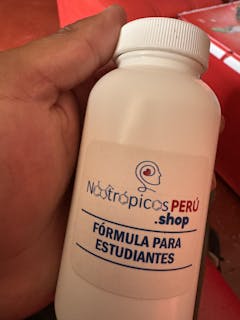
Tianeptine Sulfate 25mg ► 50 capsules
Tianeptine Sulfate 25mg ► 50 capsules
Couldn't load pickup availability
Share
Tianeptine sulfate is a compound that modulates glutamatergic neurotransmission and has been investigated for its ability to support synaptic plasticity in brain regions such as the hippocampus and prefrontal cortex, to promote the regulation of the hypothalamic-pituitary-adrenal axis that coordinates adaptive responses to stress, and to contribute to the balance of cognitive function and mood through effects on mu opioid receptors and on neurotrophic factors that support neuronal health and neurogenesis in the central nervous system.
Support for cognitive function and optimization of memory during periods of intensive learning
This protocol is designed for people who are navigating periods of high cognitive demand such as exam preparation, learning new complex skills, professional projects that require sustained concentration and processing of dense information, or simply for those looking to optimize their cognitive performance during daily activities that require memory, attention, and executive functions.
• Adaptation Phase (Days 1-5): Begin with a conservative dose of one 25mg capsule taken twice daily, with the first dose in the morning with breakfast and the second dose at midday with lunch, providing a total daily dose of 50mg. During these first five days, the main purpose is to assess individual tolerance and familiarize the body with the compound's effects on cognitive function and subjective state. Keep a detailed diary recording mental clarity, concentration, ease of recall, mood, energy levels, and sleep quality, allowing for objective evaluation of the response during this initial phase. It is important to establish a consistent routine by taking doses at approximately the same times each day to facilitate adherence and maintain relatively stable plasma levels.
• Maintenance Phase: After completing a five-day adaptation phase with appropriate tolerance evidenced by the absence of significant adverse effects and preferably with the perception of subtle beneficial effects on mental clarity or mood, continue with a maintenance dose of one 25 mg capsule taken three times a day, distributed throughout the day. A typical schedule involves the first dose in the morning with breakfast at approximately 7:00 or 8:00 a.m., the second dose at midday with lunch at approximately 12:00 or 1:00 p.m., and the third dose in the early afternoon with a light snack at approximately 4:00 or 5:00 p.m., providing a total daily dose of 75 mg. This three-times-daily dosing schedule is designed to maintain relatively constant plasma levels throughout the day, given the compound's relatively short half-life of approximately 2.5 to 3 hours, ensuring cognitive support throughout the workday or study period. Taking each dose with food containing an appropriate balance of protein, carbohydrates, and healthy fats facilitates consistent absorption and can minimize any possibility of gastrointestinal discomfort, which can rarely occur with fasting administration. The specific timing of the third dose in the early afternoon rather than at night is important because administering it too late could theoretically interfere with sleep onset in sensitive individuals; therefore, a prudent limit is not to take doses after five or six in the evening, allowing at least four to five hours before the usual bedtime.
• Advanced Phase (optional for experienced users): For individuals who have used a maintenance dose of 75mg daily for at least four weeks with excellent tolerance and who are looking to maximize effects during a particularly demanding period such as final exam week or a critical project deadline, the dose may be increased to one 25mg capsule taken four times daily, providing a total daily dose of 100mg. The timing would involve doses in the morning with breakfast, at midday with lunch, mid-afternoon with a snack, and possibly an additional dose in the evening around 6:00 PM if the workday or study session extends into the night. However, this fourth dose should be used with caution, considering its effects on sleep. This higher dose should only be used for limited periods of two to four weeks during the peak demand phase, with a plan to reduce back to the standard maintenance dose of 75mg after completing the intensive period.
• Cycle Duration and Phase Structure: A complete protocol for cognitive support with Tianeptine Sulfate typically involves an eight- to twelve-week continuous use cycle during which the compound is administered daily according to a maintenance or advanced regimen, coinciding with a period of high cognitive demand such as an academic semester or an intensive professional project phase. After completing the eight- to twelve-week cycle, a two- to four-week break is implemented during which Tianeptine Sulfate is completely discontinued. This allows for assessment of baseline cognitive function without pharmacological support and allows any physiological adaptations that may have occurred during sustained use to reverse. During the break, other cognitive support practices should be maintained, including adequate sleep of seven to nine hours per night, regular aerobic exercise, which has well-documented procognitive effects, a balanced diet rich in omega-3 fatty acids and antioxidants, and stress management techniques such as meditation or diaphragmatic breathing. After completing the two- to four-week break, a new cycle can be initiated if cognitive demand continues to justify use, again beginning with a five-day adaptation phase before progressing to maintenance. Alternatively, the cycle structure can follow an academic or professional calendar with use during periods of high demand and breaks during holidays or periods of lower intensity.
• Circadian Timing Considerations: Since Tianeptine Sulfate can support mental alertness and cognitive function, dosage timing should consider natural circadian rhythms of cognitive function, which typically peak during the mid-morning and early afternoon, with a decline during the late afternoon and evening. Aligning dosage administration with these periods of naturally elevated cognitive function can optimize effects, with the first two doses during the morning and midday supporting performance during periods when you are naturally more alert, and the third dose in the early afternoon providing support during a period when mental fatigue may begin to emerge. Avoiding late doses after 6 p.m. minimizes the risk of interference with sleep architecture, which is critical for consolidating memories formed during the day, as quality sleep is absolutely essential for transferring information from short-term to long-term storage.
• Integration with effective study or work practices: Tianeptine sulfate should be viewed as part of a multimodal approach to cognitive optimization rather than as a standalone intervention that replaces the need for appropriate learning and work practices. Implement evidence-based study techniques such as retrieval practice, where you actively try to recall information rather than simply rereading it; practice spacing, where you distribute study sessions over several days rather than concentrating them into a single intensive session; interleaving, where you alternate between different types of material rather than focusing on one topic for an extended period; and elaboration, where you connect new information with existing knowledge. During work or study sessions, implement interval structuring such as the Pomodoro Technique, where you work intensely for 25 minutes followed by a short 5-minute break, allowing for recovery of attention, which naturally declines during sustained periods of concentration. Ensure that your study or work environment is optimized with appropriate lighting (preferably natural light), a comfortable temperature, minimized auditory and visual distractions, and proper ergonomics to prevent physical fatigue that can compromise cognitive function.
Support for emotional resilience and balance during periods of high stress
This protocol is specifically geared towards individuals who are navigating periods of significant psychological stress related to intense professional demands, major life transitions, relational challenges, or simply an accumulation of multiple stressors that compromise a sense of emotional well-being and the ability to maintain balance during adversity.
• Adaptation Phase (Days 1-5): Begin with a conservative dose of one 25mg capsule taken twice daily, with the first dose in the morning with breakfast and the second dose at midday with lunch, providing a total daily dose of 50mg. During this initial phase, specifically observe effects on overall mood, ability to maintain a balanced perspective during stressful situations, intensity of emotional responses to negative events, speed of emotional recovery after difficult experiences, and overall sense of emotional stability versus volatility. Keep a mood diary, recording mood level on a scale of one to ten, significant events of the day, and observations on emotional responses two to three times daily. This will provide valuable information for assessing whether the compound is having perceptible effects on emotional regulation during the adaptation phase.
• Maintenance Phase: After a five-day adaptation phase, progress to a maintenance dose of one 25 mg capsule taken three times daily, distributed throughout the day, providing a total daily dose of 75 mg. The dosing schedule involves the first dose in the morning with breakfast, the second dose at midday with lunch, and the third dose in the early afternoon between 3:00 and 5:00 p.m. with a light snack. This fractionated schedule maintains relatively constant plasma levels throughout the day, providing sustained support for emotional regulation and stress response during waking hours when you are facing demands and challenges. Taking doses with food facilitates consistent absorption and minimizes variability in plasma levels that could result from differences in gastric contents. During the maintenance phase, which typically lasts for eight to twelve weeks, continue monitoring mood using a diary, although the recording frequency can be reduced to once a day if patterns are clear, and pay particular attention to changes in the ability to handle stressful situations without excessive emotional reactivity, in the flexibility of emotional responses allowing appropriate modulation according to context, and in the overall sense of resilience, which is the ability to recover after negative experiences without prolonged impairment of function.
• Timing considerations for optimizing stress response: Dose timing can be strategically adjusted based on the temporal pattern of stressors you face. If stress is particularly intense during the mornings, for example, related to starting the workday with demanding meetings or a stressful commute, ensure the first dose is taken early enough for absorption to occur before the peak stress period, typically with breakfast at least one hour before leaving home. If stress is more pronounced during the afternoon or evening, consider taking the third dose slightly later, around 5:00 to 6:00 p.m., instead of 3:00 to 4:00 p.m., while still respecting the limit of not administering after 6:00 p.m. to minimize the risk of sleep interference. For individuals who experience anxious anticipation or significant worry at night about the following day, ensuring adequate sleep quality is critical, as sleep deprivation dramatically exacerbates vulnerability to stress. Therefore, if the last dose seems to be interfering with falling asleep, adjust the timing to earlier or consider reducing the afternoon dose.
• Cycle duration and usage structure: For emotional resilience support during periods of stress, a typical cycle involves continuous use for eight to twelve weeks coinciding with a period of high demand or stressful transition, followed by a two- to four-week break during which Tianeptine Sulfate is discontinued to assess the ability to maintain emotional balance without pharmacological support and to prevent the development of psychological dependence, where the individual feels unable to function without the compound. During the break, intensify the implementation of behavioral strategies for emotional regulation and stress management that were ideally also practiced during Tianeptine use. These strategies include mindfulness techniques that increase awareness of emotional states without excessive reactivity, cognitive restructuring that modifies thought patterns that exacerbate stress, regular physical activity that has profound effects on emotional regulation and stress resilience, and cultivating social support, which is one of the most protective factors against the adverse effects of stress. If emotional balance is maintained appropriately during the break, this indicates that emotional regulation skills have been consolidated and further use of Tianeptine may not be necessary. If vulnerability to stress returns significantly during the break, a new cycle can be considered after completing a minimum break of two weeks.
• Integration with evidence-based behavioral interventions: Tianeptine sulfate should be viewed as a facilitator of emotional regulation behavioral practices rather than a substitute for them. During use of the compound, actively implement emotion regulation techniques that have robust empirical support: mindfulness or mindfulness meditation practice for ten to twenty minutes daily, which trains the ability to observe thoughts and emotions without excessively identifying with them or reacting impulsively; diaphragmatic or square breathing exercises, which activate the parasympathetic nervous system, promoting physiological calm; cognitive restructuring techniques where you identify negative automatic thoughts or cognitive distortions and critically evaluate them, developing more balanced interpretations of situations; and gradual exposure to situations that generate intense emotional responses in a controlled context, allowing habituation and the development of tolerance. Additionally, addressing lifestyle factors that modulate vulnerability to stress includes appropriate quality and quantity of sleep, which is possibly the single most important factor; regular aerobic exercise of moderate intensity for 30 to 45 minutes most days of the week; a balanced diet avoiding extreme glucose fluctuations that can exacerbate emotional volatility; limiting alcohol, which, although it may provide temporary stress relief, compromises emotional regulation and sleep architecture; and cultivating supportive social relationships that provide emotional resources during difficult times.
Support for recovery of brain function after periods of intense chronic stress
This protocol is designed for people who have experienced prolonged periods of significant psychological or physical stress for months or years that may have resulted in noticeable impairment of cognitive function with memory difficulties, reduced concentration, mental fatigue, further changes in emotional well-being, and who are seeking support during the recovery phase and restoration of optimal brain function.
• Adaptation phase (days 1-5): Begin with a conservative dose of one 25mg capsule taken twice daily with breakfast and lunch, providing a total daily dose of 50mg. During this initial phase, establish a baseline of current cognitive function through a structured assessment using online cognitive tests that measure working memory, processing speed, sustained attention, and cognitive flexibility, allowing for objective comparison after the use period. Additionally, assess subjective state using scales of emotional well-being, energy levels, sleep quality, and overall sense of recovery versus persistent exhaustion.
• Extended Maintenance Phase: After the adaptation phase, progress to a maintenance dose of one 25 mg capsule taken three times daily, providing a total daily dose of 75 mg, distributed with breakfast, lunch, and an early afternoon snack. For the recovery protocol, the duration of continuous use may be extended beyond the typical eight- to twelve-week cycle, with sustained use for twelve to sixteen weeks or even up to twenty-four weeks in cases where recovery requires a prolonged period. This extended duration of use is justified by the nature of the objective, which is not simply support during a period of temporary demand but restoration of function after impairment that may have taken months or years to develop and that may reasonably require months to fully reverse. During the extended maintenance phase, implement periodic progress assessments every four weeks using the same cognitive tests and well-being scales used at baseline, allowing for objective documentation of gradual improvement in cognitive and emotional function domains.
• Gradual tapering and transition: After completing an extended maintenance phase of twelve to twenty-four weeks where substantial improvement in cognitive function and well-being has been documented, implement a gradual dose reduction instead of abrupt discontinuation, allowing for a smooth transition to medication-free function. The tapering protocol involves first reducing the dosing frequency from three times daily to twice daily for two weeks, maintaining the morning and midday doses but eliminating the afternoon dose, reducing the total daily dose to 50 mg. Then reduce to once daily for an additional two weeks, maintaining only the morning dose of 25 mg. Finally, consider alternate-day dosing for an additional one to two weeks before complete discontinuation. During the tapering process, carefully monitor cognitive function and emotional well-being for any decline that would suggest the need to maintain a higher dose for an additional period before attempting further tapering.
• Cycle duration and long-term use considerations: For recovery from chronic stress, a full cycle, including an extended maintenance phase plus tapering, can last a total of six to nine months, a substantial period justified by the goal of restoring function. After completing a full cycle with successful discontinuation, a minimum three- to six-month break is appropriate before considering another cycle, if necessary. During and after use, emphasis should be placed on establishing and consolidating lifestyle practices that support brain health and long-term resilience, including proactive stress management through emotion regulation techniques, regular aerobic exercise (one of the most powerful interventions for promoting neuroplasticity and neurogenesis), adequate quality sleep, an anti-inflammatory diet rich in omega-3 fatty acids, antioxidants, and polyphenols, cultivating supportive social relationships, and engaging in cognitively stimulating and meaningful activities that provide purpose and promote the development of neural circuits.
• Integration with other recovery modalities: Tianeptine sulfate during the recovery phase should be integrated with other interventions that have evidence to support the recovery of brain function and well-being after chronic stress. Consider participation in evidence-based psychotherapy, particularly cognitive behavioral therapy, which provides structured stress management and emotion regulation skills, or acceptance and commitment therapy, which cultivates psychological flexibility. Implement a structured aerobic exercise program, starting at moderate intensity for 20 to 30 minutes three to four times per week and gradually progressing to 45 to 60 minutes five to six times per week, as sustained aerobic exercise has profound effects on BDNF expression, neurogenesis, and cognitive function. Consider mindfulness or meditation practices, which have demonstrated in structural neuroimaging studies the ability to induce changes in brain regions, including the hippocampus and prefrontal cortex, that are adversely affected by chronic stress. Optimize nutrition with an emphasis on a Mediterranean or similar dietary pattern that includes abundant antioxidant-rich fruits and vegetables, fatty fish as a source of omega-3 fatty acids EPA and DHA (which are incorporated into neuronal membranes and have anti-inflammatory effects), nuts and seeds, extra virgin olive oil, and limiting ultra-processed foods and refined sugars. Ensure quality sleep through proper sleep hygiene, including consistent bedtimes and wake-up times, even on weekends; a dark, cool, and quiet bedroom environment; avoiding bright screens for an hour before bedtime; and limiting caffeine intake after midday.
Optimizing neuroplasticity during complex skills training
This protocol is geared towards people who are actively in the process of acquiring new complex skills that require substantial reorganization of neural circuits, such as learning a new language, training in a musical instrument, developing fine motor skills such as surgery or art, or acquiring complex technical professional skills.
• Adaptation Phase (Days 1-5): Start with one 25mg capsule taken twice daily with breakfast and lunch, providing a total daily dose of 50mg. During the initial phase, establish a structured practice routine for the skill you are developing, with daily sessions of deliberate practice that is focused on specific aspects of the skill that are currently above your current proficiency level, providing an appropriate challenge that is neither too easy resulting in boredom nor too difficult resulting in frustration.
• Maintenance phase with strategic timing relative to practice: Progress to a maintenance dose of one 25 mg capsule taken three times daily, providing 75 mg daily. To optimize neuroplasticity during skills training, dosage timing can be strategically adjusted in relation to practice sessions. Research on motor learning and skill consolidation suggests that synaptic plasticity underlying skill acquisition is particularly active during and immediately after periods of practice, with subsequent consolidation during rest and sleep. Consider taking one of the daily doses approximately 30 to 60 minutes before the main practice session, allowing plasma levels to rise during practice when plasticity is being induced. For example, if the main practice session occurs in the early afternoon, taking a second dose at midday, approximately one hour before practice, can optimize support for plasticity processes during training.
• Cycle duration aligned with learning phases: The usage cycle typically aligns with an intensive skill acquisition phase that can last eight to sixteen weeks, depending on skill complexity and practice intensity. During this phase, as you progress from conscious incompetence (where you know you can't perform the skill) to conscious competence (where you can execute the skill with deliberate effort), supporting neuroplasticity can facilitate speed of progress and quality of skill consolidation. After completing the intensive acquisition phase, when you have reached a reasonable level of competence and practice transitions toward refinement and automation, implement a two- to four-week pause before considering a new cycle if you continue developing the skill to advanced levels or begin acquiring new, complementary skills.
• Integration with principles of effective deliberate practice: The use of Tianeptine Sulfate should complement, rather than replace, the implementation of effective practice principles that are essential for skill development. Practice should be structured with specific goals for each session, focusing on particular aspects of the skill rather than simply repeating the entire execution without direction. It should provide immediate feedback, allowing for the detection and correction of errors during practice. It should be sufficiently challenging, maintaining high but not overwhelming cognitive demand. It should include variability in practice conditions rather than identical repetition, facilitating skill generalization. And it should alternate between periods of intense practice and periods of rest, allowing for consolidation. Additionally, appropriate quality sleep is absolutely critical for the consolidation of motor and cognitive skills. Studies have shown that sleep deprivation after a practice session dramatically compromises the consolidation and retention of learned skills. Therefore, ensuring seven to nine hours of sleep each night, particularly on nights following intense practice sessions, is essential to maximize the benefit of practice.
Did you know that Tianeptine Sulfate has a unique mechanism of action that differentiates it from other mood modulators?
Unlike most compounds that modulate neurotransmission by blocking the reuptake of serotonin or norepinephrine, tianeptine sulfate acts primarily on the glutamatergic system, the brain's main excitatory neurotransmitter system. Furthermore, it interacts with mu opioid receptors in an atypical manner, without producing the full effects characteristic of classic opioid agonists. This combination of mechanisms results in a distinctive action profile that has been investigated for its potential to support synaptic plasticity, the ability of neuronal connections to strengthen or weaken over time in response to experiences and learning.
Did you know that Tianeptine Sulfate can influence the production of brain-derived neurotrophic factor?
This compound has been investigated for its ability to modulate the expression of BDNF, a protein crucial for the survival, growth, and differentiation of neurons in the central nervous system. BDNF is particularly abundant in regions such as the hippocampus and cerebral cortex, where it supports learning, memory, and neuronal adaptation. Preclinical studies have shown that tianeptine sulfate can increase BDNF levels in these brain regions, which is associated with effects on neuroplasticity and the brain's ability to reorganize its neural circuits in response to environmental and cognitive demands.
Did you know that Tianeptine Sulfate can modulate the function of the hypothalamic-pituitary-adrenal axis?
The HPA axis is the central neuroendocrine system that coordinates the body's stress response by regulating the release of cortisol from the adrenal glands. When this axis is dysregulated with excessive or prolonged activation, it can result in elevated cortisol levels that affect multiple physiological systems. Tianeptine sulfate has been studied for its ability to normalize HPA axis hyperactivity, reducing excessive cortisol release and contributing to a more balanced stress response. This modulation of the HPA axis may have beneficial effects on metabolic processes, immune function, and brain health.
Did you know that Tianeptine Sulfate can promote neurogenesis in the adult hippocampus?
Although for decades it was believed that the adult brain could not generate new neurons, research has shown that the hippocampus maintains the capacity for neurogenesis throughout life. This process of forming new neurons in the dentate gyrus of the hippocampus is important for certain types of learning and for cognitive flexibility. Studies in animal models have documented that tianeptine sulfate can increase the rate of hippocampal neurogenesis, increasing both the proliferation of precursor cells and their survival and differentiation into functional neurons that integrate into existing circuits.
Did you know that Tianeptine Sulfate has a modified tricyclic molecular structure that makes it unique?
Its chemical structure consists of a tricyclic ring system similar to some classic compounds, but with a distinctive side chain containing a sulfate group and an aminoheptanoic acid moiety. This specific structural modification is responsible for its unique pharmacological profile, allowing it to interact with multiple neuronal systems differently than other tricyclic compounds. The presence of the sulfate group enhances its water solubility and modifies its pharmacokinetic properties, including its absorption and distribution throughout the body.
Did you know that Tianeptine Sulfate can influence serotonin reuptake in a counterintuitive way?
While many mood modulators work by blocking serotonin reuptake to increase its availability at synapses, early studies suggested that tianeptine sulfate might actually increase serotonin reuptake. However, subsequent research revealed that its effects on mood and cognition do not primarily depend on this serotonergic mechanism, but are instead mediated more by modulation of the glutamatergic system and effects on synaptic plasticity. This finding challenged traditional concepts of how compounds can support brain function.
Did you know that Tianeptine Sulfate can protect hippocampal neurons against the effects of chronic stress?
Prolonged stress can have neurotoxic effects, particularly in the hippocampus, where sustained exposure to elevated levels of glucocorticoids can cause dendritic atrophy, a reduction in the number of dendritic spines, and, in extreme cases, neuronal death. Studies have shown that tianeptine sulfate can prevent or reverse these stress-induced structural changes in animal models. This neuroprotective effect involves multiple mechanisms, including normalization of cortisol levels, increased neurotrophic factors, and modulation of excitatory neurotransmission, which, when excessive, can contribute to neuronal damage.
Did you know that Tianeptine Sulfate interacts with mu opioid receptors without producing typical physical dependence?
This compound has an affinity for mu opioid receptors, which are the same receptors activated by endogenous opioids such as endorphins and by exogenous opioids. However, its interaction with these receptors is qualitatively different, functioning as an atypical agonist that produces some signaling effects without fully activating all the downstream cascades associated with full opioid agonists. This partial and selective activation has been proposed as contributing to its effects on mood modulation and stress response, while theoretically minimizing some of the undesirable effects associated with full opioid activation.
Did you know that Tianeptine Sulfate can improve synaptic plasticity in the prefrontal cortex?
The prefrontal cortex is crucial for executive functions, decision-making, impulse control, and emotional regulation. Synaptic plasticity in this region, the ability of connections between neurons to modify themselves in response to activity, is fundamental for behavioral adaptation and complex learning. Electrophysiological studies have shown that tianeptine sulfate can facilitate long-term potentiation processes in the prefrontal cortex, a cellular mechanism associated with synaptic strengthening and memory formation. This effect may contribute to improvements in cognitive function and the ability to adapt to changing environmental demands.
Did you know that Tianeptine Sulfate has a relatively short half-life that requires multiple administrations throughout the day?
Unlike some compounds with prolonged residence time in the body, tianeptine sulfate has an elimination half-life of approximately 2.5 to 3 hours, meaning its plasma levels decrease by half during this period. This pharmacokinetics typically requires administration two to three times daily to maintain relatively stable levels throughout the day. However, an extended-release formulation is available that allows for once-daily dosing by gradually releasing the compound over several hours, providing more sustained levels with improved convenience.
Did you know that Tianeptine Sulfate can influence the function of astrocytes, which are brain support cells?
In addition to its effects on neurons, this compound interacts with astrocytes, which are abundant glial cells in the brain that perform multiple support functions, including regulating extracellular neurotransmitter concentrations, providing nutrients to neurons, maintaining the blood-brain barrier, and modulating synaptic connectivity. Studies have shown that tianeptine sulfate can modulate glutamate uptake by astrocytes, thereby influencing the availability of this excitatory neurotransmitter in synaptic spaces. This interaction with astrocytes contributes to its effects on glutamatergic homeostasis.
Did you know that Tianeptine Sulfate can improve spatial memory and learning parameters in experimental models?
Studies in animal models that assess memory and learning using tests such as the Morris water maze have documented that tianeptine sulfate can improve performance on tasks requiring spatial memory and navigation. These effects on cognition are likely related to its actions in the hippocampus, where it supports synaptic plasticity, neurogenesis, and the expression of neurotrophic factors—all critical processes for memory consolidation. Additionally, its neuroprotective effects against stress may prevent cognitive decline induced by exposure to chronic stress.
Did you know that Tianeptine Sulfate can modulate glutamatergic transmission through AMPA receptors?
AMPA receptors are one of the main types of ionotropic glutamate receptors, mediating most of the fast excitatory synaptic transmission in the central nervous system. Tianeptine sulfate has been investigated for its ability to modulate the function of these receptors, specifically by influencing their expression on synaptic membranes and their intracellular trafficking. This modulation of AMPA receptors is considered central to its effects on synaptic plasticity, since changes in the number and distribution of these receptors in synapses are fundamental mechanisms by which neuronal connections are strengthened or weakened during learning and adaptation.
Did you know that Tianeptine Sulfate has moderate oral bioavailability with relatively rapid absorption?
When administered orally, this compound is absorbed from the gastrointestinal tract with a bioavailability of approximately 40 percent, meaning that about half of the administered dose reaches the systemic circulation in its active form, with the remainder being metabolized during first-pass metabolism in the liver or not absorbed at all. Peak plasma concentrations are reached approximately one to two hours after administration, providing a relatively rapid onset of effects. This moderately efficient but incomplete absorption reflects substantial hepatic metabolism, which converts tianeptine into multiple metabolites, some of which may have their own biological activity.
Did you know that Tianeptine Sulfate can influence the dendritic morphology of neurons in key brain regions?
Dendrites are the branched extensions of neurons that receive signals from other neurons through thousands of synapses distributed across their surface. Dendritic structure, including length, branching, and the density of dendritic spines (small protrusions where synapses occur), is highly dynamic and reflects the history of neuronal activity and experience. Microscopic studies have documented that tianeptine sulfate can prevent or reverse dendritic atrophy and the reduction in dendritic spines that occurs in the hippocampus and prefrontal cortex during exposure to chronic stress, restoring neuronal architecture to a more elaborate and interconnected state.
Did you know that Tianeptine Sulfate can modulate glutamate release at presynaptic terminals?
In addition to its postsynaptic effects on receptors and glutamate uptake, this compound can influence vesicular glutamate release from presynaptic terminals. Electrophysiological studies have suggested that tianeptine sulfate can modulate the probability of neurotransmitter release in response to action potentials, potentially through effects on presynaptic calcium channels or vesicular fusion machinery. This modulation of presynaptic release complements its postsynaptic effects to influence glutamatergic transmission in a coordinated manner, contributing to the normalization of excitatory signaling that may be altered in states of chronic stress.
Did you know that Tianeptine Sulfate can influence gene expression related to neural plasticity?
Beyond its acute effects on neurotransmission, this compound can induce changes in the expression of genes encoding proteins important for neuronal function and plasticity. Gene expression analysis studies have identified that tianeptine sulfate modulates the expression of multiple genes, including those related to neurotrophic factors, neurotransmitter receptors, synaptic structural proteins, and metabolic enzymes. These transcriptional changes require days to weeks to fully develop and may represent mechanisms by which the compound's effects are consolidated with sustained use, producing lasting adaptive changes in neuronal circuits.
Did you know that Tianeptine Sulfate is extensively metabolized in the liver, producing multiple metabolites?
After absorption, tianeptine undergoes extensive hepatic metabolism via multiple pathways, including beta-oxidation of its aminoheptanoic side chain, resulting in progressive shortening of this chain, and conjugation with glucuronic acid to form more water-soluble glucuronides. This metabolism produces at least five major metabolites that are detectable in circulation and urine, some of which may retain pharmacological activity, although typically less than the parent compound. The formation of multiple metabolites and their renal elimination explain the relatively short half-life of the parent compound in circulation.
Did you know that Tianeptine Sulfate can influence inflammatory markers in the central nervous system?
Research has explored the effects of this compound on neuroinflammation, which is the activation of resident immune cells in the brain, including microglia and astrocytes, producing pro-inflammatory cytokines and other mediators that can affect neuronal function. In models of chronic stress or immune challenge, tianeptine sulfate has demonstrated the ability to modulate the neuroinflammatory response, reducing the expression of cytokines such as interleukin-6 and tumor necrosis factor-alpha in brain regions such as the hippocampus. This modulation of neural inflammation may contribute to its neuroprotective effects, since excessive or prolonged inflammation can compromise synaptic plasticity and neuronal viability.
Did you know that Tianeptine Sulfate can cross the blood-brain barrier to reach its brain sites of action?
To exert its effects on neurotransmission, synaptic plasticity, and neuroprotection in the central nervous system, this compound must penetrate the blood-brain barrier, a highly selective structure formed by specialized endothelial cells joined by tight junctions that restrict the passage of molecules from the blood to the brain. Tianeptine sulfate possesses physicochemical properties that facilitate its passage through this barrier, including moderate lipophilicity that allows diffusion across lipid membranes while maintaining sufficient water solubility for transport in the blood. Pharmacokinetic studies have confirmed that the compound reaches adequate brain concentrations after oral administration to occupy its molecular sites of action.
Support for synaptic plasticity and neuronal adaptation
Tianeptine sulfate has been extensively researched for its ability to support synaptic plasticity, the brain's fundamental capacity to modify the strength and efficiency of connections between neurons in response to experiences, learning, and environmental demands. This plasticity is essential for virtually all aspects of brain function, including memory formation, the acquisition of new skills, adaptation to changing situations, and recovery after challenges or stress. At the molecular level, tianeptine sulfate promotes long-term potentiation processes, particularly in regions such as the hippocampus, which is critical for memory consolidation and spatial learning, and the prefrontal cortex, which is responsible for executive functions and emotional regulation. These effects on synaptic plasticity involve modulation of glutamatergic transmission by influencing AMPA receptors, which are key components of excitatory synapses, as well as effects on the trafficking and expression of these receptors in synaptic membranes, which determine how strongly a synapse responds to signals. Additionally, the compound can increase the expression of brain-derived neurotrophic factor (BDNF), a crucial protein that supports the growth, differentiation, and survival of neurons, acting as a molecular fertilizer for neural circuits. In practical terms, this support for synaptic plasticity translates into an enhanced brain capacity to reorganize its circuits in response to learning or changes in cognitive demands, facilitating the acquisition of new information, the consolidation of skills, and flexible adaptation to novel situations. For individuals learning complex material, developing new skills, or navigating periods of change that require significant behavioral and cognitive adaptation, the support this compound provides to cellular plasticity mechanisms can facilitate these adaptive processes. Research has shown that these effects on plasticity are not merely theoretical but manifest functionally in measurable improvements in learning and memory tasks in experimental models, suggesting that the strengthening of neural circuits induced by the compound has relevant behavioral consequences.
Balanced modulation of the hypothalamic-pituitary-adrenal axis and stress response
One of the most valuable and distinctive aspects of Tianeptine Sulfate is its ability to modulate the function of the hypothalamic-pituitary-adrenal (HPA) axis, the central neuroendocrine system that coordinates physiological and behavioral responses to stress. When you face stressful situations, whether physical, psychological, or social, your hypothalamus releases corticotropin-releasing factor (CRF), which travels to the pituitary gland, stimulating the release of adrenocorticotropic hormone (ACTH). This hormone travels through the bloodstream to the adrenal glands, where it stimulates the production and release of cortisol, the main human glucocorticoid. Cortisol has multiple short-term adaptive effects, including energy mobilization, immune response modulation, and increased alertness. However, when the HPA axis is chronically hyperactivated with sustained elevated cortisol levels, this can have adverse consequences on multiple systems, including metabolism, immune function, and particularly on brain structure and function, especially in regions like the hippocampus, which has abundant glucocorticoid receptors. Tianeptine sulfate has been investigated for its ability to normalize dysregulated HPA axis function, reducing excessive cortisol release and restoring more balanced patterns of activation and negative feedback. This negative feedback is the mechanism by which elevated cortisol normally suppresses its own additional production, closing the response loop. This HPA axis normalization occurs through multiple mechanisms, including effects on glucocorticoid receptors in the hippocampus and other brain regions involved in negative feedback, as well as modulation of neurotransmission in circuits that regulate axis activity. In practical terms, this support for balanced stress regulation manifests as an improved ability to respond appropriately to challenges without excessive or prolonged activation, with a more efficient return to baseline after the stressful situation has passed. For individuals navigating periods of high demand, sustained pressure, or multiple cumulative stressors that can result in HPA axis dysregulation, Tianeptine Sulfate can provide valuable support by helping to keep stress responses within adaptive ranges rather than allowing them to become chronic or excessive with potential consequences for physical and mental well-being.
Neuroprotection and preservation of neuronal structure in the hippocampus and cortex
Tianeptine sulfate has been studied for its neuroprotective properties, particularly its ability to protect neurons in vulnerable brain regions such as the hippocampus and prefrontal cortex against the adverse effects of chronic stress, aging, and other challenges that can compromise neuronal integrity. In the hippocampus, which is particularly sensitive to the effects of elevated glucocorticoids due to its high density of cortisol receptors, prolonged stress can cause structural changes, including dendritic atrophy, where the dendritic branches that receive signals from other neurons shrink and lose complexity; a reduction in the number of dendritic spines, which are sites of synapses; and, in severe cases, neuronal loss. These structural changes have functional consequences, compromising information processing capacity in hippocampal circuits that are critical for memory and spatial navigation. Detailed microscopic studies have demonstrated that tianeptine sulfate can prevent these structural changes when administered during stress exposure, or can partially reverse atrophy that has already occurred, restoring dendritic architecture to a more elaborate state with greater branching and spine density. These neuroprotective effects involve multiple mechanisms that operate in coordination: first, normalization of cortisol levels through modulation of the HPA axis reduces neuronal exposure to excessive glucocorticoid concentrations, which can be neurotoxic. Second, increased expression of neurotrophic factors, particularly BDNF, provides survival and growth signals that support the maintenance of neuronal structure and stimulate dendritic elaboration. Third, modulation of glutamatergic neurotransmission prevents excitotoxicity that can occur when excessive glutamate overactivates receptors, causing excessive calcium influx into neurons with activation of cascades that can damage cells. Fourth, effects on inflammatory processes in the brain reduce the production of proinflammatory cytokines and reactive oxygen species that can compromise neuronal function and viability. In practical terms, this neuroprotection translates into improved preservation of cognitive function, memory capacity, and integrity of neural circuits during and after periods of significant stress, facilitating more complete recovery and reducing the accumulation of neuronal damage that could otherwise have long-term consequences on cognitive ability and mental well-being.
Promotion of neurogenesis in the adult hippocampus
One of the most fascinating discoveries of modern neuroscience is that, contrary to previous beliefs, the adult brain retains the capacity to generate new neurons in specific regions, particularly in the dentate gyrus of the hippocampus, where neural precursor cells continue to proliferate, differentiate into functional neurons, and integrate into existing circuits throughout life. This adult neurogenesis has been implicated in certain types of learning and memory, particularly those requiring discrimination of similar patterns, in cognitive flexibility, and in the ability to adapt to novel environments. Tianeptine sulfate has been extensively investigated in animal models for its ability to promote hippocampal neurogenesis, increasing both the proliferation of precursor cells and their survival during maturation and their successful differentiation into neurons that functionally integrate into circuits of the dentate gyrus. These proneurogenic effects involve multiple mechanisms, including increased expression of growth factors such as BDNF, which support the survival and differentiation of new cells; modulation of signaling that regulates the cell cycle in precursor cells by influencing their division rate; and creation of a favorable neurochemical environment in the neurogenic niche by modulating neurotransmission and reducing factors that can inhibit neurogenesis, such as elevated levels of glucocorticoids and inflammatory mediators. It is important to understand that adult neurogenesis occurs at a relatively modest rate, with thousands of new neurons being generated daily in the human hippocampus rather than millions. Therefore, the contribution of these new neurons to the total function of the hippocampus, which contains millions of neurons, is proportionally small but can be functionally significant, particularly for tasks that specifically depend on dentate gyrus circuitry. For individuals navigating periods of intensive learning, adapting to new environments, or recovering from periods of stress that may have suppressed neurogenesis, the support that tianeptine sulfate provides to this regenerative process can contribute to optimizing hippocampal function and related cognitive ability. Although direct translation from animal models to human function requires caution, the fact that adult neurogenesis occurs in humans and is modulated by factors similar to those in animals suggests that proneurogenic mechanisms of the compound are likely relevant to human brain function.
Improved cognitive function and memory capacity
Tianeptine sulfate has been investigated for its effects on multiple domains of cognitive function, including memory, learning, attention, and executive functions, which are high-level mental processes that coordinate goal-directed thought and action. In experimental models that assess cognition using standardized tests such as mazes requiring spatial memory, object recognition tasks that assess declarative memory, and paradigms that measure working memory—the ability to maintain and manipulate information for short periods—the compound has demonstrated the ability to improve performance, particularly in contexts where cognitive function has been compromised by stress or aging. These procognitive effects reflect multiple mechanisms of action operating in neural circuits that underlie cognition: in the hippocampus, support for synaptic plasticity, neurogenesis, and neuroprotection against stress optimizes the function of this region, which is critical for consolidating memories from short-term experiences to long-term storage and for spatial memory—the ability to navigate and recall locations. In the prefrontal cortex, modulation of glutamatergic neurotransmission and support of synaptic plasticity optimize executive function, which includes the ability to plan sequences of actions, inhibit inappropriate impulsive responses, flexibly switch between tasks or strategies when demands change, and maintain relevant information active in working memory while completing tasks. Additionally, normalization of the HPA axis and reduction of chronically elevated cortisol levels can indirectly improve cognition, since sustained elevation of glucocorticoids can compromise hippocampal and prefrontal cortex function, interfering with memory consolidation, retrieval of stored information, and attentional processes. In practical terms, these cognitive improvements can manifest as increased ease in learning new information and subsequently recalling it, improved ability to sustain concentration on demanding tasks without excessive distraction, enhanced flexibility in thinking allowing for the consideration of multiple perspectives or approaches to problems, and improved ability to plan and organize complex activities that require multi-step coordination toward goals. For people in demanding academic or professional contexts, navigating periods of intensive learning, or simply wanting to optimize their cognitive performance in daily activities, the support that Tianeptine Sulfate provides to brain function can translate into noticeable improvements in mental capacity.
Support for emotional balance and resilience to stress
Tianeptine sulfate has been investigated for its ability to support emotional balance and contribute to enhanced resilience in the face of stressful challenges, facilitating the maintenance of mental well-being during periods of pressure or adversity. Resilience is the capacity of the body and mind to successfully adapt to difficult situations, recover from negative experiences, and maintain appropriate function despite stress. This adaptive capacity involves multiple systems, including neural circuits in limbic areas such as the amygdala, which processes emotions and threats; the hippocampus, which contextualizes emotional experiences and is important for distinguishing current situations from memories of past experiences; and the prefrontal cortex, which regulates emotional responses by exerting top-down control over limbic structures. Tianeptine sulfate contributes to resilience through multiple mechanisms: first, modulation of the HPA axis ensures that stress responses are appropriate in magnitude and duration without becoming excessive or prolonged, allowing for an efficient return to homeostasis after the challenge has passed. Second, neuroprotection in the hippocampus and prefrontal cortex prevents functional impairment in these regions that can occur with chronic stress and compromise emotional regulation capacity. Third, promotion of synaptic plasticity facilitates adaptation of neural circuits in response to experiences, enabling the learning of effective coping strategies and allowing for the updating of emotional responses when contexts change. Fourth, modulation of glutamatergic neurotransmission in circuits connecting the prefrontal cortex with limbic structures optimizes communication between regions involved in the generation versus regulation of emotions. In practice, this support for emotional balance can manifest as an improved ability to maintain a balanced perspective during stressful situations without excessive emotional reactivity, as faster mood recovery after negative events without prolonged rumination, as improved flexibility in emotional responses allowing for appropriate modulation according to the social context, and as a general sense of emotional stability even during periods of uncertainty or pressure. For individuals navigating significant life transitions, intense professional or academic demands, relational challenges, or simply normal fluctuations in stress in everyday life, the support that Tianeptine Sulfate provides to emotional regulation neural systems can facilitate the maintenance of mental well-being and effective function.
Modulation of neural inflammation and support for brain homeostasis
Tianeptine sulfate has been investigated for its effects on neuroinflammatory processes, which, when dysregulated, can compromise brain function and neuronal health. Neuroinflammation involves the activation of resident immune cells in the brain, particularly microglia, which are brain macrophages that constantly monitor the neural environment and respond to damage, infection, or dysfunction, as well as astrocytes, which are abundant glial cells with multiple support functions. When appropriately activated in response to genuine challenges, these cells produce cytokines and other mediators that facilitate repair and coordinate the defensive response. However, when activation is excessive or prolonged, sustained production of proinflammatory cytokines such as interleukin-1 beta, interleukin-6, and tumor necrosis factor alpha can have adverse effects on neuronal function by interfering with neurotransmission, compromising synaptic plasticity, and, in severe cases, contributing to neuronal damage. In models of chronic stress or immune challenge, tianeptine sulfate has demonstrated the ability to modulate the neuroinflammatory response by reducing the production of pro-inflammatory cytokines in regions such as the hippocampus and cortex, while potentially preserving or promoting the production of anti-inflammatory and resolution factors. These anti-inflammatory effects may occur through multiple mechanisms, including reduced activation of microglia toward pro-inflammatory phenotypes, modulation of astrocyte signaling that can influence their production of inflammatory mediators, and indirect effects through normalization of the HPA axis. Since glucocorticoids have immunomodulatory effects, reducing excessive cortisol can influence inflammatory processes. Modulation of neuroinflammation is relevant because elevated neural inflammation has been associated in research with multiple aspects of impaired brain function, including effects on cognition, mood, and synaptic plasticity. Therefore, the support that Tianeptine Sulfate provides to appropriate inflammatory balance in the brain may contribute to preserving an optimal neural environment for neuronal function, particularly during or after periods of stress, aging, or challenges that may trigger immune activation in the central nervous system.
Optimization of dendritic architecture and synaptic connectivity
A particularly noteworthy aspect of tianeptine sulfate is its documented ability to influence the structural morphology of neurons, specifically the dendritic architecture that determines how many synaptic connections a neuron can receive and process. Dendrites are the branched extensions that emerge from the neuronal cell body and receive signals from thousands of other neurons through synapses distributed across their surface. Dendritic complexity, including total dendritic length, number of branches, and dendritic spine density (small protrusions where excitatory synapses typically occur), determines a neuron's information-processing capacity and influences how it integrates multiple inputs to generate output. This dendritic architecture is not static but highly dynamic, changing throughout life in response to experience, learning, and stress. Chronic stress can cause dendritic retraction, where dendrites shrink and lose distal branches, and dendritic spine loss, where the number of available synaptic sites is reduced—changes that have been documented particularly in the hippocampus and prefrontal cortex. Microscopic studies using techniques such as Golgi staining, which allows detailed visualization of neuronal morphology, or two-photon microscopy, which allows real-time imaging of live neurons, have shown that tianeptine sulfate can prevent this dendritic retraction when administered during stress exposure. Notably, it can induce dendritic re-expansion when administered after atrophy has already occurred, restoring dendritic tree complexity to a more elaborate state. Additionally, the compound can increase dendritic spine density, thereby increasing the number of potential synaptic sites. These effects on dendritic structure involve signaling via neurotrophic factors, particularly BDNF, which promotes dendritic growth and spine formation; modulation of the neuronal cytoskeleton, which determines dendritic shape and stability; and provision of a favorable neurochemical environment for structural development. Functionally, the preservation and optimization of dendritic architecture translates into the maintenance of information processing capacity in neuronal circuits, facilitating appropriate cognitive function and allowing synaptic plasticity to occur on a suitable structural substrate with abundant synaptic sites available for strengthening or weakening according to the demands of learning and adaptation.
Balanced modulation of glutamatergic neurotransmission
Glutamate is the primary excitatory neurotransmitter in the central nervous system, responsible for most rapid synaptic transmission and critical for virtually all aspects of brain function, including sensory processing, motor control, cognition, and synaptic plasticity. However, glutamatergic signaling must be carefully regulated because excessive activation can lead to excitotoxicity, where overstimulation of glutamate receptors causes excessive calcium influx into neurons, triggering cascades that can damage or kill cells. Tianeptine sulfate has been characterized by its ability to modulate glutamatergic transmission in a way that normalizes function rather than simply increasing or decreasing activity across the board. In situations where glutamatergic transmission is excessive, such as during acute stress or in contexts of neuronal dysfunction, the compound can reduce glutamate release and modulate the function of glutamatergic receptors, particularly AMPA receptors, toward more balanced activity. Conversely, in contexts where glutamatergic signaling is suboptimal, compromising synaptic plasticity, it can facilitate appropriate transmission. This bidirectional or normalizing modulation is mediated by multiple mechanisms: effects on presynaptic glutamate release, modulating the probability of neurotransmitter release in response to action potentials; influence on glutamate uptake by astrocytes, regulating extracellular neurotransmitter concentrations; and modulation of the expression and function of postsynaptic receptors, particularly AMPA receptors, through effects on their intracellular trafficking and insertion into synaptic membranes. Additionally, interaction with the opioid system can indirectly influence glutamatergic transmission, as opioid receptors can modulate glutamate release in certain regions. This balanced modulation of excitatory neurotransmission is valuable because it optimizes the function of neuronal circuits, maintaining signaling within ranges that allow for efficient information processing and appropriate synaptic plasticity without the risk of over-excitation, thus supporting optimal brain function during cognitive demands and adaptation to experiences.
Beneficial interaction with the endogenous opioid system
Tianeptine sulfate has the unique characteristic of interacting with mu opioid receptors, which are the same receptors activated by the body's endogenous opioids such as endorphins, enkephalins, and dynorphins. These peptides are released in response to pain, stress, and physical activity and have effects on pain modulation, stress response, and mood. However, tianeptine sulfate's interaction with these receptors is qualitatively different from that of typical opioid agonists. It functions as an atypical agonist, producing selective signaling patterns by activating some downstream cascades while leaving others inactive. This partial and selective activation of mu opioid receptors has been proposed as contributing to the compound's effects on emotional regulation and stress response. The endogenous opioid system is involved in multiple aspects of brain function beyond analgesia, including modulation of reward circuits, mood regulation, social stress response, and motivation. Moderate activation of mu receptors by tianeptine sulfate may contribute to a sense of emotional well-being and modulate responses to stressful experiences without producing the full effects associated with classic opioid agonists. It is important to understand that this interaction with the opioid system occurs at a modulatory level rather than producing massive activation, and that the compound's overall pharmacological profile reflects an integration of opioidergic effects with effects on synaptic plasticity, the HPA axis, and neuroprotection, rather than being dominated exclusively by opioid mechanisms. In practice, this modulation of the endogenous opioid system may contribute to the compound's effects on subjective well-being and the ability to navigate emotionally challenging experiences with greater equanimity, complementing other mechanisms of action to produce an integrated profile that supports emotional resilience.
Support for astrocyte function and neural microenvironment homeostasis
Beyond its effects on neurons, tianeptine sulfate interacts with astrocytes, which are extremely abundant star-shaped glial cells in the brain that perform multiple critical support functions for proper neuronal function. Astrocytes surround synapses with their fine processes, regulating neurotransmitter concentrations in extracellular spaces through specific transporters that reuptake glutamate, GABA, and other neurotransmitters from the synaptic cleft, preventing excessive accumulation that could cause overstimulation. Additionally, astrocytes provide metabolic support to neurons by supplying lactate, which can be used as energy fuel; they regulate ion concentrations, such as potassium, whose excessive accumulation can depolarize neurons; they secrete neurotrophic factors that support neuronal survival and function; they participate in maintaining the blood-brain barrier, which protects the brain from circulating toxins; and they modulate synaptic connectivity by releasing gliotransmitters that influence synapse formation, clearance, and function. Tianeptine sulfate has been investigated for its effects on astrocyte function, particularly on glutamate uptake, a critical function of these cells. The compound can modulate the expression and function of glutamate transporters in astrocytes, particularly GLT-1 and GLAST, which are responsible for removing most glutamate from extracellular spaces, thus influencing glutamatergic signaling kinetics and preventing excessive accumulation that could be excitotoxic. Additionally, effects on the production of neurotrophic factors by astrocytes may contribute to neuroprotection and support synaptic plasticity. This interaction with astrocytes complements the compound's direct neuronal effects, optimizing the coordinated function of all cellular components that constitute functional neuronal circuits and ensuring a neural microenvironment favorable for efficient information processing, appropriate synaptic plasticity, and long-term neuronal health.
The chemical messenger that speaks a different language: glutamate instead of serotonin
Imagine your brain as a vast city with 100 billion inhabitants called neurons, and these neurons need to constantly communicate with each other to coordinate everything you do, think, feel, and remember. But here's the fascinating detail: these neurons don't directly touch each other; instead, they're separated by microscopic gaps called synapses, like buildings on opposite sides of a very narrow street. To send messages from one neuron to the next, the first neuron releases special chemical messengers called neurotransmitters that float across that tiny gap to reach the receiving neuron on the other side, where they bind to specific receptor proteins like keys fitting into locks. When the correct key fits, the receiving neuron receives the message and can respond appropriately. Now, here's where Tianeptine Sulfate becomes particularly interesting and different from many other compounds that affect brain function: while most mood and cognition modulators work primarily by adjusting levels of neurotransmitters like serotonin, norepinephrine, or dopamine—important chemical messengers that represent only a small fraction of all neural communication—Tianeptine Sulfate works primarily with glutamate, the most abundant excitatory neurotransmitter in your brain, responsible for approximately 90 percent of all fast synaptic transmission. Think of glutamate as the primary language neurons use for important conversations about learning, memory, sensory information processing, motor control, and virtually everything your brain does. Tianeptine sulfate functions as a sophisticated modulator of these glutamatergic conversations, not simply increasing or decreasing the volume of all conversations universally, but rather fine-tuning how and when glutamate is released by transmitting neurons, how long it remains available in the synaptic spaces, and how receiving neurons respond when they receive glutamate messages. This modulation of the glutamatergic system is complemented by a second unique feature: Tianeptine sulfate also interacts with mu opioid receptors in your brain, which are the same receptors that respond to your natural opioids like endorphins that your body releases during exercise or in response to certain types of stress. However, the way Tianeptine interacts with these opioid receptors is unusual and atypical, partially activating them in selective ways that differ from how full opioids activate them, contributing to its effects on emotional well-being and stress response without producing the full range of effects associated with full opioid activation.
The molecular gardener who nurtures and grows neural connections
To understand one of the most fascinating aspects of how Tianeptine Sulfate works, we need to explore the concept of synaptic plasticity, which is arguably the most important property of your brain. Synaptic plasticity is the ability of the connections between neurons, the synapses, to become stronger or weaker over time in response to how active they are and in response to your experiences. This plasticity is absolutely fundamental to everything that makes your brain capable of learning, remembering, adapting, and changing: when you learn a new skill like playing a musical instrument, the synaptic connections between neurons in the motor and auditory areas of your brain are selectively strengthened through a process called long-term potentiation, where synapses that are repeatedly activated together become more efficient at transmitting signals. Conversely, when you stop practicing and the skill fades, those same synapses weaken through a process called long-term depression. These changes in synaptic strength involve complex molecular modifications, including changes in the number and type of neurotransmitter receptors on postsynaptic membranes, changes in the efficiency with which neurotransmitters are released from presynaptic terminals, and even physical structural changes where new dendritic spines—small protrusions where synapses occur—can form or existing spines can disappear. Tianeptine sulfate acts as a molecular gardener, tending this dynamic synaptic landscape and promoting healthy growth of neuronal connections. Specifically, the compound facilitates long-term potentiation processes, particularly in brain regions such as the hippocampus, which is essential for memory formation and spatial learning, and the prefrontal cortex, which is responsible for complex thought, planning, and impulse control. This facilitation of synaptic plasticity occurs through multiple coordinated mechanisms: first, modulation of AMPA receptors, which are specific types of glutamate receptors that are critical components of excitatory synapses. Their number and distribution in synaptic membranes determine how strongly a synapse responds to signals. Tianeptine sulfate influences the trafficking of these AMPA receptors, promoting their insertion into synaptic membranes at appropriate times during learning, thereby strengthening connections. Second, the compound increases the expression of a special protein called brain-derived neurotrophic factor, or BDNF, which acts as a molecular fertilizer for neurons, promoting their growth, survival, and the development of their dendritic branches—the structures that receive signals from other neurons. When BDNF binds to its receptors on neurons, it activates intracellular signaling cascades that result in the synthesis of new proteins necessary for synaptic strengthening, the growth of new dendritic spines, and the maintenance of complex neuronal architecture. Third, by affecting glutamate release and its removal from synaptic spaces by astrocytes, which are brain support cells, tianeptine modulates the temporal kinetics of glutamatergic signaling in ways that promote synaptic plasticity. The net result of all these mechanisms working together is that your brain's synaptic landscape becomes more flexible, more capable of reorganizing itself in response to experiences and learning, more robust against deterioration, and better able to maintain healthy connections that are the physical basis of your memories, skills, and personality.
The stress thermostat regulator prevents system overheating
One of the most important and distinctive roles of tianeptine sulfate is its ability to modulate the hypothalamic-pituitary-adrenal (HPA) axis, which is your body's master control system for responding to stress. To understand how this system works and how tianeptine modulates it, imagine your body has a sophisticated thermostat for stress: When you face a stressful situation—whether it's an important exam, a work presentation, an interpersonal conflict, or even physical stress like illness or lack of sleep—a small region at the base of your brain called the hypothalamus detects this situation and acts as the thermostat's sensor. In response, the hypothalamus releases a signaling hormone called corticotropin-releasing factor (CRF), which travels a very short distance down to the pituitary gland, a pea-sized gland hanging just below your brain. When the pituitary gland receives this CRF signal, it responds by releasing another hormone called adrenocorticotropic hormone, or ACTH. ACTH travels through your bloodstream to your adrenal glands, two walnut-sized structures sitting atop your kidneys. The adrenal glands respond to ACTH by producing and releasing cortisol, your primary stress hormone, into the bloodstream. There, it travels throughout your body, affecting virtually every tissue and organ. Cortisol has multiple short-term adaptive effects that help you cope with stress: it mobilizes stored energy by releasing glucose from the liver and fatty acids from adipose tissue to provide immediate fuel, increases mental alertness, modulates the immune system, and generally prepares you for action. This works perfectly when stress is acute and temporary, such as fleeing danger or completing a challenging task, because after the stressful situation ends, a clever negative feedback mechanism kicks in: elevated cortisol travels back to the brain where it binds to glucocorticoid receptors in the hypothalamus and other regions, sending a "mission accomplished, shut down now" signal, which suppresses further CRF release and restores the system to its baseline calm state. However, here's the problem: when stress becomes chronic, lasting for weeks or months, this elegant feedback system can become dysregulated, as if the thermostat were stuck on high. The HPA axis remains overactivated, producing sustained elevated levels of cortisol, and the negative feedback that should shut it down becomes less sensitive, as if the thermostat stopped responding appropriately to the signal that the temperature is already high enough. This chronic hyperactivation of the HPA axis with consistently elevated cortisol can have adverse consequences on multiple systems: metabolically, it can contribute to visceral fat accumulation and insulin resistance; immunologically, it can suppress appropriate immune responses; and critically, in our brain context, it can have damaging effects on neuronal structure and function, particularly in the hippocampus, which has an extremely high density of cortisol receptors, making it vulnerable to excessive glucocorticoid exposure. This is where tianeptine sulfate comes in as a skilled technician, repairing and recalibrating the stress thermostat: the compound restores appropriate negative feedback sensitivity of the HPA axis, allowing the system to respond appropriately to elevated cortisol signals by shutting down when it should, instead of remaining stuck in activation. Mechanistically, this involves effects on glucocorticoid receptors in the hippocampus and other brain regions that mediate negative feedback, essentially making these receptors more capable of detecting elevated cortisol and sending the appropriate shutdown signal to the hypothalamus. The practical result of this thermostat recalibration is that instead of living in a constant state of heightened alertness with chronically high cortisol, your stress response system returns to a healthier pattern where it can activate appropriately when genuine challenges are present but can deactivate and return to homeostasis during periods of rest, allowing for recovery and restoration.
The architect who rebuilds neural structures damaged by stress storms
One of the most remarkable and visually dramatic capabilities of tianeptine sulfate, documented through detailed microscopic studies, is its ability to prevent and reverse adverse structural changes that occur in neurons when exposed to intense chronic stress. To appreciate this capability, we need to understand how stress affects the physical architecture of neurons in vulnerable brain regions, particularly the hippocampus. Neurons are not simply balls with wires sticking out; they have extraordinarily complex and beautiful structures. From the cell body, where the nucleus with your DNA resides, emerge multiple branches called dendrites, which subdivide again and again like tree branches, creating an elaborate dendritic tree that can have thousands of branches. Along these dendritic branches are small, spine-like protrusions called dendritic spines, and each of these spines is typically the site of a synapse where another neuron makes contact and sends signals. A single pyramidal neuron in your hippocampus can have ten thousand or more dendritic spines, meaning it's receiving signals from ten thousand different neurons simultaneously and must integrate all this information to decide whether to fire an action potential itself, sending a signal forward. This elaborate dendritic architecture, with its abundance of spines determining how many synaptic connections a neuron can receive, is absolutely critical for the neuron's information-processing capacity and its participation in circuits that underlie memory and cognition. Now here's the worrying part: when neurons in the hippocampus are exposed to elevated levels of cortisol for extended periods, as occurs during severe chronic stress, they begin to undergo adverse structural changes that have been visualized using microscopic staining techniques that allow us to see the full shape of neurons. Specifically, the dendrites begin to retract and atrophy, with distal branches—the parts farthest from the cell body—shrinking and disappearing, reducing the overall length and complexity of the dendritic tree. Simultaneously, dendritic spines begin to be lost, with spine density decreasing significantly, meaning the neuron loses thousands of potential synaptic sites. This process of dendritic atrophy and spine loss has direct functional consequences: the neuron becomes less able to integrate information from multiple sources, its participation in memory circuits is compromised, and the capacity of those information-processing circuits is reduced. At the level of the entire hippocampus, when many neurons are experiencing this atrophy simultaneously, the result can be measurable impairment in memory function and cognitive flexibility. This is where tianeptine sulfate demonstrates its power as a neuronal architect: microscopic studies have convincingly shown that when the compound is administered to animals exposed to chronic stress, the dendritic atrophy and spine loss that would normally occur are largely prevented, with neurons treated with tianeptine maintaining elaborate dendritic architecture with complex branching and high spine densities despite stress exposure. Even more impressively, when tianeptine is administered after atrophy has already occurred, it can induce dendritic re-expansion and spine regeneration, restoring neuronal architecture to a healthier, more elaborate state. Imagine buildings in a city damaged by a severe storm, with collapsed roofs and cracked walls, and then imagine a skilled architect who not only prevents damage during future storms by reinforcing structures but can also repair and rebuild buildings that have already been damaged, restoring them to their original functional form. This is essentially the appropriate metaphor for what tianeptine does with dendritic architecture. The mechanisms by which it achieves this structural reconstruction involve multiple factors working in coordination: first, normalization of the HPA axis reduces exposure to the excessive levels of cortisol that were initially causing the damage. Second, increased BDNF expression provides trophic signals that promote dendritic growth and spine formation. Third, modulation of glutamatergic neurotransmission and prevention of excitotoxicity protect against signals that could promote dendritic retraction. The net result is preservation and restoration of the physical structural substrate of neural circuits that is necessary for proper cognitive function and for your brain's ability to process information effectively.
The factory of new neurons that never completely closes
For decades, scientists firmly believed that you were born with a fixed number of neurons in your brain and that after early development, no new neurons were ever created; therefore, any neurons that died during your lifetime were a permanent loss. This idea was so widely accepted that it was found in every neuroscience textbook. But it turned out to be dramatically wrong, at least in part: in the 1990s, researchers discovered, to the surprise of the field, that in specific regions of the adult brain, particularly in a structure called the dentate gyrus, which is part of the hippocampus, new neurons are continuously being generated throughout adult life through a process called adult neurogenesis. In the dentate gyrus, there is a population of neural stem cells, which are special cells that retain the ability to divide and give rise to new neurons. These stem cells are constantly proliferating, with their daughter cells gradually differentiating into functional neurons that migrate to appropriate positions, extend dendrites and axons to connect with existing neurons, and eventually become fully integrated into hippocampal circuits, contributing to the function of this region. In the young adult human brain, it is estimated that approximately 700 new neurons are generated daily in each hippocampus, so roughly 1,400 in total. While this may sound like a small number compared to the 100 billion total neurons in your brain, these new neurons in the dentate gyrus have special properties and can contribute disproportionately to certain types of cognitive function, particularly those requiring discrimination of similar patterns and involving the learning of new information. Adult neurogenesis is not constant but is strongly regulated by multiple environmental and physiological factors: aerobic exercise dramatically increases it, learning complex tasks stimulates it, environmental enrichment with novelty and complexity promotes it, but conversely, chronic stress severely suppresses it, inflammation reduces it, and aging gradually diminishes it. Tianeptine sulfate has been extensively investigated in animal models for its ability to promote adult neurogenesis in the dentate gyrus, and the results have been remarkably consistent, demonstrating that the compound enhances multiple stages of the neurogenic process. Specifically, tianeptine increases the proliferation of neural precursor cells by increasing the rate at which these stem cells divide, generating more daughter cells. It also improves the survival of immature neurons during the critical period of several weeks after birth when they are particularly vulnerable to death, and facilitates the appropriate differentiation and maturation of these new neurons by promoting their development of appropriate neuronal morphology and their integration into existing circuits. Imagine a factory producing new components for a city, and imagine that production can be accelerated by increasing the speed of assembly lines, reducing defects that cause components to be discarded, and ensuring that produced components are correctly installed in existing infrastructure instead of being stored unused. This is analogous to how tianeptine influences multiple stages of the neurogenesis process to increase the net number of new, functional neurons added to hippocampal circuits. The mechanisms by which it achieves these proneurogenic effects involve multiple factors: increased expression of BDNF, a critical growth factor that promotes the survival and differentiation of new neurons; normalization of the HPA axis by reducing cortisol levels, which, when chronically elevated, suppress neurogenesis; modulation of inflammation by reducing proinflammatory cytokines that can inhibit the proliferation of precursor cells; and creation of a favorable neurochemical environment in the neurogenic niche through modulation of neurotransmission. Although research on adult neurogenesis in humans is more limited compared to animal models due to the obvious challenges of studying neuron generation in living human brains, evidence using techniques such as carbon-14 dating of post-mortem human hippocampal neurons has confirmed that adult neurogenesis definitely occurs in humans and is modulated by factors similar to those in animals. This suggests that the proneurogenic effects of tianeptine observed in animal models are likely relevant to human brain function and may contribute to its effects on cognition and functional recovery after periods of stress that would have suppressed neurogenesis.
The conductor who coordinates multiple instruments simultaneously
To summarize this fascinating story of how Tianeptine Sulfate works, imagine your brain as an immensely complex symphony orchestra with trillions of musicians—the neurons—and these musicians need to play in perfect coordination to create the beautiful music that is your consciousness, your thoughts, your emotions, your memories, and your ability to navigate the world. This orchestra has multiple sections, each responsible for different aspects of the music: the glutamate string section, which provides the main melody and fundamental rhythm for virtually all rapid neural communication; the HPA axis percussion section, which responds to demands and stress by activating or calming the orchestra as needed; the astrocyte and glial cell support section, which ensures an optimal acoustic environment and that all the musicians have the resources they need; and the neurogenesis renewal section, which is constantly training new musicians to replace those who retire and to expand the orchestra's capacity. During periods of intense or prolonged stress, this orchestra can become desynchronized and dysfunctional: the HPA axis percussion section may become stuck playing too loudly constantly without rest, the glutamate string section may lose coordination with some players playing too loudly while others fall silent, individual players may literally shrink physically with their instruments becoming smaller and less capable, representing dendritic atrophy, and the training program for new players may shut down, reducing renewal and adaptive capacity. Tianeptine Sulfate enters this desynchronized orchestra like a maestro conductor with a magic wand possessing multiple coordinated powers: with a wave of its wand, it recalibrates the HPA axis percussion section, restoring its sensitivity to cues of when to play loud versus when to mute, allowing for appropriate and proportionate responses to demands instead of constant over-activation. With another movement, it modulates the glutamate string section, fine-tuning how the musicians communicate with each other, optimizing signal transmission so that it is neither excessively loud causing cacophony nor excessively weak resulting in inaudible music. With the third movement, it repairs and expands the instruments of individual musicians that had shrunk during periods of stress, restoring dendrites and spines to an elaborate architecture capable of complex information processing. With the fourth movement, it reopens and revitalizes the training program for new musicians, promoting neurogenesis that adds new musicians to the orchestra, expanding its capacity and flexibility. With the fifth movement, it interacts with the endogenous opioid system in a subtle and atypical way that contributes to an overall feeling that the music the orchestra is playing is harmonious and satisfying rather than dissonant and distressing. All these movements of the conductor's wand occur simultaneously and in a coordinated manner, not as separate interventions but as an integrated program of restoration and optimization that returns the orchestra to synchronized function where all sections are working in harmony, where each musician has appropriate instruments and is playing their part appropriately, and where the resulting music is complex, adaptable, and beautiful, reflecting optimal brain function with clear cognition, accessible memories, balanced emotional responses, and the ability to learn and adapt to new experiences.
Modulation of AMPA receptors and synaptic trafficking of glutamate
Tianeptine sulfate exerts significant effects on glutamatergic transmission by modulating AMPA receptors, which are ionotropic glutamate receptors responsible for most of the rapid excitatory neurotransmission in the central nervous system. AMPA receptors are ligand-gated ion channels composed of four subunits, which can be combinations of GluA1, GluA2, GluA3, and GluA4. The specific subunit composition determines the receptor's biophysical properties, including conductance, calcium permeability, and desensitization kinetics. The synaptic function of AMPA receptors is determined not only by their intrinsic properties but critically by their number and distribution on postsynaptic membranes. This distribution is dynamically regulated by intracellular trafficking processes, including the insertion of receptors from intracellular pools into synaptic membranes during synaptic potentiation and the removal of receptors from membranes by endocytosis during synaptic depression. Tianeptine sulfate has been investigated for its ability to modulate AMPA receptor trafficking, with electrophysiological and biochemical studies demonstrating that the compound influences the insertion of AMPA receptors into synaptic membranes in an activity-dependent manner, facilitating increased surface expression of receptors, particularly those containing the GluA1 subunit, during synaptic plasticity processes. Mechanistically, these effects on AMPA trafficking involve modulation of intracellular signaling pathways that regulate the actin cytoskeleton and control the exocytosis and endocytosis of receptor-containing vesicles, including potential effects on postsynaptic scaffolding proteins such as PSD-95, which anchor receptors in postsynaptic densities. Additionally, the compound modulates phosphorylation of AMPA receptor subunits, particularly GluA1, at specific serine residues such as Ser831 and Ser845, which are substrates for multiple kinases, including protein kinase A, protein kinase C, and CaMKII. Phosphorylation of these sites regulates receptor functional properties and trafficking. The net result of these effects on AMPA receptors is the facilitation of AMPA-dependent forms of synaptic plasticity, particularly long-term potentiation in regions such as the hippocampus, CA1, and prefrontal cortex, which are critical for memory consolidation and executive function. This contributes to the compound's effects on cognition and neural adaptation.
Atypical interaction with mu opioid receptors and modulation of the endogenous opioid system
Tianeptine sulfate has an affinity for mu opioid receptors, which are G protein-coupled receptors abundantly expressed in multiple regions of the central nervous system, including areas involved in pain processing, reward, stress response, and emotional regulation. Mu opioid receptors are primarily coupled to Gi/o proteins, which, when activated, inhibit adenylyl cyclase, reducing cAMP levels; activate GIRK potassium channels, causing hyperpolarization; and inhibit voltage-gated calcium channels, reducing neurotransmitter release. Radioligand binding studies have characterized tianeptine's affinity for mu receptors, demonstrating micromolar Ki levels that are significantly lower compared to classical opioid agonists but sufficient for occupancy at plasma concentrations achieved with typical dosages. Critically, tianeptine's interaction with mu receptors is qualitatively different from that of full opioid agonists, functioning as an atypical agonist that produces a selective downstream signaling pattern. Signaling studies using techniques such as GTPgammaS binding assays, which measure G protein activation, have shown that tianeptine activates mu receptors less effectively compared to full agonists, producing submaximal activation of G protein pathways even at saturating concentrations. Additionally, it may exhibit signaling bias, favoring certain downstream pathways over others, a phenomenon that has been characterized for multiple G protein-coupled receptor ligands, where different ligands of the same receptor can stabilize distinct receptor conformations that preferentially couple to different signaling cascades. This partial and potentially biased activation of mu receptors by tianeptine has been proposed as contributing to the compound's effects on emotional regulation and stress response by modulating endogenous opioidergic circuits without producing the full range of effects associated with full opioid agonists, including profound analgesia, intense euphoria, or respiratory depression. Regarding regional distribution, the opioid effects of tianeptine may be particularly relevant in areas such as the amygdala, which expresses a high density of mu receptors and processes emotions and threat responses; the nucleus accumbens, which integrates reward and motivational information; and the periaqueductal gray matter, which modulates defensive and stress responses. The endogenous opioid system, through peptides such as beta-endorphins, enkephalins, and dynorphins released during stress, exercise, and in response to pain, modulates multiple aspects of brain function, including analgesia, reward, and the social stress response. Therefore, modulation of this system by tianeptine provides an additional mechanism, complementary to its effects on the glutamatergic system, to influence emotional regulation and stress adaptation.
Increased expression of brain-derived neurotrophic factor and TrkB signaling
Tianeptine sulfate has been extensively investigated for its ability to modulate the expression of brain-derived neurotrophic factor (BDNF), a member of the neurotrophin family that is critical for neuronal survival, growth, differentiation, and synaptic plasticity. BDNF is initially synthesized as a pro-BDNF precursor, which is proteolytically cleaved to generate mature BDNF. Mature BDNF is secreted from neurons in an activity-dependent manner, with increased release during intense neuronal stimulation. Once secreted, BDNF binds to the TrkB receptor, a tyrosine kinase receptor expressed on neuronal membranes. BDNF binding induces TrkB dimerization and autophosphorylation of tyrosine residues in the receptor's intracellular domain, creating docking sites for downstream signaling proteins. Activation of TrkB triggers multiple signaling cascades, including the MAPK/ERK pathway, which regulates gene transcription and is important for long-term synaptic plasticity; the PI3K-Akt pathway, which promotes neuronal survival by phosphorylating and inactivating pro-apoptotic proteins; and the PLCgamma pathway, which modulates intracellular calcium release, influencing neuronal excitability. Studies measuring BDNF levels using techniques such as ELISA in brain tissue extracts or mRNA expression analysis using RT-PCR have consistently shown that tianeptine sulfate increases BDNF expression, particularly in the hippocampus and prefrontal cortex, with detectable increases after days to weeks of administration. This increase in BDNF expression is regulated at the transcriptional level, with tianeptine influencing promoter activity of the BDNF gene, which has a complex structure with multiple alternative non-coding exons regulated by different signals, plus a common coding exon. Tianeptin's modulation of BDNF expression may involve effects on transcription factors such as CREB, which is phosphorylated and activated by multiple kinases and binds to cAMP response elements in the BDNF promoter, inducing transcription. Additionally, tianeptin may influence the epigenetics of the BDNF locus by modulating DNA methylation or histone acetylation in regulatory regions, affecting chromatin accessibility to the transcriptional machinery. The functional effects of tianeptine-induced BDNF increase are numerous and include promoting neuronal survival by preventing apoptosis during stress or aging, facilitating dendritic growth and the development of dendritic arborizations that enhance neuronal information processing capacity, promoting the formation and stabilization of dendritic spines (sites of excitatory synapses), facilitating synaptic plasticity, particularly long-term potentiation, through effects on AMPA receptor insertion and synaptic protein synthesis, and supporting adult neurogenesis by promoting the proliferation, survival, and differentiation of neural precursor cells in the dentate gyrus of the hippocampus. Elevated BDNF is considered one of the central mechanisms by which tianeptine exerts neuroprotective, procognitive, and plasticity-promoting effects, representing a point of convergence where multiple effects of the compound, including glutamatergic modulation and HPA axis normalization, converge to influence trophic signaling that supports neuronal health and function.
Normalization of the hypothalamic-pituitary-adrenal axis and restoration of glucocorticoid feedback
Tianeptine sulfate has been extensively characterized by its effects on the hypothalamic-pituitary-adrenal (HPA) axis, a central neuroendocrine system that coordinates physiological and behavioral responses to stress by regulating glucocorticoid release from the adrenal cortex. The HPA axis operates through a hierarchical signaling cascade: parvocellular neurons in the paraventricular nucleus of the hypothalamus secrete corticotropin-releasing factor (CRF) and arginine vasopressin into the hypophyseal portal system. These hormones travel a short distance to the anterior pituitary lobe, where they stimulate corticotropin-releasing cells to secrete adrenocorticotropic hormone (ACTH) into the systemic circulation. ACTH travels to the adrenal glands, where it stimulates the synthesis and release of cortisol from the zona fasciculata of the adrenal cortex. Cortisol exerts multiple peripheral and central effects, including energy mobilization, immune modulation, and effects on brain function. Critically, HPA axis activation is regulated by negative feedback, where elevated cortisol binds to type I glucocorticoid or mineralocorticoid receptors, which are highly expressed in the hippocampus, and type II glucocorticoid receptors, which are more widely expressed, including in the hypothalamus, pituitary gland, and hippocampus. Activation of these receptors suppresses further CRF and ACTH release, closing the feedback loop. During chronic stress, this feedback system can become desensitized, with glucocorticoid receptors showing reduced expression or compromised function, resulting in HPA axis hyperactivity with hypersecretion of CRF, ACTH, and cortisol, and inadequate negative feedback. Tianeptine sulfate has been investigated for its ability to normalize dysregulated HPA axis function, with studies demonstrating that the compound restores negative feedback sensitivity and reduces corticosterone hypersecretion in animal models of chronic stress. Mechanistically, these effects involve multiple levels of the axis: in the hippocampus, tianeptine prevents the downregulation of glucocorticoid receptors that occurs during chronic stress, maintaining appropriate expression of receptors that mediate negative feedback, and may improve receptor function by increasing the efficiency of coupling between the activated receptor and the transcriptional machinery that suppresses stress-response genes. In the hypothalamus, the compound may modulate the activity of parvocellular neurons that secrete CRF, potentially through effects on inhibitory GABAergic neurotransmission that regulates these neurons or by modulating excitatory glutamatergic inputs. Additionally, effects on the hippocampus, which sends indirect inhibitory projections to the paraventricular nucleus, may contribute to normalization of axis activity. The neuroprotective effects of normalizing the HPA axis are substantial because chronic exposure to elevated levels of glucocorticoids has adverse effects on neuronal structure and function, particularly in the hippocampus, which has a high density of glucocorticoid receptors, making it vulnerable. Excessive glucocorticoids contribute to dendritic atrophy, suppression of neurogenesis, and, in extreme cases, neuronal loss. Therefore, restoration of appropriate regulation of the HPA axis by Tianeptine not only normalizes endocrine homeostasis but also has profound neuroprotective consequences by reducing brain exposure to potentially neurotoxic concentrations of glucocorticoids.
Promotion of adult neurogenesis in the dentate gyrus of the hippocampus
Tianeptine sulfate has been extensively investigated for its effects on adult neurogenesis, the process by which new neurons are generated in specific regions of the adult brain, particularly in the subgranular zone of the dentate gyrus in the hippocampus. Adult neurogenesis involves multiple sequential stages, beginning with the proliferation of neural stem cells and precursor cells residing in the subgranular zone, followed by differentiation of daughter cells into the neuronal rather than glial lineage, migration of immature neurons into the appropriate granular layer, extension of dendrites into the molecular layer and of axons into CA3 forming appropriate synaptic connections, and finally, functional integration into existing circuits with long-term survival. Each of these stages is regulated by distinct molecular factors and influenced by multiple environmental, physiological, and pharmacological signals. Studies evaluating neurogenesis using markers such as BrdU, which is incorporated into DNA during replication allowing identification of dividing cells, or using endogenous proliferation markers such as Ki-67, combined with neuronal lineage markers such as doublecortin for immature neurons or NeuN for mature neurons, have consistently demonstrated that tianeptine sulfate enhances adult neurogenesis in the dentate gyrus. Specifically, the compound increases precursor cell proliferation, as indicated by an increase in the number of BrdU-positive or Ki-67-positive cells in the subgranular zone after several days of treatment; increases the survival of newly generated neurons, as assessed by counting BrdU-positive cells that co-express neuronal markers after several weeks of survival, allowing time for differentiation; and facilitates appropriate differentiation and maturation, as indicated by neuronal morphology with complex dendritic elaboration. The mechanisms by which tianeptine promotes neurogenesis are multiple and interconnected: First, increased BDNF expression in the hippocampus provides a critical trophic signal that promotes proliferation, survival, and differentiation of neural precursor cells, with studies demonstrating that tianeptine's proneurogenic effects are partially dependent on BDNF-TrkB signaling. Second, normalization of the HPA axis reduces corticosterone levels, which, when chronically elevated, suppress neurogenesis by affecting precursor proliferation; thus, reduced exposure to excessive glucocorticoids disinhibits the neurogenic process. Third, modulation of glutamatergic and GABAergic neurotransmission in the neurogenic niche influences the local microenvironment that regulates stem cell behavior, with glutamate and GABA having effects on precursor proliferation and differentiation. Fourth, anti-inflammatory effects by reducing proinflammatory cytokines that inhibit neurogenesis and modulating microglial activation in the subgranular zone create a more permissive environment for the proliferation and survival of new cells. The functional relevance of Tianeptine-enhanced neurogenesis is supported by studies correlating proneurogenic effects with improvements in behavioral tasks that depend on the dentate gyrus, particularly those requiring pattern separation, which is the ability to distinguish similar but distinct memories, although direct causal relationships between neurogenesis and specific cognitive function remain an area of active research.
Modulation of glutamate uptake by astrocytes and glutamatergic homeostasis
Beyond its direct effects on neurons, tianeptine sulfate interacts with astrocytes, abundant glial cells that play critical roles in regulating glutamatergic neurotransmission. This interaction occurs through the expression of high-affinity glutamate transporters that remove glutamate from extracellular spaces. The primary glutamate transporters in astrocytes are GLT-1 or EAAT2, responsible for approximately 90% of total glutamate uptake in the brain, and GLAST or EAAT1, which also contributes significantly, particularly in the cerebellum. These transporters are membrane proteins that couple glutamate transport to sodium and potassium gradients. They translocate one glutamate molecule along with three sodium ions into the cell while counter-transporting one potassium ion out of the cell. They utilize the electrochemical sodium gradient generated by sodium-potassium ATPase to drive glutamate uptake against its concentration gradient. The function of these transporters is absolutely critical for the termination of glutamatergic signaling after synaptic release, for preventing extracellular accumulation of glutamate that could cause excitotoxicity through overactivation of glutamate receptors, and for glutamate recycling via the glutamate-glutamine cycle. In this cycle, glutamate taken up by astrocytes is converted to glutamine by glutamine synthetase, and glutamine is released and taken up by neurons where it is converted back to glutamate by glutaminase, thus completing the cycle. Tianeptine sulfate has been investigated for its effects on the function of astrocytic glutamate transporters, with studies demonstrating that the compound can modulate the expression and function of GLT-1, although the direction and magnitude of the effects may depend on the experimental context and the baseline state of the system. In some models, particularly those of chronic stress where GLT-1 expression may be reduced, tianeptine increases the expression of the transporter, restoring the compromised glutamate uptake capacity. This increase in GLT-1 can be regulated at the transcriptional level by modulating transcription factors that regulate the gene promoter, or it can involve effects on mRNA stability or protein translation. Additionally, the compound can influence the trafficking of transporters to plasma membranes or their intrinsic activity by modulating phosphorylation or association with regulatory proteins. The functional effects of tianeptine modulation of astrocytic glutamate transporters include optimization of the temporal kinetics of glutamatergic signaling, where glutamate released from presynaptic terminals is efficiently removed after activating postsynaptic receptors, preventing excessive spillover to neighboring synapses that could compromise the spatial specificity of signaling, and preventing the accumulation of extracellular glutamate to concentrations that could tonically activate extrasynaptic receptors, particularly extrasynaptic NMDA receptors, whose activation is associated with pro-apoptotic rather than pro-survival signaling. This modulation of glutamatergic homeostasis through effects on astrocytes complements the compound's direct neuronal effects on receptors and on glutamate release, resulting in integrated optimization of glutamatergic signaling where both neuronal and glial system components are appropriately coordinated.
Prevention of dendritic atrophy and preservation of neuronal architecture
Tianeptine sulfate has been characterized by its remarkable ability to prevent and reverse adverse morphological changes in neuronal dendritic architecture that occur during exposure to chronic stress or other challenges that compromise the structural integrity of neurons. Dendrites are highly branched neuronal extensions that receive synaptic inputs from thousands of other neurons. The complexity of the dendritic tree, including total length, number of branching points, and branching order, determines a neuron's information processing capacity. Distributed along dendrites are dendritic spines, which are small protrusions, typically one to two micrometers in length, where most excitatory synapses occur. Spine density determines the number of synaptic inputs a neuron can receive. Dendritic morphology and spine density are highly dynamic, responding to neuronal activity, trophic factors, and stress. During chronic stress, particularly when associated with sustained glucocorticoid elevation, neurons in vulnerable regions such as the hippocampus, CA3, and medial prefrontal cortex undergo dendritic retraction, where distal dendrites shorten and lose branching, along with a significant reduction in dendritic spine density along remaining dendritic segments. These structural changes have been visualized using multiple techniques, including Golgi staining, which randomly impregnates a small percentage of neurons, allowing complete visualization of dendritic morphology under light microscopy; three-dimensional reconstruction of neurons from series of microscopic images; and in vivo two-photon microscopy, which allows imaging of dendrites and spines in live animals over extended periods. Studies using these techniques have consistently demonstrated that tianeptine sulfate prevents dendritic atrophy when administered during stress exposure, with neurons from tianeptine-treated animals maintaining dendritic complexity comparable to unstressed control animals, while neurons from untreated stressed animals show significant retraction. More dramatically, when tianeptine is administered after atrophy has already occurred, it can induce dendritic re-expansion and spine regeneration, restoring architecture to a more elaborate state. The cellular and molecular mechanisms by which tianeptine influences dendritic morphology involve multiple factors: first, increased BDNF expression provides a trophic signal that promotes dendritic growth by activating TrkB signaling, which regulates the actin cytoskeleton and microtubules that determine dendritic shape. Second, normalization of glucocorticoid exposure reduces signals that promote dendritic retraction, as excessive glucocorticoids can trigger cascades that result in cytoskeleton depolymerization and retraction. Third, modulation of glutamatergic neurotransmission optimizes neuronal activity that influences the stability of dendrites and spines, with appropriate activity promoting structural maintenance, while excessive activity or a lack of activity can promote loss. Fourth, effects on the expression of multiple structural and cytoskeletal proteins, including microtubule-associated proteins, actin-binding proteins, and postsynaptic scaffolding proteins, influence the ability of neurons to build and maintain complex dendritic architecture. The functional relevance of preserving dendritic architecture is direct: neurons with elaborate dendritic trees and high spine density have a greater capacity to integrate information from multiple sources, greater participation in information-processing circuits, and greater potential for synaptic plasticity that underlies learning and memory.
Modulation of neuroinflammatory response and microglial activation
Tianeptine sulfate has been investigated for its effects on neuroinflammatory processes, which, when dysregulated, can compromise brain function and neuronal health. Neuroinflammation involves the activation of resident immune cells of the central nervous system, particularly microglia, which are brain macrophages derived from myeloid lineage and constitute approximately 10 to 15 percent of brain cells, as well as the activation of astrocytes, which can also adopt reactive phenotypes with the production of inflammatory mediators. In a resting or vigilant state, microglia have a branched morphology with fine processes that constantly monitor the extracellular environment, detecting signs of damage, pathogens, or dysfunction. When microglia detect alarm signals through pattern recognition receptors or by detecting damage-associated molecules, they are activated, transforming into an amoeboid morphology with process retraction, proliferation, and the production of multiple mediators, including pro-inflammatory cytokines such as interleukin-1 beta, interleukin-6, and tumor necrosis factor alpha, as well as chemokines, reactive oxygen and nitrogen species, and prostaglandins. When activation is appropriate and transient in response to a genuine challenge, these mediators facilitate defensive and reparative responses. However, when activation is excessive or prolonged, sustained production of inflammatory mediators can have adverse effects on neurons, including interference with neurotransmission, impairment of synaptic plasticity, and, in severe cases, contribution to neuronal damage or death. In models of chronic stress or immune challenge with lipopolysaccharide that activates the immune system, tianeptine sulfate has demonstrated the ability to modulate the neuroinflammatory response by reducing the production of pro-inflammatory cytokines in regions such as the hippocampus and cortex. Specifically, studies measuring cytokine levels using ELISA or mRNA expression analysis have documented that tianeptine reduces the elevation of IL-1β, IL-6, and TNF-α that occurs in response to stress or immune challenge. These anti-inflammatory effects may occur through multiple mechanisms: first, modulation of microglial activation by reducing the transition from a vigilant to an activated pro-inflammatory state, assessed by activation markers such as CD11β expression, cell morphology, and mediator production. Second, effects on signaling pathways in microglia and astrocytes that regulate the expression of inflammatory genes, including possible modulation of the transcription factor NF-κB, a master regulator of inflammatory genes that, when activated, translocates to the nucleus, inducing the transcription of multiple cytokines. Third, indirect effects through normalization of the HPA axis, since glucocorticoids have complex immunomodulatory effects. Appropriate levels have anti-inflammatory effects, while chronically elevated levels can, in some contexts, exacerbate inflammation, particularly when glucocorticoid receptors are desensitized. Fourth, increased expression of factors such as BDNF, which can have immunomodulatory effects on microglia and astrocytes, promoting more anti-inflammatory or resolution phenotypes. Tianeptine's modulation of neuroinflammation is relevant because elevated neural inflammation has been associated in research with multiple aspects of impaired brain function, including effects on cognition, where cytokines can interfere with long-term potentiation; on neuroplasticity, where inflammation can inhibit neurogenesis and promote dendritic atrophy; and on emotional well-being, where pro-inflammatory cytokines can activate neurotransmitter metabolic pathways that compromise monoaminergic signaling. Therefore, the support that Tianeptine provides to appropriate inflammatory balance in the brain contributes to the preservation of an optimal neural environment for neuronal function, particularly during or after periods of stress or challenge that may trigger immune activation in the central nervous system.
Modulation of presynaptic glutamate release and vesicular release probability
Tianeptine sulfate exerts effects on the presynaptic component of glutamatergic transmission by modulating neurotransmitter release from presynaptic terminals. Glutamate release is a highly regulated process that begins with the arrival of an action potential at the presynaptic terminal, causing membrane depolarization, opening of voltage-gated calcium channels (particularly N-type and P/Q-type channels), calcium influx into the terminal, and fusion of synaptic vesicles containing glutamate with the presynaptic membrane via complex protein machinery, including SNARE proteins that catalyze membrane fusion. The probability of a vesicle fusing and releasing its contents in response to calcium influx is not fixed but is dynamically regulated by multiple factors, including recent activity history, modulation by presynaptic receptors, and the state of the release machinery. Electrophysiological studies evaluating synaptic transmission by recording excitatory postsynaptic currents in response to presynaptic stimulation, using power fluctuation analysis to infer changes in release probability versus changes in postsynaptic response, have suggested that tianeptine sulfate may modulate the presynaptic component of glutamatergic transmission. Specifically, in some contexts, the compound reduces excessive glutamate release that can occur during acute stress or hyperexcitability, potentially through effects on presynaptic calcium channels, reducing calcium influx in response to depolarization, or by modulating vesicular release machinery, altering the coupling between calcium elevation and vesicular fusion. These effects on presynaptic release can be regulated by interaction with presynaptic receptors, including metabotropic glutamate autoreceptors, particularly mGluR2/3 receptors, which, when activated by glutamate, inhibit further release, providing negative feedback, or opioid receptors, which can also regulate glutamate release when expressed presynaptically. Tianeptine's modulation of presynaptic release complements postsynaptic effects on AMPA receptors to optimize glutamatergic transmission in an integrated manner, reducing excessive release while facilitating appropriate signaling, thus contributing to the normalization of excitatory neurotransmission that is neither insufficient, compromising plasticity, nor excessive, causing a risk of excitotoxicity.
Neuroprotection and synthesis of neurotrophic factors
• Eight Magnesiums : This mineral is an essential cofactor for more than three hundred enzymatic reactions, including those critical for protein synthesis and for the function of NMDA receptors, which are modulated by Tianeptine Sulfate in the context of synaptic plasticity. Magnesium acts as a voltage-dependent blocker of the NMDA receptor ion channel, preventing excessive calcium influx that could contribute to excitotoxicity when glutamatergic signaling is dysregulated. Additionally, magnesium is necessary for the activity of kinases that phosphorylate AMPA receptors, regulating their function and trafficking—a central process in Tianeptine's mechanism of action. The Eight Magnesium formulation, which combines multiple chelated forms, including magnesium-L-threonate, which efficiently crosses the blood-brain barrier; bisglycinate, with high bioavailability; and taurate, which provides both magnesium and taurine with neuroprotective effects, optimizes the brain's availability of this critical mineral, supporting Tianeptine's effects on synaptic plasticity and neuroprotection.
• C15 – Pentadecanoic Acid : This odd-chain fatty acid has been investigated for its ability to integrate into cell membranes, including neuronal membranes, where it influences membrane fluidity and function. It has also demonstrated effects on cell signaling by activating receptors such as PPARα and PPARδ, which regulate metabolism and have anti-inflammatory effects. Since Tianeptine Sulfate modulates dendritic architecture and dendritic spine formation, which require extensive remodeling of neuronal membranes, the incorporation of C15 into membranes can support the structural integrity of expanding dendrites and forming spines. Additionally, the anti-inflammatory effects of C15 through modulation of PPAR signaling complement Tianeptine's effects on reducing neuroinflammation, creating a more favorable neural environment for synaptic plasticity, neurogenesis, and neuroprotection during recovery periods following chronic stress.
• N-Acetylcysteine : This glutathione precursor, a master endogenous antioxidant in the body, has been extensively researched for its ability to modulate the glutamatergic system by affecting the cystine-glutamate exchanger, which regulates extracellular glutamate levels. N-Acetylcysteine provides cysteine, the limiting amino acid for glutathione synthesis, increasing intracellular stores of this antioxidant tripeptide. Glutamate protects neurons against oxidative stress that can be induced by increased metabolic activation during synaptic plasticity. Additionally, by modulating the cystine-glutamate exchanger in astrocytes, NAC can influence extracellular glutamatergic tone, complementing the effects of tianeptine on glutamatergic homeostasis. Its antioxidant properties support neuroprotection, particularly during periods of high metabolic demand associated with the synthesis of new synaptic proteins, dendritic processing, and neurogenesis, all of which are promoted by tianeptine.
• Phosphatidylserine : This phospholipid is a critical structural component of neuronal membranes, particularly enriched in the inner layer of the lipid bilayer, where it participates in multiple cell signaling processes. Phosphatidylserine is necessary for the proper function of multiple membrane proteins, including neurotransmitter receptors, ion channels, and transporters. Therefore, its adequate availability supports optimal function of AMPA receptors and other synaptic components modulated by tianeptine. During synaptic plasticity processes involving membrane remodeling, including the formation of new dendritic spines and the development of dendritic arborizations promoted by tianeptine, the demand for phospholipids, including phosphatidylserine, is increased. Supplementation can therefore support substrate availability for membrane biosynthesis. Additionally, phosphatidylserine has been investigated for its effects on modulating the HPA axis by reducing the cortisol response to stress, complementing the effects of tianeptine on normalizing axis function.
HPA axis modulation and stress response
• Vitamin D3 + K2 : Vitamin D, through its nuclear receptor, which is a transcription factor, regulates the expression of multiple genes, including those involved in the function of the hypothalamic-pituitary-adrenal (HPA) axis. Vitamin D receptors are expressed in the hypothalamus, pituitary gland, and adrenal glands; therefore, vitamin D sufficiency is important for the proper regulation of the synthesis and release of corticotropin-releasing hormone (CRH), adrenocorticotropic hormone (ACTH), and cortisol. Studies have documented that vitamin D deficiency is associated with dysregulation of the HPA axis and altered cortisol responses. Therefore, optimizing vitamin D levels through supplementation with Vitamin D3 + K2, which includes vitamin K2 to support proper calcium metabolism (which can also be influenced by vitamin D), can complement the effects of tianeptine on normalizing HPA axis function. Additionally, vitamin D has direct neuroprotective effects by modulating the expression of neurotrophic factors and through anti-inflammatory effects in the brain, supporting neuronal health synergistically with the neuroprotective mechanisms of tianeptine.
• Ashwagandha standardized with withanolides : This adaptogen has been extensively researched for its ability to modulate the HPA axis by reducing cortisol levels, particularly when they are chronically elevated due to sustained stress. The withanolides, which are bioactive steroidal lactones in ashwagandha, exert effects on multiple levels of the HPA axis, including modulation of glucocorticoid receptor expression that mediates negative feedback. Since tianeptine normalizes HPA axis function by restoring glucocorticoid feedback sensitivity, combining it with ashwagandha, which also modulates the axis through complementary mechanisms, can provide more robust synergistic support for appropriate stress response regulation. Additionally, ashwagandha has effects on reducing markers of oxidative stress and inflammation, improving cognitive function, particularly memory, and supporting emotional well-being, thus complementing tianeptine's multiple mechanisms of action.
• Rhodiola rosea standardized in rosavins and salidroside : This adaptogen has been characterized by its effects on stress response modulation through its influence on monoaminergic neurotransmission and its effects on the HPA axis. Rhodiola can modulate the activity of enzymes that metabolize monoaminergic neurotransmitters, including monoamine oxidase, influencing the availability of serotonin, norepinephrine, and dopamine in a way that may complement the effects of tianeptine on neurotransmission. Additionally, rhodiola has demonstrated the ability to reduce the release of stress hormones during exposure to acute stressors, supporting stress resilience. Its effects on reducing mental fatigue, improving cognitive function during periods of high demand, and supporting mood are synergistic with the intended uses of tianeptine, particularly during periods of high stress or recovery from chronic stress.
Synaptic plasticity and cognitive function
• B-Active: Activated B Vitamin Complex : B vitamins, particularly B6 as pyridoxal-5-phosphate, B9 as methylfolate, and B12 as methylcobalamin, are essential cofactors for multiple aspects of brain metabolism and neurotransmission that are relevant to the mechanisms of action of tianeptine. Vitamin B6 is a cofactor for enzymes involved in neurotransmitter synthesis, including decarboxylase, which converts precursors to active neurotransmitters. Therefore, sufficient B6 supports the proper synthesis of serotonin, dopamine, norepinephrine, and GABA, whose pathways are modulated directly or indirectly by tianeptine. Vitamin B9 as methylfolate and vitamin B12 are cofactors for the methylation cycle that generates S-adenosylmethionine, a universal donor of methyl groups used in the synthesis of neurotransmitters, membrane phospholipids, and in the epigenetic regulation of gene expression. Additionally, these vitamins are necessary for homocysteine metabolism, the accumulation of which when the methylation cycle is compromised can have neurotoxic effects. Therefore, optimizing the cycle with B-Active supports neuronal health. The activated forms of vitamins in this formulation do not require enzymatic conversion, which may be compromised in individuals with genetic polymorphisms, thus maximizing bioavailability.
• Citicoline or CDP-Choline : This precursor of phosphatidylcholine and acetylcholine provides both choline and cytidine, which are necessary for the synthesis of membrane phospholipids and the neurotransmitter acetylcholine. During synaptic plasticity processes promoted by tianeptine, including dendritic growth, the formation of new spines, and synaptic strengthening, the demand for phospholipids for membrane expansion is increased. Citicoline then provides a substrate for the biosynthesis of phosphatidylcholine, the most abundant phospholipid in neuronal membranes. Additionally, citicoline has been investigated for its effects on cognitive function, particularly memory and attention, on neuroprotection by reducing the accumulation of free radicals, and on supporting neurotransmitter synthesis. The combination of citicoline with tianeptine during periods of intensive learning or cognitive recovery can provide both signals for plasticity via tianeptine and a structural substrate for the physical implementation of synaptic changes via citicoline.
• Bacopa monnieri extract standardized to bacosides : This traditional nootropic has been investigated for its memory-enhancing, learning-facilitating, and neuroprotective effects through multiple mechanisms, including antioxidant effects, modulation of cholinergic and serotonergic neurotransmission, and potential effects on neurotrophic factor expression. Bacosides, which are bioactive triterpene saponins, can modulate the activity of enzymes involved in neurotransmission and influence synaptic plasticity through effects on intracellular signaling. The combination of bacopa with tianeptine may provide synergistic support for cognitive function during periods of learning, with tianeptine optimizing structural synaptic plasticity through effects on AMPA receptors, BDNF, and dendritic architecture, while bacopa complements this by modulating cholinergic neurotransmission, which is critical for memory and attention, and by providing additional antioxidant neuroprotection.
Mitochondrial energy metabolism and neuroprotection
• CoQ10 + PQQ : Coenzyme Q10 is an integral component of the mitochondrial electron transport chain, transporting electrons between complexes I and II to complex III. It is essential for efficient ATP production through oxidative phosphorylation. During processes of synaptic plasticity, dendritic growth, neurogenesis, and neuroprotection, which are promoted by tianeptine, neuronal energy demand is increased, requiring high ATP production. Therefore, sufficient CoQ10 ensures that mitochondrial function is not limited for the implementation of these processes, which require extensive synthesis of new proteins and remodeling of cellular structures. PQQ, or pyrroloquinoline quinone, a redox cofactor, has been investigated for its ability to stimulate mitochondrial biogenesis by increasing the number of mitochondria through the activation of PGC-1α, a master transcriptional coactivator that regulates the expression of mitochondrial genes. The increase in the number and function of mitochondria by CoQ10 + PQQ supports the increased energy capacity needed during periods of active neuroplasticity facilitated by Tianeptine, plus provides additional neuroprotection by reducing the production of reactive oxygen species by the optimally functioning respiratory chain.
• Acetyl-L-Carnitine : This compound is the acetylated form of L-carnitine, which crosses the blood-brain barrier more efficiently than non-acetylated L-carnitine. Once in the brain, it can provide both acetyl groups, which can be used for acetylcholine synthesis, and L-carnitine, which facilitates the transport of long-chain fatty acids to mitochondria for beta-oxidation. Acetyl-L-carnitine has been investigated for multiple effects on brain function, including support for mitochondrial energy metabolism, neuroprotection—particularly in the context of aging or oxidative stress—and potential effects on cholinergic neurotransmission through the provision of acetyl groups. Studies have suggested effects on the expression of neurotrophic factors, possibly including NGF in addition to BDNF, complementing the effects of tianeptine on BDNF expression. During Tianeptine use, particularly in the context of recovery after chronic stress or during aging, combination with acetyl-L-carnitine may provide additional metabolic and neuroprotective support by facilitating optimal mitochondrial function that is necessary for synaptic plasticity and for maintaining neuronal health.
• Alpha-Lipoic Acid : This unique mitochondrial cofactor, soluble in both water and lipids, functions as a versatile antioxidant that can neutralize reactive species in multiple cellular compartments, including the cytoplasm, membranes, and mitochondria. Alpha-lipoic acid is a cofactor for mitochondrial enzyme complexes, including the pyruvate dehydrogenase complex and the alpha-ketoglutarate dehydrogenase complex, which are critical for glucose metabolism and the Krebs cycle, supporting efficient energy production. Additionally, alpha-lipoic acid has the unique ability to regenerate other antioxidants, including vitamin C, vitamin E, and glutathione, after they have been oxidized during free radical neutralization, thus amplifying the overall antioxidant capacity of the system. During processes of neuroplasticity and neurogenesis promoted by Tianeptine where increased metabolic activity can generate reactive species as byproducts of elevated mitochondrial metabolism, alpha-lipoic acid provides robust antioxidant protection by preventing oxidative damage to membrane lipids, proteins and DNA, supporting the integrity of developing neuronal structures.
Bioavailability and absorption
• Piperine : This alkaloid derived from black pepper has been extensively investigated for its ability to increase the bioavailability of multiple nutraceuticals through several mechanisms, including inhibition of glucuronidation, a phase II metabolic pathway in the liver and intestine; inhibition of efflux transporters in enterocytes that pump compounds back into the intestinal lumen; and increased intestinal membrane permeability, facilitating absorption. Although a specific interaction between piperine and tianeptine sulfate has not been characterized in dedicated pharmacokinetic studies, general mechanisms of piperine suggest that it could modulate intestinal absorption and hepatic metabolism of tianeptine. More importantly, in the context of using Tianeptine with a stack of multiple other supplements, particularly those recommended as synergistic cofactors that may have variable bioavailability, the inclusion of piperine at doses of five to twenty milligrams acts as a cross-enhancer, improving the absorption of multiple components of the stack simultaneously, optimizing return on investment in multi-component supplementation, and ensuring that cofactors reach appropriate plasma levels to exert synergistic effects with Tianeptine.
What is the best time of day to take Tianeptine Sulfate 25mg capsules?
The optimal timing for administering tianeptine sulfate requires careful consideration of its pharmacokinetics, particularly its relatively short half-life of approximately 2.5 to 3 hours, which necessitates fractionated dosing throughout the day to maintain relatively stable plasma levels. The most common dosing regimen involves two to three times daily administration distributed throughout the waking day rather than a single dose. For a twice-daily regimen, taking the first dose in the morning with breakfast, approximately between 7:00 and 8:00 a.m., and the second dose at midday with lunch, approximately between 12:00 and 1:00 p.m., provides coverage during the main period of daily activity. For a three-times-daily regimen, which is more typical during the maintenance phase, adding a third dose in the early afternoon with a light snack, approximately between 3:00 and 5:00 p.m., extends coverage into the late afternoon. It is important to establish a consistent schedule by taking doses at approximately the same times each day to facilitate adherence and maintain a predictable pattern of plasma levels. Taking each dose with food containing an appropriate balance of protein, carbohydrates, and fats facilitates consistent intestinal absorption and can minimize any rare possibility of gastrointestinal discomfort that may occasionally occur with administration on an empty stomach. The timing of the last dose of the day deserves particular attention: although Tianeptine Sulfate is generally not considered a stimulant in the classic sense, and many users do not experience sleep interference, some sensitive individuals may find that taking it too late in the day interferes with falling asleep or with sleep architecture. Therefore, a prudent limit is to avoid doses after 5:00 to 6:00 p.m., allowing at least four to five hours before your usual bedtime. If you experience difficulty falling asleep or reduced sleep quality, adjusting the timing of your last dose earlier is the first modification strategy. Linking administration with structured meals provides natural reminder cues that facilitate adherence, particularly when taking multiple doses daily. Therefore, integrating capsule intake into your breakfast, lunch, and afternoon snack routine is an effective practice.
Should I start with the full maintenance dose or is there a recommended adaptation phase?
Starting with an adaptation phase is a prudent practice when beginning to use Tianeptine Sulfate. This allows your body to gradually become familiar with the compound's effects and enables individual tolerance assessment before progressing to the full maintenance dose. The adaptation phase typically involves a five-day period during which you use a conservative dose of one 25mg capsule taken twice daily with breakfast and lunch, providing a total daily dose of 50mg, which is approximately two-thirds of the standard 75mg maintenance dose. During these first five days, the primary purpose is not necessarily to achieve the full effects on cognitive function or emotional well-being, which typically require a longer period of use to fully develop. Rather, the goal is to establish that you tolerate the compound appropriately without significant adverse effects and to begin familiarizing yourself with how you subjectively feel while using the supplement. Keeping a journal during the adaptation phase, recording mental clarity, concentration, mood, energy levels, sleep quality, and any effects you notice, whether positive or negative, provides valuable information for evaluating your response. It is particularly important during the adaptation phase to pay attention to sleep quality, as although most users do not experience sleep interference, some sensitive individuals may notice difficulty falling asleep or changes in sleep architecture, particularly if the evening dose is taken too close to bedtime. If, after completing five days of the adaptation phase with a daily dose of 50 mg, you have tolerated it well without adverse effects and have preferably noticed subtle beneficial effects on mental clarity or mood, progressing to a maintenance dose of one 25 mg capsule three times a day, providing a total of 75 mg daily, is appropriate. This gradual progression from a conservative starting dose to the full maintenance dose is more prudent compared to starting immediately with the maximum dose, particularly given that individual responses to neuroactive compounds can vary considerably between people due to differences in pharmacokinetics, receptor sensitivity, and the baseline state of the neuronal systems being modulated.
How long after starting can I expect to notice effects on my cognitive function or mood?
The temporal profile of tianeptine sulfate's effects on cognitive function and emotional well-being is gradual and cumulative rather than abrupt and immediate, making it important to set realistic expectations about when the full effects will manifest. During the first day of use with your initial doses, you are unlikely to experience dramatic changes in mental clarity, memory, or mood, as plasma levels are just beginning to rise and the compound's mechanisms of action—particularly those involving changes in gene expression, protein synthesis, and synapse structural remodeling—require time to unfold. During the first week of continuous use, which includes a five-day adaptation phase plus the first few days of maintenance dosing, you may begin to notice subtle initial signs of effects. These may manifest as somewhat improved mental clarity, particularly in the mornings; slightly better sustained concentration during periods of work or study; or mildly improved emotional stability with less volatility in response to stressful events. However, these effects during the first week are typically subtle and can be difficult to distinguish from the normal day-to-day variation in cognitive function and mood that we all experience. After two to three weeks of consistent daily use, effects on cognitive function typically become more clearly noticeable and consistent, with more pronounced improvements in the ability to learn and subsequently recall new information, sustained concentration during demanding tasks, mental flexibility allowing switching between tasks or perspectives, and mental processing speed. Regarding emotional well-being and stress response, effects also develop gradually during the first two to three weeks, manifesting as an improved ability to maintain a balanced perspective during stressful situations without excessive emotional reactivity, faster mood recovery after negative events, and a general sense of emotional stability and resilience. It is important to understand that the full effects on synaptic plasticity, on the expression of neurotrophic factors such as BDNF, on the normalization of the HPA axis, and on the remodeling of dendritic architecture—central mechanisms of action of Tianeptine—require weeks of sustained use to be fully implemented at the cellular and molecular level. Therefore, a fair assessment of the compound's full effectiveness requires at least four weeks of consistent daily use before determining if it is suitable for your needs. For individuals who do not notice substantial effects after four weeks of use with perfect adherence, this may indicate that you are a relatively non-responder or that individual variability factors are present, although before concluding a lack of response it is important to ensure that the dosage has been appropriate, that the timing has been consistent, and that other lifestyle variables such as sleep, stress and nutrition have been appropriately optimized since these factors significantly influence baseline cognitive function and the ability to respond to interventions.
Can Tianeptine Sulfate cause side effects, and how should I manage them?
Tianeptine sulfate has a side effect profile that should be clearly understood before starting use, with most effects being mild and transient when they occur. The most commonly reported side effects include mild gastrointestinal discomfort such as occasional nausea or stomach upset, which typically only occur when the compound is taken on a completely empty stomach. Therefore, always taking it with meals containing a balance of macronutrients minimizes this effect almost entirely. Mild dry mouth may occur occasionally and can be managed by increasing water intake by frequently drinking small amounts throughout the day, by chewing sugar-free gum to stimulate saliva production, and by avoiding excessive consumption of caffeine or alcohol, which can exacerbate dryness. Mild headaches may occur in some users, particularly during the first few days of use, and typically resolve spontaneously as adaptation develops. However, ensuring excellent hydration of at least two to three liters of water daily can prevent headaches, which often simply reflect mild dehydration. Changes in sleep patterns can rarely occur, with some people noting difficulty falling asleep or sleep that feels less deep or restorative, particularly if the last dose of the day is taken too late. Adjusting the timing of the last dose earlier, no later than 5 p.m., resolves this effect in most cases. Very rarely, some people may experience changes in appetite, with a slight reduction in hunger or changes in food preferences, although these effects are typically subtle with tianeptine compared to other compounds that modulate neurotransmission. It is important to distinguish between side effects that are bothersome but manageable and do not compromise safety versus those that are significant and require discontinuation: if you experience pronounced mood changes such as severe irritability, extreme agitation, or conversely, profound sadness that was not present before starting use, discontinuing and reassessing is appropriate. If you experience significant physical symptoms such as sustained palpitations, severe dizziness, intense headache unresponsive to common pain relievers, nausea, or severe gastrointestinal discomfort that persists even when taken with food, or any other highly concerning effects, it is prudent to discontinue use immediately. To minimize the likelihood of side effects, starting with an adaptation phase using a conservative dose, always taking with appropriate meals, maintaining excellent hydration, ensuring adequate sleep of seven to nine hours per night, and avoiding combining with multiple other neuroactive compounds simultaneously, particularly during the first few weeks of use when you are still assessing your response to tianeptine alone, are all prudent strategies.
Can I combine Tianeptine Sulfate with other supplements I take regularly?
Combining tianeptine sulfate with other supplements requires careful consideration of mechanisms of action and potential interactions, although combinations with many common supplements are generally compatible. For basic general health support supplements such as multivitamins, minerals, vitamin D, B complex, magnesium, or antioxidants like vitamin C and vitamin E, combining with tianeptine is typically well-tolerated without problematic interactions, and in fact, some of these, such as magnesium and B complex, may be synergistic in supporting brain function and neurotransmitter metabolism. For omega-3 fatty acids or their functional analog C15, which support neuronal membrane integrity, combining them is compatible and may provide complementary support for synaptic plasticity and neuroprotection. For other nootropics or compounds that affect cognitive function, such as citicoline, bacopa, or phosphatidylserine, combining them with tianeptine is generally appropriate and may provide synergistic support for cognition through complementary mechanisms. However, introducing components sequentially, adding one new component every one to two weeks rather than starting multiple supplements simultaneously, allows for assessment of individual contribution and facilitates source identification should unwanted effects arise. For adaptogens that modulate stress response, such as ashwagandha or rhodiola, combining them can be synergistic in supporting HPA axis regulation and stress resilience, although starting with conservative doses of each component is prudent. For metabolic cofactors such as CoQ10, acetyl-L-carnitine, or alpha-lipoic acid that support mitochondrial function, combining them is compatible and may support increased energy demands during synaptic plasticity. Regarding combinations that require greater caution, if you are using other compounds that strongly affect the serotonergic system, particularly 5-HTP at high doses or St. John's wort, considering the potential for interactions is important. Although tianeptine is not a classic serotonin reuptake inhibitor, the risk of serotonin syndrome is theoretically lower compared to combinations of multiple reuptake inhibitors. Avoiding combination with multiple potent stimulants simultaneously is prudent to minimize the burden on the nervous system. If you are using sleep supplements such as melatonin, glycine, or magnesium taken specifically before bedtime, keeping these separate from daytime doses of tianeptine is appropriate, with sleep supplements taken only at night. A prudent general strategy is to begin using tianeptine alone for the first two weeks to establish baseline response and tolerance. Then, if you wish to add synergistic cofactors, introduce them one at a time with a one- to two-week interval between additions. This allows for a systematic evaluation of how each component contributes to the overall effects and facilitates the identification of any specific component causing unwanted effects.
Do I need to take periodic breaks from using Tianeptine Sulfate or can I use it continuously?
The optimal cycle structure for Tianeptine Sulfate use, including the duration of continuous use periods and the need for breaks, is a topic where balancing effectiveness, long-term safety, and prevention of psychological dependence are important considerations. Tianeptine Sulfate has been studied in clinical trials with treatment durations typically ranging from eight to twelve weeks, demonstrating that continuous use during these periods is generally well-tolerated without the development of substantial drug tolerance. While effectiveness would progressively decrease with prolonged use, requiring dose escalation, from an efficacy perspective, sustained use for two to three months is feasible. However, a structured approach that includes periodic breaks is generally recommended for several reasons: First, breaks allow for the assessment of baseline cognitive function and emotional well-being without pharmacological support, determining whether skills and adaptations facilitated during Tianeptine use have been appropriately consolidated and can be maintained independently. Second, breaks prevent the development of psychological dependence, where the individual feels unable to function properly without the compound, maintaining a healthy relationship with supplementation where it is viewed as temporary support during periods of demand or recovery rather than as a permanent necessity. Third, breaks allow any subtle physiological adaptations that may have occurred during prolonged use a chance to reverse, although evidence of problematic adaptations with tianeptine at appropriate doses is limited. A reasonable structured approach is to use tianeptine for an eight- to twelve-week cycle during which the compound is administered daily according to a protocol appropriate for your specific goal, followed by a two- to four-week break during which tianeptine is discontinued completely. During the break, maintaining other cognitively and emotionally supportive practices, including adequate sleep, regular exercise, a balanced diet, stress management techniques, and engagement in cognitively stimulating activities, is critical for preserving function. If cognitive function and well-being are maintained appropriately during the break, this indicates that goals have been achieved and further use may not be necessary, at least temporarily. If, during the break, cognitive function declines significantly or vulnerability to stress returns to problematic levels despite continued adherence to healthy lifestyle practices, considering restarting a new cycle after completing a minimum two-week break is a reasonable option. For use during periods of particularly high cognitive demand, such as an academic semester or intensive professional project, cycles can be aligned with the natural schedule of demands, with use during intensive periods and breaks during holidays or periods of lower demand. For use in the context of recovery after prolonged chronic stress, where functional impairment may have been substantial, cycles can be extended somewhat, with continuous use for twelve to twenty-four weeks followed by a longer break of four to six weeks, recognizing that full restoration of function after a prolonged period of impairment may require sustained support for months. Importantly, during any break, there is no physical withdrawal syndrome with tianeptine; therefore, discontinuation can be abrupt without the need for tapering, except in cases of very prolonged use, where tapering over two to four weeks can facilitate a smoother psychological transition.
How should I store Tianeptine Sulfate capsules to maintain their potency?
Proper storage of 25mg Tianeptine Sulfate capsules is important to preserve the potency and stability of the compound throughout the product's shelf life. To maximize stability, store the bottle in a cool, dry place at a controlled room temperature, ideally between 15 and 25 degrees Celsius. Avoid storing it in locations that experience extreme temperature fluctuations or exposure to heat, such as near windows where direct sunlight can warm the product, on top of a refrigerator that emits heat from its condenser, in cabinets above a stove in the kitchen where cooking heat can raise the temperature, in a car where the temperature can fluctuate dramatically, or in garages without climate control. Although refrigeration is not strictly necessary for Tianeptine and can be counterproductive if it causes condensation when the bottle is repeatedly removed from and returned to the refrigerator, storage in an indoor pantry in a cool part of the house or in a cabinet not exposed to heat from appliances is optimal. Protecting from excessive moisture is important because, although tianeptine itself is relatively chemically stable, moisture can compromise the integrity of gelatin or vegetable cellulose capsules, causing them to become soft or sticky. Moisture can also facilitate degradation if microbial contamination is present, although this is rare with properly manufactured products. Keeping the bottle tightly closed after each use, ensuring the cap is securely screwed on, is critical to minimize exposure to atmospheric oxygen and ambient humidity, and to prevent contamination. Protecting from light by storing in a closed cabinet or drawer rather than on an open shelf where light can penetrate the bottle is prudent. Although the bottle typically uses opaque material that filters ultraviolet light, minimizing overall light exposure is a conservative practice. Do not transfer capsules to other containers unless absolutely necessary because the original bottle is specifically designed to protect the product with an appropriate level of barrier against moisture, oxygen, and light, and transferring it to a different container may expose the product to suboptimal conditions. Check the expiration date printed on the label and consume before this date to ensure optimal potency, as stability studies determine the expiration date based on the rate of degradation under recommended storage conditions. If you observe changes in the appearance of the capsules, such as significant discoloration, development of an unusual odor, or if the capsules become soft indicating moisture compromise, it is prudent to discard the product even if the expiration date has not yet been reached. Keeping out of reach in a secure location where temperature and humidity are controlled is important.
What should I do if I forget to take a dose of Tianeptine Sulfate?
If you forget to take your scheduled dose of Tianeptine Sulfate, the appropriate approach depends on how much time has passed since your usual dosing time and when you realize you missed it. Keep in mind that Tianeptine's relatively short half-life of approximately 2.5 to 3 hours means that plasma levels decline more rapidly compared to compounds with a longer half-life. If you realize you missed the dose within one to two hours of your usual time, taking the missed dose as soon as you remember is perfectly reasonable, as this keeps your dosing schedule relatively on track. If you realize significantly later—for example, if you normally take doses between noon and 12 or 1 p.m. but remember at 3 or 4 p.m.—you have options: you can take the missed dose at that time, acknowledging that the timing is off and may affect the timing of your next dose, or you can skip the missed dose altogether and simply continue with your regular schedule by taking your next scheduled dose at its usual time. Since tianeptine requires multiple doses throughout the day to maintain relatively stable levels, occasionally missing a dose will result in fluctuations in plasma levels during that day, but it does not compromise long-term cumulative effects that depend on consistent use over weeks. What you should definitely not do is double the dose at your next scheduled administration to compensate for a missed dose—for example, by taking two capsules instead of one—as this results in a very high dose at a specific time, increasing the likelihood of adverse effects without providing any compensatory benefit. This is because tianeptine's effects on synaptic plasticity, BDNF expression, and cognitive function depend on sustained exposure over weeks rather than acute peaks at individual times. If you frequently forget doses due to difficulty remembering, implementing reminder strategies can dramatically improve adherence: use a phone alarm set to go off at breakfast, lunch, and snack times; use a medication reminder app that sends notifications; link medication administration to daily activities you consistently perform, such as making morning coffee or brushing your teeth after meals; place the supplement bottle in a visible location where you'll naturally see it during mealtimes, such as on the breakfast table or in the cabinet where you keep your dishes; or use a weekly medication organizer with pre-filled compartments for weekdays for quick verification of whether the day's dose has been taken. Consistency in daily dosing is important for maintaining relatively stable levels and optimizing cumulative effects on brain function, so implementing systems that support adherence is worthwhile. However, occasionally missing a dose doesn't dramatically compromise progress as long as overall adherence over several weeks is good.
Will Tianeptine Sulfate affect my lab test results?
Tianeptine sulfate, as a compound that modulates glutamatergic neurotransmission and interacts with the endogenous opioid system, generally does not cause alterations in routine laboratory tests that would be interpreted as abnormal when used at recommended doses, although there are specific considerations. For routine tests, including a comprehensive metabolic panel that measures electrolytes, renal function via creatinine and blood urea nitrogen, hepatic function via ALT and AST transaminases plus bilirubin, complete blood count, or urinalysis, tianeptine should not cause significant changes in individuals with normal organ function. Regarding hepatic function, since tianeptine is metabolized in the liver, theoretically its use could influence liver enzymes, although transaminase elevations with appropriate doses are rare. Therefore, if liver function tests are scheduled and values are at the upper limits of normal ranges, reporting tianeptine use allows for appropriate interpretation. Regarding renal function, excretion of tianeptine and its metabolites occurs via the kidneys, but it should not alter markers of renal function in individuals with normal renal function. Regarding lipid profile, glucose, or hemoglobin A1c, tianeptine has no direct effects on lipid or glucose metabolism that would alter these markers. If you are scheduled for routine blood tests and want to measure true baseline values without potential supplement influence, considering fasting tests without taking your morning dose of tianeptine until after blood has been drawn is an option. However, given its short half-life, previous dose levels will have decreased substantially, so the impact of omitting only the morning dose from testing is less compared to compounds with a long half-life. If test results show unexpected changes that are not explained by other factors and cause concern, consider temporarily discontinuing tianeptine for two to three weeks, which is a sufficient period for near-complete clearance. Repeating problematic tests to determine if changes persist without tianeptine may help clarify whether the compound was contributing, although in practice, significant alterations in laboratory tests by tianeptine at appropriate doses are uncommon.
Can I use Tianeptine Sulfate if I have food sensitivities or allergies?
If you have a history of food sensitivities or allergies, the main considerations regarding the use of tianeptine sulfate involve the excipients and capsule material more than the active compound itself. Capsules can be made of gelatin derived from animal sources, typically bovine or porcine, or of vegetable cellulose for vegetarian formulations. Therefore, if you have dietary restrictions related to animal sources or if you have a genuine gelatin allergy, which is rare but possible, verifying that the formulation uses vegetable capsules appropriate for your needs is important. Regarding excipients, which are inactive ingredients used to fill capsules and facilitate manufacturing, these may include microcrystalline cellulose, magnesium stearate, silicon dioxide, or maltodextrin, among others. Although allergies to these excipients are extremely rare, if you have a history of allergic reactions to multiple substances, it is prudent to review the complete ingredient list on the product label to identify any excipients to which you know you are sensitive. Regarding Tianeptine Sulfate itself as the active compound, it does not contain common allergenic proteins such as gluten, dairy, soy, nuts, eggs, or shellfish, which are more frequent causes of food allergies. Therefore, from the perspective of direct allergenicity of the active compound, the risk is very low. If you have general gastrointestinal sensitivities to multiple supplements, taking Tianeptine with meals containing an appropriate balance of macronutrients, rather than on an empty stomach, minimizes any potential gastrointestinal irritation, which can rarely occur. If you have a history of severe allergic reactions, such as anaphylaxis, to medications or supplements, although the risk with Tianeptine is theoretically low, starting with an extremely conservative dose of half a capsule or even a quarter of a capsule on the first day while in an environment where assistance would be available should a reaction occur is an extreme precaution that may be considered, even though genuine allergic reactions to Tianeptine are exceptionally rare in the literature. If you develop signs of an allergic reaction during use, including skin rash, hives, swelling of the face or tongue, difficulty breathing, or severe gastrointestinal symptoms, immediate discontinuation is appropriate. For most people with common food sensitivities or typical allergies, using Tianeptine presents no problem as long as the formulation is free of the specific allergens to which you are sensitive.
How do I know if Tianeptine Sulfate is working for me and how do I assess progress?
Determining whether Tianeptine Sulfate is providing significant benefits for you personally requires a structured approach to monitoring and evaluation using both objective measurements and subjective observations, recognizing that effects are cumulative over weeks. First, establishing specific baseline metrics before starting use allows for objective comparison after a period of use. For cognitive function, consider conducting a structured assessment using online cognitive tests that measure domains such as working memory (assessed with n-back or digit span tasks), processing speed (assessed with reaction time tasks), sustained attention (assessed with continuous vigilance tests), and cognitive flexibility (assessed with set-changing tasks), recording baseline scores before starting Tianeptine. Repeating these same tests after four weeks of use allows for a quantitative comparison of changes in performance. For memory specifically, you can assess the ability to recall lists of words or paired associations after retention intervals, comparing performance before versus during use. Regarding subjective functioning in daily life, keeping a diary during use, recording every two to three days assessments of mental clarity, ability to concentrate during work or study, ease of recall, speed at which you process mental tasks, and mental fatigue during the day using scales from one to ten, allows for quantification of perceived changes. For emotional well-being and stress response, keeping a mood diary, recording general mood level, intensity of emotional responses to stressful events, speed of recovery after negative experiences, and feelings of resilience versus vulnerability, provides information on effects in the emotional domain. Comparing averages of these assessments during the first two weeks of use with averages during weeks three to six allows for trend detection. A particularly informative approach is to compare performance on specific daily life tasks that are relevant to your goals of use: if you are studying, comparing the time required to complete a reading chapter or the number of errors in practice problems before versus during Tianeptine use provides a relevant metric. If you are working on projects that require sustained concentration, comparing productivity, measured by the amount of quality work completed during fixed-length sessions, provides a practical indicator. If the goal is recovery after a period of stress, comparing energy levels, motivation for activities, and overall sense of well-being using standardized scales such as psychological well-being scales allows for progress assessment. It is important to recognize that the effects of tianeptine on synaptic plasticity and neurotrophic factor expression develop gradually, so do not expect immediate dramatic transformation but rather gradual improvements that accumulate over weeks. If, after six weeks of use with perfect adherence, you do not observe noticeable improvements in cognitive function on objective tests, nor subjective changes in mental clarity or well-being, this suggests that your response may be limited. However, before concluding that it is ineffective, verify that other variables such as sleep, stress, nutrition, and exercise have been optimized, as these profoundly influence baseline cognitive function and the ability to respond to interventions.
Can I use Tianeptine Sulfate during periods of intermittent fasting?
The use of Tianeptine Sulfate during intermittent fasting is compatible, although it requires consideration of dosage timing in relation to eating versus fasting windows. For administration timing, you have flexibility depending on the fasting protocol you are following and whether you have a strict or flexible definition of fasting. If you define fasting strictly as consuming absolutely zero calories, then taking capsules technically breaks your fast, even though the caloric contribution from the capsules is negligible (less than five calories). However, some fasting purists prefer to avoid consuming anything except water during their fasting window. If you prefer to maintain your fast intact, simply take Tianeptine during your eating window with your meals. For a typical 16-8 fasting protocol, where you fast for 16 hours from 8 p.m. to the following noon and eat during an eight-hour window from noon to 8 p.m., you can take the first dose with your first meal, which breaks your fast, at noon; the second dose with your mid-afternoon meal around 4 p.m.; and the third dose with your last meal before starting a new fasting period around 7 or 8 p.m. This schedule maintains your fast intact and provides Tianeptine coverage during your active daytime period. Alternatively, if you define fasting more flexibly, allowing for supplement consumption without significant calories during the fasting window, you can take your first dose in the morning during your fasting period with water or unsweetened black coffee, then take subsequent doses with meals during your eating window. One point to consider is that while tianeptine can be absorbed while fasting, absorption may be somewhat less consistent, and there may be a slightly increased likelihood of mild gastrointestinal discomfort compared to administration with food. So, if you take it while fasting and experience stomach upset, adjusting to taking it only during your eating window resolves this issue. For more extreme fasting protocols, such as alternate-day fasting or the Warrior diet with a four-hour eating window, concentrating all tianeptine doses within a narrow eating window can result in very compressed spacing between doses. Therefore, considering a twice-daily dosing regimen instead of three times a day during extended fasting days may be more practical. Ensuring excellent hydration of two to three liters of water throughout the day, including the fasting period, is important when using tianeptine, regardless of your eating pattern. It is important to recognize that intermittent fasting has multiple effects on brain function, including increased BDNF production, particularly during the fasting state, improved autophagy (the cellular cleaning process), and optimized insulin sensitivity. Therefore, combining intermittent fasting with Tianeptine may provide synergistic effects on neuroplasticity and cognitive function, with both interventions supporting BDNF expression through complementary pathways.
Can Tianeptine Sulfate affect my mood in unwanted ways?
The effects of tianeptine sulfate on mood are an important aspect to understand, as modulation of glutamatergic neurotransmission and the endogenous opioid system can influence emotional regulation. In most users who take appropriate doses according to recommended protocols, mood effects are perceived as beneficial or neutral, manifesting as improved emotional stability, reduced volatility of emotional responses to events, faster recovery after negative experiences, and a general sense of balanced well-being without excessive euphoria or sedation. However, individual variability in response exists, so some people may experience unexpected or unwanted mood effects. Occasionally, some users report during the first few days of use a feeling of mild activation or being slightly stimulated, which may manifest as somewhat increased energy, somewhat faster thinking, or difficulty relaxing completely, although this typically decreases with continued use as adaptation develops. If this activation is pronounced or interferes with your ability to relax or sleep, adjusting the dosing timing to earlier in the day, avoiding administration after 5 p.m., or reducing the afternoon dose to half a capsule instead of a full capsule may modulate this effect. Conversely, although rarely, some people may experience reduced energy or mild sedation, although this is less common with tianeptine compared to some other compounds that modulate neurotransmission. If this occurs, ensuring you are sleeping adequately, as sleep deprivation can exacerbate fatigue, and considering dosing timing to avoid periods when you need to be particularly alert is appropriate. Very rarely, some people may experience problematic mood changes such as increased irritability, anxiety that was not previously present, or conversely, emotional flattening where the range of emotions feels reduced. If any of these effects occur and persist for more than a few days, discontinuing use and reassessing is appropriate. It is important to distinguish between normal mood modulation, which is the intended use, versus pronounced changes that are problematic. If tianeptine is supporting emotional balance as intended, you should feel that your mood is more stable but still authentic, with the capacity to experience a full range of emotions appropriate to the context, simply with less extreme volatility and better recovery. If you feel that your mood is altered in a way that doesn't feel like you or that it impairs your functioning, this suggests that the response is not appropriate. Lifestyle factors have a profound impact on mood, so during tianeptine use, maintaining adequate sleep of seven to nine hours, regular exercise (which has profound effects on emotional regulation), a balanced diet avoiding extreme glucose fluctuations, limiting alcohol (which impairs mood), and managing stress through appropriate techniques optimize the likelihood of experiencing beneficial effects on emotional well-being.
What happens when I stop taking Tianeptine Sulfate after prolonged use?
When you discontinue tianeptine sulfate after use for weeks or months, its pharmacological effects on neurotransmission and neurotrophic factor expression gradually decrease over days to a week as the compound is eliminated. Given its relatively short half-life of approximately 2.5 to 3 hours, plasma levels of tianeptine drop relatively quickly after the last dose, with almost complete clearance occurring within approximately 12 to 24 hours after administration. Crucially, tianeptine does not cause severe physical withdrawal with autonomic symptoms like those that occur with abrupt discontinuation of some central nervous system-modulating compounds. Therefore, you will not experience dramatic physical symptoms such as tremors, profuse sweating, palpitations, severe nausea, or extreme agitation that would characterize a true withdrawal syndrome. However, since the compound has been supporting synaptic plasticity, BDNF expression, HPA axis regulation, and multiple other processes during use, discontinuation means that this pharmacological support is removed, and brain function transitions back to a state that relies on endogenous mechanisms without external modulation. During the first few days after discontinuation, you may notice a gradual return of cognitive function and emotional well-being to baseline levels that existed before starting use, although the speed and completeness of this return varies considerably among individuals depending on multiple factors, including duration of use, dosage used, reason for use, and adherence to healthy lifestyle practices during and after use. For individuals who used tianeptine during a period of temporary cognitive demand, such as an academic semester, and who successfully consolidated skills and knowledge during use, cognitive function after discontinuation may remain elevated compared to pre-use baseline, reflecting genuine learning that occurred, although the slightly improved mental clarity or processing speed that were noticeable during active use may diminish somewhat. For individuals who used the medication during recovery from chronic stress, discontinuation represents a test of whether recovery has been sufficiently complete to maintain function without continued support. To minimize difficulty during the transition after prolonged use, particularly if use was for six months or more, considering a gradual taper rather than abrupt discontinuation may facilitate a smoother adjustment: reducing frequency from three times daily to twice daily for two weeks, then to once daily for an additional two weeks, before discontinuing completely. During and after discontinuation, intensifying adherence to lifestyle practices that support brain function, including adequate sleep, regular aerobic exercise that stimulates endogenous BDNF production, anti-inflammatory nutrition, stress management, and cognitive engagement, may facilitate maintenance of function. If, during the weeks following discontinuation, cognitive function or emotional well-being declines significantly despite adherence to healthy practices, this may indicate that the period of use was insufficient to fully consolidate recovery or adaptations; in this case, considering a new cycle after the break may be appropriate.
Is it safe to combine Tianeptine Sulfate with alcohol, or should I avoid it completely?
The combination of tianeptine sulfate with alcohol requires careful consideration of multiple factors, including effects on the central nervous system, cognitive function, and behavior. Regarding effects on the central nervous system, tianeptine modulates glutamatergic neurotransmission and interacts with mu-opioid receptors, while alcohol is a central nervous system depressant that potentiates inhibitory GABA-A receptors and inhibits excitatory NMDA receptors, in addition to having multiple other effects on neurotransmission. Although the mechanisms are different and there is no obvious direct antagonism, the combination can result in additive effects on the nervous system, where cognitive function, motor coordination, reaction time, and judgment may be more severely compromised compared to alcohol alone. However, since tianeptine is not a sedative in the classical sense, the interaction may be less pronounced compared to combinations of alcohol with true sedatives. Regarding cognitive function, alcohol impairs memory, particularly the formation of new memories, through effects on the hippocampus. It also impairs attention and concentration and reduces inhibitory control, facilitating impulsive behaviors, essentially counteracting the purpose of using tianeptine for cognitive support. If you are using tianeptine specifically for cognitive optimization during periods of intensive learning or work, even moderate alcohol consumption compromises this goal. Therefore, abstaining from alcohol during tianeptine use maximizes its benefit. Regarding metabolism, both tianeptine, which is metabolized in the liver, and alcohol, which is metabolized by alcohol dehydrogenase and the microsomal ethanol oxidation system, share the liver as a site of metabolism. Therefore, simultaneous use increases the hepatic metabolic load, although the specific pathways are different, so direct competition is limited. Chronic excessive alcohol consumption can compromise liver function, which could affect tianeptine metabolism. Therefore, regular heavy alcohol consumption while using tianeptine is discouraged. A reasonable approach is to avoid alcohol completely during the initial two-week adaptation phase when you are still assessing your response to tianeptine and during critical periods when optimal cognitive function is particularly important. During the maintenance phase and on specific social occasions, very moderate consumption of a standard drink occasionally, no more than once or twice a week, may be acceptable for some individuals. However, it's important to emphasize that even moderate consumption compromises cognitive function and can interfere with the goals of tianeptine use, so an honest assessment of priorities is crucial. If you choose to consume alcohol occasionally while using tianeptine, do so in extreme moderation, ensure it's not on days when you need optimal cognitive function, maintain excellent hydration, and carefully monitor your body for any unexpected interactions. Avoiding alcohol consumption within several hours of taking a dose of tianeptine minimizes the overlap period of peak plasma levels.
Do I need to adjust my fluid intake or specific nutrients while using Tianeptine Sulfate?
Proper hydration while using Tianeptine Sulfate is important for optimal overall brain function and can minimize some potential side effects such as headache or dry mouth that may occasionally occur. Ensuring adequate fluid intake of at least two to three liters of water daily, distributed throughout the day, is a fundamental recommendation that applies during Tianeptine use as well as during any cognitive optimization program. Monitoring urine color, which should be pale yellow indicating adequate hydration, is a simple method of ongoing assessment, while dark yellow urine indicates dehydration requiring increased intake. During periods of intense mental activity or stress when using Tianeptine for cognitive support, you may tend to forget to drink water regularly. Establishing a routine of drinking a glass of water with each dose of Tianeptine, plus drinking small amounts frequently throughout the day, facilitates consistent hydration. Regarding nutrition, although Tianeptine does not require dramatic dietary adjustments, optimizing certain nutrients can synergistically support brain function and may complement the compound's mechanisms of action. Ensuring adequate protein intake of at least 1 to 1.2 grams per kilogram of body weight daily, distributed throughout the day, provides the amino acids necessary for neurotransmitter synthesis and synaptic protein synthesis during neuronal plasticity promoted by tianeptine. Emphasis on high-quality protein sources such as fish, poultry, eggs, legumes, and dairy products (if tolerated) provides a complete profile of essential amino acids. Consumption of omega-3 fatty acids or their functional analogues from fatty fish or supplementation supports the integrity of neuronal membranes that are being remodeled during synaptic plasticity. Abundant consumption of antioxidant-rich fruits and vegetables, particularly those with intense colors such as berries, dark leafy greens, and cruciferous vegetables, provides polyphenols and other compounds that have neuroprotective effects, complementing the effects of tianeptine. Avoiding extreme glucose fluctuations by limiting refined sugars and simple carbohydrates in favor of complex carbohydrates from whole grains, legumes, and vegetables supports the stability of cognitive function throughout the day. Ensuring adequate intake of B vitamins, particularly B6, B9, and B12, which are cofactors for neurotransmitter metabolism and the methylation cycle, through a diet rich in these vitamins or supplementation with activated B complex, supports optimal brain function. Limiting ultra-processed foods, trans fats, and excessive sodium intake, which can have pro-inflammatory effects, contributes to a metabolic environment favorable for neuroplasticity. Meal timing can be considered in relation to tianeptine dosage, with each dose taken with a meal containing a balance of macronutrients to facilitate consistent absorption.
Can Tianeptine Sulfate interact with prescription medications I'm taking?
If you are using prescription medication, considering potential interactions with Tianeptine Sulfate is important before starting to use the supplement. For medications that affect the central nervous system, particularly those that modulate serotonergic neurotransmission, such as selective serotonin reuptake inhibitors (SSRIs), serotonin-norepinephrine reuptake inhibitors (SNRIs), or tricyclic antidepressants, although Tianeptine is not a classic serotonin reuptake inhibitor and may actually have opposing effects on serotonin reuptake in some contexts, combining it with multiple serotonergic agents requires caution and appropriate monitoring. For monoamine oxidase inhibitors (MAOIs), a class of medication that prevents the breakdown of monoamines, combining Tianeptine with Tianeptine, which modulates monoaminergic neurotransmission indirectly through effects on glutamate, requires careful risk-benefit assessment. For medications that have sedative effects or depress the central nervous system, such as benzodiazepines, although Tianeptine is not a sedative, combining it with central nervous system depressants requires monitoring for additive effects. For medications that affect liver function or are extensively metabolized by the same enzyme system in the liver, although tianeptine largely avoids cytochrome P450 metabolism by being primarily metabolized by glucuronidation, reporting use allows for the assessment of potential metabolic interactions. For medications that affect kidney function, since tianeptine is excreted renally, adequate kidney function is important for normal clearance. For anticoagulants or antiplatelet agents, although specific interactions with tianeptine are not well characterized, reporting all supplements you use allows for appropriate monitoring. An important general principle is that if you are using prescription medication, particularly for conditions affecting the central nervous system, liver function, kidney function, or coagulation, reporting your intention to use tianeptine sulfate allows for the appropriate assessment of potential interactions and monitoring of relevant parameters during use. Do not discontinue prescribed medication to begin supplement use, and do not use supplements as a replacement for prescribed medication without appropriate supervision. If the prescribing physician is unfamiliar with Tianeptine, providing information on the compound's mechanism of action, including modulation of glutamatergic neurotransmission, interaction with mu opioid receptors, effects on BDNF expression, and hepatic metabolism primarily by glucuronidation, facilitates an informed assessment of potential interactions.
How can I maximize the effects of Tianeptine Sulfate through lifestyle optimization?
To maximize the benefits of tianeptine sulfate on cognitive function, synaptic plasticity, and emotional well-being, integration with evidence-based lifestyle practices that support brain health is critical, recognizing that tianeptine works best as a neuroplasticity facilitator in the context of appropriate cognitive stimulation, managed stress, and optimized physiology. Regarding sleep, ensuring appropriate quality and quantity of seven to nine hours at night is arguably the single most important factor for cognitive function and for consolidating synaptic plasticity promoted by tianeptine, since critical processes of memory consolidation, synaptic protein synthesis, and metabolite clearance occur during sleep, particularly during slow-wave and REM sleep. Implementing appropriate sleep hygiene, including consistent bedtimes and wake-up times even on weekends, a cool, dark, and quiet bedroom environment, avoiding bright screens for an hour before bedtime, limiting caffeine after midday, and a relaxing bedtime routine, optimizes sleep architecture. Regarding exercise, implementing a regular, moderate-intensity aerobic exercise program for 30 to 45 minutes, five to six days per week, is one of the most potent interventions for promoting neuroplasticity, increasing BDNF expression, stimulating neurogenesis, and improving cognitive function, working synergistically with the effects of tianeptine on these same processes. Resistance training two to three times per week complements aerobic exercise, supporting overall metabolic health. Regarding cognitive stimulation, active engagement in cognitively demanding activities that provide appropriate challenge is necessary for tianeptine-facilitated synaptic plasticity to be directed toward the development of relevant circuits. Therefore, during tianeptine use, maintaining or intensifying engagement in learning, problem-solving, skills practice, or intellectually stimulating activities is critical, rather than assuming that the compound alone will produce improvements without appropriate stimulation. Regarding stress management, while Tianeptine supports HPA axis regulation and stress resilience, implementing active stress management techniques such as mindfulness or meditation for ten to twenty minutes daily, diaphragmatic breathing exercises, or cognitive restructuring techniques complements the pharmacological effects with behavioral skills. Regarding nutrition, adopting an anti-inflammatory dietary pattern rich in vegetables, fruits, fish, nuts, olive oil, and whole grains while limiting ultra-processed foods, refined sugars, and trans fats supports optimal brain function. Regarding social connection, cultivating supportive relationships and engaging in meaningful social activities provides cognitive and emotional stimulation that complements the effects of Tianeptine. Regarding purpose and meaning, engaging in activities you find meaningful and that provide a sense of purpose facilitates sustained motivation and well-being, amplifying the benefits of cognitive optimization.
Recommendations
- This supplement is designed for oral use by administering 25mg capsules. Take with water, preferably with main meals distributed throughout the day to facilitate consistent absorption and optimize the timing of effects during the day.
- Begin with a five-day adaptation phase using one 25mg capsule twice a day with breakfast and lunch, allowing individual tolerance assessment before progressing to a maintenance dose of three times a day.
- Establish a consistent dosing routine by taking capsules at approximately the same times each day, typically with breakfast in the morning, with lunch at midday, and with an early afternoon snack between three and five in the evening, avoiding administration after six in the evening to minimize the risk of interference with sleep.
- Keep a diary for the first few weeks of use, recording mental clarity, concentration ability, mood, energy levels, and sleep quality to assess individual response and to detect early any unwanted effects that require adjustment of dose or timing.
- Combine use of this supplement with lifestyle practices that support brain function, including adequate sleep of seven to nine hours at night, regular aerobic exercise, a balanced diet rich in quality protein and antioxidants, appropriate stress management, and engagement in cognitively stimulating activities.
- Implement a cycle structure where continuous use for eight to twelve weeks is followed by breaks of two to four weeks, allowing assessment of baseline cognitive function and emotional well-being without pharmacological support and preventing the development of psychological dependence.
- Maintain excellent hydration by drinking at least two to three liters of water daily, distributed throughout the day, to support optimal brain function and to minimize the likelihood of side effects such as headaches or dry mouth that can be related to inadequate hydration.
- Take each dose with food that contains an appropriate balance of protein, complex carbohydrates, and healthy fats to facilitate consistent intestinal absorption and to minimize any possibility of gastrointestinal discomfort that can rarely occur with fasting administration.
- Store in a cool, dry place at room temperature between fifteen and twenty-five degrees Celsius, protecting from direct sunlight, excessive heat and humidity that may compromise product stability or capsule integrity.
- Keep the bottle tightly closed after each use to minimize exposure to atmospheric oxygen and ambient humidity, preserving the quality of the compound throughout the product's shelf life.
- Check the expiration date printed on the label and consume before this date to ensure that the product maintains its declared potency, discarding it if there have been significant changes in the appearance of the capsules.
- During the maintenance phase, assess progress by comparing cognitive function using objective tests of memory, attention, and processing speed, plus by subjective assessment of mental clarity and emotional well-being, conducting assessments every four weeks.
- If a dose is missed and more than two hours have passed since the usual time, skip the missed dose and continue with the regular schedule at the next scheduled dose instead of doubling the dose, as cumulative effects depend on consistent use over weeks rather than peaks on individual days.
- Introduce synergistic cofactors sequentially by adding a new one every one to two weeks instead of starting multiple supplements simultaneously, allowing assessment of individual contribution and facilitating identification of source if unwanted effects emerge.
- Optimize the timing of the last dose of the day by evaluating its effects on sleep, adjusting it earlier if you experience difficulty falling asleep or changes in sleep architecture, respecting the prudent limit of not administering it after five to six in the evening.
- During continued use, maintain active engagement in cognitively demanding activities that provide appropriate stimulation so that synaptic plasticity facilitated by the compound is directed towards the elaboration of relevant neural circuits.
Warnings
- Individuals with a history of adverse reactions to compounds that modulate neurotransmission or with known sensitivity to formulation components should carefully evaluate before use to prevent the possibility of unwanted reactions.
- If you experience pronounced mood changes such as severe irritability, extreme agitation, or conversely, profound sadness that was not present before use, discontinue and reassess appropriately.
- If you experience significant physical symptoms such as sustained palpitations, severe dizziness, severe headache that does not respond to usual management, severe nausea that persists even with food, or any other highly concerning effects, discontinue use immediately.
- Avoid use during pregnancy due to a lack of safety data in pregnant women and due to effects on neurotransmission and over-expression of neurotrophic factors that could theoretically influence fetal brain development, particularly during the first trimester.
- Avoid use during breastfeeding due to insufficient evidence on excretion in breast milk and potential effects on the infant, as no studies have been conducted to characterize concentrations of the compound in human milk.
- People using prescription medication, particularly that which affects the central nervous system, including serotonergic neurotransmission modulators, monoamine oxidase inhibitors, or sedative agents, should report the use of this supplement, allowing for the evaluation of potential interactions.
- Avoid combining with multiple other compounds that strongly affect neurotransmission, particularly serotonergic agents such as 5-HTP in high doses or St. John's wort, to minimize the theoretical risk of interactions on the neurotransmitter system.
- Do not use as a substitute for adequate sleep, proper stress management, balanced nutrition, or necessary interventions when underlying factors require more comprehensive care than supplementation alone cannot provide.
- If improvements in cognitive function or emotional well-being do not occur after six weeks of use with perfect adherence to appropriate dosage plus optimization of lifestyle variables, a comprehensive approach reassessment is appropriate rather than simply increasing the dose.
- During discontinuation after prolonged use, particularly longer than six months, consider implementing a gradual frequency reduction from three times a day to twice a day for two weeks, then to once a day for an additional two weeks, before discontinuing completely to facilitate a smoother psychological transition.
- People with significantly compromised liver function should carefully evaluate use since primary metabolism occurs in the liver via glucuronidation, and reduced metabolic capacity could influence clearance of the compound.
- People with severely compromised kidney function should consider that renal excretion of compounds and metabolites is an important route of elimination, so clearance could be affected in the context of very reduced kidney function.
- If you are scheduled for a surgical procedure that requires anesthesia, informing about the use of this supplement allows for appropriate assessment of possible interactions with anesthetic agents, considering temporary discontinuation if recommended.
- Do not exceed the standard maintenance dose of one 25mg capsule three times a day providing a total of 75mg without having established excellent tolerance for at least four weeks, as higher doses increase the likelihood of effects on sleep or mood.
- Avoid administration after 6 p.m., particularly the last dose of the day, to minimize the risk of interference with sleep onset or sleep architecture in people who may be sensitive to effects on the central nervous system during the night.
- Limit alcohol consumption while using this supplement, as alcohol compromises cognitive function and emotional regulation, counteracting the intended use, and may have additive effects on the central nervous system when combined with neuroactive compounds.
- Keep out of reach to prevent unintentional consumption, storing in a secure location where temperature and humidity are controlled and where access is appropriately restricted.
- This product is not intended to diagnose, prevent, or treat any health condition, and is not a substitute for appropriate evaluation and intervention when specific wellness concerns require more comprehensive attention.
- The effects perceived may vary between individuals; this product complements the diet within a balanced lifestyle.
- Use during pregnancy is discouraged due to a lack of controlled data establishing safety in pregnant women, recognizing that effects on glutamatergic neurotransmission, on the expression of neurotrophic factors such as BDNF, and on modulation of the hypothalamic-pituitary-adrenal axis during critical periods of fetal brain development, particularly during the first trimester when neural organogenesis occurs, have not been systematically evaluated in human populations.
- Avoid use during breastfeeding due to insufficient evidence on excretion in breast milk and on potential effects in infants, as no pharmacokinetic studies characterizing concentrations of the compound or its metabolites in human milk or safety studies in infants exposed through breastfeeding have been conducted.
- Use is not recommended in people who are taking monoamine oxidase inhibitors or who have recently discontinued them within the last two weeks, because although the specific interaction between Tianeptine Sulfate and MAO inhibitors has not been fully characterized in dedicated studies, combining MAO inhibitors that prevent monoamine degradation with compounds that modulate monoaminergic neurotransmission indirectly through effects on glutamate requires careful assessment of potential risk.
- Avoid concomitant use with multiple serotonergic agents including selective serotonin reuptake inhibitors, serotonin-norepinephrine reuptake inhibitors, or supplements with pronounced serotonergic effects such as high-dose 5-HTP or St. John's wort, due to theoretical consideration of possible interactions on serotonergic neurotransmission. Although Tianeptine's profile is distinct from classic reuptake inhibitors, prudence suggests avoiding multiple combinations without appropriate evaluation.
- Use is discouraged in people with a documented history of severe adverse responses to compounds that modulate glutamatergic neurotransmission or that interact with the opioid system, since although severe adverse reactions are rare with Tianeptine Sulfate at appropriate doses, a history of pronounced sensitivity suggests caution.
- Avoid use in people with severe hepatic impairment characterized by significantly compromised synthetic function, as primary metabolism of the compound occurs in the liver by glucuronidation catalyzed by UDP-glucuronosyltransferases, and reduced metabolic capacity could result in decreased clearance with potential accumulation, although pharmacokinetic studies in hepatic impairment are limited.
- Use is not recommended in people with severe renal impairment with glomerular filtration less than 30 milliliters per minute, since renal excretion of Tianeptine Sulfate and glucuronidated metabolites represents an important elimination route, and severely compromised renal clearance could result in accumulation of the compound or metabolites, although specific data in renal impairment are limited.
- Avoid use in people with a history of psychotic episodes or with conditions characterized by severe thought disorganization, recognizing that modulation of neurotransmission through effects on the glutamatergic system and on opioid receptors could theoretically influence symptoms in individuals with pre-existing neurobiological vulnerability, although specific evidence is limited.
- Do not combine with central nervous system depressants including benzodiazepines or barbiturates at therapeutic doses without appropriate evaluation, as although Tianeptine Sulfate is not a classic sedative, combination with central nervous system depressants could theoretically result in additive effects on cognitive function or alertness requiring monitoring.
- Use is discouraged in individuals with a history of opioid dependence, recognizing that although Tianeptine Sulfate has an atypical interaction with mu opioid receptors that is qualitatively different from full opioid agonists, in individuals with a history of problematic opioid use, exposure to any compound with affinity for opioid receptors requires particularly careful consideration.
- Avoid use within 24 to 48 hours before scheduled surgical procedures requiring anesthesia, allowing time for clearance of the compound, which has a half-life of 2.5 to 3 hours with complete elimination during approximately 12 to 24 hours, minimizing potential interactions with anesthetic agents or perioperative management.
Let customers speak for us
from 109 reviewsEmpecé mi compra de estos productos con el Butirato de Sodio, y sus productos son de alta calidad, me han sentado super bien. Yo tengo síndrome de intestino irritable con predominancia en diarrea y me ha ayudado mucho a .la síntomas. Ahora he sumado este probiótico y me está yendo muy bien.

Luego se 21 días sin ver a mi esposo por temas de viaje lo encontré más recuperado y con un peso saludable y lleno de vida pese a su condición de Parkinson!
Empezó a tomar el azul de metileno y
ha mejorado SIGNIFICATIVAMENTE
Ya no hay tantos temblores tiene más equilibrio, buen tono de piel y su energía y estado de ánimo son los óptimos.
Gracias por tan buen producto!
Empezé con la dosis muy baja de 0.5mg por semana y tuve un poco de nauseas por un par de días. A pesar de la dosis tan baja, ya percibo algun efecto. Me ha bajado el hambre particularmente los antojos por chatarra. Pienso seguir con el protocolo incrementando la dosis cada 4 semanas.

Debido a que tengo algunos traumas con el sexo, me cohibia con mi pareja y no lograba disfrutar plenamente, me frustraba mucho...Probé con este producto por curiosidad, pero es increíble!! Realmente me libero mucho y fue la primera toma, me encantó, cumplió con la descripción 🌟🌟🌟

Super efectivo el producto, se nota la buena calidad. Lo use para tratar virus y el efecto fue casi inmediato. 100%Recomendable.

Desde hace algunos años atrás empecé a perder cabello, inicié una serie de tratamientos tanto tópicos como sistémicos, pero no me hicieron efecto, pero, desde que tomé el tripéptido de cobre noté una diferencia, llamémosla, milagrosa, ya no pierdo cabello y siento que las raíces están fuertes. Definitivamente recomiendo este producto.

Muy buena calidad y no da dolor de cabeza si tomas dosis altas (2.4g) como los de la farmacia, muy bueno! recomendado

Un producto maravilloso, mis padres y yo lo tomamos. Super recomendado!

Muy buen producto, efectivo. Los productos tienen muy buenas sinergias. Recomendable. Buena atención.

Este producto me ha sorprendido, yo tengo problemas para conciliar el sueño, debido a malos hábitos, al consumir 1 capsula note los efectos en menos de 1hora, claro eso depende mucho de cada organismo, no es necesario consumirlo todos los días en mi caso porque basta una capsula para regular el sueño, dije que tengo problemas para conciliar porque me falta eliminar esos habitos como utilizar el celular antes de dormir, pero el producto ayuda bastante para conciliar el sueño 5/5, lo recomiendo.

Con respecto a la atención que brinda la página es 5 de 5, estoy satisfecho porque vino en buenas condiciones y añadió un regalo, sobre la eficacia del producto aún no puedo decir algo en específico porque todavía no lo consumo.

Compre el Retrauide para reducir mi grasa corporal para rendimiento deportivo, realmente funciona, y mas que ayudarme a bajar de peso, me gusto que mejoro mi relacion con la comida, no solo fue una reduccion en el apetito, sino que directamente la comida "chatarra" no me llama la atencion como la hacia antes. Feliz con la compra.
Pedí enzimas digestivas y melón amargo, el proceso de envío fué seguro y profesional. El producto estaba muy bien protegido y lo recogí sin inconvenientes.
Muy confiable, llega a tiempo y siempre están respondiendo cualquier duda, este producto me ayudó bastante a controlar mis emociones e impulsos que solía tener. Muy buen producto
Quiero compartir mi experiencia con la tianeptina. Durante años, luché contra la depresión y la ansiedad, parecía que no importaba cuánto terapia o medicamentos probaba, nada parecía aliviar mis síntomas. Entonces, mi terapeuta me recomendó probar la tianeptina.
Al principio, estaba escéptica, pero después de tomarla durante unas semanas, empecé a notar cambios significativos en mi estado de ánimo. Me sentía más enérgica, positiva y capaz de manejar el estrés diario. Mis pensamientos oscuros se desvanecieron gradualmente, y pude disfrutar de las cosas simples de la vida nuevamente.
La tianeptina ha sido realmente transformadora para mí. Ahora puedo enfrentar cada día con una actitud más optimista y esperanzadora. Me siento agradecida por haber encontrado este tratamiento y por el apoyo de mi terapeuta en este proceso. Realmente creo que ha marcado la diferencia en mi vida.
⚖️ DISCLAIMER
The information presented on this page is for educational, informational and general guidance purposes only regarding nutrition, wellness and biooptimization.
The products mentioned are not intended to diagnose, treat, cure or prevent any disease, and should not be considered as a substitute for professional medical evaluation or advice from a qualified health professional.
The protocols, combinations, and recommendations described are based on published scientific research, international nutritional literature, and the experiences of users and wellness professionals, but they do not constitute medical advice. Every body is different, so the response to supplements may vary depending on individual factors such as age, lifestyle, diet, metabolism, and overall physiological state.
Nootropics Peru acts solely as a supplier of nutritional supplements and research compounds that are freely available in the country and meet international standards of purity and quality. These products are marketed for complementary use within a healthy lifestyle and are the responsibility of the consumer.
Before starting any protocol or incorporating new supplements, it is recommended to consult a health or nutrition professional to determine the appropriateness and dosage in each case.
The use of the information contained on this site is the sole responsibility of the user.
In accordance with current regulations from the Ministry of Health and DIGESA, all products are offered as over-the-counter food supplements or nutritional compounds, with no pharmacological or medicinal properties. The descriptions provided refer to their composition, origin, and possible physiological functions, without attributing any therapeutic, preventative, or curative properties.